The Critical Role of pH in Evaporative Cooling
Maintaining the correct pH in a cooling tower is a fundamental requirement for both asset protection and chemical efficacy. In the UK, cooling water systems are frequently subjected to varying makeup water quality, particularly in hard water areas where alkalinity can rapidly lead to scale formation. If the pH rises above the saturation point of calcium carbonate, scale deposits will form on the hottest surfaces—the heat exchanger tubes—materially reducing the heat transfer coefficient and increasing compressor head pressures in HVAC systems.
Conversely, allowing the pH to drop too low introduces the risk of rapid corrosion. Modern water treatment regimes often utilise 'alkaline' chemistries that rely on a specific pH envelope to maintain a protective film on pipework. A failure in the pH sensor can lead to 'acid overfeed' during pH correction or 'under-bleeding' of the system, both of which have catastrophic consequences for the longevity of the cooling tower internal fill and the wider distribution network.
- Scale inhibition: High pH levels precipitate calcium carbonate, leading to insulating scale on condenser tubes.
- Corrosion control: Low pH (acidic) conditions accelerate the oxidation of mild steel and the pitting of stainless steel components.
- Biocide efficacy: The performance of oxidising biocides, such as Chlorine or Bromine, is highly pH-dependent; for instance, Chlorine effectiveness drops significantly above pH 8.0.
- HSG274 compliance: Accurate monitoring supports the overall water management plan required for Legionella control.
Frequently asked questions
How often should pH sensors be replaced in a cooling tower environment?
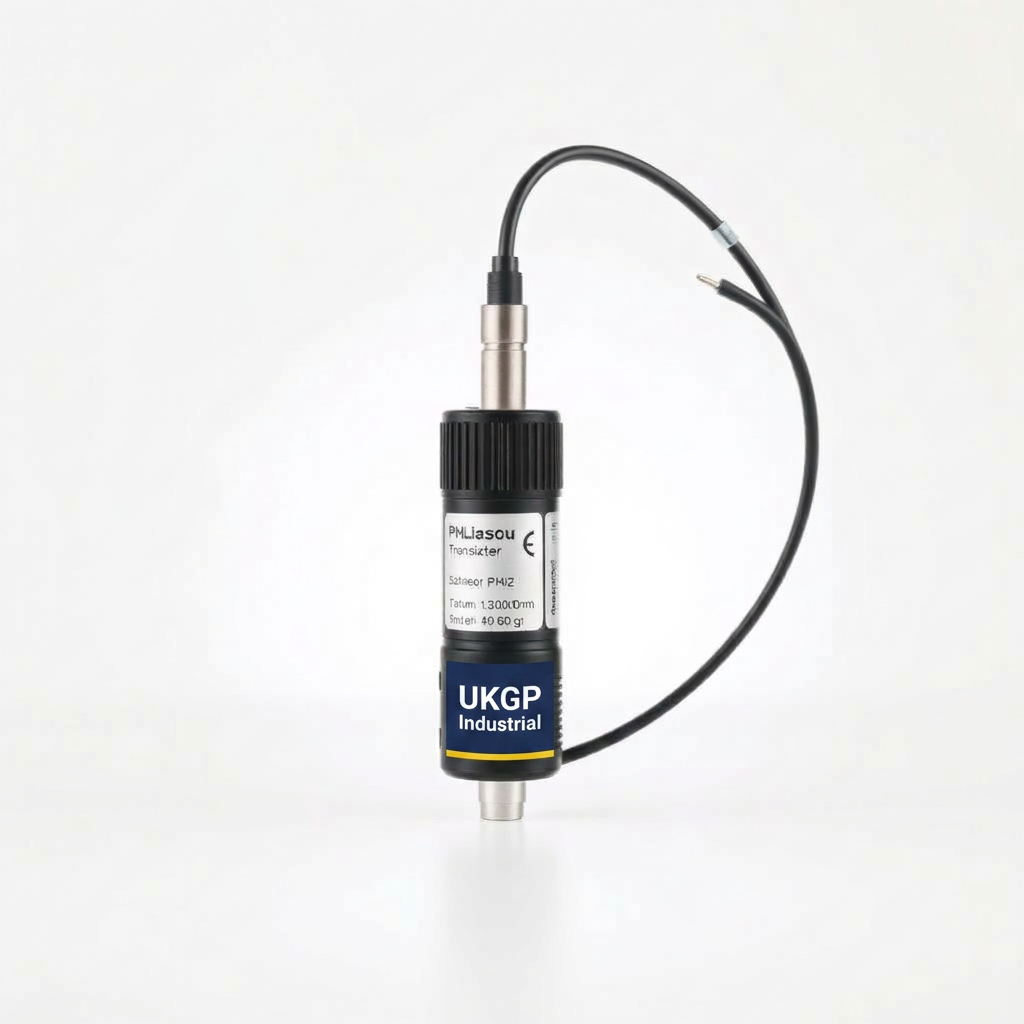
- Standard pH electrodes typically last 6 to 18 months in cooling tower applications, depending on the scale potential and chemical aggressiveness. Using smart transmitters with M12 connectors facilitates rapid 'hot-swap' replacement without needing to rewire the entire cable run back to the PLC.
What is the ideal flow rate for a pH sensor in a side-stream assembly?
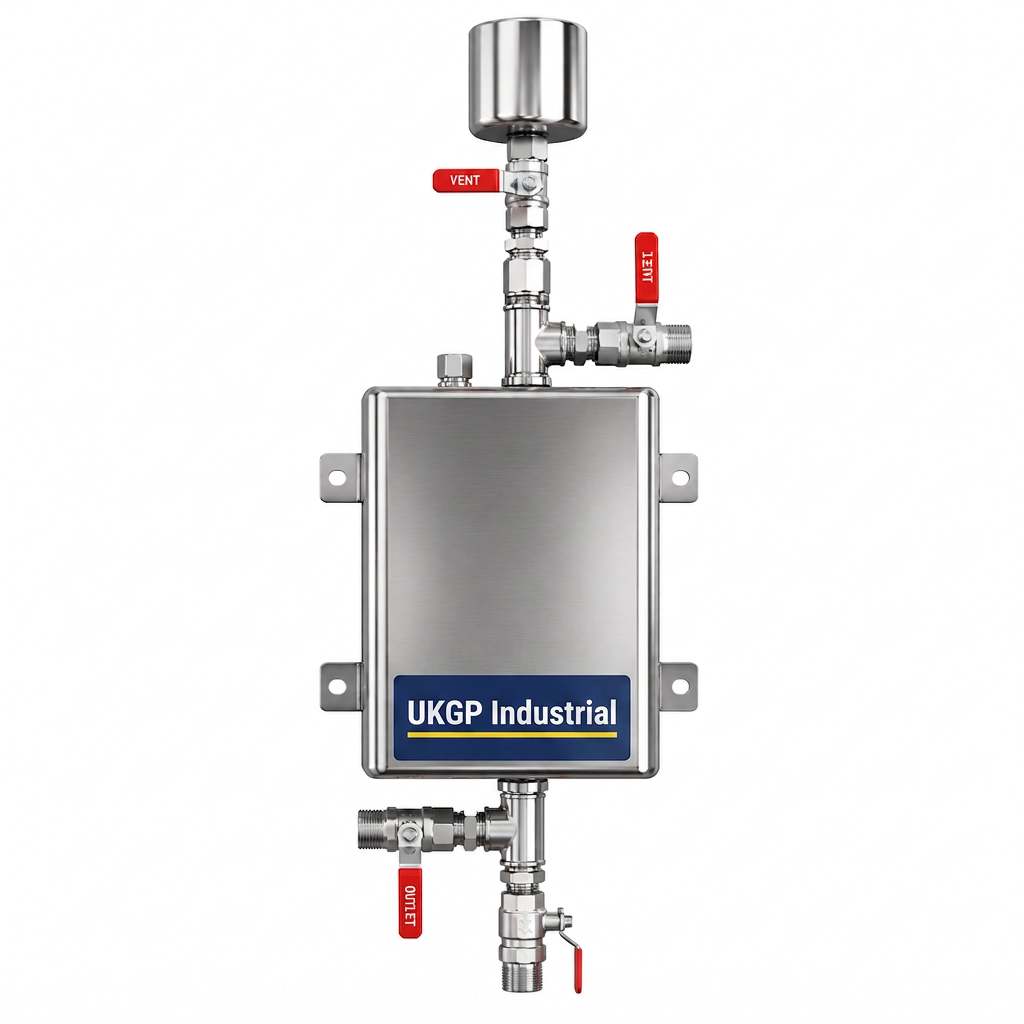
- For most industrial recirculating systems, a sample flow rate of 0.5 to 1.5 m/s across the sensor face is ideal. This prevents the stagnation that leads to biofilm growth while avoiding the mechanical abrasion of the glass membrane caused by high-velocity suspended solids.
Do I need automatic temperature compensation (ATC) for cooling tower pH monitoring?
- Yes. While cooling towers operate at moderate temperatures, pH measurement is temperature-dependent (the Nernst equation). UKGP Industrial pH transmitters include integrated PT100/PT1000 compensation to ensure the 4-20mA signal remains accurate across seasonal temperature shifts.
What is the standard pH setpoint for an industrial cooling tower?
- For typical UK evaporative cooling systems, the pH should generally be maintained between 7.5 and 9.0, depending on the metallurgy and the specific corrosion/scale inhibitor package being used. Always consult your water treatment specialist's specification.