The Challenges of pH Measurement in Industrial Environments
Achieving accurate pH readings in an industrial context is significantly more complex than in a laboratory setting. In chemical processing plants and large-scale cooling towers, sensors are subjected to hydraulic pressures, thermal cycling, and chemical abrasion. Traditional high-impedance analogue signals are highly susceptible to electromagnetic interference (EMI) from variable speed drives (VSDs) and heavy-duty motors found in UK plant rooms.
Furthermore, the maintenance of pH electrodes represents a significant portion of operational expenditure. Standard electrodes require frequent calibration and eventual replacement due to the depletion of the reference electrolyte or fouling of the glass membrane. Selecting a sensor transmitter that can withstand these stressors while providing reliable data is critical for protecting downstream equipment, such as heat exchangers and steam boilers, from corrosion or scaling.
- Electrode sensitivity and drift over time.
- Chemical compatibility of wetted materials (PVDF, PTFE, Glass).
- Pressure and temperature ratings for inline installation.
- Signal interference from high-voltage plant equipment.
Digital Signal Processing and M12 Connectivity
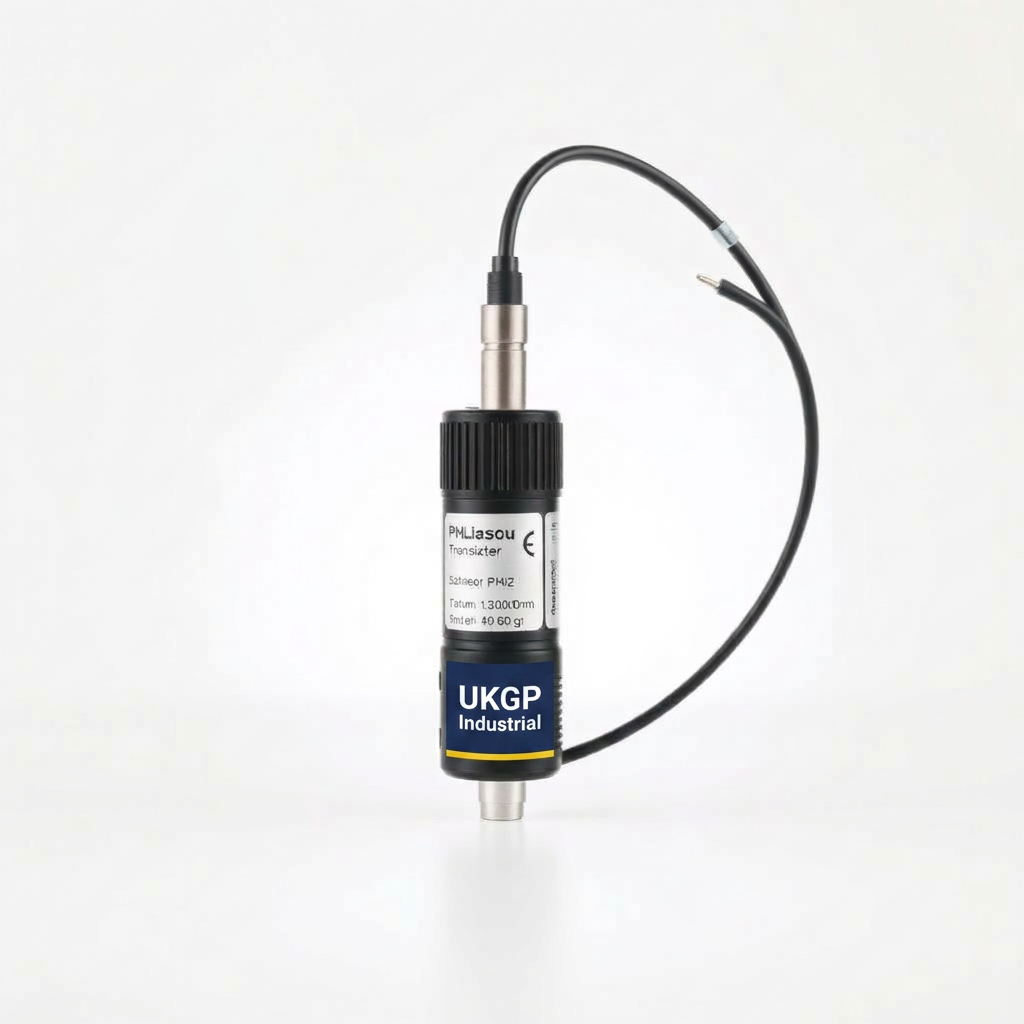
The shift toward digital pH sensor transmitters has revolutionised process control. By converting the low-millivolt signal from the glass electrode into a robust digital output directly at the sensor head, engineers can eliminate the signal loss and noise issues associated with long cable runs. UKGP Industrial sensor transmitters utilise M12 quick-connect technology, allowing for rapid hot-swapping of sensors without the need for sophisticated rewiring or specialist tooling.
These 'smart' electronics often include onboard memory to store calibration data and sensor diagnostics. This allows for 'lab-based' calibration, where a sensor is calibrated in a controlled environment and then deployed to the field, automatically uploading its parameters to the transmitter. This approach reduces the time engineers spend in hazardous or cramped plant room conditions, aligning with best practices for operational safety and efficiency.
Regulatory Compliance and System Integrity
In the UK, industrial water treatment and chemical discharge are governed by strict environmental and safety standards. For facilities managers, maintaining pH levels within prescribed limits is not only a process requirement but a legal one. Discharge of industrial wastewater into the public sewer system requires a trade effluent consent from the local water authority, which specifies the acceptable pH range (typically between 6.0 and 10.0).
Adhering to BSRIA BG50 standards is equally critical for commercial heating and chilled water circuits. Incorrect pH levels can lead to the rapid degradation of corrosion inhibitors, resulting in pitting and systemic failure. The integration of high-accuracy pH transmitters ensures that chemical dosing systems react in real-time to fluctuations, maintaining the system's chemistry within the tight tolerances required by insurance providers and engineering standards.
- BS EN 60529: Degrees of protection provided by enclosures (IP Rating).
- BSRIA BG29/21: Pre-commission cleaning of pipework systems.
- BSRIA BG50: Water treatment for closed heating and cooling systems.
- The Water Supply (Water Fittings) Regulations.
Integration with Side-Stream Filtration and Dosing
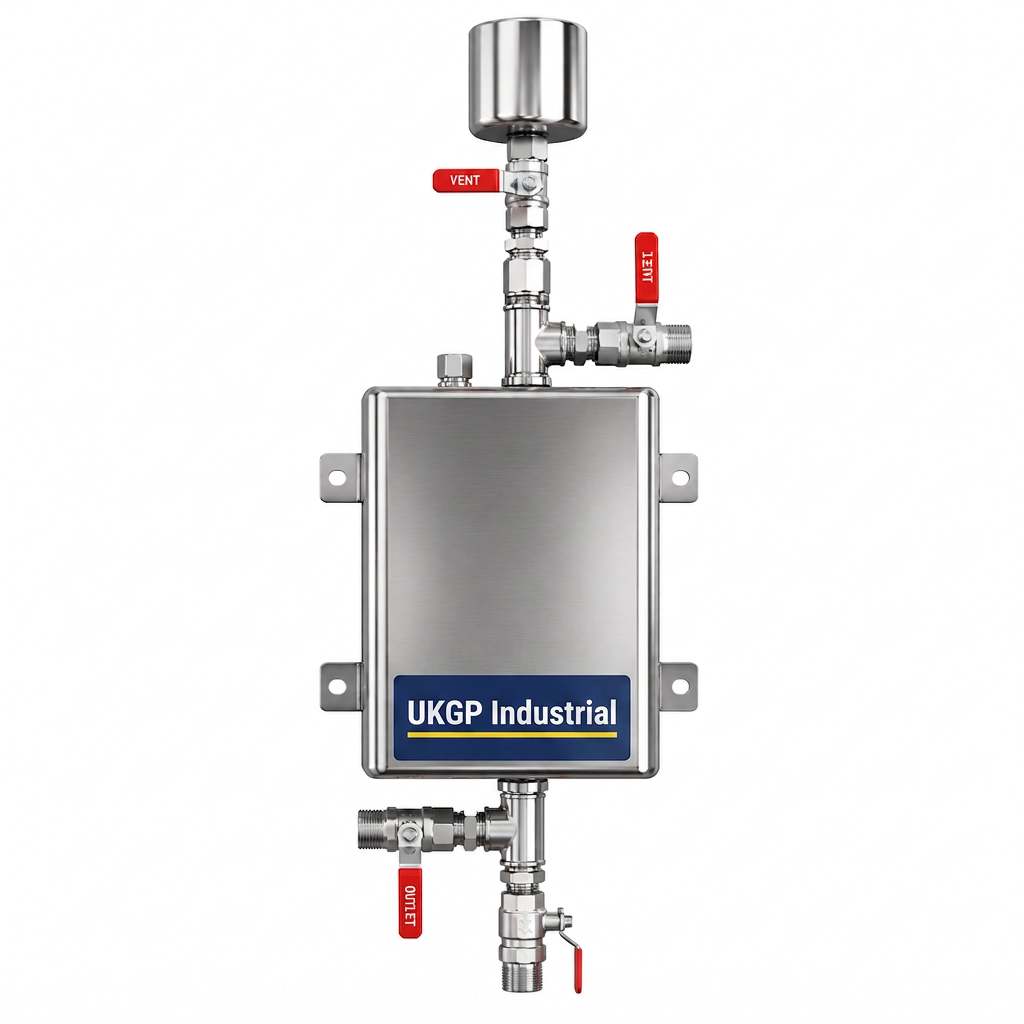
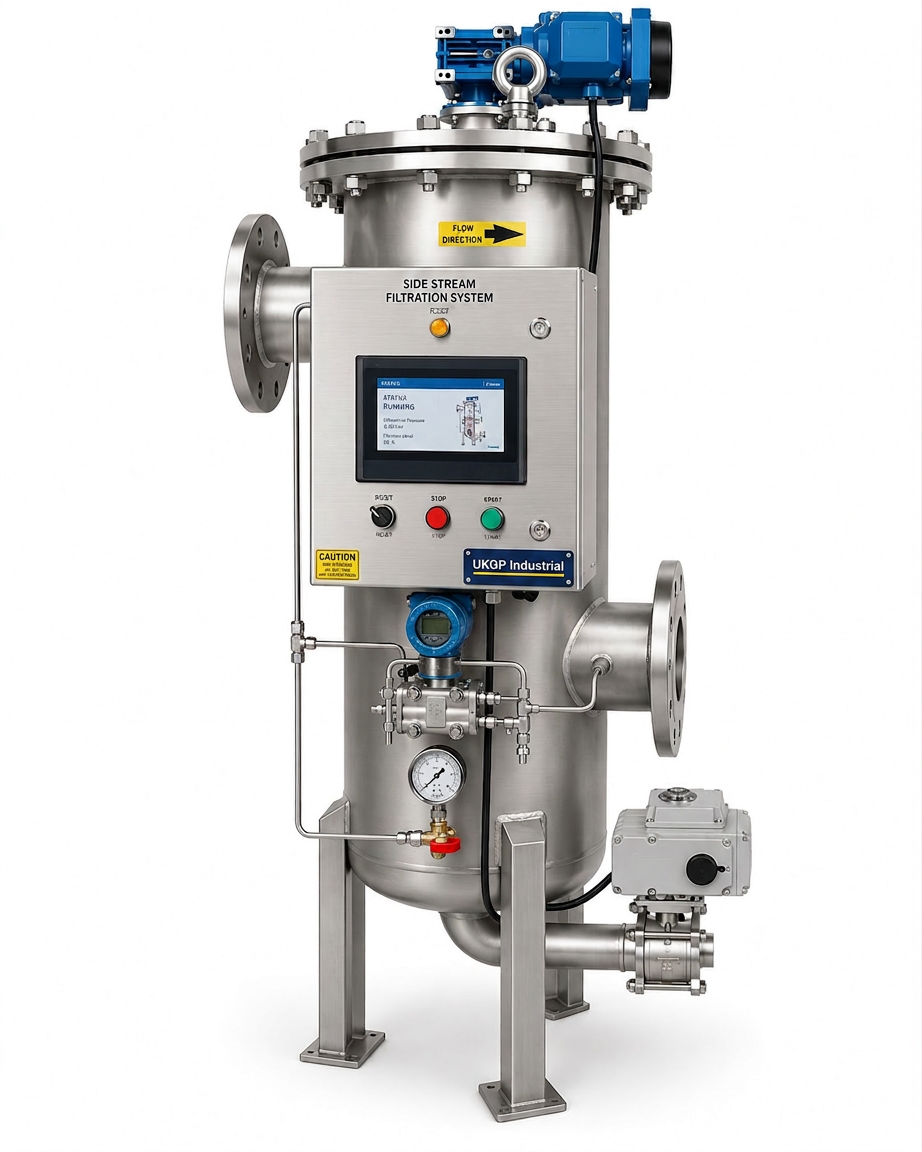
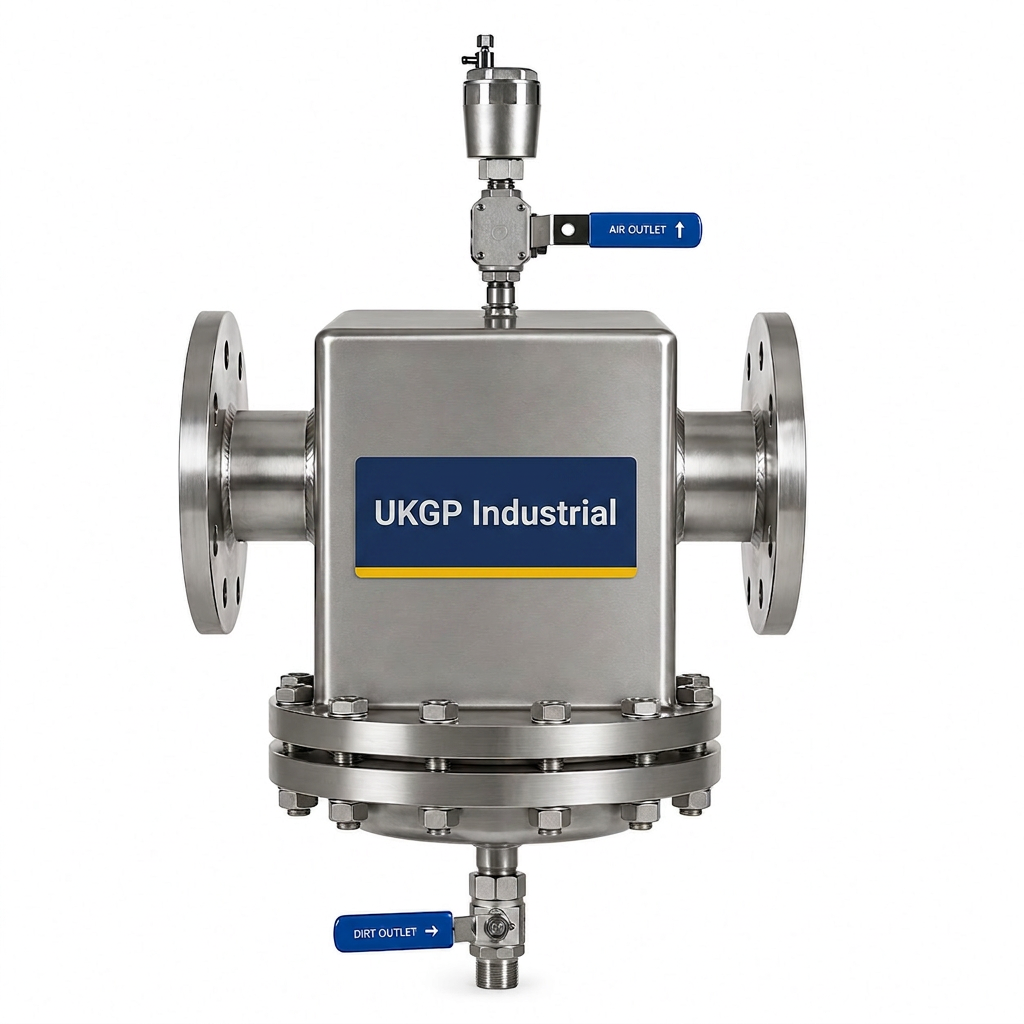
In heavy-duty cooling applications, pH sensors are frequently integrated into side-stream filtration skids. These systems divert a portion of the total flow through a filtration media and a sensing manifold. This setup protects the pH electrode from high-velocity particulates that could mechanically damage the glass bulb, while ensuring that the sensor receives a representative sample of the fluid.
When paired with side-stream filtration, pH transmitters provide the trigger signal for chemical dosing pumps. For instance, in a cooling tower, an elevated pH reading might indicate a concentration of dissolved solids, triggering a blowdown sequence or the injection of sulphuric acid or CO2. The precision of the UKGP Industrial transmitters ensures that dosing is proportional and accurate, preventing the 'overshooting' of chemical additions which can be as damaging as the original deviation.
Installation Best Practices for M&E Contractors
Correct installation is paramount to sensor longevity. M&E contractors must ensure that pH sensors are installed in locations with a stable flow and away from dead legs where stagnant fluid could lead to unrepresentative readings. The M12 connectors should be adequately tightened to maintain their IP67/68 rating, protecting the electronics from moisture ingress—a common failure point in humid plant rooms.
Temperature compensation is another critical factor. The pH of a solution is temperature-dependent; therefore, the transmitter must either have an integrated Pt100/Pt1000 temperature sensor or receive a temperature input from the wider control system. This allows the transmitter to apply a correction factor, providing a 'standardised' pH reading regardless of process temperature fluctuations. Proper earthing of the pipework and the transmitter housing is also recommended to further mitigate the risk of stray currents affecting the measurement.
- Temperature compensation (ATC) to account for Nernstian slope changes.
- Electrode material selection based on the specific chemical matrix.
- Installation at a 15-degree angle to ensure the internal electrolyte stays in contact with the bulb.
- Regular cleaning regimes using specialised solutions to remove protein or mineral buildup.
Optimising Operational Life and Maintenance
While modern pH sensor transmitters are robust, they are not maintenance-free. A proactive maintenance schedule, as outlined in CIBSE Guide G, should be implemented. This includes periodic verification against certified buffer solutions (pH 4.0, 7.0, and 10.0). The digital interface of M12 smart sensors simplifies this by providing 'slope' and 'offset' data, which serve as early warning indicators of electrode exhaustion.
For chemical processing applications involving aggressive media, engineers should consider sensors with 'tuff-tip' or flat-surface electrodes that are less prone to breakage. By selecting high-quality UKGP Industrial transmitters and following rigorous installation standards, UK building services engineers can ensure long-term reliability and precise control over their most challenging chemical and water treatment processes.
Frequently asked questions
What are the advantages of M12 quick-connect systems in industrial pH monitoring?
- M12 connectors facilitate 'plug-and-play' sensor replacement, reducing downtime and eliminating the risk of wiring errors in the field. They are particularly beneficial in harsh chemical environments where rewiring terminal blocks is impractical.
How often should industrial pH sensors be calibrated?
- Calibration frequency depends on the process conditions, but for critical chemical processing, a weekly check is recommended. Smart transmitters with diagnostic functions can alert operators when the glass electrode slope or offset deviates beyond acceptable limits.
What are the primary causes of sensor failure in chemical applications?
- Glass electrodes are susceptible to 'poisoning' and scaling. In industrial wastewater or cooling towers, high concentrations of oils, proteins, or heavy metals can foul the reference junction, leading to drift or slow response times. High-temperature applications also accelerate electrode ageing.
Can these sensors be integrated into existing BMS or PLC frameworks?
- Yes, digital pH transmitters typically offer 4-20mA or Modbus RTU outputs, making them fully compatible with Building Management Systems (BMS) and Programmable Logic Controllers (PLC) for integrated plant room automation.