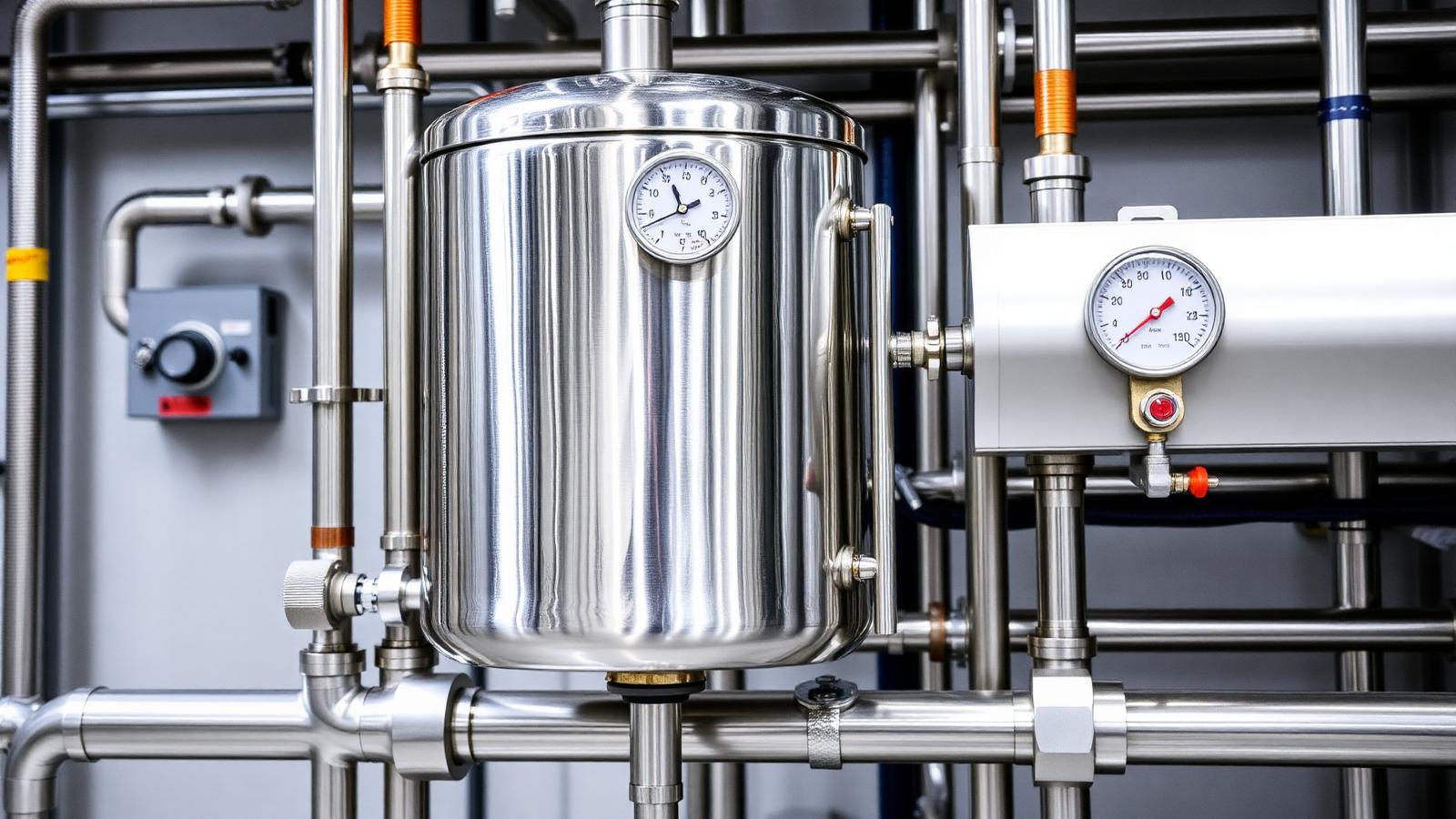
The Role of pH Monitoring in UK Plant Rooms
The pH value is a logarithmic measure of hydrogen ion activity, which in industrial settings translates directly to the corrosivity or scaling potential of the process water. For building services engineers, maintaining pH within the specific bands defined by CIBSE CP1 and BSRIA BG29/21 is non-negotiable. In closed-circuit heating and cooling systems, an acidic shift can lead to rapid oxygen-induced corrosion of steel components, while excessive alkalinity may attack sensitive yellow metals like brass and copper.
Modern plant room design increasingly relies on automated dosing regimes. To facilitate this, pH sensors must provide a reliable 4-20mA or Modbus RTU output to a central Building Management System (BMS). The accuracy of this signal determines the dosing frequency of chemical inhibitors or acid/base neutralisers, making the selection of the transmitter as vital as the chemical treatment itself.
- Real-time monitoring of cooling tower blowdown cycles.
- Corrosion inhibition and scale prevention in LTHW systems.
- Effluent neutralisation for trade waste compliance.
- Process water quality for pharmaceutical and food manufacturing.
Advancements in M12 Quick-Connect Smart Electronics
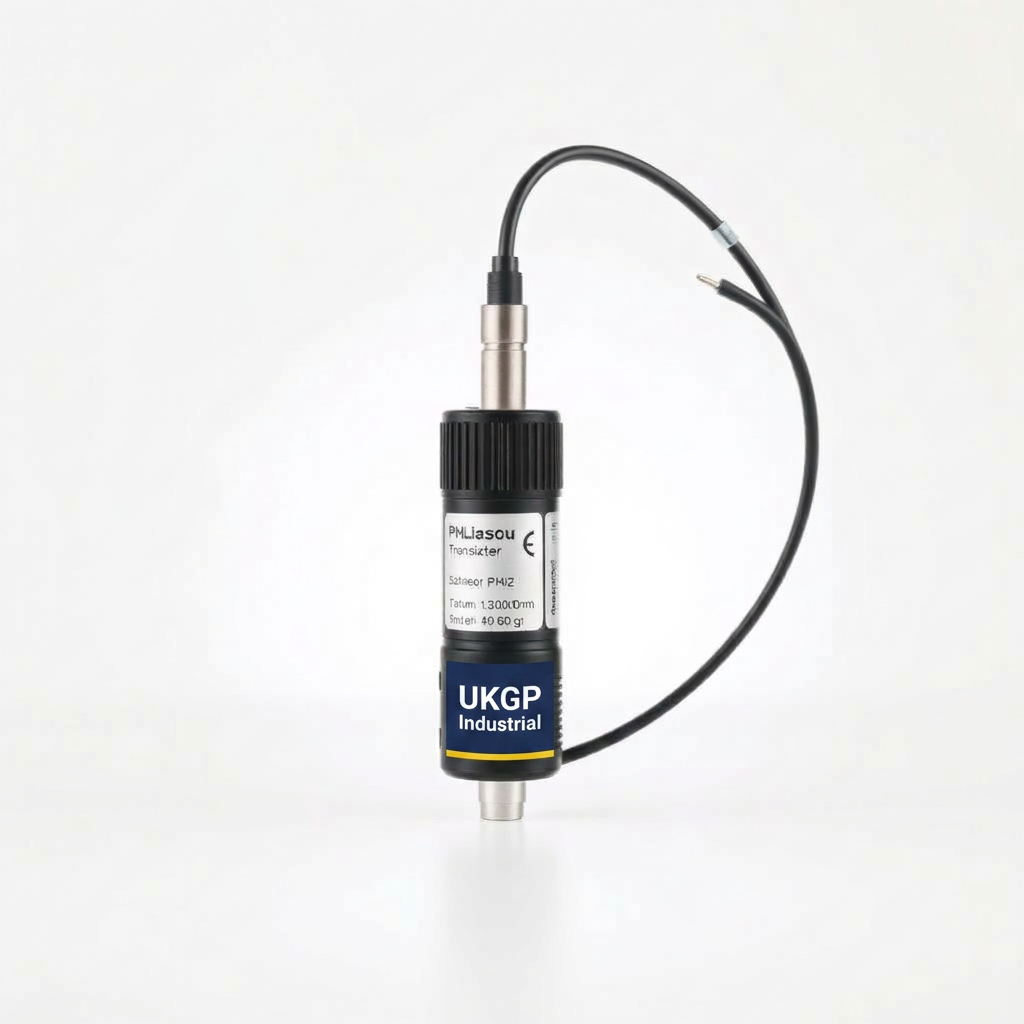
Traditional pH measurements utilised high-impedance mV signals transmitted via coaxial cables with BNC connectors. These systems were notoriously sensitive to moisture ingress and cable length limitations. The introduction of M12 quick-connect smart electronics has effectively mitigated these risks. These transmitters convert the raw millivolt signal into a robust digital or 4-20mA signal directly at the sensor head, allowing for cable runs of up to 100 metres without signal degradation.
For M&E contractors, the M12 interface simplifies installation and commissioning. There is no longer a requirement for complex onsite wiring or the use of specialised tools to secure high-impedance connections. The smart electronics often include internal memory to store calibration data, meaning sensors can be pre-calibrated in a laboratory environment and swapped into the process line in seconds, significantly reducing the manual labour associated with 'in-situ' 2-point calibrations.
- Elimination of signal drift caused by cable humidity or electrical noise.
- Reduced downtime during sensor replacement via 'plug-and-play' M12 cables.
- Improved resistance to electromagnetic interference (EMI) from nearby motors.
- Standardised IP67 or IP68 protection for harsh industrial environments.
Integrating pH Control with Chemical Dosing Systems
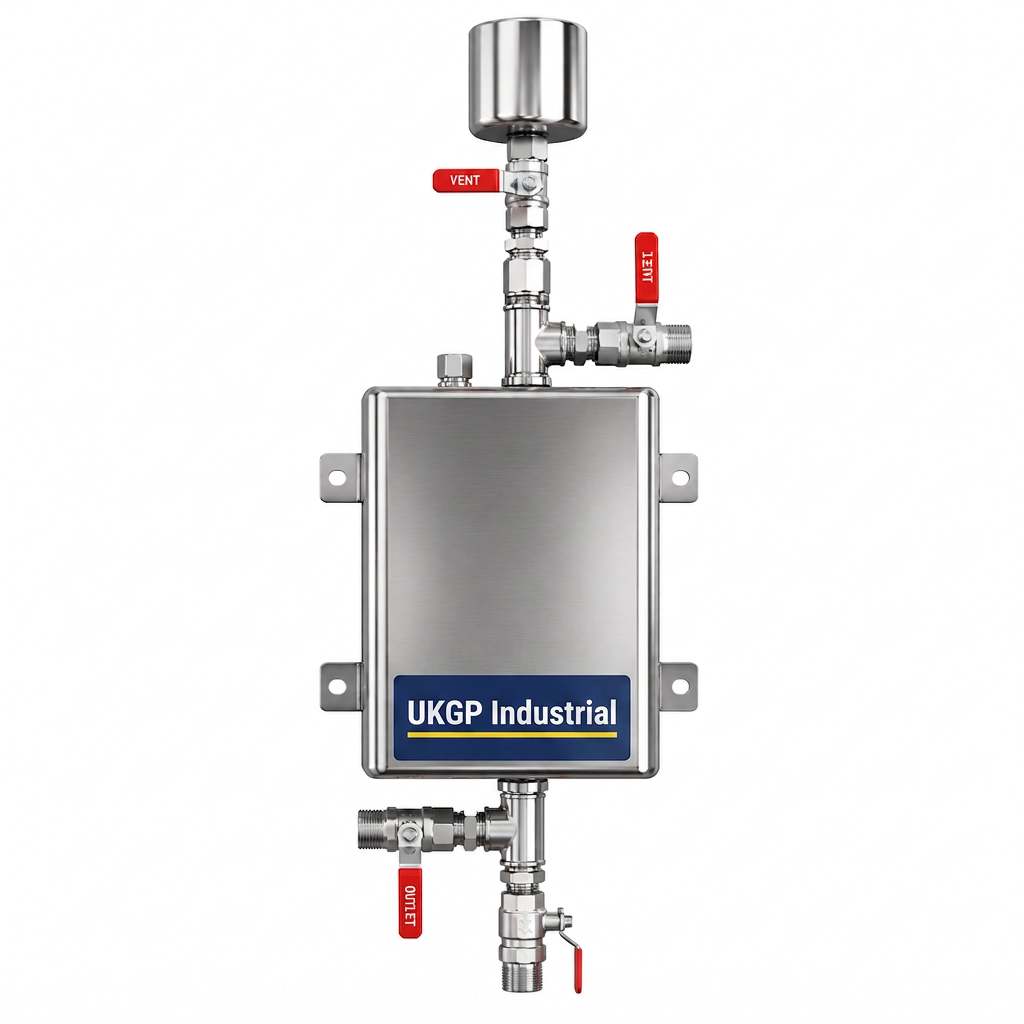
Effective pH control is rarely a standalone requirement; it is almost always integrated into a broader chemical dosing strategy. In UK industrial applications, pH transmitters typically trigger dosing pumps to inject sulphuric acid or caustic soda into a process stream. For closed-loop installations, the pH sensor serves as a diagnostic tool, confirming that the initial dose of corrosion inhibitor—often introduced via a heavy-duty dosing pot—has achieved the correct chemical equilibrium.
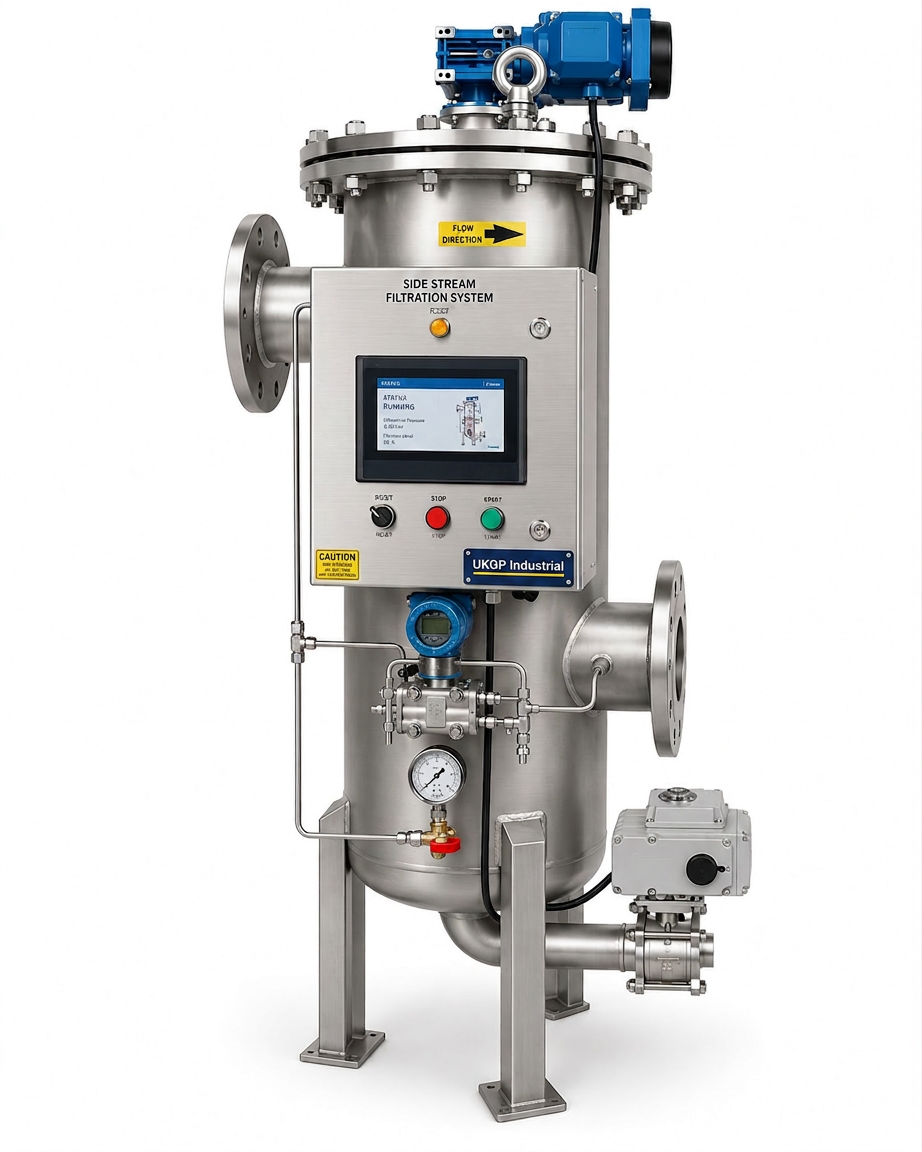
When designing these systems, fluid dynamics are paramount. pH sensors should be installed in a bypass loop or a 'sidestream' to allow for isolate-and-clean maintenance without shutting down the primary process line. Furthermore, the distance between the chemical injection point and the pH transmitter must be sufficient to allow for complete mixing, preventing 'hunting' or over-dosing due to localised pH spikes that the sensor detects before they are fully diluted.
- Use of high-capacity dosing pots for initial system treatment.
- Selection of chemical-resistant materials for pump and sensor manifolds.
- Proper placement of pH probes downstream of chemical injection points.
Challenges in Wastewater and Process Applications
Wastewater applications present the most challenging environments for pH instrumentation. Industrial effluent often contains fats, oils, greases (FOGs), and suspended solids that can coat the pH-sensitive glass membrane or plug the reference junction. In these scenarios, building services engineers must specify sensors with 'dirt-repellent' flat surface membranes or large-area Teflon junctions to ensure long-term stability and reduce the frequency of manual cleaning.
Moreover, the presence of stray electrical currents in industrial plants can introduce 'ground loops', which manifest as fluctuating or impossible pH readings. Utilising a smart transmitter with an integrated solution ground or differential input is the standard engineering fix for this issue. It ensures that the measurement is referenced to the process fluid's potential rather than the building's earth, providing the stability required for environmental compliance reporting.
- Fouling of the sensor membrane by suspended solids or oils.
- Ground loop interference in poorly earthed metal pipework.
- Pressure and temperature fluctuations exceeding sensor specifications.
Maintenance and Calibration to BSRIA Standards
To remain compliant with BSRIA BG50 and other industry guidelines, pH sensors must undergo regular validation. The 'slope' and 'offset' of the sensor are the primary indicators of its health. A new sensor will have an offset near 0mV at pH 7 and a slope of approximately 59.16mV per pH unit at 25°C. As the sensor ages, the slope drops; once it falls below 80-85% of the theoretical value, the sensor should be replaced to avoid sluggish response times and measurement errors.
Facilities managers should maintain a rigorous log of these calibration values. A sudden shift in offset often indicates a contaminated reference junction, whereas a drop in slope indicates glass fatigue. By monitoring these trends via the transmitter's diagnostic interface, maintenance teams can move from reactive to predictive maintenance, ensuring that water treatment never fails due to a preventable sensor malfunction.
- Calibration against NIST-traceable buffer solutions (pH 4, 7, and 10).
- Visual inspection of the glass bulb for cracks or 'poisoning'.
- Verification of the 4-20mA loop accuracy at the BMS controller.
Frequently asked questions
How often should an industrial pH sensor be calibrated?
- While simple pH electrodes should be checked monthly, smart transmitters with M12 digital links often provide diagnostic data that can extend intervals to 3 months. However, in high-fouling cooling tower applications, monthly cleaning and 2-point calibration (pH 4 and 7 or 7 and 10) remains best practice for system longevity.
Why is the M12 connector preferred over standard BNC or S8 connections?
- The M12 connection represents a shift from analogue mV signals to digital communication. In conventional systems, high-impedance mV signals are prone to EMI/RFI noise from VFDs and pumps. M12-based smart transmitters digitise the signal at the probe head, ensuring data integrity over longer cable runs and simplifying 'plug-and-play' replacement.
What is the role of Automatic Temperature Compensation (ATC) in pH monitoring?
- pH measurements are highly temperature-dependant (the Nernst equation). Without UTC, a shift of 10°C can result in an error of 0.3 pH. Industrial transmitters use PT100 or PT1000 elements within the pH probe to provide real-time compensation via the transmitter.
What is the typical lifespan of an industrial-grade pH sensor?
- A standard glass pH electrode typically lasts 12 to 24 months depending on the process temperature and chemical aggressiveness. Factors such as 'glass poisoning' from heavy metals or electrode dehydration during system shutdowns will significantly shorten this lifespan.
Can pH sensors be used in intermittent batch processes?
- Yes, but the sensor must be kept wet. If the system is drained for maintenance according to BSRIA BG29/21 guidelines, the pH probe must be removed and stored in a KCI (Potassium Chloride) storage solution to prevent the junction from drying out and failing.