The Impact of Fouling on Industrial Electrochemistry
In industrial water systems, pH sensors function as galvanic cells. The sensitive glass membrane and the reference junction must maintain clear, unobstructed contact with the process fluid. When these surfaces are compromised by mineral scale (typically calcium carbonate in hard water areas like South East England) or organic biofilms, the ion exchange process is inhibited. This results in 'electrode lag', where the sensor fails to react quickly enough to chemical dosing cycles, leading to over-dosing of acids or caustic buffers.
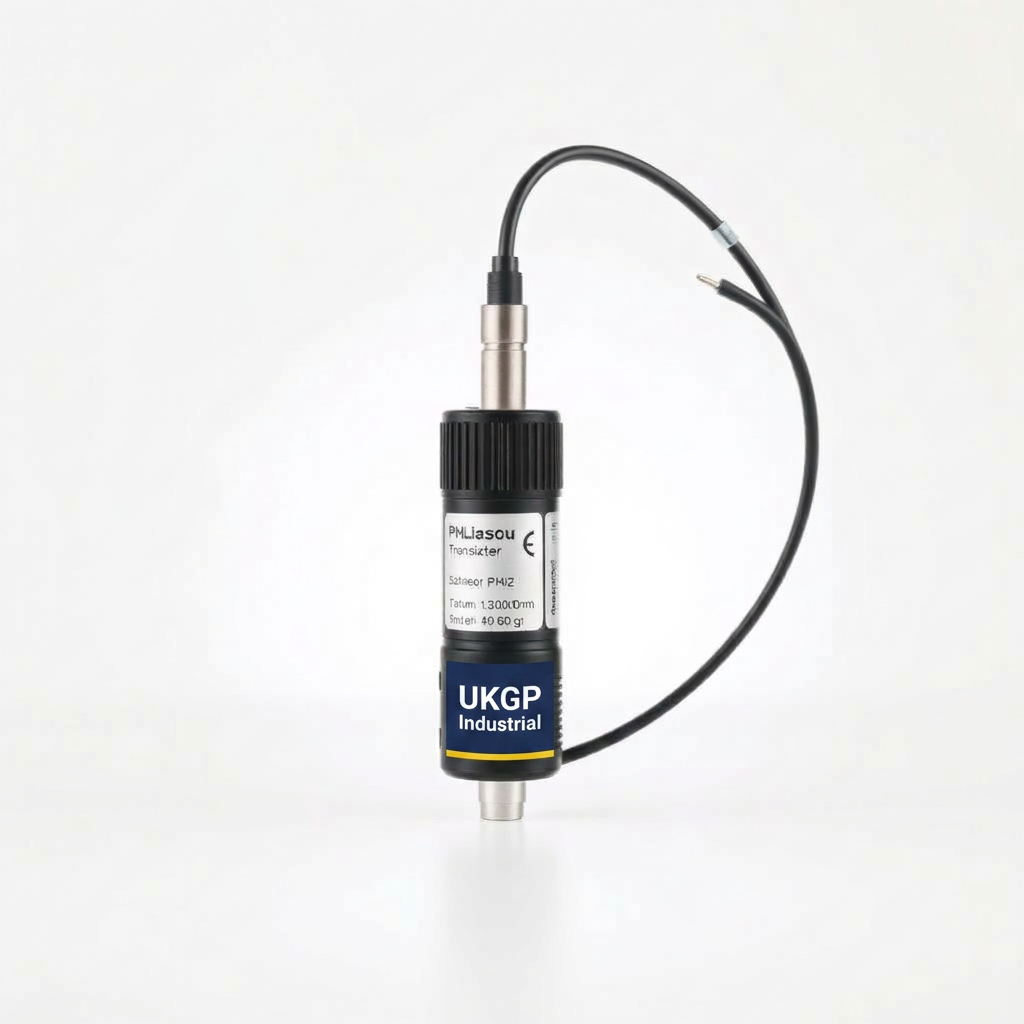
Modern UKGP Industrial pH sensor transmitters utilise M12 smart electronics to provide diagnostic data, but even the most advanced digital signal cannot compensate for a physically fouled measurement interface. For BSRIA BG50 compliant closed-loop systems or cooling towers managed under ACoP L8, maintaining sensor integrity is not merely a matter of accuracy, but one of regulatory compliance and asset protection. Failure to clean sensors regularly leads to accelerated corrosion if the pH drops below the passivation threshold.
- Loss of linearity during 2-point calibration (pH 4.0 and pH 7.0).
- Slow response times, often exceeding 60-90 seconds to reach a stable reading.
- Drift in the 'Zero' or 'Offset' potential beyond ±30mV.
- Visible discolouration or crystalline growth on the ceramic junction.
Frequently asked questions
Can I use tap water to rinse the sensor?
- In industrial plant rooms, standard tap water should be avoided for cleaning as it can contaminate the reference junction. Use deionised or distilled water to ensure measurements remain accurate.
How do I know when a sensor needs cleaning versus replacement?
- If the electrode response becomes sluggish or shows less than 90% slope during calibration, it indicates that the junction is fouled and requires a specific chemical cleaning protocol.
Is it safe to wipe the glass bulb with a cloth?
- Never. Wiping creates a static charge on the sensitive glass membrane which can lead to measurement drift and 'phantom' readings that take hours to stabilise. Always blot gently with a lint-free cloth.
What are the benefits of M12 quick-connect smart electronics in wet environments?
- M12 smart transmitters digitise the signal at the sensor head, eliminating the electrical noise and impedance issues common with long runs of traditional high-impedance coaxial cable.