SENSORS & WATER TREATMENT

Industrial pH Sensor Buyer's Guide

Maintaining precise pH levels is critical for the longevity of UK building services assets, from closed-loop heating systems to cooling towers. With the transition toward Industry 4.0 and the tightening of BSRIA BG29/21 and BG50 standards, the selection of pH sensing technology has evolved from basic glass electrodes to smart transmitters with M12 quick-connect interfaces. This guide provides building services engineers, M&E contractors, and FM managers with the technical criteria required to specify pH instrumentation that balances accuracy with operational durability.

10 June 2026 10 min readpH sensor transmitters
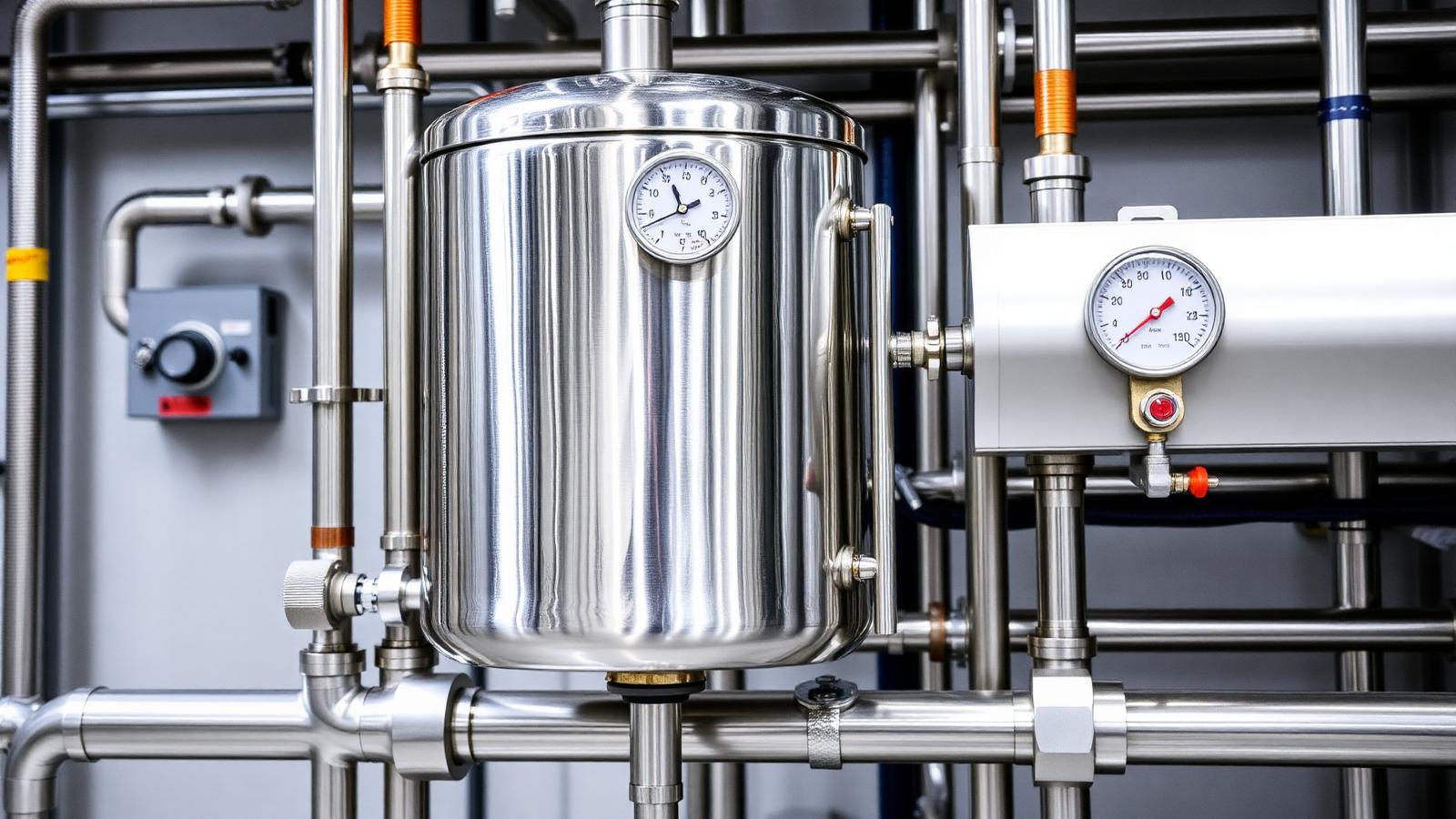
Industrial pH Sensor Buyer's Guide — Industrial pH sensor and transmitter installed on process pipework
Industrial pH sensor and transmitter installed on process pipework

The Transition to Smart M12 Sensor Technology

Traditionally, pH measurement relied on high-impedance analogue signals transmitted via coaxial or triaxial cables. In an industrial plant-room environment, these signals are highly susceptible to electrical noise from VFDs (Variable Frequency Drives) and heavy motors. The modern standard has shifted toward 'smart' digital transmitters that convert the millivolt signal to a digital protocol directly at the sensor head.

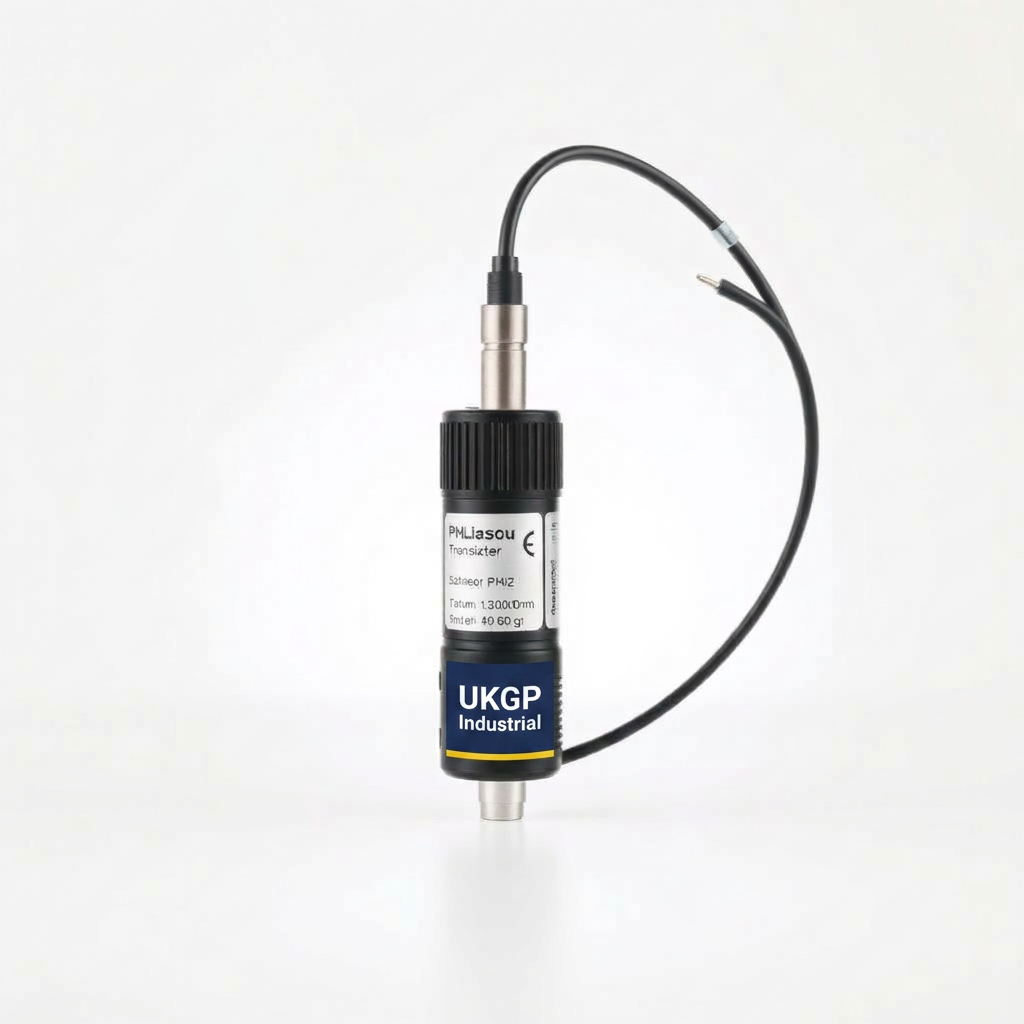
The integration of M12 quick-connect electronics represents a significant leap in maintenance efficiency. Instead of rewiring terminals inside a transmitter housing—a task that often requires an electrician or specialist technician—M12 systems allow for 'plug-and-play' swaps. This reduces plant downtime and eliminates the risk of wiring errors during routine sensor replacement.

UKGP Industrial smart sensors offer improved signal stability over longer distances. By digitising the measurement, engineers can run signal cables up to 100 metres without the signal degradation typically associated with traditional analogue pH probes. This is particularly advantageous in large-scale energy centres or spread-out wastewater treatment facilities.

  • Integrated microprocessor for signal digitisation at the source.
  • Reduced EMI (Electromagnetic Interference) compared to high-impedance coaxial cables.
  • Calibration data stored on the sensor head rather than the transmitter.
  • Standardised M12 A-coded connectors for rapid field replacement.

Frequently asked questions

Can I swap any M12 sensor onto an existing transmitter?

While M12 connectors simplify the physical link, ensure the transmitter supports the specific protocol (e.g., 4-20mA or RS485). Smart sensors from UKGP Industrial allow for 'hot-swapping' without manual rewiring of the PLC interface.

How often should I calibrate an industrial pH sensor?

For high-specification systems governed by BG50, monthly calibration is recommended for the first six months, potentially extending to quarterly if drift is minimal. Process wastewater with heavy oils may require weekly inspection.

Is it acceptable to store sensors dry during plant shutdowns?

No. Storing a pH probe dry will dehydrate the reference junction, leading to permanent damage. Always store in KCI solution or the original protective cap with buffer 4 solution.

Why is temperature compensation necessary for pH measurement?

Temperature drastically affects the Nernstian slope of the pH measurement. High-quality transmitters use integrated PT100 or PT1000 elements for Automatic Temperature Compensation (ATC) to ensure accuracy across varying plant temperatures.
Keep reading

Related articles

pH sensor transmitters

Industrial pH Sensor Transmitters in Plant Room Engineering

For building services engineers managing large-scale HVAC, cooling terminals, or industrial effluent, pH monitoring is the first line of defence against asset degradation. A pH sensor is more than a simple probe; in a modern plant room context, it is a precision electrochemical instrument that converts chemical activity into a standardised electrical signal. This guide examines the mechanics of pH measurement, the transition toward smart M12 quick-connect electronics, and the critical role of pH monitoring in maintaining system longevity under BSRIA and CIBSE guidelines.

Read
pH sensor transmitters

Precision pH Measurement in Industrial Building Services

For building services engineers managing HVAC systems, cooling towers, and industrial wastewater, monitoring pH is not merely a box-ticking exercise; it is a critical safeguard against asset degradation and regulatory non-compliance. A drift in pH can lead to rapid pipework corrosion, scaling of heat exchangers, or the failure of chemical dosing regimes. Understanding the underlying electrochemistry of pH sensors, and the advantages of modern smart transmitters, is essential for maintaining system longevity and operational efficiency. This guide examines the mechanics of pH measurement, focusing on robust, industrial-grade solutions required for the UK plant room environment.

Read
pH sensor transmitters

Advanced Guidance: How to Use a pH Sensor in Industrial Systems

For the building services engineer, pH monitoring is the first line of defence against asset degradation. Whether managing a cooling tower, an industrial wastewater discharge, or a critical process loop, accurate pH measurement dictates the efficacy of chemical dosing and the longevity of heat exchangers. This technical guide examines the application of modern pH sensor transmitters, focusing on M12 digital electronics and the move away from high-impedance coaxial cabling toward robust, field-swappable smart technology.

Read
Request Quote