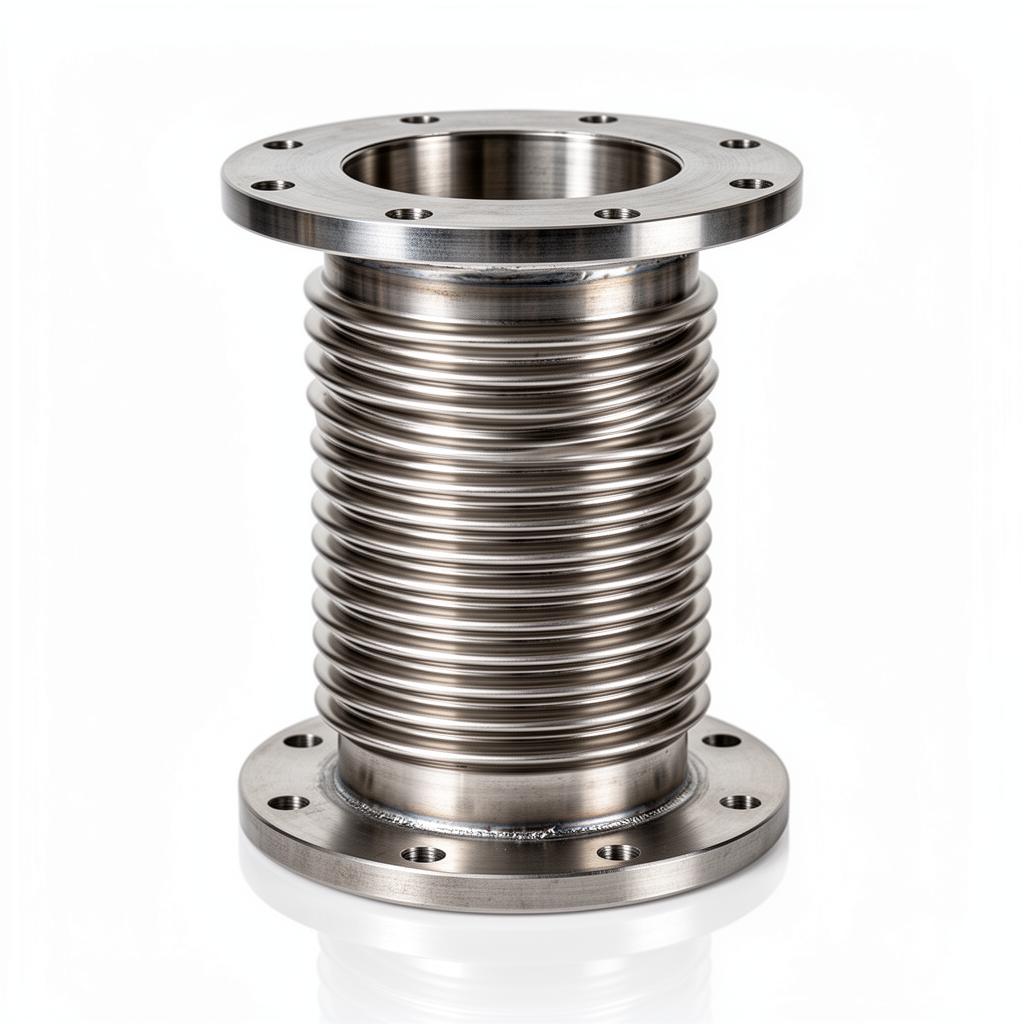
Understanding the role of metallic expansion bellows
In the UK building services sector, thermal expansion is an unavoidable reality for any commercial heating or chilled water circuit. As fluid temperatures rise, the expansion of steel or copper pipework can exert immense force on fixed points, pumps, and boiler connections. High-quality metallic expansion bellows are engineered to absorb this multi-axial movement, mitigating the risk of longitudinal stress and preventing potential joint rupture. Designers must account for the specific temperature delta of the system, calculating the precise amount of thermal growth per linear metre. Without the inclusion of a robust metallic expansion bellows, systems are prone to mechanical failures that can lead to costly downtime and significant remedial works across London and Surrey commercial assets.
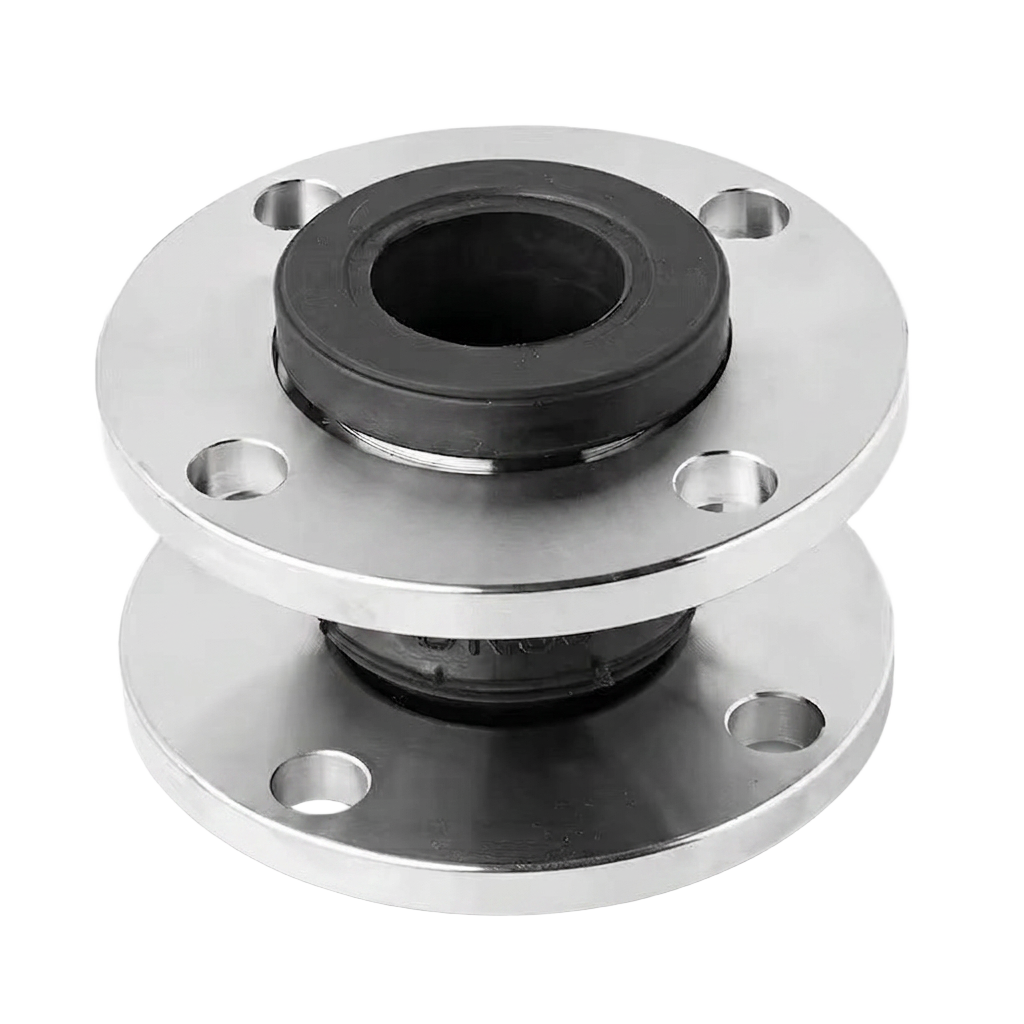
Choosing between different types of expansion joints requires a deep understanding of fluid dynamics and mechanical stress. While rubber bellows are often suitable for vibration isolation in low-temperature applications, metallic expansion bellows are non-negotiable for high-pressure systems or where temperatures exceed the limits of EPDM or NBR elastomers. From a BSRIA BG50 perspective, ensuring the longevity of a closed-loop system involves not just water chemistry, but also the physical management of pipe stress. By integrating these stainless steel components, M&E contractors can ensure that the thermal cycles of the building do not lead to fatigue-induced cracking in the header pipework or heat exchanger connections, maintaining the design life of the entire mechanical installation.
Specifying the correct hardware involves more than just matching the nominal bore of the pipework. Engineers must consider the working pressure and whether the movement is axial, lateral, or angular. A poorly specified metallic expansion bellows can lead to 'squirm' or buckling under pressure, particularly if the pipework is not adequately guided and anchored. Our technical team frequently reviews consultant specifications to ensure that the chosen bellows material and configuration match the specific operational parameters of the plant room. For those managing procurement, selecting a UK-based supplier with deep technical expertise ensures that the installed components meet the rigorous standards expected by end-users and facility managers alike, protecting the infrastructure from the first day of commissioning.
- Absorption of thermal expansion in high-pressure circuits
- Reduction of mechanical stress on terminal units and pumps
- Compliance with BS EN 14917 for flexible piping elements
- Superior longevity compared to elastomer alternatives in steam applications
Material selection for metallic expansion bellows longevity
When it comes to the construction of a metallic expansion bellows, the grade of stainless steel utilized is paramount for chemical resistance and thermal durability. Typically, 304 stainless steel is the standard for general-purpose applications, but many UK plant rooms require the enhanced corrosion resistance of 316 grade, especially if the secondary side involves raw water or process fluids. In aggressive environments, or where chloride stress corrosion cracking is a concern, higher alloys may be required. Selecting the right metallurgy ensures that the convolutions of the bellows remain flexible without succumbing to the pitting or erosion that can occur in high-velocity systems. It is essential that procurement leads verify the material certificates before installation to avoid premature component degradation.
Beyond the bellows element itself, the selection of flange material and internal sleeves must be considered. An internal sleeve or 'liner' is often recommended for metallic expansion bellows when flow velocities are high, as this prevents the 'singing' effect and turbulent erosion of the convolutions. For M&E contractors, understanding the delta between a standard weld-end unit and a flanged unit is vital for fast-track installations during boiler replacements or plant upgrades. Our UKGP range covers DN15 to DN600 sizes, offering both stainless steel and fabric options for more bespoke requirements. This versatility allows engineers to tailor the expansion solution to the specific spatial constraints often found in congested basement plant rooms across the South East.
Consultants should also be aware of the 2-year warranty cycles that indicate a manufacturer's confidence in their fabrication processes. A failed bellows is not just a leak; it is a mechanical failure that can compromise the safety of the entire system. By opting for a metallic expansion bellows from UKGP Industrial, you are investing in a product that has been rigorously tested for pressure integrity. Whether you require stainless steel with fixed flanges or van stone-type swivel flanges for easier alignment, our technical support desk can provide the CAD blocks and data sheets required to lock in a robust specification early in the design stage. This proactive approach reduces the risk of onsite modifications and thermal stress issues during the critical first heating season.
- Available in 304 and 316L stainless steel for varied environments
- Internal liners to prevent vortex shedding and turbulent noise
- Optional tie bars to control movement and prevent over-extension
- Weld-end or flanged connections for versatile site installation
Aligning bellows with BSRIA BG29 and water treatment
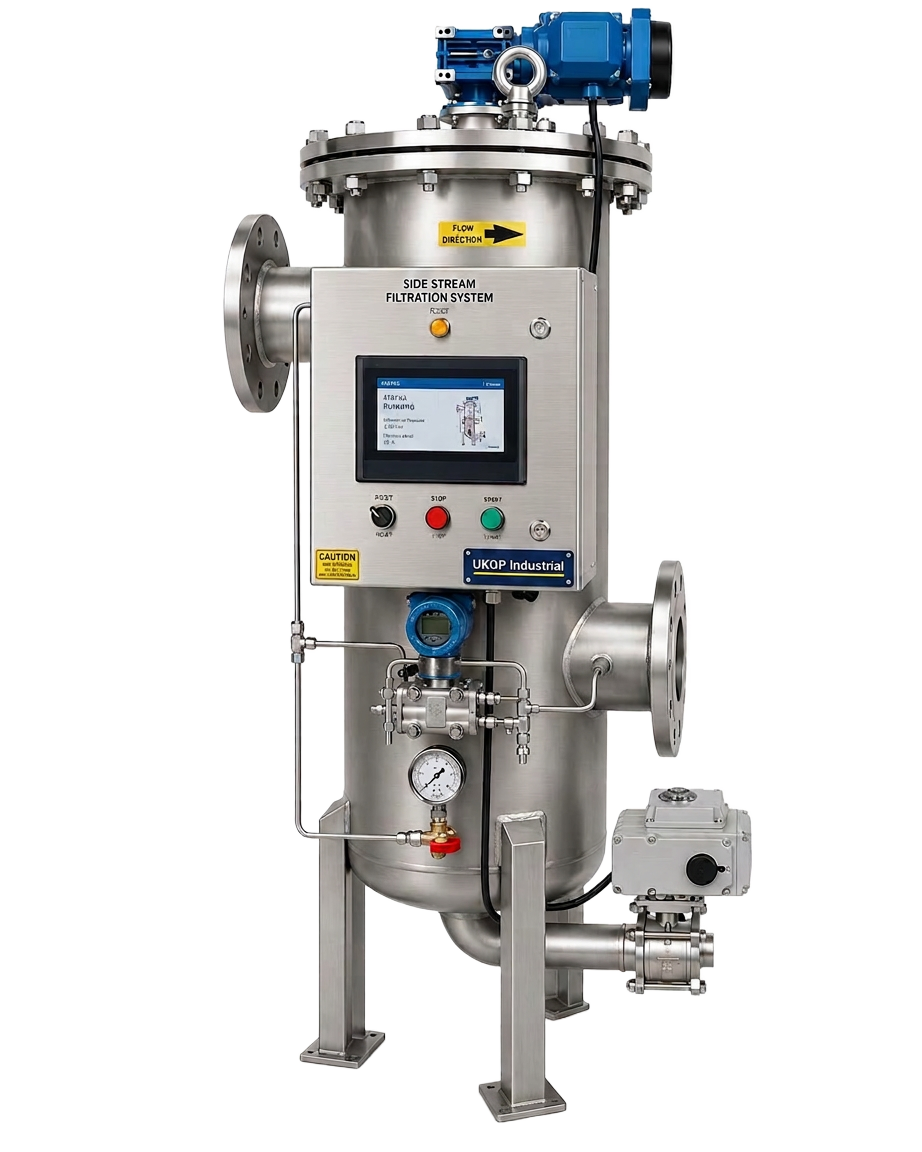
A common oversight in mechanical design is the interaction between water chemistry and expansion joints. BSRIA BG29 guidelines for pre-commission cleaning emphasize the removal of debris, but if the metallic expansion bellows are not properly flushed or if air pockets are allowed to form in the convolutions, localized corrosion can occur. This is why side stream filtration is often specified alongside expansion solutions. By removing suspended solids that could otherwise settle in the bellows folds, the mechanical integrity of the stainless steel is preserved. It is a holistic approach to plant-room health that ensures the flexibility of the bellows is not hampered by the buildup of magnetite or calcium scale, which can lead to premature stiffening and cracks.
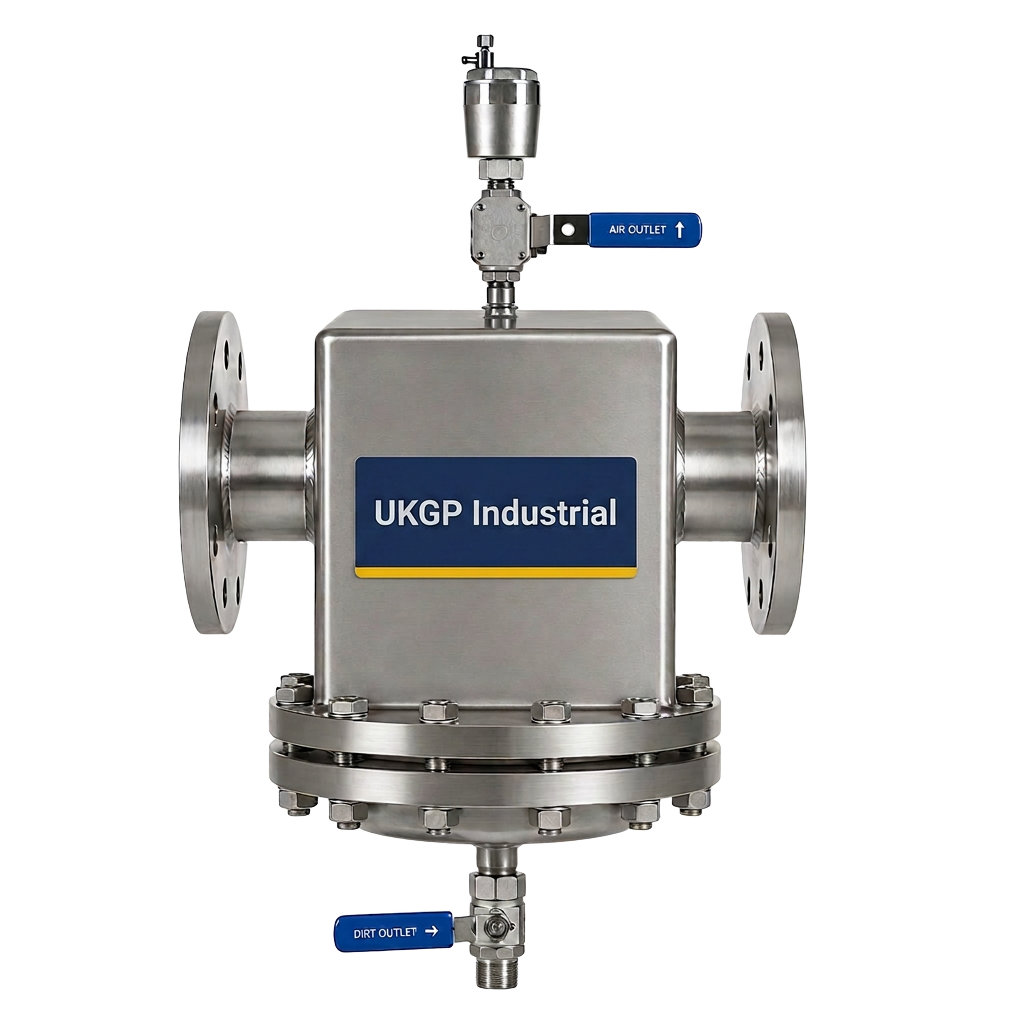
Furthermore, the presence of dissolved oxygen can be catastrophic for metallic expansion bellows if not managed through proper air and dirt separation. When oxygen-rich water enters a circuit, it can cause rapid oxidation of stainless steel components under certain temperature conditions. By installing an efficient air and dirt separator at the point of highest temperature and lowest pressure, you protect your bellows from the corrosive effects of microbubbles. For many UK contractors, this complete system approach is the only way to meet the strict requirements of BS 8552 for water quality monitoring. It ensures that the investment made in high-quality piping components is not undermined by poor fluid management or neglected chemical dosing protocols.
To properly safeguard these assets, M&E professionals should also consider the use of chemical dosing pots to maintain inhibitor levels. A metallic expansion bellows that operates in a balanced, inhibited environment will far outlast one subjected to fluctuating pH levels and high conductivity. Our range of dosing pots and sensors allows for the precise maintenance of these parameters. When you combine these protective measures with a 2-year warranty on our expansion joints, you create a resilient system that satisfies both the technical requirements of the lead engineer and the commercial requirements of the FM provider. Ensuring the system is correctly grounded also prevents galvanic corrosion through the bellows unit, which is a frequent cause of pinhole leaks in older installations.
- Compatibility with BSRIA BG29 pre-commission cleaning cycles
- Integration with high-efficiency air and dirt separation
- Support for system-wide corrosion inhibition strategies
- Prevents sediment buildup in stainless steel convolutions
Standardization and compliance: BS EN 14917
The design and manufacture of any metallic expansion bellows must strictly adhere to BS EN 14917, the European standard for metal bellows expansion joints. This standard dictates the calculations for bellows life, pressure thrust, and the number of cycles the unit can withstand before metal fatigue sets in. For UK building services consultants, verifying that a supplier meets these criteria is the first step in risk mitigation. A compliant bellows will have been designed with a specific safety factor, ensuring it can handle the surges and thermal shocks typical of commercial district heating or steam systems. Ignoring these standards can lead to catastrophic failure, as non-compliant components often lack the wall thickness or convolution geometry required to handle high-stress loads.
In addition to European standards, CIBSE guides provide clear frameworks for the anchoring and guiding of pipework containing a metallic expansion bellows. The bellows itself is the weakest point in the piping system by design; it is meant to move while the pipe remains rigid. If the anchors are incorrectly positioned or if the first two guides are too far from the bellows, the internal pressure can cause the bellows to bow or 'squirm'. This mechanical instability is a leading cause of insurance claims in the HVAC industry. We recommend that site engineers work closely with our technical team to verify the guide spacing for our DN15 to DN600 units, ensuring that the installation aligns with best practices for thermal expansion management and structural safety.
Finally, the role of testing cannot be overstated. Every metallic expansion bellows supplied into a UK project should be hydrostatically tested to 1.5 times the design pressure to ensure its integrity. At UKGP Industrial, we take these quality control measures seriously, providing the supporting documentation that FM leads require for their technical files. Whether you are looking for EPDM-lined rubber bellows for chilled water or stainless steel units for LTHW/MTHW headers, the focus remains on reliability and compliance. Our commitment to these standards helps avoid the nightmare of a failed joint in a high-congested riser or above an expensive tenant fit-out, giving procurement leads peace of mind that they are installing a 'fit and forget' solution.
- Adherence to BS EN 14917 for mechanical design safety
- Strict adherence to CIBSE pipe anchoring and guiding rules
- 1.5x design pressure hydrostatic testing as standard
- Comprehensive technical documentation for O&M manuals
Installation best practices for M&E contractors
Correct installation is just as important as the selection of the metallic expansion bellows. One of the most common errors onsite is the over-extension or excessive compression of the bellows during installation to compensate for poorly aligned pipework. A metallic expansion bellows is not a tool for straightening crooked pipes; it is a precision instrument designed for thermal movement. Exerting lateral stress on a unit designed for axial movement can significantly reduce its lifecycle. We advise contractors to ensure that the pipework is perfectly aligned before the bellows is bolted or welded into place. Utilizing products with a 2-year warranty provides a safety net, but only when the installation follows the manufacturer's strict guidelines.
Special attention should be paid to the shipping bolts or 'cold pull' settings on a metallic expansion bellows. These bolts are installed at the factory to maintain the unit at its neutral length and must be removed only after the pipework is fully anchored and guided, but before the system is pressurized. Failing to remove these bolts effectively turns the expansion joint into a rigid piece of pipe, defeating its purpose and likely causing the anchors to shear once the system heats up. For projects requiring DN600 flanged units, the weight of the component itself must also be supported so that the weight does not hang on the convolutions, which can cause permanent deformation before the system even goes live.
To secure a quote for your next project, our team is ready to assist with sizing and material recommendations. Whether you need stainless steel, PTFE, or fabric bellows, UKGP provides a range of solutions that fit the diverse needs of the UK building services market. We understand that time is of the essence for contractors, which is why we hold stock for common sizes and offer rapid lead times for bespoke configurations. Contact our Surrey office to discuss how our metallic expansion bellows can be integrated into your next plant-room upgrade or new build project, ensuring you meet both BSRIA standards and project timelines with a single, reliable supply partner.
- Ensure perfect axial alignment to prevent lateral fatigue
- Always remove shipping bolts before system pressurization
- Support the weight of large DN600 units independently
- Consult manufacturer technical data sheets for anchor loads
Future-proofing systems with high-spec bellows
Strategic specification of a metallic expansion bellows is a hallmark of high-quality building design. As many UK commercial buildings move toward low-carbon technologies like heat pumps, the temperature regimes are changing, but the need for flexible piping remains. Lower flow temperatures might reduce total expansion, but higher flow rates can increase vibration and erosion risks, making the choice of a robust stainless bellows even more critical. By selecting a supplier that understands the nuances of modern HVAC design, you ensure that your pipework is prepared for the next thirty years of operation, regardless of the heat source used in the plant room.
Beyond the immediate mechanical benefits, using high-grade metallic expansion bellows contributes to the overall sustainability of a building. Leakage caused by bellows failure often leads to huge losses of treated water and the energy required to reheat it. By preventing these failures, you maintain the hydraulic efficiency of the circuit and reduce the environmental footprint of the facility. For procurement leads, this means analyzing the total cost of ownership rather than just the initial capital expenditure. A cheaper, non-compliant bellows often results in a much higher cost through repairs and system damage within the first five years of service, whereas a UKGP unit offers lasting value.
As we continue to support the UK's mechanical engineers, our focus remains on providing technical excellence and commercially aware solutions. Our expertise in expansion bellows—spanning from rubber EPDM to multi-layered stainless steel—makes us the partner of choice for complex M&E projects. If you are currently working on a plant-room specification or facing a challenge with thermal expansion in an existing system, reach out for a technical consultation. We can provide the specific metallic expansion bellows that matches your pressure requirements, temperature limits, and budget, all backed by the quality assurance and 2-year warranty that the UK industry demands for high-stakes installations.
- Adaptable to changing heat pump flow temperatures
- Reduces water and energy waste from system leaks
- Stronger ROI through reduced maintenance and downtime
- Direct access to UK-based technical engineering support
Frequently asked questions
What is the pressure rating for your metallic expansion bellows?
- Our metallic expansion bellows are typically rated for PN16 or PN25 as standard, but we can manufacture units for higher pressure applications up to PN64. All units are tested to 1.5x working pressure.
Can I use a metallic expansion bellows for steam applications?
- Yes, stainless steel metallic expansion bellows are ideal for steam, as they handle the high temperatures and pressures that would degrade rubber EPDM or NBR bellows.
What sizes are available in your expansion bellows range?
- We supply bellows from DN15 for small bore branch lines up to DN600 for large main headers, available with flanged or weld-end connections.
Do you offer a warranty on your expansion joints?
- Yes, all our expansion bellows, including rubber, stainless steel, and PTFE varieties, come with a 2-year warranty against manufacturing defects.
How do I calculate the number of bellows needed for a long pipe run?
- This depends on the material's expansion coefficient and the temperature delta. Our technical team can help you calculate the expansion and specify the number of metallic expansion bellows required per CIBSE guidelines.