PROCESS INSTRUMENTATION & MONITORING

M12 Quick-Connect pH Sensor Systems

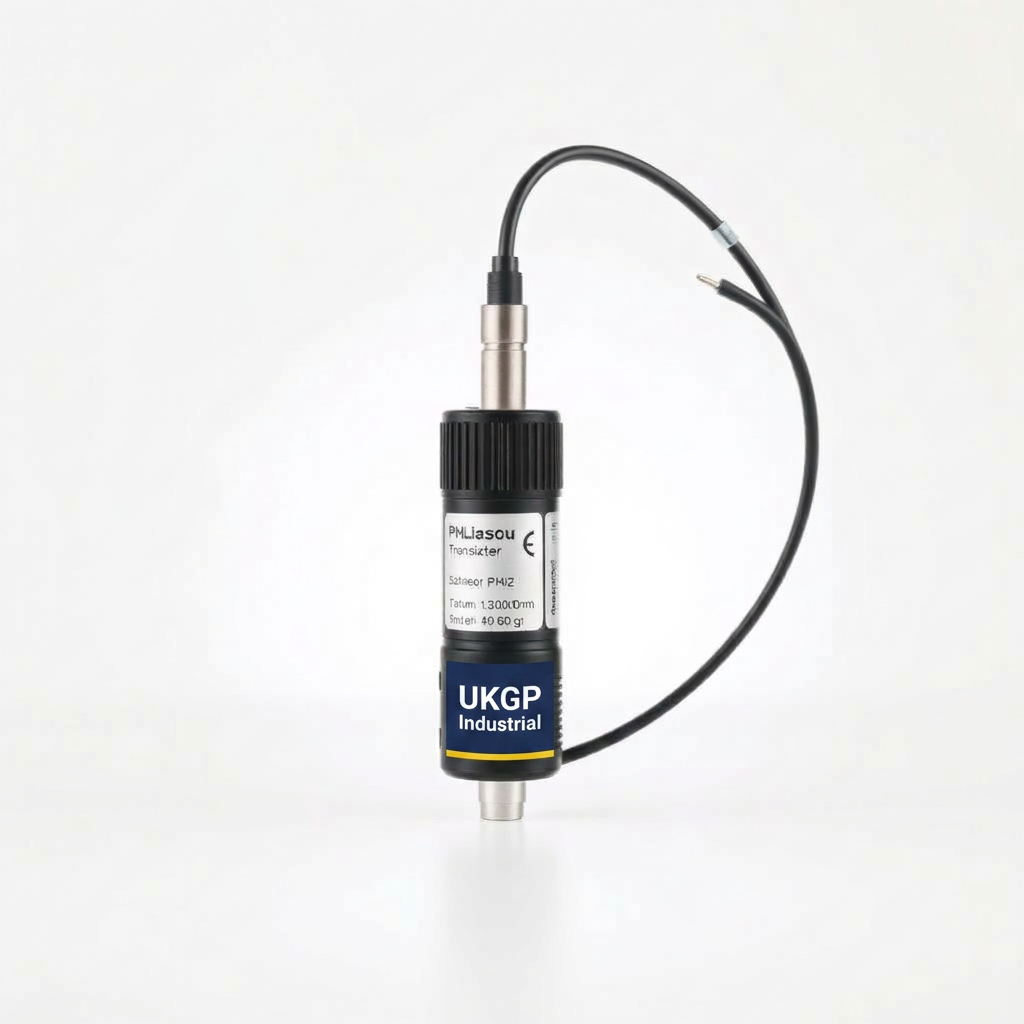
In modern HVAC and industrial process control, the accuracy of pH monitoring is critical for asset protection and regulatory compliance. Traditional pH electrodes, often hampered by signal noise and fragile coaxial cabling, are increasingly being replaced by integrated smart transmitters. The advent of M12 quick-connect technology represents a shift toward modularity, allowing engineers to hot-swap sensors during maintenance without rewiring the entire control loop. This guide explores the technical advantages of digital signal conversion at the point of measurement and the impact of M12 connectivity on system reliability.

10 June 2026 6 min readpH sensor transmitters
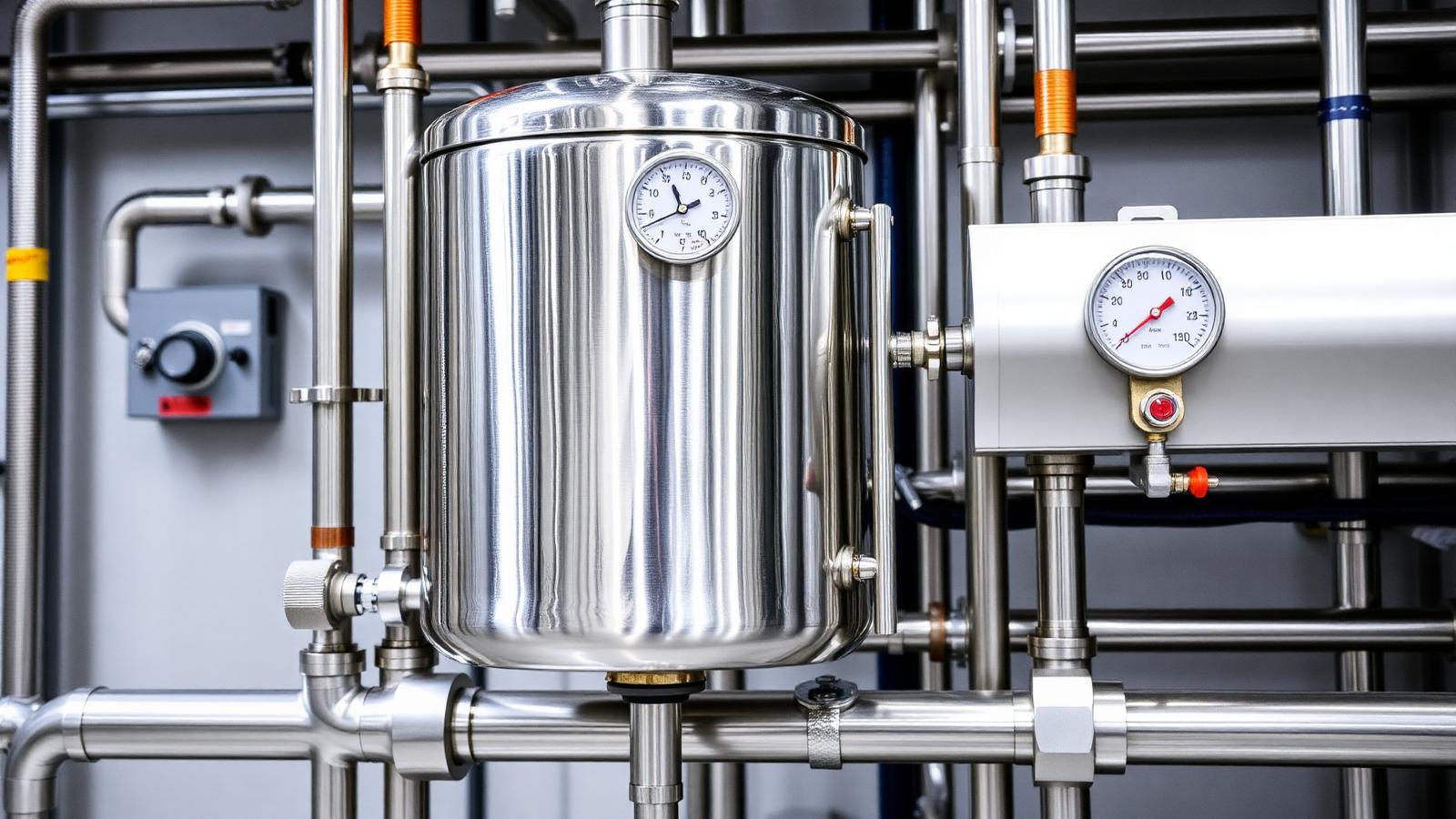
M12 Quick-Connect pH Sensor Systems — Industrial pH sensor and transmitter installed on process pipework
Industrial pH sensor and transmitter installed on process pipework

The Evolution of pH Monitoring in Plant Environments

For decades, building services engineers have grappled with the limitations of analogue pH probes. Standard high-impedance signals are notoriously susceptible to electromagnetic interference (EMI) from nearby variable speed drives (VSDs) and heavy pump motors. Moving the signal conversion from the controller to the sensor head via an integrated transmitter resolves these issues by sending a robust digital or 4-20mA signal down the line.

The M12 connector interface has become the de facto standard in industrial automation for its vibration resistance and reliability. In the context of pH monitoring, the M12 quick-connect allows for a 'plug-and-play' approach. This is particularly beneficial in UK plant rooms where space is at a premium and the time required for traditional cable stripping and terminal wiring is a significant labour cost.

  • Elimination of low-impedance signal interference common with BNC cables.
  • Integration of temperature compensation (PT100/PT1000) within a single connection.
  • Faster commissioning for M&E contractors during site handover.
  • Enhanced ingress protection (IP67/68) compared to screw-terminal heads.

Frequently asked questions

Can M12 connectors handle high-humidity plant room environments?

M12 connectors typically carry an IP67 or IP68 rating, making them suitable for plant rooms and industrial bays where wash-downs or high humidity are common. This is a significant upgrade over traditional BNC or S8 connectors which are prone to corrosion.

Are these sensors compatible with my existing BMS?

While some smart transmitters are designed to be universal, digital protocols (like Modbus or IO-Link) often require compatible receivers. However, UKGP Industrial smart sensors often output standard 4-20mA signals, ensuring backward compatibility with most UK BMS and PLC hardware.

How often do M12 smart sensors require calibration?

Ideally, monthly. However, with 'Smart' data logging, engineers can move toward predictive maintenance, only calibrating when the sensor's internal diagnostics indicate a shift in slope or zero-point.

Is there a standard pin configuration for these sensors?

The standard M12 A-coded 4-pin or 5-pin configuration is the industry norm for these transmitters, allowing for easy sourcing of replacement lead sets.
Keep reading

Related articles

pH sensor transmitters

Industrial pH Sensor Transmitters in Plant Room Engineering

For building services engineers managing large-scale HVAC, cooling terminals, or industrial effluent, pH monitoring is the first line of defence against asset degradation. A pH sensor is more than a simple probe; in a modern plant room context, it is a precision electrochemical instrument that converts chemical activity into a standardised electrical signal. This guide examines the mechanics of pH measurement, the transition toward smart M12 quick-connect electronics, and the critical role of pH monitoring in maintaining system longevity under BSRIA and CIBSE guidelines.

Read
pH sensor transmitters

Precision pH Measurement in Industrial Building Services

For building services engineers managing HVAC systems, cooling towers, and industrial wastewater, monitoring pH is not merely a box-ticking exercise; it is a critical safeguard against asset degradation and regulatory non-compliance. A drift in pH can lead to rapid pipework corrosion, scaling of heat exchangers, or the failure of chemical dosing regimes. Understanding the underlying electrochemistry of pH sensors, and the advantages of modern smart transmitters, is essential for maintaining system longevity and operational efficiency. This guide examines the mechanics of pH measurement, focusing on robust, industrial-grade solutions required for the UK plant room environment.

Read
pH sensor transmitters

Advanced Guidance: How to Use a pH Sensor in Industrial Systems

For the building services engineer, pH monitoring is the first line of defence against asset degradation. Whether managing a cooling tower, an industrial wastewater discharge, or a critical process loop, accurate pH measurement dictates the efficacy of chemical dosing and the longevity of heat exchangers. This technical guide examines the application of modern pH sensor transmitters, focusing on M12 digital electronics and the move away from high-impedance coaxial cabling toward robust, field-swappable smart technology.

Read
Request Quote