The Role of an Inhibitor Central Heating System in Water Quality
In commercial environments, the integrity of a closed-loop system is constantly challenged by dissolved oxygen, flux residues, and various particulate matter leftover from the installation phase. Establishing a reliable inhibitor central heating system is not merely about pouring a chemical into a tank; it requires a systematic approach to protective chemistry that coats internal metal surfaces. This protective layer is vital for preventing the formation of magnetite, which often leads to pump failure, blocked heat exchangers, and significantly reduced efficiency across the entire thermal network. For design engineers, ensuring the continuous presence of these chemicals is a compliance requirement under BSRIA BG29 and BG50 protocols.
Selecting the correct chemicals for an inhibitor central heating system involves understanding the specific metallurgy of the plant room, including any aluminium, copper, or steel components. Without a managed dosing regime, galvanic corrosion can accelerate rapidly, especially in systems using multi-metal heat exchangers. By maintaining the correct concentration of film-forming inhibitors, you effectively create a barrier that prevents the electrochemical reactions responsible for metal loss. This is particularly critical in modern high-efficiency systems where heat transfer surfaces are thinner and more susceptible to pitting, according to current CIBSE guidance on building services maintenance and water treatment.
Ensuring the longevity of an inhibitor central heating system also requires regular monitoring of pH levels and conductivity. Effective monitoring allows for the early detection of air ingress or bacterial growth, both of which can neutralise the active ingredients in the inhibitor solution. When concentrations dip below the manufacturer's recommended levels, it is imperative to have a permanent, hard-plumbed solution for chemical introduction. This avoids the need for temporary pump setups and ensures that the system remains pressurized during the dosing procedure. A robust dosing strategy is the foundation of any commercial HVAC maintenance contract, protecting the capital expenditure of the boiler plant.
- Prevention of magnetite and sludge accumulation within pipework
- Protection of multi-metal heat exchangers from galvanic corrosion
- Compliance with BSRIA BG50 guidelines for closed-circuit water quality
- Reduction in overall energy consumption through improved thermal transfer
- Extended life expectancy for expensive primary plant components
Utilising Dosing Pots for Inhibitor Delivery
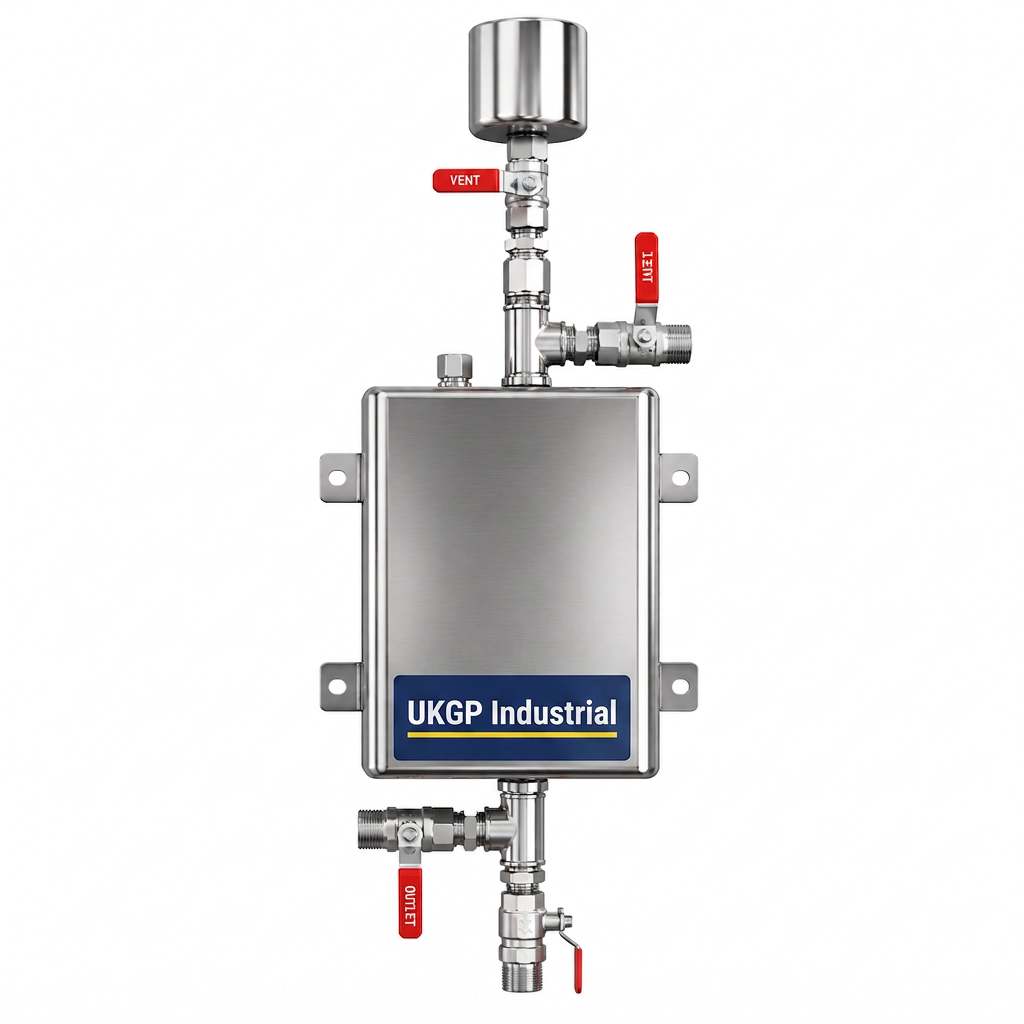
The standard industry method for introducing chemicals into an inhibitor central heating system is through a dedicated bypass dosing pot. These units are designed to safely introduce liquid chemicals, such as inhibitors or glycol, into the primary circuit without the need to shut down the pumps or significantly depressurise the network. UKGP chemical dosing pots are engineered for this precise task, providing a robust solution for installers and maintenance engineers. By installing a bypass-mounted unit with reliable isolation valves, operators can easily fill the vessel, vent air, and flush the chemical into the main flow, ensuring precise control over the dosing process.
When specifying equipment for an inhibitor central heating system, the build quality of the dosing pot is paramount. UKGP offers carbon steel and stainless steel variants that are built to withstand the rigorous pressures of a commercial plant room. These units come equipped with an air vent and a drain valve to ensure safe operation, preventing any air locks from entering the system during the chemical introduction phase. Available in 5L, 10L, and 25L capacities, these pots are suitable for systems ranging from small commercial offices to large-scale industrial heating networks where high-volume dosing is required frequently.
Choosing UKGP for your inhibitor central heating system needs provides peace of mind through a 2-year warranty on all dosing pot units. For contractors, the ease of installation provided by the bypass-mounted design means less time on site and more reliable commissionings. Whether you are using the unit for initial system cleaning or for the ongoing top-up of glycol and inhibitors, the robust valve configuration ensures that the process is leak-free and compliant with UK health and safety standards. Selecting the correct size—typically based on a small percentage of total system volume—is key to efficient maintenance and chemical distribution.
- Available in 5L, 10L, and 25L capacities to suit any system size
- Manufactured from high-grade carbon steel or optional stainless steel
- Includes isolation valves, drain valve, and manual air vent as standard
- Bypass-mounted configuration allows for dosing without system downtime
- Supported by a comprehensive 2-year manufacturer's warranty
Maintaining System Balance with Air and Dirt Separators
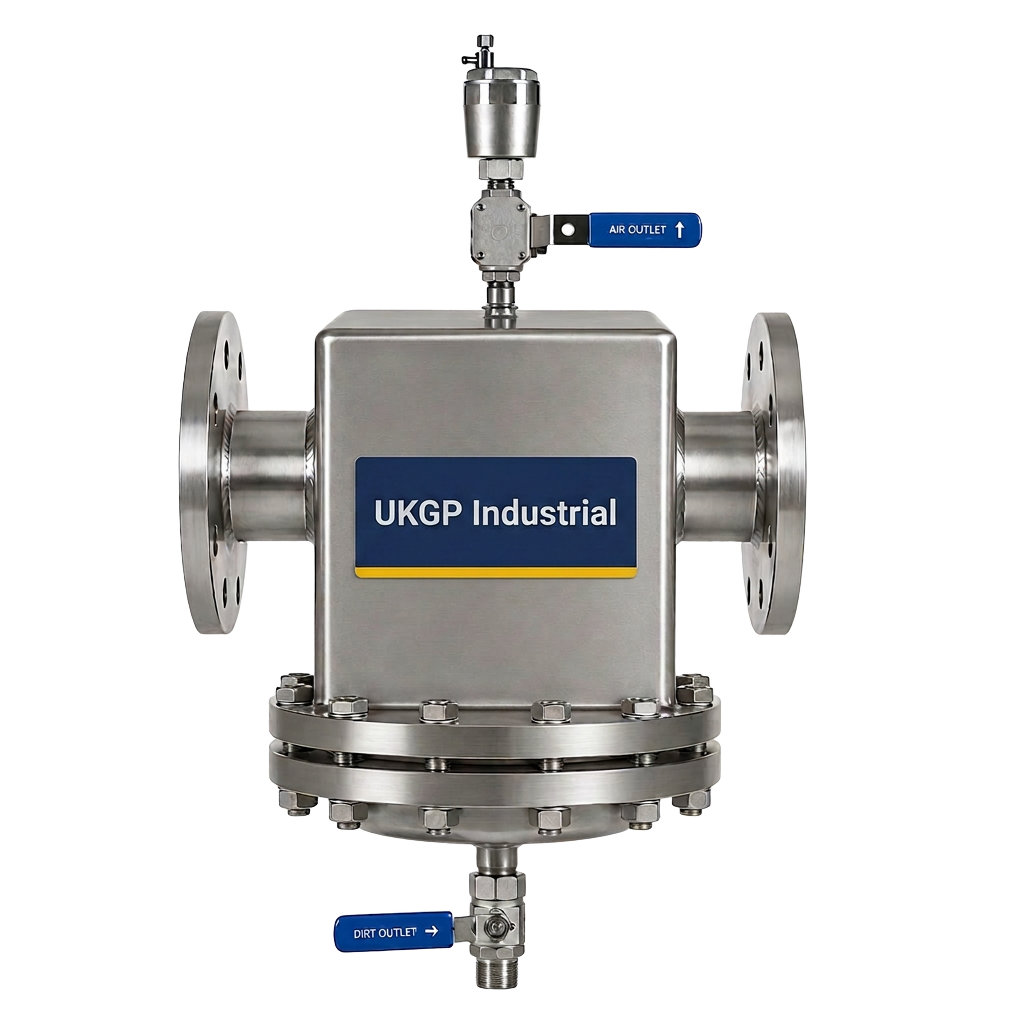
While maintaining an inhibitor central heating system is crucial, the effectiveness of the chemicals is often hampered by the presence of micro-bubbles and suspended solids. Air and dirt separators are essential companion components that work in tandem with dosing pots to maintain a clean internal environment. Oxygen trapped in the system water can react with the metal even in the presence of inhibitors, leading to localized corrosion and gas pockets that interfere with heat distribution. A high-efficiency separator ensures that these gases are purged, allowing the inhibitor to perform its function without being depleted by oxidation reactions.
In addition to air removal, the capture of magnetic and non-magnetic debris is vital for the health of an inhibitor central heating system. Over time, even a well-dosed system may experience some minute sediment accumulation; an air and dirt separator traps these particles before they can settle in low-velocity zones like underfloor heating manifolds or large plate heat exchangers. By removing these solids, you ensure that the chemical inhibitor can reach every part of the system consistently. This integrated approach to water treatment—combining chemical protection with physical filtration—is the industry standard for modern building services engineering.
For UK installers, integrating a UKGP air and dirt separator alongside a dosing pot provides the ultimate protection for commercial boilers. These units are designed to handle high flow rates with minimal pressure drop, ensuring that system efficiency is not compromised. When chemicals are introduced through the dosing pot, the lack of debris in the system ensures a faster and more uniform distribution of the inhibitor. This synergy between products is a hallmark of professional plant room design, facilitating easier annual servicing and reducing the frequency of emergency call-outs due to circulation issues or component failure.
- Continuous removal of micro-bubbles and dissolved gases from the circuit
- Capture of sludge and magnetite to prevent blockage of sensitive valves
- Enhanced chemical performance through improved water clarity
- Reduced noise and improved circulation efficiency in the primary loop
- Minimal maintenance requirement compared to traditional strainers
Sizing Your Chemicals for the Inhibitor Central Heating System
Accurate sizing of chemical doses for an inhibitor central heating system is a critical technical task that must be performed during the design or commissioning phase. Inverting too much or too little chemical can lead to either wasted resources or insufficient protection against corrosion. Engineers typically calculate the total system volume by factoring in the water content of all radiators, underfloor piping, buffer vessels, and the boiler itself. Once the volume is known, the inhibitor central heating system is treated with a specific concentration, usually between 0.5% and 1%, depending on the manufacturer’s specification and the level of protection required for that specific environment.
In large-scale commercial buildings, calculating this volume can be complex, often requiring an assessment of pipe lengths and diameters. If the calculated volume is underestimated, the resulting inhibitor central heating system will remain vulnerable to acid attack or lime-scale deposition. Conversely, over-dosing can sometimes interfere with the operation of certain seals or sensors if high concentrations of glycol are also present. It is generally recommended to use a dosing pot that allows for the incremental addition of chemicals, enabling maintenance staff to reach the desired concentration through testing and gradual adjustment rather than a single uncontrolled injection.
Regular water testing should follow any dosing activity to confirm the inhibitor central heating system is within the target parameters. Using professional test kits or laboratory analysis, engineers should verify both the inhibitor levels and the pH of the water. If the system is found to be diluted due to water loss or recent repairs, the dosing pot serves as the permanent access point for remediation. This proactive management style prevents the long-term degradation of the system and ensures that the protective film remains intact across all internal surfaces, shielding the commercial heating plant from the detrimental effects of the UK's varied water hardness levels.
- Calculate total system water volume including all vessels and pipework
- Target a specific concentration as prescribed by the chemical manufacturer
- Perform field tests for pH and conductivity after every dosing cycle
- Compensate for water loss immediately to maintain chemical balance
- Keep detailed logs of dosing dates and quantities for BSRIA compliance
Technical Compliance and BSRIA Standards
Adherence to BSRIA BG50 is non-negotiable for anyone responsible for a commercial inhibitor central heating system. This guidance document provides a framework for the water treatment of closed heating and cooling systems, emphasizing the need for both initial cleaning and life-long maintenance. A fundamental part of this is the installation of permanent dosing equipment, such as the UKGP chemical dosing pot range. By providing a fixed point for chemical entry, site managers can satisfy insurance requirements and manufacturer warranties that specify controlled water conditions must be maintained to avoid voiding product guarantees on boilers and pumps.
Furthermore, BS 8552 provides the code of practice for sampling and monitoring water from building services systems. This standard highlights the importance of regular chemical checks to ensure the inhibitor central heating system remains functional. If the system contains high volumes of water, the potential for significant corrosion damage is high; therefore, the application of chemical inhibitors must be handled with precision. Using a high-quality carbon steel dosing pot with robust valves ensures that the sampling and dosing process does not introduce large volumes of air, which would otherwise lead to the very oxidation the chemicals are designed to prevent.
Engineering consultants should always specify the inclusion of dosing pots in the tender documents for any new build or major refurbishment. Failure to include a permanent means of managing the inhibitor central heating system often leads to maintenance shortcuts, such as the use of temporary hoses or ‘shot-dosing’ through filters, which can be dangerous and inaccurate. By standardizing on UKGP equipment, which is designed with the professional engineer in mind, projects can ensure long-term compliance with the UK’s stringent building regulations and environmental standards, ultimately protecting the building owner's investment in high-value HVAC infrastructure.
- BSRIA BG50 compliance for closed-loop heating water treatment
- Alignment with BS 8552 for regular water sampling and monitoring
- Ensuring manufacturer warranties are upheld through proper maintenance
- Standardising on permanent, hard-plumbed dosing solutions
- Safe delivery of hazardous water treatment chemicals in plant rooms
Long-Term Protection and Operational Efficiency
The ultimate goal of a well-managed inhibitor central heating system is to achieve operational efficiency that remains constant over the life of the building. When corrosion products like magnetite are allowed to build up, they create an insulating layer on heat exchanger surfaces, forcing the boilers to work harder and consume more gas or electricity. By utilising a UKGP dosing pot for regular inhibitor top-ups, you keep these surfaces clean. Not only does this reduce the energy bills for the facility, but it also minimizes the carbon footprint of the building, which is increasingly important for meeting corporate sustainability targets and UK Net Zero legislation.
Consistent maintenance of the inhibitor central heating system also reduces the likelihood of catastrophic part failure and unplanned downtime. In commercial sectors such as healthcare or data centres, a heating failure can have severe operational consequences. A reliable dosing regime, supported by high-quality hardware like our 10L or 25L dosing pots, ensures that the system is resilient. The 2-year warranty on UKGP units is an indicator of the durability required for these critical environments, where carbon steel or stainless steel construction is preferred over inferior plastic alternatives commonly seen in domestic applications.
In summary, the selection and sizing of an inhibitor central heating system solution require an integrated approach. From the initial volume calculations to the selection of a robust UKGP dosing pot, every step is vital for the thermal health of the building. By choosing equipment that combines ease of use with industrial-grade durability, M&E contractors can deliver a plant room that is both efficient and easy to maintain. For more information on our range of dosing pots, air separators, and heat exchangers, contact UKGP today to discuss your project requirements and receive a competitive quote for your heating system essentials.
- Reduction in carbon footprint through maintained thermal efficiency
- Minimised risk of unplanned outages in critical environments
- Lower long-term maintenance costs and fewer component replacements
- Ease of use for on-site facility management teams
- Robust industrial construction for maximum reliability and safety
Frequently asked questions
What size dosing pot do I need for my heating system?
- The size depends on the total system volume and the amount of chemical required for top-ups. Generally, a 5L or 10L pots are sufficient for most medium commercial buildings, while the 25L UKGP unit is preferred for large-scale industrial networks to minimize the number of dosing cycles required.
How often should I check the inhibitor levels in my system?
- According to BSRIA BG50, closed systems should be tested at least annually. However, for large commercial inhibitor central heating system installations, quarterly testing is often recommended to ensure the concentration remains within the protective range.
Can I use a dosing pot for glycol as well as inhibitors?
- Yes, UKGP dosing pots are perfectly suited for introducing glycol into a system, which is common in chillers or external heat pump circuits, as well as for the standard inhibitors used in central heating systems.
Are UKGP dosing pots suitable for high-pressure systems?
- Our dosing pots are manufactured to high industrial standards from carbon steel or stainless steel, making them suitable for standard commercial heating pressures. Always check the specific pressure rating on the data sheet against your system's design pressure.
What is the benefit of a stainless steel dosing pot over carbon steel?
- While carbon steel is standard and cost-effective, a stainless steel dosing pot offers superior resistance to external corrosion in damp plant rooms and is more compatible with certain aggressive chemical additives used in specific industrial processes.