The Role of Inhibitor for Heating System Longevity
In commercial and industrial heating environments, the integrity of the secondary circuit is paramount to operational efficiency. An inhibitor for heating system protection acts as a multifaceted chemical barrier, neutralizing the corrosive effects of dissolved oxygen and preventing the formation of scale on heat exchange surfaces. When a system is left untreated, the electrochemical reaction between different metals—such as copper, steel, and aluminium—accelerates, leading to localized pitting and eventual pipework perforation. By ensuring an adequate concentration of inhibitor is maintained, facility managers can significantly extend the lifecycle of their assets while ensuring that heat transfer remains at peak design parameters, directly reducing carbon footprints and energy expenditure across the building portfolio.
The standard for water treatment in the UK is largely defined by BSRIA BG29 for pre-commission cleaning and BG50 for the lifecycle maintenance of closed loops. These documents emphasize that chemical dosing is not a 'fit and forget' exercise but a continuous requirement for system health. Selecting the right inhibitor for heating system use involves understanding the specific metallurgy of the plant room, as certain inhibitors are better suited for aluminium-finned heat exchangers found in modern high-efficiency boilers. Failure to match the chemical composition to the system's materials can lead to the stripping of protective oxides, which is why B2B procurement leads must prioritize technical compatibility over cost alone when sourcing bulk chemical shipments for large-scale boiler house operations.
Monitoring is the third pillar of effective inhibitor application. BS 8552 provides guidance on the sampling of water from closed-circuit heating and cooling systems, recommending periodic testing to ensure that active chemical levels have not been diluted through system leaks or make-up water additions. When an inhibitor for heating system maintenance is correctly monitored, it prevents the development of the 'magnetite cycle,' where black iron oxide debris accumulates in low-flow areas or sensitive components. Procurement leads should seek suppliers who provide clear dosing instructions and compatibility data to ensure that their maintenance contractors can adhere to the strict requirements of BSRIA and CIBSE guidelines without ambiguity or technical risk.
- Prevents galvanic corrosion between disparate metals like copper and carbon steel.
- Suppresses the formation of limescale which reduces heat transfer efficiency.
- Aligns maintenance protocols with BSRIA BG50 lifecycle water treatment standards.
- Reduces the risk of circulating sludge damaging pumps and valves.
Integrating Chemical Dosing Pots for Reliable Application
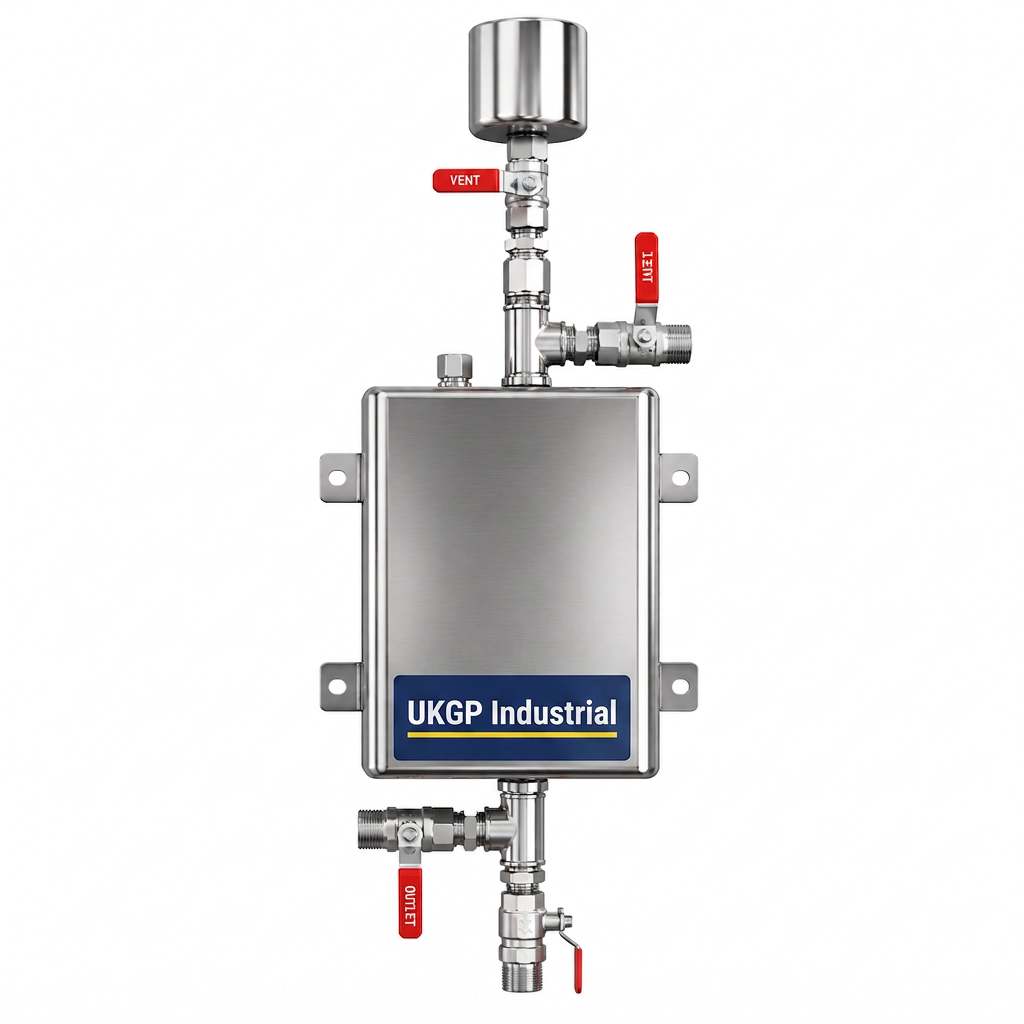
To introduce the necessary inhibitor for heating system protection into a closed-loop circuit, the use of a bypass-mounted dosing vessel is the industry-standard method. UKGP supplies high-quality chemical dosing pots that are essential for the safe and efficient introduction of liquid chemicals without needing to depressurize the entire circuit. These units are typically installed across the flow and return headers, utilizing the system's differential pressure to drive the chemical into the main stream. For contractors, the ease of installation provided by a UKGP unit—complete with isolation valves, a funnel for entry, and a drain valve for flushing—ensures that the critical task of dosing does not become a bottleneck during the commission or maintenance phase of a project.
Our range of chemical dosing pots is designed specifically for the UK B2B market, available in 5L, 10L, and 25L capacities to suit any system volume. Constructed from robust carbon steel or stainless steel, these units are built to last in demanding plant room environments. Each unit comes with a 2-year warranty, reflecting our confidence in UK manufacturing. Whether you are adding a protective inhibitor for heating system startup or dosing glycol for frost protection, the UKGP dosing pot provides a reliable, pressure-tested solution. By specifying a unit with a built-in vent and drain, engineers can ensure that the dosing process is clean, safe, and fully compliant with health and safety regulations regarding chemical handling in commercial settings.
When sizing a dosing pot, M&E contractors must consider the frequency of top-ups and the total system volume. A 25L stainless steel dosing pot is often the preferred choice for large district heating schemes where significant volumes of inhibitor for heating system maintenance must be introduced periodically. By opting for a UKGP vessel, you are guaranteed a product that meets British manufacturing standards and simplifies the task of maintaining chemical concentrations as per BS 8552 requirements. For consultants designing a new plant room, including a high-specification dosing pot in the schedule is a fundamental step in ensuring the long-term protection of the mechanical services and the satisfaction of the end-user or FM team.
- Available in 5L to 25L capacities to accommodate varied system sizes.
- Manufactured in carbon steel or stainless steel for maximum durability.
- Bypass-mounted design with isolation, drain, and vent valves included.
- Essential for compliant dosing of inhibitors and glycol in closed loops.
Monitoring and Side Stream Filtration Synergy
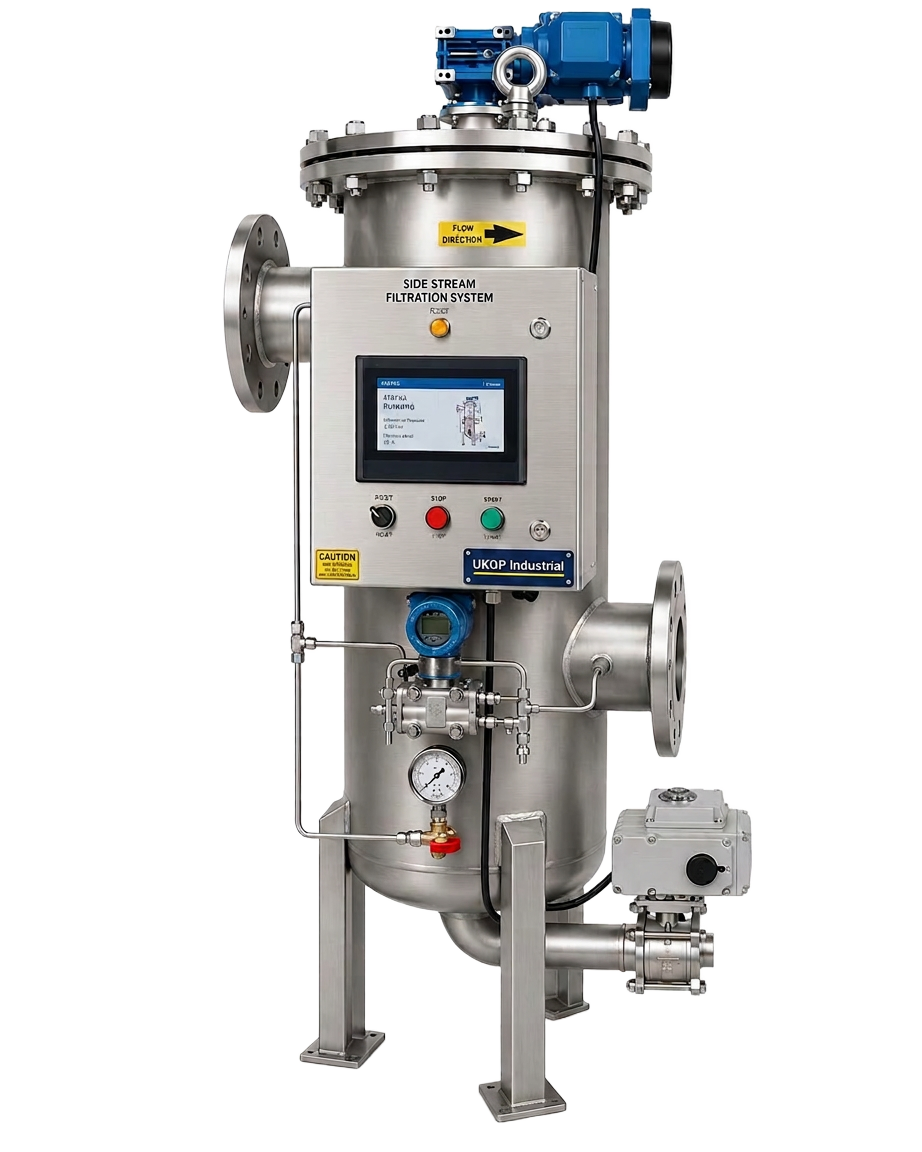
While an inhibitor for heating system protection stops new corrosion from forming, it cannot remove existing debris or suspended solids. This is where the synergy between chemical treatment and side stream filtration becomes critical. BSRIA BG29 highlights that suspended solids can shield areas of pipework from the inhibitor, leading to 'under-deposit corrosion.' By installing a side stream filtration skid alongside a dosing pot, engineers can ensure that the circulating water is both chemically treated and physically clean. This dual approach is the only way to guarantee that the inhibitor can reach every internal surface and form the protective film required to satisfy modern commercial boiler warranties and efficiency targets.
In many UK plant rooms, the presence of magnetite is a leading cause of premature failure for circulating pumps and control valves. Even with a high-quality inhibitor for heating system protection, mechanical filtration is needed to capture the non-magnetic and magnetic particles that are naturally dislodged during thermal cycling. UKGP's side stream filtration units are designed to work in tandem with chemical dosing strategies, ensuring that water quality parameters stay within the narrow bands required by BSRIA BG50. This is especially important in older systems being retrofitted with new, high-efficiency plate heat exchangers, where the narrow waterways are highly susceptible to blockage from circulating debris.
For facility managers, the combined data from chemical analysis and filter pressure drops provides a complete picture of system health. If an inhibitor for heating system level is found to be low during a quarterly service visit, it often points to a larger issue such as a leak or excessive make-up water consumption from the pressurization unit. High levels of suspended solids, despite filtration, suggest that the chemical dosing regime may have been compromised. Integrating these two technologies ensures that the system operates in a 'passive' state, where corrosion is controlled and the mechanical components are protected from abrasion, leading to lower maintenance costs and fewer emergency call-outs for the engineering team.
- Side stream filtration removes debris that can inhibit chemical effectiveness.
- Ensures clear waterways for maximum heat transfer in plate heat exchangers.
- Provides a mechanical backup to the chemical protection of the inhibitor.
- Critical for BSRIA BG29 compliance during the system cleaning phase.
Protecting Mechanical Components: Heat Exchangers and Pumps
The most sensitive components in any commercial heating circuit are the primary and secondary heat exchangers. In modern high-efficiency systems, these often feature narrow channels designed for maximum thermal transfer. However, these channels are highly prone to scaling if the inhibitor for heating system concentration is insufficient. Once scale builds up, it creates an insulating layer that forces the heat source to work harder, increasing gas consumption and thermal stress on the metal. By maintaining the correct chemical balance, you ensure that the plate heat exchanger operates at its design DT (delta T), preserving the efficiency of the entire plant and preventing the costly downtime associated with chemical descaling or manual cleaning.
Pumps are equally vulnerable to water quality issues. Magnetite sludge, the byproduct of corrosion in the absence of an inhibitor for heating system treatment, is abrasive and magnetic. It tends to accumulate in the high-magnetic-flux areas of modern permanent magnet motors found in variable speed pumps. This leads to increased friction, seal failure, and motor burnout. By investing in a robust chemical dosing regime, procurement leads are effectively buying insurance for their most expensive mechanical assets. A small investment in a regular dosing schedule and the hardware required to implement it—such as a 10L carbon steel dosing pot—far outweighs the cost of replacing primary circulating pumps or high-output commercial boilers.
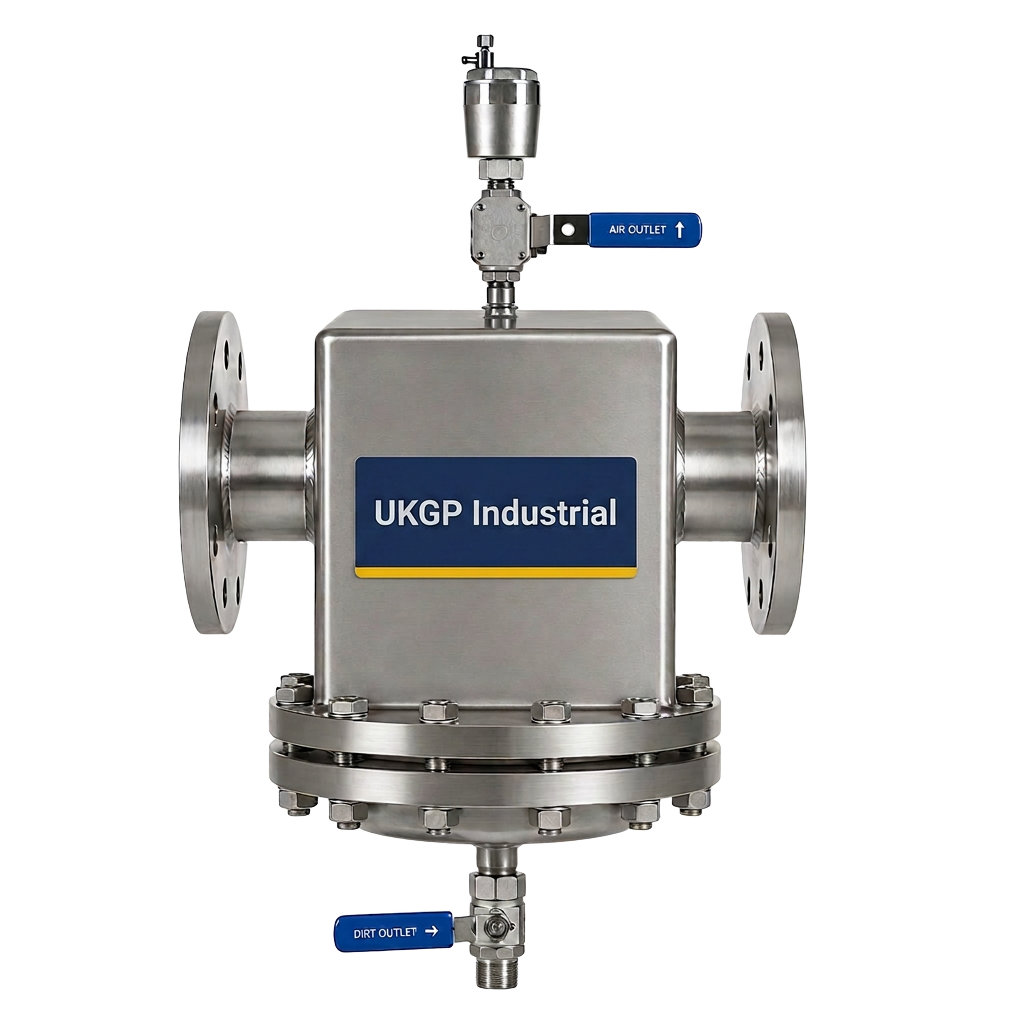
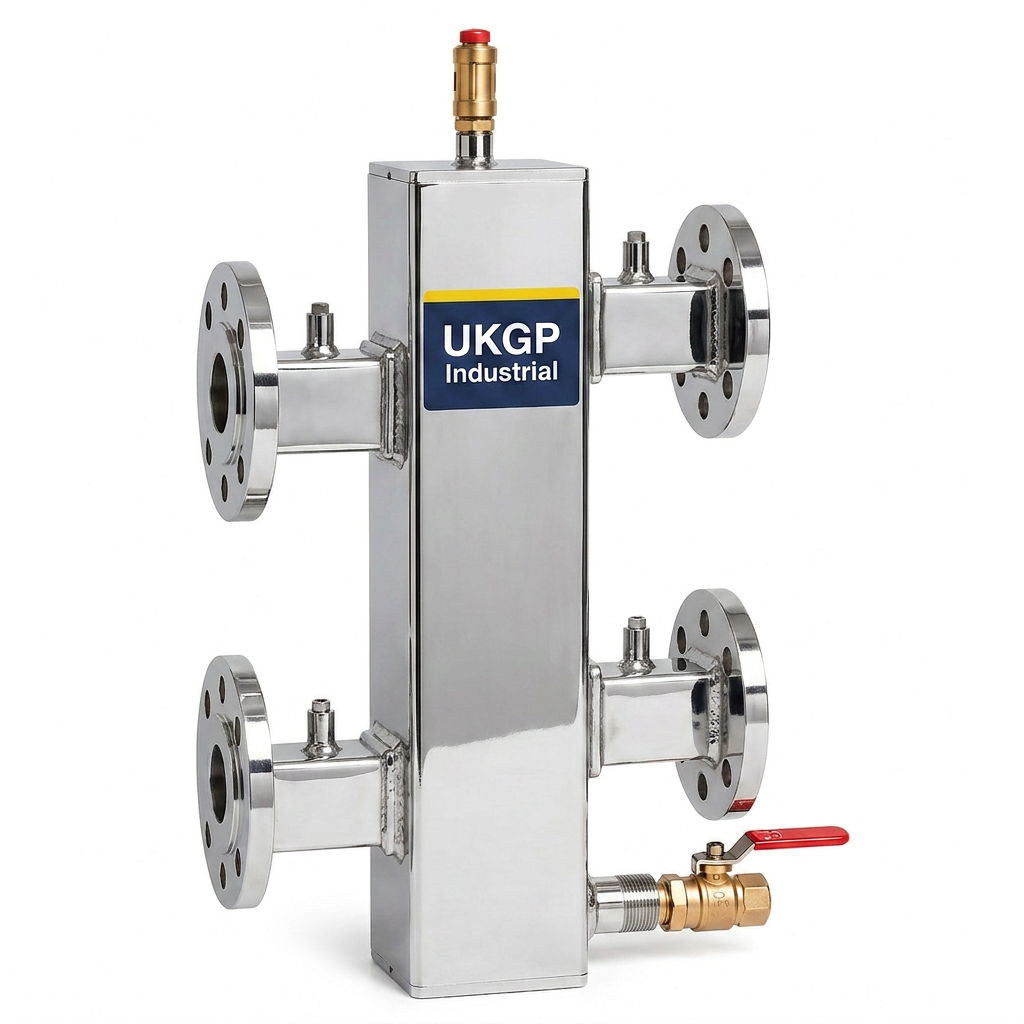
CIBSE guides suggest that water quality should be a primary concern from the design stage. When M&E contractors specify an inhibitor for heating system application, they must also ensure the system has the correct air and dirt separators and expansion bellows to manage physical stresses. A holistic approach ensures that the chemical treatment is not working against excessive oxygen ingress or mechanical vibration. UKGP’s technical sales team frequently advises on the integration of these components to create a unified system that meets the highest standards of the UK building services industry, providing peace of mind for both the contractor and the end-client throughout the 2-year warranty period and beyond.
- Protects narrow-channel heat exchangers from efficiency-sapping scale.
- Extends the life of high-efficiency pumps by preventing magnetite buildup.
- Reduces the thermal stress on boiler primary heat exchangers.
- Ensures long-term performance of sensitive control and balancing valves.
Commercial Standards and Regulatory Compliance
Compliance with UK regulations is not merely about system efficiency; it is also about meeting the warranty requirements of leading commercial boiler manufacturers. Most major UK commercial boiler OEMs stipulate that the system must be cleaned and treated with a recognized inhibitor for heating system use as a condition of their guarantee. Failure to provide records of water quality testing or chemical dosing can lead to claims being rejected, leaving FMs with significant repair bills. Following BSRIA BG29 during the pre-commissioning phase and BG50 during the operational life ensures that the system is handled according to the best available industry knowledge and that all regulatory boxes are checked.
The use of expansion bellows also plays a role in maintaining system integrity and, by extension, water quality. If thermal expansion is not properly managed according to BS EN 14917, leaks can develop at joints and seals. These leaks lead to the constant introduction of fresh, oxygenated water via the pressurization unit, which rapidly depletes the inhibitor for heating system concentration and introduces new minerals that cause scale up heat exchangers. A well-designed system must be sealed and stable; the inhibitor can only do its job if the system remains closed. Therefore, ensuring all mechanical expansion and air separation is correctly specified is a prerequisite for a successful chemical treatment strategy.
Furthermore, BS 8552 provides the framework for water sampling that validates the efficacy of the chemical regime. Testing should be performed at least quarterly in large commercial systems to check for pH levels, conductivity, and inhibitor concentration. If the pH drops below the recommended range (typically 8.2 to 9.5 for steel-based systems), the risk of corrosion spikes. By using UKGP pH sensors and transmitters in conjunction with regular laboratory analysis, facility managers can automate the monitoring process and receive early warnings of water quality degradation, allowing for proactive dosing through the bypass dosing pot before any damage occurs to the plant.
- Meeting BS 8552 requirements for quarterly water quality sampling.
- Adhering to BS EN 14917 for expansion management to prevent fluid loss.
- Ensuring boiler manufacturer warranty conditions are fully met.
- Maintaining a traceable record of chemical treatment for audit purposes.
Best Practices for Dosing and Maintenance
When it comes to the practicalities of dosing, the sequence of operations is vital. Before adding any inhibitor for heating system protection, the system must be thoroughly flushed of construction debris and sacrificial anodes. This is typically done using an alkaline cleanser as part of the BSRIA BG29 process. Once the system is clean and refilled with fresh water, the calculated volume of inhibitor should be introduced immediately. Waiting even a few days can allow the onset of initial flash rusting, which can be difficult to arrest later. The UKGP chemical dosing pot makes this immediate treatment possible, providing a dedicated entry point that is easy for commissioning engineers to access on-site.
Ongoing maintenance requires a clear understanding of system volume. Over-dosing can be a waste of budget, but under-dosing is a technical failure that leaves the system at risk. Most commercial inhibitors for heating system use are dosed at a concentration of 0.5% to 1.0% of the total system volume. For a system with a large thermal store or extensive pipework runs, this can involve dozens of litres of chemical. Using a 25L dosing pot allows for efficient bulk addition, reducing the time a technician spends on-site. It is also common practice to dose glycol at the same time if the system includes external pipework or air handling units exposed to freezing temperatures.
Finally, always ensure that the dosing pot is fully isolated and drained before opening the fill funnel. Safety is paramount when handling concentrated chemicals. Every UKGP dosing pot is designed with this workflow in mind, featuring clear labeling and robust valves that provide positive shut-off. Once the inhibitor for heating system chemicals are added, the bypass valves are opened, and the system pump provides the kinetic energy to distribute the treatment. This simple, reliable, and effective method remains the gold standard for UK plant rooms, ensuring that the critical balance of water chemistry is maintained for the life of the building's mechanical services.
- Always flush the system according to BSRIA BG29 before dosing inhibitors.
- Calculate total system volume accurately to ensure correct chemical concentration.
- Use high-capacity dosing pots (25L) for large commercial or industrial circuits.
- Ensure the dosing pot is correctly vented to prevent air locks in the bypass line.
Frequently asked questions
How often should I check the inhibitor for heating system levels?
- According to BSRIA BG50 and BS 8552, commercial systems should have their water quality and inhibitor levels tested at least quarterly. This ensures that any dilution from make-up water is corrected before corrosion can occur.
Can I use any inhibitor in a commercial system with aluminium heat exchangers?
- No, you must ensure the inhibitor for heating system use is specifically compatible with aluminium. Some high-pH inhibitors can damage aluminium components; always check the boiler manufacturer's technical data and the chemical SDS.
What is the benefit of a stainless steel dosing pot over carbon steel?
- While carbon steel is standard, a stainless steel dosing pot offers superior corrosion resistance and longevity, especially in systems where the chemical being introduced might be aggressive before it is diluted into the main circuit.
Do I need to dose inhibitor if my system is a closed loop?
- Yes, even closed loops contain dissolved oxygen from the initial fill and micro-leaks. An inhibitor for heating system protection is essential to neutralize this oxygen and provide a protective layer on the internal metal surfaces.
What size dosing pot do I need for a 5000-litre system?
- For a 5000L system, a 1% dose requires 50L of chemical. A 25L UKGP dosing pot would be the most efficient choice, requiring only two fill cycles to complete the initial treatment.