The Role of Lime Dosing System In Water Treatment
In the UK commercial landscape, the implementation of a lime dosing system in water treatment serves as a critical defensive barrier against acidic corrosion within closed-loop heating and chilled water infrastructures. For building services consultants and plant-room engineers, the primary goal is often pH correction. Low pH water is naturally aggressive, leading to the leaching of metals from pipework, which eventually manifests as pinhole leaks or catastrophic component failure. By carefully introducing calcium hydroxide, engineers can raise the alkalinity of the system water, ensuring it remains within the safe operating parameters defined by British Standards and industry best practices. This process is not merely about chemical addition; it is about the scientific balance of the system's Langelier Saturation Index to prevent both scaling and corrosive tendencies.
A robust lime dosing system in water treatment is particularly valuable when dealing with soft water areas or systems that have undergone extensive flushing as part of a BSRIA BG29 pre-commissioning cleaning regime. When raw water is introduced into a large commercial circuit, its natural chemistry may not be suitable for long-term contact with carbon steel or copper components. The dosing of lime provides a controlled method to neutralise acidity, especially in systems where makeup water is frequent or where process requirements dictate specific mineral content. For procurement leads, investing in precise dosing equipment ensures that the facility avoids the high costs associated with premature asset replacement and unplanned system downtime that occurs when water chemistry is left to chance.
Furthermore, managing a lime dosing system in water treatment requires a deep understanding of solubility and mechanical delivery. Unlike liquid inhibitors, lime often requires more careful handling to prevent blockages or sedimentation in low-flow areas of the circuit. Engineers must ensure that the dosing point is strategically located—typically on a bypass loop where mixing can occur effectively before the treated water enters the main header. This ensures that the pH correction is uniform throughout the building's thermal network. When integrated correctly with secondary protection devices like air and dirt separators, a well-managed lime dosing setup contributes significantly to the overall lifecycle of the commercial plant room, keeping efficiency levels high.
- Provides essential pH correction to prevent acidic corrosion in steel pipework.
- Supports compliance with BSRIA BG50 requirements for system water quality.
- Helps maintain a stable chemical environment after BSRIA BG29 cleaning.
- Essential for large-scale heat networks in soft-water geographic regions.
Integrating Chemical Dosing Pots for System Additives
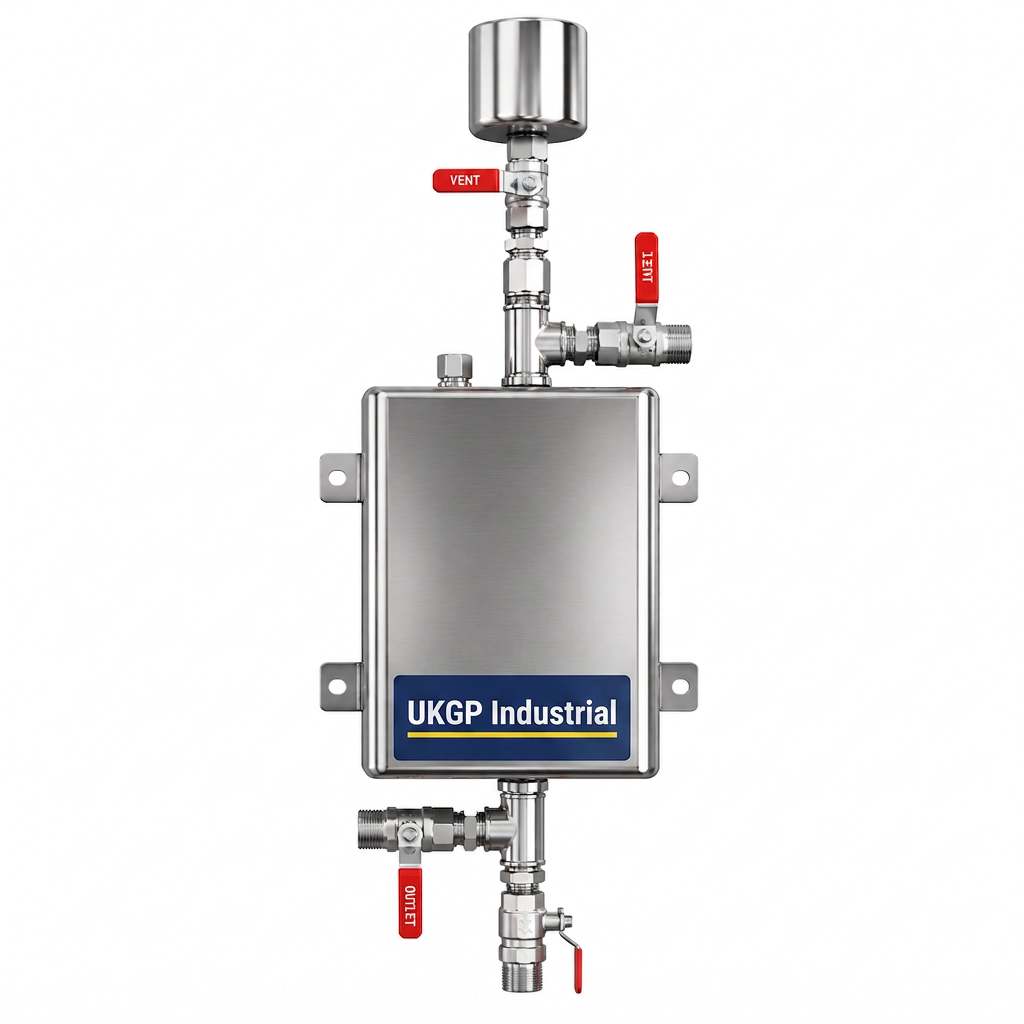
While a large-scale lime dosing system in water treatment might involve complex slurry tanks for industrial applications, many UK commercial systems utilise high-specification chemical dosing pots for the introduction of liquid chemical additives and inhibitors. These units provide a safe, bypass-mounted method for adding essential treatments without the need to shut down the entire circuit. UKGP offers a range of durable dosing pots, available in 5L, 10L, and 25L capacities, crafted from carbon steel or premium stainless steel to suit various system demands. These units are specifically designed for the manual introduction of corrosion inhibitors and glycol, which are often used alongside lime-treated water to provide a comprehensive protection strategy for the HVAC network.
Precision in chemical application is paramount to meeting the stringent standards set by CIBSE and BSRIA. A UKGP chemical dosing pot is supplied as a complete assembly, featuring essential isolation valves, a drain valve for clearing the chamber, and a vent valve to ensure all air is purged before the chemical is swept into the system. This bypass mounting ensures that the additives are gradually integrated into the main flow, preventing a concentrated 'slug' of chemical that could potentially damage sensitive ph sensors or transmitters. For facilities managers, the ease of use and safety provided by a properly installed dosing pot reduces the risk of chemical spills and ensures that the water treatment regime remains consistent with the site's maintenance schedule.
Choosing between carbon steel and stainless steel options allows procurement leads to match the equipment to the specific fluid chemistry of their site. All UKGP dosing pots come with a 2-year warranty, reflecting our confidence in their build quality and longevity in demanding plant-room environments. Whether you are managing the initial bypass-mounted dosing for a new build or retrofitting a pot to an existing district heating circuit, these units represent a cost-effective, reliable solution for chemical top-ups. By combining a reliable dosing pot with the broader requirements of a lime dosing system in water treatment, engineers can achieve a high level of control over the system's electrochemical profile, drastically reducing the rate of magnetite formation.
- Available in 5L, 10L, and 25L sizes to accommodate different system volumes.
- Choose between robust carbon steel or corrosion-resistant stainless steel builds.
- Includes isolation valves, drain, and vent for safe and easy chemical charging.
- Backed by a 2-year warranty for peace of mind in commercial installations.
Technical Compatibility and Material Considerations
When designing a lime dosing system in water treatment, material compatibility is a primary concern for M&E contractors. Lime is inherently alkaline, and while this is beneficial for protecting carbon steel, excessively high pH can be detrimental to certain non-ferrous components or aluminium heat exchangers used by some leading commercial boiler manufacturers. Therefore, the dosing regime must be monitored by high-quality pH sensors and transmitters to ensure the levels do not exceed the tolerances of the system components. It is vital that the engineer validates the system metallurgy against the proposed water chemistry targets to avoid unintended consequences, such as the degradation of seals or the accelerated corrosion of amphoteric metals.
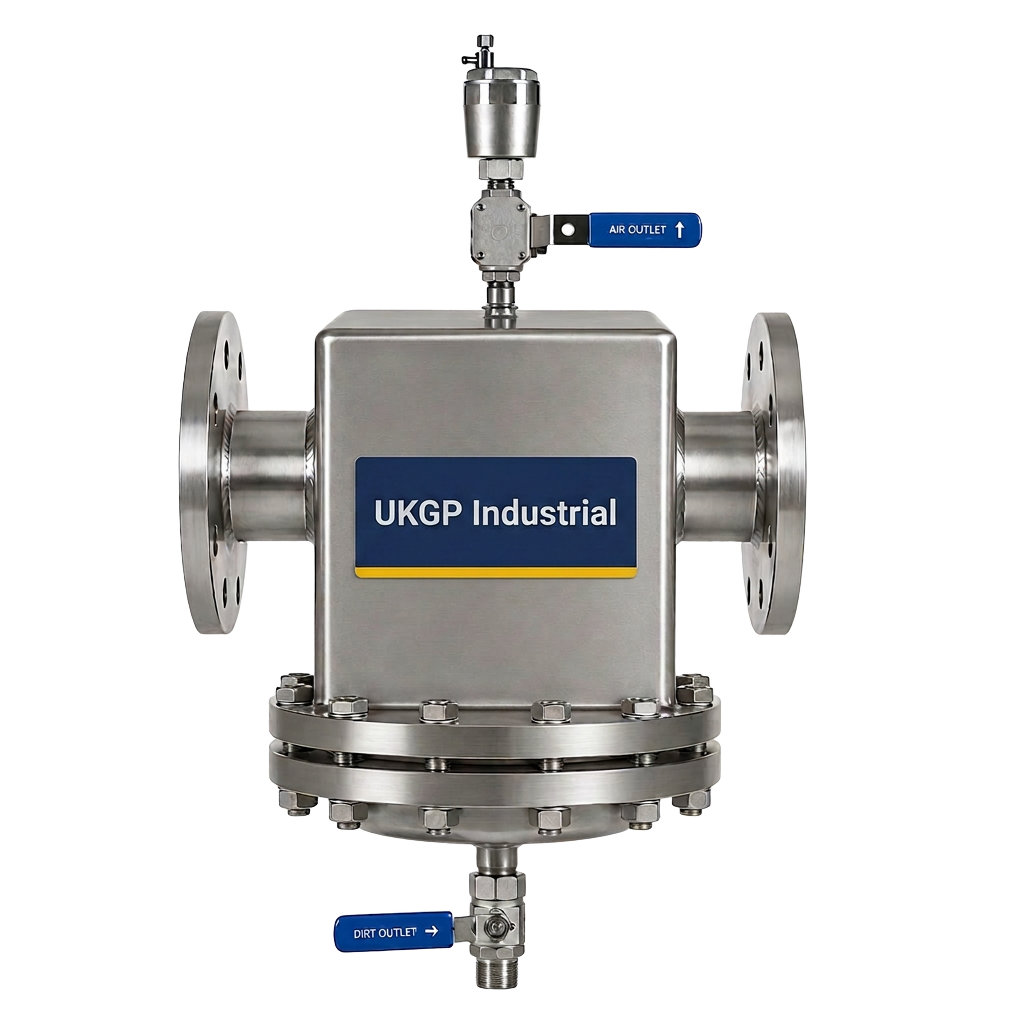
The physical characteristics of the lime itself—often used in a hydrated form—require that the delivery system is kept free of stagnant zones. In a lime dosing system in water treatment, the risk of 'furring' or calcium carbonate precipitation is real if the dosing rate is not correctly matched to the system's flow rate and temperature. This is where British Standard BS EN 14917 for expansion bellows and other flexural components becomes relevant; the system must be able to withstand the thermal and chemical stresses of the dosing process without compromising the integrity of joints or seals. Ensuring that the system is properly degassed using air and dirt separators also helps in maintaining the solubility of the lime and prevents the formation of scale at the heat exchange interface.
Maintenance teams should also consider the impact of lime-based treatments on the overall conductivity of the system water. While lime effectively raises the pH, it also introduces ions that contribute to the Total Dissolved Solids (TDS). High TDS can interfere with electronic sensors and, in extreme cases, promote certain types of galvanic corrosion if not managed. Regular sampling in accordance with BS 8552 is recommended to track these levels. By integrating a dedicated sampling point near the chemical dosing pot, engineers can take accurate readings of the system's response to the lime treatment. This data-driven approach allows for fine-tuning the dosing frequency, ensuring that the lime dosing system in water treatment provides maximum protection with minimum chemical waste.
- Verify pH tolerances of aluminium components and gaskets before dosing.
- Monitor TDS levels to prevent interference with sensitive plant-room sensors.
- Ensure air and dirt separators are active to maintain chemical solubility.
- Utilise BS 8552 sampling protocols to gather accurate water chemistry data.
Compliance with BSRIA BG29 and BG50 Standards
Compliance with BSRIA standards is the benchmark for water quality in the UK building services sector. A lime dosing system in water treatment plays a pivotal role during the ongoing maintenance phase covered by BG50. While BG29 focuses on the initial 'clean start' of a system, BG50 outlines the requirements for keeping the water in a non-corrosive state throughout its operating life. Lime dosing is a proven method for maintaining the alkaline reserve necessary to buffer the system against fluctuations in raw water quality or oxygen ingress. For those managing heat networks or large commercial HVAC installations, adhering to these guidelines is often a requirement for insurance and manufacturer warranties on plate heat exchangers and boiler plant.
The interaction between lime dosing and pre-existing protective films on metal surfaces is another critical factor. When a system is first commissioned, the lime dosing system in water treatment helps establish a passive oxide layer on steel surfaces, which is fundamentally important for stopping the formation of magnetite (sludge). If the pH drops below 8.2, this passive layer can break down, leading to rapid corrosion. By maintaining a pH typically between 9.0 and 10.5 through controlled lime or liquid chemical dosing, the engineer ensures that the metallic surfaces remain protected. This is why the dosing pot's role in introducing inhibitors is so synergistic with lime-based pH correction; one provides the base alkalinity, while the other provides specialised surface protection.
Contractors must also be aware of the environmental and health and safety implications of lime dosing. Handling hydrated lime requires appropriate PPE and containment to prevent dust inhalation and skin contact. In the context of a plant room, using a closed-system chemical dosing pot for liquid alternatives or pre-mixed lime slurries can enhance safety significantly. Moreover, commercial buyers should ensure that their water treatment specialist provides a comprehensive method statement for the dosing process, aligned with COSHH regulations. This holistic approach to safety and compliance ensures that the lime dosing system in water treatment serves the building's longevity without introducing unnecessary risks to the maintenance staff or the surrounding environment.
- Aligns water chemistry with BSRIA BG50 long-term maintenance standards.
- Helps establish and maintain the protective passive oxide layer on steel.
- Reduces the risk of magnetite formation and subsequent system blockages.
- Directly supports the warranty requirements of major UK boiler OEMs.
Efficient Delivery via Side Stream Filtration
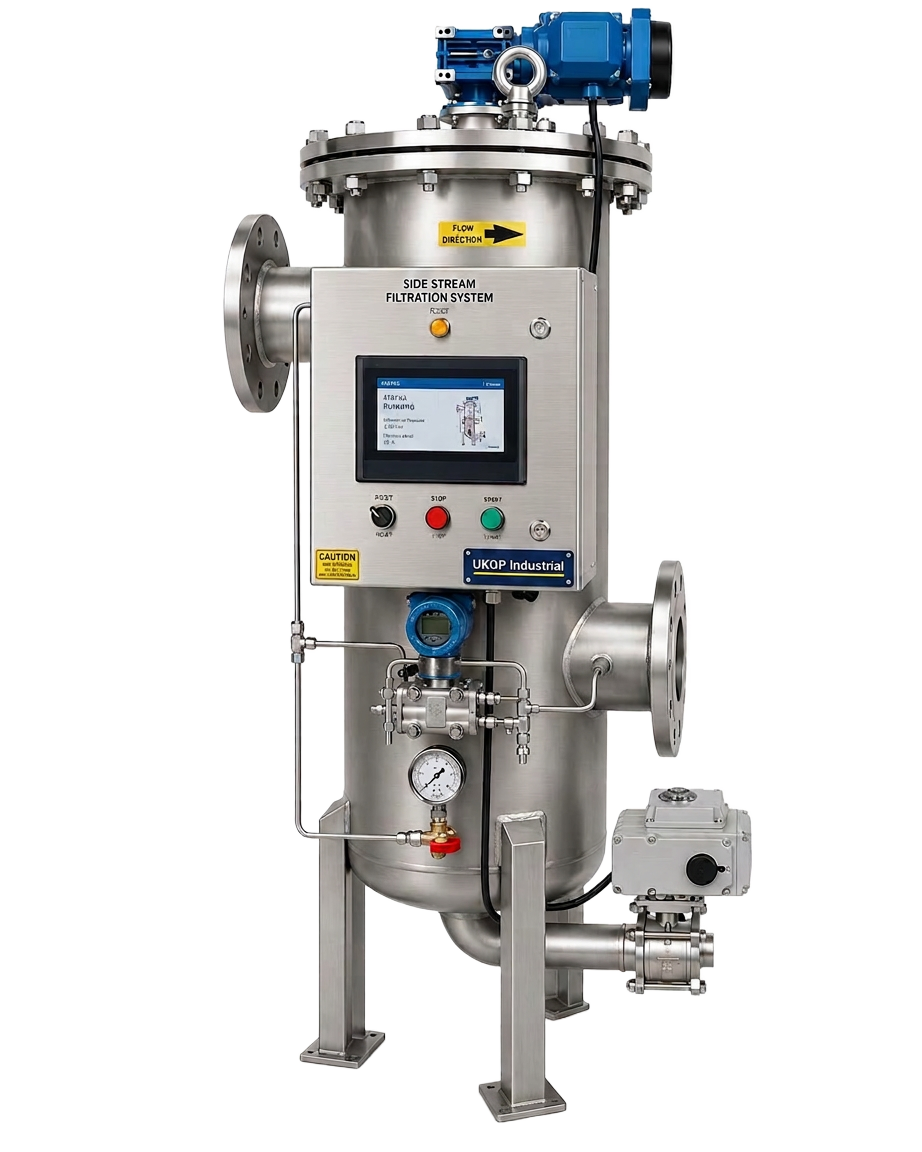
To ensure the absolute effectiveness of a lime dosing system in water treatment, it is often coupled with side stream filtration. As lime is introduced and the chemical balance of the system shifts, existing debris or newly formed particulates can be liberated from pipework walls. A side stream filtration skid prevents these solids from settling in low-velocity areas like heat exchangers or headers. This is critical because any accumulation of solids can create under-deposit corrosion, which lime dosing alone cannot prevent. The combination of chemical pH correction and physical filtration creates a multi-layered defence strategy that is recommended for all modern high-efficiency plant rooms.
By filtering a percentage of the total flow—typically 5% to 15%—the side stream unit ensures that the water remains clear and the lime additives can circulate freely. This also reduces the 'chemical demand' of the system; if the water is full of suspended solids, the lime may react with the debris rather than providing the intended pH correction for the metal surfaces. For M&E contractors, installing a filtration skid alongside a UKGP chemical dosing pot ensures that the system meets the highest possible water clarity standards. This proactive measure significantly lowers the frequency of manual cleaning required for heat exchangers and prolongs the period between full system flushes, offering a clear ROI for procurement leads.
When specifying a lime dosing system in water treatment for a new project, consider the ease of maintenance for the entire loop. Modern side stream filters are designed for quick bag or cartridge changes without interrupting the main flow, mirroring the convenience of the bypass-mounted dosing pot. Together, these components work to keep the hydraulic system operating at peak thermal efficiency. In an era of rising energy costs, maintaining a clean, pH-balanced system is one of the most effective ways to ensure that commercial boilers and chillers operate exactly as the manufacturer intended, without the insulating effects of scale or the restrictive effects of corrosion sludge.
- Prevents under-deposit corrosion by removing suspended solids and debris.
- Improves the efficiency of lime dosing by maintaining high water clarity.
- Protects plate heat exchangers from the build-up of chemical particulates.
- Enables maintenance of water quality without system-wide shutdowns.
Procurement and Installation Best Practices
For procurement leads, the selection of a lime dosing system in water treatment must balance initial capital expenditure with long-term operational costs. It is advisable to source components that offer a combination of durability and ease of installation. For instance, selecting a UKGP chemical dosing pot with a 2-year warranty ensures that the unit is built to withstand the rigours of a commercial plant room. When reviewing quotes, ensure that all necessary valves and safety features are included, as these can significantly impact the final install cost if they must be sourced separately. A complete assembly simplifies the task for M&E contractors and ensures the installation adheres to the design specifications.
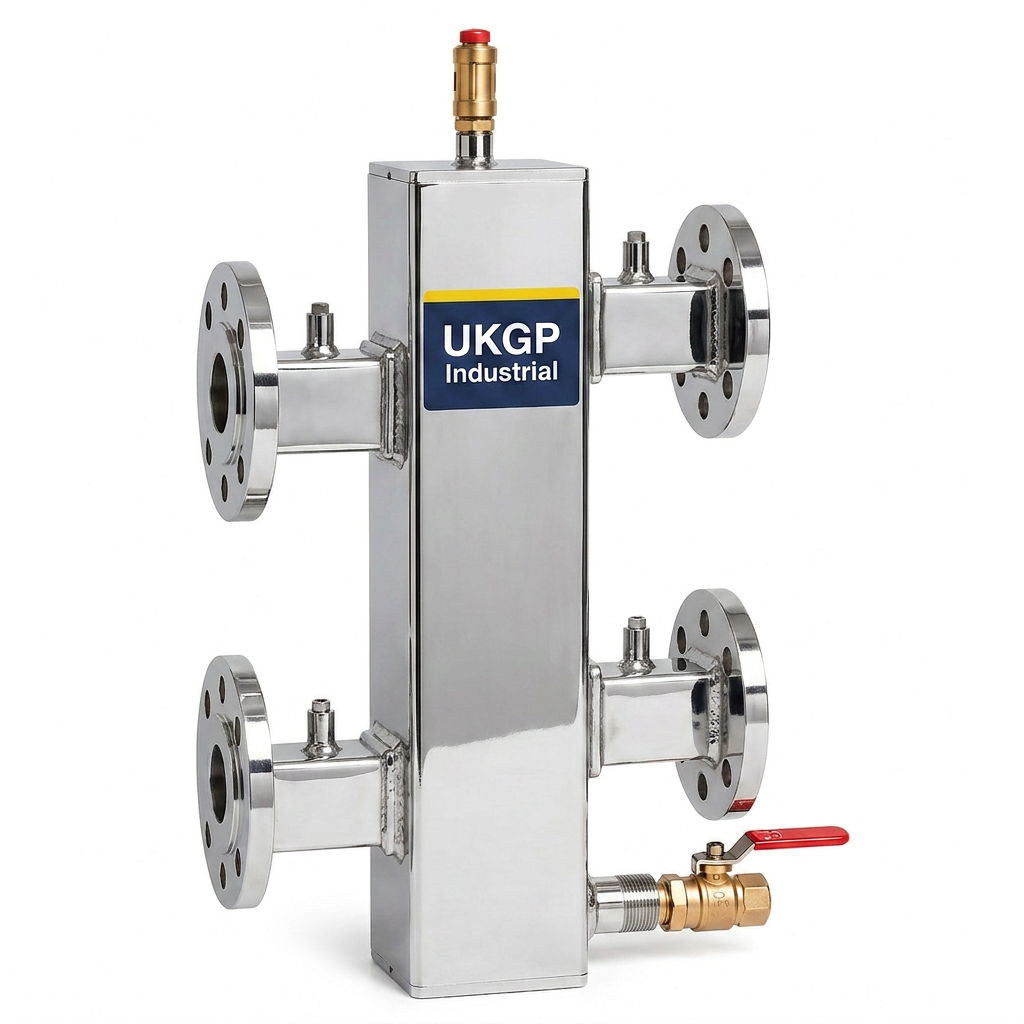
Installation should always be performed by qualified engineers who understand the nuances of closed-loop hydraulics. The dosing pot should be installed across the flow and return lines or across a pump to ensure a sufficient pressure differential for effective chemical induction. When the lime dosing system in water treatment is being commissioned, the flow rates through the bypass loop must be verified. If the flow is too low, the lime may not integrate properly; if too high, it may cause localised turbulence. Proper placement within the plant room, typically after the low loss header but before the primary heat source, ensures that the treated water reaches critical components first.
Finally, ongoing support and technical expertise are invaluable. UKGP is based in Surrey and provides expert guidance on the selection of dosing pots, expansion bellows, and filtration systems to ensure your plant room is fully compliant and efficient. By choosing a UK-based supplier, you benefit from rapid lead times and responsive technical support, which is essential when a project is reaching the critical pre-commissioning phase. Investing in high-quality dosing and filtration equipment is the most effective way to protect your commercial assets, reduce energy consumption, and ensure the long-term success of your lime dosing system in water treatment. Reach out to our team today for a tailored quote on your chemical dosing requirements.
- Prioritise complete assemblies to reduce installation time and complexity.
- Ensure dosing pots are positioned to take advantage of pressure differentials.
- Select UK-based suppliers for faster lead times and technical consultation.
- Verify that all installed components carry at least a 2-year manufacturer warranty.
Frequently asked questions
What is the primary purpose of a lime dosing system in water treatment?
- The primary purpose is pH correction. By adding lime, engineers can raise the alkalinity of the water to prevent acidic corrosion of metallic components in closed-loop systems, adhering to standards like BSRIA BG50.
What size chemical dosing pot do I need for my system?
- Sizing depends on the total system volume and the amount of additive required. UKGP offers 5L, 10L, and 25L versions. Generally, a larger pot allows for fewer dosing cycles in high-volume commercial systems.
Can I use a dosing pot for glycol top-ups?
- Yes, UKGP chemical dosing pots are designed for the manual introduction of various fluids, including anti-freeze glycol and corrosion inhibitors, making them a versatile tool in any commercial plant room.
Is stainless steel or carbon steel better for a dosing pot?
- Carbon steel is standard for most heating systems, but stainless steel offers superior corrosion resistance and is often specified for process cooling or systems where long-term durability is the highest priority.
How often should I sample water from my lime dosing system?
- In accordance with BS 8552, sampling should be conducted quarterly for most commercial systems, or more frequently during the first six months of operation to ensure the dosing system is achieving the target pH levels.