The Importance of Chemical Dosing in Commercial HVAC
In the UK commercial sector, the efficiency of closed-loop heating and cooling systems is heavily dependent on the quality of the circulating water. Without proper chemical treatment, systems are prone to oxygen ingress, electrolytic corrosion, and the build-up of magnetite sludge. Understanding how to put central heating inhibitor in system is not just about basic maintenance; it is a critical requirement for meeting BSRIA BG50 guidelines. These guidelines suggest that consistent monitoring and the replenishment of inhibitors are essential for preventing the degradation of heat exchangers and distribution pipework. Failure to maintain correct chemical levels often leads to reduced heat transfer efficiency and eventual component failure, which can be catastrophic in large-scale residential or institutional buildings.
When consulting on new builds or major refurbishments, M&E contractors must ensure that the design allows for easy chemical introduction. The methodology of how to put central heating inhibitor in system effectively involves more than just pouring chemicals into a header tank; it requires a robust, bypass-mounted solution that can handle the pressures of a modern commercial plant room. In high-pressure environments, the use of a dedicated dosing vessel is the industry standard. This ensures that the water chemistry remains balanced without introducing excessive air into the circuit, which would otherwise accelerate oxidative processes. Properly managed dosing cycles help in achieving the low corrosion rates specified by BSRIA standards, protecting the long-term ROI of the project.
For plant room engineers, the process of how to put central heating inhibitor in system is a routine yet vital task. By utilizing specialized equipment, engineers can inject precisely measured volumes of corrosion inhibitors or glycol directly into the primary circuit. This prevents the thinning of pipe walls and the accumulation of debris that can clog valves and pumps. Most major UK commercial boiler OEMs mandate specific water quality parameters as a condition of their warranties. Therefore, documenting the dosing process and maintaining a log of chemical concentrations is essential for compliance and insurance purposes. Implementing a reliable dosing strategy is the first line of defence against the costly downtime associated with system flushing and component replacement.
- Prevents the formation of magnetite and localized pitting corrosion.
- Ensures compliance with BSRIA BG50 and BG29 water quality standards.
- Protects expensive commercial boiler heat exchangers and secondary pumps.
- Maintains design thermal efficiency across the entire distribution network.
Step-by-Step: How To Put Central Heating Inhibitor In System
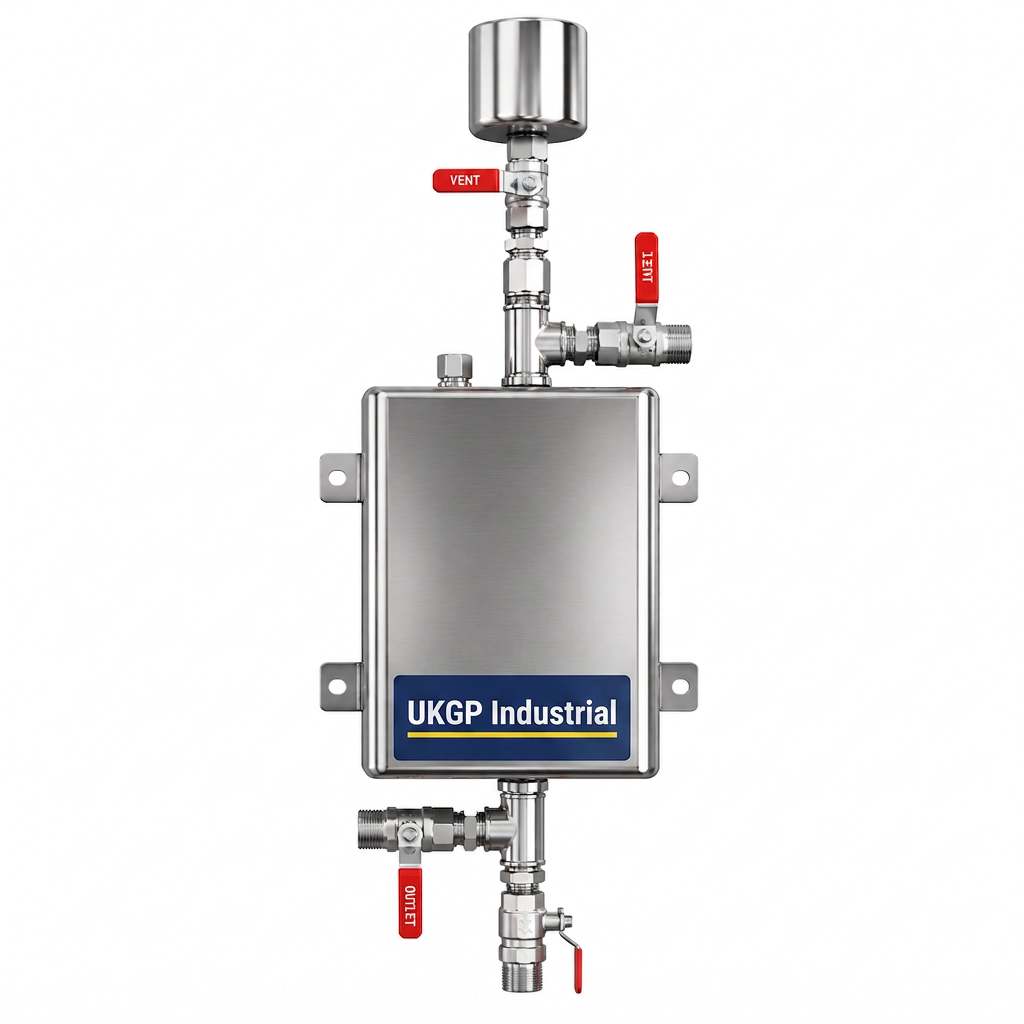
The most effective technical method for how to put central heating inhibitor in system involves using a bypass-mounted chemical dosing pot. Before starting, the engineer must identify the correct sizing for the dosing vessel based on the total system volume and the concentration required by the chemical manufacturer. Once the vessel is installed on a bypass of the main flow and return headers, the process begins by isolating the pot from the main system using the provided isolation valves. It is crucial to ensure the vessel is completely depressurised before attempting to open the fill point, which is typically done by opening the drain valve and the air vent simultaneously to remove stagnant water and pressure.
After the vessel is empty and vented, the funnel can be used to introduce the required volume of inhibitor or glycol. When considering how to put central heating inhibitor in system with a UKGP dosing pot, the user benefits from a robust design including a large-bore funnel for rapid filling. Once the chemical is inside the vessel, the fill valve and vent are closed securely. To introduce the chemicals into the main circuit, the isolation valves are slowly opened. This creates a pressure differential that draws the concentrated inhibitor into the main circulation loop. By allowing the system to run through the bypass for a set period, the chemicals are distributed evenly throughout the entire building's pipework, ensuring no dead legs remain untreated.
A final check of the system's chemical concentration is required following the dosing procedure. Professionals must test the water samples against the baseline requirements for the specific inhibitor being used. This confirms that the method of how to put central heating inhibitor in system has been successful and that the concentration is sufficient to provide a protective film over the internal metal surfaces. If the system is particularly large, multiple dosing cycles may be necessary. It is recommended to use 10L or 25L pots for larger commercial circuits to minimize the number of manual handling operations required. This systematic approach ensures that the plant operates at peak performance while minimizing the risk of internal scaling.
- Isolate the dosing pot from the main headers using high-quality valves.
- Drain the pot and vent air before filling with chemical inhibitor.
- Introduce chemicals through the funnel and seal the vessel.
- Re-open isolation valves to utilize bypass pressure for distribution.
- Verify concentration levels using professional test kits post-circulation.
Material Selection for Dosing Equipment
When selecting equipment to facilitate how to put central heating inhibitor in system, material compatibility is a primary concern for procurement leads. Standard systems typically utilize carbon steel dosing pots which offer an excellent balance of durability and cost-effectiveness for most LTHW (Low Temperature Hot Water) applications. However, for systems where longevity and corrosion resistance are paramount, or in certain chilled water applications, stainless steel vessels are often specified. The choice of material ensures that the dosing equipment itself does not become a source of contamination or a weak point in the plant room infrastructure. Our units are designed to withstand the rigours of commercial operation, featuring high-quality welding and pressure testing.
The construction of the dosing pot must adhere to relevant British Standards for pressure vessels. Using an inferior vessel to determine how to put central heating inhibitor in system can lead to leaks or even catastrophic failure under pressure. UKGP units are manufactured with safety and ease of use in mind, featuring clear labelling and robust valve sets as standard. The inclusion of a 2-year warranty provides peace of mind for facility managers who need to ensure that their maintenance equipment is just as reliable as the primary heating plant. By investing in high-specification dosing hardware, contractors can ensure that they are providing their clients with a professional-grade solution for water treatment.
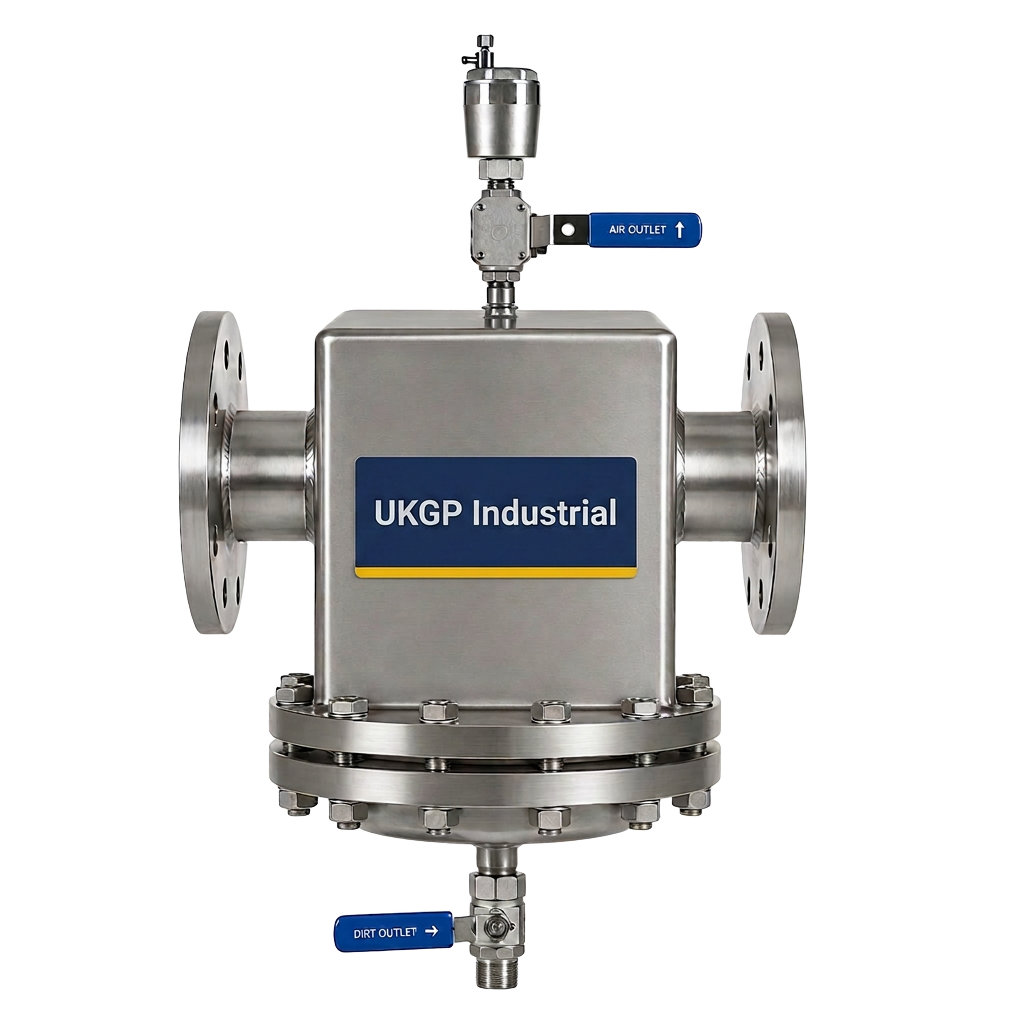
Furthermore, the integration of air and dirt separators alongside the dosing pot is highly recommended. While the dosing pot is the tool for how to put central heating inhibitor in system, separators remove the microbubbles and debris that inhibit the effectiveness of those chemicals. A clean system allows the inhibitor to form a more consistent protective layer on the pipe walls. This holistic approach to water quality management is what distinguishes a high-performing commercial installation from one that will suffer from premature degradation and inefficiency. Engineers should look for integrated solutions that simplify the maintenance routine while maximizing the protection of the building's thermal assets.
- Available in carbon steel for standard LTHW or stainless steel for longevity.
- Pressure tested to ensure safety during high-pressure chemical injection.
- Large capacity options (5L to 25L) to suit varied system volumes.
- Equipped with necessary safety features including tundish and air vents.
Adhering to BSRIA BG29 and BG50 Standards
Compliance with BSRIA BG29 (Pre-commission cleaning of pipework systems) and BG50 (Water treatment for closed heating and cooling systems) is essential for any modern UK plant room. These documents provide the framework for how to put central heating inhibitor in system correctly throughout the building's lifecycle. BG29 focuses on the initial cleaning and chemical treatment that must be completed before a system is handed over. This stage is critical because any debris left from the installation process can cause localized corrosion beneath the surface of the sludge, rendering the inhibitor less effective. Proper dosing at the commissioning stage sets the foundation for a healthy system.
BG50 provides the ongoing strategy for maintaining water quality and details the frequency of testing and chemical replenishment. For facility managers, understanding how to put central heating inhibitor in system in accordance with BG50 means implementing a schedule of regular water analysis. If the analysis shows a drop in inhibitor levels, the dosing pot is the primary tool used to rectify the balance. This proactive approach prevents the gradual rise in iron and copper levels in the water, which are precursors to major component failure. In many cases, insurance providers and boiler manufacturers require proof of adherence to these BSRIA standards to validate claims.
By following these established codes of practice, engineers can avoid the common pitfalls of neglected water chemistry. The technique of how to put central heating inhibitor in system must be documented as part of the system's logbook. This transparency is vital for large-scale facilities management where multiple contractors may be involved over time. A logical, well-equipped dosing station makes compliance straightforward, ensuring that the water chemistry remains within the narrow tolerances required for modern, high-efficiency commercial boilers and heat exchangers. This level of technical diligence is what defines professional UK building services engineering.
- BG29 covers the initial 'clean and treat' phase during commissioning.
- BG50 provides the long-term roadmap for water quality maintenance.
- Regular dosing prevents the build-up of harmful electrolytic byproducts.
- Documentation of dosing activities is key for audit and warranty trails.
Practical Considerations for Plant Room Engineers
In a busy plant room environment, the physical footprint and accessibility of dosing equipment are critical. When planning how to put central heating inhibitor in system, the dosing pot should be installed in an accessible location where the engineer can safely handle chemical canisters and the fill funnel. Positioning the unit on a bypass across the pump header is the most effective way to ensure a sufficient pressure drop to circulate the chemical. It is also important to consider the proximity to a drain for the venting and draining process. Safety is a major priority, and engineers should always wear the appropriate PPE when handling concentrated chemical inhibitors or glycol solutions.
Another practical aspect of how to put central heating inhibitor in system is the environmental temperature. Glycol concentrations must be carefully calculated and introduced to prevent freezing in external pipework or air-cooled chillers. For these applications, larger dosing pots or automated dosing stations are often preferred to ensure the correct mix ratio is maintained. The 5L, 10L, and 25L variants offered by UKGP allow projects to be scaled appropriately, ensuring that the volume of chemicals added is manageable for the onsite team. Using the correctly sized vessel reduces the risk of chemical spills and ensures that the dosing process is completed efficiently without unnecessary repetition.
Maintenance of the dosing pot itself should not be overlooked. Although they are relatively simple and passive devices, the valves and seals should be checked regularly for signs of wear. If a valve begins to leak, it can introduce air into the system or bypass the flow even when closed. When mastering how to put central heating inhibitor in system, ensuring the equipment is in top condition is the first step. UKGP's 2-year warranty on dosing pots reflects the build quality required for these demanding environments. By standardizing on high-quality bypass-mounted pots, contractors can provide their clients with a reliable, long-term solution for maintaining system health and efficiency.
- Strategic placement ensures correct pressure differential for chemical flow.
- Safety PPE should be worn whenever handling concentrated HVAC chemicals.
- Correct sizing of the dosing pot reduces labor and prevents chemical wastage.
- Regular valve and seal inspections maintain the integrity of the dosing bypass.
Procurement and Specifying the Right Dosing Solution
Procurement leads and building services consultants often face the challenge of balancing initial capital expenditure with long-term operational costs. Specifying a high-quality method of how to put central heating inhibitor in system is one of the most cost-effective ways to protect the wider mechanical budget. A relatively small investment in a carbon steel or stainless steel dosing pot can save tens of thousands of pounds in avoided repairs and chemical flushing services. When evaluating options, look for units that come as a complete kit, including the tundish, air vent, and high-quality isolation valves. This simplifies the installation process for M&E contractors and ensures all necessary components are present.
Technical specifications should also account for the system pressure. UKGP dosing pots are designed to operate safely within the standard pressures of commercial heating circuits, providing a robust solution for diverse project types. Whether it is a small school boiler room or a large-scale district heating energy centre, the principles of how to put central heating inhibitor in system remain the same: precision, safety, and durability. By choosing a manufacturer that understands the nuances of UK building services, procurement leads can ensure that the equipment supplied meets all local regulatory requirements and industry best practices including BS EN standards where applicable.
Finally, for many consultants, the choice of supplier is influenced by the availability of technical support and product lead times. Working with a Surrey-based manufacturer like UKGP provides the benefit of local expertise and rapid availability of stock. When a contractor needs to know how to put central heating inhibitor in system or requires a specific size of dosing pot to meet a project deadline, having a responsive partner is invaluable. Our range of dosing pots is designed to be the backbone of any commercial water treatment regime, providing the reliability required by FMs and engineers across the UK. Request a quote today to secure high-specification dosing solutions for your next project.
- Specify complete kits to minimize onsite assembly and installation errors.
- Ensure the dosing vessel is rated for the system's maximum operating pressure.
- Consider local UK manufacturing for better technical support and lead times.
- Prioritize vessels with a comprehensive warranty for long-term asset security.
Frequently asked questions
What is the best way to determine how to put central heating inhibitor in system for a multi-story building?
- For multi-story buildings, the best method is to use a bypass-mounted dosing pot located in the main plant room. This ensures that the chemical inhibitor is injected into the primary distribution loop and circulated via the main pumps to all floors. Following BSRIA BG50 guidelines for testing at various points in the building ensures the inhibitor reaches the furthest extremities of the network.
Is a stainless steel dosing pot necessary for all commercial systems?
- While carbon steel dosing pots are standard for LTHW systems, stainless steel is recommended for chilled water systems or where high-purity water is used to prevent the vessel itself from corroding. Stainless steel offers superior longevity in harsh environments and is often specified by consultants for high-end commercial projects to ensure maximum durability.
How often should I use the dosing pot to add inhibitor?
- The frequency is determined by regular water analysis. Under BS 8552 and BSRIA BG50, commercial water quality should be tested at least quarterly. If the concentration of inhibitor has dropped due to system water loss or chemical degradation, the dosing pot should be used immediately to restore the levels to the manufacturer's recommended ppm.
Can I use a dosing pot for adding glycol as well as inhibitor?
- Yes, chemical dosing pots are designed for the introduction of both liquid corrosion inhibitors and anti-freeze glycol. It is critical to ensure that the volume added is calculated correctly to achieve the required frost protection temperature for the specific system volume.
What safety precautions are needed during the dosing process?
- Engineers should always verify the system is depressurised within the vessel before opening the fill valve. Use the air vent and drain to safely empty the pot. Additionally, wear appropriate PPE, including gloves and eye protection, as commercial-grade inhibitors and glycols can be hazardous to the skin and eyes.