The Role of a Flexible Rubber Expansion Joint in HVAC
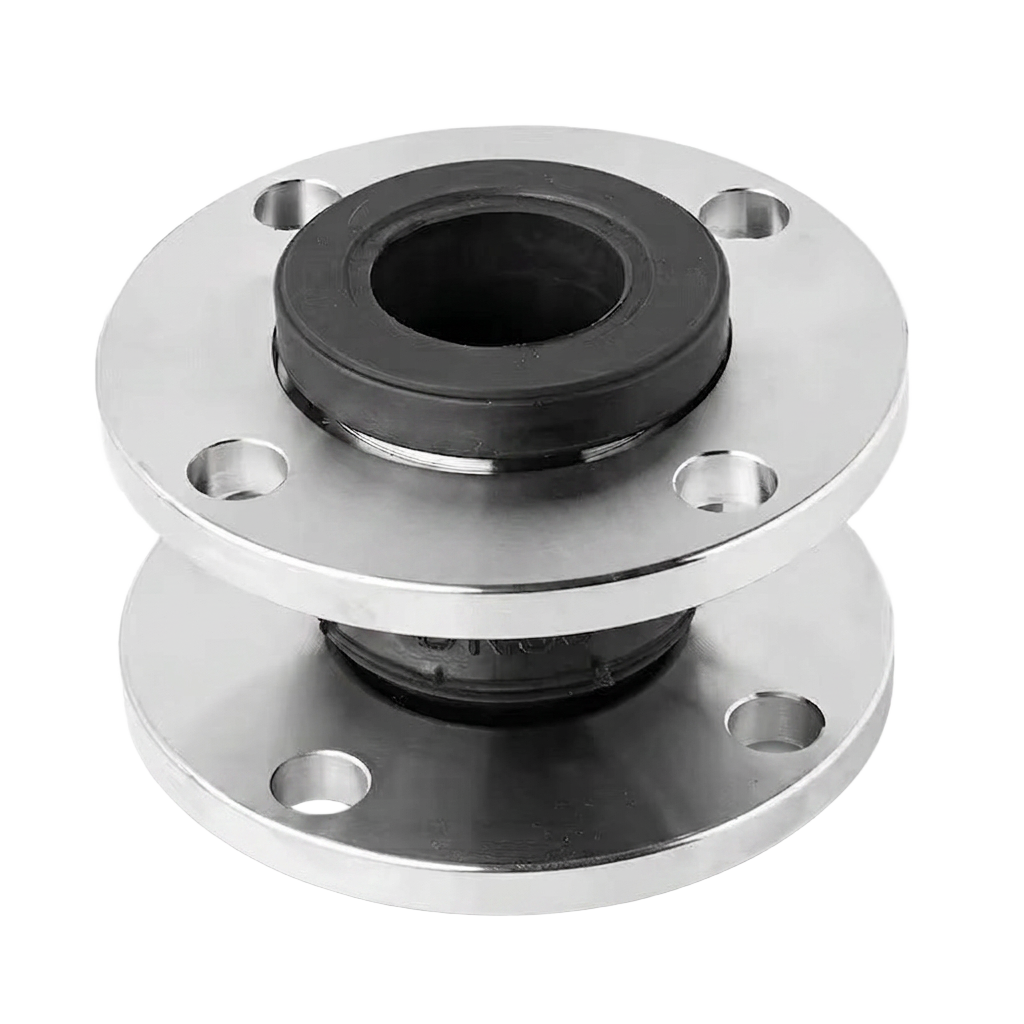
In the UK HVAC market, the flexible rubber expansion joint serves as a critical interface between vibrating machinery and static pipework. These components are specifically engineered to absorb 4-way movements, including axial compression, axial extension, lateral deflection, and angular displacement. Without these units, the mechanical stress generated by pumps and chillers would be transferred directly into the building fabric, leading to eventual fatigue failure of the piping. Engineers must ensure that movement capacities align with the expected thermal expansion of the system, particularly in high-rise developments where cumulative movement is significant and requires precise calculations.
Beyond movement, a primary function of these joints is vibration attenuation. Mechanical noise from powerful circulation pumps can propagate through steel pipework throughout a facility, causing significant disruption in sensitive environments such as hospitals or high-end office spaces. By installing a flexible rubber expansion joint at the pump suction and discharge ports, consultants can effectively isolate these acoustic energy paths. This technical approach aligns with CIBSE Guide B recommendations for noise control in building services, ensuring that the plant room does not negatively impact the occupants' comfort levels or the structural soundproofing of the building.
The commercial implications of neglecting these components are severe. Mechanical failure due to thermal stress or excessive vibration can lead to catastrophic leaks, potentially damaging sensitive electrical equipment or interrupting critical services. When specifying these units, UKGP Industrial recommends looking for robust construction that adheres to BS EN standards. Our range provides the necessary stability for pressurized systems, offering peace of mind to facility managers who are tasked with maintaining system uptime in challenging commercial environments. Selecting the correct elastomer is the first step toward a resilient installation that requires minimal intervention over its lifecycle.
- Absorption of multi-directional thermal movement
- Reduction of hydraulic surge and water hammer effects
- Acoustic isolation of pump and chiller vibration
- Compensation for minor piping misalignment during installation
Material Selection: EPDM vs NBR in British Plant Rooms
Material compatibility is non-negotiable when selecting a flexible rubber expansion joint for UK commercial heating and cooling circuits. EPDM (Ethylene Propylene Diene Monomer) is the industry standard for LTHW and chilled water systems, offering excellent resistance to heat, ozone, and weather. Its ability to withstand temperatures up to 100°C makes it ideal for most building services applications. However, engineers must be cautious when chemical additives or systemic oils are present. EPDM is not resistant to mineral oils or petroleum-based products, which can cause the elastomer to swell and degrade, leading to rapid component failure and potential system contamination.
In contrast, NBR (Nitrile Butadiene Rubber) is the preferred choice for systems where oil resistance is paramount. While NBR has a slightly lower heat threshold than EPDM, its resilience in the presence of lubricants and hydrocarbons makes it essential for specific industrial HVAC applications. Specifiers should consult the system's chemical dosing history, as referenced in BSRIA BG50, to ensure the rubber compound is compatible with the corrosion inhibitors and biocides being used. Using the wrong material often results in premature brittleness or ‘alligatoring’ of the rubber surface, which significantly shortens the operational life of the expansion joint and compromises safety.
UKGP Industrial provides technical support to help contractors determine the optimal elastomer for their specific site conditions. Whether you are dealing with standard potable water or complex secondary heating loops, matching the rubber compound to the fluid media is critical. Our experts can assist in reviewing site-specific water treatment regimes to ensure that your flexible rubber expansion joint remains durable throughout its 2-year warranty period and well beyond. Correct material specification at the procurement stage prevents costly retrofits and unscheduled shutdown periods during the winter heating season, supporting overall FM efficiency and budget management.
- EPDM: Best for standard HVAC, LTHW, and chilled water
- NBR: Essential for oil-contaminated media and hydrocarbons
- PTFE Liners: Available for aggressive chemical environments
- Temperature ratings: Crucial for high-temperature LTHW circuits
Compliance with BSRIA BG29 and BG50 Standards
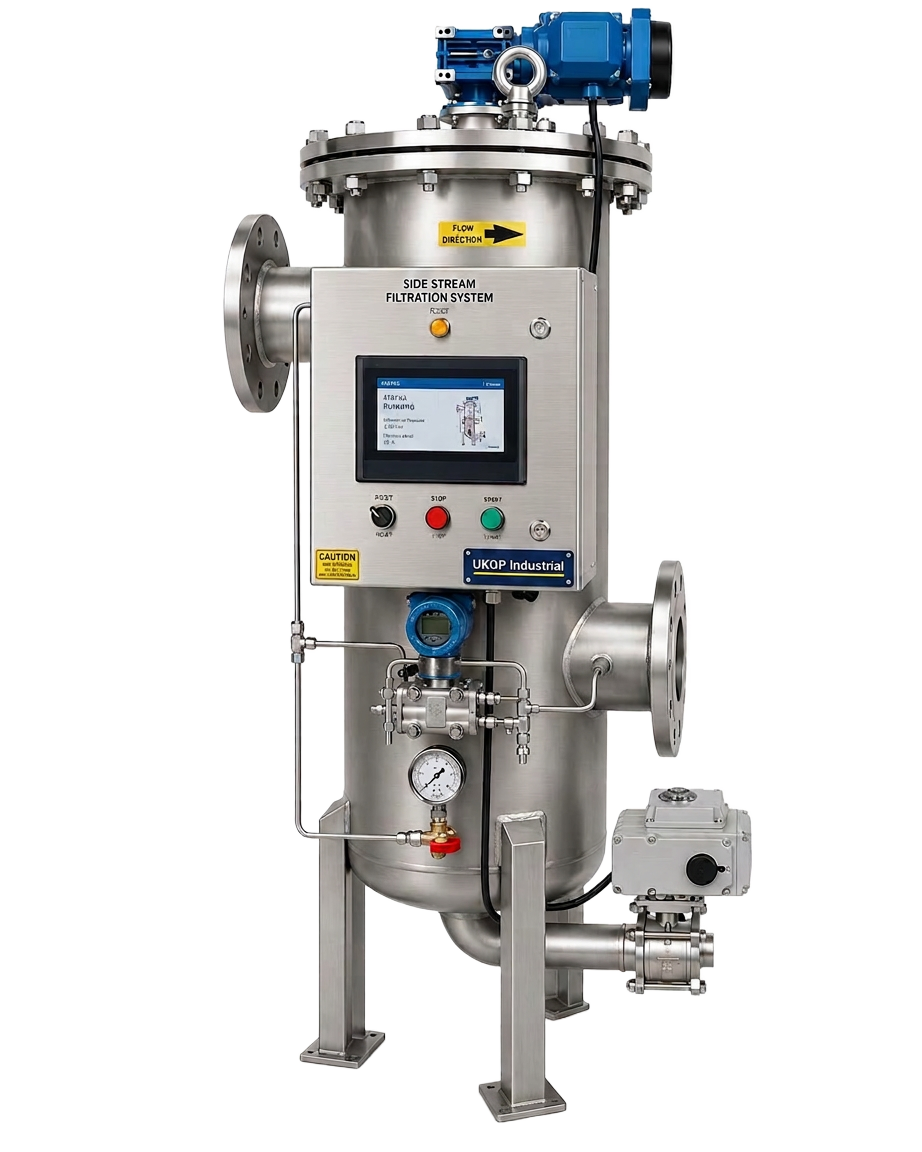
Following BSRIA BG29 (Pre-commission cleaning of pipework systems) is a standard requirement for all new UK HVAC installations. During the flushing process, expansion joints must be treated with care. Heavy debris moving at high velocities can cause internal erosion on rubber bellows if they are not protected or temporarily bypassed. It is recommended that a flexible rubber expansion joint is inspected immediately after the pre-commission cleaning phase to ensure no particulates have lodged in the convolutions, which could impair its ability to flex. Maintaining clean systems through proper side-stream filtration also extends the life of these elastomers by preventing abrasive wear.
BSRIA BG50 highlights the importance of ongoing water treatment and the monitoring of system integrity in existing buildings. A flexible rubber expansion joint that shows signs of external weeping or surface cracking is often a symptom of poor water chemistry or systemic over-pressurisation. Regular inspections should be part of the FM scheduled maintenance to check for signs of age-hardened rubber or damaged reinforcement fabrics. Compliance with these BSRIA guidelines ensures that the mechanical components of the plant room are not being subjected to unnecessary chemical or physical stress, preserving the design life of the entire distribution network.
Proper installation practices are equally vital for compliance. This includes ensuring that the pipework is adequately anchored and guided according to the joint manufacturer's instructions. A flexible rubber expansion joint is designed for movement, but it cannot act as a surrogate for proper pipe support. If anchors are insufficient, the pressure thrust could cause the joint to extend beyond its design limits, leading to failure. By adhering to BS EN 14917 principles for metallic bellows and applying similar rigorous logic to rubber variants, engineers can ensure a safe, robust, and BSRIA-compliant installation that protects the building's infrastructure.
- Ensure compatibility with pre-commission cleaning chemicals
- Monitor elastomer health as part of BG50 maintenance regimes
- Verify anchor points to manage pressure thrust forces
- Install side-stream filtration to reduce abrasive particulate wear
Sizing and Installation Parameters for Expansion Bellows
Sizing a flexible rubber expansion joint requires more than just matching the pipe diameter. Engineers must evaluate the working pressure, test pressure, and vacuum conditions of the system. While many standard units are rated for PN16, higher pressure variants may be required for high-rise riser applications. Furthermore, the installation length (neutral length) must be strictly adhered to. Compressing or stretching the joint during installation to make up for poor pipe alignment is a common error that significantly reduces the unit's remaining movement capacity and increases the stress on the internal nylon or kevlar reinforcement cords.
UKGP Industrial offers a comprehensive range of solutions, from DN15 to DN600. Our expansion bellows are available as rubber EPDM/NBR, stainless steel, PTFE, and fabric variants to suit any HVAC or industrial process. For rubber units, tie bars (limit rods) are frequently recommended. These rods prevent the bellows from over-extending if an anchor fails and are essential when the expansion joint is placed in a section of pipework that is not fully anchored. These safety features are standard considerations for M&E contractors who prioritise long-term reliability and safety in their plant room designs.
Choosing UKGP for your project means access to high-quality components with a 2-year warranty. Whether you require flanged or weld-end connections, our flexible rubber expansion joint range is designed for ease of installation and durability. We supply building services consultants across the UK with the technical data sheets required for accurate BIM modelling and specification. By integrating our bellows into your design early, you ensure that the thermal expansion and vibration management strategies are holistically addressed, resulting in a quieter, safer, and more efficient mechanical system for the end-user.
- Available sizes: DN15 to DN600 with PN16/PN25 ratings
- Options: Rubber EPDM/NBR, Stainless Steel, PTFE, and Fabric
- Standard flanged or weld-end connections for UK pipework
- Included 2-year warranty for commercial peace of mind
Managing Thermal Stress with Low Loss Headers
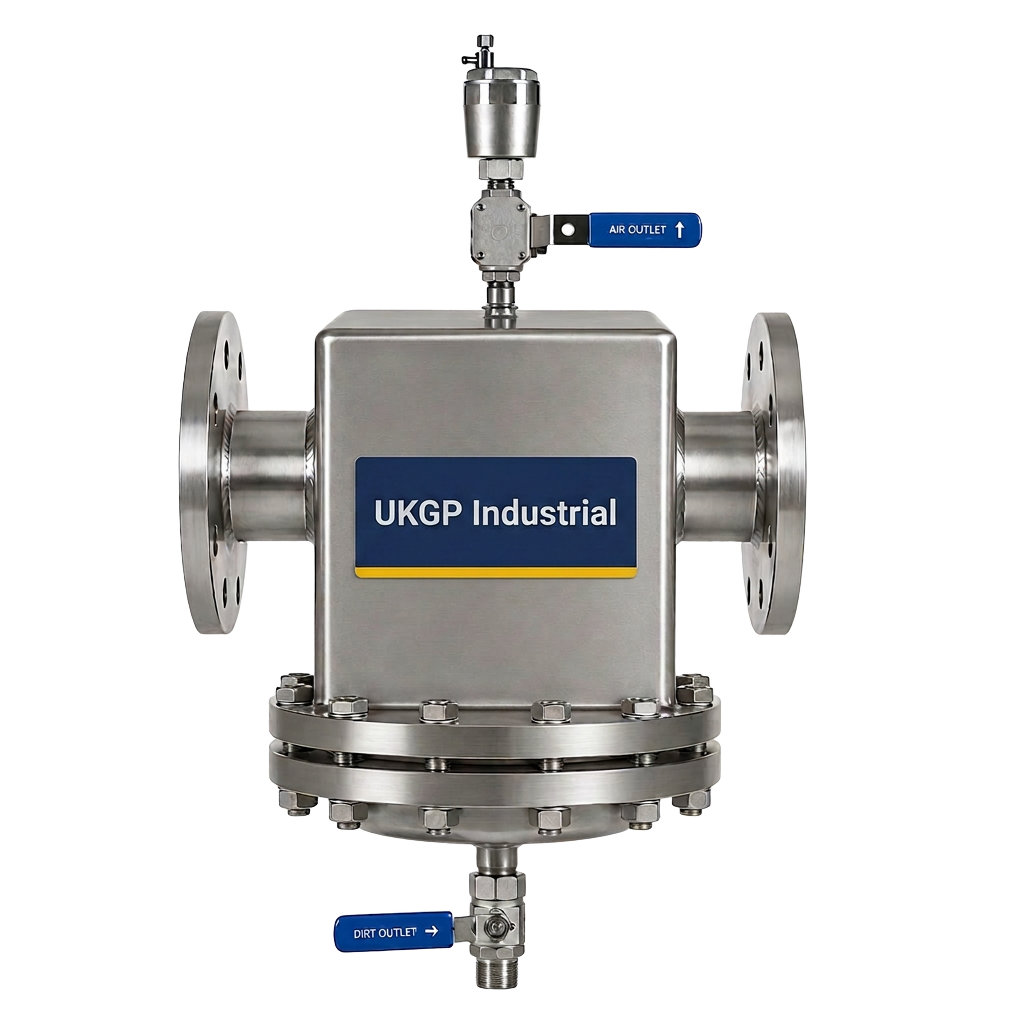
In modern boiler house designs, the interaction between the primary and secondary circuits is managed by a low loss header. While these components ensure hydraulic separation and constant flow rates through the boilers, they also create thermal gradients that require careful management. Using a flexible rubber expansion joint on the connections to and from the low loss header allows for the isolation of the headers from the mechanical stresses of the main distribution pumps. This ensures that the header itself, often a heavy bespoke vessel, does not become an unintended anchor point for the thermal expansion of long pipe runs.
The use of headers in conjunction with flexible joints is a best-practice approach for commercial HVAC systems. By decoupling the circuits, you reduce the risk of turbulence and pressure drops that can affect the sensitivity of temperature control. When a flexible rubber expansion joint is used at these critical junctions, it also aids in the ease of maintenance. The flexibility allows for easier removal of valves or sensors without having to dismantle large sections of rigid pipework. This practical benefit is highly valued by FM teams who need to perform rapid repairs or upgrades with minimal downtime for the building’s occupants.
UKGP Industrial's low loss headers and expansion solutions are engineered to work in harmony. By sourcing both from a single Surrey-based supplier, contractors can ensure that the thermal management strategy is coherent. Our technical team can advise on how to position a flexible rubber expansion joint to best protect the header and the boilers from systemic vibration. This total-system view is what differentiates UKGP as an expert partner for UK building services. We focus on the commercial reality of plant room operation, providing products that are robust and simple to specify for even the most complex mechanical designs.
- Hydraulic separation combined with vibration isolation
- Protection of boilers and headers from piping stress
- Simplified maintenance and component removal
- Single-source supply for headers and expansion bellows
Common Specifications and Procurement Advice
When issuing a tender for HVAC components, it is vital to specify a flexible rubber expansion joint that meets the exact pressure and temperature requirements of the project. Generic specifications often result in the delivery of low-quality alternatives that lack the necessary reinforcement or high-grade EPDM. Procurement leads should insist on seeing test certificates and material data sheets to verify that the units can withstand the system's operational demands. Choosing a supplier like UKGP Industrial ensures that the components delivered are exactly what was specified by the engineering team, reducing the risk of site-level rejections or failures during the commissioning phase.
Consider the environmental conditions where the flexible rubber expansion joint will be installed. External installations may require additional protective covers to prevent UV degradation, even for EPDM units. In plant rooms with high ambient temperatures, the pressure rating of the rubber must be de-rated according to manufacturer charts. Failure to account for these factors is a common cause of premature bellows failure in the UK. By working with UKGP, procurement leads can access expert advice on these nuances, ensuring that the selected products are fit for purpose and provide the best value over the total life of the building project.
Ultimately, the goal of any mechanical engineer or FM professional is to create a 'set and forget' system. A correctly installed flexible rubber expansion joint from UKGP Industrial contributes to this by providing years of maintenance-free service. With a 2-year warranty and a range of materials including rubber EPDM/NBR and stainless steel, our expansion bellows are the reliable choice for the UK’s most demanding HVAC projects. Contact our Surrey office today for a quote or to discuss the technical requirements of your next project. We provide the expertise and the inventory to keep your building services projects moving forward without delay.
- Request full technical data sheets before procurement
- Verify EPDM/NBR grades against chemical dosing specs
- Apply pressure de-rating for high ambient temperatures
- Specify UKGP Industrial for reliable 2-year warranty support
Frequently asked questions
What is the difference between EPDM and NBR expansion joints?
- EPDM is used for water and heating systems up to 100°C, while NBR is required for systems containing oils or hydrocarbons. EPDM will fail if exposed to mineral oils.
Should I use tie bars on a flexible rubber expansion joint?
- Tie bars are recommended when the pipework is not sufficiently anchored to prevent the pressure thrust from over-extending the bellows, acting as a safety limit.
How long do rubber expansion joints usually last in an HVAC system?
- With correct material specification and installation, a high-quality joint typically lasts 7-10 years, though BSRIA BG50 recommends regular inspection for signs of fatigue.
Can a flexible rubber expansion joint be used for steam?
- No, standard rubber joints are not suitable for steam. For high-temperature steam applications, you should specify stainless steel expansion bellows from the UKGP range.
What flange standards are available for UKGP expansion bellows?
- Our units are typically supplied with PN16 flanges as standard for the UK market, but we can also provide PN25, Table E, and ANSI 150 flanged connections upon request.