Understanding the Role of a Flexible Expansion Joint Pipe
In modern building services, the movement of fluids at varying temperatures creates significant kinetic and thermal energy within rigid steel or copper infrastructure. Without the integration of a flexible expansion joint pipe, the resulting axial, lateral, or angular movement can lead to weld fatigue, flange leakage, or even structural damage to sensitive plant equipment like heat exchangers and pumps. For M&E contractors and consultants, the challenge lies in identifying the specific movement characteristics of the run to ensure the selected component can absorb the calculated offset without exceeding its elastic limit. Failure to account for these forces often results in premature system degradation and expensive emergency remediation work.
Choosing a flexible expansion joint pipe is not merely about matching the nominal bore of the existing pipework; it requires a deep understanding of the operating environment including pressure cycles and temperature extremes. BSRIA BG29 and BG50 guidelines emphasise the importance of system integrity and cleanliness, yet the mechanical stress of thermal expansion remains a primary cause of joint failure if the components are underspecified. UKGP Industrial provides a comprehensive range of bellows designed to mitigate these exact risks, offering tailored solutions that ensure the thermal expansion of metal pipework is handled safely within the design parameters of the building. This proactive approach to specification reduces long-term maintenance overheads and increases the operational lifespan of the entire installation.
Furthermore, the material compatibility of the bellows is paramount to prevent chemical degradation and mechanical wear. Whether the application involves chilled water, LTHW, or high-temperature steam, the internal membrane or metallic element must be resistant to the specific medium being transported. When you specify a flexible expansion joint pipe from the UKGP range, you are opting for a product engineered to withstand the rigours of commercial plant room environments. Our technical team works closely with engineers to ensure that every unit, from DN15 to DN600, provides the necessary flexibility while maintaining the structural integrity required by British Standards, ensuring that the system remains leak-free and fully compliant with current safety regulations.
- Absorption of thermal expansion and contraction in rigid pipework.
- Reduction of noise and high-frequency vibration transmission.
- Compensation for minor axial and lateral pipe misalignment.
- Protection of sensitive plant equipment from mechanical stress.
Technical Sizing for a Flexible Expansion Joint Pipe
The sizing process for any flexible expansion joint pipe begins with a rigorous thermal growth calculation, typically based on the coefficient of linear expansion for the specific pipe material use. Engineers must calculate the total movement between two fixed anchors to determine if a single bellows unit can accommodate the expansion. Underestimating this movement is a common error that leads to the bellows being either fully compressed or over-extended, both of which negate its protective function and void warranties. By applying the correct safety factors and considering the installation temperature versus the maximum operating temperature, consultants can specify a solution that provides a reliable safety margin throughout the heating season.
Another vital aspect of sizing is the pressure rating, which must be inclusive of any potential surges or testing pressures required during the commissioning phase. It is standard practice in the UK to ensure all components meet the requirements of BS EN 14917 for metallic bellows or appropriate standards for rubber equivalents. A flexible expansion joint pipe rated for a lower pressure than the system's maximum operating limit poses a significant health and safety risk. For this reason, UKGP Industrial offers units with flanged or weld-end connections that are tested to withstand the rigorous demands of multi-storey commercial developments, providing peace of mind to procurement leads and site managers who are responsible for the final installation's safety.
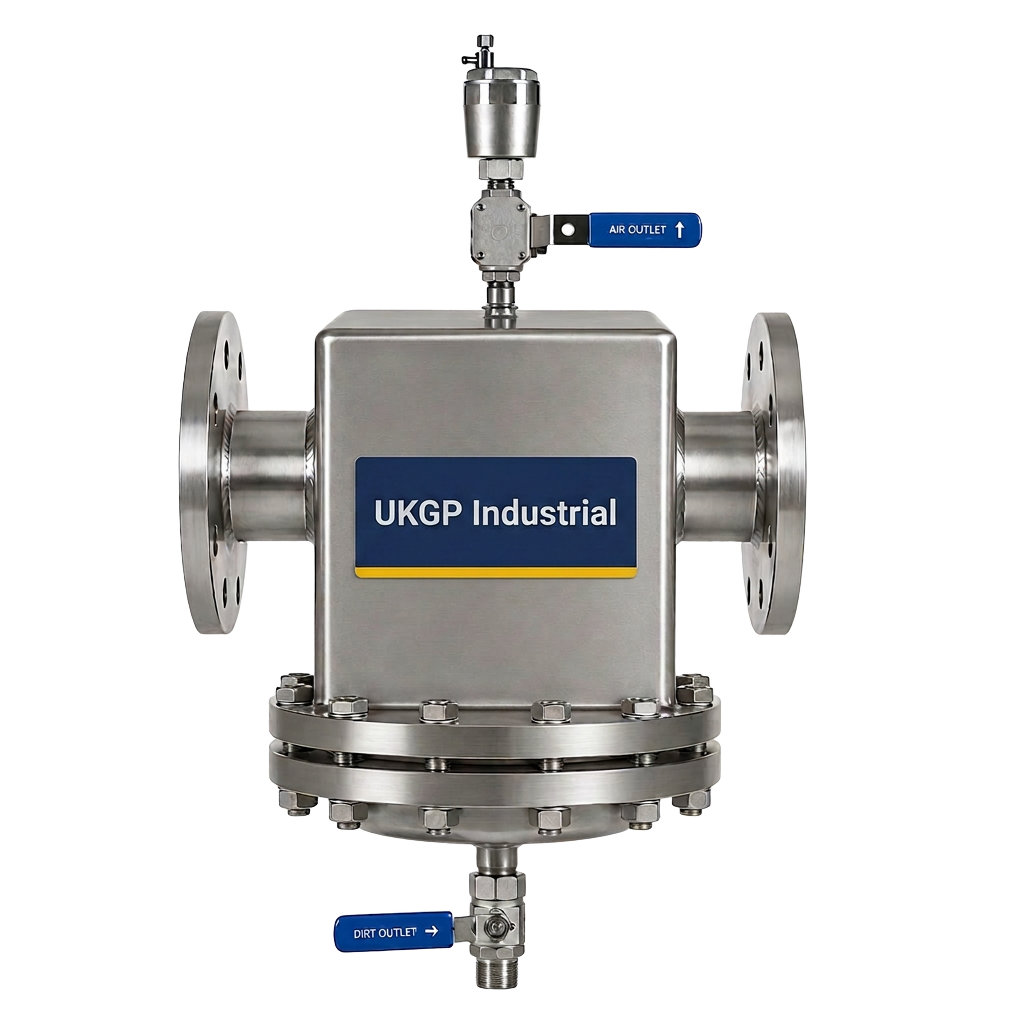
Lastly, anchoring and guiding are as important as the bellows themselves. A flexible expansion joint pipe will only function correctly if the pipework is properly guided to ensure movement is directed purely into the joint. Without sufficient pipe guides, the internal pressure can cause the pipe to buckle or 'squirm,' leading to lateral forces that the bellows may not be designed to handle. We recommend following CIBSE Guide C for detailed calculations on guide spacing and anchor loads. This holistic view of the system ensures that the expansion bellows can perform its duty without interference, maintaining a stable environment for other critical components like pumps and dosing equipment.
- Accurate calculation of linear thermal expansion (mm).
- Verification of maximum system pressure including surge potential.
- Selection of DN size ranging from DN15 up to DN600.
- Integration of fixed anchors and pipe guides per CIBSE standards.
Bellows Material Selection: EPDM, PTFE, and Fabric
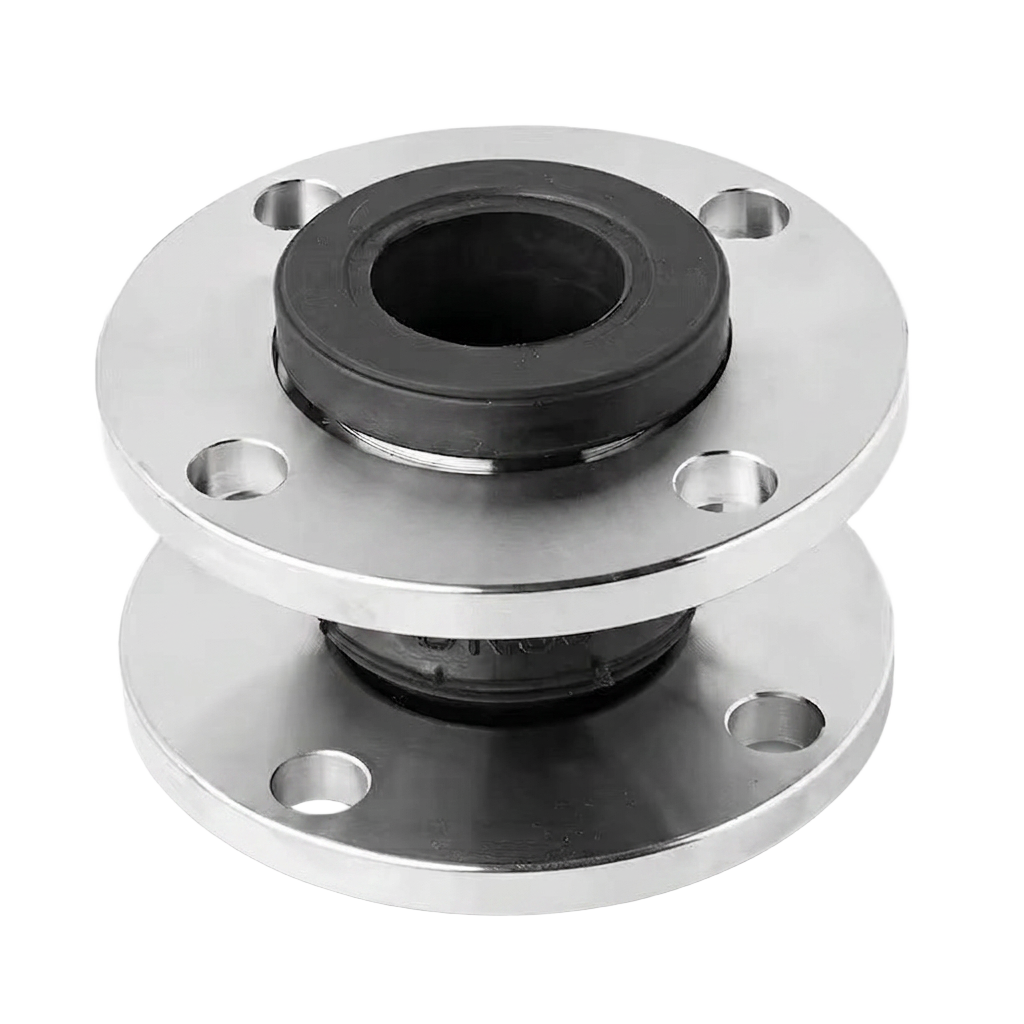
The chemical and physical properties of the fluid dictate the material choice for your flexible expansion joint pipe. Rubber EPDM bellows are the industry standard for LTHW and chilled water systems due to their excellent temperature range and flexibility. However, for more aggressive chemical environments or food-grade applications, PTFE-lined bellows or NBR options may be required to prevent elastomer degradation. Understanding these nuances is a key part of the procurement process, as the wrong material can lead to swelling, cracking, or catastrophic rupture. UKGP Industrial stocks a diverse range of materials to ensure your specification is perfectly matched to the application’s medium and temperature profile.
In high-pressure steam or high-temperature oil applications, stainless steel bellows are frequently the preferred choice. These units offer the robustness of metal with the necessary flexibility to handle significant axial movement. For specialised industrial ducting or low-pressure air systems, fabric expansion joints provide a lightweight alternative that can handle multi-axial movement with minimal spring rates. Regardless of the material, a flexible expansion joint pipe must be chosen based on its chemical resistance and thermal limits. Our 2-year warranty across the expansion bellows range reflects our confidence in the durability of these materials when correctly selected for the intended commercial application.
Consulting with a technical expert early in the design phase allows for the customisation of the flexible expansion joint pipe to include features like internal sleeves or tie-rods. Internal sleeves protect the bellows from high-velocity erosion and turbulence, while tie-rods limit the overall extension of the joint under pressure. These additions are particularly useful in large-diameter applications where the pressure thrust forces are substantial. By engaging with UKGP Industrial, M&E contractors can access bespoke advice on material selection, ensuring that every bellows unit delivered to the site is fit for purpose and ready for long-term service in the UK's most demanding plant rooms.
- Rubber EPDM and NBR for standard HVAC LTHW/Chilled water.
- PTFE and Stainless Steel for high-temperature and chemical resistance.
- Fabric joints for flue gas or low-pressure air applications.
- Internal sleeves to mitigate turbulence and erosion in high-flow systems.
Integrating Bellows with Plate Heat Exchangers
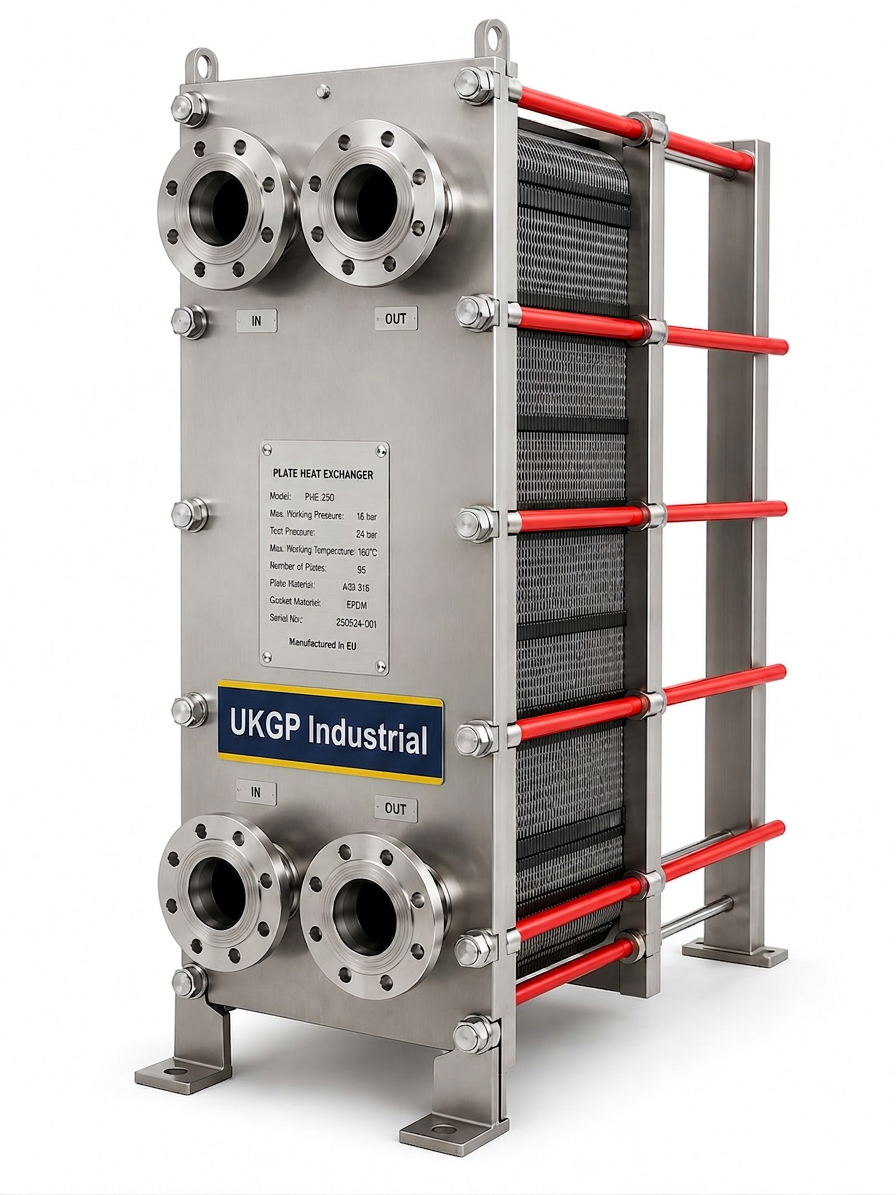
When designing a plant room, the interface between the primary and secondary circuits often involves a plate heat exchanger. These units are sensitive to the mechanical stresses transmitted through the pipework. Installing a flexible expansion joint pipe on the flow and return connections of the exchanger is an effective way to isolate the unit from vibration and thermal expansion loads. This protection is vital for maintaining the integrity of the plate gaskets and preventing leaks that could lead to cross-contamination of the fluids. Engineers should ensure the bellows are positioned as close to the heat exchanger as possible to maximise the vibration isolation benefits.
Utilising a high-quality flexible expansion joint pipe in conjunction with thermal equipment ensures that the expansion and contraction of the secondary circuit do not put undue strain on the heat exchanger’s frame or connections. This is particularly important in systems where large temperature differentials exist, such as hots-side LTHW loops. UKGP's expertise in both expansion control and thermal transfer allows us to provide a unified technical recommendation for your plant room layout. Our stainless steel and EPDM units are designed to integrate seamlessly with standard flanged connections found on major commercial thermal equipment, ensuring a swift and secure installation process for the site team.
Moreover, the use of a flexible expansion joint pipe reduces the risk of noise transmission into the building structure, a key requirement for modern commercial and residential developments. By decoupling the heat exchanger from the main pipe headers, you create a thermal break and a mechanical buffer that absorbs operational harmonics. This systems-thinking approach is what distinguishes a high-performance M&E installation. At UKGP Industrial, we provide the technical documentation and CAD support needed to integrate these components effectively, ensuring that your plate heat exchanger and expansion bellows work in harmony to deliver efficient and quiet temperature control.
- Isolation of heat exchanger plates from mechanical pipe stress.
- Reduction of vibration-induced gasket fatigue.
- Seamless integration with flanged heat exchanger connections.
- Enhanced acoustic performance within the plant room environment.
Installation Compliance and Best Practice
Correct installation is as critical as correct selection when it comes to a flexible expansion joint pipe. One of the most common onsite errors is the removal of shipping bolts before the anchors are fully secured, which can lead to the bellows extending beyond its design length under the weight of the pipe. Site engineers must ensure that the pipework is correctly aligned before attempting to bolt the flanges into place. A flexible expansion joint pipe should never be used to correct significant misalignment; instead, it should be installed in its neutral position to allow for the full range of calculated movement once the system transitions to its operating temperature.
Following BSRIA BG50 guidelines for water treatment and system maintenance, it is also important to ensure that the bellows material is compatible with any chemical dosing agents used during the cleaning and passivation phases. Exposure to incompatible chemicals can weaken a flexible expansion joint pipe, leading to pinhole leaks or embrittlement over time. By selecting EPDM or stainless steel units from UKGP Industrial, you are utilizing materials that are proven to withstand standard UK water treatment protocols. Our products are supplied with clear installation instructions to ensure that M&E contractors can achieve a right-first-time fit, backed by our 2-year warranty for additional security.
Periodic inspection of the flexible expansion joint pipe should be part of the building's preventative maintenance schedule. Facility Managers should check for signs of external wear, bulging, or corrosion on the metallic components. If a joint shows signs of excessive deformation, it usually indicates that the system anchors have failed or that the thermal movement has exceeded the design parameters. Replacing a worn bellows proactively is significantly more cost-effective than dealing with a burst pipe in a live plant room. For advice on replacement units or to request a quote for a new project, contact the UKGP team for a tailored solution from our DN15-DN600 selection.
- Strict adherence to flange alignment and bolt torque specifications.
- Ensuring shipping bolts are removed only after anchor installation.
- Material compatibility checks with BSRIA BG50 chemical protocols.
- Routine inspections for bulging or signs of elastomer fatigue.
Commercial Benefits of Specifying UKGP Bellows
For procurement leads and M&E contractors, the choice of a flexible expansion joint pipe is often driven by a balance of technical reliability and commercial value. UKGP Industrial bridges this gap by offering a 2-year warranty on our entire range, providing a level of protection that exceeds the industry standard. This warranty is a testament to the quality of our EPDM, NBR, PTFE, and stainless steel constructions. By sourcing your expansion bellows from a Surrey-based supplier, you benefit from local technical support and rapid lead times for even large DN600 units, ensuring that your project stays on schedule and within budget.
Standardising on a UKGP flexible expansion joint pipe across multiple projects allows for easier maintenance and stock management for Facility Managers. Our flanged and weld-end units are designed for universal compatibility with British and European pipework standards, simplifying the replacement process. Furthermore, by choosing a specialist supplier, you gain access to a wider range of technical data, from spring rates to weight specifications, which is essential for accurate pipe stress analysis. This level of detail helps to de-risk the project for the design engineer and ensures the end-user receives a robust, low-maintenance mechanical system designed for the long term.
Ultimately, the investment in a high-quality flexible expansion joint pipe pays dividends in system uptime and reduced repair costs. Whether you are dealing with a simple LTHW loop or a complex industrial process, our team is equipped to help you select the right bellows for the job. We invite consultants and contractors to reach out for technical advice or a competitive quote. From DN15 to DN600, flanged or weld-end, our range is designed to meet the highest engineering standards, ensuring your plant room operates at peak efficiency with minimum mechanical stress. Choose UKGP for reliability, technical expertise, and a commitment to quality in expansion control.
- Industry-leading 2-year warranty for peace of mind.
- Surrey-based stock and technical support for rapid response.
- Comprehensive size range from DN15 to DN600 always available.
- Expert assistance with CAD submittals and stress calculations.
Frequently asked questions
What is the primary function of a flexible expansion joint pipe?
- A flexible expansion joint pipe is designed to absorb thermal expansion, contraction, and mechanical vibration within a piping system. This prevents stress-related damage to anchors, welds, and sensitive equipment such as pumps and heat exchangers.
How do I choose between rubber EPDM and stainless steel for my expansion bellows?
- The choice depends on the temperature, pressure, and fluid medium. EPDM is ideal for standard HVAC LTHW and chilled water, whereas stainless steel is preferred for higher temperatures, steam applications, or where high pressure requires a metallic membrane.
Why are anchors and guides necessary for a flexible expansion joint pipe?
- Anchors secure the pipe at specific points, while guides ensure that the thermal growth is directed straight into the expansion joint. Without them, the pipe could move laterally or buckle, preventing the joint from operating and potentially causing a failure.
What connection types are available for UKGP expansion bellows?
- UKGP supplies a flexible expansion joint pipe with various connection options, including standard PN16/PN25 flanges or weld-end connections for permanent installations, covering sizes from DN15 up to DN600.
Does a flexible expansion joint pipe require regular maintenance?
- While largely maintenance-free, they should be visually inspected annually for signs of wear, surface cracking, or abnormal deformation. Ensuring the system's water treatment complies with BSRIA BG50 also helps protect the bellows material from chemical degradation.