Understanding the Role of the Flexible Bellows Expansion Joint
In the context of modern commercial building services, the flexible bellows expansion joint serves as a vital component for absorbing axial, lateral, and angular movements. As temperatures fluctuate within large-bore pipework, materials naturally expand and contract; without a dedicated point of flexibility, this energy is transferred directly to fixed points, boiler connections, and pump housings. Following BSRIA BG29 and BG50 guidelines for water quality is essential, but mechanical stress management is equally critical to prevent pipework from buckling or shearing under thermal loads. UKGP Industrial provides these components to ensure that thermal expansion is managed safely, protecting expensive downstream assets from the physical stresses associated with high-temperature primary circuits.
Choosing a flexible bellows expansion joint requires a deep dive into the specific dynamics of your HVAC system. It is not merely about finding a component that fits the diameter of the pipe, but understanding the pressure rating (PN) and the range of movement expected over the system's life cycle. For instance, in tall commercial risers, the cumulative expansion can be significant, necessitating high-specification bellows that can handle repeated cycling without material fatigue. Engineers must consider the internal media—whether it is LTHW, MTHW, or chilled water—to ensure chemical compatibility with the bellows material, be it EPDM rubber or tiered stainless steel grades. Failure to account for these variables often leads to premature failures and costly emergency call-outs for plant room maintenance teams.
From a procurement perspective, the goal is to source a flexible bellows expansion joint that balances initial capital expenditure with a low total cost of ownership. Reliability is non-negotiable in sensitive environments such as hospitals, data centres, or large-scale residential developments. By specifying high-quality bellows from the design phase, M&E contractors can significantly reduce the risk of leaks and system downtime. UKGP acknowledges this requirement by supplying a range of bellows that meet stringent European standards, including BS EN 14917. This commitment to quality ensures that every joint installed can withstand the rigours of commercial operation, backed by the assurance of a comprehensive two-year warranty for peace of mind across the building's maintenance cycle.
- Axial, lateral, and angular movement absorption
- Protection of pumps and commercial boiler connections
- Reduction of noise and vibration transmission
- Compliance with BS EN 14917 safety standards
Material Selection and Application Standards
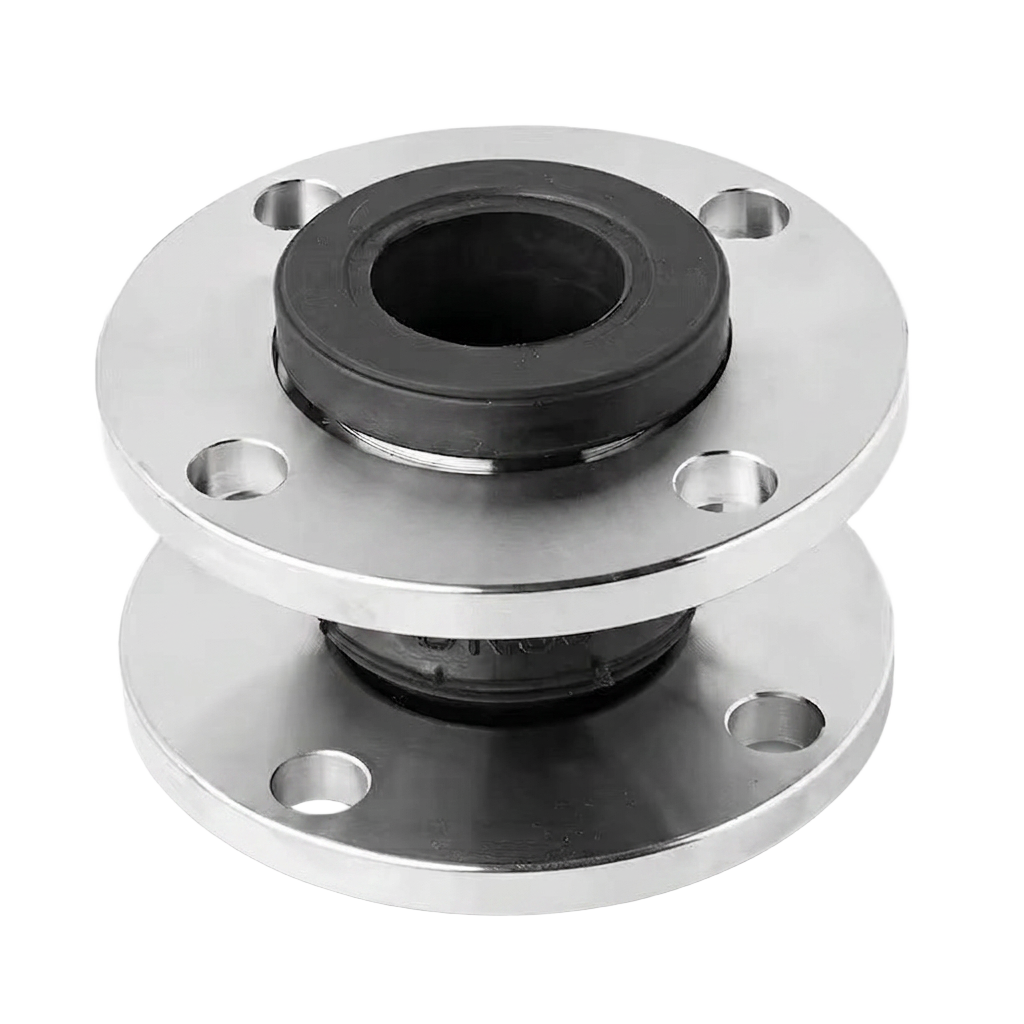
The performance of a flexible bellows expansion joint is heavily dictated by its material composition. For most LTHW and HVAC applications, EPDM rubber bellows provide an excellent solution for absorbing vibration and minor axial movements at moderate temperatures. However, for higher temperature ranges or where chemical resistance is paramount, stainless steel or PTFE-lined options become necessary. UKGP Industrial offers EPDM, NBR, and stainless steel variants across sizes DN15 to DN600, ensuring we have the right fit for both secondary distribution and primary energy centre pipework. Engineers must perform a thorough analysis of the system fluid, referencing BS 8552 for water quality, to ensure that the bellows material will not degrade prematurely due to chemical dosing or oxygen ingress.
Metallic bellows are often favoured in steam systems or high-pressure heating circuits where rubber is unsuitable. These are typically manufactured from stainless steel and can be supplied with flanged or weld-end connections to suit the specific installation requirements of the site. When selecting a metallic flexible bellows expansion joint, it is crucial to consider the addition of internal liners which reduce flow turbulence and protect the bellows from erosion caused by high-velocity media. Furthermore, external shrouds can be employed to protect the delicate convolutions of the bellows from external mechanical damage during the construction phase or in high-traffic plant rooms where staff may inadvertently cause impact damage to the pipework components.
Fabric and PTFE bellows represent specialised solutions for air handling units or highly corrosive environments. In the UK commercial market, where energy efficiency and low-maintenance designs are prioritized, selecting the correct material variant is a hallmark of good engineering practice. UKGP provides technical support to help consultants choose between flanged rubber EPDM for vibration isolation or stainless steel for heavy-duty thermal compensation. By aligning the material properties with the CIBSE Guide M for maintenance and operational life, specifiers can ensure that the flexible bellows expansion joint remains a silent, reliable protector of the mechanical infrastructure for decades rather than just the initial defects period. Always ensure that the selected unit comes with a robust warranty to protect the investment.
- EPDM and NBR for standard HVAC applications
- Stainless steel for high-pressure and high-temp systems
- PTFE and Fabric for specialized chemical or ducting needs
- Sizes available from DN15 to DN600 for all project scales
Thermal Expansion and Vibration Isolation Principles
Thermal expansion is a physical certainty that must be calculated during the design of any commercial heating system. The coefficient of thermal expansion for carbon steel or copper pipework dictates the amount of growth per metre of run. For instance, a long run of steel pipe in a district heating scheme can grow by several centimetres when heated to design temperature. Integrating a flexible bellows expansion joint into the run allows this growth to occur without straining the anchors or guides. Without these joints, the force exerted by expanding pipes is enough to buckle steel supports or crack cast iron components within leading commercial boiler OEMs' equipment. Our range of bellows is designed to mitigate these forces effectively through high-quality engineering.
Mechanical vibration is another significant concern that the flexible bellows expansion joint addresses. Pumps, chillers, and compressors generate constant high-frequency vibrations that can travel through rigid pipework, causing noise complaints and structural fatigue. By installing a rubber expansion joint at the suction and discharge ports of pumps, these vibrations are dampened before they can propagate throughout the building. This is particularly important in high-end office spaces or residential apartments where acoustics are a key performance indicator (KPI). UKGP Industrial recommends using tied bellows in these scenarios to prevent the joint from over-extending due to internal pressure, ensuring that the dampening effect is achieved without compromising the structural integrity of the bypass or main pipework.
Calculations for anchor loads and guide spacing are essential when planning the installation of a flexible bellows expansion joint. BSRIA guides emphasize the importance of correctly positioning pipe guides to ensure that the expansion is directed exactly into the bellows. Incorrectly guided pipework can lead to the bellows being subjected to 'squirm'—a lateral instability that significantly reduces the component's life span. UKGP's technical experts recommend reviewing the flanged or weld-end specifications early in the procurement phase to ensure compatibility with site-wide pipework standards. By considering the bellows not as an isolated component but as part of a holistic expansion management strategy, M&E contractors can deliver a system that meets all CIBSE requirements for long-term operational resilience and safety.
- Mitigates stress on pipe anchors and supports
- Reduces acoustic transfer into building structures
- Protects pumps and chillers from vibration damage
- Essential for district heating and high-rise riser pipes
Installation Best Practices for Long-Term Reliability
Correct installation is the difference between a flexible bellows expansion joint lasting for twenty years or failing within twenty days. One of the most common errors seen in UK plant rooms is the over-tightening of bolts or the misalignment of flanges prior to installation. A bellows should never be used to compensate for poor pipe alignment; rather, it should be installed in its neutral position unless a cold-draw is specifically required by the design. At UKGP, we emphasize that our PN16 and PN25 flanged bellows must be installed with care, ensuring that gaskets are seated correctly and that bolts are torqued in a cross-pattern to prevent uneven stress on the flange faces. This attention to detail ensures the 2-year warranty remains valid and the system stays leak-free.
Furthermore, protection of the bellows during the welding of nearby joints is paramount. Weld spatter can easily damage the thin convolutions of a stainless steel flexible bellows expansion joint, leading to pinhole leaks once the system is pressurised. Similarly, if the bellows is being used in a system that requires chemical dosing, such as via one of our chemical dosing pots, installers must ensure the internal material is resistant to the focused concentrations of inhibitors or cleaning agents used during BSRIA BG29 pre-commission cleaning. UKGP's expansion bellows are designed to be robust, but they require the same level of protection as any other precision instrument within the plant room. Ensuring that the bellows is not used as a step or support for other pipework is a basic yet frequently ignored site rule.
Once the system is live, regular inspection is recommended under BS 8552 and CIBSE maintenance schedules. Facilities managers should look for signs of excessive bulging, fatigue cracking in the convolutions, or any weeping at the flange connections. A flexible bellows expansion joint that shows signs of excessive deformation may indicate that the pipe guides have failed or that the system is operating outside its design temperature or pressure parameters. Because UKGP Industrial products are engineered for the demanding UK commercial sector, they provide a reliable benchmark for performance, but they still require a correct installation environment to thrive. For any replacement or new-build project, requesting a quote for a UKGP bellows ensures you receive a product that is built to withstand these rigorous site conditions.
- Avoid using bellows to correct pipework misalignment
- Protect convolutions from weld spatter and debris
- Install pipe guides according to manufacturer distances
- Ensure compatibility with pre-commissioning chemicals
Operational Monitoring and Technical Specification
When specifying a flexible bellows expansion joint, technical data sheets must be scrutinised for pressure-temperature de-rating factors. As the temperature of the media increases, the maximum allowable pressure of the bellows often decreases. This is a critical factor for MTHW systems where temperatures may exceed 100 degrees Celsius. UKGP Industrial provides comprehensive data for our range, covering DN15 to DN600 sizes, to ensure that consultants can accurately match the component to the system's peak operating conditions. It is also important to verify the spring rate of the bellows, which is the force required to compress or extend the unit. This data is essential for the structural engineer to calculate the loads on the building's fixed points and primary anchors.
In modern smart buildings, integrating sensors into the plant room can provide early warning of system anomalies. While the flexible bellows expansion joint itself is a mechanical component, its health is directly related to the stability of the system's pressure and temperature. High-quality pH sensors & transmitters can monitor fluid conditions that might lead to stress corrosion cracking in stainless steel bellows. By maintaining the correct chemistry, as outlined in BS 8552, the lifespan of the bellows is significantly extended. UKGP's holistic approach to plant room equipment means we understand how water quality and mechanical expansion interact, providing a unified source of high-performance components that work in harmony to prevent premature failure of the building's heating and cooling infrastructure.
For procurement leads, the decision often comes down to the availability and the breadth of the range. UKGP Industrial maintains a robust stock of expansion bellows to meet the fast-paced demands of UK construction schedules. Whether you require a single DN50 EPDM flanged joint for a pump replacement or a bulk order of DN600 stainless steel weld-end joints for a new energy centre, our 2-year warranty and commitment to British engineering standards provide the necessary security. Choosing a flexible bellows expansion joint from a UK-based supplier like UKGP also simplifies the logistics and technical support chain, ensuring that expert advice is always available relative to UK building regulations and specific M&E requirements found in the London and Surrey commercial sectors.
- Verify pressure-temperature de-rating for MTHW
- Check spring rate for anchor load calculations
- Utilise pH sensors to monitor for corrosive conditions
- Consistent UK stock for rapid site delivery
Achieving System Longevity with UKGP Industrial
The ultimate goal for any building services project is a reliable, high-performing system that requires minimal intervention over its thirty-year design life. The flexible bellows expansion joint is a relatively small investment compared to the cost of the boilers, chillers, and pumps it protects, yet its role is indispensable. By adhering to the standards set out in BSRIA BG50 and ensuring your bellows are appropriately specified for the expected thermal movement, you eliminate one of the most common causes of plant room failure. UKGP Industrial serves as a partner to M&E contractors across the UK, providing not just the expansion bellows but the technical insight needed to ensure they are integrated perfectly into the wider mechanical system. Our products are the first line of defence against the destructive forces of thermal expansion.
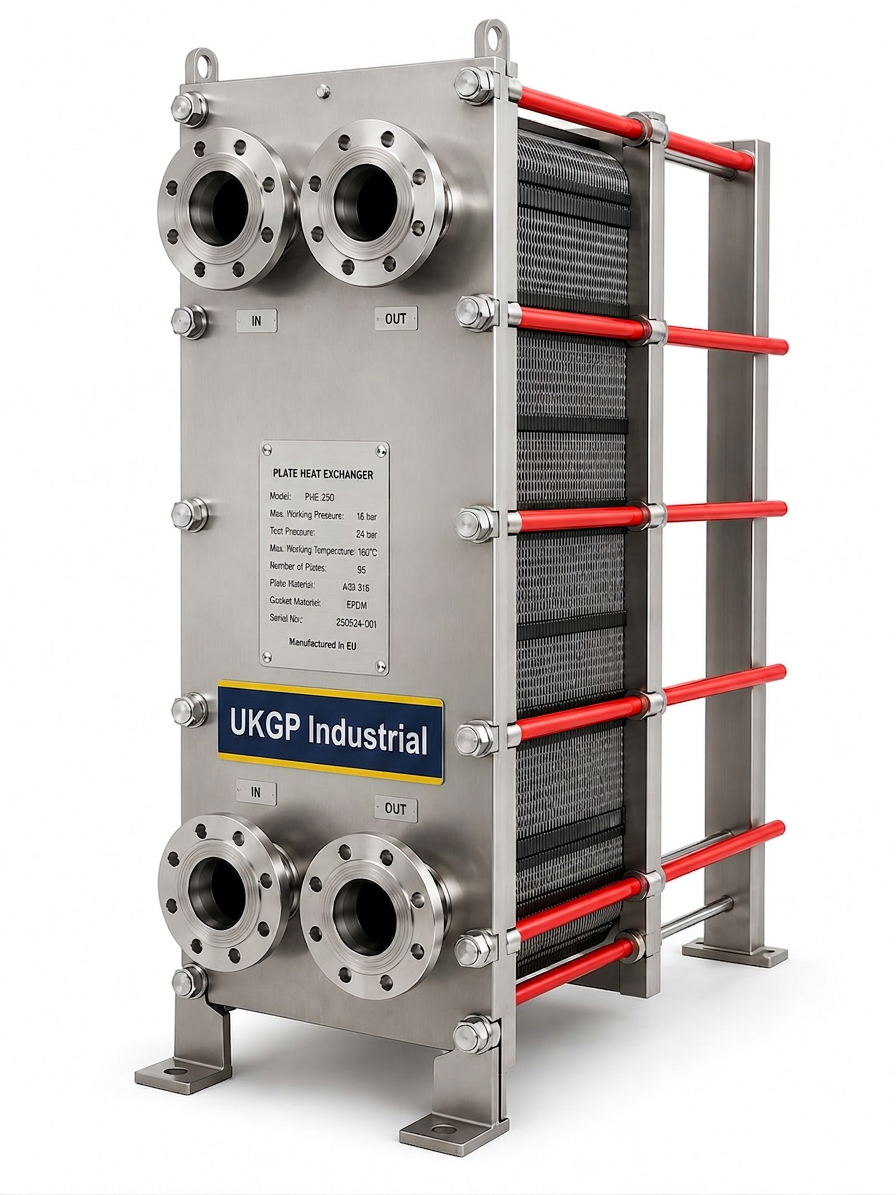
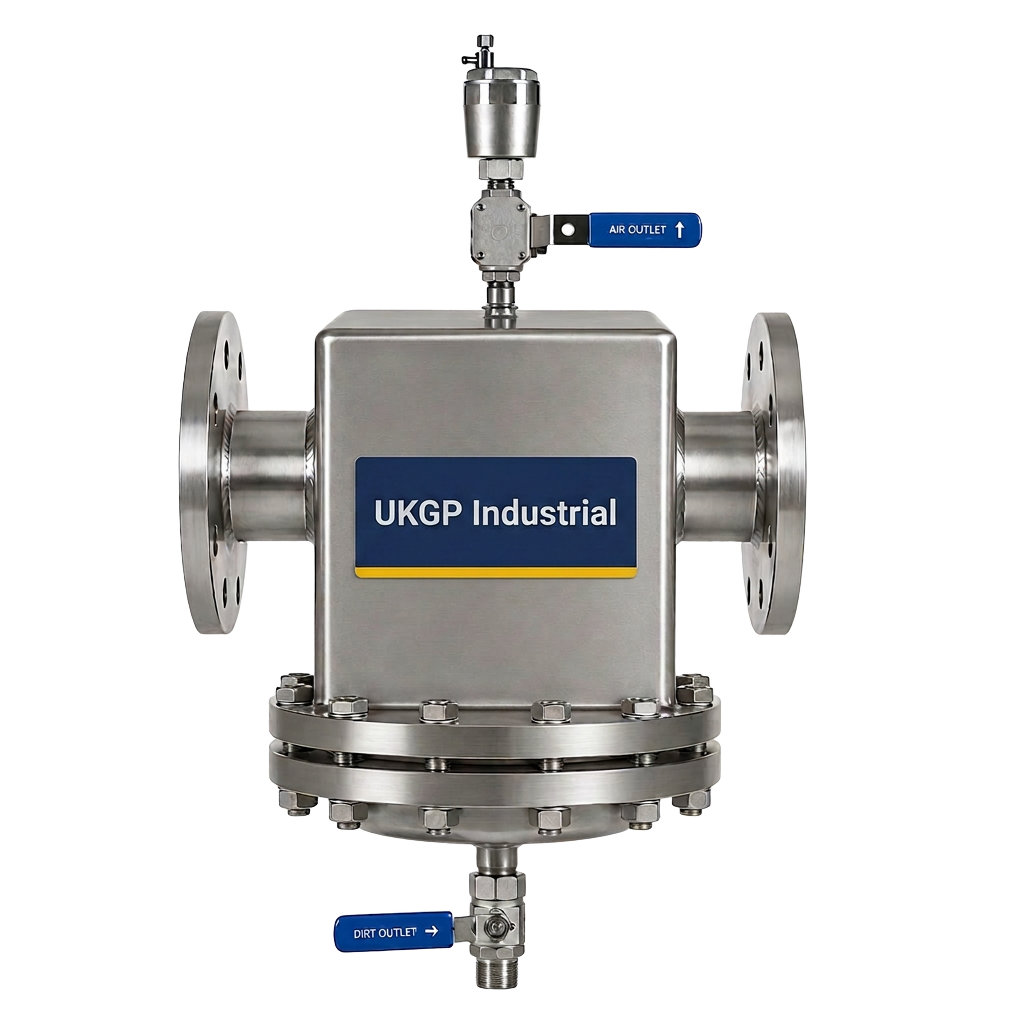
Consider the integration of other plant room essentials such as air & dirt separators or plate heat exchangers alongside your expansion management strategy. A system that is free from debris and air is less likely to experience the localized heating and pressure spikes that can stress a flexible bellows expansion joint. UKGP's comprehensive range allows you to source these interconnected components from a single, trusted Surrey-based supplier. Each product, from our expansion bellows to our low loss headers, is built with the same focus on durability and compliance with UK engineering norms. This synergy between products simplifies the design phase for consultants and ensures that the finished installation is a cohesive, efficient, and resilient environmental control system for any commercial property.
In conclusion, selecting a flexible bellows expansion joint requires a balance of technical calculation, material science, and practical installation knowledge. By choosing UKGP Industrial as your supplier, you benefit from a wide size range (DN15-DN600), versatile material options (EPDM, NBR, Stainless Steel, PTFE), and the security of a 2-year warranty. We invite M&E contractors, FM leads, and procurement specialists to reach out for a technical consultation or a quote on their next project. Whether you are refurbishing a dated plant room or designing a landmark new development, our expansion bellows provide the flexibility your system needs to operate safely and effectively. Trust UKGP Industrial for all your thermal expansion and vibration isolation requirements in the demanding UK B2B marketplace.
- Single source for bellows, separators, and heat exchangers
- Expert technical support based in Surrey, UK
- Reliable warranty and UK-wide delivery
- Full compliance with CIBSE and BSRIA recommendations
Frequently asked questions
What is the standard warranty on a UKGP flexible bellows expansion joint?
- All UKGP Industrial flexible bellows expansion joints, including our rubber and stainless steel variants from DN15 to DN600, come with a comprehensive 2-year warranty against manufacturing defects.
Which materials are available for UKGP expansion bellows?
- We supply bellows in a variety of materials including EPDM and NBR rubber, stainless steel, PTFE, and fabric, available with both flanged and weld-end connections to suit all commercial HVAC applications.
Do these expansion joints comply with British Standards?
- Yes, our flexible bellows expansion joint range is manufactured to meet or exceed the requirements of BS EN 14917 and relevant BSRIA/CIBSE guidelines for thermal compensation in building services.
Can a flexible bellows expansion joint help with pump noise?
- Absolutely. Installing rubber EPDM bellows at the pump's suction and discharge ports is a standard method for isolating high-frequency vibration and reducing the transmission of noise through the pipework.
What is the largest size available for your bellows?
- UKGP Industrial stocks and supplies expansion bellows up to DN600, allowing us to cater to large primary heating mains and significant commercial riser pipework.