Understanding PN Ratings for Flanged Expansion Bellows
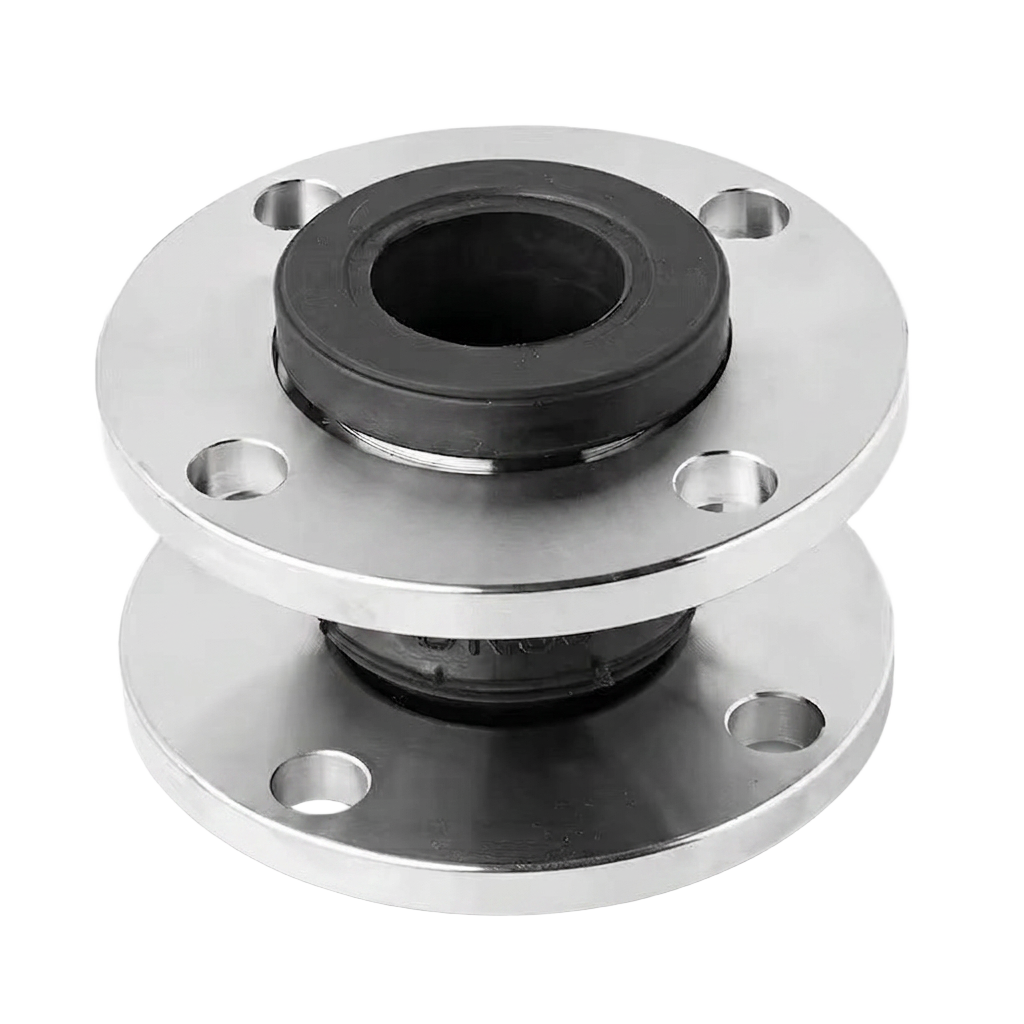
In the UK building services sector, the terminology PN (Pression Nominale) serves as the standard reference for the pressure rating of piping components, including flanged expansion bellows. Selecting the correct PN rating is not merely a matter of safety; it is a fundamental requirement for compliance with BSRIA BG29 and CIBSE guidelines. When an M&E contractor specifies a PN16 flanged expansion bellows, they are ensuring the component can withstand 16 bar of pressure at a reference temperature. Underestimating these requirements can lead to catastrophic failure, particularly in high-rise commercial developments where static head pressures are significant and fluctuations are frequent. UKGP Industrial provides technical guidance to ensure your procurement matches the specific mechanical stressors identified in your system design.
Choosing between PN6, PN10, and PN16 requires an analysis of the pump curve and the maximum potential pressure surges within the circuit. While PN6 is often found in older secondary heating circuits with lower head requirements, modern central plant rooms almost universally adopt PN16 for both LTHW and chilled water applications. Using a flanged expansion bellows with an insufficient pressure rating can cause the EPDM or NBR bellows membrane to deform or 'squirm,' leading to premature fatigue. It is critical to verify that the flange drillings match the mating pipework, as PN10 and PN16 drillings often differ at larger diameters, such as DN200 and above, which can cause significant delays during the installation phase if not caught early.
Beyond pressure, the temperature of the medium significantly derates the maximum allowable working pressure of any flanged expansion bellows. For instance, a bellows rated for 16 bar at 20 degrees Celsius will have a lower threshold as temperatures approach the 90-degree limit common in LTHW systems. Consultants and plant-room engineers must consult manufacturer derating tables to ensure the selected bellows remains within its elastic limit. UKGP Industrial stocks a wide range of DN15 to DN600 units, ensuring that whether you require PN6 for a legacy system or PN16 for a new build, the displacement and pressure capabilities are met with a robust 2-year warranty for peace of mind.
- PN6 for low-pressure residential or secondary heating circuits
- PN10 typically used for water utility and lower-pressure commercial HVAC
- PN16 as the industry standard for commercial plant room headers
- Verification of flange drillings to BS EN 1092-1 standards
Material Compatibility and BS EN 14917 Standards
The selection of the flexible element in a flanged expansion bellows is as critical as the flange rating itself. For most HVAC applications, EPDM is the material of choice due to its excellent resistance to heat and ageing, making it ideal for LTHW systems. However, in environments where oil or hydrocarbons are present, NBR (Nitrile) must be specified to prevent material degradation. For more aggressive chemical environments or high-pressure steam, stainless steel or PTFE-lined bellows are required. Following BS EN 14917 ensures that the design and manufacture of these compensators meet the rigorous safety requirements necessary for modern UK construction projects. UKGP Industrial offers these materials across our entire range, from DN15 to DN600, to suit any application.
When integrating a flanged expansion bellows into a system, engineers must also consider the role of chemical dosing and water quality. According to BSRIA BG50, poorly managed water chemistry can lead to accelerated corrosion of stainless steel bellows or the hardening of rubber components. If the system's pH levels are not monitored correctly, the lifespan of the bellows can be cut in half. This is why we recommend installing high-quality pH sensors & transmitters alongside your expansion solutions. By maintaining a stable chemical environment, you protect the investment made in your flexible pipework components and reduce the frequency of emergency maintenance interventions that can disrupt building operations.
Proper installation practices are the final pillar of material longevity. A flanged expansion bellows should never be used to compensate for initial pipework misalignment; its sole purpose is to manage thermal expansion and contraction during operation. Stressing the bellows during the 'cold' state by forcing it to bridge a gap caused by poor fabrication will lead to uneven wear on the convolutions. Contractors should ensure that pipework is supported with fixed anchors and guides as per CIBSE recommendations. This ensures that the thermal movement is directed linearly toward the bellows, allowing the component to function within its design parameters and ensuring the 2-year warranty remains valid.
- EPDM for LTHW and NBR for oil-contaminated systems
- PTFE and Stainless Steel options for high-temp or corrosive media
- Compliance with BS EN 14917 for safety and performance
- Importance of chemical monitoring to prevent elastomer hardening
The Impact of Side Stream Filtration on Bellows Life
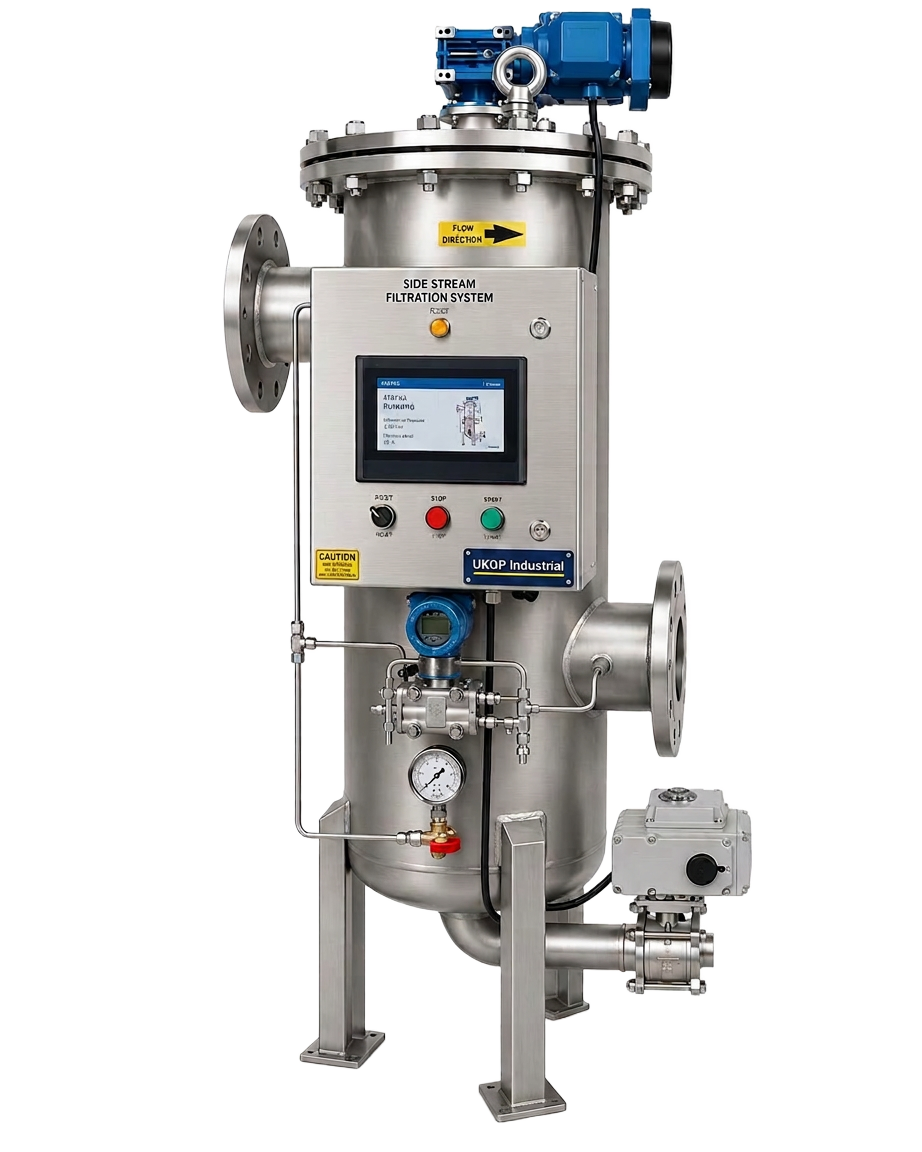
Internal debris is a silent killer of flanged expansion bellows. Fine magnetite and suspended solids can settle within the convolutions of the bellows, particularly in horizontal runs. Over time, this sediment hardens, restricting the ability of the bellows to compress or extend. This restriction increases the stress on the pipework anchors and can eventually cause the bellows to rupture. Implementing side stream filtration is a recognised strategy under BSRIA BG29 to remove these particles before they can cause mechanical issues. By keeping the system clean, you ensure that the flanged expansion bellows can move freely through its entire rated stroke, maintaining system flexibility.
Furthermore, the presence of abrasive particles in the flow can lead to erosion of the bellows' internal surfaces. High-velocity systems are particularly susceptible to this type of wear. If a flanged expansion bellows is installed immediately downstream of a pump or a sharp bend where turbulence is high, the internal lining is at risk. Using an internal sleeve can mitigate some of this risk, but the most effective solution is to maintain low turbidity through continuous filtration. UKGP Industrial's filtration skids work in tandem with our expansion solutions to provide a holistic approach to plant room reliability, ensuring that the movement of the bellows is never hindered by sludge build-up.
Procurement leads and facility managers (FMs) should consider the total cost of ownership when specifying flanged expansion bellows. While the initial cost of a PN16 rated EPDM bellows is modest, the cost of a catastrophic failure and the resulting water damage is immense. By combining high-spec UKGP bellows with robust water treatment and filtration strategies, you are effectively buying insurance for your mechanical infrastructure. Our flanged units are available with weld-end or flanged connections, catering to both new installations and retrofits where existing pipework configurations dictate the connection method. Contact our Surrey-based technical team today for a bespoke quote tailored to your project's PN requirements.
- Prevents magnetite accumulation in bellows convolutions
- Reduces internal erosion from high-velocity suspended solids
- Ensures full range of thermal movement is maintained
- Lowers long-term maintenance costs for M&E contractors
Installation Best Practices for Flanged Expansion Bellows
Successful integration of a flanged expansion bellows begins with precise anchoring. Without robust fixed anchors at either end of the pipe run, the pressure thrust generated by the bellows will simply push the pipework away rather than compressing the bellows as intended. This pressure thrust can be considerable, especially in PN16 rated systems. M&E contractors must ensure that the anchors are capable of withstanding the sum of the pressure thrust and the force required to compress the bellows. Failure to provide adequate anchoring is the primary cause of flanged expansion bellows failure during commissioning, often resulting in bent pipework and damaged equipment.
Guiding is the second essential component of a professional installation. Pipe guides must be used to ensure that the pipework moves in a straight line toward the flanged expansion bellows. CIBSE guidelines typically recommend placing the first guide within four pipe diameters of the bellows, with the second guide following shortly thereafter. This prevents the pipe from 'bowing' or 'snaking' under thermal load, which would otherwise apply lateral forces to the bellows that it was not designed to handle. UKGP Industrial’s technical team can provide the specific movement data for our DN15 to DN600 range to help your engineers calculate exact guide placements.
Finally, it is vital to inspect the flanged expansion bellows before and after installation. Check for any nicks or cuts in the rubber or scratches on the stainless steel convolutions that may have occurred during transit. Ensure that the flange bolts are tightened in a star pattern to the correct torque settings; over-tightening can crush the integrated rubber flange face, leading to leaks. Since UKGP offers a 2-year warranty on our flanged expansion bellows, following these best practices ensures that your installation is protected not only by superior engineering but also by our commitment to quality and service. Request a quote today for our EPDM, NBR, or fabric expansion joints.
- Ensure fixed anchors can withstand total pressure thrust
- Install pipe guides at prescribed intervals to prevent snaking
- Follow star-pattern torque sequences for flange bolts
- Visual inspection for transport damage to convolutions
Technical Specs: DN15 to DN600 Flanged Expansion Bellows
The versatility of the UKGP flanged expansion bellows range is evidenced by our broad size availability and material options. We supply units from DN15 for small-bore branch lines up to DN600 for major district heating headers. Each unit is designed to meet or exceed the requirements of BS EN 1092-1 for flange dimensions. Whether you are dealing with a standard LTHW system or a complex industrial process, our flanged expansion bellows provide the necessary flexibility to absorb thermal growth while maintaining a hermetic seal. Our EPDM and NBR options are particularly popular for their vibration-damping qualities, which help isolate pump noise from the rest of the building's structure.
For specialist applications, we provide PTFE-lined and fabric bellows that can handle more extreme temperatures or aggressive media where standard elastomers would fail. PTFE flanged expansion bellows are essential in pharmaceutical or food-grade environments where cleanliness and chemical inertness are non-negotiable. Similarly, our stainless steel bellows options are the preferred choice for high-pressure steam lines where the temperature exceeds the limits of rubber compounds. No matter the material, our focus remains on providing a PN-rated solution that fits the specific needs of the UK building services market, supported by our expertise in Surrey.
When specifying for a project, procurement leads should note that our flanged expansion bellows come with various flange materials, including carbon steel as standard and stainless steel for corrosive environments. The choice of flange finish is often dictated by the ambient environment of the plant room; for example, coastal installations may require galvanized or stainless flanges to prevent external atmospheric corrosion. All our units are designed for ease of installation, featuring captive floating flanges on rubber units to allow for easy bolt hole alignment. This small design detail can save hours of labor on a large-scale project involving hundreds of units. Contact UKGP Industrial to discuss your PN6, PN10, or PN16 specification requirements.
- Comprehensive sizing from DN15 to DN600
- Available in PN6, PN10, and PN16 pressure ratings
- Choice of EPDM, NBR, PTFE, Stainless Steel, and Fabric
- Floating flanges for simplified bolt-hole alignment
The Role of Expansion Bellows in System Longevity
Ultimately, the goal of installing a flanged expansion bellows is to extend the life of the entire HVAC system. By absorbing the inevitable thermal stresses that occur during every heating and cooling cycle, these components protect expensive assets like boilers, chillers, and heat exchangers from mechanical fatigue. Without a correctly specified flanged expansion bellows, the stress of expansion is transferred directly to the equipment nozzles, frequently resulting in cracked castings and expensive leaks. Consultants who prioritise high-quality expansion solutions are effectively reducing the future maintenance burden for the end-user and ensuring the system operates as designed for decades.
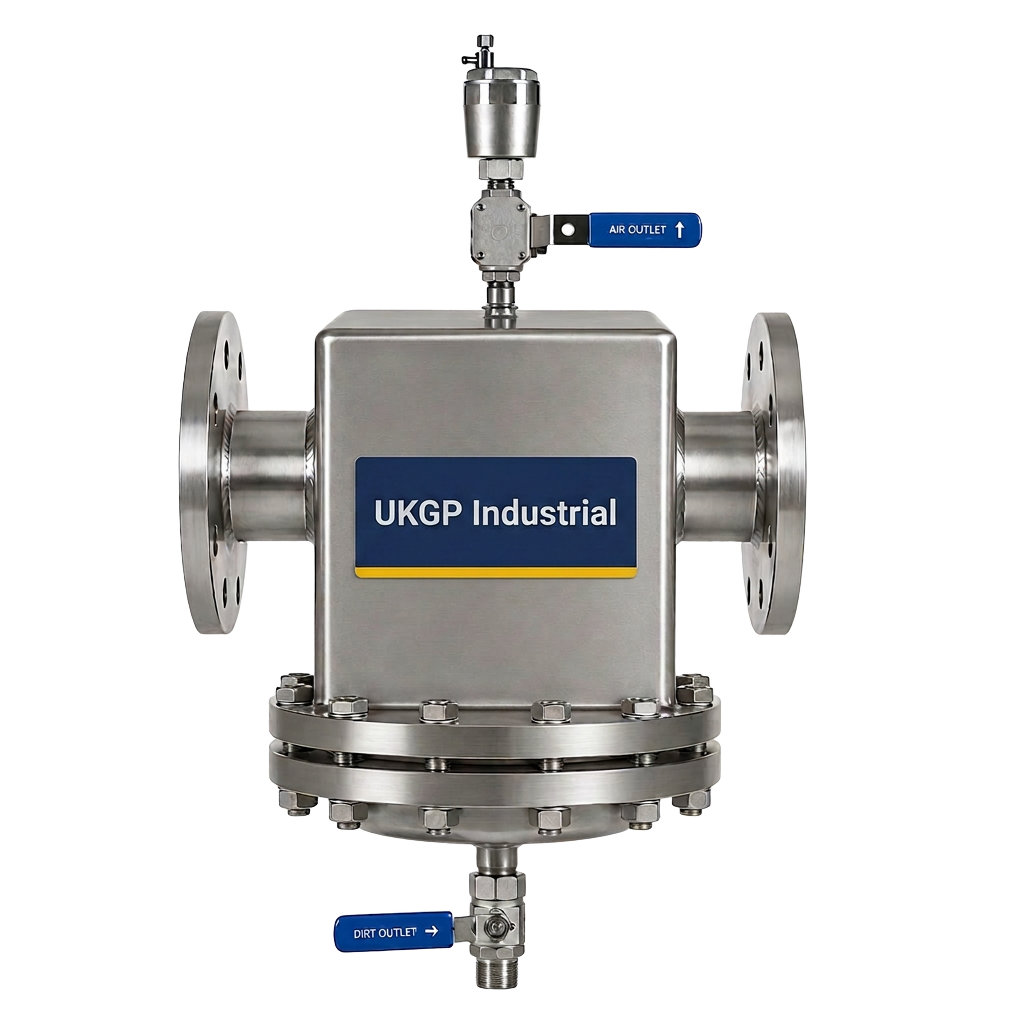
In the context of the UK's drive toward more efficient building services, the reliability of every component is under scrutiny. A failure in a primary heating header can take an entire commercial building offline, leading to significant financial losses. This is why UKGP Industrial emphasises the importance of PN16 rated flanged expansion bellows that have been tested and verified. Our 2-year warranty is a testament to the confidence we have in our manufacturing process and our choice of materials. When combined with other plant room essentials like air and dirt separators and dosing pots, our expansion bellows form part of a resilient system that meets all BS 8552 and BSRIA standards.
The selection process for a flanged expansion bellows should never be an afterthought. It requires a collaborative approach between the design consultant, the contractor, and the supplier. At UKGP Industrial, we are committed to providing more than just a product; we provide the technical expertise necessary to ensure your plant room is safe, efficient, and compliant. Whether you need a single DN50 PN16 flanged expansion bellows or a full suite of compensators for a district heating network, our team is ready to assist. Reach out to our Surrey office to receive a competitive quote and technical data sheets for your next project.
- Protects boiler and chiller nozzles from thermal stress
- Essential for preventing pipe buckling in long runs
- Reduces noise and vibration transmission through the structure
- Increases the overall MTBF (Mean Time Between Failures) of the system
Frequently asked questions
What is the difference between PN10 and PN16 flanged expansion bellows?
- PN stands for Nominal Pressure; PN10 is rated for 10 bar and PN16 for 16 bar at a base temperature. While they may share the same dimensions for smaller pipe sizes, they often have different bolt-hole patterns and thicknesses for larger diameters (DN200+). Always check your pipework flange drilling before ordering.
Can I use a flanged expansion bellows to correct pipework misalignment?
- No. Flanged expansion bellows are designed to absorb thermal movement, not to compensate for poor pipework installation. Using them to bridge misaligned gaps puts pre-stress on the material, which can lead to premature failure and voids the 2-year warranty.
Are UKGP flanged expansion bellows suitable for potable water?
- Our EPDM flanged expansion bellows can be specified for various water applications. For potable water, please confirm WRAS approval requirements with our technical team so we can provide the appropriate material grade.
Why is a 2-year warranty significant for expansion bellows?
- The industry standard is often 12 months. UKGP’s 2-year warranty reflects our confidence in the EPDM/NBR quality and the robust construction of our flanges, ensuring M&E contractors and FMs are protected through at least two full seasonal cycles.
Can flanged expansion bellows reduce pump noise?
- Yes, rubber flanged expansion bellows (EPDM or NBR) are excellent at absorbing high-frequency vibrations and noise generated by pumps, preventing them from being transmitted through the pipework and into the building structure.