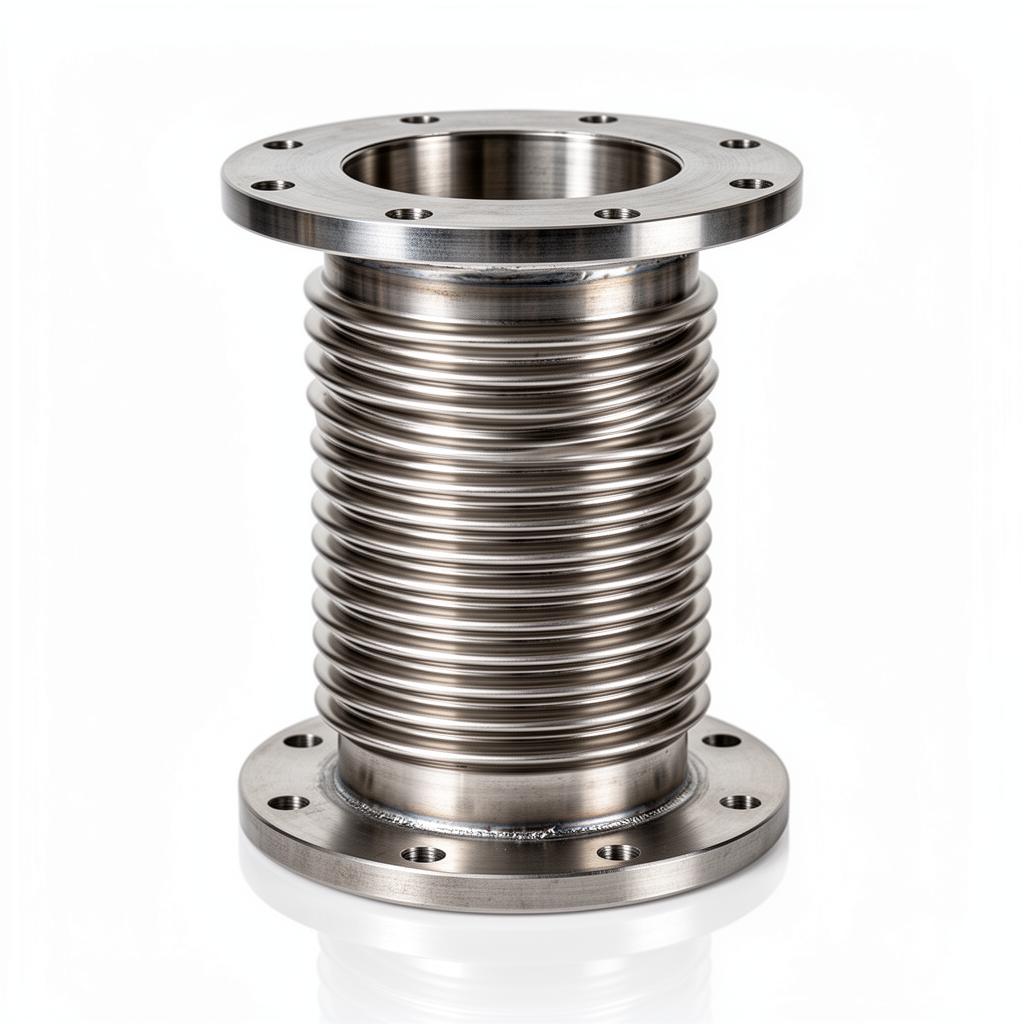
The Engineering Role of a Fabric Expansion Joint
In the realm of UK building services and heavy industrial plant rooms, the fabric expansion joint serves as a critical component for isolating vibrations and absorbing thermal expansion in ductwork. Unlike metallic units, these flexible connectors can handle significant lateral, angular, and axial movements simultaneously. This versatility is essential when designing systems that must comply with CIBSE Guide B standards for ventilation and air conditioning. Consultants and M&E contractors often specify these joints where large volumetric flow rates and temperature fluctuations would otherwise cause catastrophic stress on duct supports and connected machinery like industrial fans or heat recovery units.
A well-specified fabric expansion joint is typically constructed from multiple layers of high-performance materials including PTFE, EPDM, and technical fabrics such as glass fibre or aramid. The outer layer provides the pressure seal and environmental protection, while inner layers offer thermal insulation and chemical resistance. This multi-layered approach allows the joint to operate in environments reaching upwards of 500 degrees Celsius, which is far beyond the operational window of standard rubber bellows. Reliability in these high-heat scenarios is paramount to preventing air leakage and maintaining the integrity of the building’s thermal management strategy over its lifecycle.
Choosing a reliable UK supplier, such as UKGP Industrial, ensures that your project benefits from technical expertise regarding material compatibility. For procurement leads and FMs, the focus is often on total cost of ownership. While a lower-grade alternative might seem cost-effective initially, a failure in a high-temperature ducting system can lead to significant downtime and safety risks. Our range of expansion solutions, including the robust fabric expansion joint, is designed to meet the rigorous demands of modern British engineering projects, ensuring that thermal expansion is managed with precision and safety at the forefront of the design process.
- Absorption of multi-axial movement in limited space.
- Superior vibration isolation compared to metallic alternatives.
- Customisable temperature ratings through technical fabric layering.
- Lightweight construction reducing the load on ductwork supports.
Compliance with BS EN 14917 and BSRIA Guidelines
Adherence to British and European standards is non-negotiable for any UK-based installation. While BS EN 14917 primarily governs metal bellows, the principles of safety and performance testing are frequently applied across the specialist range of expansion products. When specifying a fabric expansion joint, it is vital to consult BSRIA BG29 and BG50 guidelines regarding system cleanliness and maintenance. Even though these documents focus heavily on water treatment and pipework, the overarching philosophy of preventing mechanical failure through correct component selection remains identical for ducting and air-handling systems in large commercial buildings.
Engineers must ensure that the chosen fabric expansion joint can withstand the specific chemical composition of the air or gas passing through it. For example, in industrial flue gas applications, sulphuric acid condensate can quickly degrade a poorly chosen fabric. By utilizing high-grade PTFE coatings and stainless steel mesh reinforcements, UKGP Industrial provides solutions that resist both thermal and chemical degradation. This level of technical detail ensures that the mechanical installation remains compliant with the long-term operational targets set by building consultants and asset managers across the UK industrial sector.
For those managing plant room refurbishments, upgrading to a high-specification fabric expansion joint can often solve historical leakage issues that have plagued older ductwork designs. Our technical team works closely with plant room engineers to provide quote requests that align with specific pressure and temperature profiles. Whether you are dealing with low-pressure ventilation or high-velocity exhaust systems, our commitment to quality through BS EN standards ensures that your expansion solutions are built to last, providing peace of mind for both the contractor and the end-user throughout the warranty period.
- Integration with CIBSE Guide M for long-term maintenance.
- Materials selected for compliance with UK Health and Safety standards.
- Rigorous pressure testing to ensure gas-tight integrity.
- Documentation support for project handover and O&M manuals.
Material Selection for High-Temperature Applications
Temperature is the primary driver when selecting a fabric expansion joint specification. For temperatures up to 120°C, EPDM or NBR reinforced fabrics are often sufficient and offer excellent ozone resistance. However, as the temperature moves toward the 200°C to 500°C range, technical ceramics and glass-fibre fabrics become essential. These materials are engineered to maintain their mechanical strength and flexibility even under sustained heat load. UKGP Industrial specialises in sourcing the correct elastomers and reinforcement plies to prevent hardening or cracking, which are the common failure modes for inferior products in the market.
In addition to heat resistance, the fabric expansion joint must be able to withstand the internal pressures of the system. While ductwork typically operates at lower pressures than liquid-carrying pipework, the surface area of a large rectangular or circular fabric joint means the total force on the fabric and its fixings can be substantial. Stainless steel backing flanges and bolting arrangements must be calculated to prevent the fabric from pulling out under load. This meticulous attention to the mechanical interface between the fabric and the ducting is what separates a high-performance UKGP solution from a standard off-the-shelf component.
Procurement managers should also consider the external environment. In many UK industrial sites, fabric joints may be exposed to UV light, moisture, or salt-laden air in coastal regions. A robust fabric expansion joint will feature a weather-resistant outer cover that protects the internal structural layers from environmental stress cracking. When requesting a quote from UKGP Industrial, providing these environmental details allows our engineers to recommend the most durable construction, potentially involving specialised coatings that extend the life of the joint far beyond the standard two-year warranty period, ensuring maximum value across the asset life.
- PTFE coatings for superior chemical and heat resistance.
- Stainless steel internal liners to protect against high-velocity particulates.
- Multi-ply construction for custom thermal gradient management.
- EPDM and NBR options for lower temperature, high-flex applications.
Installation Best Practices for Longevity
The performance of a fabric expansion joint is heavily dependent on correct installation. Misalignment is one of the most frequent causes of premature failure; whilst these joints are flexible, forcing them to compensate for excessive installation gaps can pre-stress the fabric and lead to tearing during thermal cycles. M&E contractors should ensure that the ducting is supported according to BSRIA recommendations, allowing the joint to move only in the intended planes. Our UKGP expansion bellows range, which includes sizes from DN15 to DN600 and larger bespoke ducting sizes, is supplied with clear installation guidelines to assist site teams.
Proper torqueing of the bolts on the backing flanges is another critical step. Over-tightening can crush the fabric material, leading to a loss of sealing integrity, while under-tightening can result in air leaks and whistling. When installing a fabric expansion joint in a high-temperature system, it is often necessary to re-check the bolt tension after the first thermal cycle. This ensures that the expansion of the metal flanges hasn't compromised the clamp force on the fabric. Following these practical engineering steps reduces the likelihood of snagging during the commissioning phase of a project, keeping timelines on track.
UKGP Industrial provides a 2-year warranty on our expansion solutions, reflecting our confidence in the materials and design. However, the warranty is best supported by proactive maintenance. This includes regular visual inspections for signs of heat discolouration, surface cracking, or fastener loosening. For facility managers, incorporating the fabric expansion joint into the annual PPM schedule is a simple way to prevent costly emergency repairs. If you are unsure about the condition of your existing units, our technical sales team can provide advice on identifying wear patterns that signal an impending need for replacement with a more modern, high-spec unit.
- Avoid twisting the fabric during flange alignment.
- Ensure internal flow liners are oriented correctly with the airflow.
- Check for clearance around the joint to prevent external abrasion.
- Re-torque bolts after initial commissioning heat cycles.
Integrating Air and Dirt Separators in the System
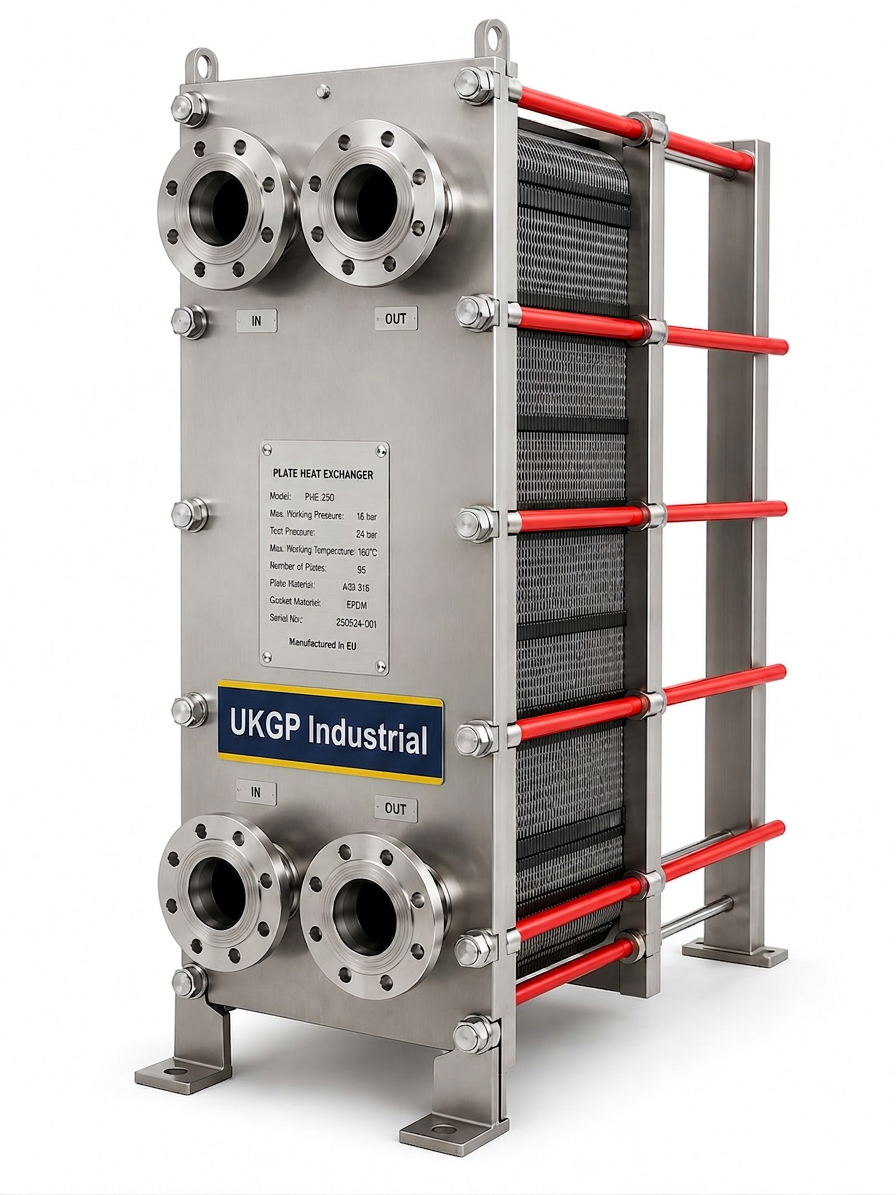
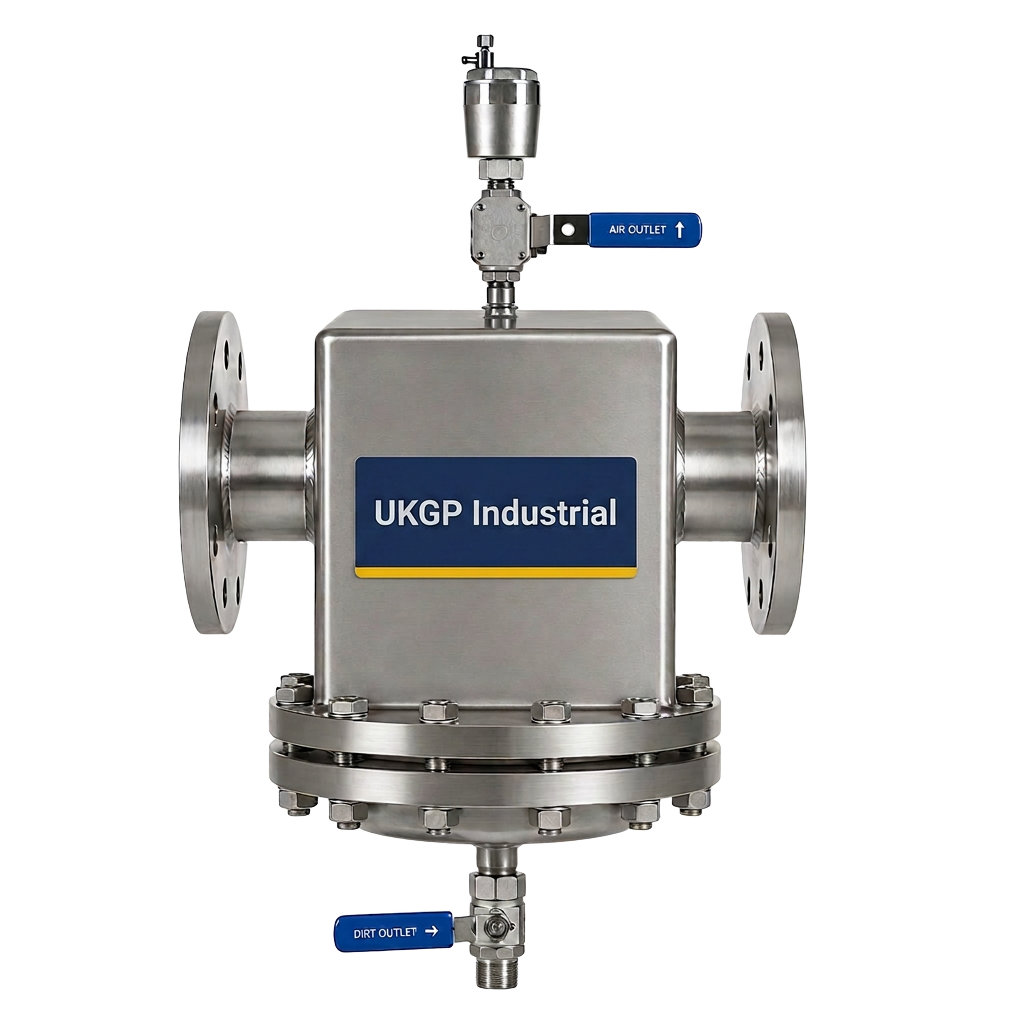
While the fabric expansion joint manages air ducting movement, the overall efficiency of a building's HVAC system depends on the health of the primary heating and cooling circuits. High-temperature systems often suffer from increased scale and sludge formation if the fluid is not managed correctly. Integrating UKGP air and dirt separators alongside our expansion solutions ensures that the mechanical strain on the system is minimized. By removing micro-bubbles and debris, these units prevent blockages in plate heat exchangers and protect the delicate seals within the system's pumps and valves, correlating directly with the longevity of the entire plant.
The synergy between air/dirt separation and thermal expansion control cannot be overstated. A system that is free of air pockets operates at more stable pressures, which in turn reduces the dynamic stress placed on all flexible connectors, including any fabric expansion joint installed in the ventilation or exhaust sections. For consultants designing complex plant rooms, sourcing these critical components from a single reliable UK manufacturer like UKGP Industrial streamlines the procurement process and ensures technical compatibility across the board. This holistic approach to system design is encouraged by BSRIA BG50 for water treatment and system cleanliness.
Whether you are looking for flanged or weld-end options, our expansion bellows and separators are designed for the rigours of the UK commercial market. Combining a high-quality fabric expansion joint with a robust air and dirt separator demonstrates a commitment to engineering excellence and operational resilience. We invite contractors to discuss their full plant room schedules with us; by consolidating your order for expansion joints, separators, and dosing pots, you can benefit from our comprehensive technical support and competitive lead times, ensuring your project remains on budget and fully compliant with the latest industry standards.
- Pitted pipes and debris cause turbulence that stresses joints.
- Removal of micro-bubbles reduces oxidisation risk in metal components.
- Improved heat transfer efficiency in primary and secondary circuits.
- Reduced maintenance frequency for thermal expansion components.
Commercial Benefits of Specifying UKGP Industrial
For UK building services consultants, specifying a fabric expansion joint from UKGP Industrial means choosing a partner with a deep understanding of local compliance and project delivery needs. We provide full technical data sheets and CAD drawings to simplify the design process, ensuring that the selected joint fits perfectly within the spatial constraints of modern, often cramped, plant rooms. Our range spans DN15 to DN600 for piping, with virtually unlimited bespoke sizes for fabric duct connectors. This flexibility allows us to serve everything from small commercial boiler rooms to large-scale industrial manufacturing sites.
The commercial advantage of our 2-year warranty and high-specification materials like EPDM, NBR, and PTFE fabrics is the reduction in lifecycle costs. Frequent replacement of cheaper, sub-standard joints leads to higher labour costs and system downtime, which FMs and site owners cannot afford. By investing in a high-grade fabric expansion joint at the outset, you are ensuring that the building's infrastructure is prepared for the thermal demands of high-temperature operations. Our transparency regarding material limits and pressure ratings helps engineers make informed decisions that satisfy both technical requirements and commercial budgetary constraints.
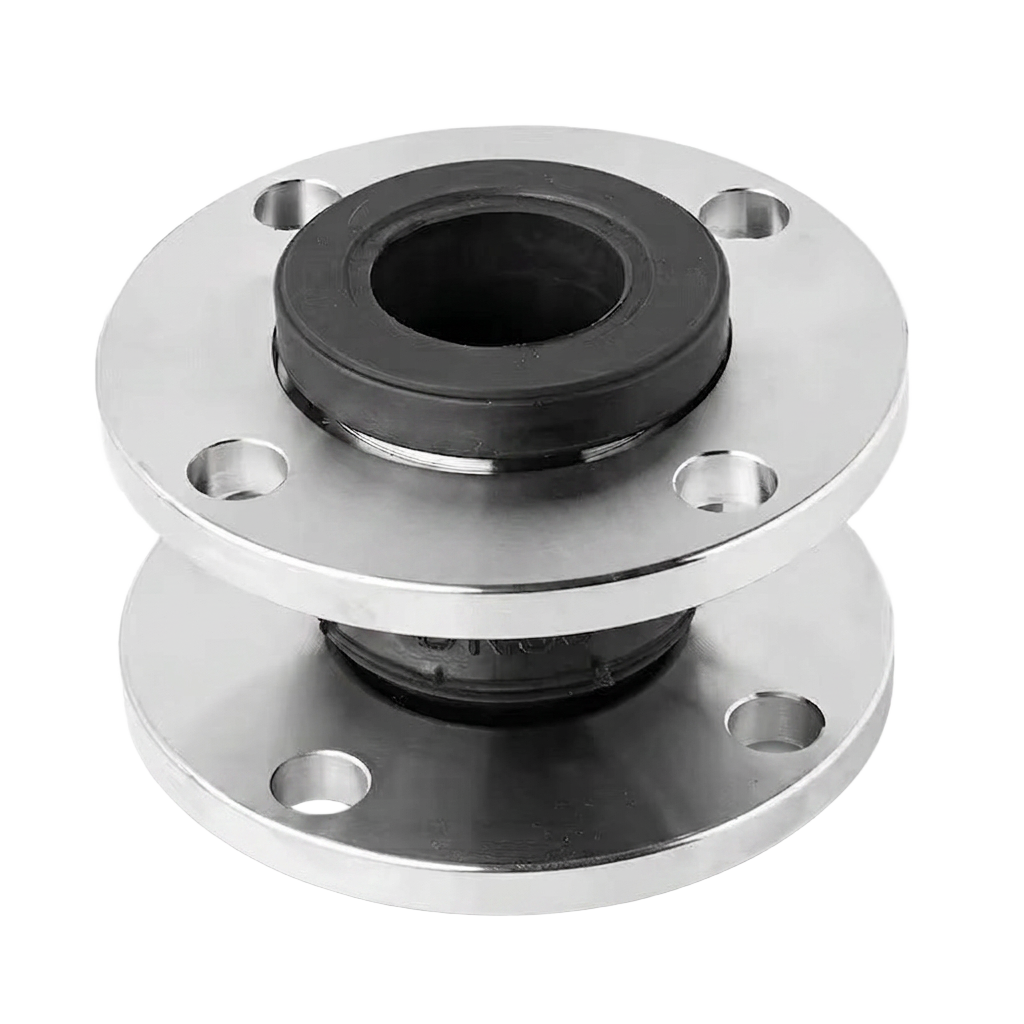
We encourage all stakeholders—from procurement leads to plant room engineers—to request a quote for their upcoming projects. Whether you require stainless steel, rubber, or a fabric expansion joint, UKGP Industrial is positioned to deliver high-quality, Surrey-based expertise across the UK. Our logistical networks ensure that even large-diameter flanged units arrive on-site exactly when needed, ready for immediate installation. Contact us today to learn more about how our expansion solutions can prevent thermal stress and vibration issues in your ducting and pipework systems, backed by the industrial pedigree of a specialist UK supplier.
- Comprehensive technical support based in Surrey, UK.
- Short lead times on a wide range of DN sizes and materials.
- Two-year warranty on all expansion bellows and joints.
- Expertise in both flanged and weld-end terminal connections.
Frequently asked questions
What is the maximum temperature for a fabric expansion joint?
- Depending on the material layers, a fabric expansion joint can be designed to withstand temperatures exceeding 500°C by utilizing glass fibre, ceramic cloths, and PTFE coatings. Always consult UKGP Industrial for specific material recommendations based on your system temperature.
Are fabric expansion joints suitable for high-pressure systems?
- They are primarily designed for low-pressure air and gas ducting. However, reinforced multi-ply designs can handle moderate pressures. For high-pressure liquid systems, UKGP typically recommends stainless steel or rubber expansion bellows.
Do you offer custom sizes for ductwork?
- Yes, we can manufacture a fabric expansion joint to virtually any circular or rectangular dimension required for your ducting system, with various flanging and clamping options available to suit your existing infrastructure.
How does a fabric joint compare to a metal bellows for vibration?
- A fabric expansion joint is generally superior for vibration isolation because the material is naturally dampening and lacks the rigidity of metal, making it ideal for connecting to noisy fans or vibrating industrial equipment.
What is the standard warranty period?
- UKGP Industrial provides a 2-year warranty on our expansion solutions, including rubber, stainless steel, and fabric joints, provided they are installed and maintained according to our specified guidelines.