Understanding the role of expansion joints bellows
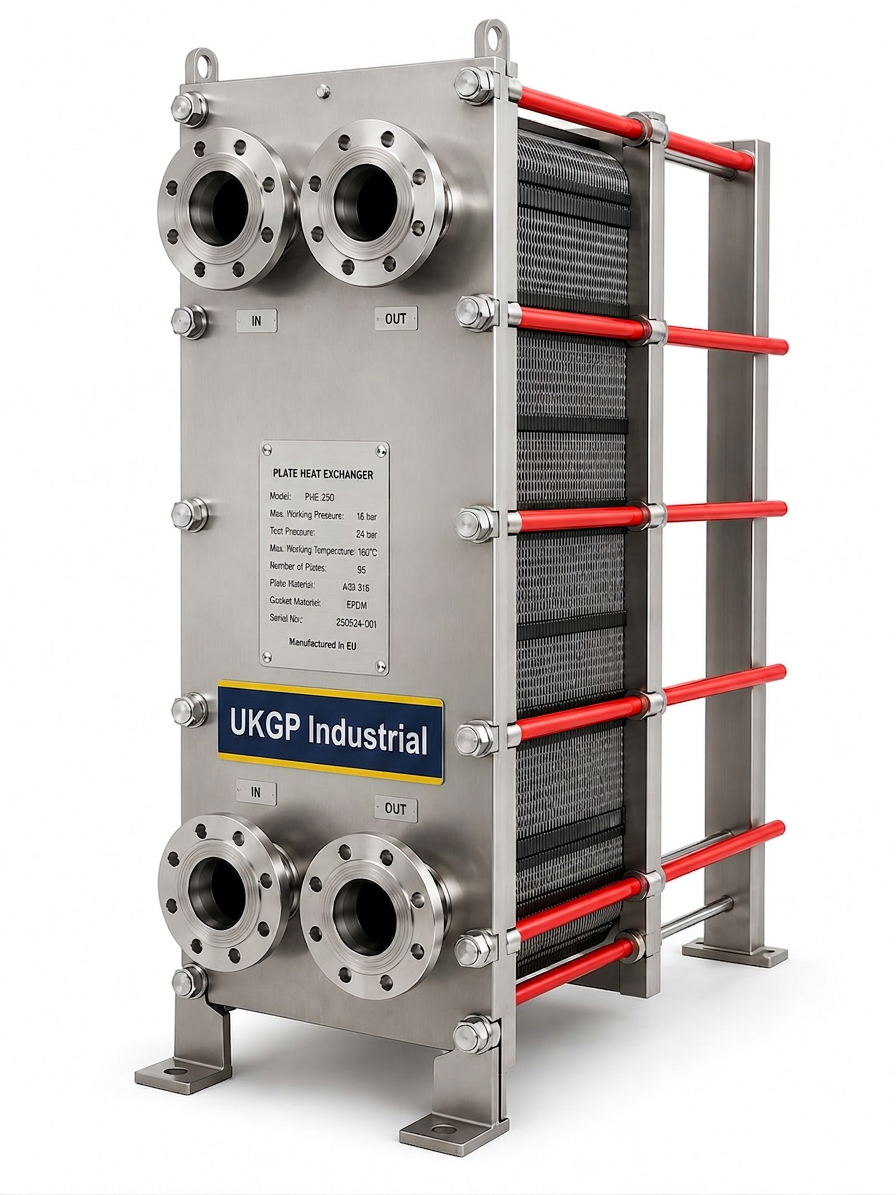
Modern HVAC systems are subject to significant temperature fluctuations that cause metallic and plastic pipework to expand and contract. Without the correct application of expansion joints bellows, these thermal forces can translate into immense pressure on fixed anchors, valves, and plant room connections. UK building services consultants must account for the coefficient of thermal expansion for the specific material in use, whether it is carbon steel, copper, or stainless steel. Failure to mitigate these forces can lead to pipe bowing, cracked joints, or terminal damage to expensive heat exchangers. In high-rise environments, the complexity increases as riser expansion must be managed through precise anchoring and guided movement.
When specifying expansion joints bellows, engineers must look beyond the initial thermal calculation and consider the fatigue life of the flexible element. Under BSRIA BG29 and BG50 guidelines, the integrity of the total system depends on its ability to withstand cyclic loading over its design life. A bellows unit acts as the flexible link, absorbing axial, lateral, or angular movements. By integrating these components strategically, M&E contractors can ensure that the pipework remains stress-free during operation. UKGP Industrial specializes in providing these critical components with a focus on durability and compliance with British Standards, ensuring that your installation meets the rigorous demands of contemporary HVAC environments in the UK commercial sector.
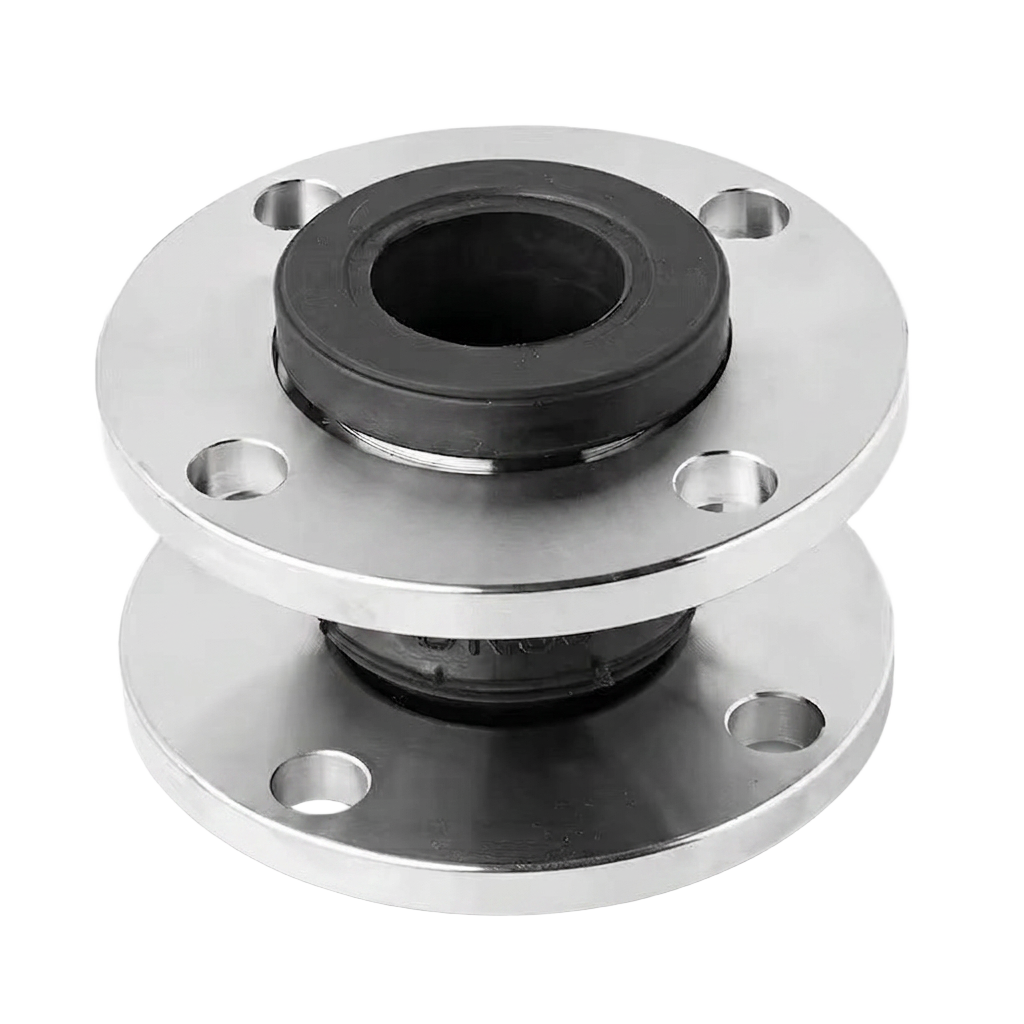
Properly selected expansion joints bellows also serve a secondary function in noise and vibration attenuation. While their primary duty is thermal compensation, the flexible membranes—particularly when using rubber EPDM or NBR variants—can prevent the transmission of mechanical noise from pumps and chillers throughout a building structure. This is a vital consideration for Facility Managers in occupied spaces where acoustic comfort is a priority. For procurement leads, choosing high-quality bellows with a 2-year warranty ensures long-term peace of mind and reduces the likelihood of unplanned maintenance interventions that could disrupt building operations or cause secondary damage to the architectural fabric of the facility.
- Mitigation of axial expansion and contraction cycles
- Protection of pumps and auxiliary plant from stress
- Reduction of structural noise transmission in pipework
- Compliance with CIBSE Guide B for thermal movement
Material selection for expansion joints bellows
The selection of materials for expansion joints bellows is governed by the chemical composition of the fluid, the operating temperature, and the system pressure. For standard LTHW and CHW systems, rubber bellows manufactured from EPDM are often the preferred choice due to their versatility and excellent durability in water-based media. If the system contains oils or hydrocarbons, NBR (Nitrile) is required to prevent material degradation. For more aggressive media or higher temperature applications, stainless steel bellows provide the necessary robustness and resistance to thermal shock. UKGP Industrial offers a comprehensive range of these materials, ensuring that every specific site condition, from industrial plant rooms to light commercial offices, is appropriately catered for.
Beyond rubber and stainless steel, more specialized applications may require PTFE or fabric expansion joints. PTFE is particularly useful in chemical dosing environments or where high levels of corrosion resistance are mandatory, often found in industrial manufacturing processes rather than standard HVAC. For large-diameter exhaust systems or low-pressure air ducting, fabric bellows offer a cost-effective solution for absorbing large movements. Regardless of the material, the design must conform to BS EN 14917, which dictates the standards for metal bellows expansion joints. Choosing the right material at the design stage prevents the premature failure of the bellows membrane, which is often the most vulnerable point in a pressurized system.
When procurement leads evaluate these components, the focus should remain on the quality of the flanged or weld-end connections. Whether your project requires DN15 or DN600 sizes, the integrity of the connection to the main pipework is paramount. At UKGP Industrial, our expansion joints bellows are available in a variety of configurations to suit standard UK pipe dimensions. Standardising on high-quality components across a site portfolio helps maintenance teams stock fewer spares and ensures that replacement schedules are predictable. Our 2-year warranty across the range reflects our confidence in the materials we supply, providing a layer of commercial protection that many lower-tier suppliers cannot match in the current UK market.
- EPDM for standard HVAC and chilled water units
- NBR for oil-laden or hydrocarbon media applications
- Stainless steel for high-pressure and extreme temperatures
- PTFE and fabric options for specialist industrial use
Technical considerations in anchor and guide design
The installation of expansion joints bellows cannot be successful without a correctly designed system of anchors and guides. Anchors are essential to divide the pipework into manageable sections, ensuring that each expansion joint only deals with the movement of a specific run. Main anchors must be strong enough to withstand the full pressure thrust of the bellows, which is a calculation often overlooked by junior engineers. A failure in anchor design can lead to the bellows extending beyond its design limits, resulting in catastrophic system failure. Following CIBSE guidelines, the placement of anchors must be verified against the maximum allowable force on the building structure to ensure safety and stability.
Intermediate guides are equally important to prevent the pipework from buckling as it expands. Without the correct spacing of guides, the axial force generated by the thermal expansion can cause the pipe to deflect laterally, creating side-loads on the expansion joints bellows that they are not designed to handle. Usually, the first guide is placed within four pipe diameters of the bellows, with the second guide within fourteen diameters. This precision ensures that the movement remains strictly axial, allowing the bellows to compress and extend as intended. Our technical team at UKGP provides detailed advice on guide spacing to ensure that your M&E installation is robust, efficient, and fully compliant with current UK best practices.
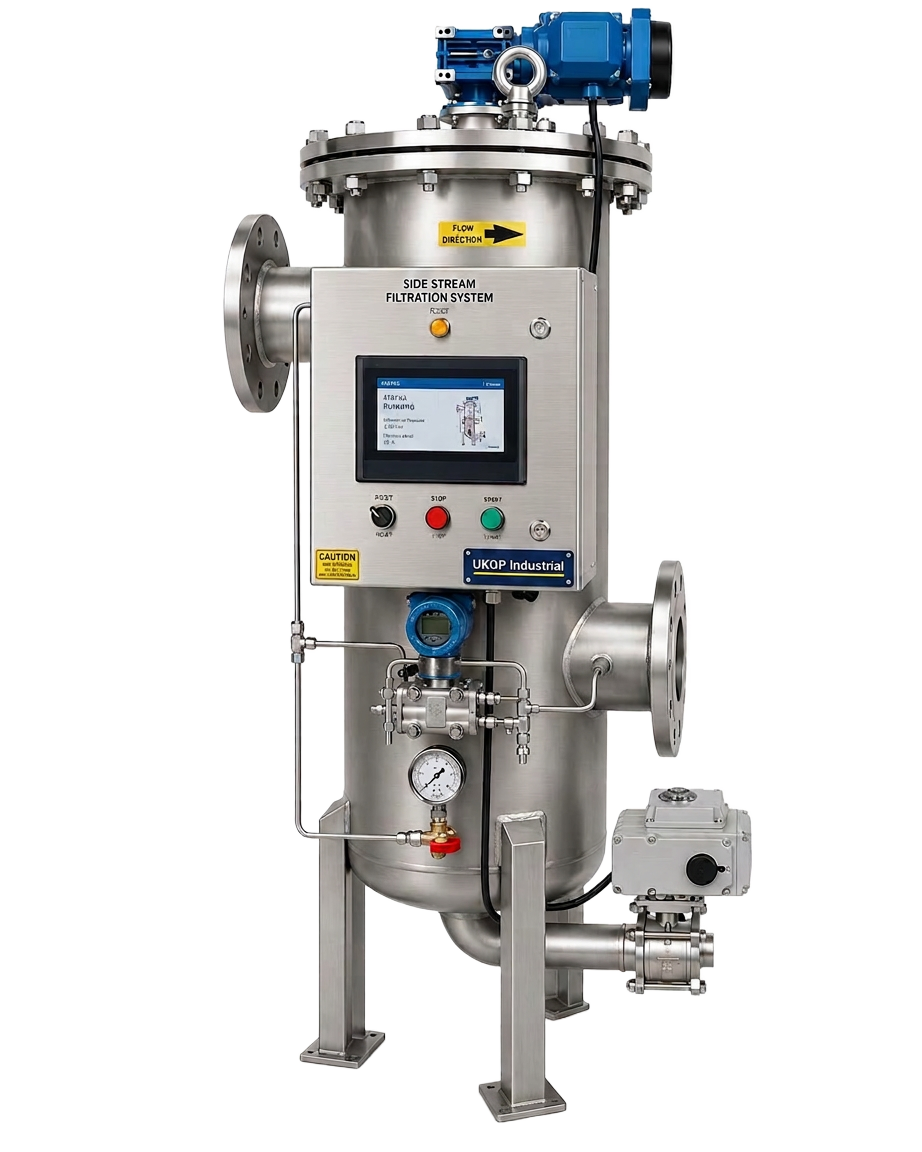
During the commissioning phase, referencing BS 8552 and BSRIA BG29 is vital to ensure the system is clean before the expansion joints are subjected to operational pressures. Debris in the system can settle in the convolutions of a metal bellows, restricting its movement or causing localized corrosion. When we supply expansion joints bellows, we emphasize the importance of system flushing and the role of side stream filtration in protecting these delicate components. By maintaining high water quality standards, the service life of the bellows is significantly extended, and the risk of stress corrosion cracking in stainless steel components is greatly reduced. Investing in quality engineering at the installation stage pays dividends throughout the life of the building.
- Placement of main anchors to resist pressure thrust
- Strict adherence to guide spacing to prevent buckling
- Calculation of movemement based on delta-T and pipe length
- Verification of structural load-bearing capacity for anchors
Sizing expansion joints bellows from DN15 to DN600
The versatility of the UKGP range allows for the selection of expansion joints bellows across a vast array of pipe sizes, from small-bore DN15 domestic services to large DN600 industrial headers. Sizing involves more than just matching the pipe diameter; it requires a detailed analysis of the expected axial compression and extension. Over-sizing a bellows can be just as detrimental as under-sizing, as it may lead to insufficient movement or unnecessary pressure drops within the system. Our team assists contractors in interpreting technical data sheets to match the correct bellows unit to the specific thermal profile of the building's HVAC circuit, ensuring that every joint fulfills its intended purpose without compromise.
For plant room engineers, the choice between flanged or weld-end connections for expansion joints bellows is often dictated by the existing infrastructure and the preferred method of installation. Flanged connections offer the advantage of easier replacement and maintenance, which is a priority for Facility Managers looking to minimize downtime. Weld-end bellows, conversely, provide a permanent, leak-proof joint that is often preferred in high-pressure steam or high-temperature hot water (HTHW) applications. Regardless of the connection type, all UKGP bellows are manufactured to withstand the rigours of commercial operation, supported by a 2-year warranty that underscores our commitment to quality as a premier Surrey-based supplier of industrial HVAC components.
When procurement leads are looking to standardise their supply chain, the ability to source a full range of sizes from a single UK supplier like UKGP Industrial is a major advantage. Our expansion joints bellows are engineered to fit seamlessly into diverse systems, whether they are being retrofitted into an existing plant room or installed as part of a new build project. By choosing products that are readily available in both rubber and metallic configurations, project managers can keep their timelines on track without the need to source from multiple vendors. This streamlined approach to procurement reduces administrative overhead and ensures that all components on-site meet the same high standard of technical excellence and compliance.
- Full range of sizes from DN15 up to DN600 available
- Options for PN10, PN16, and PN25 pressure ratings
- Choice of flanged or weld-end connections for all units
- Technical support for precise movement calculations
Maintenance and longevity of expansion bellows
To ensure the long-term reliability of expansion joints bellows, a proactive maintenance regime must be established. Regular visual inspections are necessary to check for signs of fatigue, such as cracking in the rubber membrane or pitting in metal convolutions. In many commercial settings, the bellows are hidden behind insulation or in ceiling voids, leading to a 'fit and forget' mentality that can be dangerous. BSRIA BG50 highlights the importance of regular water treatment and system monitoring to prevent internal corrosion that could compromise the flexible element of the bellows. A failure in the bellows often results in a rapid loss of system pressure and potentially significant water damage to the surrounding environment.
The inclusion of a 2-year warranty on all UKGP expansion joints bellows provides a solid foundation for your maintenance planning. Our EPDM and NBR rubber bellows are designed to resist the effects of ageing and ozone, but they still require periodic checks for external contamination, such as oil drips in plant rooms which can perish EPDM. For stainless steel bellows, the primary concern is often chloride-induced stress corrosion cracking, which is why maintaining secondary equipment like chemical dosing pots and filtration units is so critical. A holistic approach to system health ensures that the expansion joints can perform their role throughout the intended lifecycle of the HVAC system without the need for emergency repairs.
In the event that a bellows does need replacement, the clear identification of size, material, and movement capability on UKGP products makes the process straightforward for plant-room engineers. Having a reliable UK-based partner means that replacement expansion joints bellows can be sourced quickly, minimizing the period of system vulnerability. We recommend that Facility Managers keep a log of all expansion joints within their building, noting the date of installation and the specific technical parameters of each unit. This level of detail, combined with the robust construction of our bellows, ensures that the building's heating and cooling infrastructure remains resilient against the physical stresses of thermal expansion for many years to come.
- Scheduled visual inspections for fatigue and corrosion
- Strict adherence to water chemistry standards (BG50)
- Prompt replacement of units showing signs of degradation
- Documentation of all bellows locations and specifications
Maximising system efficiency with UKGP components
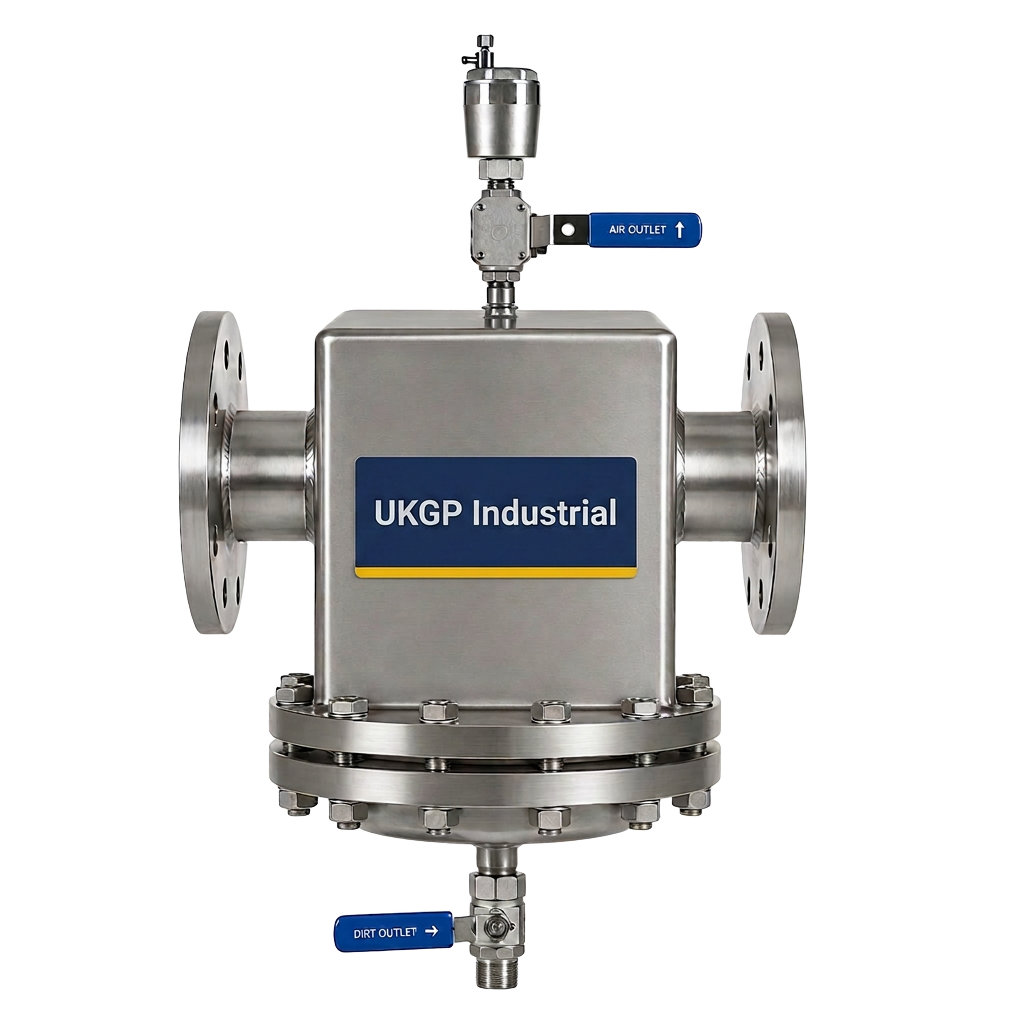
The integration of expansion joints bellows is just one facet of a high-performance HVAC system. To achieve maximum efficiency, these components must work in harmony with other plant room equipment like air and dirt separators and low loss headers. By properly managing expansion, you reduce the mechanical stress on every other component in the circuit, allowing pumps to operate more efficiently and valves to maintain a tighter seal. UKGP Industrial provides the full suite of equipment necessary to build a resilient and energy-efficient system. Our focus on quality engineering means that our bellows contribute to a reduction in total cost of ownership by preventing the costly failures associated with thermal stress.
For M&E contractors, the ease of installation provided by our DN15-DN600 expansion joints bellows range allows for faster project completion times. When you can rely on the technical accuracy and build quality of your suppliers, the risk of snagging issues and site delays is greatly reduced. Whether you are dealing with a complex riser in a London office block or a horizontal distribution run in a Surrey hospital, our bellows provide the reliable movement compensation required. The availability of both flanged and weld-end options ensures that you have the right tool for the job, backed by the commercial security of our comprehensive warranty and expert technical support team based right here in the UK.
Ultimately, the selection of expansion joints bellows is a decision that impacts the safety, efficiency, and longevity of a building's mechanical services. By consulting with UKGP Industrial and following the standards set out by BSRIA, CIBSE, and British Standards, engineers can design systems that are truly fit for purpose. We invite building services consultants and procurement leads to contact us for technical advice or a bespoke quote for their next project. With our deep understanding of the UK market and our commitment to industrial-grade quality, we are the partner of choice for expansion solutions and general plant room optimization. Invest in the best to ensure your project stands the test of time.
- Holistic plant room design for thermal management
- Reduction in lifetime maintenance costs through quality
- Expert technical support from a Surrey-based manufacturer
- Seamless integration with air and dirt separation equipment
Frequently asked questions
What is the primary difference between EPDM and NBR expansion joints bellows?
- EPDM is used for water-based systems like LTHW and CHW due to its heat and weather resistance, whereas NBR (Nitrile) is specifically required for systems containing oils or hydrocarbons to prevent material swelling and failure.
How do I calculate the movement needed for expansion joints bellows?
- Movement is calculated by multiplying the pipe length, the coefficient of thermal expansion for the pipe material, and the maximum temperature difference (Delta-T) the system will experience.
Are UKGP expansion joints bellows compliant with UK standards?
- Yes, our metal expansion joints are manufactured in accordance with BS EN 14917, and our installation guidance follows BSRIA BG29 and BG50 best practices.
Do you offer warranty on your expansion bellows range?
- All expansion joints bellows supplied by UKGP Industrial come with a 2-year warranty as standard, covering sizes from DN15 to DN600.
Why are guides necessary for expansion joints bellows?
- Guides are essential to ensure the pipe moves only in an axial direction into the bellows, preventing lateral deflection or buckling that could lead to joint failure.