The Role of Expansion Joint Rubber in Mechanical Stability
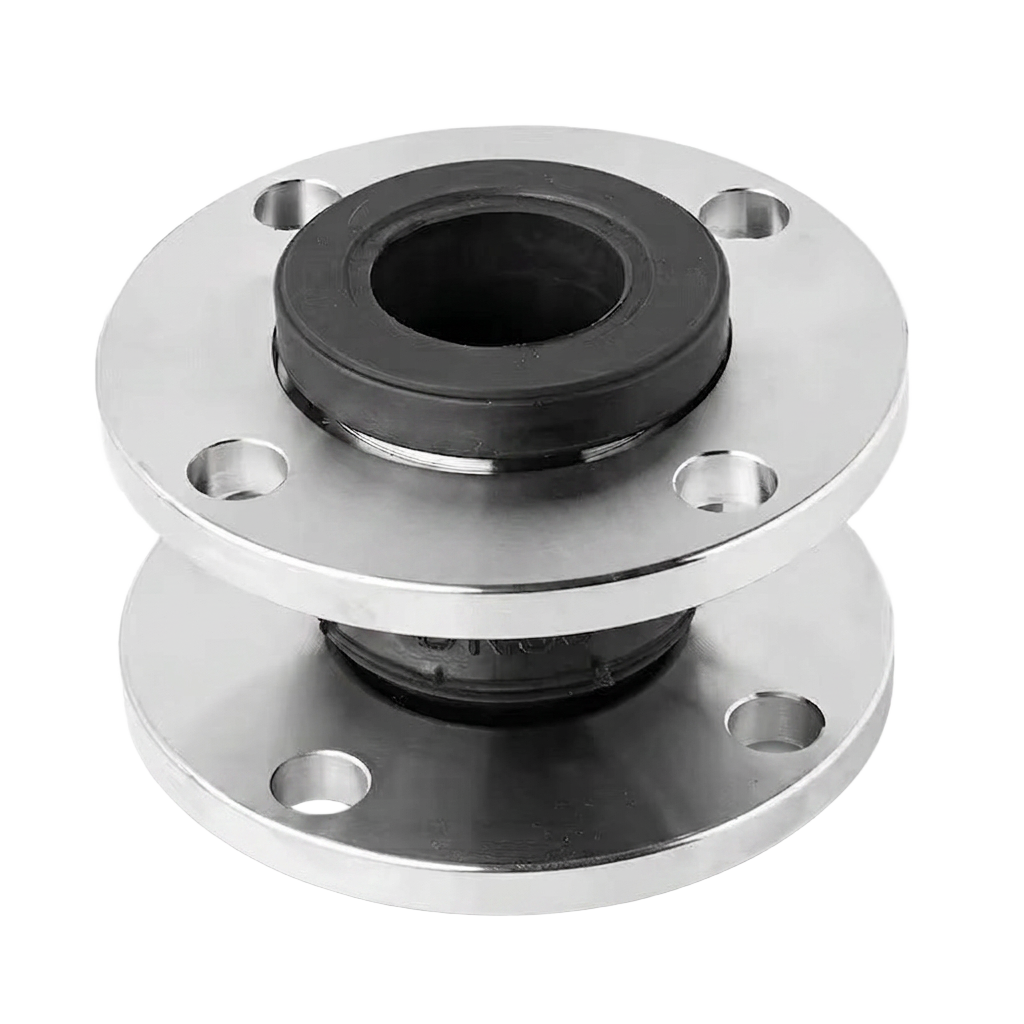
In the design of modern HVAC plant rooms, the mechanical integrity of the pipework depends on the specified materials' ability to absorb thermal expansion and contraction. Utilizing a high-grade expansion joint rubber provides a necessary flexible link that prevents the transmission of stresses from heavy primary plant equipment, such as commercial boilers and centrifugal pumps, into the main distribution system. This is particularly critical in systems where temperature fluctuations are frequent, as these variations can lead to structural fatigue or catastrophic joint failure if not properly mitigated through elastic deflection. UKGP Industrial's range of EPDM and NBR bellows are engineered specifically to accommodate these stresses while maintaining a leak-free environment that complies with the fundamental requirements of CIBSE Guide AM14.
When specified correctly, an expansion joint rubber solution offers superior dampening characteristics compared to metallic alternatives for low-to-medium temperature applications. The intrinsic properties of elastomers allow for the attenuation of audible noise and high-frequency vibrations that could otherwise propagate through the building structure, affecting occupant comfort. In high-density residential developments or sensitive healthcare environments, this acoustic isolation is not just a preference but a compliance necessity. Building services consultants must evaluate the medium being transported, the system pressure, and the maximum expected temperature before selecting between EPDM for general water services or Nitrile (NBR) for oil-contaminated systems to ensure chemical compatibility and long-term service life.
Furthermore, the integration of these rubber components helps in simplifying the overall pipework layout by reducing the reliance on massive expansion loops which often consume valuable plant room floor space. By utilizing a compact expansion joint rubber, M&E contractors can achieve a more streamlined installation that is easier to insulate and maintain. UKGP Industrial supports this through the provision of flanged and weld-end bellows ranging from DN15 to DN600, ensuring that whether it is a small-scale commercial fit-out or a major industrial plant, the mechanical stresses are safely contained within the flexible membrane rather than the rigid pipe wall or the mechanical seals of primary plant components.
- Effective isolation of mechanical vibration and acoustic noise transfer.
- Compensation for axial, lateral, and angular pipework movements.
- Reduction in the total footprint of the primary plant distribution header.
- Compliance with CIBSE and BSRIA guidelines for thermal expansion management.
Compliance and Standards: BS EN 14917 and BSRIA Guidance
The selection of an expansion joint rubber is governed by several British and European standards that ensure the safety and longevity of the pressure system. Although BS EN 14917 primarily targets metal bellows, the principles of pressure testing and cycle life are often adapted for high-pressure rubber variants used in commercial HVAC. Ensuring that your flexible connectors are rated for the design pressure and temperature of the system is a core tenet of BSRIA BG29 and BG50. These documents emphasise the importance of system cleanliness and the management of mechanical stress to prevent early component failure or the onset of stress-corrosion cracking in associated stainless steel pipework. UKGP expansion bellows are designed to meet these rigorous standards, providing peace of mind for site engineers and facility managers alike.
In the UK, the Pressure Equipment Directive (PED) also places requirements on components used in systems over 0.5 bar. It is essential that any expansion joint rubber specified for a high-rise HVAC application possesses the necessary certification to operate under the hydrostatic pressures typical of tall building water circuits. Failure to account for the full head of water, plus the pressure developed by major UK commercial boiler OEMs, can lead to the over-extension of the rubber bellows. To prevent this, UKGP provides tie-bars as standard on larger diameter units or high-pressure configurations, ensuring that the bellows do not exceed their design limits while in operation. This attention to detail ensures that the plant room remains a safe working environment.
Beyond initial installation, BSRIA BG50 highlights the need for ongoing inspection of all flexible components. An expansion joint rubber should be inspected for signs of aging, such as 'crazing' of the elastomer surface or any swelling that might indicate chemical incompatibility with the system water treatment chemicals. Since HVAC water chemistry is often aggressive to prevent legionella or corrosion, selecting a robust EPDM or NBR material is vital. UKGP Industrial offers a 2-year warranty on our bellows, reflecting our confidence in the material science and manufacturing precision that goes into every unit we supply to the UK market. This reliability is a hallmark of our commitment to quality in the building services sector.
- Adherence to PED 2014/68/EU for pressure system components.
- Alignment with BSRIA BG50 for maintenance and inspection protocols.
- Material compatibility checks with BS 8552 water sampling results.
- Usage of tie-bars to prevent over-extension in high-pressure risers.
Technical Application of Expansion Joint Rubber for Vibration
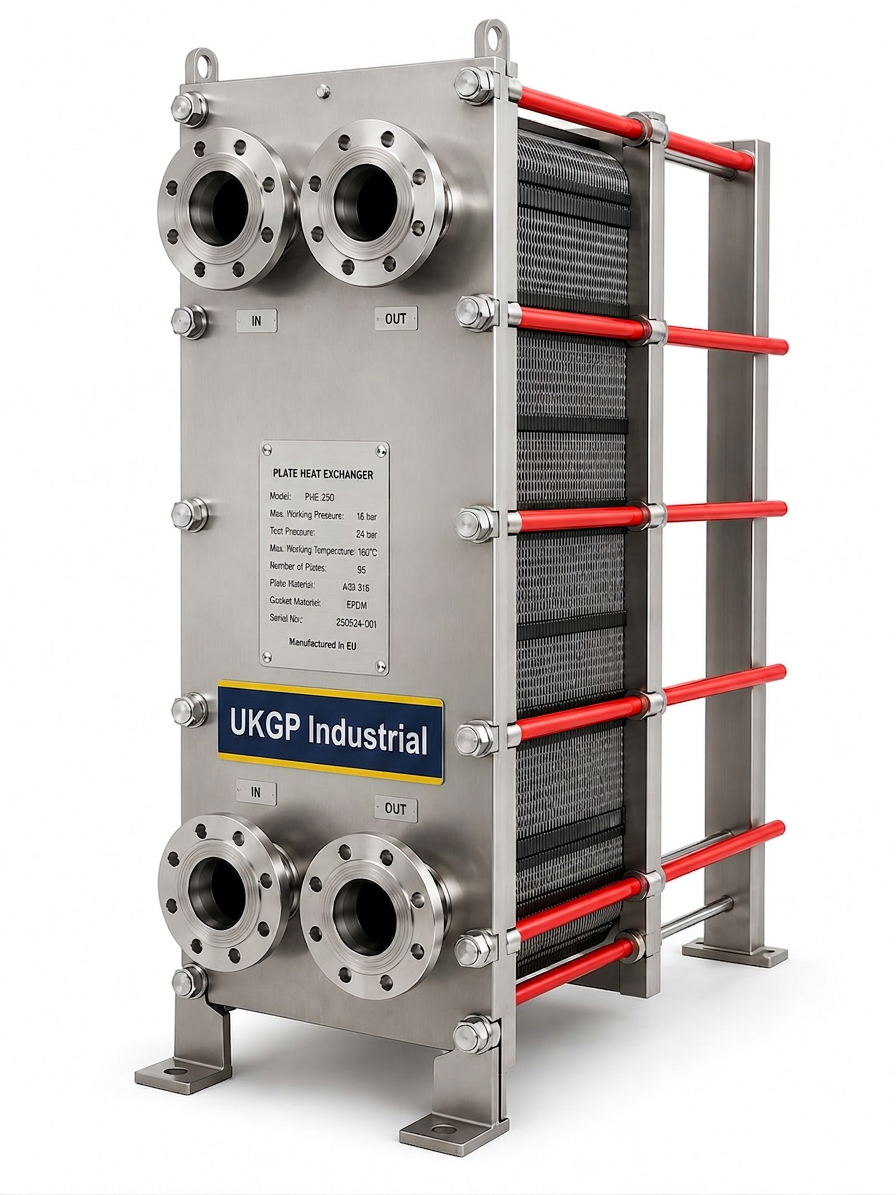
One of the primary technical reasons for installing an expansion joint rubber at the suction and discharge ports of a pump is the high-efficiency vibration isolation it provides. Pumps, while essential, generate significant mechanical energy that can result in structural vibration if direct-coupled to rigid pipework. The elastomeric nature of the expansion joint rubber serves as a mechanical break, dampening the energy and protecting sensitive equipment like low loss headers and plate heat exchangers from premature wear. At UKGP Industrial, we advocate for the strategic placement of these bellows to enhance the overall lifecycle of the commercial heating system. This approach is particularly effective when dealing with the high-flow rates required in modern district heating schemes.
The choice of material—whether EPDM, NBR, or PTFE—is dictated by the chemical composition of the fluid. For standard LTHW and chilled water circuits, an EPDM expansion joint rubber is typically the most cost-effective and durable choice, resistant to the effects of ozone and weathering. However, if the system involves oils or fats, NBR is more appropriate to prevent the rubber from softening and losing its structural integrity. For highly aggressive chemical dosing applications or steam, PTFE-lined bellows should be considered. By consulting with the technical team at UKGP, engineers can ensure they receive the correct grade of rubber for their specific application, provided in sizes from DN15 to DN600 to suit any flange configuration required on-site.
Installation quality is just as important as material selection. When fitting an expansion joint rubber, it is critical that the pipework is properly anchored and guided. The bellows are designed to absorb movement, not to support the weight of the pipework or to compensate for significant misalignment between flanges during initial assembly. Our weld-end and flanged bellows are manufactured to facilitate easier installation, but we always recommend that M&E contractors follow the manufacturer's torque settings and alignment guides to ensure the 2-year warranty remains valid. Proper anchoring ensures the expansion joint rubber performs its intended function of absorbing thermal growth without being subjected to shearing forces that could cause premature delamination or failure at the flange face.
- EPDM liners for standard water-based heating and cooling systems.
- NBR liners for media containing oils, fats, or hydrocarbon traces.
- PTFE and fabric options for specialist chemical or temperature requirements.
- Precise torque application during installation to prevent flange leaks.
Integrating Bellows with Thermal Plant Components
Integrating an expansion joint rubber into a plant room that features modern plate heat exchangers or high-efficiency low loss headers is a proactive way to protect these expensive assets. Heat exchangers are particularly susceptible to stress on their nozzle connections; if the pipework expands into the unit without a flexible buffer, the gaskets or plates may misalign, causing bypass or internal leakage. By installing a UKGP expansion joint rubber on the primary and secondary connections, you effectively 'decouple' the heat exchanger from the mechanical stresses of the distribution network. This ensures that the high-efficiency heat transfer performance predicted in the design phase is maintained throughout the unit's operational lifespan, reducing the need for emergency maintenance.
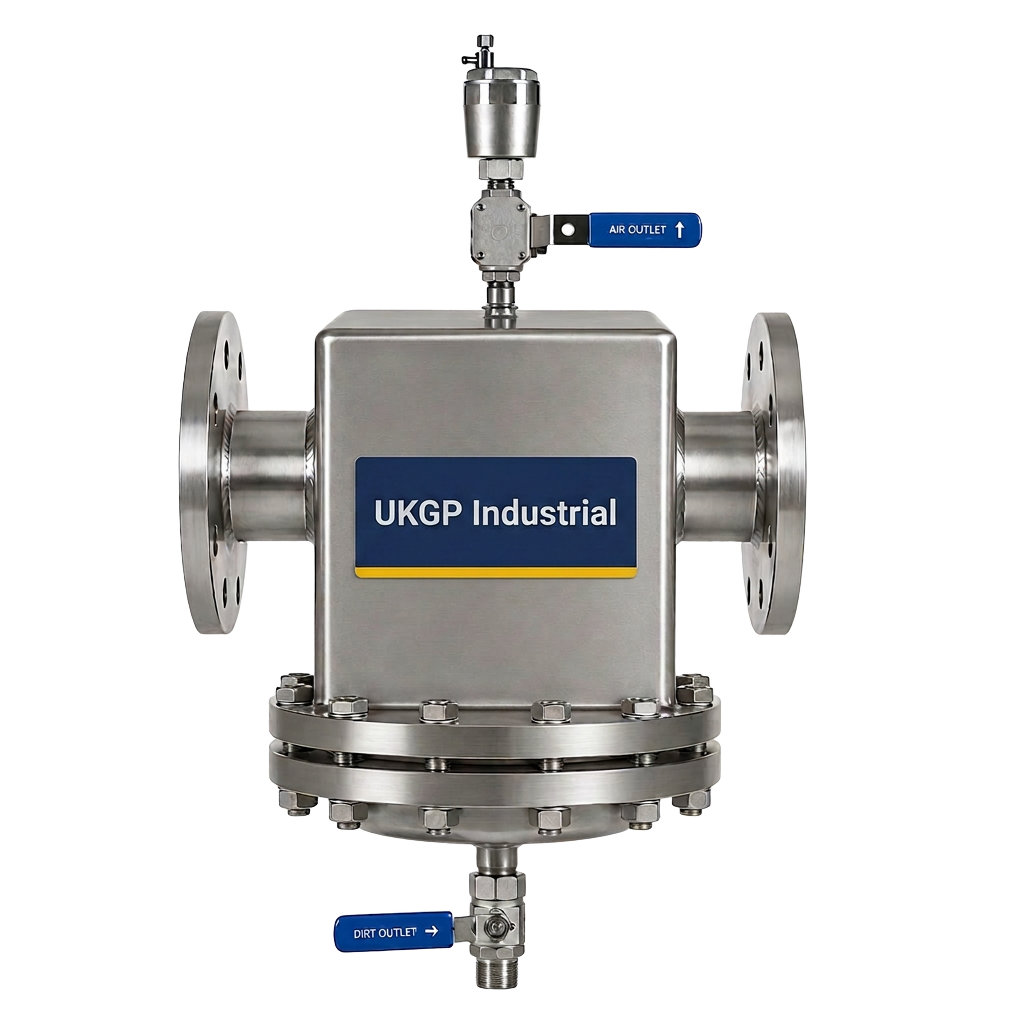
Similarly, air and dirt separators, which are vital for maintaining the water quality standards outlined in BSRIA BG29, must be protected from mechanical torque. A well-placed expansion joint rubber ensures that as the temperature of the system rises, the movement is taken up by the bellows rather than the separator's internal baffles or vessel shell. HVAC plant rooms are increasingly compact, and the compact design of UKGP bellows allows for these protective measures to be included even in tight retrofit scenarios. We supply flanged units that are compatible with the standards used by leading commercial boiler manufacturers, making them an ideal choice for contractors looking for a reliable, UK-stocked solution that simplifies the procurement process while ensuring technical excellence.
Finally, procurement leads and FMs should consider the total cost of ownership when selecting these components. While cheaper, no-name imports may appear attractive, they often lack the technical documentation, local support, and warranty backing provided by UKGP Industrial. A failed expansion joint rubber can lead to significant water damage, system downtime, and expensive repairs to primary plant. By choosing UKGP's range—available with a 2-year warranty and backed by our expert engineering support in Surrey—you are investing in the long-term reliability of your building's HVAC infrastructure. We encourage all M&E professionals to contact our sales team for a competitive quote on our DN15 to DN600 range of expansion bellows, ensuring your project meets all modern UK engineering standards.
- Protection of plate heat exchanger nozzles from thermal loading.
- Reduced risk of stress on air and dirt separator vessels.
- Compatibility with standard UK commercial boiler flange patterns.
- Support and expertise from a Surrey-based manufacturer/supplier.
Addressing Common Installation Pitfalls in HVAC Systems
A common mistake found during plant room audits is the installation of an expansion joint rubber in a location where it is subjected to excessive lateral offset. While these units are designed to handle a degree of movement, they are not a replacement for accurate pipework alignment. If a bellows is 'pulled' into place to bridge a gap, the rubber is under constant tension before the system even reaches operating temperature. This pre-stress significantly reduces the ability of the expansion joint rubber to absorb additional thermal growth, leading to premature failure. UKGP Industrial advises that all pipework should be aligned within the tolerances specified in our technical data sheets to ensure the longevity of the EPDM or NBR membrane and to maintain the validity of the 2-year warranty provided.
Another critical factor is the proximity of the expansion joint rubber to the nearest pipe anchor. According to traditional piping engineering principles, a bellows should be placed between two fixed points (anchors), with guides used to ensure the pipe moves linearly into the joint. Without proper guiding, the internal pressure of the system can cause the bellows to 'squirm' or buckle. This is especially true for larger diameter bellows, such as the DN600 units used in central plant distribution. UKGP's technical team can provide guidance on the placement and anchoring requirements for our full range of stainless steel, PTFE, and rubber bellows to ensure that your HVAC system remains stable under all load conditions from start-up to full-load operation.
Lastly, protection against external factors is often overlooked. In many plant rooms, the expansion joint rubber may be exposed to welding spatter during final site installation or accidentally coated in insulation foam. Both can degrade the elastomer and reduce its flexibility. It is essential that the bellows are protected with a fire cloth or temporary shield during any nearby hot works. Furthermore, when applying thermal insulation, a removable 'jacket' should be used over the expansion joint rubber rather than tight-fitting permanent insulation. This allows for the regular visual inspections recommended by BSRIA BG50 and ensures that the joint can dissipate heat according to its design, preventing the rubber from overheating and becoming brittle prematurely.
- Avoidance of pre-stressing the rubber membrane during installation.
- Ensuring correct anchor and guide placement to prevent buckling.
- Using removable insulation jackets for easy BSRIA inspection compliance.
- Protection of the EPDM/NBR material from hot works and chemical spills.
Specifications and Features of UKGP Rubber Bellows
When you select an expansion joint rubber from UKGP Industrial, you are choosing a component that has been meticulously designed for the UK's demanding B2B building services market. Our bellows are available in a variety of materials including EPDM for standard water, NBR for oils, and PTFE for chemical resilience, covering sizes from DN15 all the way up to DN600. This wide range ensures that we have the right product for everything from secondary domestic hot water loops to primary chilled water headers. All our units are available with flanged or weld-end connections, providing the flexibility needed for both new builds and complex plant room refurbishments where space and connection type are critical constraints.
Mechanical and electrical contractors value the peace of mind that comes with a robust 2-year warranty. This reflects our commitment as a Surrey-based supplier to providing high-quality engineering products that withstand the test of time. Our expansion joint rubber units are built with internal reinforcements to handle the pressures found in modern commercial HVAC systems, ensuring that they do not deform or leak even when subjected to 10-bar or higher pressures. Whether you are dealing with the thermal expansion of a district heating main or the vibration of a high-power pump skid, our bellows provide the elastic response required to protect your system's integrity while meeting BS EN 14917 design considerations where applicable for rubber-to-metal interfaces.
To facilitate ease of procurement, we maintain extensive stock for rapid dispatch across the UK. We understand that on-site delays are costly, so we prioritize the availability of common sizes like DN50, DN100, and DN200 in our standard EPDM range. If your project requires bespoke specifications, such as fabric bellows for specialized air ducting or high-temperature PTFE-lined joints, our technical team is ready to assist with the selection and quoting process. For a reliable, engineered solution involving an expansion joint rubber, look no further than UKGP Industrial. Contact our technical sales team today to discuss your plant room requirements or to request a full technical submittal for your next project.
- Availability in EPDM, NBR, PTFE, and Fabric constructions.
- Sizes ranging from DN15 to DN600 for all HVAC applications.
- Standard 2-year warranty on all expansion bellows products.
- Local UK stock for fast lead times on flanged and weld-end units.
Frequently asked questions
What is the life expectancy of an expansion joint rubber in an HVAC system?
- With correct selection of material (EPDM for water, NBR for oil) and proper installation including anchors and guides, an expansion joint rubber typically lasts 7-10 years. UKGP Industrial provides a 2-year warranty, but adhering to BSRIA BG50 inspection protocols will ensure maximum longevity.
Can I use an EPDM expansion joint rubber for a system containing heating oils?
- No, EPDM is not compatible with oils and will swell or degrade. For systems where oil may be present, you must specify a Nitrile (NBR) expansion joint rubber to ensure chemical compatibility and avoid premature failure of the bellows membrane.
What is the temperature limit for a standard UKGP expansion joint rubber?
- Our standard EPDM expansion joint rubber is generally rated for temperatures up to 100-110°C, suitable for most LTHW and chilled water systems. For higher temperatures or steam applications, we recommend our PTFE or stainless steel bellows range.
Are tie-bars necessary for all expansion joint rubber installations?
- Tie-bars (or limit rods) are recommended for most installations, particularly in high-pressure systems or where pipework is not fully anchored. They prevent the expansion joint rubber from over-extending, which could lead to delamination or mechanical failure of the bellows.
Do these bellows comply with BSRIA BG29 flushing requirements?
- Yes, however, we recommend that during high-velocity flushing as per BSRIA BG29, the expansion joint rubber is either bypassed or carefully monitored, as debris moving at high speed could potentially damage the inner liner if not protected by an internal sleeve.