The Engineering Role of the Expansion Joint Pipe
In the UK's volatile commercial building landscape, an expansion joint pipe serves as more than just a flexible connector; it is a critical safety component designed to absorb thermal expansion and contraction within rigid pipework. When water temperatures fluctuate between heating cycles and ambient idle states, the resulting linear growth can exert thousands of Newtons of force on fixed anchors and sensitive plant equipment. Failure to account for this movement through the correct specification of a high-quality expansion joint pipe often leads to stress corrosion cracking, gasket blowouts, or warped pump shafts. For M&E contractors, ensuring that the selected product matches the system's calculated expansion rate is the primary defence against long-term structural liabilities and expensive emergency call-outs.
Modern plant rooms, often confined by tight spatial footprints in Surrey and London developments, require a compact solution to manage the kinetic energy of moving fluids. The use of a dedicated expansion joint pipe allows engineers to reduce the footprint of traditional expansion loops, which consume significant ceiling or trench space. By neutralising vibration and isolating mechanical noise at the source—such as right after a secondary circulation pump—these components contribute significantly to the acoustic performance of the building. This is particularly relevant in high-end office developments and residential blocks where BS EN 12828 compliance is sought. Selecting the right joint involves a deep understanding of the medium, the pressure rating, and the anticipated temperature delta across the full seasonal range.
From a procurement and installation perspective, the expansion joint pipe represents a high-impact, low-cost investment that protects multi-million-pound assets like low loss headers and chillers. Without these flexible barriers, the metal-on-metal fatigue caused by cycling eventually causes micro-fractures in the pipe wall. The UKGP range of expansion bellows caters to these exact needs, providing peace of mind with a robust 2-year warranty across the entire DN15 to DN600 range. When evaluating different suppliers, project leads must look for units that meet specific British and European standards, ensuring that the elastomer or metallic membrane is chemically compatible with the system’s water treatment regime, including biocides and corrosion inhibitors typically used during BSRIA BG29 pre-commission cleaning sessions.
- Absorbs axial, lateral, and angular movements in pressured systems.
- Reduces mechanical vibration and noise transmission through the building fabric.
- Protects expensive HVAC plant equipment from thermal thrust forces.
- Ensures compliance with CIBSE Guide B for thermal movement management.
Material Selection: Rubber, Stainless Steel, or PTFE?
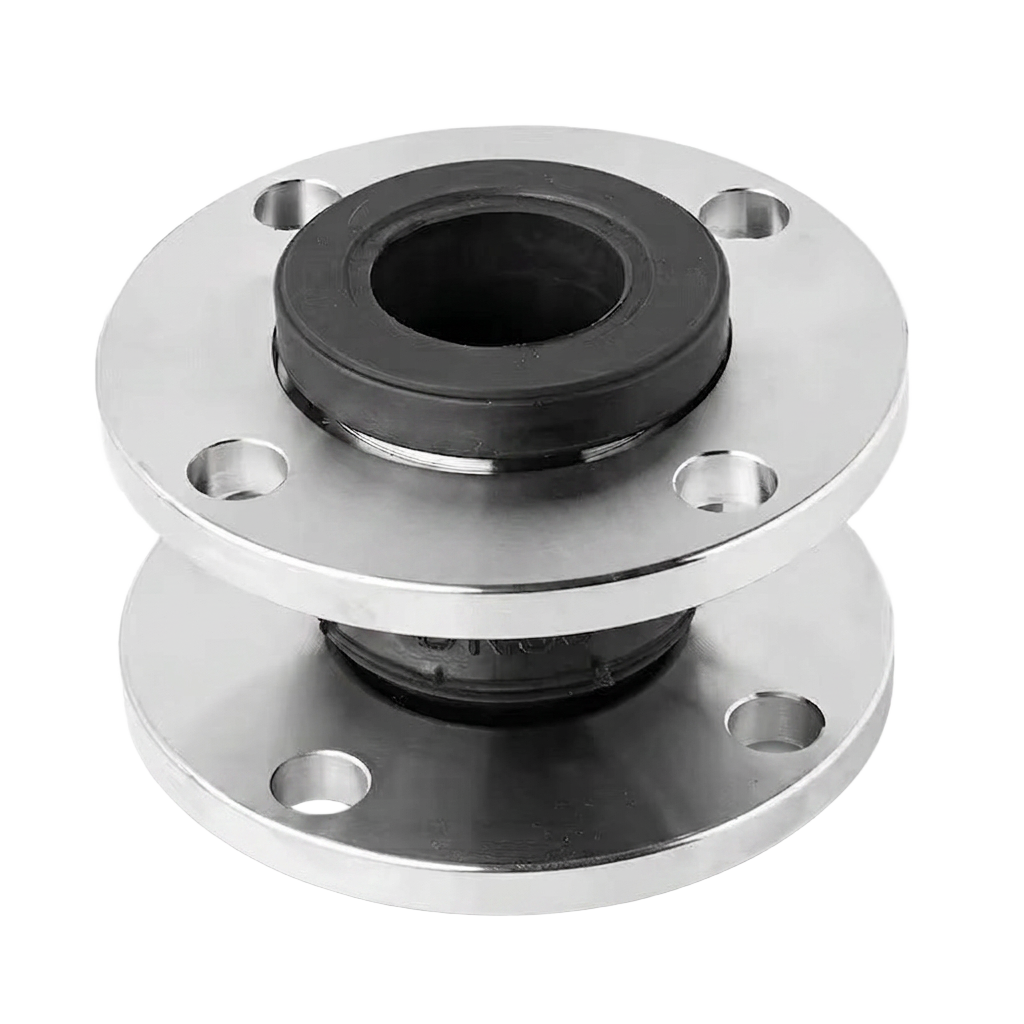
The choice of material for an expansion joint pipe is dictated by the chemical composition of the fluid, the operating temperature, and the maximum system pressure. Rubber bellows, particularly those made from EPDM or NBR, are the workhorse of the HVAC industry due to their excellent noise-damping properties and resistance to standard water-borne chemicals. EPDM is generally preferred for heating and chilled water systems, while NBR is utilised for oil-contaminated environments. These flexible joints are perfect for lower temperature applications but have defined limits regarding pressure-temperature curves that must be strictly observed by the design engineer to avoid premature degradation of the polymer matrix.
For high-temperature steam applications or high-pressure process lines exceeding 100°C, a stainless steel expansion joint pipe is usually necessary. These units, often manufactured from Grade 304 or 316L, provide the mechanical strength required to withstand higher pressures while maintaining the flexibility to compensate for significant thermal shifts. Furthermore, for highly corrosive media or pharmaceutical and food-grade applications, PTFE-lined or fabric joints offer the chemical inertness needed. Each material comes with its own mechanical characteristics, and consulting the BS EN 14917 standard for metallic bellows can provide additional guidance on cycle life and pressure testing requirements for these critical components.
Ensuring that the expansion joint pipe is correctly supported by fixed anchors and guides is as important as the joint itself. A common mistake in the field is installing a stainless steel bellow without sufficient guiding, leading to 'squirm' or buckling under pressure. When requesting a quote for your next project, specify whether you need flanged or weld-end connections. UKGP provides a versatile range of options from DN15 to DN600, including EPDM, NBR, and stainless steel variants. Our technical team can help you navigate the selection process to ensure your project meets the durability requirements of BS 8552 and BSRIA BG50 for long-term water quality and system health.
- EPDM Bellows: Ideal for LTHW and CHW systems up to 100°C.
- Stainless Steel: Mandatory for high-temperature and steam process lines.
- PTFE/Fabric: Utilised for aggressive chemical handling and high-purity media.
- DN15 to DN600 sizes available with flanged or weld-end connections.
Installation Compliance and BSRIA BG29 Protocols
Correct installation of an expansion joint pipe is paramount to system safety. During the pre-commission cleaning phase, as outlined in BSRIA BG29, systems are often subjected to higher velocities and chemical flushes to remove debris. It is crucial that the bellows are either bypassed or protected during this stage if the chemistry of the cleaning agents exceeds the material's tolerance. Furthermore, some rubber bellows may trap debris in their convolutions if not oriented correctly, which can lead to localised corrosion or premature wear. Designers must ensure that the expansion joint pipe is installed in a neutral position, neither pre-compressed nor pre-extended, unless specifically designed with a 'cold pull' requirement in the engineer's specification.
System guides must be placed accurately relative to the expansion joint pipe to ensure that movement is directed linearly into the bellow rather than causing lateral shearing which the joint might not be rated for. According to standard engineering practice, the first guide should be placed within four pipe diameters of the expansion joint, with the second guide located within fourteen diameters. This rigid guiding regime prevents the pipework from bowing and ensures that the expansion bellows can perform their intended function over their multi-year lifespan. Any deviation from these distance requirements can lead to joint failure, often during the first thermal cycle of the commissioning phase, creating significant delays for the M&E contractor.
Long-term monitoring through BSRIA BG50 guidelines suggests that the external condition of every expansion joint pipe should be inspected annually for signs of weeping, cracking, or flange bolt relaxation. In hard water areas or systems with high mineral content, the external surfaces of metallic bellows can suffer from atmospheric corrosion if not properly insulated or treated. UKGP’s expansion bellows are designed for the rigours of UK plant rooms, featuring robust construction and a 2-year warranty that reflects our confidence in the product's durability. By selecting the right size and material from our DN15-DN600 stock, you ensure that your plant room remains compliant with the highest industry standards for years to come.
- Always follow BSRIA BG29 guidelines for system flushing and protection.
- Place the first pipe guide within 4x diameters of any expansion joint.
- Verify chemical compatibility of the bellow material with biocides and inhibitors.
- Annual inspections help prevent catastrophic failure in commercial plant rooms.
Integrating Expansion Joints with Low Loss Headers
In modern boiler house design, the integration of an expansion joint pipe near the low loss header is a strategic move to isolate the boiler primary loop from the secondary distribution side's mechanical stresses. Low loss headers facilitate hydraulic separation, but they are also fixed points of high thermal mass. As the primary flow enters the header, the rapid temperature rise can cause the connecting pipework to expand aggressively. By placing an expansion joint pipe between the header and the main distribution manifold, you prevent the header's welded joints from being subjected to unnecessary leverage and torque, which could eventually lead to leaks at the vessel's nozzles.
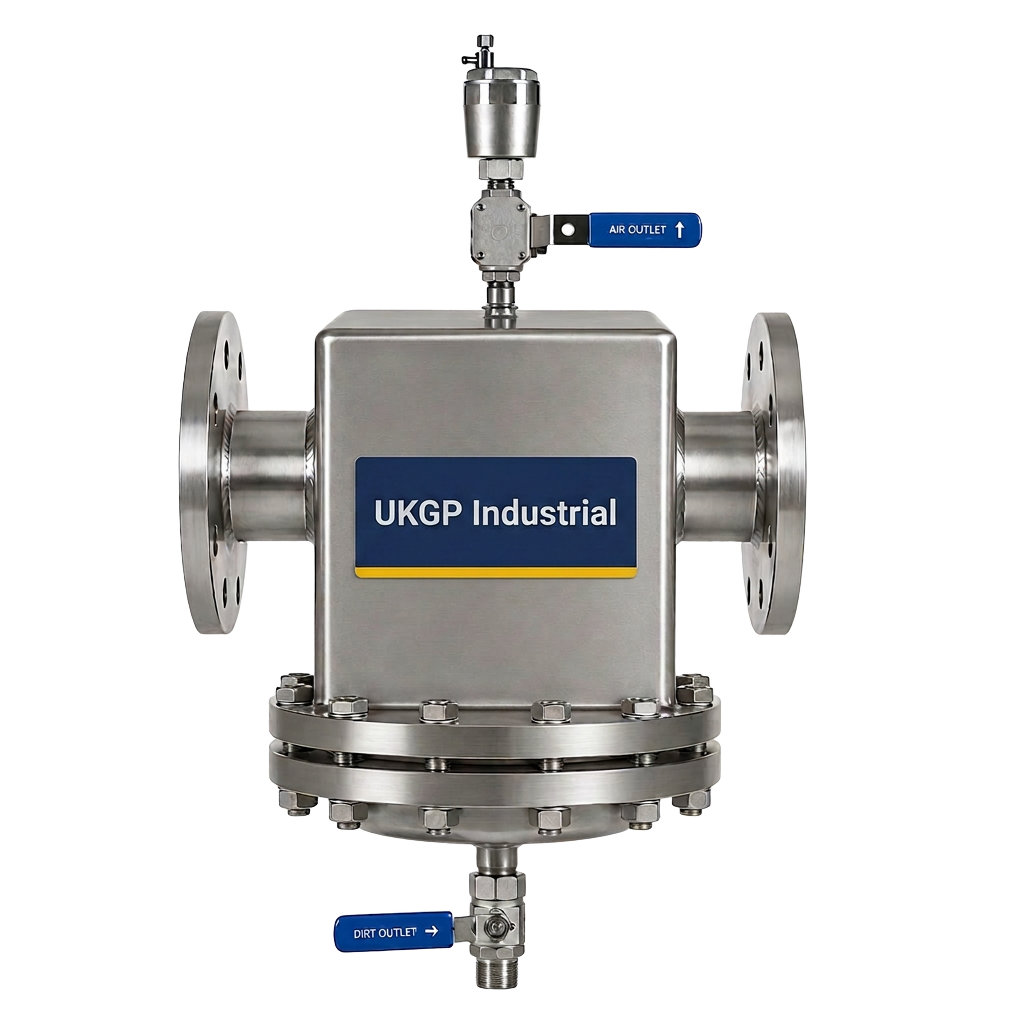
Furthermore, using an expansion joint pipe in conjunction with air and dirt separators ensures that the entire system remains hydraulically stable and free from mechanical resonant frequencies. High-frequency vibrations from primary pumps can be amplified by large vessels like headers if not properly isolated. The EPDM or stainless steel bellows act as a buffer, cutting off the transmission path for this energy. This holistic approach to plant room design—considering both thermal movement and hydraulic separation—is what separates a standard installation from a high-performance system that exceeds the client's expectations for noise control and maintenance longevity.
When designing these systems, M&E contractors should look for a supplier that can provide all necessary components, from the low loss headers to the specific expansion joint pipe required for the job. UKGP Industrial offers a comprehensive suite of products that work in harmony. Our bellows are available in sizes up to DN600, making them suitable for even the largest district heating schemes or commercial developments. Focusing on the compatibility between these components ensures that thermal expansion is managed at every interface, reducing the total cost of ownership for facility managers who must oversee these systems long after the initial installers have left the site.
- Prevents stress transfer from distribution loops to low loss headers.
- Isolates boiler primary pumps from the main heating distribution pipework.
- Reduces the risk of weld fatigue at vessel connection points.
- Provides a compact alternative to large-radius expansion loops in tight plant rooms.
Pressure Ratings and Flange Standards
The nominal pressure rating (PN) of an expansion joint pipe must always exceed the maximum possible surge pressure of the system, not just the operating pressure. In the UK, most commercial HVAC systems operate at PN10 or PN16, and the expansion bellows must be rated accordingly. It is also vital to match the flange drilling—whether BS4504, EN1092-1, or older Table D/E standards—to ensure a leak-free seal. An incorrectly matched flange can lead to uneven compression of the bellow's sealing face, resulting in bypass leaks or atmospheric ingress, which can skew pH sensor readings and accelerate internal corrosion of the system pipework.
Safety is paramount when dealing with pressurized fluids, and every expansion joint pipe should be supplied with tie rods or limit bolts where necessary to prevent over-extension. In systems where pressure can fluctuate rapidly—such as those with high-head pumps or multiple zoning valves—the kinetic energy of the water can 'pull' on the joint. Tie bars ensure the bellow stays within its designed axial travel limits. UKGP provides a range of expansion bellows with various end connections, including flanged or weld-end, ensuring that whether you are retrofitting an old plant room or building a new one, the connection remains robust and compliant with BS EN 14917.
Finally, ensure that the expansion joint pipe is suitable for the vacuum conditions that may occur during system drainage or pump cavitation. Some rubber bellows require internal vacuum rings to prevent the membrane from collapsing inward. When you request a quote from UKGP, our engineers review your specific pressure and temperature requirements to provide a solution that balances cost with long-term reliability. With our 2-year warranty and a range spanning DN15 up to DN600, we provide the technical security required for high-stakes projects in the UK industrial and commercial sectors. Our commitment to quality ensures that every joint is a reliable link in your thermal management chain.
- Check PN ratings (PN16/PN25) against potential system pressure surges.
- Ensure flange drilling matches existing pipework to prevent sealing issues.
- Use tie rods to protect the joint from over-extension during pressure spikes.
- Verify vacuum resistance for systems prone to negative pressure during maintenance.
Procuring the Correct Expansion Joint Pipe for Your Project
Procurement leads and M&E contractors often face the challenge of sourcing high-quality components with short lead times to keep projects on schedule. When ordering an expansion joint pipe, clarity on the temperature range, pressure, and medium is essential to avoid shipping the wrong material. UKGP Industrial understands the urgency of the UK construction market and maintains a robust stock of EPDM, NBR, stainless steel, and PTFE expansion bellows. Our products cover all common diameters from DN15 to DN600, ensuring we can support everything from small commercial branch lines to major industrial headers. We focus on providing British engineers with the exact specifications they need to satisfy CIBSE and BSRIA standards.
Beyond just the product, the warranty and technical support provided by the supplier add significant value to any B2B transaction. At UKGP, we offer a 2-year warranty on our expansion joint pipe range, providing an extra layer of security for consultants and end-users. This warranty reflects our belief in the manufacturing quality and the materials used, whether it is high-grade EPDM for a Surrey hospital's heating system or stainless steel for a process plant's steam lines. Having a reliable partner who understands the local regulatory environment and technical requirements like BS EN 14917 makes the procurement process smoother and reduces the risk of non-compliance during final inspections.
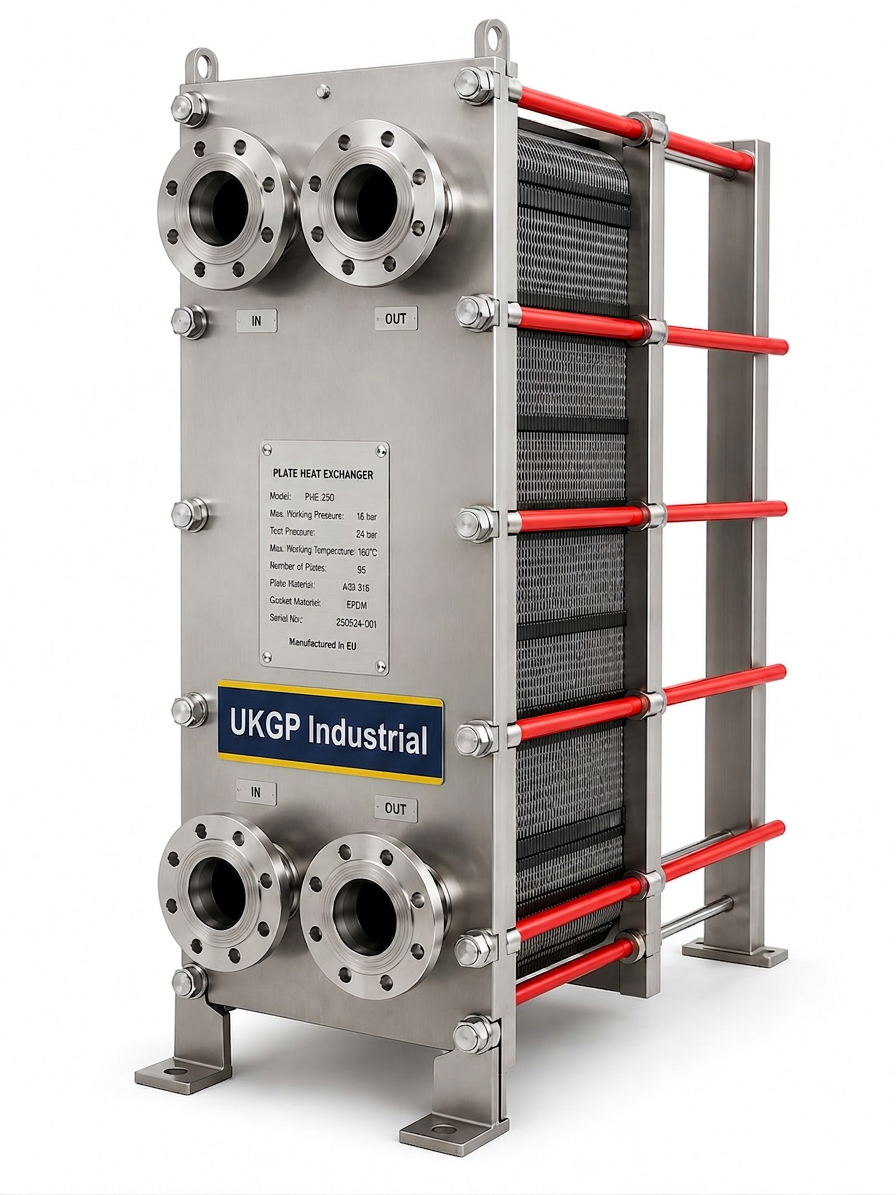
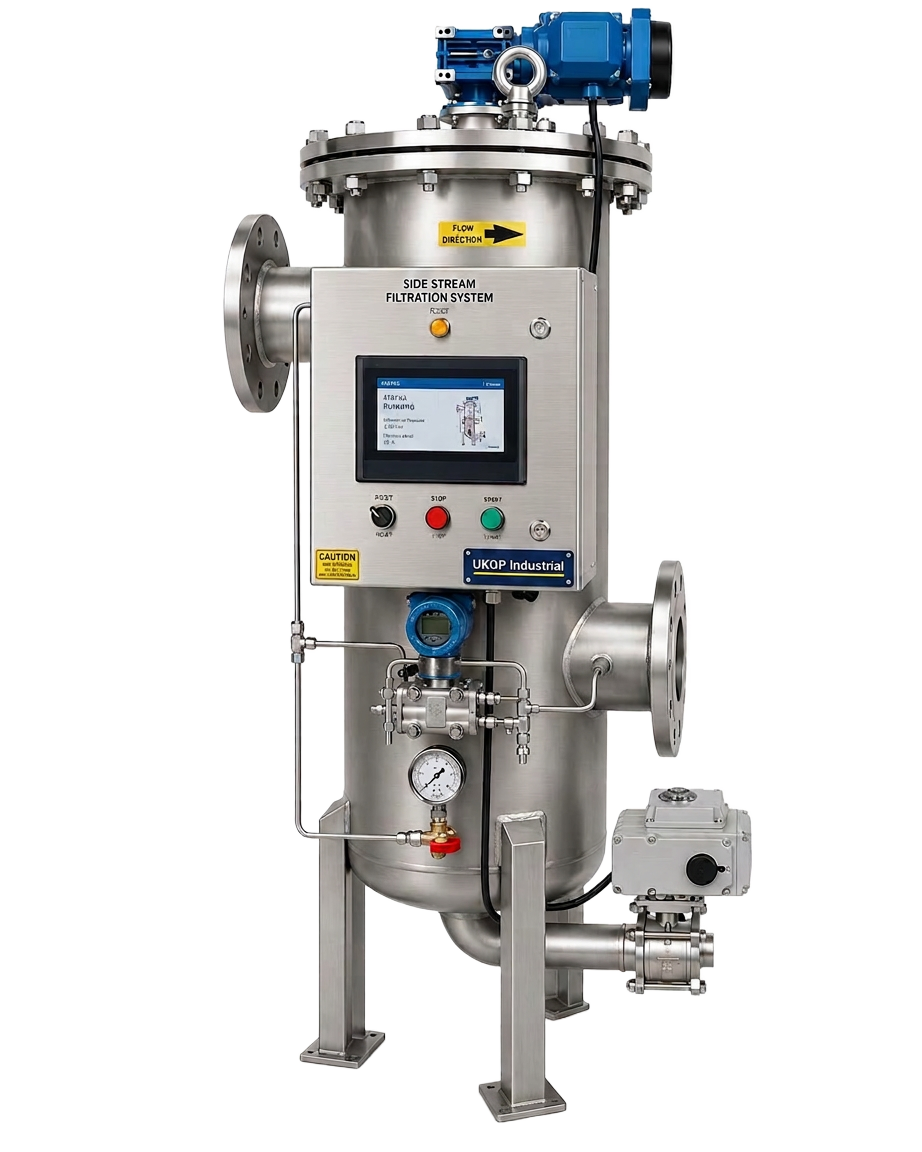
To get started on your next project, contact UKGP Industrial today for a competitive quote on our expansion joint pipe solutions. Whether you require flanged or weld-end connections, our team is ready to assist with sizing and material selection to ensure your HVAC or process system is protected against thermal movement for its entire operational life. By integrating our bellows with other products like our side stream filtration skids or plate heat exchangers, you can build a resilient, efficient, and BSRIA-compliant system with components designed to work together seamlessly. Don't compromise on the flexibility of your pipework—invest in quality UKGP expansion bellows for lasting peace of mind.
- Wide stock of DN15-DN600 bellows for immediate project requirements.
- Expert assistance with UK engineering standards and cross-referencing.
- Comprehensive 2-year warranty for peace of mind on all expansion products.
- Support for both flanged and weld-end installation preferences.
Frequently asked questions
What is the difference between EPDM and NBR for an expansion joint pipe?
- EPDM is the industry standard for HVAC systems involving hot and cold water as it offers excellent heat and weather resistance. NBR (Nitrile) is preferred for applications where the medium contains oils or hydrocarbons, which would cause EPDM to swell and fail.
Why does an expansion joint pipe need tie rods?
- Tie rods are used to limit the movement of the bellows and prevent over-extension or compression beyond their design limits, especially under high-pressure conditions where the 'pressure thrust' can otherwise force the joint apart.
How often should an expansion joint pipe be inspected?
- In accordance with BSRIA BG50, expansion joints should be inspected at least annually. Look for surface cracking in rubber, signs of corrosion on metallic bellows, and ensure that the pipe guides and anchors remain secure.
Can I use an expansion joint pipe for steam applications?
- Yes, but you must use a stainless steel expansion joint pipe rather than rubber. Stainless steel is rated for the much higher temperatures and pressures associated with steam process lines where rubber would quickly degrade.
What flange standards do UKGP expansion bellows support?
- Our range supports all common UK and European flange drillings, including EN1092-2 PN16 and PN25, as well as BS10 Table D/E and ANSI standards upon request for both rubber and stainless steel variants.