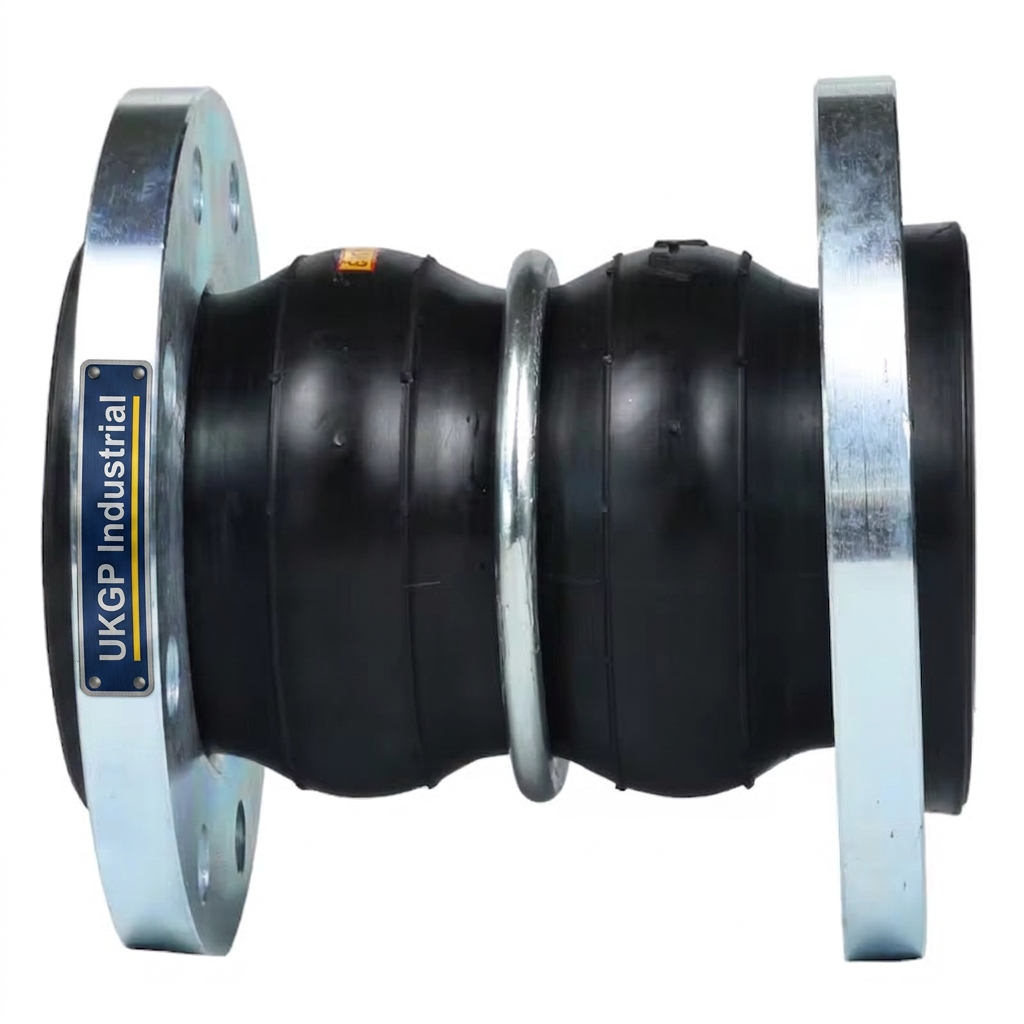
Acoustic Insulation and Vibration Isolation
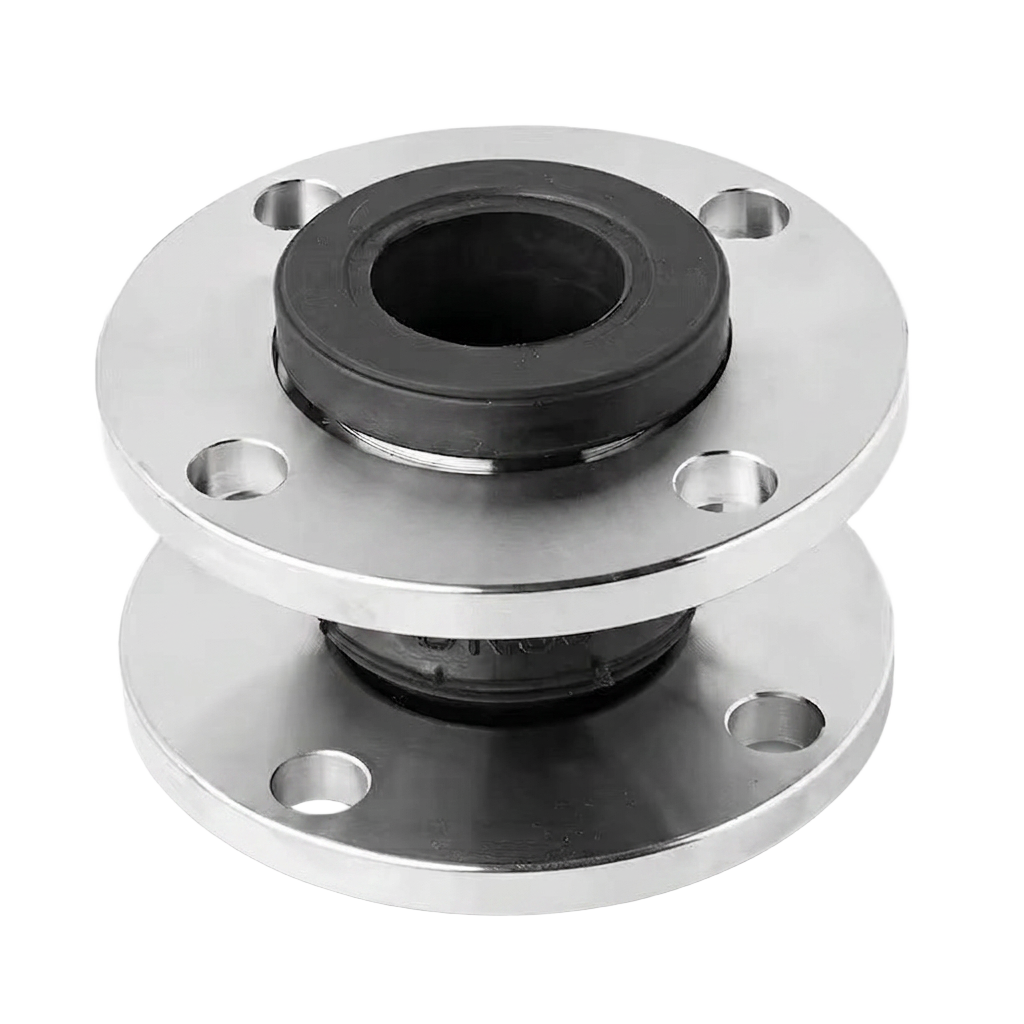
The primary function of an expansion joint bellows positioned at the pump interface is the attenuation of noise and the isolation of high-frequency vibrations. Pumps are dynamic machines that naturally generate oscillation during operation; without adequate flexible connections, these vibrations travel through the rigid piping system, leading to fatigue in joints, supports, and sensitive instrumentation. By installing a precision-engineered UKGP expansion joint bellows, building services consultants can ensure that noise transmission is minimised, particularly in environments such as hospitals or high-end residential developments where acoustic performance is a strict KPI within the design brief. This protective measure significantly reduces the risk of structural resonance which can lead to catastrophic long-term failure if ignored.
From an engineering perspective, the elastomeric properties of EPDM or NBR rubber bellows are particularly effective for water-borne noise damping. Unlike rigid piping, the flexible nature of the expansion joint bellows allows it to absorb the energy pulses originating from the pump impeller. This is not merely a matter of comfort but a critical requirement for adhering to CIBSE guidelines regarding mechanical vibration in occupied buildings. When specifying these components, contractors must account for the specific frequency ranges expected at full and partial pump loads, ensuring the selected bellows material and construction provide the necessary damping coefficient. UKGP provides a range of solutions that cater to these specific acoustic requirements, ensuring your plant room remains compliant and quiet.
Furthermore, the reduction in mechanical stress on the pump casing itself cannot be overstated. When a system is rigid, every thermal expansion or contraction event puts immense pressure on the flange connections of the pump. By utilizing an expansion joint bellows, the pump is effectively 'decoupled' from the pipework, allowing for small amounts of axial, lateral, and angular movement without transferring load to the pump bearings or seals. This proactive approach to system design extends the mean time between failures (MTBF) for expensive pumping equipment, providing a clear commercial advantage for facilities management teams responsible for lifecycle costs. Our industrial-grade bellows are designed to meet these exact challenges, providing peace of mind for site engineers and procurement leads alike.
- Attenuation of high-frequency mechanical vibration at the source
- Reduction of noise transmission through the pipework network
- Protection of sensitive system components from structural resonance
- Compliance with CIBSE and BSRIA BG50 acoustic standards
Handling Thermal Expansion in Pump Manifolds
Thermal dynamics pose a significant risk to the structural integrity of large-scale pumping stations and plant rooms. As water temperatures fluctuate during heating or cooling cycles, pipework undergoes predictable physical expansion and contraction. Without a correctly specified expansion joint bellows, this movement can cause severe misalignment at the pump suction and discharge flanges. For M&E contractors, the challenge lies in calculating the total thermal movement according to BS EN 14917 standards and ensuring the bellows selected can handle the expected stroke. UKGP offers expansion bellows in DN15 to DN600 sizes, providing versatile solutions for everything from small secondary loops to massive main distribution headers in district heating schemes.
Misalignment caused by thermal stress is a frequent cause of leaking gaskets and distorted casing in centrifugal pumps. An expansion joint bellows facilitates the necessary flexibility to absorb this growth safely. When engineers specify stainless steel or fabric bellows for high-temperature applications, they are ensuring that the thermal forces do not exceed the allowable nozzle loads of the equipment. This is particularly vital in systems operating at high pressures where the force of expansion can be measured in tonnes. By integrating our flanged or weld-end bellows, project managers can mitigate the risk of costly rework during the commissioning phase, ensuring that the installation aligns with the best practices outlined in BSRIA BG29 and BG50 documents.
It is also critical to consider the positioning of anchors and guides when installing an expansion joint bellows near a pump. Without proper anchoring, the internal pressure of the system can cause the bellows to extend beyond its design limits, leading to premature failure. UKGP’s technical team frequently advises on the correct placement of tie bars and control units to prevent such occurrences. Whether you require EPDM for standard LTHW systems or PTFE-lined bellows for more aggressive chemical environments, our range is designed for durability and ease of installation. We offer a 2-year warranty on our bellows, reflecting our confidence in the build quality and the reassurance required for high-stakes UK infrastructure projects and commercial plant room upgrades.
- Absorption of axial, lateral, and angular thermal movement
- Prevention of excessive nozzle loads on pump casings
- Available in DN15-DN600 with flanged or weld-end connections
- Options include EPDM, NBR, stainless steel, and PTFE materials
Material Selection for Longevity and Compliance
Selecting the correct material for an expansion joint bellows is not a one-size-fits-all process. For the majority of UK building services applications involving chilled water or LTHW, EPDM rubber is the standard choice due to its excellent flexibility and temperature resistance. However, in environments where oil or hydrocarbons may be present, NBR (Nitrile) is required to prevent degradation of the material. UKGP stocks a wide array of options to ensure that the chemical compatibility of the bellows matches the system fluid, avoiding the risk of swelling or cracking that can lead to system downtime. Consulting the BS 8552 guidelines on water quality can often inform the best material choice for long-term reliability.
In steam or high-pressure primary circuits, stainless steel expansion joint bellows are often preferred for their robustness and ability to withstand extreme temperatures. These are precisely engineered components that must be manufactured to rigorous standards to ensure they do not become the weak point in the system. Our stainless steel variants are available with various end fittings to suit the specific needs of the contractor, whether they are working on a new build or a retrofitted plant room. The technical specification of these bellows ensures that they can handle the cyclic loading inherent in systems with variable speed drives (VSDs) on the pumps, where flow rates and pressures are constantly shifting.
When dealing with aggressive media or specific industrial processes, PTFE and fabric expansion joint bellows offer unique advantages. PTFE is virtually inert and provides exceptional resistance to chemical attack, making it ideal for dosing lines or specialised cooling systems. Fabric bellows, on the other hand, are often used in ductwork or low-pressure large-diameter applications where extreme flexibility is required. Regardless of the material, a UKGP expansion joint bellows is a mark of quality. We invite procurement leads and plant room engineers to contact us for a detailed quote, ensuring your next project benefits from our two-year warranty and extensive technical expertise in fluid handling and thermal management systems.
- EPDM and NBR options for standard HVAC and oil-contaminated water
- Stainless steel bellows for high-temperature and steam applications
- PTFE-lined variants for chemical resistance and process purity
- Compliance with BS EN 14917 for flexible pipework design
Protecting System Hygiene with Air and Dirt Separators
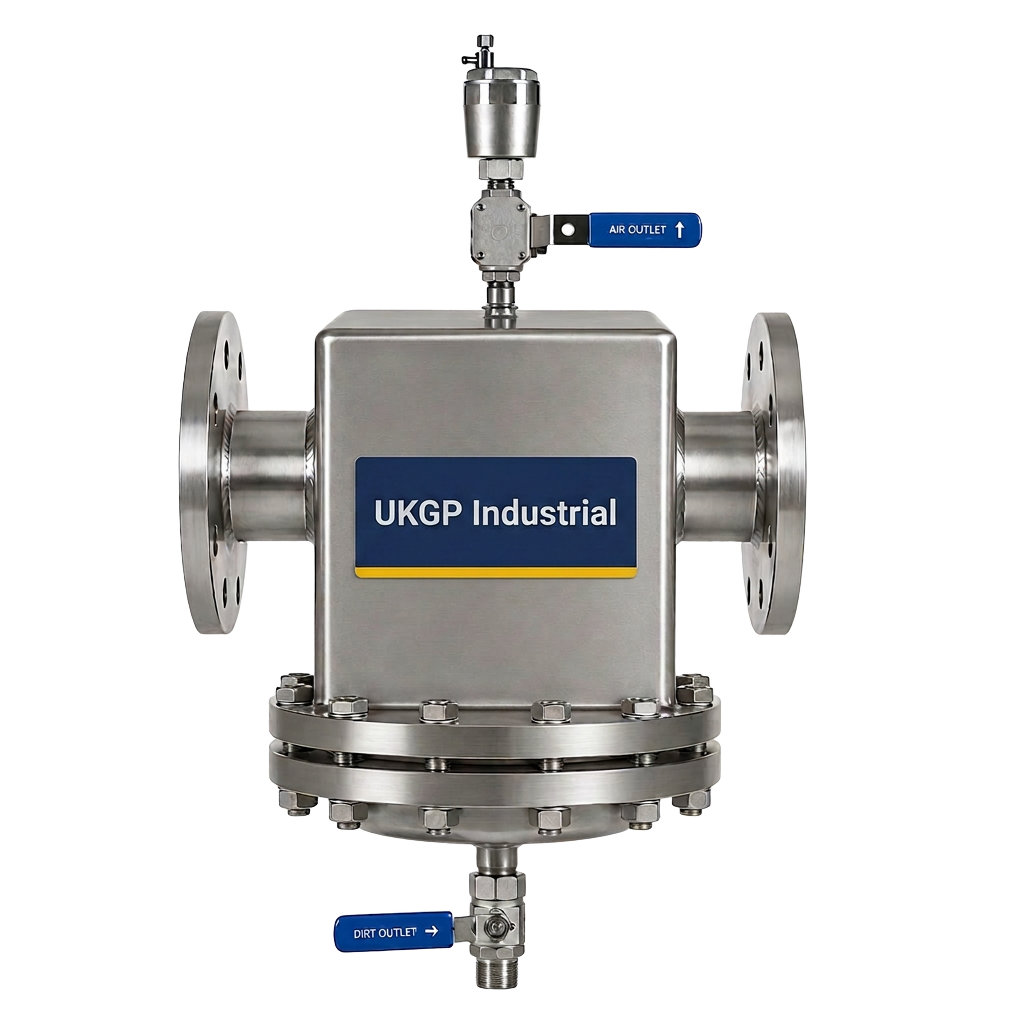
While an expansion joint bellows protects the system from mechanical stress, the internal health of the pipework is equally important. Air and dirt separators play a crucial role in maintaining the efficiency of the heat transfer process and protecting the pump seals that the bellows are also designed to safeguard. Microbubbles and debris can cause erosion within the pump housing and degrade the internal lining of flexible bellows over time. By installing a high-efficiency separator alongside your expansion joint bellows, you create a robust environment that adheres to BSRIA BG29 pre-commission cleaning and ongoing maintenance standards, ensuring the entire system runs at peak performance.
Entrained air in a system can lead to cavitation within the pump, a phenomenon that causes significant vibration and noise—exactly the issues an expansion joint bellows is trying to mitigate. By removing air at the point of lowest pressure and highest temperature, air and dirt separators prevent the 'pitting' of metal surfaces and the oxidation of system components. This synergy between filtration and flexibility is what defines a modern, well-engineered plant room. At UKGP, we provide the full suite of components necessary to protect your pumps, from the flexible bellows that handle movement to the separators that ensure fluid cleanlines, all supported by our technical guidance for M&E contractors.
The removal of magnetite and other suspended solids is non-negotiable in systems featuring high-efficiency pumps with permanent magnet motors. These pumps are highly sensitive to debris, which can accumulate in areas of low flow. Integrating a dirt separator with a magnetic insert ensures these particles are captured before they can cause damage. When you combine this with the vibration-damping properties of an expansion joint bellows, you are implementing a dual-layer protection strategy. This holistic approach to system design is what UK building services consultants recommend to ensure long-term operational stability and to satisfy the requirements of FM leads who demand low-maintenance, high-reliability installations.
- Prevention of cavitation to protect pump impellers and seals
- Removal of magnetite to safeguard high-efficiency pump motors
- Synergistic protection alongside flexible expansion joints
- Ensuring compliance with BSRIA BG29 water quality standards
Installation Best Practices for Pump Bellows
The installation of an expansion joint bellows must be carried out with precision to ensure it performs as intended. One of the most common errors in plant room assembly is over-compressing or over-extending the bellows during fit-up. It is vital that the bellows is installed at its correct neutral length, as specified by the manufacturer, to allow for the full range of movement in both directions. Engineers should also ensure that the pipework is correctly aligned before the expansion joint bellows is bolted into place; using the bellows to 'take up' a significant misalignment will lead to premature failure and potentially void your 2-year warranty. Proper alignment is a core tenet of professional M&E contracting.
Tie bars are another critical consideration for expansion joint bellows installation on pump discharge lines. Under pressure, a bellows will naturally try to extend; tie bars act as limiters to prevent the bellows from over-stretching and damaging the pump nozzle or the pipe supports. However, if the tie bars are incorrectly adjusted, they can inhibit the very movement the expansion joint bellows was installed to provide. It is this balance of restraint and flexibility that requires the expert eye of a plant-room engineer. At UKGP, we supply our bellows with clear technical data sheets to assist site teams in achieving the perfect installation every time, regardless of whether they are using flanged or weld-end versions.
Finally, regular inspection of the expansion joint bellows during routine maintenance is highly recommended by BSRIA BG50. Signs of ageing, such as surface cracking in rubber bellows or 'squirm' in metal bellows, should be addressed immediately to prevent an unplanned outage. Because pumps are often the heart of a building's HVAC system, a failure here can have a massive impact. Procurement leads should look for suppliers who offer a comprehensive range of spares and technical support. Our Surrey-based team is always available to provide advice on the correct expansion joint bellows for your specific application, ensuring your project meets all commercial and technical benchmarks from day one.
- Ensure installation at neutral length to maximise movement capacity
- Use tie bars correctly to prevent over-extension under system pressure
- Verify flange alignment per BSRIA and CIBSE best practices
- Schedule periodic inspections as part of a BG50 maintenance regime
Why Choose UKGP for Your Expansion Bellows Needs
When it comes to sourcing an expansion joint bellows, UKGP Industrial stands out as a leading Surrey-based supplier with a deep understanding of the UK HVAC market. We recognise that M&E contractors and consultants need more than just a part; they need technical assurance and commercial reliability. Our range of expansion bellows, covering DN15 to DN600, ensures that we have the right size for any application, whether it is a small dosing pot line or a primary plant room pump set. With materials ranging from EPDM and NBR to stainless steel and PTFE, we provide the versatility required for diverse British engineering projects and industrial specifications.
Our commitment to quality is backed by a robust 2-year warranty on our expansion joint bellows, giving project leads the confidence they need in their supply chain. We understand the pressures of project timelines, which is why we maintain high stock levels and provide rapid quotes to keep your installation on track. By choosing UKGP, you are partnering with a specialist that understands the nuances of BSRIA BG29/BG50 and CIBSE guidelines, ensuring that the products you install are fully compliant with the latest industry standards. Our bellows are designed for longevity, reducing the total cost of ownership for end-users and facilities managers alike.
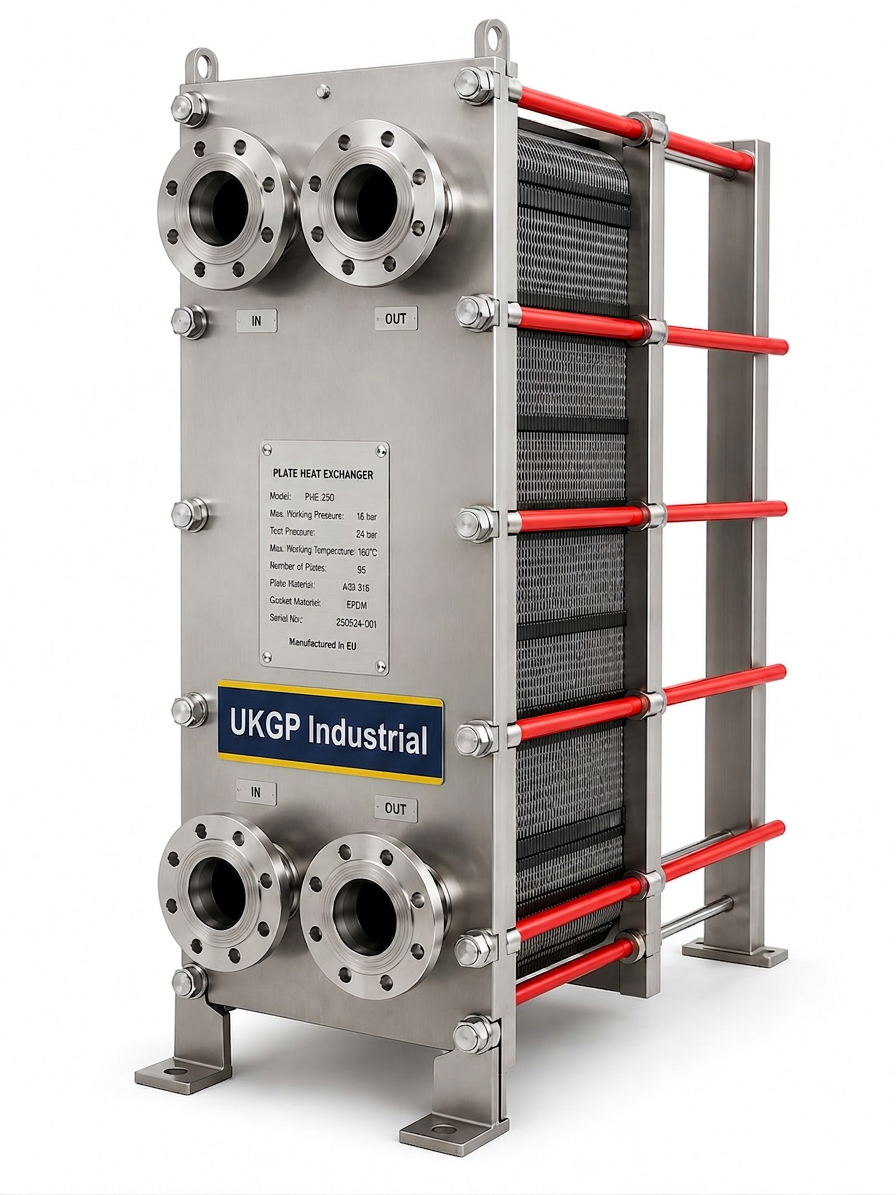
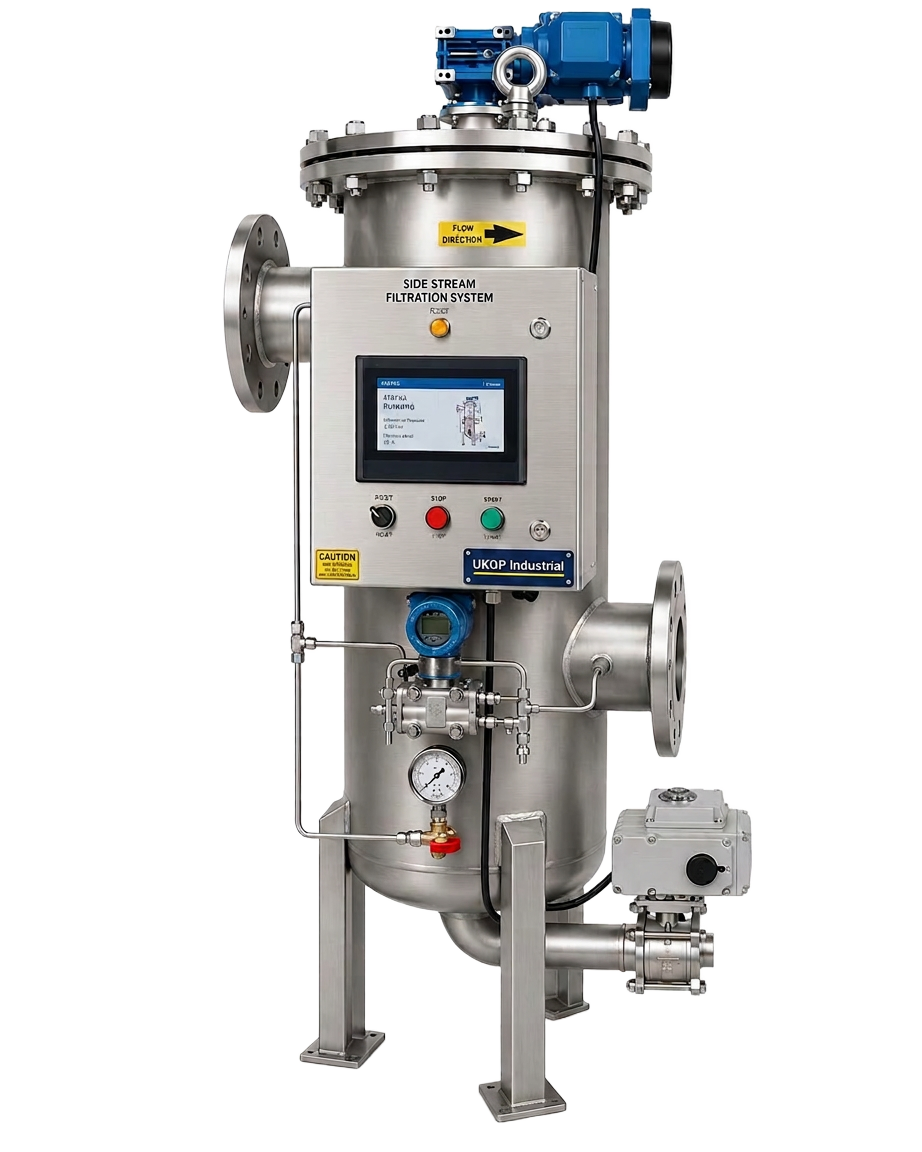
Beyond just expansion joint bellows, our expertise extends across the entire plant room spectrum, including side stream filtration, heat exchangers, and dosing pots. This holistic view of the system allows us to provide better advice on how each component interacts. If you are currently designing a pump manifold or looking to replace an existing flexible connection, contact UKGP for a competitive quote. Our technical sales team is ready to assist you in selecting the perfect expansion joint bellows (rubber EPDM/NBR, stainless steel, PTFE and fabric; DN15-DN600, flanged or weld-end) to ensure your system operates safely, quietly, and efficiently for years to come.
- Surrey-based expertise with a focus on UK engineering standards
- Extensive range of materials including EPDM, NBR, and Stainless Steel
- Fast turnaround on quotes and reliable stock availability
- Two-year warranty for peace of mind on every installation
Frequently asked questions
What is the primary purpose of an expansion joint bellows at a pump?
- The primary purpose is to isolate the pipework from pump-generated vibration and noise, while also absorbing thermal expansion and contraction to protect the pump casing and flange connections from mechanical stress.
Should I use rubber or stainless steel for my expansion joint bellows?
- Rubber (EPDM/NBR) is typically used for LTHW and chilled water systems due to superior vibration damping. Stainless steel is preferred for high-temperature steam applications or where chemical compatibility requires it.
What standards should I reference for installing expansion joint bellows?
- In the UK, you should refer to BSRIA BG29/BG50 for system maintenance and water quality, CIBSE guides for acoustic performance, and BS EN 14917 for the design and selection of metal bellows.
Are tie bars necessary for all expansion joint bellows?
- Tie bars are essential on pump discharge lines or any high-pressure application where the pressure thrust could cause the bellows to over-extend. They help control the movement within the bellows' designed limits.
What sizes and connection types does UKGP offer?
- UKGP provides expansion joint bellows from DN15 to DN600 sizes, available with either flanged or weld-end connections to suit various installation requirements in UK plant rooms.