Defining the Core Expansion Bellows Types
In modern UK building services, expansion bellows types are generally categorised by their construction materials and the specific movement they are designed to accommodate. The three most common variants include rubber EPDM or NBR, stainless steel, and specialized PTFE or fabric solutions. Each category serves a distinct role in managing the thermal expansion of pipework while isolating vibrations from pumps and chillers. Correct identification of these types during the design phase prevents premature fatigue and ensures the system remains compliant with BS EN 14917. Selecting the wrong type can lead to catastrophic anchor failure or pipework deformation, especially in high-pressure steam or LTHW circuits where temperature swings are significant.
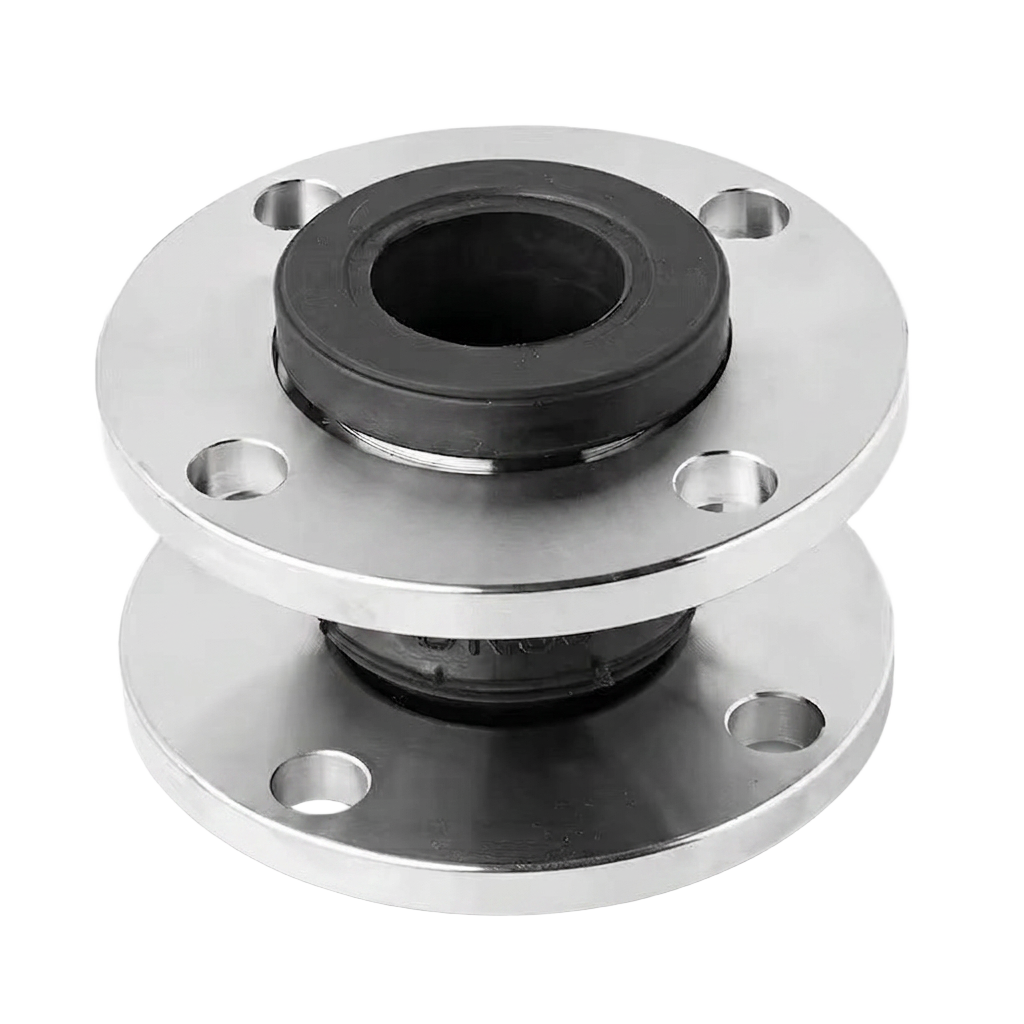
Rubber expansion bellows types, typically fashioned from EPDM with synthetic reinforcement, are the industry standard for noise and vibration attenuation. They are incredibly flexible and cost-effective for systems operating within moderate temperature ranges, such as chilled water or domestic hot water. For petrochemical applications or systems where oil presence is likely, NBR (Nitrile) variants are preferred to prevent material degradation. These bellows are often supplied as flanged units, ranging from DN15 to DN600, providing ease of installation for M&E subcontractors. UKGP Industrial offers a complete range of these units, featuring a robust 2-year warranty to provide peace of mind for facility managers and procurement leads looking for reliable plant-room components.
Choosing between these expansion bellows types requires a deep understanding of the medium being transported and the surrounding environment. While rubber excels at vibration isolation, stainless steel metallic bellows are indispensable for high-pressure and high-temperature environments where elastomer units would fail. BSRIA BG29/2021 highlights the importance of selecting equipment that can withstand the rigorous chemical cleaning and flushing processes typical of new builds. Failure to account for the chemical compatibility of the bellows membrane during the pre-commissioning cleaning phase can lead to system-wide contamination or leaks. Therefore, consulting with a specialist supplier like UKGP Industrial during the specification phase ensures that the technical requirements of the project are met with the correct hardware.
- Rubber EPDM Bellows: Ideal for vibration isolation and LTHW/CHW applications.
- Stainless Steel Bellows: Required for high-pressure, steam, and large thermal movements.
- PTFE Bellows: Specifically designed for highly corrosive chemical dosing environments.
- Fabric Bellows: Used primarily in ducting and low-pressure air handling systems.
Axial vs Lateral Movement in Expansion Bellows Types
Understanding how different expansion bellows types handle movement is the cornerstone of effective pipework stress analysis. Axial bellows are designed to compress or extend along the longitudinal axis of the pipe, making them perfect for straight runs where thermal growth occurs. These units often feature internal sleeves to protect the bellows from high-velocity flow and to prevent turbulent conditions that could interfere with pH sensors or transmitters downstream. In contrast, lateral expansion joints are engineered to absorb movements perpendicular to the pipe axis. These are frequently used when traversing building expansion joints or in layouts where pipework changes direction, requiring a more complex mechanical response than a standard axial unit could provide.
For complex plant rooms where movement may occur in multiple planes, universal or angular expansion bellows types are specified. These units employ tie rods or hinge mechanisms to control the direction of movement and ensure the bellows does not over-extend beyond its design limit. CIBSE Guide B emphasizes that the force required to compress a bellows, known as the spring rate, must be accounted for in the design of the pipe anchors and guides. If the spring rate is too high for the chosen support structure, the bellows will not function as intended, potentially transferring damaging loads to delicate heat exchangers or boilers. This is why selecting a precision-engineered UKGP expansion bellows is critical for system longevity.
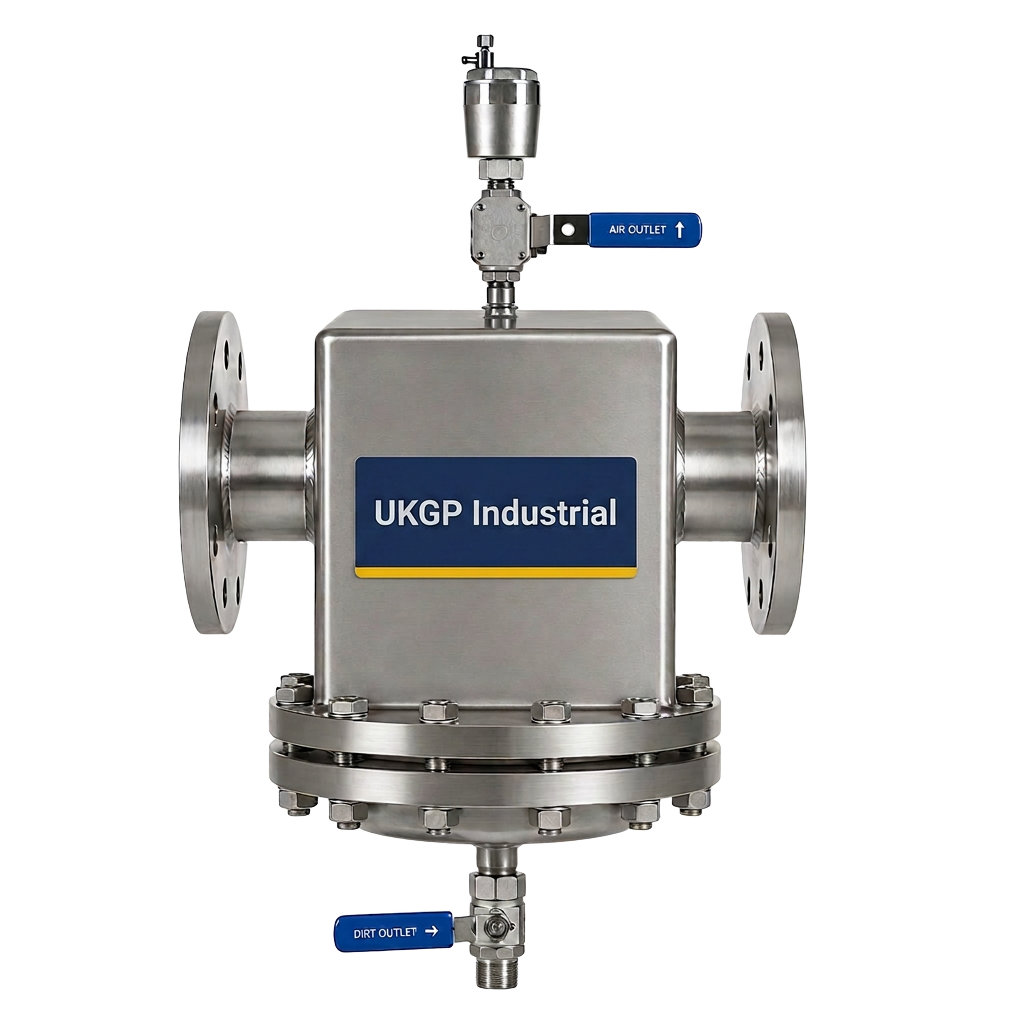
Integrating the correct expansion bellows types also has a direct impact on the efficiency of other plant room components. For instance, excessive vibration and turbulence caused by misaligned or incorrectly specified bellows can impede the performance of air and dirt separators, which rely on stable laminar flow for optimal particulate removal. By ensuring that movement is controlled and vibration is dampened at the source, engineers can protect the entire hydraulic circuit. Whether you are installing a DN50 unit for a small commercial unit or a DN600 flanged bellows for a district heating scheme, the mechanical principles remain the same: match the bellows movement capability to the calculated thermal expansion of the pipe material.
- Axial Movement: Linear compression and extension along the pipe axis.
- Lateral Movement: Offset movement occurring at 90 degrees to the pipe direction.
- Angular Movement: Rotational movement often managed by hinged or gimbal expansion joints.
- Torsional Stress: A movement type that most expansion bellows are not designed to handle.
Material Compatibility and BS EN 14917 Compliance
Material selection is a defining factor in distinguishing between expansion bellows types. Stainless steel bellows, often 304 or 316L grade, offer exceptional resistance to heat and pressure, adhering to BS EN 14917 standards for metallic expansion joints. These are particularly sought after in steam systems where EPDM would perish rapidly. However, in low-temperature applications, stainless steel may be overkill, and the vibration-damping properties of a rubber EPDM bellows would be superior. UKGP Industrial provides experts with the technical data needed to make these distinctions, ensuring that every bellows supplied, whether weld-end or flanged, fits the specific pressure-temperature profile of the building's HVAC system.
Corrosion resistance is another significant factor, especially when dealing with chemical dosing or water treatment systems. In these scenarios, PTFE-lined expansion bellows types are the preferred choice, as they provide the flexibility of a traditional bellows with the chemical inertness required to survive harsh dosing agents. This is particularly relevant when the system includes chemical dosing pots, where concentrated inhibitors or biocides are introduced. Using a standard rubber bellows in close proximity to a dosing point without verifying chemical compatibility can result in the elastomer swelling or cracking, leading to system failure. Designers must always refer to manufacturer compatibility charts to ensure the bellows material is suitable for the specific glycol or inhibitor concentrations used.
Environmental factors also play a role in selecting expansion bellows types. For outdoor installations or saline environments near the coast, stainless steel bellows may require additional protective coatings or higher-grade alloys to prevent stress corrosion cracking. Similarly, for indoor plant rooms, the bellows must be fire-rated or meet specific smoke emission standards if they are located in escape routes. UKGP expansion bellows are designed with these diverse UK environmental challenges in mind, offering flanged or weld-end configurations from DN15 up to DN600. By choosing a manufacturer that understands the nuances of the UK market and British Standards, contractors can reduce their risk profile and deliver a more robust installation for the end-user.
- EPDM: Standard for LTHW and CHW, limited to 100-110 degrees Celsius.
- NBR: Resistant to oils and fats, essential for specific industrial environments.
- Stainless Steel: For high-pressure steam and high-temperature thermal oil systems.
- PTFE: Essential for acidic or highly alkaline media in chemical processing.
Installation and Maintenance Best Practices
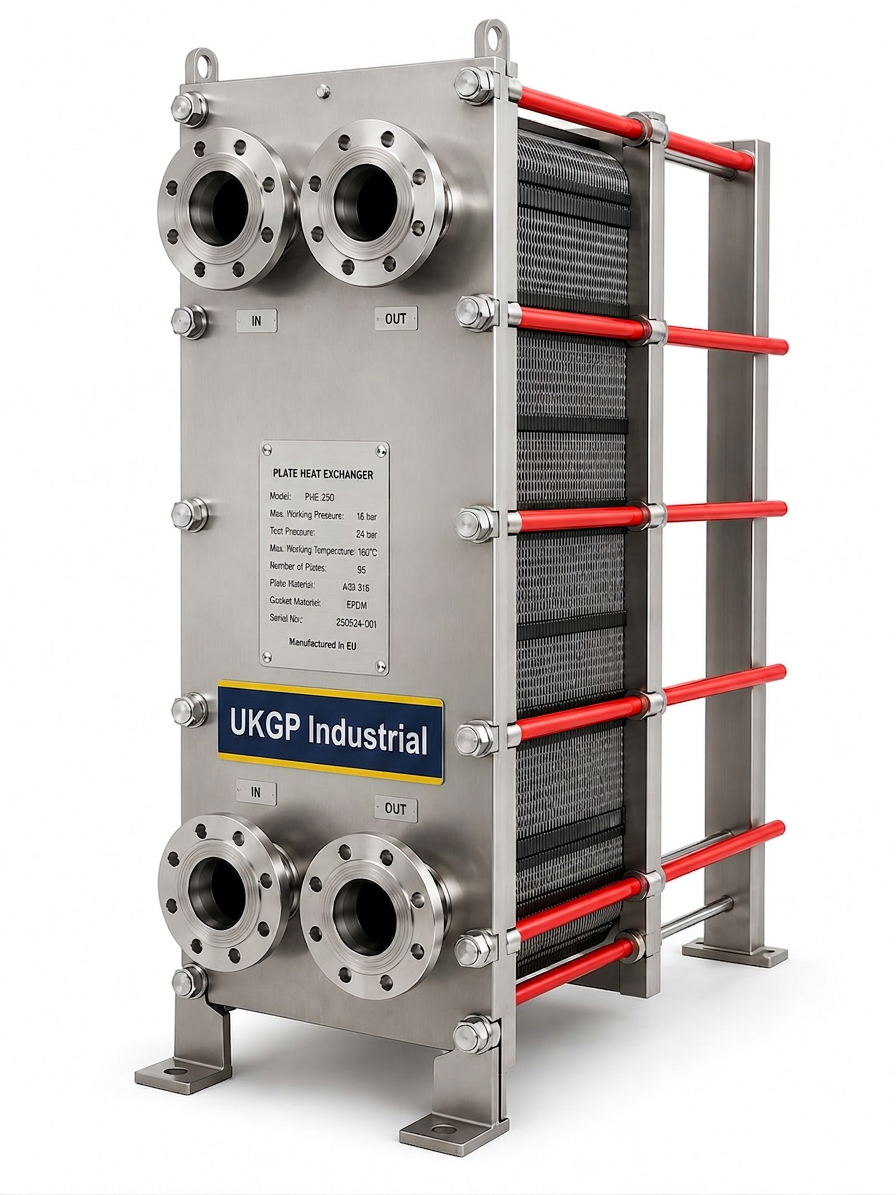
The installation phase is where the choice of expansion bellows types is put to the test. One of the most common causes of bellows failure in the UK is the 'over-stretching' of the unit during installation to make up for pipework misalignment. Expansion bellows are precision components, not a means to fix poor fabrication. BSRIA BG50 highlights that incorrect installation of expansion joints can lead to premature failure of the bellows and the primary equipment it is meant to protect, such as pumps or plate heat exchangers. Ensuring the pipework is correctly guided and anchored is non-negotiable; without proper anchoring, the internal pressure of the system will simply force the bellows to its full extension, rendering it useless for thermal compensation.
Regular inspection of all expansion bellows types is a requirement under most facility management PPM (Planned Preventative Maintenance) schedules. Engineers should look for signs of 'ageing' in rubber bellows, such as surface cracking, hardening, or deformation known as 'ballooning'. For metallic bellows, signs of fatigue like micro-cracking in the convolutions or pitting corrosion should be monitored. Because UKGP Industrial products come with a 2-year warranty and are manufactured to rigorous standards, they offer a reliable baseline, but even the best hardware requires a clean system to thrive. Maintaining water quality as per BS 8552 is essential to prevent solids from settling in the bellows convolutions, which can restrict movement and cause localized corrosion.
When replacing a unit, it is vital to match the exact specifications of the original expansion bellows types. This includes the flange drilling, the face-to-face dimension, and the movement capability. A common mistake is replacing a tied bellows with an untied version, which can lead to uncontrolled pipe movement and catastrophic failure of the support structure. UKGP Industrial’s range of DN15-DN600 bellows ensures that whether you are performing a like-for-like replacement or a new install, you have access to the correct specification quickly. Our commitment to supporting M&E contractors means we provide the technical data sheets required to verify that the replacement part meets the original design intent and CIBSE recommendations.
- Avoid over-extension: Never use a bellows to bridge gaps caused by poor pipe alignment.
- Guide and Anchor: Ensure the pipework follows BSRIA guidelines for support.
- Convolution Cleaning: Prevent debris buildup in metallic bellows to avoid stress points.
- Record Keeping: Document the installation date and movement settings for future PPM.
The Role of Expansion Bellows in System Stability
Integrating expansion bellows types into a system is not just about managing heat; it is about protecting the entire hydraulic architecture. In systems with low loss headers, the stability of the primary and secondary circuits is paramount. If thermal stress is allowed to transfer to the header or the connected boilers, it can cause leaks at the threaded or flanged connections. By using high-quality expansion bellows, engineers create a 'buffer' that absorbs these stresses, allowing the components to operate within their mechanical limits. This is particularly important in modern high-efficiency systems where pipe wall thicknesses are often reduced to save weight and cost, making them more susceptible to damage from thermal expansion.
Furthermore, the use of bellows is critical in protecting delicate electronic monitoring equipment. High-frequency vibrations from pumps can interfere with the accuracy of pH sensors & transmitters, leading to incorrect readings and potential overdosing of chemicals. By selecting expansion bellows types with high vibration-damping coefficients, such as rubber EPDM units, these vibrations are trapped at the source, ensuring a stable environment for sensitive instrumentation. UKGP Industrial recognizes this synergy between mechanical protection and digital monitoring, providing a holistic range of plant room solutions that ensure every part of the system works in harmony to meet BSRIA BG29 water quality standards.
Ultimately, the cost of a high-quality expansion bellows is negligible compared to the cost of a system shutdown or the repair of a major piece of plant. Procurement leads and FMs should prioritize long-term value over initial purchase price. A UKGP expansion bellows, with its 2-year warranty and diverse material options (EPDM, NBR, Stainless Steel, PTFE, and Fabric), represents a sound commercial investment. Whether you are dealing with a DN15 domestic line or a DN600 industrial header, the peace of mind provided by a correctly specified and manufactured bellows is invaluable in the high-stakes world of UK commercial building services and mechanical engineering.
- Proximity to Plant: Always install bellows as close to the vibrating source as possible.
- Support Logic: First pipe guide should be within 4 pipe diameters of the bellows.
- Pressure Rating: Ensure the bellows is rated for the system's test pressure, not just its operating pressure.
- Standardisation: Using a single reliable supplier like UKGP simplifies future maintenance and spares.
Final Selection Criteria for Bellows
When finalizing your selection of expansion bellows types, the decision matrix must include temperature, pressure, media, and movement requirements. For most UK commercial heating systems, an EPDM rubber bellows will be the most versatile and cost-effective choice. However, for tertiary cooling or specialized industrial processes, NBR or PTFE may be required. Stainless steel remains the king of the steam room, provided the water chemistry is managed to prevent chloride-induced stress corrosion. UKGP Industrial stands ready to assist in this selection process, offering a wide range of flanged and weld-end bellows that meet the rigorous standards expected by Tier 1 M&E contractors and consultants.
Contractors must also consider the ease of installation. A flanged DN600 rubber bellows is significantly easier to install and replace than a weld-end metallic unit of the same size, which requires skilled coding and potentially more downtime. However, the metallic unit may offer a longer service life in extreme conditions. This trade-off between installation convenience and long-term durability is a key part of the value engineering process. At UKGP Industrial, we provide the technical transparency needed to make these decisions, backed by a product range that covers the full spectrum of HVAC requirements in the UK market today.
In summary, understanding expansion bellows types is not merely a mechanical necessity but a strategic advantage in building services. By adhering to BSRIA and CIBSE guidelines and choosing high-specification components from UKGP Industrial, you ensure that your projects are delivered to the highest standard of engineering excellence. Our expansion bellows, available in various configurations and sizes from DN15 to DN600, are the preferred choice for professionals who demand reliability, compliance, and commercial value. Contact us today to discuss your project specifications and receive a tailored quote for your next plant room installation.
- Temperature Limits: Check the maximum operating temperature of the elastomer or metal.
- Chemical Compatibility: Ensure the medium does not react with the bellows membrane.
- Size Range: UKGP offers DN15 to DN600 to cover all commercial piping needs.
- Warranty Guardrail: Our 2-year warranty protects your investment and reputation.
Frequently asked questions
What are the most common expansion bellows types used in the UK?
- The three most common types are rubber EPDM bellows for HVAC, stainless steel bellows for high-temperature/pressure steam, and PTFE-lined bellows for chemical resistance.
How do I choose between flanged and weld-end expansion bellows?
- Flanged bellows (available DN15-DN600) are easier to replace and maintain, making them ideal for commercial plant rooms. Weld-end bellows are often used for high-pressure or permanent industrial installations where a leak-proof seal is critical.
Does BSRIA have guidelines for expansion bellows?
- Yes, BSRIA BG29 and BG50 provide guidance on the installation, flushing, and maintenance of systems containing expansion bellows to ensure they aren't damaged by debris or improper commissioning.
What is the warranty on UKGP expansion bellows?
- All UKGP expansion bellows, including rubber, stainless steel, and fabric types, come with a comprehensive 2-year warranty as standard.
Can rubber expansion bellows be used for steam?
- Generally no. Rubber expansion bellows types like EPDM are typically rated to a maximum of 110C. For steam applications, stainless steel bellows are required to handle the higher temperatures and pressures safely.