The role of expansion bellows rubber in vibration isolation
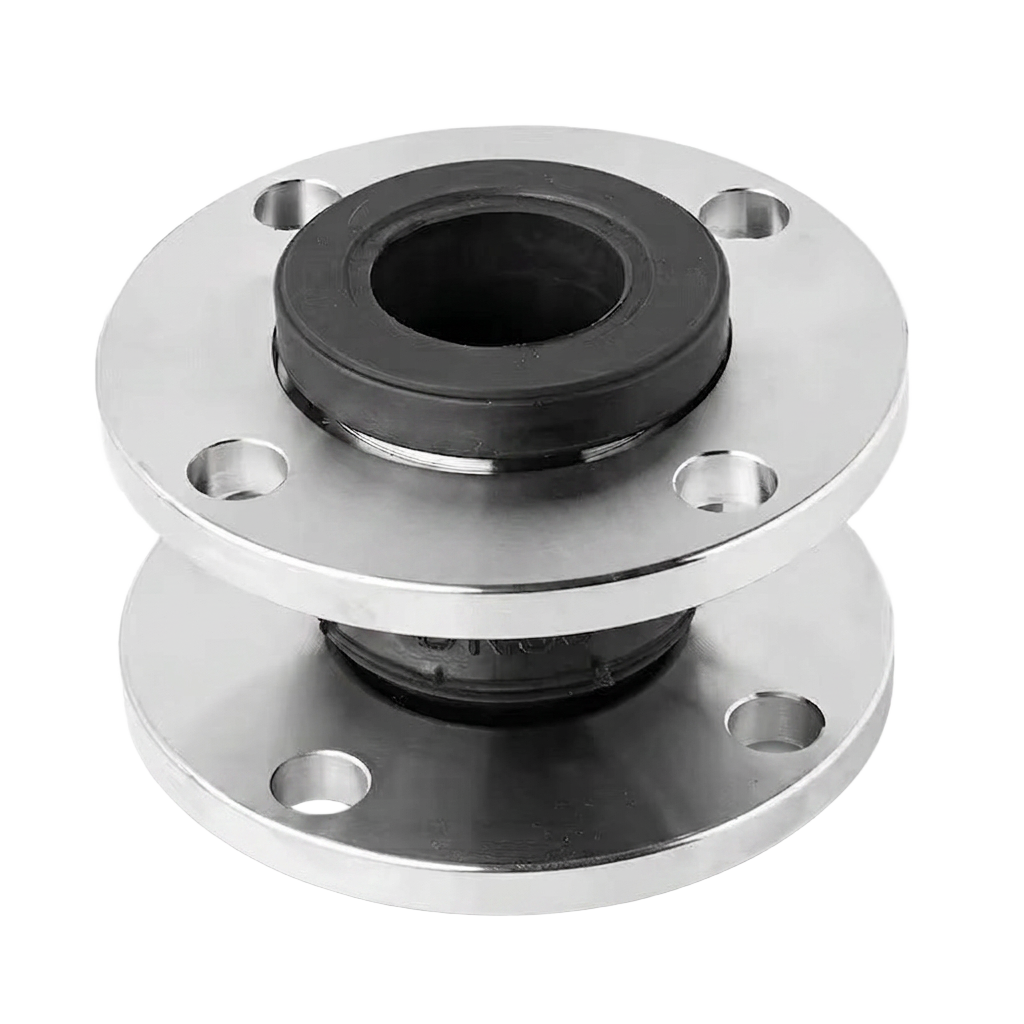
In modern UK commercial plant rooms, noise attenuation is often as critical as thermal compensation. When you specify expansion bellows rubber from UKGP Industrial, you are primarily looking to decouple high-frequency vibrations generated by pumps and chillers from the rest of the distribution network. Unlike stainless steel equivalents, rubber variants possess inherent damping qualities that absorb mechanical hum and prevent the structure-borne transmission of noise through the building's skeleton. This is particularly vital in residential developments, hospitals, and high-end office spaces where acoustic comfort is non-negotiable for the occupants.
Precision in material selection is paramount when dealing with varied media and temperatures. Our expansion bellows rubber units are available in EPDM for standard heating and chilled water, or NBR for applications involving oils and fats. These EPDM liners are engineered to withstand the rigorous demands of LTHW systems while maintaining their flexible integrity. By integrating these components at the suction and discharge ends of circulating pumps, engineers can significantly reduce the risk of fatigue at welded joints and flange connections, ensuring a longer operational lifecycle for the entire mechanical installation.
Furthermore, the flexibility of rubber allows it to handle multi-axial movements, including axial compression, lateral offset, and angular deflection. This makes the expansion bellows rubber an incredibly versatile component when compared to rigid metallic compensators that might require more complex anchoring. When UKGP provides these units, we ensure they meet the pressure and temperature ratings required for BS EN standard compliance, giving plant room installers peace of mind that the selected component is fit for purpose and capable of handling the dynamic stresses of a high-pressure commercial water circuit.
- Exceptional noise attenuation for sensitive environments
- High flexibility allowing for multi-directional movement
- Available in EPDM and NBR to suit different fluid types
- Reduction of mechanical stress on pump housings and flanges
Compliance with BSRIA and CIBSE guidelines
Adhering to BSRIA BG29 and BG50 is fundamental for the longevity of any closed-loop hydronic system in the UK. When you specify expansion bellows rubber, you must ensure that the system's chemical treatment regime does not adversely affect the elastomer. High concentrations of certain biocides or corrosion inhibitors used during pre-commission cleaning can degrade lower-quality rubbers. UKGP recommends a holistic approach, ensuring that your expansion bellows rubber selection is compatible with the intended water chemistry as outlined in BS 8552, preventing premature failure or leaks that could lead to system downtime.
CIBSE Guide L and Guide M highlight the importance of regular maintenance and the correct positioning of expansion joints. The placement of expansion bellows rubber units must be calculated alongside the fixed points and guides of the pipework to prevent 'squirm' or buckling. It is essential that engineers verify that the movement capabilities of the rubber bellows exceed the calculated thermal expansion of the pipe run. Our technical team supports consultants in these calculations, ensuring that the specify expansion bellows rubber process is backed by rigorous engineering data and the 2-year warranty provided with all our DN15 to DN600 units.
The environmental conditions within a plant room also play a role in the specification process. Factors such as ambient temperature, exposure to UV light, or presence of ozone can affect the outer cover of the bellows. UKGP's range of expansion bellows rubber is designed with robust outer layers to resist environmental degradation. When procuring for a project, providing the full operational envelope—including maximum working pressure and peak temperatures—allows us to supply a product that aligns perfectly with the design intent of the building services consultant and the maintenance requirements of the FM team.
- Alignment with BSRIA BG29/2021 pre-commissioning standards
- Compliance with CIBSE Guide M for long-term maintenance
- Verification of chemical compatibility with system additives
- Protection against environmental factors in plant room settings
Protecting heat exchangers with proper expansion control
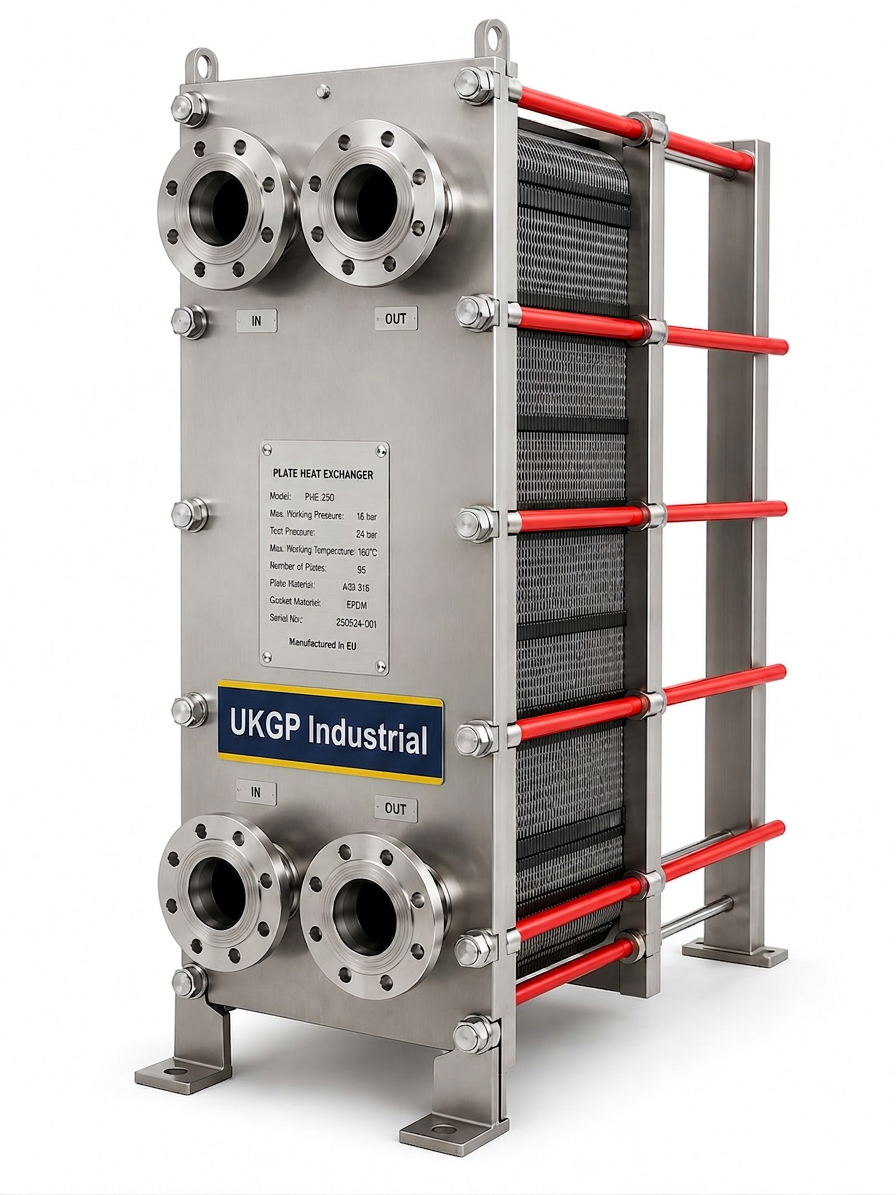
Plate heat exchangers are sensitive components that can be damaged by unmanaged thermal stresses or heavy vibration. By choosing to specify expansion bellows rubber at the primary and secondary connections of a plate heat exchanger, you effectively isolate the unit from the stresses of the wider pipework grid. This prevents the delicate gaskets and plates within the exchanger from being subjected to mechanical forces that could lead to bypass or external leakage. It is a cost-effective insurance policy for the most critical heat transfer points in the building's energy centre.
The use of expansion bellows rubber in tandem with high-efficiency plate heat exchangers creates a more resilient system. The rubber provides a 'soft' connection that accommodates the slight misalignments often found in retrofitted plant rooms where space is at a premium. UKGP supplies both the heat exchangers and the necessary bellows, ensuring a fully compatible package. For systems handling potable water or specific industrial fluids, we can provide PTFE-lined or specialized fabric bellows to meet the most stringent contamination-proof requirements while maintaining the high flexibility typical of rubber elastomers.
When specifying these components, it is also worth considering the pressure drop across the bellows. While minimal, the internal bore of the expansion bellows rubber should ideally match the pipe ID to prevent turbulence. This is particularly relevant when aiming for the energy efficiency targets set out in Part L of the Building Regulations. UKGP's technical support can provide the necessary flow data to ensure that your suction and discharge lines remain as efficient as possible, reducing the pump head required and lowering the total operational cost for the building's facilities management team.
- Prevents mechanical fatigue on heat exchanger gaskets
- Accommodates pipework misalignment in tight plant rooms
- Available with PTFE lining for specialized fluid handling
- Maintains system efficiency by matching internal bore diameters
Selecting the correct expansion bellows rubber for DN15-DN600
The physical size of the installation often dictates the type of connection required. For smaller domestic or light commercial services, threaded expansion bellows rubber might suffice, but for larger industrial and district heating projects, flanged or weld-end options ranging from DN15 up to DN600 are the industry standard. UKGP Industrial offers a comprehensive range that caters to these diverse scales. Choosing the right flange rating—whether PN16, PN25, or Table E—is a critical step to ensure the safety and pressure containment of the joint under full load conditions.
In larger diameter pipework, the forces generated by internal pressure acting on the bellows can be substantial. In these instances, specifying expansion bellows rubber with tied movements (control rods) is often necessary to prevent the bellows from over-extending. These tied units allow for lateral movement while restraining axial growth, which is vital when the pipework layout does not allow for heavy-duty main anchors. Our technical department can assist in determining whether tied or untied bellows are appropriate for your specific site constraints, ensuring the stability of the entire distribution network.
Reliability is a cornerstone of the UKGP offering, which is why our expansion bellows rubber units come with a 2-year warranty. For procurement leads and M&E contractors, this provides a layer of commercial security against the failures often seen with unbranded, low-cost alternatives. Whether you are installing a new low loss header or upgrading a dosing station, integrating a high-quality rubber expansion joint ensures that the system is built to last. Our stocks include various materials such as EPDM, NBR, and even fabric or PTFE for extreme temperatures, ensuring we have the right solution for every B2B application.
- Sizes ranging from DN15 to DN600 to fit all plant sizes
- Available in PN16, PN25, and other standard flange ratings
- Tied control rod options to manage high pressure thrust forces
- 2-year warranty for enhanced commercial and technical security
Thermal expansion and seismic considerations
While thermal expansion is the primary driver when you specify expansion bellows rubber, seismic and building settlement considerations should not be ignored, especially in tall buildings or on sites with varied ground conditions. Rubber bellows excel at absorbing the differential movement between different building zones or between the building and external buried services. Their ability to take up large amounts of lateral movement in a short face-to-face length makes them superior to metallic loops in congested basement plant rooms where every square metre of space is a premium.
In the UK, while seismic activity is low, building settlement and thermal movement in modern steel-frame structures can be significant. If these movements are not compensated for, the resulting stress can cause valves to seize, pump seals to fail, and pipe brackets to pull out of the ceiling. By correctly positioning expansion bellows rubber at strategic intervals, engineers can create a floating system that moves harmoniously with the building's structural changes. This proactive approach reduces the likelihood of emergency call-outs and expensive remedial works further down the line, protecting the FM budget.
Choosing UKGP as your partner for expansion control means you gain access to decades of expertise in fluid handling. We don't just sell components; we provide engineered solutions. When you request a quote for expansion bellows rubber, we review the project parameters to ensure the material, pressure rating, and movement capabilities are perfectly aligned with your H&V design. This meticulous attention to detail is what sets us apart in the Surrey and wider UK market, providing M&E contractors with the confidence that their installations will exceed client expectations and stand the test of time.
- Efficient absorption of building settlement and structural shifts
- Compact footprint compared to traditional pipe expansion loops
- Prevents stress-related failure of valves and pump seals
- Technical review of project parameters for every quote
Installation best practices for longevity
The performance of an expansion bellows rubber unit is heavily dependent on the quality of the installation. One common error in the field is over-tightening the flange bolts, which can crush the rubber bead and lead to a leak path. Installers should always use a torque wrench and follow the cross-bolting patterns recommended by the manufacturer. Additionally, it is vital to ensure that the pipework is correctly aligned before the bellows are installed; using a rubber bellows to compensate for poor pipe fitting is a recipe for premature failure and is not covered under typical warranties.
During the commissioning phase, as outlined in BSRIA BG29, the system may undergo high-pressure testing. It is essential that the expansion bellows rubber is rated for the test pressure, which is often 1.5 times the working pressure. If the bellows are not properly anchored during this test, the pressure thrust can cause significant damage. We recommend checking all anchors and guides before the first fill. At UKGP, we provide clear installation guidelines with every shipment to ensure that site teams have the information they need to do the job right the first time, avoiding costly re-work.
Finally, regular inspections should be part of the facility's planned preventative maintenance (PPM) schedule. A quick visual check for signs of 'crazing', swelling, or hardening of the rubber can alert engineers to issues before they become catastrophic. Because our expansion bellows rubber products are built to such high standards, they often outlast cheaper competitors, but no elastomer is immune to the effects of time and extreme conditions. By specifying UKGP, you are choosing a product designed for the long haul, supported by a Surrey-based team that understands the pressures of modern UK building management.
- Use torque wrenches to prevent crushing the rubber bead
- Ensure pipe alignment is correct prior to installation
- Confirm pressure ratings accommodate system testing requirements
- Integrate visual inspections into the PPM schedule
Frequently asked questions
What is the maximum temperature for expansion bellows rubber?
- Typically, EPDM rubber bellows are suitable for temperatures up to 100-110°C, depending on the pressure. For higher temperatures or steam applications, stainless steel or fabric bellows should be specified.
Can rubber bellows be used for suction and discharge on pumps?
- Yes, they are ideal for this application to isolate vibration. However, on the suction side, ensure the bellows are rated for vacuum if the pump has a high lift requirement to prevent the bellows from collapsing inward.
How do I choose between EPDM and NBR liners?
- EPDM is standard for HVAC chilled and heating water. NBR (Nitrile) should be specified if the water contains oils, fats, or certain hydrocarbons which would cause EPDM to swell and fail.
Is a 2-year warranty standard for these products?
- At UKGP Industrial, we provide a 2-year warranty on our expansion bellows series, providing superior peace of mind compared to the 12-month industry standard.
Do I need control rods on my expansion bellows rubber?
- Control rods (tied bellows) are recommended when the pipework is not sufficiently anchored to withstand the pressure thrust, or when managing lateral movement only is the design goal.