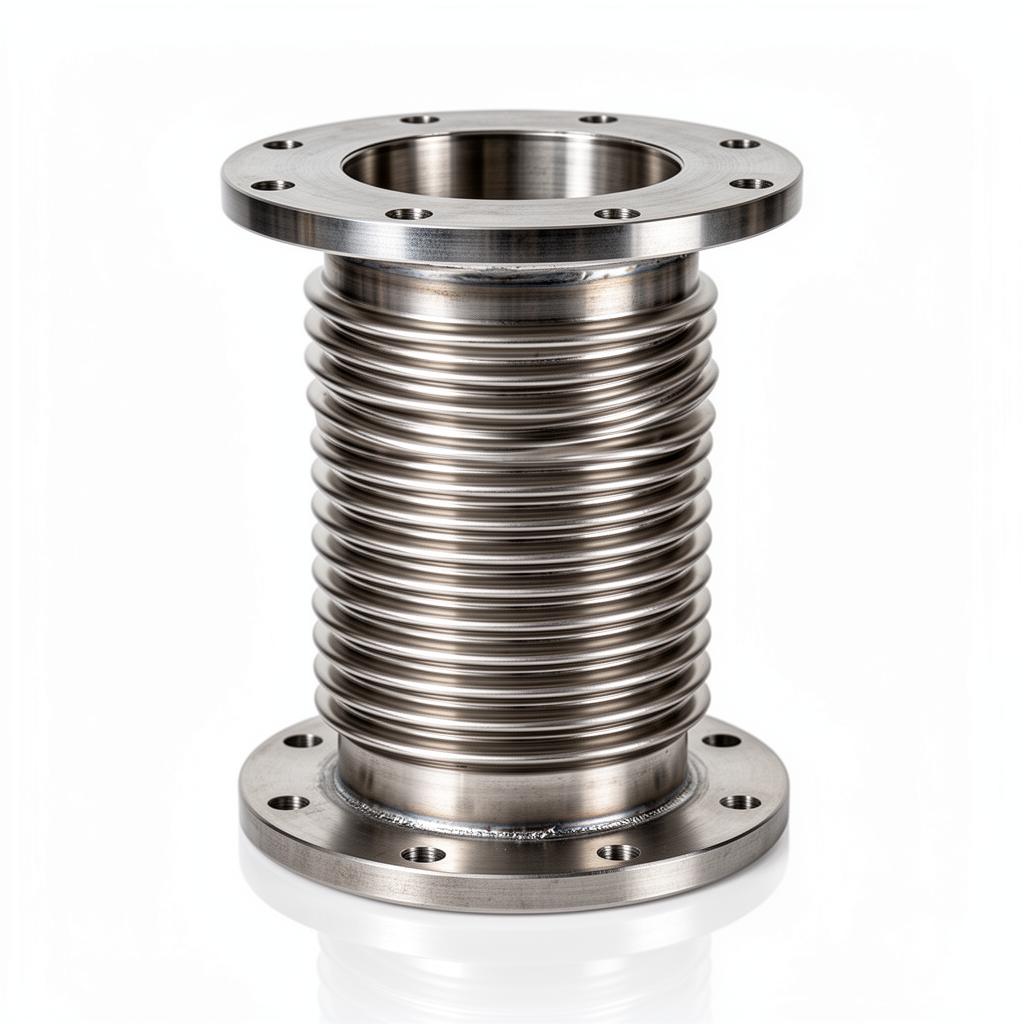
The Role of Expansion Bellows for Steam Pipes in Thermal Management
In commercial heating and process engineering, steam infrastructure undergoes significant temperature differentials during startup and operational cycling. Without the strategic placement of expansion bellows for steam pipes, the resulting axial, lateral, or angular movements can exert catastrophic stress on fixed anchors and boiler connections. As steam at high pressure creates substantial force, it is vital to specify components capable of handling rapid thermal expansion without sacrificing the integrity of the pressure vessel. Consulting engineers must calculate the exact growth based on the temperature delta and pipe material coefficient to ensure the chosen bellows offer sufficient travel to accommodate this movement safely.
Correct installation involves more than just selecting the right material; it requires a deep understanding of the entire piping layout. For UK M&E contractors, failing to account for the 'bellows effect'—where internal pressure acts on the effective cross-sectional area of the convolution—can lead to anchor failure. This is why high-quality expansion bellows for steam pipes are often fitted with tie rods or internal liners to streamline flow and protect the convolutions from erosion or resonance fatigue. Ensuring that these components are rated for the high-temperature environment of a commercial plant room is the first step in avoiding unplanned downtime and costly emergency repairs.
Furthermore, the selection process must align with BSRIA BG50 guidelines regarding water treatment and system cleanliness. While steam is a gas, the condensate produced during cycling can lead to corrosion if materials are not correctly matched. When specifying expansion bellows for steam pipes, it is essential to consider the condensate chemistry and the potential for water hammer, which can deform convolutions if the system is not properly trapped and vented. UKGP Industrial provides technical consultation to help procurement leads and facilities managers select the most robust units for these demanding applications, ensuring long-term reliability in even the most complex industrial heating distribution networks.
- Absorption of axial expansion caused by extreme temperature differentials
- Reduction of mechanical stress on leading commercial boiler connections
- Mitigation of vibration transmission from high-capacity steam turbines
- Compliance with BS EN 14917 standards for pressure equipment
Material Specifications for High-Temperature Steam Applications
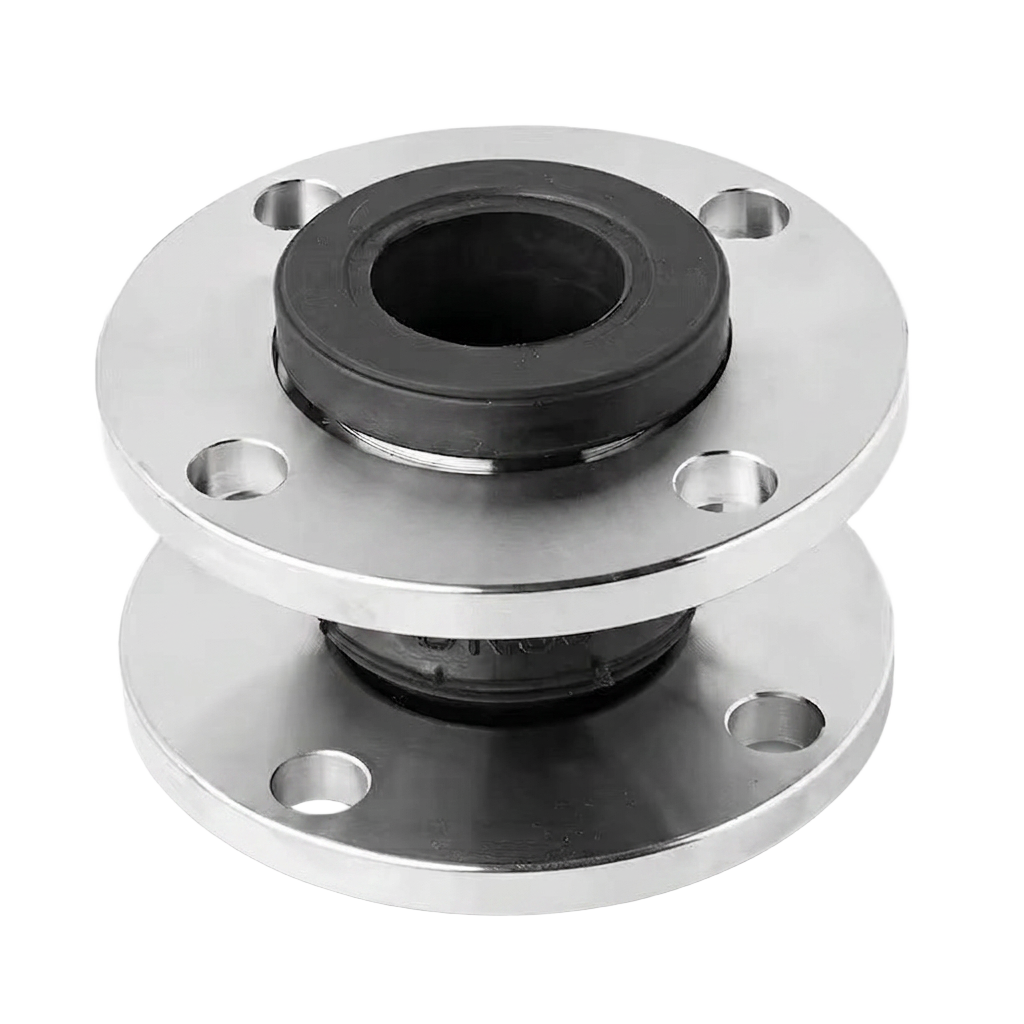
Selecting the correct material for your expansion bellows for steam pipes depends heavily on the steam quality, pressure rating, and the presence of any corrosive additives used in the chemical dosing process. Stainless steel grades such as 316L or 321 are frequently preferred for steam bellows due to their resistance to high temperatures and general corrosion. For specific process applications involving aggressive media, PTFE-lined bellows or exotic alloys may be required. UKGP Industrial offers a comprehensive range of solutions, including stainless steel, rubber EPDM/NBR, and fabric options, ensuring that every commercial heating system has the specific protection it requires against thermal growth and mechanical vibration.
Structural integrity is paramount when dealing with saturated or superheated steam. A common mistake in the field is using rubber expansion joints in sections where steam temperatures exceed the rating of the elastomer. For most steam headers and distribution lines, stainless steel bellows with flanged or weld-end connections are the industry standard. These units must be designed to withstand the maximum operating pressure (MOP) of the system while maintaining flexibility. Our steel expansion bellows for steam pipes come with a 2-year warranty, reflecting our confidence in the manufacturing quality and the durability of the multi-ply convolution designs which offer superior cycle life compared to single-ply alternatives.
Contractors should also consider the external environment of the plant room. In coastal areas or industrial zones with high atmospheric salinity, the external surfaces of the bellows must be protected from stress corrosion cracking. By selecting expansion bellows for steam pipes with appropriate external shrouds or specialized coatings, engineers can prevent premature failure. UKGP's range, spanning DN15 to DN600, ensures that whether you are working on a small local heating circuit or a large-scale district heating scheme, the material properties are matched exactly to the operational requirements, providing peace of mind and reducing the frequency of maintenance interventions required by facilities management teams.
- Stainless steel 316L/321 for high-temperature durability
- Multi-ply convolution design for increased flexibility and safety
- Internal liners to prevent turbulent flow and erosion
- External shrouds to protect against physical damage and debris
Integrating Expansion Bellows for Steam Pipes with Low Loss Headers
In modern commercial heating designs, the integration of expansion bellows for steam pipes often occurs near primary distribution manifolds. While low loss headers are more commonly associated with hydronic systems, the principle of hydraulic separation and pressure management is relevant across various plant room configurations. Maintaining stable pressure and flow rates is critical for the longevity of expansion bellows, as sudden pressure surges or fluctuations can lead to convolution squirm. By ensuring the system is balanced and that pressure relief valves are correctly calibrated, engineers can protect the bellows from operating outside their design parameters, thereby extending the service life of the entire system.
When designing the primary-secondary interface, M&E contractors must ensure that the expansion bellows for steam pipes are positioned between fixed anchors that can withstand the pressure thrust. The use of a low loss header in a secondary circuit might change the flow dynamics, but the physical expansion of the primary steam line remains constant. Precise calculation of the 'spring rate' of the bellows is necessary to ensure that the force required to deflect the bellows does not exceed the strength of the pipe supports. This holistic approach to system design, considering both the thermal expansion and the hydraulic characteristics, is what differentiates a high-performing heating system from one prone to failure.
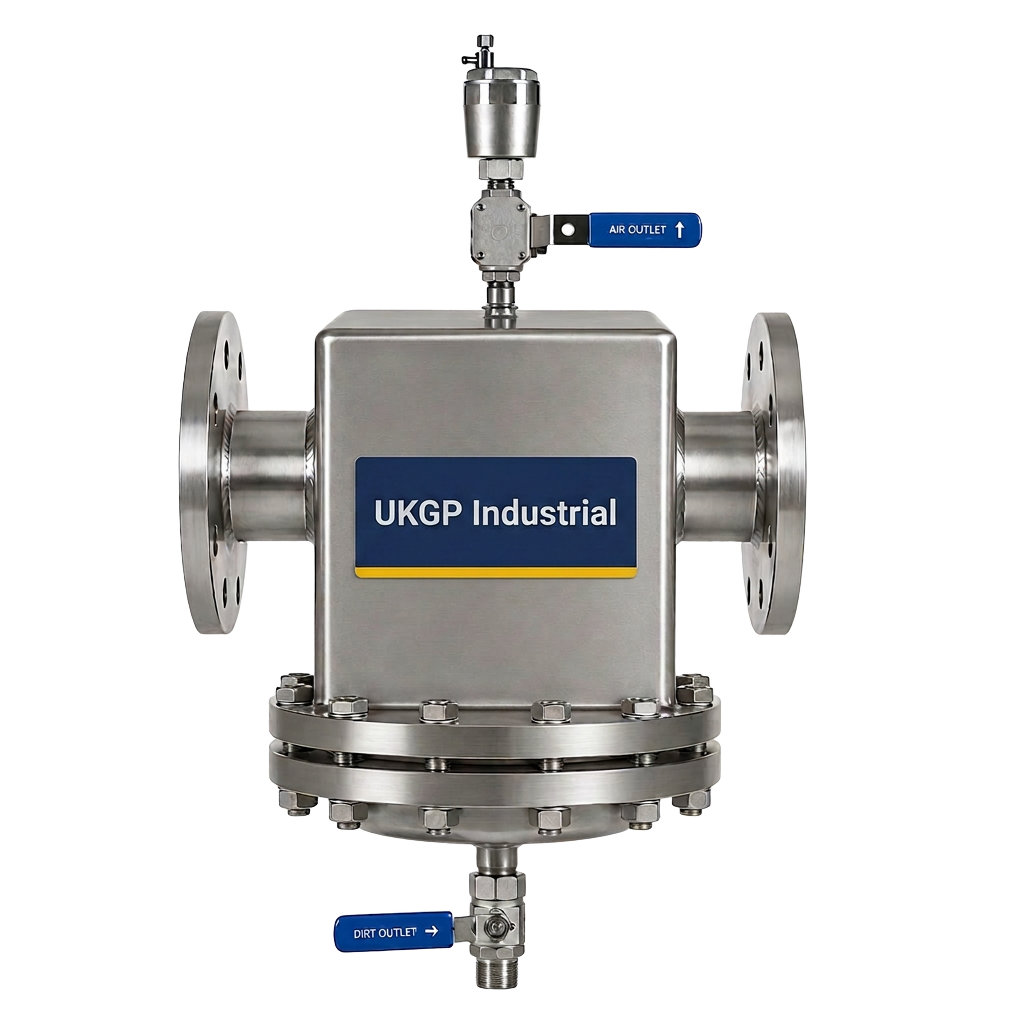
UKGP Industrial’s expertise extends to providing both the expansion bellows and the associated plant room equipment, such as low loss headers, to ensure total system compatibility. When procurement leads source these components from a single technical supplier, they benefit from a unified engineering philosophy that prioritises durability. Our expansion bellows for steam pipes are engineered to handle the rigorous demands of UK commercial heating, where intermittent operation and varying loads are common. By integrating these high-spec bellows with properly sized headers, engineers can create a resilient system that meets the highest standards of modern building services engineering and energy efficiency.
- Management of pressure thrust in complex plant room layouts
- Prevention of convolution squirm through stable hydraulic control
- Simplified procurement with integrated technical component sourcing
- Enhanced system longevity through balanced thermal and fluid dynamics
Installation Best Practices and BSRIA Compliance
The installation of expansion bellows for steam pipes must strictly adhere to the manufacturer's instructions and industry best practices to prevent premature failure. BSRIA BG29 and BG50 provide a framework for ensuring system cleanliness and correct installation procedures, which are vital for steam systems. One of the most critical steps is the alignment of the piping on either side of the bellows. Any initial misalignment can consume a portion of the bellows' movement capacity, leading to excessive stress on the convolutions. Contractors must also ensure that the shipping bolts or 'Cold-Set' spacers are removed only after the bellows are fully installed and the anchors are secured.
Proper guiding is equally important. Simply installing expansion bellows for steam pipes is insufficient; the pipework must be guided in accordance with the manufacturer's spacing recommendations to prevent bowing or buckling under pressure. The first guide should be placed within four pipe diameters of the bellows, with the second guide located within fourteen diameters. This ensures that the thermal movement is directed axially into the bellows. Failure to guide correctly is one of the leading causes of bellows failure in UK plant rooms. UKGP Industrial offers technical support to ensure that your site team understands these spatial requirements for all bellows from DN15 up to DN600.
Finally, pre-commissioning cleaning and inspection as per BSRIA standards are essential. Debris trapped in the convolutions of expansion bellows for steam pipes can cause localized hot spots or mechanical damage during expansion cycles. It is recommended that a thorough visual inspection is conducted after the system has reached its full operating temperature for the first time. Procurement leads should seek units with a robust warranty, like the 2-year warranty offered by UKGP, to ensure that any manufacturing defects are covered. By following these rigorous installation standards, M&E contractors can ensure that the commercial heating system operates safely and effectively throughout its intended design life.
- Strict adherence to pipe guiding and anchoring protocols
- Removal of shipping pins only after final anchor security
- Post-installation verification under full operating pressure
- Alignment check to ensure zero pre-stress on bellows convolutions
Economic Benefits of High-Quality Expansion Joints
Investing in premium expansion bellows for steam pipes offers significant long-term commercial advantages for building owners and facilities managers. While lower-cost alternatives may seem attractive during the procurement phase, the risk of a steam leak in a commercial or industrial setting poses severe safety risks and can result in total system shutdown. A high-quality bellows unit, designed for the specific pressures and temperatures of a steam circuit, reduces the frequency of maintenance and the likelihood of emergency call-outs. By specifying UKGP expansion bellows, which are available in flanged or weld-end and various materials like NBR, stainless steel, or PTFE, engineers ensure the system is built to last.
Energy efficiency is another often-overlooked benefit. A steam system that is leaking or under mechanical stress is inherently less efficient, as heat is lost through micro-fractures or inefficient heat transfer across stressed joints. Properly functioning expansion bellows for steam pipes maintain the integrity of the insulation and the steam trap network, ensuring that the maximum amount of energy is delivered to the heat exchangers or process equipment. Over the course of a 10-year service life, the energy savings and avoided repair costs far outweigh the initial investment in a robust, UK-supplied bellows solution that comes with professional technical backing.
Furthermore, our range of expansion bellows for steam pipes and related accessories simplifies the procurement process for large-scale projects. Having a reliable UK-based supplier like UKGP Industrial allows for shorter lead times and access to expert advice on sizing and material selection. Whether you require a DN50 stainless steel axial bellows for a small boiler house or a DN500 flanged unit for a regional district heating network, our commitment to quality and standard compliance helps streamline the project timeline. Contact our Surrey-based technical team today to request a quote and ensure your steam infrastructure is protected by the best equipment available in the UK market.
- Reduced operational downtime through enhanced component reliability
- Lower long-term TCO (Total Cost of Ownership) for FM teams
- Improved energy efficiency by maintaining system structural integrity
- Short lead times and technical support from a Surrey-based supplier
Technical Specs: Specifying Expansion Bellows for Steam Pipes
When drafting the specification for expansion bellows for steam pipes, engineering consultants must define the maximum working pressure, the temperature range (including potential superheat conditions), and the total anticipated movement. It is important to distinguish between axial movement (compression and extension), lateral offset, and angular rotation, as different bellows designs are required for each. For most linear steam runs, axial bellows are used, but where the pipework changes direction, gimbal or hinged bellows may be more appropriate to handle multidirectional stresses. UKGP's range covers the full spectrum from DN15 to DN600, ensuring we can meet the requirements of any commercial heating project.
The choice of end connections is also critical for installation efficiency. Flanged connections are common for ease of maintenance and replacement, whereas weld-end bellows are often preferred for high-pressure steam applications where a permanent, leak-proof joint is essential. Regardless of the connection type, the bellows must be rated for the full test pressure of the system, which typically exceeds the operating pressure by a significant margin. By selecting UKGP expansion bellows for steam pipes, you are choosing a product that has been rigorously tested to meet BS EN 14917, providing the safety margins required for high-risk steam environments found in hospitals, universities, and industrial sites.
Finally, ensure that the expansion bellows for steam pipes are compatible with the specific steam treatment chemicals used in the system. While the bellows themselves are usually stainless steel, the gaskets and auxiliary seals must also be able to withstand the chemical environment. UKGP Industrial provides comprehensive data sheets and technical guidance to ensure that every component in the plant room—from dosing pots to expansion joints—is compatible and contributes to a reliable, low-maintenance heating system. To discuss your project requirements or to get a bespoke quote for specialized steam bellows, reach out to our technical department for practical, commercially aware engineering advice.
- Detailed movement analysis: axial, lateral, and angular
- Wide size range from DN15 to DN600 for all applications
- Options for flanged or weld-end connections to suit site needs
- Compliance with UK pressure equipment safety regulations
Frequently asked questions
What is the typical lifespan of expansion bellows for steam pipes?
- When correctly sized and installed according to BSRIA guidelines, high-quality stainless steel expansion bellows for steam pipes can last 15 to 20 years. Lifespan depends on cycle frequency, steam quality, and the accuracy of the initial growth calculations.
Can I use rubber bellows for high-pressure steam systems?
- Generally, no. Most EPDM or NBR rubber bellows are rated for hot water systems up to 110-120°C. For steam applications, which often exceed these temperatures and require high pressure resistance, stainless steel expansion bellows for steam pipes are the industry standard.
How many guides are needed for expansion bellows for steam pipes?
- At least two primary guides are required on one side of the expansion bellows. The first guide should be within 4 pipe diameters and the second within 14 diameters to ensure the pipe moves axially and does not buckle under pressure.
Are UKGP bellows compliant with BS EN 14917?
- Yes, our expansion bellows for steam pipes and other industrial applications are designed and manufactured to meet BS EN 14917 and are suitable for use in systems compliant with BSRIA BG50 and CIBSE standards.
Do you offer bespoke sizes for custom steam manifolds?
- Yes, while our standard range covers DN15 to DN600, UKGP Industrial can provide bespoke expansion bellows for steam pipes tailored to unique lateral offsets or high-pressure process requirements, all backed by our 2-year warranty.