Dynamics of Engineering Appliances Expansion Bellows
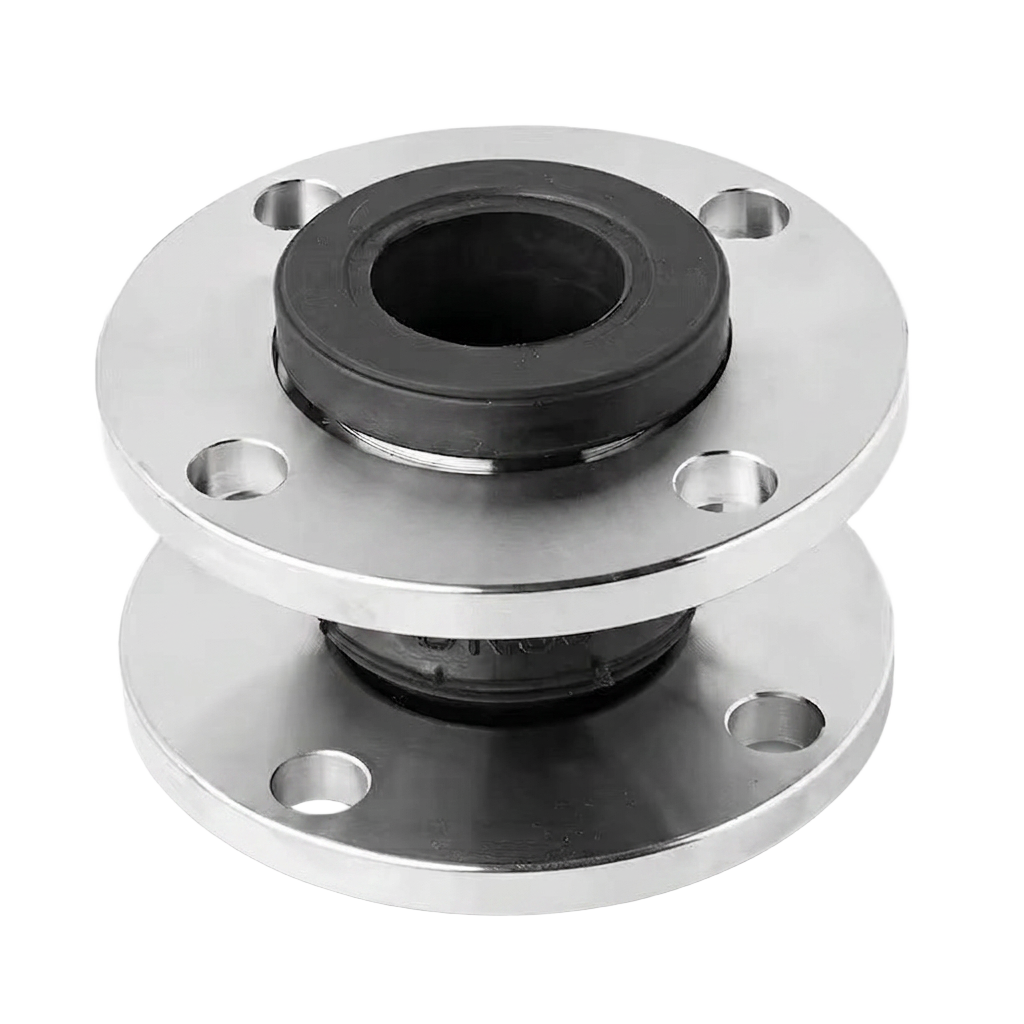
In the UK's commercial building services sector, the management of thermal expansion is not merely a design preference but a structural necessity. Using engineering appliances expansion bellows allows designers to accommodate the significant axial, lateral, and angular movements that occur as system fluid temperatures fluctuate. When a plant room or distribution network operates, the piping naturally expands and contracts; without high-quality expansion bellows, these forces would be transferred directly to sensitive components like pumps and heat exchangers, leading to fatigue and failure. UKGP Industrial specializes in supplying robust solutions that meet these rigorous demands, ensuring that your installation remains stable over its entire lifecycle.
Precision engineering is required when selecting these bellows to ensure they can handle the specific pressure and temperature profiles of a commercial system. Whether you are dealing with a standard LTHW circuit or a high-temperature steam application, the material choice for the bellows membrane is paramount. EPDM rubber is frequently used for general HVAC applications due to its flexibility and temperature resilience, while stainless steel or PTFE may be required for more aggressive media or extreme thermal ranges. By integrating engineering appliances expansion bellows into the initial design phase, M&E contractors can prevent the catastrophic pipework distortion and flange leaks that often plague poorly planned commercial installations.
Consultants often refer to CIBSE Guide B when calculating the necessary expansion compensation for a project. It is vital to consider not just the maximum operating temperature, but also the installation temperature to determine the true extent of thermal movement. UKGP Industrial provides technical support to ensure the selected bellows match these calculated requirements precisely. Our range of engineering appliances expansion bellows is designed to offer peace of mind, backed by a 2-year warranty and a track record of reliability in some of the UK’s most demanding plant rooms. Selecting the correct unit today prevents the costly remedial works that typically arise from system stress and vibration issues tomorrow.
- Compliance with BS EN 14917 standards for metal bellows
- Reduction of mechanical noise and vibration transmission
- Protection of pumps and boilers from thermal load
- Range of sizes from DN15 to DN600 available
Material Selection for System Longevity
The longevity of any engineering appliances expansion bellows depends heavily on its compatibility with the system medium and environment. In many UK commercial plant rooms, EPDM rubber bellows are the standard choice for heating and chilled water systems because of their excellent damping properties and ability to withstand standard corrosion inhibitors used in line with BSRIA BG29. However, for systems carrying more volatile chemicals or operating at high pressures, NBR or PTFE-lined bellows provide the necessary chemical resistance to prevent premature wall degradation. UKGP Industrial offers these varied material options to ensure that every specific site condition is addressed with a bespoke level of technical expertise.
Stainless steel bellows are often preferred for larger scale commercial district heating schemes where pressures exceed the limits of rubber compounds. These units are typically flanged or weld-end, conforming to BS EN 14917 to ensure they can handle the high-stress environment of a main distribution header. When specifying engineering appliances expansion bellows for these applications, it is also important to consider the external environment. If the bellows are to be installed in a coastal area or an industrial zone with corrosive atmospheric conditions, the choice of flange coating and external reinforcement becomes just as critical as the internal membrane material itself.
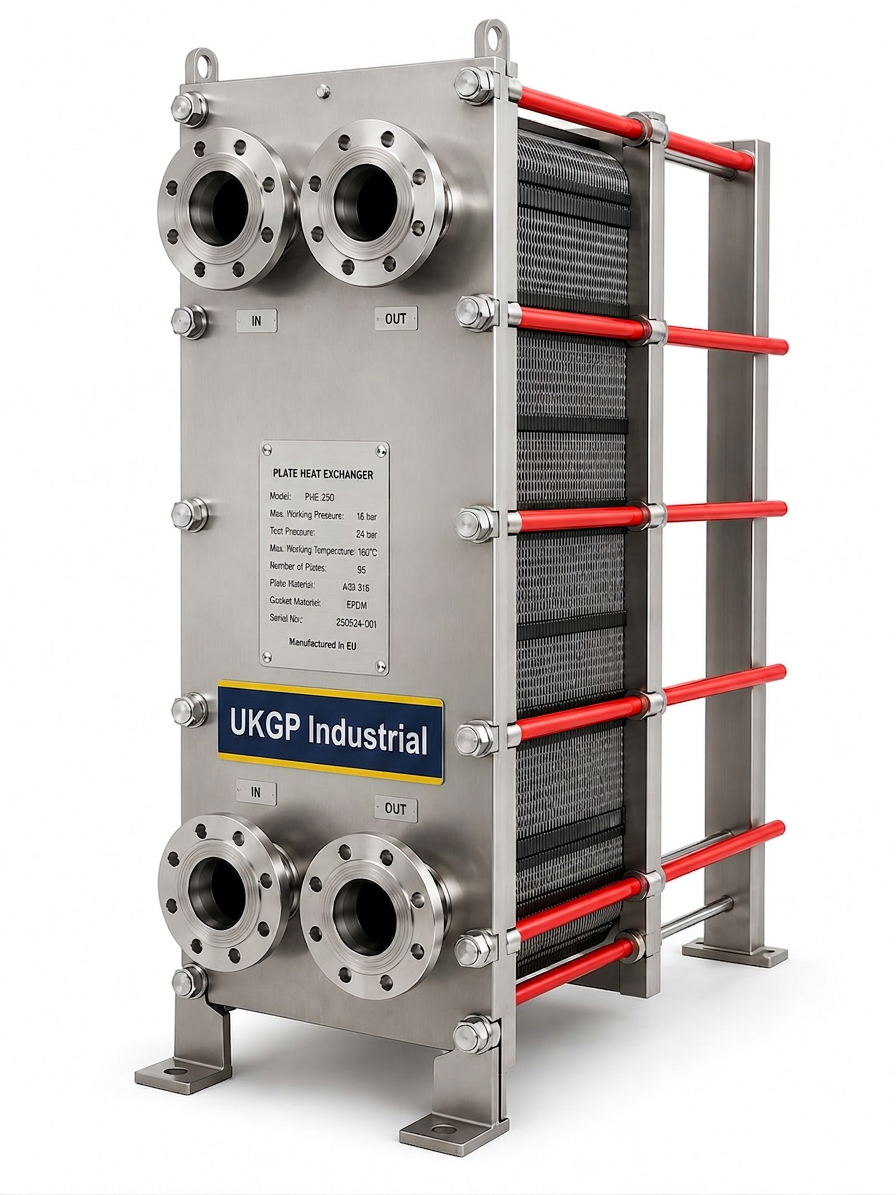
Proper material selection also impacts the maintenance frequency of the system. According to BSRIA BG50, maintaining the integrity of the primary circuit is essential for energy efficiency and component life. By opting for high-grade engineering appliances expansion bellows from a trusted UK supplier like UKGP Industrial, facilities managers can reduce the risk of oxygen ingress through failing joints. This proactive approach to specification helps maintain the chemical balance within the system, further protecting expensive assets like plate heat exchangers and commercial boilers from the risks of localized corrosion and scale build-up.
- EPDM and NBR rubber for standard HVAC applications
- Stainless steel or PTFE for high-temp or chemical systems
- Flanged or weld-end connections for versatile installation
- Corrosion-resistant finishes for harsh environments
Installation Best Practices for Expansion Bellows
Correct installation of engineering appliances expansion bellows is the difference between a reliable system and an expensive failure. One of the most common mistakes in commercial M&E projects is the improper anchoring of pipework surrounding the bellows. Without robust fixed points, the bellows will simply extend under pressure until they reach their physical limit, effectively failing to provide any compensation for thermal movement. UKGP Industrial advises all engineers to ensure that guide supports are placed at specific intervals, as per the manufacturer's instructions, to prevent lateral buckling of the pipework when the bellows compress under load.
Another critical factor is the 'cold draw' or pre-setting of the bellows during installation. Depending on the ambient temperature at the time of fit-out, the engineering appliances expansion bellows may need to be slightly extended or compressed to ensure they operate within their optimal range once the system reaches its maximum running temperature. Failure to account for this can result in the bellows being over-stressed in one direction, significantly shortening their operational life. At UKGP Industrial, we provide clear technical data sheets for our DN15 to DN600 range to help on-site teams execute these settings accurately and efficiently.
During the commissioning phase, which should follow BSRIA BG29 guidelines, the bellows should be inspected for any signs of misalignment or torsion. Expansion bellows are designed to handle axial and sometimes lateral movement, but they are generally very sensitive to twisting or torsional forces. If a pipe is not correctly aligned, the resulting torque can cause the membrane to tear. Ensuring that your engineering appliances expansion bellows are installed by competent engineers who understand these nuances is vital for the long-term safety of the building services infrastructure and for maintaining the validity of the 2-year warranty provided by UKGP.
- Utilise robust fixed points and guide supports
- Calculate pre-set requirements based on installation temperature
- Avoid torsional stress during pipe alignment
- Verify installation against CIBSE commissioning codes
Integrating Bellows with Side Stream Filtration
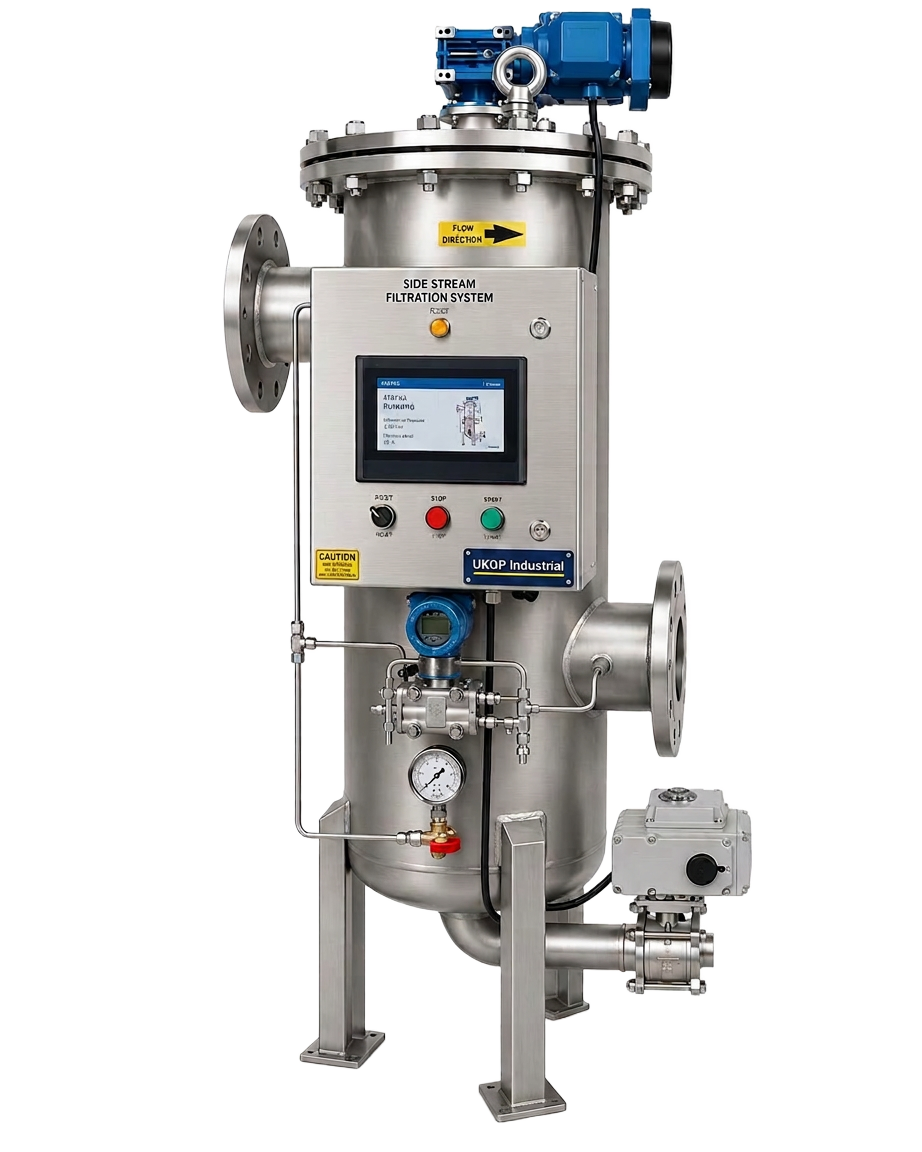
While engineering appliances expansion bellows manage the physical movement of the pipework, the internal health of the fluid is equally important. In large commercial systems, the presence of suspended solids and magnetite can lead to erosive wear on the internal surfaces of expansion joints. Combining high-quality bellows with a side stream filtration skid ensures that the water quality remains high, reducing the abrasive nature of the fluid as it passes through the bellows' convolutions. This holistic approach to system design is recommended by BSRIA BG50 to ensure that all mechanical components, including expansion hardware, reach their full design life without premature degradation.
A side stream filtration unit works by continuously diverting a percentage of the system flow through a high-efficiency filter. This prevents the build-up of sludge that can settle in the stagnant zones of engineering appliances expansion bellows, particularly in units that do not have internal sleeves. If magnetite is allowed to accumulate within the convolutions of a bellows, it can harden and restrict the movement of the unit, eventually leading to a mechanical failure where the pipework buckles under thermal stress. UKGP Industrial offers both the filtration technology and the expansion solutions needed to mitigate these risks effectively in modern UK plant rooms.
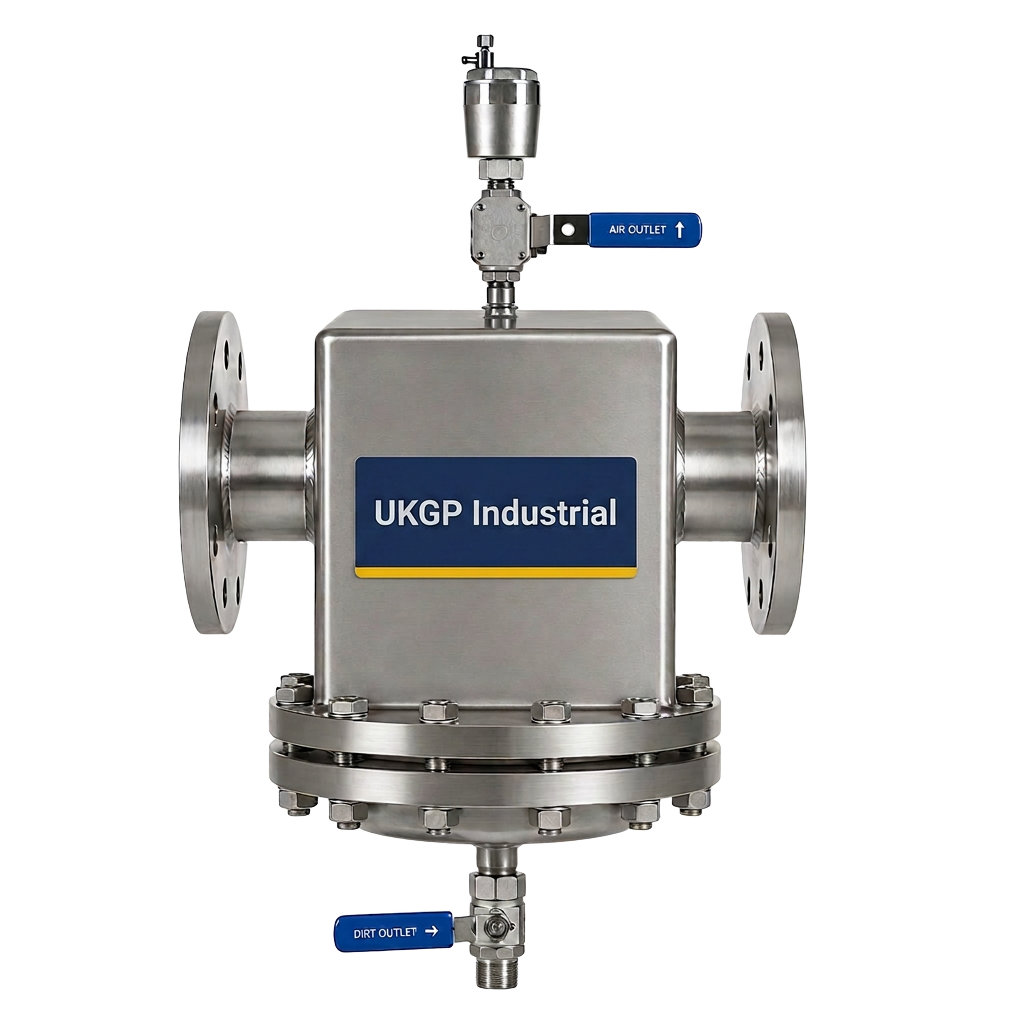
For procurement leads and M&E contractors, sourcing both engineering appliances expansion bellows and filtration equipment from a single UK supplier like UKGP Industrial streamlines the supply chain and ensures technical compatibility. Our filtration skids are designed to work in tandem with our dosing pots and air & dirt separators to provide a comprehensive water treatment solution. When the system fluid is clean and de-aerated, the internal components of the bellows are protected from both chemical corrosion and mechanical erosion, allowing for a more stable and predictable maintenance schedule for the facilities management team.
- Prevents abrasive wear on internal bellows surfaces
- Reduces magnetite build-up in bellows convolutions
- Maintains system efficiency according to BSRIA BG50
- Simplifies procurement via a single UK technical supplier
The Commercial Importance of Bellows Specification
From a commercial perspective, specifying the correct engineering appliances expansion bellows is about risk mitigation and cost control. The initial cost of a high-quality expansion joint is a fraction of the cost associated with a major pipework failure in a live commercial building. A leaked joint or a burst bellows can lead to significant water damage, system downtime, and the need for emergency repairs that often exceed the budget of a standard FM contract. By selecting UKGP Industrial as your partner, you gain access to a range of bellows from DN15 to DN600 that are engineered specifically for the rigours of the UK commercial market.
Our engineering appliances expansion bellows come with a 2-year warranty, reflecting our confidence in the durability of the rubber EPDM/NBR, stainless steel, and PTFE materials we use. For building services consultants, this warranty provides a layer of security when recommending our products to end clients. In an era where building safety and longevity are under increased scrutiny, being able to demonstrate that all expansion components meet BS EN 14917 or equivalent standards is essential. We help contractors and consultants navigate these technical requirements, providing the necessary documentation to ensure project compliance and successful handover.
Furthermore, the lead times for replacement parts can often disrupt sensitive project schedules. As a Surrey-based manufacturer/supplier, UKGP Industrial maintains a robust stock of engineering appliances expansion bellows, including flanged and weld-end variants. This allows for rapid response to both new-build requirements and urgent refurbishment needs. Whether you are replacing a single unit in a primary circuit or outfitting a large-scale commercial plant room, our team is ready to provide a competitive quote and technical guidance to ensure you select the optimal expansion solution for your specific application and pressure rating.
- 2-year warranty for enhanced commercial security
- Rapid availability from UK-based Surrey stock
- Full technical documentation for project handover
- Competitive pricing for high-spec mechanical components
Engineering Appliances Expansion Bellows Maintenance
Ongoing maintenance of engineering appliances expansion bellows should be integrated into the annual plant room inspection routine. While bellows are largely 'fit and forget' components, they are subject to aging and environmental stress. A visual inspection can often identify early signs of degradation, such as cracking in the rubber outer layer or signs of 'pitting' on stainless steel units. Addressing these issues early prevents the catastrophic failure that occurs when a bellows reaches its ultimate fatigue limit. UKGP Industrial recommends checking all expansion joints every twelve months, particularly in systems that experience high frequency cycling or extreme temperature shifts.
It is also important to verify that the surrounding pipe supports remain functional. If a guide has moved or a spring hanger has lost its tension, the engineering appliances expansion bellows may be forced to carry loads they were not designed for. For example, if a heavy section of pipework is no longer supported correctly, its weight might rest on the bellows, causing it to deform. This mechanical overload is a leading cause of premature failure in commercial systems. During a BSRIA BG50 compliant maintenance check, the alignment of the entire expansion loop should be confirmed to ensure the bellows are still operating within their designated axial and lateral limits.
Finally, the role of water chemistry cannot be overstated in the maintenance of engineering appliances expansion bellows. High levels of dissolved oxygen or improper pH levels can lead to stress corrosion cracking, especially in stainless steel variants. Using pH sensors and transmitters to monitor the system fluid allows for real-time adjustments via chemical dosing pots. By maintaining the water quality within the parameters defined by BS 8552, you protect the internal surfaces of the bellows from chemical attack. This integrated approach to system health ensures that your UKGP expansion bellows perform reliably for their entire intended service life, protecting your infrastructure and budget.
- Annual visual inspections for cracks or pitting
- Check alignment and integrity of pipe guides
- Monitor water chemistry to prevent stress corrosion
- Replace units showing signs of material fatigue
Frequently asked questions
What is the maximum size available for these bellows?
- UKGP Industrial supplies engineering appliances expansion bellows in sizes ranging from DN15 through to DN600, suitable for both small-scale commercial applications and large industrial distribution headers.
Which materials are used in the construction of your expansion bellows?
- We offer a wide range of materials including rubber (EPDM and NBR), stainless steel, PTFE, and high-temperature fabric, catering to various chemical and thermal requirements.
Do these bellows come with a warranty?
- Yes, all our expansion bellows are backed by a 2-year warranty, providing commercial buyers and contractors with long-term peace of mind regarding product durability and performance.
Which connection types are available?
- Our range of engineering appliances expansion bellows includes both flanged and weld-end connections to facilitate easy integration into various piping configurations found in UK plant rooms.
How do these bellows comply with UK standards?
- Our products are designed and manufactured to meet relevant industry standards, including those referenced in BSRIA guidelines and BS EN 14917 for metal bellows, ensuring safety and compliance.