Understanding the Role of a Dosing Pot For Heating Systems
In modern commercial building services, the integrity of a closed-loop circuit depends heavily on its chemical treatment regime. A dosing pot for heating systems acts as the primary point of entry for liquid chemicals without needing to decommission or drain down the entire plant. By utilizing a bypass-mounted configuration, these units allow for the controlled introduction of corrosion inhibitors and biocides, which are essential for preventing scale and microbial growth. According to BSRIA BG50, keeping chemical levels within tight tolerances is non-negotiable for system longevity, and the manual dosing pot remains the most reliable method for achieving this in both new builds and refurbishment projects across the UK.
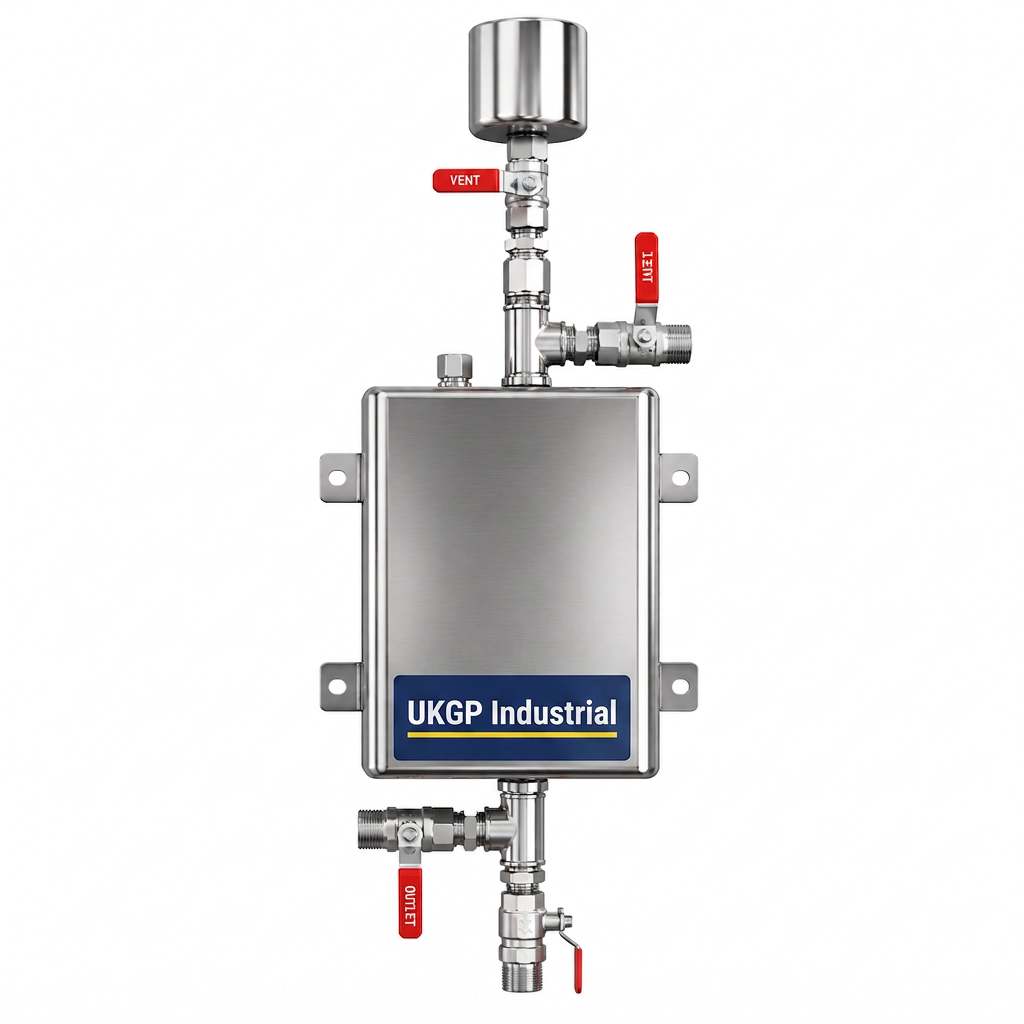
The technical design of a standard dosing pot for heating systems involves a pressure-rated vessel equipped with isolation valves, a funnel for chemical entry, and a drain valve at the base. This setup facilitates a safe manual procedure where chemicals are poured into the pot, the vessel is sealed, and the differential pressure across the bypass loop drives the chemical into the main flow. Because industrial heating circuits operate under significant pressure, selecting a vessel constructed from high-grade carbon steel or stainless steel is paramount. Ensuring your plant room is equipped with a high-quality unit allows for rapid water treatment adjustments, reducing the risk of expensive component failure down the line.
Consultants specifying these units must look for ease of maintenance and safety. A well-engineered dosing pot for heating systems will always include a vent valve to purge air and a robust drain-off point. Failure to maintain correct chemical levels often leads to oxygen ingress or localized corrosion, which can void warranties on primary heat generators like commercial boilers or plate heat exchangers. By standardising on a UKGP dosing pot, procurement leads ensure that every installation meets the rigid safety and performance benchmarks required for high-occupancy buildings, such as hospitals or office complexes, where downtime must be avoided at all costs.
- Manual bypass mounting allows for treatment without system shutdown
- Supports compliance with BSRIA BG50 water quality standards
- Protects expensive downstream assets like heat exchangers
- Essential for glycol top-ups in chilled and heating-only circuits
Sizing Your Dosing Pot for Heating Systems and Closed Loops
Correct sizing of a dosing pot for heating systems is determined by both the total system volume and the frequency of treatment required. Generally, UKGP offers three primary sizes—5L, 10L, and 25L versions—to accommodate varying plant room scales. For smaller commercial units or standalone secondary loops, a 5-litre pot is often sufficient for periodic inhibitor top-ups. However, in larger institutional heating networks where significant glycol concentrations are required for frost protection, a 25-litre dosing pot for heating systems is often the preferred specification. This larger capacity reduces the number of filling cycles required by the engineer on-site, thereby lowering labor costs during commissioning and annual maintenance visits.
Internal plant room space often dictates the choice between carbon steel and stainless steel variants. While carbon steel is the industry standard for traditional heating circuits, stainless steel dosing pots offer superior resistance to corrosion in more aggressive environments or where chemical additives are highly concentrated. When sizing, M&E contractors must also account for the physical footprint of the unit, ensuring there is sufficient vertical clearance for the funnel and easy access to the isolation valves. Sizing is not merely about volume; it is about ensuring the vessel can handle the maximum working pressure of the system, typically rated up to 10 or 14 bar depending on the specific model selected for the project.
Over-specifying a dosing pot is rarely an issue, but under-sizing can lead to significant inefficiency. If a technician has to perform ten separate fills to achieve the desired concentration in a 50,000-litre system, the risk of air ingress increases with every cycle. Choosing a dosing pot for heating systems that balances capacity with the ease of manual handling ensures that chemical dosing remains a simple, routine task rather than a logistical hurdle. UKGP provides technical support to help contractors calculate the ideal pot size based on the specific total water volume of the UK building services project, ensuring maximum operational efficiency from day one of the handover.
- 5L models: Perfect for small-to-medium commercial boiler rooms
- 10L models: The industry standard for large residential blocks
- 25L models: Ideal for cooling towers and district heating networks
- Available in carbon steel or stainless steel for maximum durability
Installation Best Practices and BSRIA BG50 Compliance
Proper installation of a dosing pot for heating systems is critical for both safety and effectiveness. It should be installed in a bypass across the flow and return pipes, usually across the primary circulation pumps where a sufficient pressure differential exists to drive flow through the pot. The inclusion of high-quality isolation valves is essential to ensure that the chemical vessel can be completely separated from the high-pressure circuit during the filling process. This safety-first approach aligns with Health and Safety executive guidelines and CIBSE recommendations for pressurized water systems, protecting plant room engineers from accidental exposure to hot fluids or concentrated chemicals.
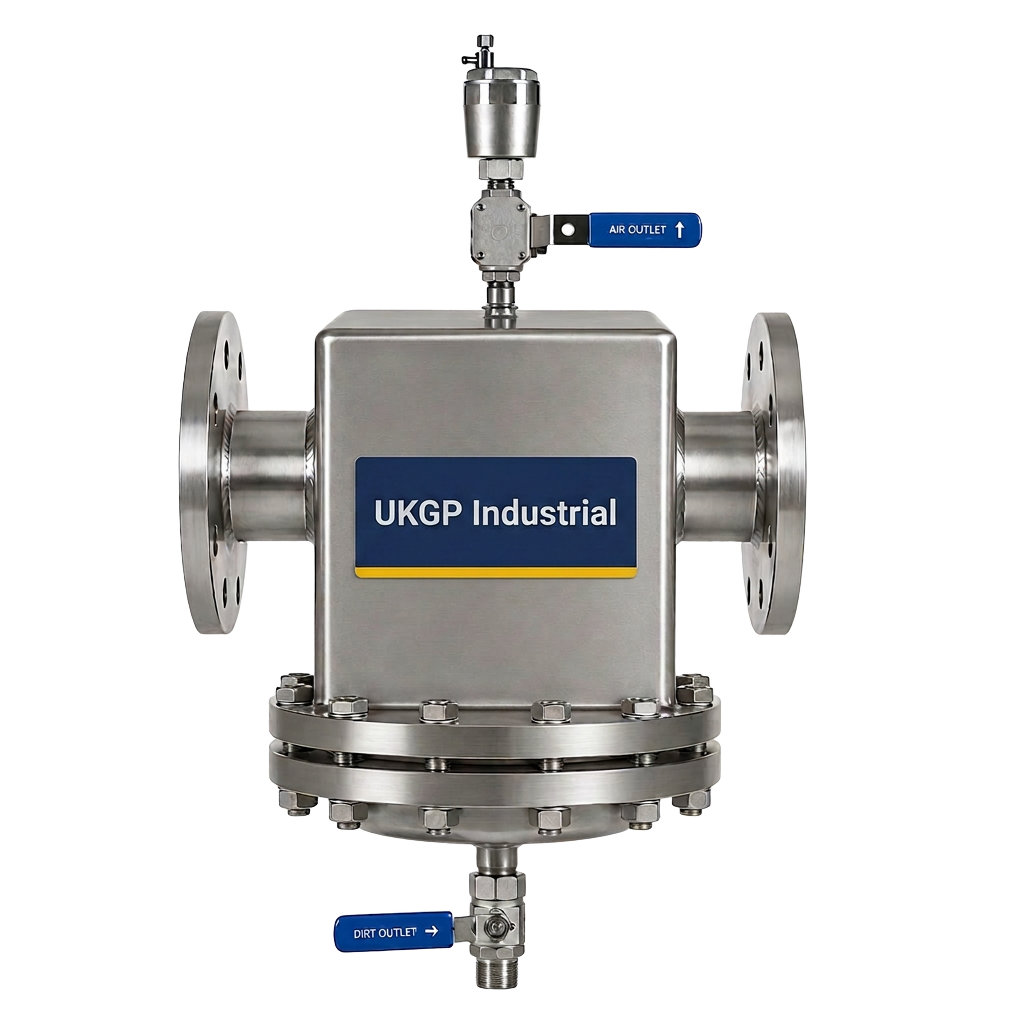
BSRIA BG50 'Water treatment for closed heating and cooling systems' emphasizes the importance of regular monitoring and topping up of chemicals. To facilitate this, the dosing pot for heating systems should be located in an accessible part of the plant room, ideally near a floor drain to catch the small amount of water discharged during the venting and draining phase. Furthermore, integrating the pot with an air and dirt separator ensures that any air introduced during the dosing process is quickly removed. This synergy between components is what UKGP specializes in, providing a suite of products designed to work together to maintain a zero-oxygen environment within the pipework, thereby halting the cycle of corrosion.
Commissioning engineers must ensure that the dosing pot for heating systems is correctly vented before it is opened to the main circuit. Air trapped in the vessel can cause airlocks or localized cavitation in circulating pumps if not purged. Once the chemical has been successfully introduced, the bypass valves should be left open for a sufficient period to ensure thorough mixing. Following these procedures not only ensures compliance with BS 8552 for water sampling but also guarantees that the inhibitor is evenly distributed, providing total protection for the internal surfaces of everything from terminal units to the main thermal plant. Always consult the 2-year warranty guidelines provided by UKGP for specific installation requirements.
- Install across pump headers to utilize pressure differential
- Always include a dedicated vent for air removal post-filling
- Ensure location allows for safe handling of chemical containers
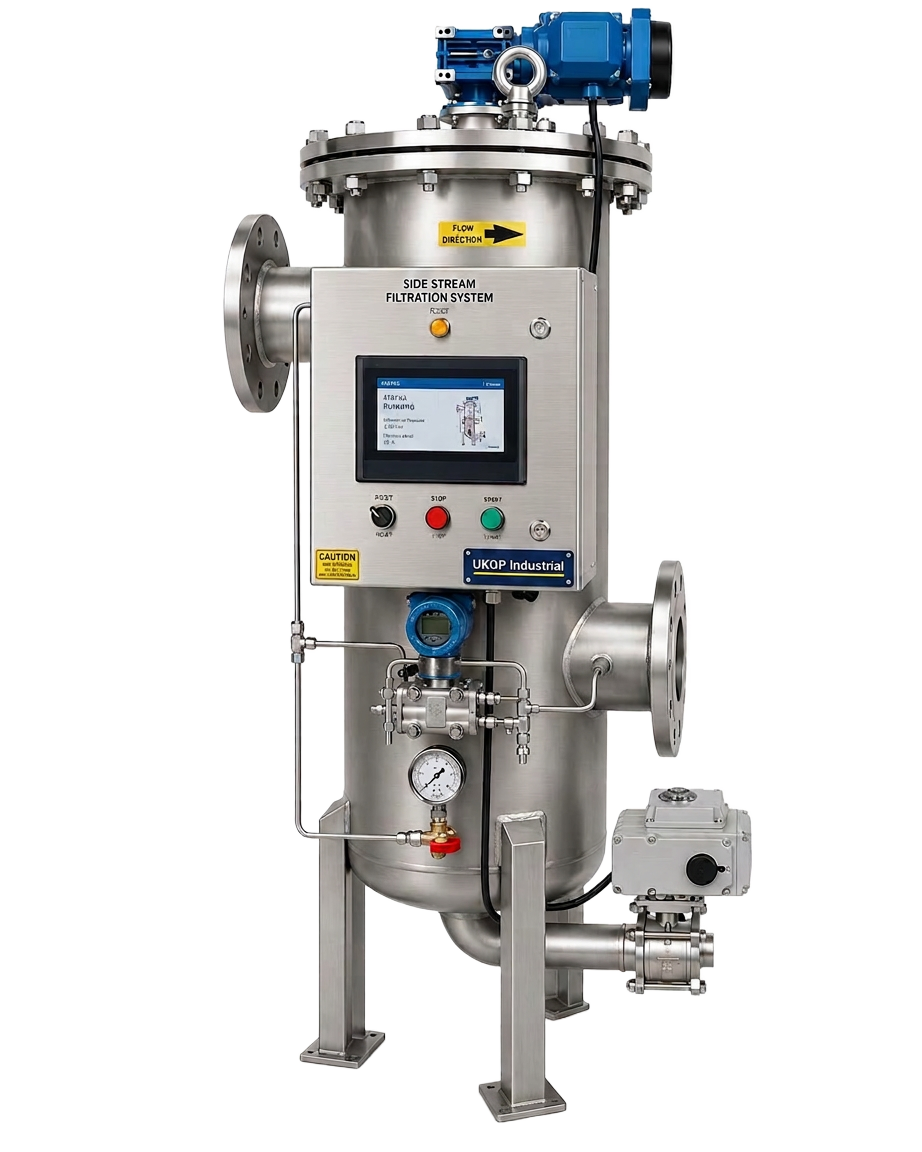
- Pair with side stream filtration for optimal water clarity
Maximising System Longevity with the Right Dosing Pot
The long-term performance of any large-scale HVAC system is inextricably linked to the quality of its maintenance accessories. A cheap or poorly constructed dosing pot for heating systems can become a weak point, prone to leaks or valve failure under high thermal stress. UKGP manufactures units using heavy-gauge materials that withstand the thermal cycling typical of commercial heating applications. By investing in a high-specification dosing pot for heating systems, facility managers can significantly reduce the risk of internal pipework degradation. This proactive approach prevents the buildup of magnetite sludge, which is the primary cause of heat exchanger fouling and reduced flow rates in the secondary circuit.
In addition to inhibitor dosing, these vessels are frequently used for the introduction of glycol in chilled water or heat pump circuits. Given the rising cost of glycol, the precision offered by a dedicated dosing pot for heating systems is a commercial advantage. It allows for incremental adjustments to the concentration, ensuring frost protection is maintained without the wastage associated with over-dosing. Because our units are available in stainless steel, they are compatible with a wide range of chemical additives, including those used in low-temperature networks where microbial control is more difficult to manage. This versatility makes them a staple component for engineers who prioritize system resilience.
Ultimately, the goal for any procurement lead is to source components that offer a balance of performance, safety, and value. Our range of dosing pots is designed with the UK engineer in mind, featuring standard BSP connections and clear operation labels. With a 2-year warranty as standard, UKGP provides the peace of mind that once the dosing pot for heating systems is installed, it will perform reliably for the life of the plant. Whether you are replacing an aged unit or specifying for a new Tier 1 construction project, our technical team is available to assist with the selection process, ensuring your water treatment strategy is supported by the best hardware available in the UK market.
- Heavy-duty construction prevents leaks and thermal fatigue
- Compatible with various inhibitors, biocides, and glycol brands
- Supplied with isolation valves, drain, vent, and filling funnel
- 2-year warranty ensures long-term commercial peace of mind
Operational Procedures for Plant Room Engineers
For the engineer on the ground, the operational simplicity of a dosing pot for heating systems is its greatest asset. The process begins by closing the inlet and outlet isolation valves to isolate the pot from the pressurized system. The drain valve is then opened to remove the standing water, followed by the vent valve to break the vacuum. Once empty, the chemical is poured in via the top funnel. This manual method, while traditional, is preferred by many UK FMs because it provides a tactile check of the water quality and ensures that the correct volume of additive is introduced every time, without relying on complex automated dosing pumps that may fail.
Safety is paramount during this procedure. A dosing pot for heating systems must be handled with care, particularly when the system water is at high temperatures. Engineers should always wear appropriate PPE and follow the chemical manufacturer's safety data sheets. Once the chemical is loaded, the filling valve is closed, and the inlet valve is opened slightly to pressurize the pot. Checking for leaks at this stage is a critical step before fully opening both the inlet and outlet valves to allow the chemical to be swept into the system. This controlled introduction avoids 'slug' dosing, which can cause temporary imbalances in the system's pH levels or conductivity.
Regular use of the dosing pot for heating systems should be recorded in the plant room logbook as part of the BSRIA BG50 maintenance schedule. Monitoring the effectiveness of the dosing through water sampling (per BS 8552) allows for fine-tuning of the treatment regime. If the water analysis shows high levels of suspended solids, it may be necessary to supplement the dosing pot with other water quality products like a side stream filtration skid. This holistic approach to water health is what differentiates a high-performing plant room from one prone to frequent breakdowns. UKGP offers the full range of components needed to build a resilient and compliant commercial heating circuit.
- Follow a strict valve sequence to ensure engineer safety
- Regularly check seals and gaskets for signs of wear
- Log all chemical additions to maintain a BSRIA-compliant audit trail
- Clean the funnel and filling pipe after each use to prevent buildup
Procurement and Specification Summary
Specifying a dosing pot for heating systems requires a clear understanding of the project's technical demands. Project leads should prioritize units that arrive as a complete assembly, including the funnel and all necessary valves, to minimize site assembly time. At UKGP, we provide units that are ready for immediate installation, tailored to the specific pressure and temperature requirements of UK commercial heating environments. Whether it is a 5L carbon steel pot for a local office or a 25L stainless steel version for an industrial process, our products are engineered to exceed basic market standards, providing a professional finish to any plant room.
Commercially, the selection of a dosing pot for heating systems should be viewed as an investment in asset protection. The cost of a high-quality dosing pot is negligible compared to the cost of replacing a fouled boiler heat exchanger or a seized secondary pump. By choosing UKGP, contractors benefit from local UK stock and rapid delivery, ensuring project timelines are met without compromising on hardware quality. Our technical data sheets provide all the information required for BIM modeling and consultant approval, ensuring a smooth transition from the design phase through to installation and eventual handover to the client's facilities team.
In summary, the dosing pot for heating systems remains an indispensable tool for the modern building services engineer. It is the frontline defense against the invisible threats of corrosion and scale. By following the sizing and installation advice provided in this guide—and by selecting a UKGP chemical dosing pot (5L, 10L, 25L; carbon steel or stainless; bypass-mounted with isolation valves, drain & vent; sized for closed-system inhibitor and glycol top-up)—you are ensuring that your heating system remains efficient, compliant, and reliable for years to come. Contact our Surrey-based team today for a competitive quote or technical consultation on your next project.
- Standardize on 5L, 10L, or 25L capacities for simple procurement
- Choose stainless steel for high-demand or aggressive environments
- Ensure all units come with a comprehensive 2-year warranty
- Verify pressure ratings against the system's maximum head
Frequently asked questions
Which size dosing pot for heating systems do I need?
- Sizing depends on the total system volume. Generally, a 5L pot is suitable for small commercial systems, while 10L and 25L units are required for larger industrial or district heating networks to minimize filling cycles.
Should I choose carbon steel or stainless steel for my dosing pot?
- Carbon steel is standard for most UK heating systems. However, stainless steel is recommended for systems using aggressive chemicals, chilled water applications prone to high oxygen levels, or where long-term aesthetics and corrosion resistance are a priority.
How often should I use a dosing pot for heating systems?
- Frequency is determined by water analysis results. Per BSRIA BG50, water should be tested regularly, and the dosing pot used whenever inhibitor levels fall below the manufacturer's recommended concentration.
Can I use a dosing pot to add glycol for frost protection?
- Yes, a dosing pot for heating systems is the ideal way to manually top up glycol levels in closed-loop circuits. For high glycol volumes, we recommend the 25L model to simplify the process.
Do UKGP dosing pots come with a warranty?
- Yes, all UKGP chemical dosing pots are supplied with a 2-year warranty, covering the vessel and the high-quality isolation valves included in the assembly.