Understanding Thermal Expansion in Copper Systems
Copper remains a preferred material for UK domestic and commercial water services due to its corrosion resistance and thermal conductivity. However, it exhibits a high coefficient of linear expansion compared to carbon steel. When hot water circulates through long runs, the metal physically expands, placing significant stress on anchors, guides, and plant room connections. Without an appropriately sized copper pipe expansion joint, these forces can lead to pipe buckling, joint fatigue, or catastrophic failure at the boiler or heat exchanger manifold. It is therefore essential for consultants to calculate the total expected movement based on the maximum anticipated temperature delta within the primary or secondary circuit.
The physics of thermal movement are non-negotiable in BSRIA BG50 compliant systems. For every 10-metre run of copper pipe experiencing a 60-degree Celsius temperature rise, you can expect approximately 10mm of linear expansion. In large commercial developments where pipe runs can exceed 50 metres, this equates to 50mm of movement that must be absorbed. Relying solely on natural flexibility or 'L' bends is often insufficient in tight plant room footprints. A dedicated copper pipe expansion joint provides a compact, predictable solution for accommodating these axial movements while maintaining the integrity of the rigid pipework and preventing noise transmission through the building fabric.
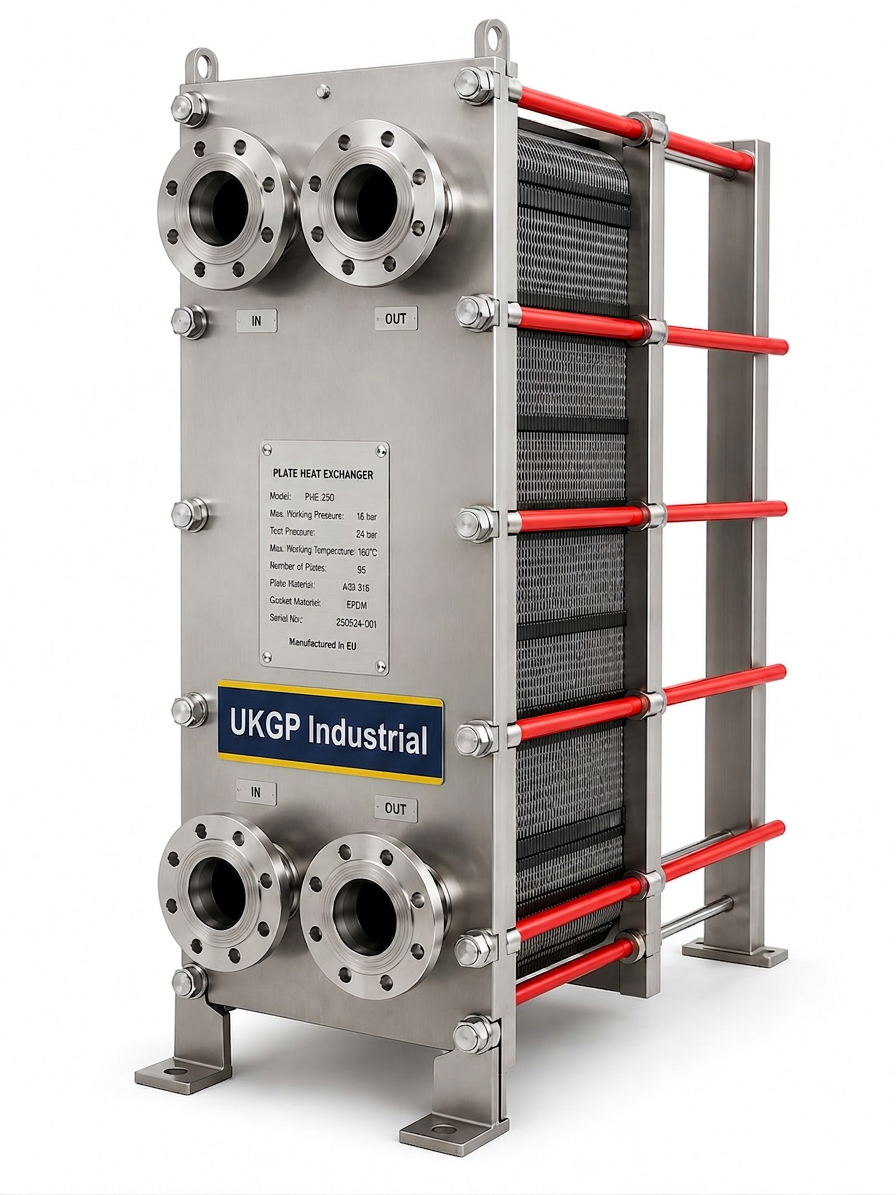
When specifying these components, engineers must account for both the expansion during heating cycles and the contraction during cooling periods. Failure to do so can result in the pipework pulling away from brackets or creating pinpoint leaks at soldered or press-fit joints. By integrating a copper pipe expansion joint at calculated intervals, you effectively isolate the mechanical stresses and protect the secondary assets like low loss headers or plate heat exchangers. Modern M&E designs increasingly favour these precision units to reduce the risk of future maintenance liabilities and to ensure the HVAC system meets the rigorous longevity expectations of facilities management teams across the UK.
- Accurate calculation of linear expansion coefficients for C101/C106 copper grades.
- Assessment of temperature differentials from ambient installation to peak operation.
- Evaluation of natural system flexibility versus mechanical bellows requirements.
Criteria for Copper Pipe Expansion Joint Selection
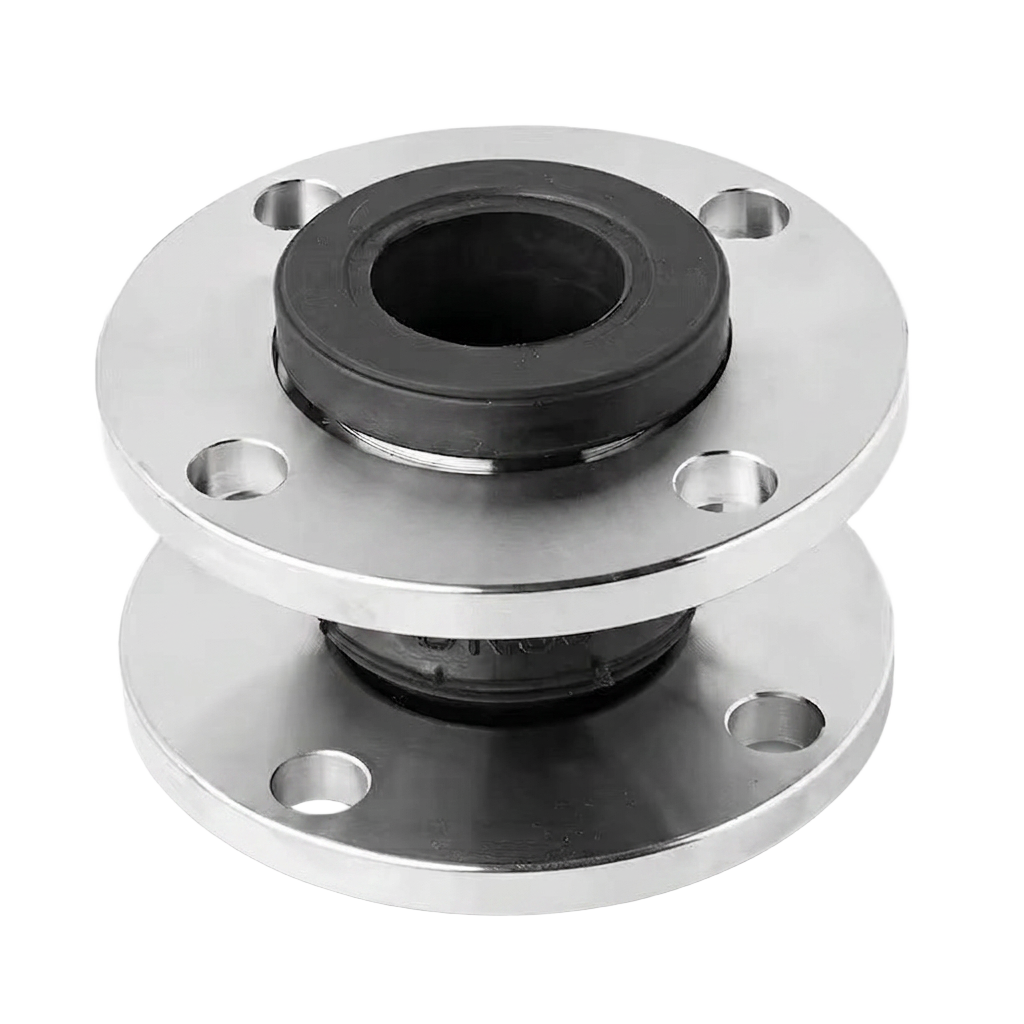
Selecting the correct copper pipe expansion joint requires a thorough analysis of the system fluid, pressure rating, and environmental conditions. While EPDM rubber bellows are often suitable for LTHW and GWS applications up to 100 degrees Celsius, high-pressure steam or high-temperature circuits may necessitate stainless steel or fabric variants. The selection must align with BS EN 14917 standards to ensure the bellows can withstand the cyclic fatigue of commercial operation. UKGP provides a range of solutions that accommodate these specific engineering needs, ensuring that whether you are dealing with a DN15 or a DN600 riser, the expansion solution is fit for purpose.
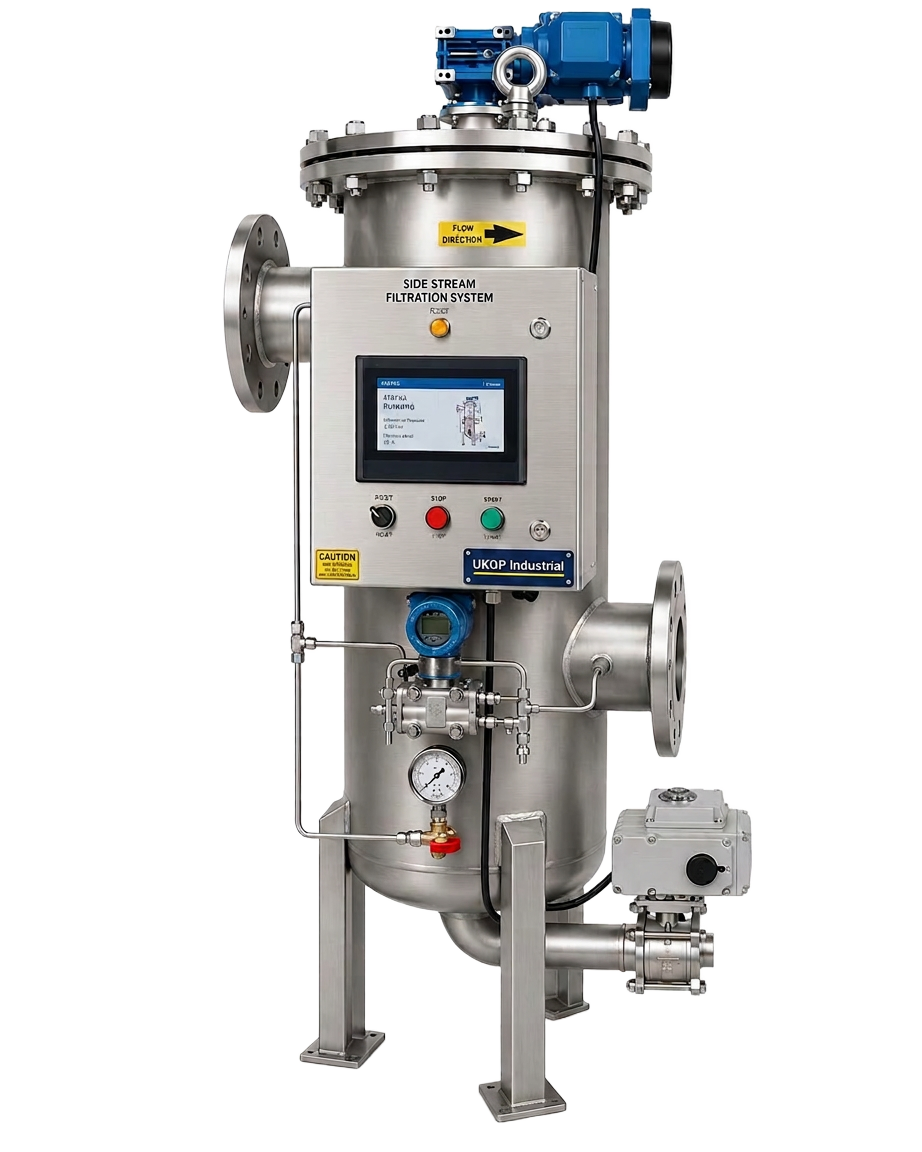
Pressure drop and flow characteristics are also vital considerations. An incorrectly specified joint can introduce unwanted turbulence or become a collection point for debris, which is why UKGP also recommends robust side stream filtration to maintain water quality alongside expansion control. The copper pipe expansion joint should be rated for the full system test pressure, typically 1.5 times the working pressure, to ensure safety margins during commissioning. Furthermore, the choice of end connections—whether flanged or weld-end—must match the existing pipework standard to facilitate a leak-free installation that withstands the rigours of thermal cycling over a 20-year design life.
Commercially aware procurement leads must also consider the warranty and provenance of the components. UKGP offers expansion bellows with a 2-year warranty, covering EPDM, NBR, stainless steel, and PTFE options. By choosing a copper pipe expansion joint from a Surrey-based manufacturer, contractors can ensure rapid technical support and availability for site-specific requirements. This local expertise is invaluable when navigating the complexities of large-scale M&E projects where lead times can impact the overall build schedule. Ensuring your selection satisfies BS 8552 and BSRIA guidelines will provide the necessary peace of mind for both the installer and the end-user during the handover process.
- Material compatibility check for EPDM, NBR, PTFE, and stainless steel.
- End connection configuration including flanged or weld-end specifications.
- Pressure and temperature rating verification against BSRIA BG29 standards.
Calculation and Sizing for Optimal Performance
Sizing a copper pipe expansion joint is a precise mathematical exercise that involves determining the total linear movement (delta L). This is calculated using the formula: delta L = L x alpha x delta T, where L is the length of the pipe run, alpha is the coefficient of thermal expansion for copper, and delta T is the temperature difference. Once this value is known, it is common practice to select a joint that can handle at least 20% more than the calculated movement to provide a safety factor. This conservative approach prevents the bellows from over-extending or compressing beyond its elastic limit, which could lead to premature material fatigue and failure.
Installation location is just as critical as the sizing itself. An axial copper pipe expansion joint must be installed between two main anchors that are capable of withstanding the pressure thrust and the force required to compress the bellows. Guides must also be placed at specific intervals—typically 4 diameters and 14 diameters from the joint—to ensure the pipe moves in a true axial direction. Without proper guiding, the copper pipe may bow or squirm, causing lateral forces that the axial bellows are not designed to accommodate. This careful planning ensures that the expansion joint remains the most flexible part of the system, effectively absorbing the energy of thermal growth.
For complex layouts with multi-directional movement, engineers may need to combine axial joints with angular or lateral compensators. However, for most standard UK plant rooms and riser applications, a well-placed copper pipe expansion joint will suffice. It is important to consult with technical specialists like those at UKGP to verify that the chosen DN size and bellows material perfectly match the flow rate and chemical composition of the system water. Correct sizing not only protects the pipework but also reduces the mechanical noise that can otherwise resonate through commercial buildings, improving the overall environment for occupants and meeting CIBSE acoustic guidelines.
- Application of the linear expansion formula for accurate bellows sizing.
- Strategic placement of main anchors and intermediate pipe guides.
- Integration of safety factors to accommodate unforeseen temperature spikes.
Compliance with BSRIA and British Standards
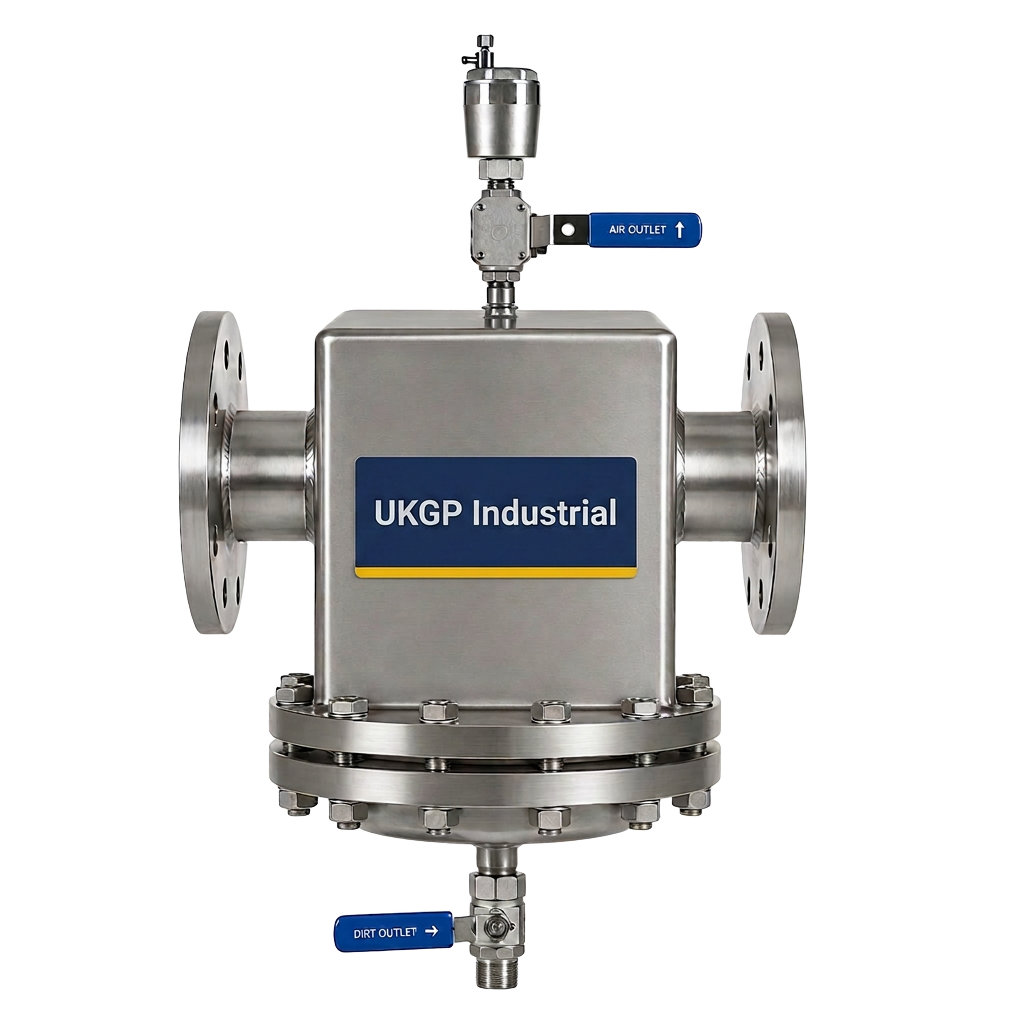
In the UK building services sector, compliance with BSRIA BG29 and BG50 is the benchmark for quality and longevity. These standards emphasize the importance of water treatment and mechanical integrity in closed-loop systems. Incorporating a high-quality copper pipe expansion joint is a key component of this, as it prevents external stresses from compromising the seals and joints that are vulnerable to corrosion. When a system is properly balanced and movement is controlled, the risk of stagnant zones or air pockets—often addressed by air and dirt separators—is significantly reduced, leading to a much more stable and predictable hydraulic environment for all connected plant.
Furthermore, BS EN 14917 provides the specific requirements for the design and manufacture of metal bellows expansion joints. Adhering to these standards ensures that the copper pipe expansion joint you install has undergone rigorous pressure and fatigue testing. For M&E contractors, this compliance is essential for professional indemnity and for meeting the stringent handover requirements of modern Tier-1 construction projects. Using non-compliant or unbranded expansion components can lead to costly remedial works and reputational damage if a failure occurs post-commissioning. UKGP ensures all expansion products meet these rigorous British and European standards for maximum reliability.
A final aspect of compliance involves the periodic inspection and maintenance of expansion components. While a copper pipe expansion joint is designed for long-term service, it must be accessible for visual inspection according to CIBSE guide M. Facilities managers should look for signs of 'bottoming out' or excessive elongation during seasonal temperature shifts. By following a structured maintenance regime and using high-specification UKGP expansion bellows, FM teams can extend the life of the entire HVAC infrastructure. This proactive approach to thermal management is a core tenet of modern asset management and ensures the building remains operational and efficient throughout its intended lifecycle.
- Alignment with BSRIA BG29 pre-commission cleaning and water quality protocols.
- Strict adherence to BS EN 14917 for domestic and industrial bellows design.
- Consistency with CIBSE maintenance guidelines for long-term reliability.
Integrating Expansion Control with Plant Room Components
The effectiveness of a copper pipe expansion joint is often dependent on the stability of the connected equipment. In a typical commercial plant room, expansion joints are located near the primary heat source to protect the heat exchangers and pumps from the massive forces generated in the headers. By isolating the thermal growth of the distribution pipework from the plant, you ensure that the sensitive internal components of plate heat exchangers or pH sensors remain within their design tolerances. This holistic approach to system design prevents the 'domino effect' where a pipe failure at a distance causes mechanical stress on the heart of the heating system.
When designing these interfaces, engineers must also consider the impact of vibration. While a copper pipe expansion joint primarily handles thermal movement, rubber EPDM bellows are also excellent at dampening high-frequency vibrations from circulating pumps. This dual-functionality is particularly beneficial in hospitals and residential developments where noise transfer must be strictly controlled. UKGP’s range of expansion bellows offers various materials to suit these damping requirements while still providing the required axial movement. This makes them an versatile choice for contractors looking to solve multiple mechanical issues with a single, high-quality component that is easy to install and maintain.
Finally, procurement leads should ensure that the expansion strategy is documented in the system's technical submittals. This include the specific locations of every copper pipe expansion joint, the calculated movement at each point, and the corresponding anchor details. Providing this level of detail during the design phase simplifies the installation process for M&E subcontractors and reduces the likelihood of on-site errors. With UKGP’s technical support, specifying the right DN15 to DN600 joint becomes a streamlined process, backed by the assurance of a 2-year warranty and a UK-based supply chain. Requesting a quote for these critical components early in the project lifecycle can prevent delays and ensure a high-performance HVAC installation.
- Vibration isolation for sensitive plant including pH sensors and transmitters.
- Damping of mechanical noise in noise-sensitive commercial environments.
- Streamlined technical submittals for M&E project approval and verification.
Installation Best Practices for Expansion Bellows
Proper installation is the final hurdle in ensuring a copper pipe expansion joint performs as intended. It is vital that the bellows are not used to compensate for pipework misalignment during the initial build. Forcing a joint into a gap that is too small or poorly aligned puts pre-stress on the material, significantly reducing its ability to handle thermal expansion once the system is live. Pipes should be correctly aligned and supported by guides before the expansion joint is bolted or welded into place. This ensures that the only forces acting on the bellows are the axial thermal movements they were specifically chosen to manage.
During the installation of a copper pipe expansion joint, contractors must also be careful with the use of heat. If welding copper ends or working nearby with a blowtorch, the heat can damage rubber or PTFE bellows liners if they are not properly protected. It is often recommended to use flanged connections for easier replacement and to avoid heat-related damage during the installation phase. Additionally, the shipping bolts or 'limit rods' must be removed only after the anchors and guides are fully secured but before the system is pressure tested. Leaving these in place prevents the bellows from moving, effectively rendering the expansion joint useless and potentially damaging the pipework.
Post-installation, a thorough pressure test must be conducted according to BS EN 12170 to ensure all connections are tight. This is the moment where the integrity of the copper pipe expansion joint and its interaction with the rest of the system is verified. For high-value projects, having a Surrey-based manufacturer like UKGP on hand for technical advice can be the difference between a successful commissioning and a costly redesign. Our range of EPDM, NBR, and stainless steel expansion bellows are designed to meet these rigorous site conditions, offering a durable solution for UK building services consultants and plant room engineers who demand the best in thermal movement control. Contact our team today for a bespoke sizing consultation.
- Prevention of pre-stress by ensuring precise pipe alignment prior to fitting.
- Correct handling of limit rods and shipping bolts during commissioning.
- Verification of joints through standardized pressure testing and visual audit.
Frequently asked questions
Why is a copper pipe expansion joint necessary in commercial HVAC?
- It is necessary to absorb the linear thermal expansion of copper pipework, which expands more than steel. This prevents mechanical stress, buckling, and leaks at fixed points, ensuring compliance with BSRIA BG50 standards.
Which material is best for an expansion bellows in a copper system?
- EPDM is typical for LTHW and GWS systems up to 100°C. For higher temperatures or chemical resistance, stainless steel, PTFE, or fabric bellows are required. UKGP offers all these variants in sizes DN15 to DN600.
How often should expansion joints be inspected?
- In accordance with CIBSE Guide M, they should be visually inspected annually for signs of fatigue, misalignment, or 'bottoming out' during peak operating temperatures.
Can a copper pipe expansion joint reduce system noise?
- Yes, specifically rubber (EPDM/NBR) expansion bellows help dampen vibration and mechanical noise from pumps and plant, preventing acoustic transmission through the building's pipework.
What is the warranty period for UKGP expansion bellows?
- UKGP provides a 2-year warranty on our range of expansion bellows, including rubber, stainless steel, and PTFE options, ensuring reliable long-term performance for UK M&E projects.