Understanding the Role of copper expansion bellows
In modern UK building services, copper remains a preferred material for small-bore heating and hot water distribution due to its excellent thermal conductivity and corrosion resistance. However, the high coefficient of linear expansion associated with copper means that even shorter runs can undergo significant dimensional changes as temperatures rise. This transition requires the integration of high-quality copper expansion bellows to absorb the resulting axial movement. Without these components, the stresses exerted on fixed points and joints can lead to premature fatigue, cracking, or catastrophic leaks at solder and press-fit connections. Engineers must calculate the precise movement expected based on the temperature differential and the total length of the pipe run before selecting a suitable unit.
The selection process for a copper expansion bellows must comply with BS EN 14917 standards, ensuring that the bellows membrane is rated for the system's maximum operating pressure and temperature. For small-bore applications, typically between DN15 and DN50, the bellows must be compact yet resilient enough to handle multiple cycles over the system's lifespan. UKGP Industrial provides these solutions to M&E contractors who require reliable thermal compensation in plant-room environments and risers. By choosing the correct bellows material, such as stainless steel with copper sweat ends or specific rubber-lined variants, you ensure that the internal bore remains protected from turbulence and erosion, which are common issues in high-velocity secondary hot water circuits.
Furthermore, the integration of these bellows is not merely a mechanical requirement but a compliance one. BSRIA BG29 and BG50 guidelines emphasize the importance of maintaining system integrity through proper expansion management to prevent the ingress of oxygen or mechanical debris caused by pipework movement. When copper expansion bellows are installed correctly, they act as the primary defense against the physical deformation of the pipe structure. It is essential for procurement leads to source UK-manufactured or high-specification bellows that offer a minimum 2-year warranty, guaranteeing that the capital investment in the copper pipework is protected against the unavoidable physics of thermal expansion in commercial heating loops.
- Absorption of axial thermal expansion in small-bore copper circuits.
- Prevention of stress-related fatigue on solder and press-fit joints.
- Compliance with BS EN 14917 and BSRIA movement management protocols.
- Reduction of noise transmission throughout domestic and commercial risers.
Guidance on Anchor and Guide Placement
Correct installation of copper expansion bellows requires more than just fitting the unit into the line; it necessitates a rigorous approach to anchoring and guiding. A pipework system containing bellows is effectively a pressure vessel that exerts a significant 'pressure thrust' on the ends of the pipe. To manage this force, heavy-duty main anchors must be installed at both ends of a pipe run containing a bellows unit. These anchors must be secured to the building's structural steelwork or concrete to withstand the calculated thrust loads. Intermediate anchors may also be required if the run is divided into multiple expansion sections, ensuring that each bellows only handles the movement of its dedicated segment.
In addition to fixed anchors, the use of alignment guides is mandatory to prevent the bellows from squirming or buckling under pressure. The first pipe guide should typically be positioned at a distance of no more than four pipe diameters from the copper expansion bellows, with the second guide located approximately fourteen diameters away. Subsequent guides are spaced according to CIBSE guidelines and the manufacturer's manual to ensure the pipe moves in a true axial direction. Failure to provide adequate guiding is the most common cause of bellows failure in the UK, as any lateral or angular shift can distort the convolutions and lead to a breach of the membrane.
For small-bore copper installations in tight ceiling voids or service risers, space is often at a premium. This makes the selection of compact, high-efficiency copper expansion bellows even more critical. M&E contractors should consult with technical specialists like UKGP Industrial during the design phase to ensure that the chosen anchor points can actually support the predicted loads. We provide technical support for our range of expansion bellows, which are available in flanged or weld-end configurations from DN15 up to DN600. Ensuring that these components are fitted with the correct cold pull, if required, ensures the system operates within its elastic limits from day one of commissioning.
- Requirement for structural main anchors to resist pressure thrust.
- Primary and secondary guide placement to prevent bellows squirm.
- Adherence to CIBSE spacing standards for small-bore copper pipework.
- Calculation of load requirements for building structure attachment.
Material Selection for Small-Bore HVAC Systems
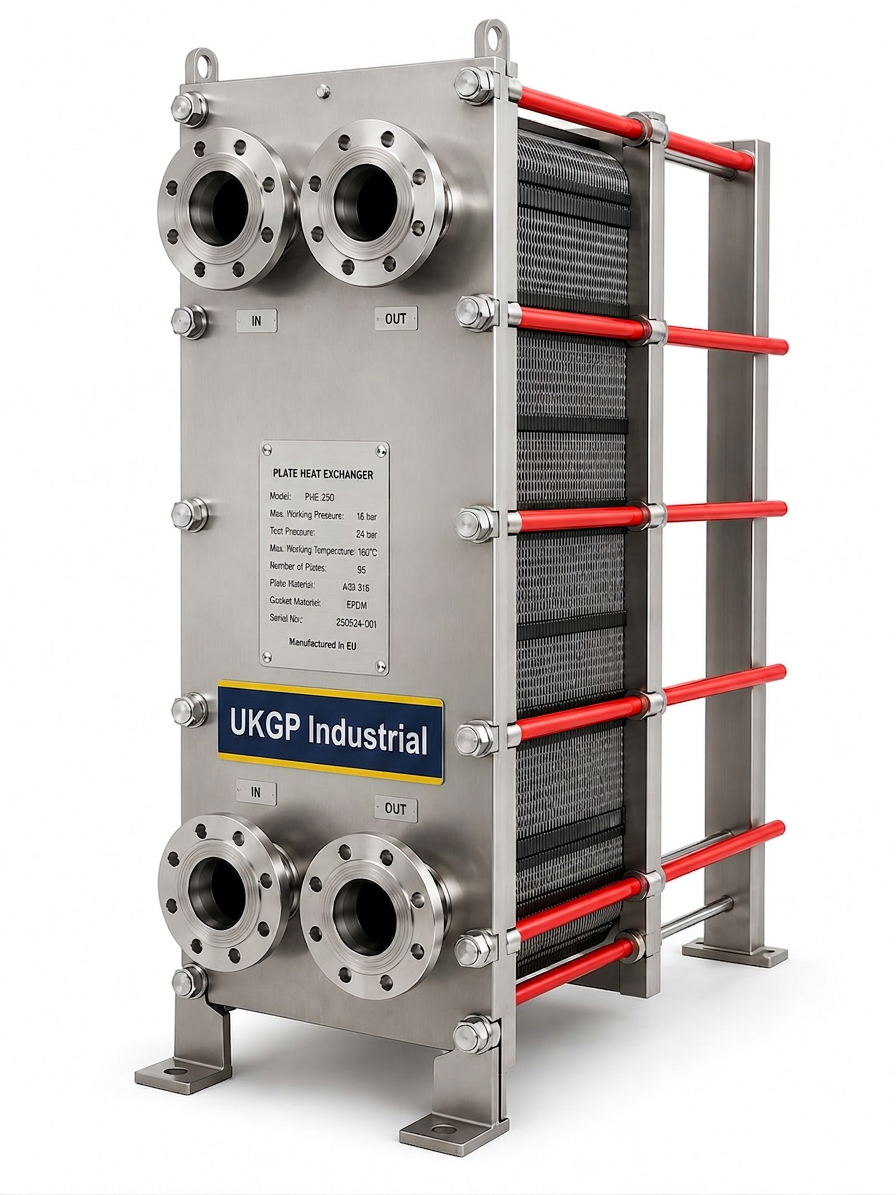
While we focus on the copper expansion bellows for thermal movement, the overall longevity of a small-bore system is often dictated by water quality and the materials used for heat transfer. For instance, in systems where copper pipework feeds into a central plant, the use of a plate heat exchanger can provide effective hydraulic separation between the primary and secondary circuits. This protects the sensitive copper pipework and expansion bellows from the potentially harsh chemical environment or debris found in older primary systems. By isolating the circuits, you reduce the risk of internal pitting corrosion within the bellows convolutions, which have a thinner wall than the surrounding pipework.
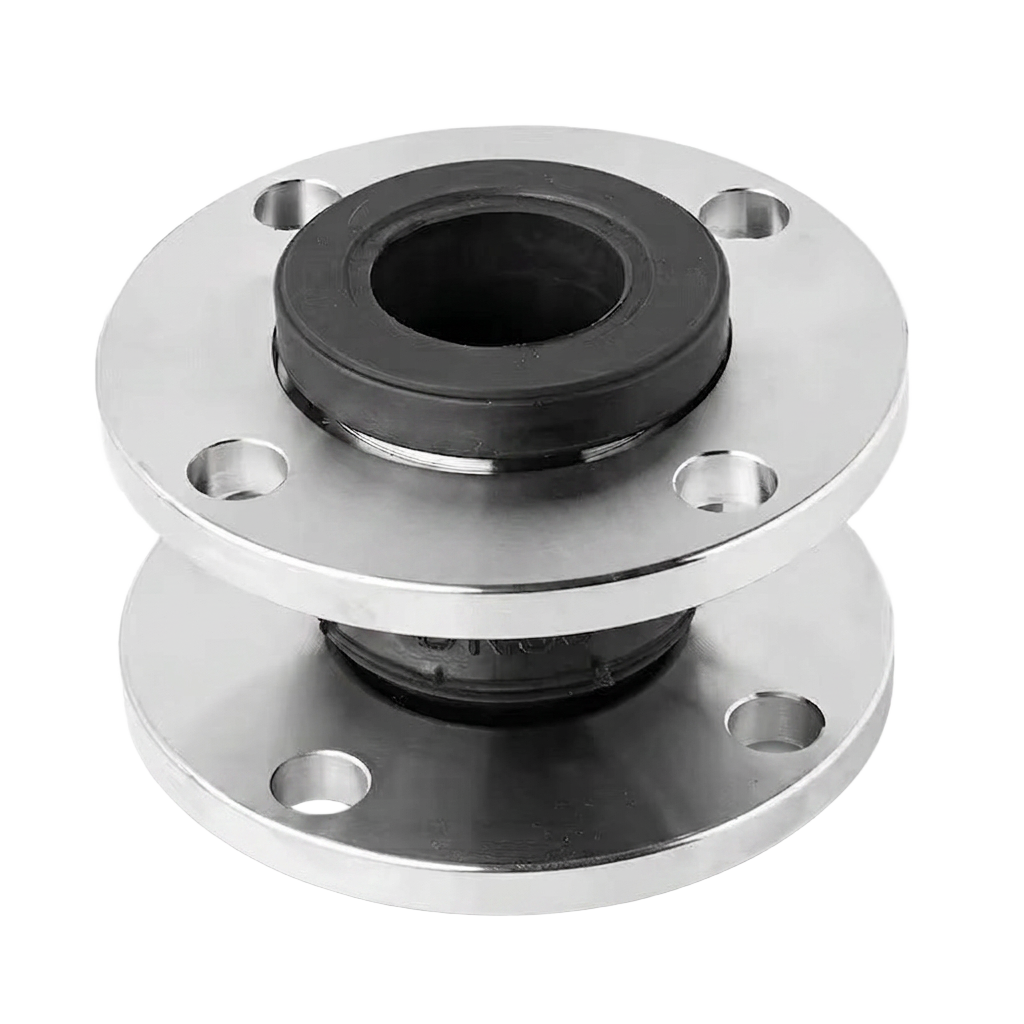
Materials for the bellows themselves can vary; while often referred to as 'copper bellows' in the trade, they frequently utilize stainless steel 316L convolutions for superior strength, joined to copper tails for easy site installation. For specialized applications where chemical resistance is paramount, such as in laboratory or industrial processing lines, PTFE or EPDM rubber bellows may be more appropriate. Regardless of the material, the component must be compatible with the treated water as per BS 8552 monitoring standards. UKGP Industrial offers expansion bellows in a variety of materials including EPDM, NBR, and stainless steel, ensuring that whatever the fluid, the thermal expansion is managed safely.
Ultimately, the goal for any FM or plant-room engineer is to minimize maintenance interventions. By specifying copper expansion bellows with a 2-year warranty and a high cycle life, you ensure that the small-bore system remains leak-free. Combining these with other plant equilibrium products like low loss headers or dosing pots further stabilizes the system environment. When copper expansion bellows are integrated into a holistic design that considers both mechanical movement and fluid dynamics, the result is a high-performing system that meets the expectations of both the procurement lead and the end-user for decades of trouble-free operation.
- Compatibility evaluation of bellows membrane with system chemistry.
- Use of hydraulic separation to protect small-bore components.
- Benefits of stainless steel convolutions with copper sweat ends.
- Focus on 2-year warranty and high-cycle reliability for FMs.
BSRIA BG29 and BG50 Compliance for Long-Term Integrity
Compliance with BSRIA BG29 (Pre-commission cleaning) and BG50 (Water treatment for closed heating and cooling systems) is non-negotiable for professional UK M&E contractors. When installing copper expansion bellows, it is essential to consider how pre-commission flushing might affect these components. High-velocity flushing can occasionally cause vibration in bellows if they are not properly supported, or worse, debris can become lodged within the convolutions, leading to localized corrosion or mechanical restricted movement. It is often recommended to use temporary bypasses or to inspect bellows thoroughly after the cleaning phase to ensure they are free from particulate matter that could compromise their flexibility.
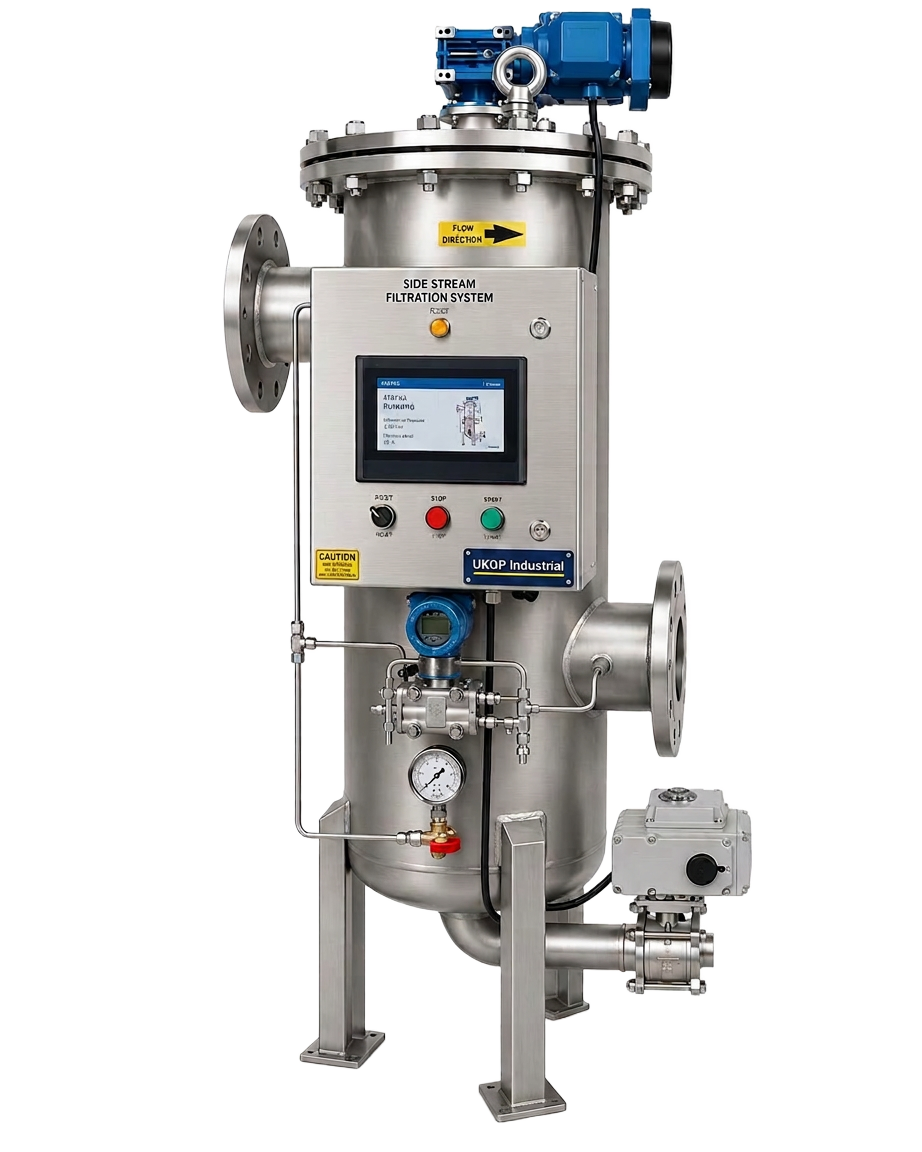
Long-term water treatment as per BG50 also plays a role in the health of your copper expansion bellows. Copper-based systems are susceptible to specific types of corrosion if the pH levels and inhibitor concentrations are not strictly maintained. Even a high-quality expansion bellows can fail if the system water becomes acidic or if oxygen ingress occurs through other faulty components. Routine monitoring using digital transmitters is advised for any large-scale installation. By maintaining the correct chemical balance, the metallic or rubber membranes within the expansion units will reach their full design life without the risk of stress-corrosion cracking, which is a common failure mode in poorly managed systems.
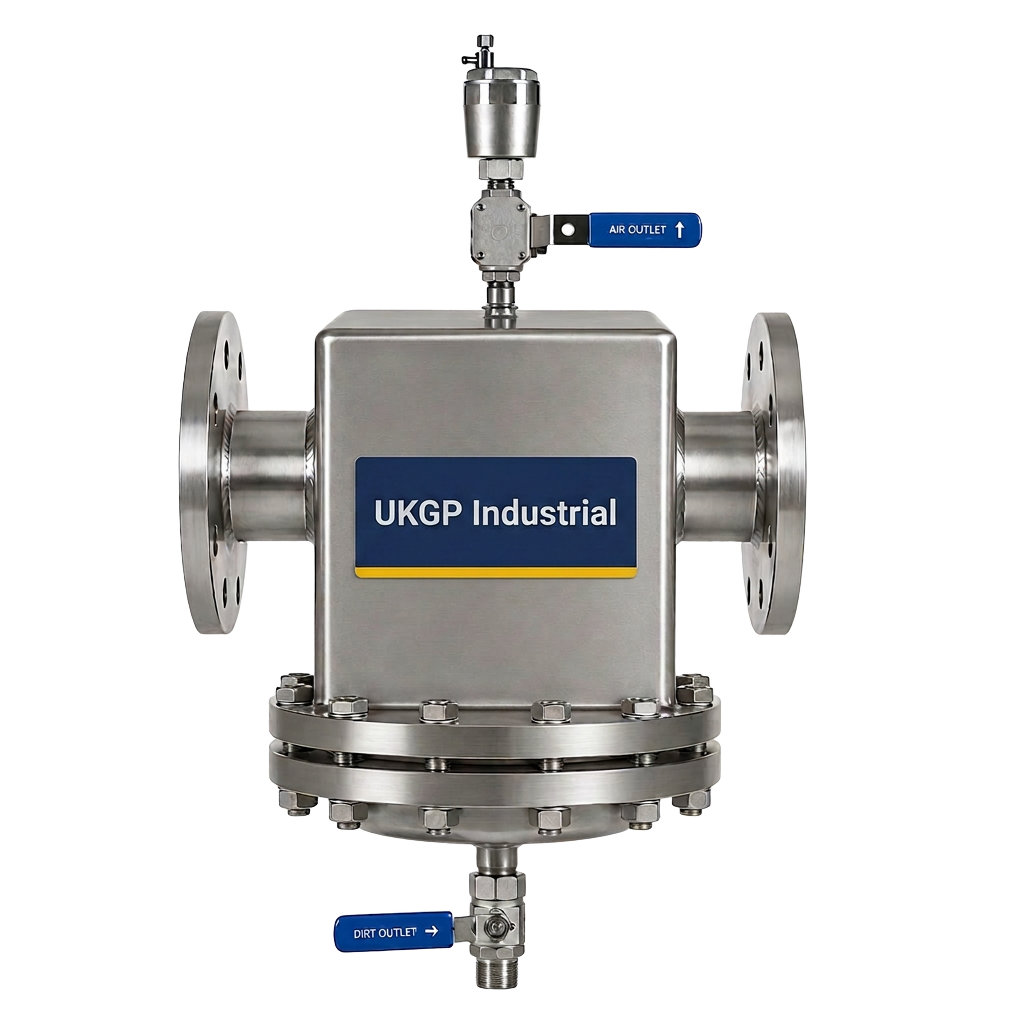
For small-bore installs, contractors must also be wary of 'dead legs' or areas of low flow that can occur around expansion bellows if the system is not balanced. The use of a dosing pot ensures that chemicals are introduced correctly without introducing air into the lines, further protecting the copper expansion bellows from oxidative damage. If you are currently designing a system or replacing failed units, UKGP Industrial provides the technical data sheets and expert advice needed to ensure your application meets all current BSRIA standards. Our range covers DN15 to DN600, ensuring we have the right size for any small-bore or large-bore UK project.
- Protection of bellows convolutions during BSRIA BG29 flushing.
- Prevention of stress-corrosion cracking through BG50 water treatment.
- Impact of system pH and oxygen levels on bellows membrane lifespan.
- Integrating dosing pots to maintain chemical inhibitor levels safely.
The Engineering Behind copper expansion bellows Design
The engineering complexity of a copper expansion bellows belies its simple appearance. Each convolution is designed to flex a specific amount, and the cumulative flex across all convolutions determines the total axial movement the unit can absorb. For small-bore copper systems, the bellows must be sensitive enough to react to the relatively low forces generated by DN15 to DN50 pipes, while remaining robust enough to withstand the system's static pressure. We manufacture our bellows to meet rigorous UK and international standards, ensuring that the wall thickness of the convolutions is optimized for both flexibility and pressure containment, providing a reliable solution for even the most demanding building services applications.
When specifying these units, engineers must decide between different end-connections. For copper pipework, solder-end or compression-end copper expansion bellows are frequently used to maintain material continuity. However, for larger risers or when connecting to plant-room equipment, flanged or weld-end versions might be preferred for their structural strength. UKGP Industrial carries a comprehensive stock of these variations, allowing for a seamless fit regardless of the connection method preferred on-site. Our stainless steel, EPDM, and PTFE options ensure that we can cater to standard LTHW systems as well as high-temperature steam or chilled water applications where insulation and condensation management are also key factors.
A critical but often overlooked aspect of copper expansion bellows design is the internal liner. In high-flow applications, an internal sleeve or liner can be included to protect the convolutions from the abrasive effects of the moving fluid and to reduce flow resistance. This is particularly important in small-bore systems where turbulence can lead to noise complaints in residential or office environments. By selecting a bellows with the appropriate internal configuration, you not only manage thermal expansion but also contribute to the overall acoustic comfort of the building. To discuss the specific requirements for your next small-bore project, contact our Surrey-based technical team for a detailed quote and lead-time estimate.
- Convolution geometry optimized for specific axial movement rates.
- Selection between solder-end, flanged, and weld-end connections.
- Role of internal liners in reducing turbulence and flow noise.
- Availability of EPDM, NBR, and stainless steel materials for all scales.
Final Considerations for Procurement and Commissioning
Procurement leads must balance cost-effectiveness with long-term reliability when sourcing components for HVAC projects. While budget alternatives to copper expansion bellows exist, the cost of a single failure in a high-rise riser or a finished ceiling void far outweighs the initial saving. Investing in quality units with a 2-year warranty provides peace of mind and reduces the total cost of ownership for the facility management team. UKGP Industrial ensures that all expansion bellows are rigorously tested and supplied with the necessary certifications to satisfy building control and insurance requirements, making us the partner of choice for leading M&E contractors across the UK.
During the commissioning phase, it is vital to verify that all shipping bolts or 'cold-set' pins have been removed from the copper expansion bellows after the anchors are secured. If these transit bars are left in place, the bellows cannot move, and the expansion force will be transferred directly to the pipework, almost certainly resulting in a joint failure once the system reaches operating temperature. Site managers should include this check in their final snaggings lists. Furthermore, a visual inspection for any signs of misalignment or external damage during the installation of other services should be conducted, as copper pipework is relatively soft and easily dented by other trades working in the same vicinity.
In conclusion, the successful installation of copper expansion bellows in small-bore systems depends on precise calculation, adherence to BSRIA and BS EN standards, and the selection of high-quality components. Whether you require DN15 units for a residential project or DN600 for a district heating mainline, UKGP Industrial offers the expertise and inventory to support your goals. Our expansion bellows—available in rubber, stainless steel, and fabric—are designed for durability and performance. Contact us today to receive a technical consultation or a competitive quotation for your next project, and ensure your pipework is protected by the best in the industry.
- Importance of 2-year warranty for reducing total cost of ownership.
- Critical removal of shipping bolts during the commissioning stage.
- Verification of certifications for building control and insurance.
- Final inspection protocols to ensure no trade-related damage occurred.
Frequently asked questions
Why is copper expansion management different from steel?
- Copper has a higher coefficient of thermal expansion than steel, meaning it expands more per degree of temperature rise, requiring more frequent or higher-capacity copper expansion bellows.
What is the standard warranty on UKGP expansion bellows?
- We provide a comprehensive 2-year warranty on our expansion bellows, covering materials including EPDM, NBR, and stainless steel.
Can I use these bellows for chilled water as well as heating?
- Yes, our copper expansion bellows are suitable for both LTHW and chilled water systems, provided the insulation is correctly applied to prevent condensation on the membrane.
What sizes are available for small-bore projects?
- We supply expansion bellows from DN15 up to DN600, covering everything from domestic small-bore copper to large industrial mains.
Do these bellows comply with BS EN 14917?
- Yes, all our metallic expansion joints are designed and manufactured in accordance with BS EN 14917 standards for pressure and movement.