Thermal Dynamics and Concrete Expansion Joint Rubber
In the context of modern plant room architecture, the relationship between structural movement and mechanical services is often overlooked until failure occurs. Using a concrete expansion joint rubber solution ensures that the natural movement of the building's floor slab does not interfere with the rigid anchoring of heavy plant such as low loss headers or heat exchangers. When boilers cycle or district heating systems ramp up, the resulting shift in structural temperature can cause significant linear expansion. Engineers must account for these forces by integrating flexible interfaces that prevent stress fracture in the surrounding concrete plinths or floor structures.
From a BSRIA BG50 perspective, ensuring the long-term integrity of a closed-loop water system involves more than just chemical water treatment. It also requires the physical protection of the distribution infrastructure. If a concrete expansion joint rubber is not correctly specified, the resulting mechanical stress can lead to premature fatigue in pipe supports and jointing systems. This creates a risk of system leaks, which in turn introduces fresh oxygen into the circuit, compromising the corrosion protection strategy outlined in BSRIA guidelines. Professional procurement leads should prioritise high-grade elastomeric materials that maintain their flexibility over thousands of thermal cycles.
Choosing the right material grade is vital for longevity in varied UK climates. Whether the requirement is for EPDM, NBR, or specialized PTFE interfaces, the goal remains the same: isolating the mechanical vibration and thermal growth from the structural substrate. UKGP Industrial specializes in providing commercial-grade expansion solutions that bridge the gap between heavy-duty HVAC plant and the building's structural foundations. By specifying the correct concrete expansion joint rubber at the design stage, M&E contractors can avoid costly remedial works during the defects liability period, ensuring that the facility remains operational and compliant with the latest CIBSE recommendations.
- Mitigates vibration transfer from high-output pumps to the building fabric
- Prevents mechanical stress from cracking concrete equipment plinths
- Ensures alignment with CIBSE Guide B for noise and vibration control
- Maintains structural integrity during high-temperature water distribution cycles
BSRIA Best Practice for Expansion and Vibration Control
Adherence to BSRIA BG29 and BG50 is the benchmark for quality in the UK HVAC industry. While these documents focus heavily on pre-comission cleaning and water chemistry, they also touch upon the mechanical stability of the network. A concrete expansion joint rubber is often the first line of defence in maintaining this stability. By allowing for the differential movement between the plant room floor and the ascending risers, these joints prevent the mechanical anchoring points from shearing. This is particularly important in high-rise commercial developments where the cumulative expansion of steel pipework can exceed several centimetres over the height of the building.
Furthermore, the selection of materials must comply with BS EN 14917 standards to ensure that the expansion devices can withstand the design pressures and temperatures of the system. In many plant room applications, a standard concrete expansion joint rubber may be used alongside sophisticated expansion bellows to provide a multi-layered approach to movement management. This ensures that even if one element of the system is under extreme load, the overall structural integrity of the plant room remains uncompromised. Engineers should look for suppliers who offer comprehensive technical data sheets and proven performance records in the UK market to satisfy insurance and safety requirements.
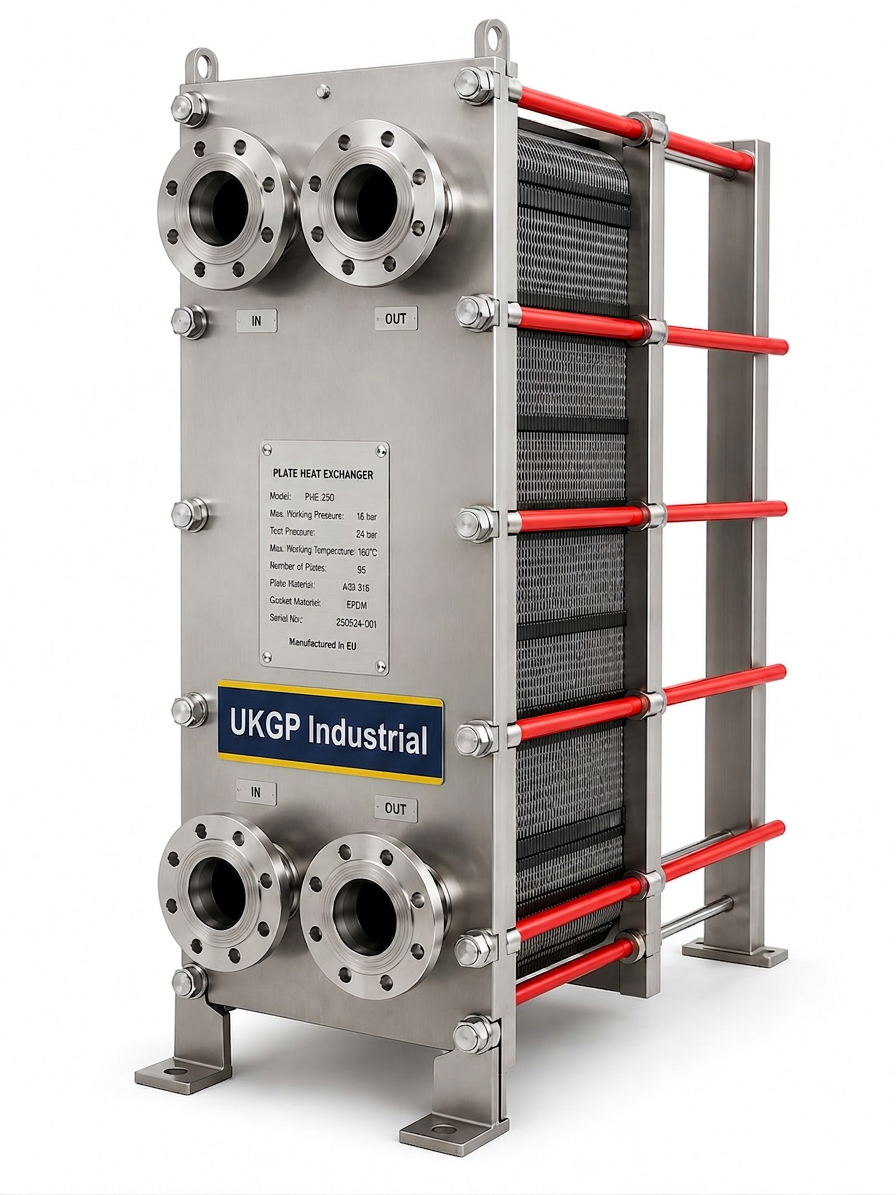
For facilities managers, the long-term maintenance of these joints is a critical task. Over time, inferior rubber compounds can harden or perish, especially when exposed to elevated ambient temperatures near large boiler sets or plate heat exchangers. By selecting premium EPDM or NBR concrete expansion joint rubber, FMs can significantly reduce the frequency of inspections and the likelihood of structural repairs. At UKGP Industrial, we understand that reliability is non-negotiable for large-scale commercial assets, which is why our expansion solutions are engineered to meet the rigorous demands of modern British engineering standards.
- Complies with BS EN 14917 for expansion joint pressure ratings
- Aligns with BSRIA BG50 maintenance protocols for physical plant integrity
- Reduces long-term maintenance costs for facilities management teams
- Protects expensive assets like plate heat exchangers from shear forces
Integrating Expansion Bellows with Structural Joints
While a concrete expansion joint rubber manages the movement at the slab level, the internal pipework requires a more dynamic solution to handle the volumetric changes of the primary heating medium. This is where expansion bellows become indispensable. These components are designed to absorb axial, lateral, and angular movement within the pipework, ensuring that the force exerted by expanding water and metal does not damage the sensitive connections of the boilers or pumps. Integrating these bellows with structural expansion joints ensures a holistic approach to building movement that satisfies both structural and mechanical engineering briefs.
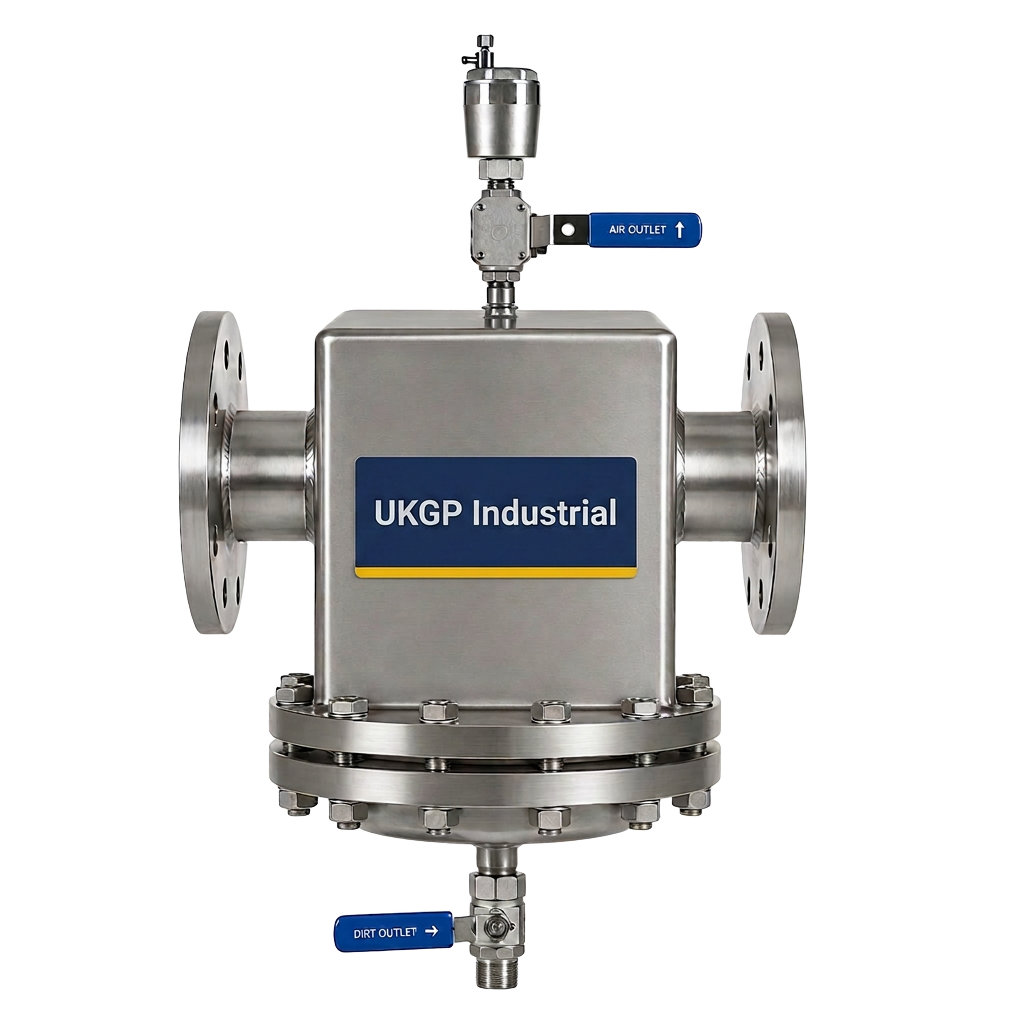
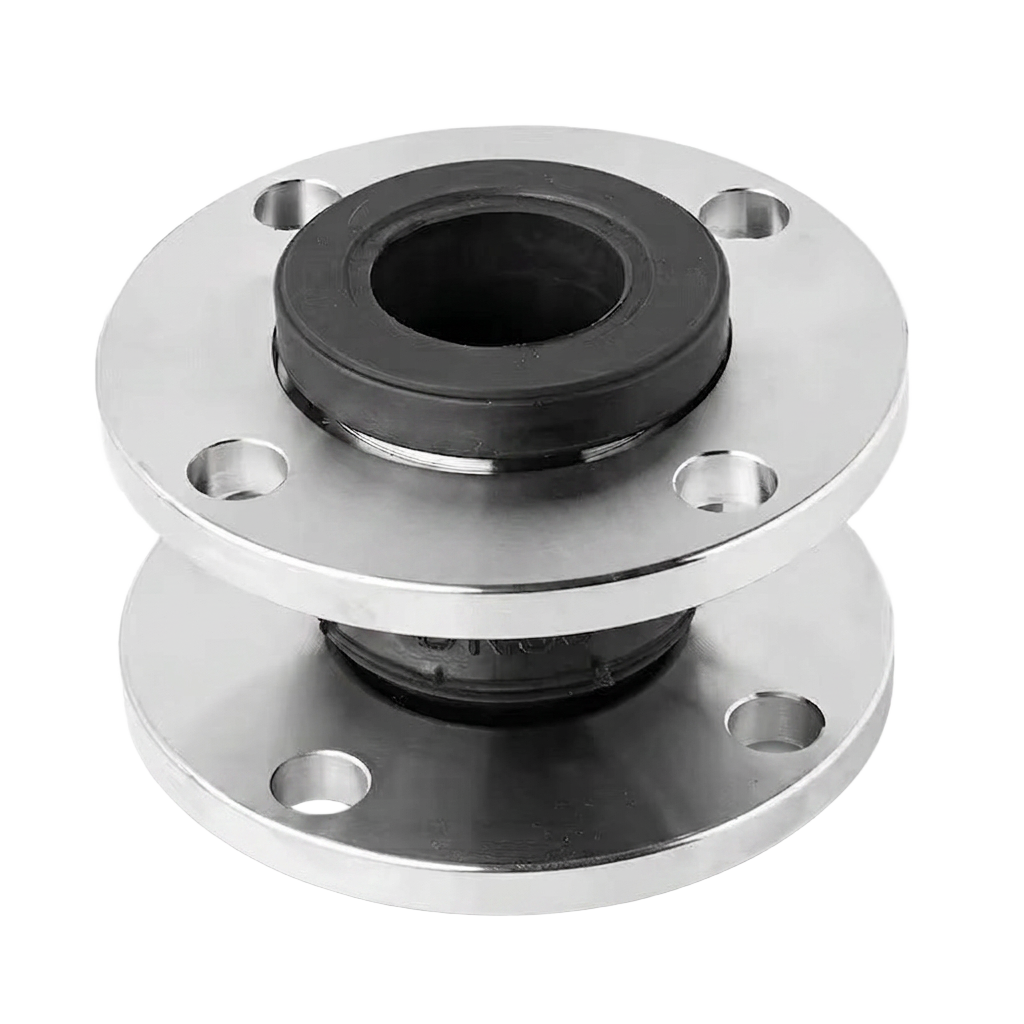
UKGP Industrial provides a comprehensive range of expansion bellows designed to complement any concrete expansion joint rubber installation. Our range includes rubber EPDM/NBR, stainless steel, PTFE, and fabric options, covering sizes from DN15 to DN600. These units are available with flanged or weld-end connections to suit any site requirement. By installing a UKGP expansion bellows, M&E contractors can be confident in a 2-year warranty that underscores our commitment to quality. These components are essential for protecting the high-value equipment that forms the heart of the plant room, from chemical dosing pots to air and dirt separators.
Proper installation of these bellows is just as important as the selection of the concrete expansion joint rubber. This involves ensuring that the pipework is correctly anchored and guided according to CIBSE specifications. Without proper anchoring, the expansion bellows cannot function as intended, potentially leading to 'squirm' or total failure. By working with a specialist UK supplier like UKGP Industrial, consultants can receive the technical support necessary to design a system that is both efficient and durable. Our expansion solutions are built to withstand the rigours of commercial HVAC operation, providing peace of mind for both the installer and the end-user.
- Available in EPDM, NBR, Stainless Steel, and PTFE materials
- Sized from DN15 to DN600 with flanged or weld-end options
- Includes a standard 2-year warranty for commercial peace of mind
- Absorbs multi-axial movement to protect downstream mechanical plant
Protecting Low Loss Headers and High-Value Plant
The inclusion of a concrete expansion joint rubber in the design phase is particularly critical for protecting heavy-duty hydraulic separation units. Low loss headers are a staple of large-scale boiler installations, facilitating hydraulic balance between primary and secondary circuits. However, their size and weight make them susceptible to damage if the floor slab settles or if the connecting pipework expands unevenly. By isolating the header's mounting points with suitable elastomeric joints, engineers can ensure that the vessel remains square and that the internal flow dynamics are not disrupted by mechanical warping.
Beyond structural protection, the use of a concrete expansion joint rubber assists in noise attenuation. In commercial buildings like hotels or hospitals, the hum of large circulating pumps can travel through the concrete structure if not properly isolated. The right expansion joint acts as a break in the acoustic path, ensuring that the plant room noise stays within its designated zone. This is a key requirement for achieving BREEAM ratings and meeting modern building regulations regarding acoustic performance. High-quality EPDM or NBR rubber compounds are particularly effective at absorbing the high-frequency vibrations associated with modern variable-speed drive pumps.
UKGP Industrial offers a range of high-performance low loss headers that are designed to work in tandem with our expansion control products. By sourcing both the header and the expansion bellows or concrete expansion joint rubber from a single UK supplier, procurement leads can simplify their supply chain and ensure better technical compatibility. Our team provides expert advice on the correct sizing and placement of these units, ensuring that the final installation meets the highest UK engineering standards. Contact us today to discuss how our integrated solutions can improve the longevity of your next mechanical project.
- Reduces acoustic transfer to sensitive areas of the building
- Maintains hydraulic balance by ensuring equipment remains level
- Simplifies the procurement process via a single UK source
- Ensures long-term stability for large-diameter distribution pipework
Material Specification for Concrete Expansion Joint Rubber
The choice between EPDM and NBR for a concrete expansion joint rubber depends largely on the environmental conditions of the plant room. EPDM (Ethylene Propylene Diene Monomer) is the industry standard for most HVAC applications due to its excellent resistance to heat, ozone, and weather. It is particularly well-suited for hot water distribution systems where ambient temperatures may be elevated. NBR (Nitrile Butadiene Rubber), on the other hand, is preferred in environments where resistance to oils and fats is required, making it ideal for industrial facilities or sites with specific chemical exposure risks.
When specifying a concrete expansion joint rubber, it is also important to consider the shore hardness of the material. A rubber that is too hard will not provide the necessary vibration isolation, while a material that is too soft may deform under the weight of the plant it is meant to support. Engineers should refer to the manufacturer's load-bearing specifications to ensure that the material chosen is fit for purpose. This level of detail is what separates a standard installation from an expert-level mechanical design, ensuring that the building services remain reliable for the duration of the asset's life cycle.
In addition to standard rubber solutions, some aggressive environments may require PTFE-lined expansion joints. These offer superior chemical resistance and can operate at higher temperatures than standard elastomeric compounds. While more expensive, they provide a necessary solution for specialized industrial processes or high-pressure steam applications. UKGP Industrial stocks a wide variety of these materials, ensuring that we can provide the correct concrete expansion joint rubber for any UK commercial or industrial specification. Our technical team is available to assist consultants in selecting the most cost-effective and durable material for their specific project requirements.
- EPDM offers superior heat and ozone resistance for standard HVAC
- NBR provides excellent oil resistance for industrial settings
- PTFE-lined options available for high-temperature chemical paths
- Shore hardness must be balanced against mechanical load requirements
Ensuring System Reliability and Long-Term Compliance
Ultimately, the goal of installing a concrete expansion joint rubber is to ensure the reliability of the building services infrastructure. In an era where downtime can result in significant financial loss or disruption to essential services, the quality of small components like expansion joints becomes a major factor in risk management. By following the guidelines set out by BSRIA and CIBSE, and by selecting products that meet BS EN 14917, engineers can build a system that is robust against the stresses of daily operation. This proactive approach to mechanical design saves thousands of pounds in potential repair costs.
Whether you are working on a new-build plant room or a major refurbishment of an existing commercial estate, the protection of your assets should be a priority. UKGP Industrial remains at the forefront of the UK mechanical market, providing the high-specification components required for modern building services. From concrete expansion joint rubber to our 2-year warranted expansion bellows (DN15-DN600), we provide the components that keep the UK's heating and cooling systems running smoothly. Our focus on quality and technical excellence ensures that our clients receive the best possible support for their mission-critical installations.
We invite M&E contractors and consultants to contact our Surrey-based office for a detailed quote or technical consultation. Our experience in the UK market allows us to understand the unique challenges faced by local engineers, from constrained plant room spaces to the need for rapid delivery of critical components. By choosing UKGP Industrial, you are partnering with a supplier that values engineering integrity and commercial reliability. Let us help you ensure that your next project is fully compliant with BSRIA best practices and equipped with the finest expansion control technology available in the UK today.
- Mitigates the risk of catastrophic system failure and downtime
- Demonstrates a commitment to engineering best practices and safety
- Ensures long-term asset protection for building owners and FMs
- Offers a clear path to compliance with UK building regulations
Frequently asked questions
What is the primary function of a concrete expansion joint rubber in an HVAC setting?
- It acts as a flexible interface between the building's structural concrete and mechanical plant, absorbing thermal expansion and vibration to prevent structural damage and maintain system alignment.
How does BSRIA BG50 influence the choice of expansion joints?
- BSRIA BG50 emphasizes maintaining system integrity to prevent leaks and oxygen ingress; high-quality expansion rubber prevents mechanical stress that can lead to such leaks in pipework and joints.
Can I use standard EPDM for all expansion joint applications?
- While EPDM is excellent for most heating and cooling systems, NBR is required if there is oil or chemical exposure, and PTFE is needed for more aggressive industrial media or higher temperatures.
What sizes are available for UKGP expansion bellows?
- UKGP Industrial provides expansion bellows in sizes ranging from DN15 to DN600, available with either flanged or weld-end connections for versatile installation.
Do UKGP expansion products come with a warranty?
- Yes, our expansion bellows products (including EPDM, NBR, Stainless Steel, and PTFE options) come with a standard 2-year warranty to ensure commercial reliability.