Understanding the challenges of pH measurement in building services
Measurement of pH in industrial and commercial HVAC systems is significantly more complex than laboratory analysis. In closed-loop heating and chilled water systems, the water is often treated with inhibitors that can affect the conductivity of the medium. Standard sensors often struggle with low-conductivity water, leading to drift and slow response times. Engineers must ensure that the selected sensor is designed for the specific ionic strength of the process fluid.
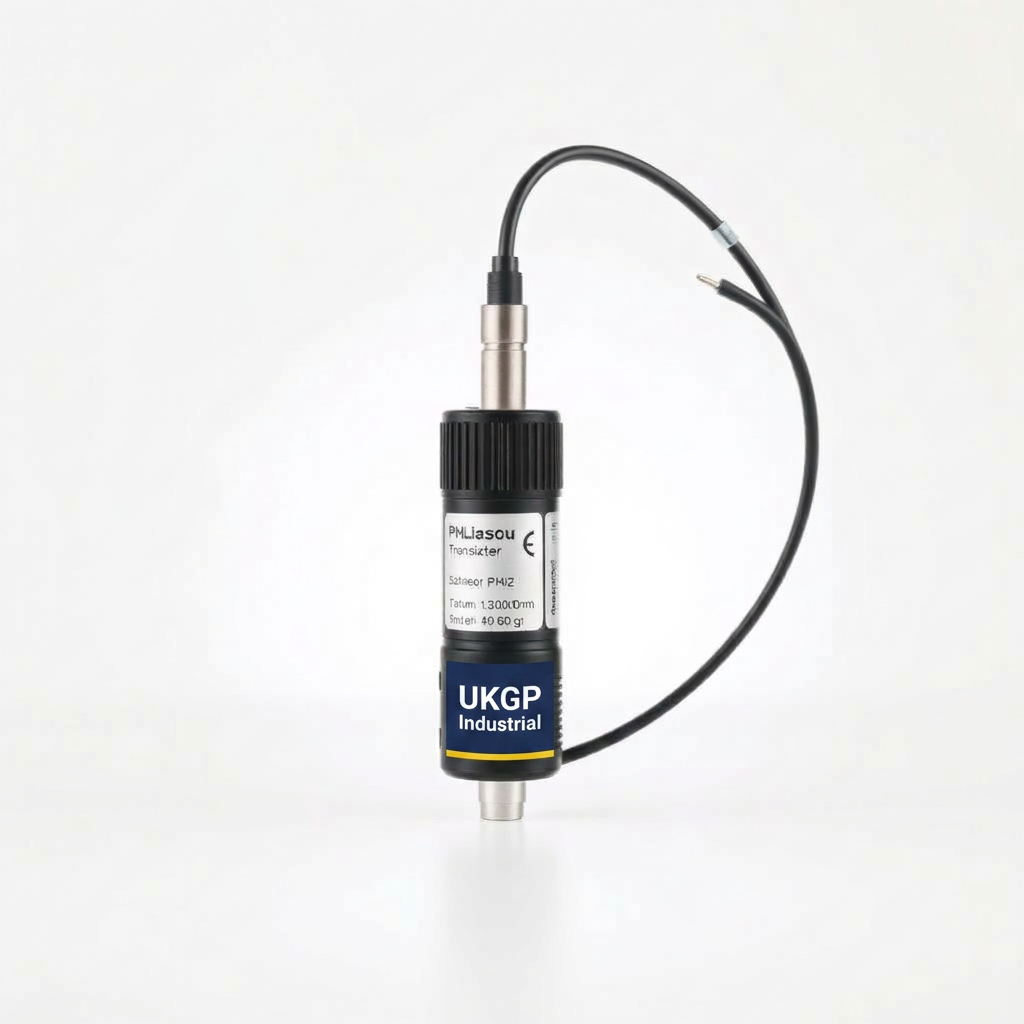
Physical location is equally critical. In a plant room, sensors are often subjected to mechanical vibration from pumps and electromagnetic interference (EMI) from variable speed drives (VSDs). Traditional high-impedance pH signals are incredibly sensitive to this noise. Selecting a transmitter with integrated pre-amplification or digital signal processing is essential to maintain signal integrity over long cable runs to the BMS or SCADA head-end.
Finally, the pressure and temperature ratings of the sensor must match the system design. While many process sensors are rated for atmospheric discharge, residential or commercial heating circuits may operate at 6 to 10 bar. Using a standard laboratory-grade probe in these conditions will lead to electrolyte leakage or catastrophic glass bulb failure. BSRIA BG29/21 and BG50 guidelines emphasise the importance of continuous monitoring, which can only be achieved with industrial-grade hardware.
- Low conductivity in closed-loop systems (often <100 µS/cm).
- Pressure fluctuations in primary circuits (up to 10-16 bar).
- Temperature variations, particularly in LTHW and MTHW systems.
- Galvanic interference from mixed-metal pipework.
Frequently asked questions
How often should industrial pH sensors be calibrated?
- Calibration frequency depends on the fouling nature of the medium. For closed-circuit heating systems, quarterly checks are usually sufficient. For wastewater or cooling towers with high solids, monthly or even weekly calibration is recommended to manage sensor drift.
Can pH sensors be used in high-temperature heating circuits?
- Yes, but it must be accounted for. High temperatures accelerate the chemical reaction in the glass bulb and can shorten sensor life. Standard sensors are often rated to 60°C, while high-temperature variants can reach 100°C+. Always use temperature compensation (ATC) to ensure the pH reading is normalised to 25°C.
What are the advantages of M12 smart electronics over traditional hard-wired sensors?
- Standard 4-20mA transmitters require specific cable lengths and are prone to EMI. M12 digital smart sensors allow for 'plug-and-play' replacement without recalibration at the transmitter, as calibration data is stored on the sensor head itself.
What is the typical lifespan of an industrial pH probe?
- Sensor life is finite. In clean water, a sensor may last 24 months. In aggressive chemical dosing or high-fouling wastewater, this may drop to 6-12 months. Sudden failure often indicates a 'poisoned' reference junction.