The Role of a Chemical Dosing System in Modern HVAC
In the UK's commercial building services sector, the integrity of a closed-loop network relies heavily on the consistent application of corrosion inhibitors and biocides. A robust chemical dosing system acts as the primary gateway for introducing these essential chemicals without exposing the system to unwanted oxygen or pressure drops. By integrating a bypass-style chemical dosing system into the plant room design, M&E contractors can ensure that water treatment regimes are not only effective but also repeatable. Modern plant environments demand a chemical dosing system that is manufactured to withstand high pressures while providing a simple, manual interface for facility managers to manage glycol top-ups or inhibitor boosts during routine maintenance schedules.
Engineering consultants often specify a chemical dosing system based on the total water volume of the installation. For large-scale university campuses or commercial office blocks, the efficiency of the heat transfer process is directly linked to the absence of scale and magnetite. A well-designed chemical dosing system ensures that the internal metallurgy of the pipework remains protected from galvanic corrosion and microbial growth. Failure to maintain these chemical levels can lead to premature pump failure and reduced thermal efficiency across plate heat exchangers. Therefore, selecting a chemical dosing system that meets British Standards and provides reliable service is a critical procurement decision for any significant UK infrastructure project.
Furthermore, the strategic placement of a chemical dosing system within the plant room is vital for ensuring the chemicals are distributed evenly throughout the circuit. It is common practice to install these units on a bypass across the main flow and return headers, utilizing the differential pressure to drive the chemicals into the system. This method ensures that the chemical dosing system does not impede the primary flow rates, maintaining the hydraulic balance of the network. By adhering to BSRIA BG29 pre-commissioning cleaning and BG50 maintenance guidelines, engineers can transition from installation to operation with the confidence that the chemical dosing system will protect the asset's lifecycle and reduce the total cost of ownership over decades of service.
- Facilitates the safe introduction of inhibitors and biocides.
- Maintains water chemistry to prevent magnetite and scale buildup.
- Essential for BSRIA BG50 and BG29 compliance frameworks.
- Supports the longevity of high-value plant room components.
Sizing and Material Specifications for Your Dosing Pot
When specifying a chemical dosing system, the volume of the dosing pot is the first technical hurdle. UKGP Industrial offers a range of sizes including 5L, 10L, and 25L configurations to suit diverse system volumes. A 10L pot is often the industry standard for medium-sized commercial plant rooms, providing enough capacity for a significant glycol top-up without requiring multiple refill cycles. The material of construction is equally important; while carbon steel is the standard for most LTHW systems, stainless steel variants are available for high-specification or high-pressure environments where longevity and corrosion resistance are paramount. Each UKGP unit is manufactured to exacting standards, ensuring it can handle the rigours of modern pressurised environments.
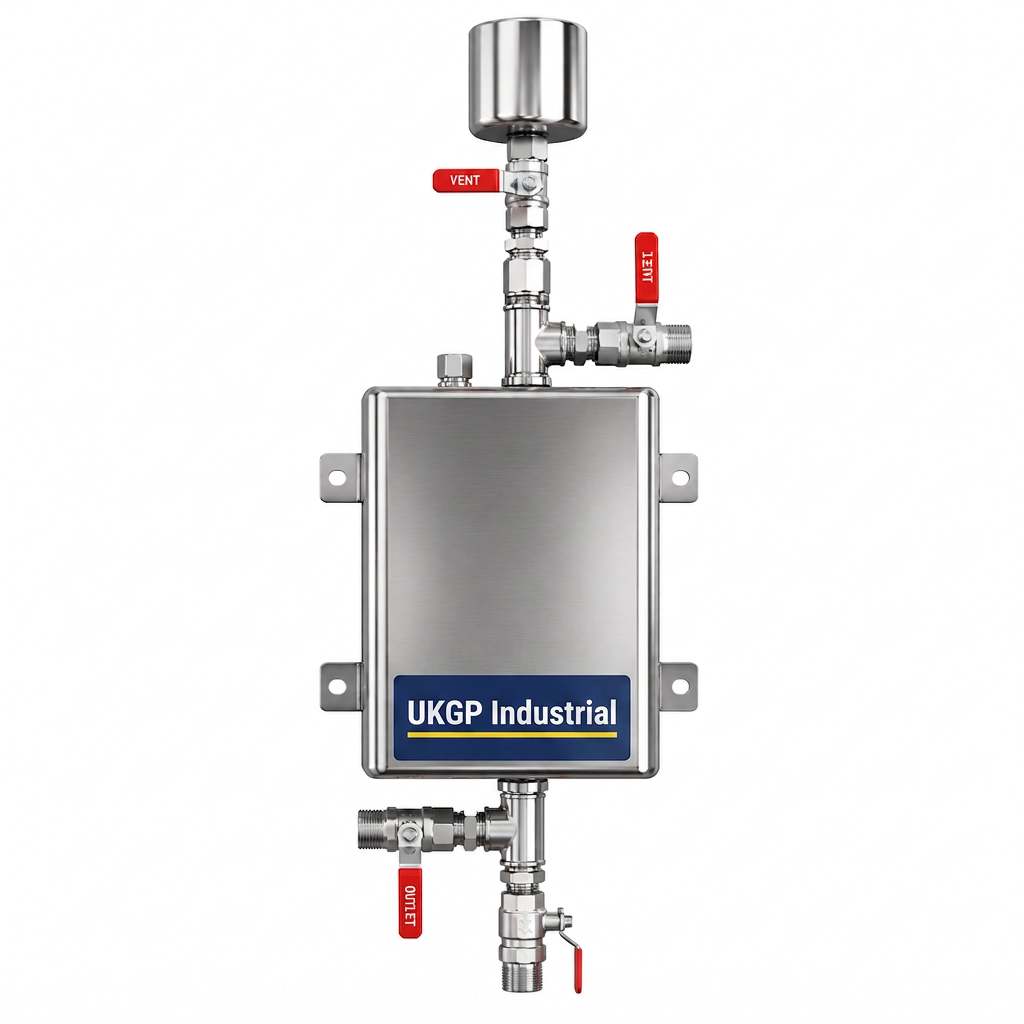
The mechanical features of a high-quality chemical dosing system must include reliable isolation valves and a dedicated drain and vent assembly. These components allow the operator to isolate the pot from the main system, drain the water safely, fill it with the required chemicals, and then vent air before re-introducing the mixture into the flow. This process prevents air ingress, which is a major contributor to oxygen-based corrosion. For engineers focused on durability, our chemical dosing system pots come with a 2-year warranty, reflecting our confidence in the weld quality and pressure testing that every unit undergoes before leaving our UK facility. This ensures the unit remains a dependable asset rather than a point of failure.
Beyond the basic vessel, the configuration of the bypass pipework should be considered during the design phase. A well-specified chemical dosing system should always be bypass-mounted with high-quality ball valves to ensure a tight shut-off. This level of control is necessary for precise dosing and for the safety of the maintenance personnel. Whether you are dealing with a small commercial boiler room or a district heating energy centre, the professional finish of a UKGP chemical dosing system provides aesthetic consistency alongside technical performance. Selecting a unit that is pre-assembled with a tundish can also streamline the installation process for M&E contractors on-site, saving valuable labour hours during the final stages of a project fit-out.
- Available in 5L, 10L, and 25L capacities to match system volume.
- Options for carbon steel or stainless steel construction.
- Supplied with isolation valves, air vent, and drain valve as standard.
- Includes a 2-year warranty for peace of mind and quality assurance.
Maintaining BSRIA BG50 Water Quality Standards
Monitoring the circulating water is a continuous requirement under BSRIA BG50 guidelines, and a chemical dosing system is the primary tool for remediation when levels fall below specified parameters. Regular testing might reveal a depletion in molybdenum or nitrite levels, necessitating an immediate boost of inhibitor. Without a permanently installed chemical dosing system, this process becomes invasive and risky, often requiring the system to be partially drained. By having a dedicated dosing station, FM teams can react quickly to water analysis reports, ensuring that the protective film on the internal pipework remains intact and effective against the constant threat of oxidation.
In addition to manual dosing, modern plant rooms often integrate a chemical dosing system alongside automated monitoring equipment. For instance, pairing a dosing vessel with pH sensors and transmitters allows for real-time visibility of water health. If the pH level drifts outside the neutral to slightly alkaline range recommended by major UK commercial boiler OEMs, the facility manager can immediately use the chemical dosing system to stabilise the environment. This proactive approach is far more cost-effective than reactive repairs necessitated by pinhole leaks or heat exchanger blockages. Protecting the boiler circuit from the outset is the most reliable way to maintain the heat transfer efficiency required for modern energy ratings.
The commercial implications of poor water treatment are significant, ranging from increased energy bills to the total failure of expensive chillers and boilers. By specifying a UKGP chemical dosing system, you are investing in a proven method of chemical delivery that has been trusted by Surrey-based engineers and national contractors alike. Our pots are designed to be intuitive to use, reducing the risk of operator error during the dosing process. When combined with regular laboratory analysis of the system water, as per BS 8552, the chemical dosing system ensures that the building's climate control remains efficient, reliable, and compliant with all relevant British insurance and safety standards.
- Facilitates rapid response to water quality analysis reports.
- Supports real-time monitoring when used with pH transmitters.
- Reduces the risk of costly reactive maintenance and outages.
- Ensures long-term compliance with BS 8552 sampling protocols.
Installation Best Practices for Dosing Pots
Correct installation of a chemical dosing system is as important as the unit's specification itself. It should be located in an accessible part of the plant room, ideally at chest height to allow for safe manual handling when pouring chemicals or glycol. The pipework connecting the chemical dosing system to the main headers should be kept as short as reasonably practicable to ensure efficient mixing. It is also recommended to install the unit in parallel with the circulating pumps to leverage the highest possible differential pressure, which assists in moving the dosing fluid into the main stream quickly and effectively.
Safety is another critical factor; the chemical dosing system must be fitted with a tundish for safe draining and to provide a visible air gap. Because these units are pressure vessels, they must be checked for integrity during the annual plant room audit. UKGP's units are designed with robust mounting brackets to ensure they are securely fixed to the wall or a frame, preventing stress on the connecting pipework. When the chemical dosing system is first commissioned, it is essential to ensure that all air is purged through the top vent valve to prevent air locks in the bypass line, which could otherwise lead to localised corrosion within the pot itself.
Contractors should also consider the orientation of the valves. Proper labelling of the 'Inlet', 'Outlet', 'Drain', and 'Vent' prevents confusion during the critical dosing process. A standard UKGP chemical dosing system is designed with this user experience in mind, ensuring that even junior engineers can perform the task safely. If the system requires a high volume of glycol, such as in external chiller circuits, the 25L model is highly recommended to minimize the time spent on the roof or in the plant room. By following these installation best practices, the chemical dosing system will provide decades of trouble-free service, protecting the wider HVAC investment.
- Install at an accessible height for safe manual handling.
- Connect across the pump to utilize differential pressure.
- Always include a tundish for safe drainage and air gap compliance.
- Ensure the unit is correctly vented to prevent air ingress.
Integrating Dosing with Side Stream Filtration
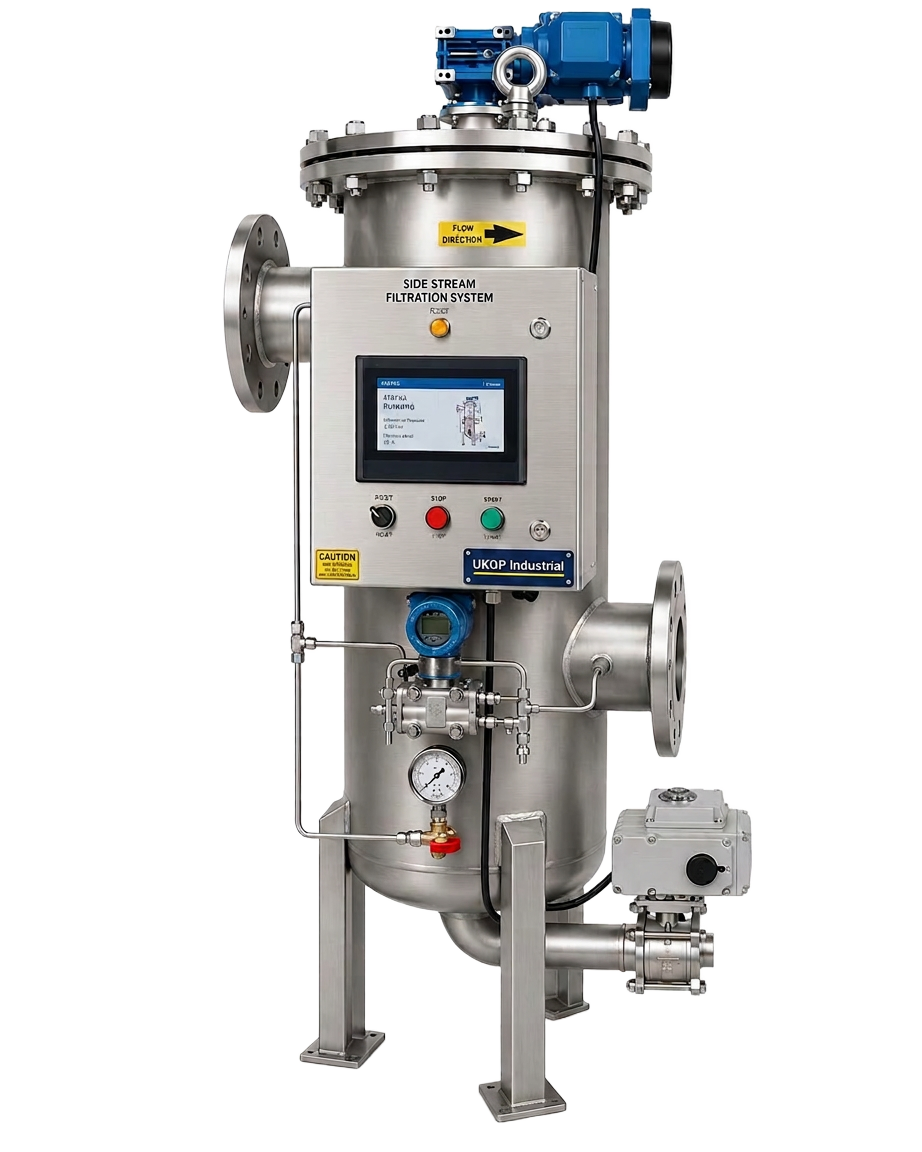
While a chemical dosing system is vital for chemical balance, it works best when integrated with a side stream filtration unit. A side stream filter removes the physical contaminants, such as magnetite and debris, that the chemicals help to loosen or hold in suspension. This dual-action approach—physical removal and chemical protection—is the gold standard recommended in BSRIA BG50. By maintaining clean water through filtration, the inhibitors introduced via the chemical dosing system can work more effectively, as they are not being 'used up' reacting with high loads of suspended solids. This synergy significantly extends the life of the water treatment chemicals.
For plant room engineers, managing both the chemical dosing system and the filtration equipment provides a comprehensive strategy for system health. If a system is found to have high levels of iron, the filtration unit works to clear the water while the dosing pot is used to replenish the protective inhibitor film. This preventitive maintenance cycle is what separates high-performing buildings from those plagued by constant pump replacements and cold spots in the emitters. UKGP provides the full suite of equipment needed to achieve this, ensuring compatibility between the various plant room components for a seamless procurement process.
When designing the hydraulic layout, placing the chemical dosing system upstream of the side stream filtration can sometimes be beneficial for ensuring new chemicals are filtered for any impurities before reaching the main heat exchangers. However, the most critical factor is simply having both systems present. Procurement leads should look for suppliers who understand these interactions and can provide the technical documentation required for the O&M manuals. A UKGP chemical dosing system is not just a steel vessel; it is a critical component of a wider strategy dedicated to HVAC efficiency and operational reliability in the UK's demanding commercial sector.
- Filters physical debris while the dosing system balances chemistry.
- Reduces the quantity of chemicals required by maintaining cleaner water.
- Proven strategy for eliminating cold spots and pump wear.
- Aids in a faster clean-up during the system commissioning phase.
Future-Proofing Your Plant Room with UKGP
The shift towards lower-temperature heating systems and heat pump technology makes the role of the chemical dosing system even more vital. Lower temperatures can encourage different types of bacterial growth, meaning the biocidal dosing via a chemical dosing system must be more precise than in traditional high-temperature boiler circuits. UKGP Industrial stays at the forefront of these technological shifts, ensuring our ancillary equipment is compatible with the latest industry trends and environmental regulations. Our engineering team in Surrey is always available to discuss specific project requirements, from bespoke vessel sizes to material selection for aggressive environments.
Looking ahead, the sustainability of HVAC systems is measured by their longevity and efficiency. A chemical dosing system that prevents scale buildup directly contributes to carbon reduction goals by maintaining peak thermal performance. When heat exchangers remain clean, the energy required to transfer heat is minimised. This not only meets the requirements of the building owner for lower energy bills but also aligns with the UK's broader net-zero ambitions. Choosing a UKGP chemical dosing system means choosing a product built to last, manufactured with precision, and backed by a 2-year warranty that guarantees performance in the most demanding commercial applications.
In summary, the chemical dosing system is an indispensable part of any high-quality HVAC installation. By selecting the correct size, material, and placement, and by adhering to the guidance set out in BSRIA BG50 and BS 8552, you can ensure that your system remains efficient and compliant for its entire service life. We invite consultants and contractors to contact UKGP Industrial today for a competitive quote on our chemical dosing pots. With stock available in carbon and stainless steel, and capacities ranging from 5L to 25L, we are ready to support your next project with the engineering expertise and high-quality hardware that the UK building services industry demands.
- Adaptable to low-temperature heat pump and district heating systems.
- Contributes to carbon reduction by maintaining heat transfer efficiency.
- Direct access to Surrey-based technical expertise and UK stock.
- Robust 2-year warranty on all chemical dosing pot assemblies.
Frequently asked questions
What size chemical dosing system do I need for my building?
- Sizing is typically based on the total system water volume. As a general rule, a 5L pot is suitable for smaller commercial units, while a 10L or 25L chemical dosing system is preferred for larger estates to allow for efficient glycol and inhibitor introduction without multiple fills.
Should I choose a carbon steel or stainless steel dosing pot?
- Carbon steel is the standard for most LTHW heating circuits. However, for CHW (chilled water) systems or high-specification projects where maximum corrosion resistance is required, a stainless steel chemical dosing system is recommended.
How often should chemicals be added via the dosing system?
- In accordance with BSRIA BG50, water quality should be tested at least quarterly. If the analysis shows a drop in inhibitor levels, the chemical dosing system should be used immediately to bring the levels back within the manufacturer's specified range.
Does a chemical dosing system require its own power supply?
- No, the UKGP chemical dosing pots are manual bypass feeders. They utilize the differential pressure created by the system's circulating pumps to move the chemicals into the main flow, making them a simple and reliable non-powered solution.
Is a warranty provided with the UKGP chemical dosing system?
- Yes, all our chemical dosing pots come with a 2-year warranty as standard. This covers the vessel construction and the integral valves, ensuring long-term reliability in commercial plant room environments.