Moving Beyond Central Heating Inhibitor Screwfix Products
Procuring a central heating inhibitor screwfix alternative might suffice for a domestic flat, but commercial systems demand a rigorous chemical regime to prevent the catastrophic failure of plate heat exchangers and boiler blocks. In massive commercial circuits, the sheer volume of water makes manual pouring impractical and potentially hazardous. Instead, industry professionals rely on bypass-mounted dosing vessels to introduce high-concentration inhibitors, glycols, and biocides without requiring a system shutdown. This ensures that the chemical intervention is distributed evenly throughout the entire circuit, reaching dead legs and headers.
The difference between domestic-grade chemicals and commercial water treatment lies in the sophistication of the chemical analysis required under BS 8552 and BSRIA BG50. A commercial plant room typically operates at higher pressures and temperatures, meaning any air ingress or microbial growth can accelerate corrosion rates exponentially. Relying solely on retail-grade solutions like central heating inhibitor screwfix might lead to inadequate concentration levels in large bypass loops. UKGP's range of 5L, 10L, and 25L dosing pots allows engineers to scale their chemical administration to the exact volume of the primary circuit, ensuring comprehensive coverage.
Choosing the right delivery hardware is just as vital as the chemical itself. While a consumer-facing central heating inhibitor screwfix product is designed for ease of use by DIY enthusiasts, commercial systems must adhere to strict Health and Safety requirements, including the safe handling of concentrated chemicals. By installing a UKGP carbon steel or stainless steel dosing pot, facility keepers can introduce the necessary chemicals in a controlled environment, reducing the risk of spillages or air ingress that could otherwise compromise the system's longevity and energy efficiency performance over time.
- Compliance with BSRIA BG50 'Water Treatment for Closed Heating and Cooling Systems'
- Avoidance of system downtime during chemical top-ups
- Higher chemical concentration capacity for large-scale circuits
- Robust carbon or stainless steel construction for high-pressure plant rooms
BSRIA BG29 and BG50 Management Protocols
Strict adherence to BSRIA BG29 (Pre-commission cleaning of pipework systems) and BG50 is non-negotiable for modern UK building services. These standards outline that a system must be properly flushed and then treated with a high-quality inhibitor to prevent future corrosion. Simply adding a central heating inhibitor screwfix bottle will not satisfy the handover requirements of a major new-build project or a large-scale boiler replacement. Professional contractors must prove that the concentration levels are maintained at optimal levels, which is precisely why a permanent bypass-mounted dosing pot becomes a critical asset in any plant room asset list.
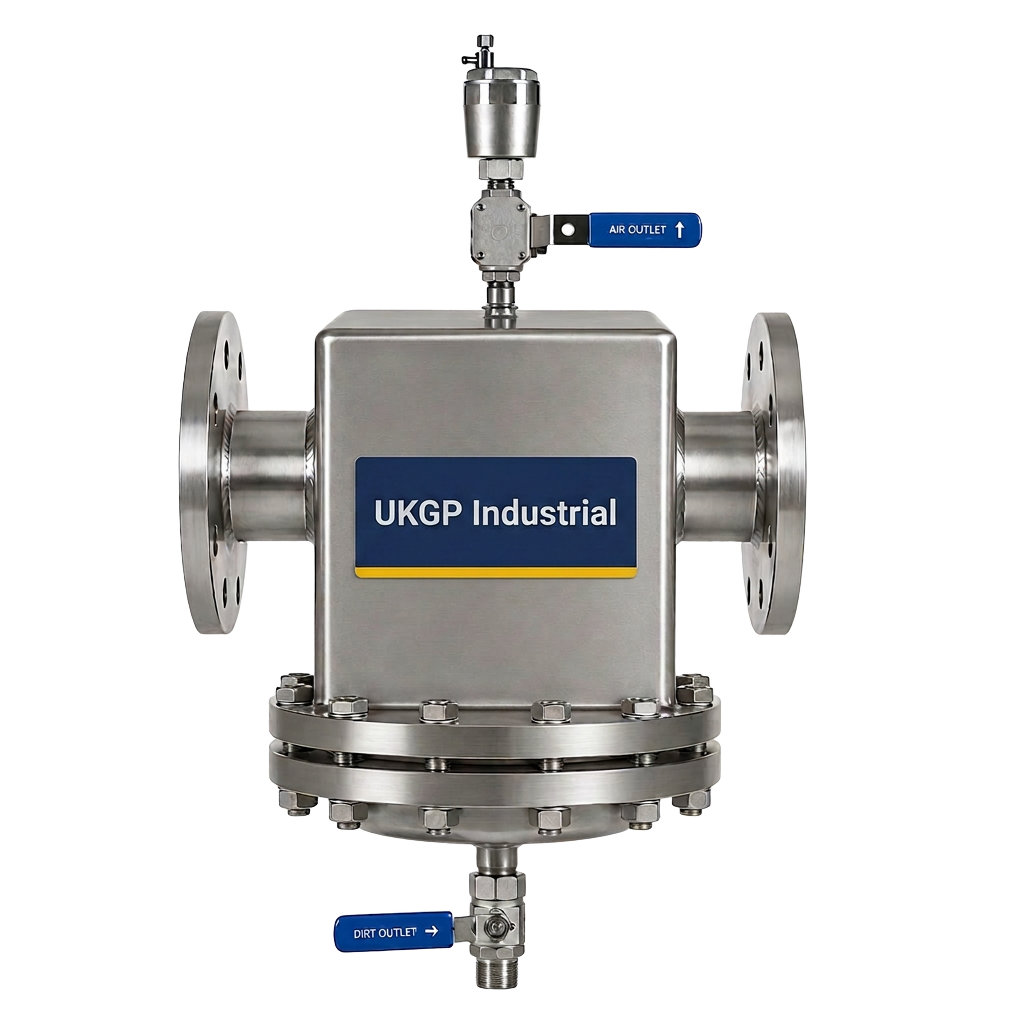
When an M&E contractor commissions a project, they must ensure the system is protected from oxygen corrosion and metallic scaling. If the system is not dosed through a dedicated vessel, the risk of air pockets and 'hot spots' increases. Unlike the casual application of a central heating inhibitor screwfix product, the use of a UKGP dosing pot ensures that the chemicals are mixed into the flow through a bypass valve arrangement. This method is the industry-standard way to meet CIBSE recommendations for water quality and to ensure that the 25-year design life of major components, such as air and dirt separators, is preserved.
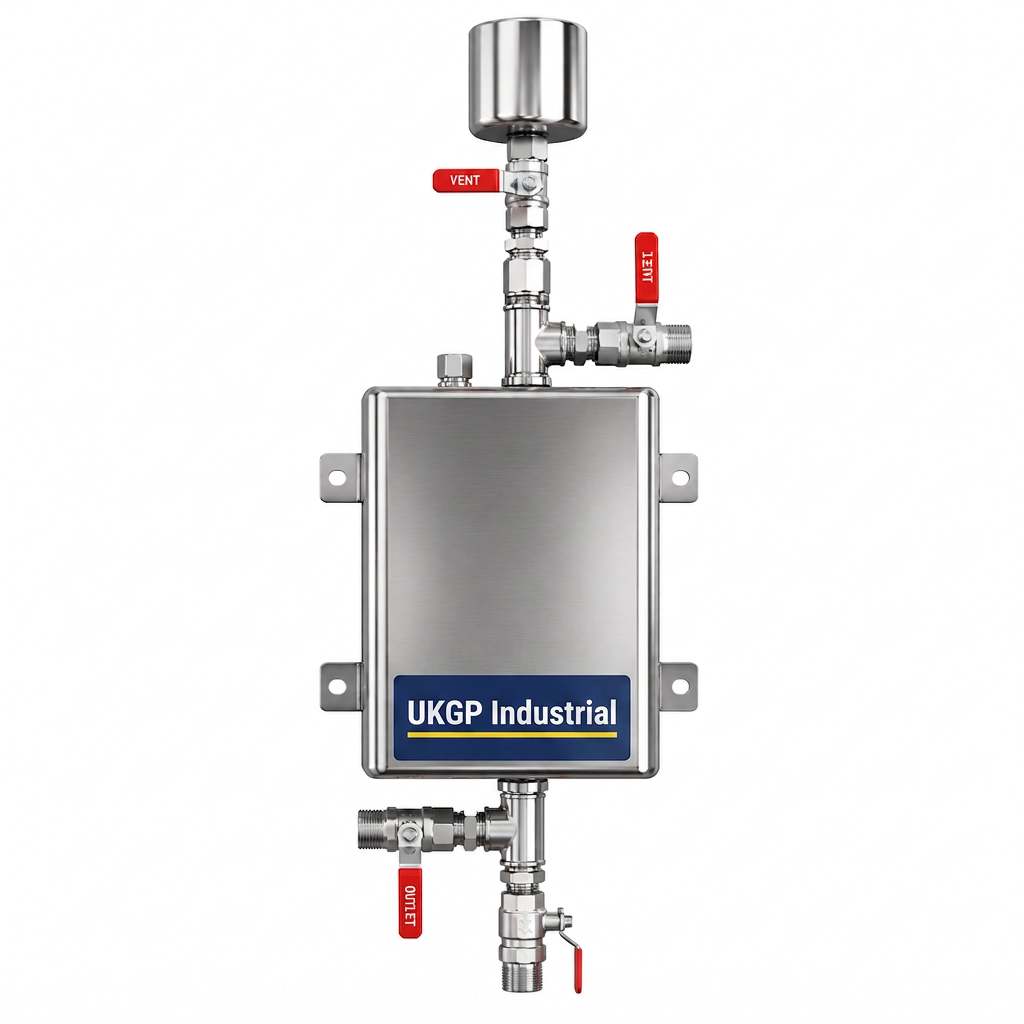
Furthermore, the ongoing maintenance of a system requires regular sampling and topping up of inhibitors. A central heating inhibitor screwfix purchase might be a one-off fix for a small leak, but for long-term FM contracts, a permanent dosing solution is essential for glycol top-ups and chemical adjustments. UKGP's dosing pots feature essential isolation valves, drain valves, and air vents, making them the most practical choice for plant room engineers who need to perform monthly chemical checks without disrupting the operational continuity of the building’s heating or cooling infrastructure.
- Ensures long-term compliance with BS 8552 testing standards
- Facilitates easy glycol and inhibitor top-ups for multi-floor buildings
- Reduces the risk of microbial growth in low-temperature circuits
- Protects expensive downstream assets like plate heat exchangers
Technical Specifications of Commercial Dosing Pots
When specifying a bypass-mounted vessel to replace the need for a retail central heating inhibitor screwfix solution, engineering data is paramount. UKGP dosing pots are engineered to handle the rigours of commercial environments, available in 5L, 10L, and 25L capacities. They are typically manufactured from carbon steel or stainless steel to match the existing pipework and come with a standard 2-year warranty to provide peace of mind to procurement leads. Unlike plastic domestic canisters, these units are designed to withstand significant operating pressures and include high-quality isolation valves and a dedicated funnel for safe pouring.
The installation of these units should always be on a bypass of the main flow, preferably across the pump to leverage the pressure differential. This allows for the gradual introduction of chemicals into the system. While a shopper might look for a central heating inhibitor screwfix for a quick weekend fix, a professional consultant knows that the reliability of the dosing procedure depends on the quality of the pot vents and drains. UKGP units include all necessary components to ensure a clean and efficient filling process, which is why they are the preferred choice for hospitals, schools, and commercial offices throughout the UK.
For those managing systems where pH balance is critical, integrating a dosing pot alongside high-quality sensors ensures that the system environment remains non-corrosive. If you are currently relying on a basic central heating inhibitor screwfix approach, upgrading to a UKGP dosing pot enables you to use commercial-grade chemicals often sold in large drums, which are more cost-effective for high-volume systems. By investing in the right hardware, you ensure that the chemical inhibitor reaches all parts of the system, preventing the sludge buildup that often plagues large-scale HVAC installations.
- Available in 5L, 10L, and 25L for various system sizes
- Supplied with a 2-year UKGP warranty as standard
- Suitable for both inhibitor and glycol (anti-freeze) administration
- Robust funnel design for spill-free operation
Impact of Poor Chemical Dosing on Boiler Efficiency
Inadequate chemical concentration, often a result of using a single central heating inhibitor screwfix bottle in a system that is too large, leads to rapid efficiency loss. As magnetite and scale build up inside the heat exchanger, the boiler must work harder to achieve the same delta-T, leading to increased gas consumption and higher carbon emissions. Modern commercial boilers from leading UK manufacturers feature intricate heat exchangers that are highly sensitive to water quality. Using a robust UKGP dosing pot ensures the inhibitor concentration remains within the manufacturer’s specified range, protecting the warranty of the boiler itself.
Corrosion in closed-loop systems doesn't just damage the boiler; it affects the entire hydraulic network. Air and dirt separators can become clogged with sludge, and expansion bellows can suffer from fatigue if suspended particles cause abrasive wear. By moving away from the central heating inhibitor screwfix methodology and adopting a professional dosing regime, FM teams can extend the service life of every component in the plant room. This proactive approach reduces the likelihood of emergency call-outs and unplanned shutdowns, which is a key KPI for most building managers in the Surrey and Greater London areas.
Furthermore, the total cost of ownership (TCO) for a commercial system is heavily influenced by energy efficiency. If a system is not properly dosed via a dedicated vessel, it can lose up to 15% efficiency within the first two years of operation. While a central heating inhibitor screwfix bottle might seem like a cheap fix, it lacks the volume required for a 50,000-litre circuit. UKGP’s technical team recommends sizing your dosing pot to ensure that your annual chemical maintenance can be handled in a single visit, ensuring the system remains clean and energy-efficient throughout its duty cycle.
- Protects the heat exchangers of major commercial boiler brands
- Reduces gas consumption by preventing scale and magnetite buildup
- Prevents abrasive wear on expansion bellows and valves
- Maintains the design efficiency of the overall HVAC system
Integrating Dosing Pots with Side Stream Filtration
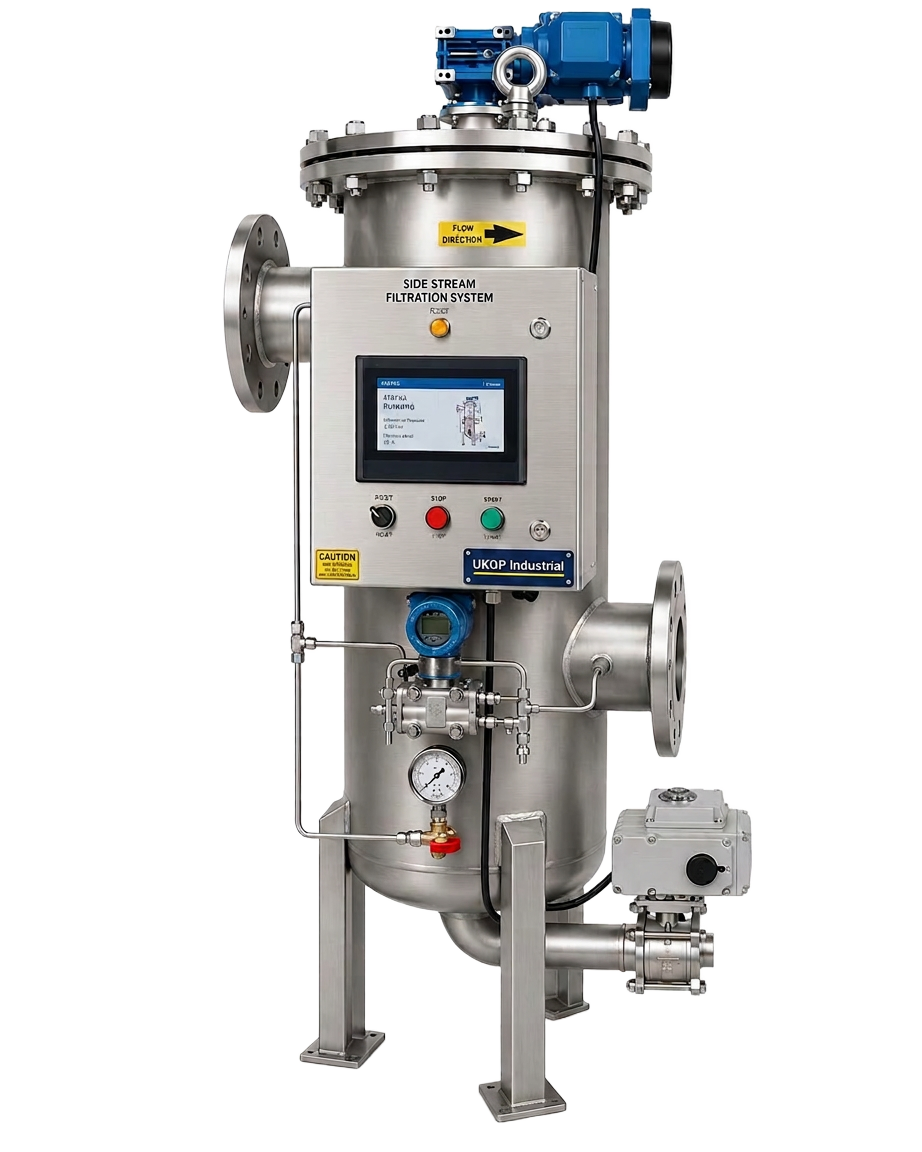
For the ultimate protection of building services assets, combining a UKGP chemical dosing pot with side stream filtration is the industry-recommended approach. While a central heating inhibitor screwfix will attempt to stop corrosion, it cannot remove the debris that is already circulating in an older system. Side stream filtration continuously cleans the water by passing a portion of the flow through high-efficiency filter media, while the dosing pot ensures that the chemical 'shield' is maintained at all times. This dual-action approach is essential for large-scale social housing or district heating schemes.
The presence of a high-quality dosing funnel and isolation valves on our pots means that adding chemicals becomes a five-minute task rather than a major operation. When you compare this to the makeshift methods often used with a central heating inhibitor screwfix product, the commercial benefits become clear. UKGP dosing pots are built from heavy-gauge carbon steel or 316 stainless steel to ensure they do not become a point of failure themselves. This reliability is why our products are specified by leading consultants who need to ensure their projects meet the strict BS EN 12953 and BSRIA standards.
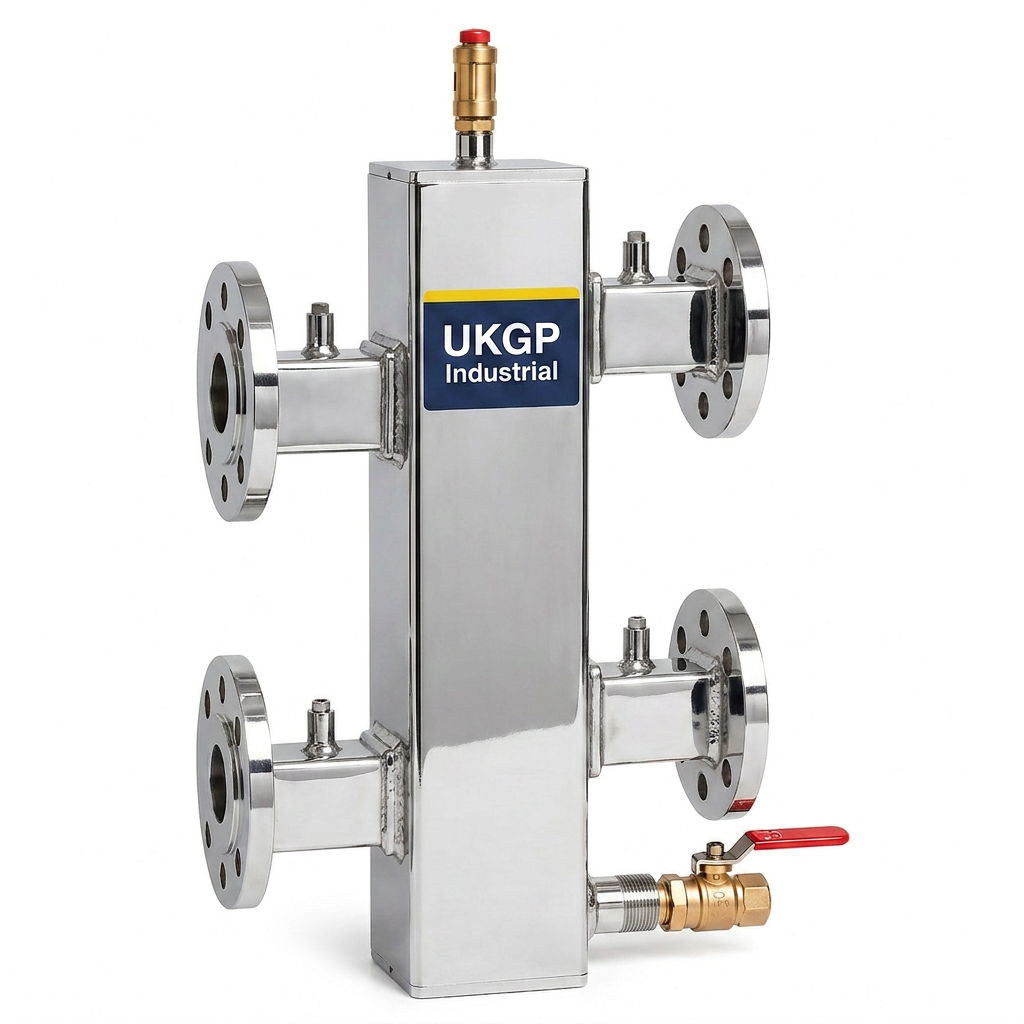
Ultimately, when you are responsible for the heating of a large facility, you cannot leave water quality to chance. Sourcing a central heating inhibitor screwfix solution might be fine for a kitchen radiator, but it will not protect a commercial plant containing low loss headers and large-scale plate heat exchangers. By requesting a quote for a UKGP dosing pot, you are investing in a system that makes the addition of inhibitors, biocides, and glycol a seamless part of your facility's maintenance schedule, ensuring long-term reliability for your clients and stakeholders.
- Enhanced protection when used in tandem with side stream filters
- Rapid removal of oxygen and particulate debris
- Simplifies the work of the plant-room maintenance team
- Supports the longevity of low loss headers in balanced circuits
Why Procurement Leads Choose UKGP Chemical Dosing Pots
For procurement leads and M&E buying teams, the choice between a retail central heating inhibitor screwfix and a manufactured UKGP dosing pot often comes down to long-term value and compliance. Our dosing pots are manufactured right here in the UK, ensuring that delivery times are short and technical support is readily available for Surrey and London projects. With 5L, 10L, and 25L versions in stock, we can provide immediate dispatch for urgent plant room upgrades, preventing delays in commissioning or maintenance windows.
The build quality of a UKGP dosing pot is vastly superior to mass-market domestic alternatives. Every unit is pressure tested and comes with a 2-year warranty as standard, ensuring that your system remains compliant with the BSRIA BG50 mandate for long-term water treatment. When an engineer specifies a central heating inhibitor screwfix, they are often looking for a temporary solution; when they specify UKGP, they are looking for a permanent plant room fixture that will serve the building for decades. This durability is why we are the trusted partner for many of the UK's largest FMs.
To ensure your closed-system inhibitor and glycol top-ups are handled correctly, it is time to move beyond domestic retail solutions. We invite you to contact our technical sales team for a competitive quote on our range of carbon steel and stainless steel dosing pots. Whether you need a 5L unit for a small office building or a 25L vessel for a large manufacturing site, UKGP has the stock and the expertise to help you maintain a clean, efficient, and compliant heating system. Don't risk your infrastructure with a basic central heating inhibitor screwfix; choose industrial-grade protection.
- UK manufacturing with rapid shipping across the country
- Comprehensive 2-year warranty for peace of mind
- Expert technical guidance on sizing and installation
- High-grade materials including 316 stainless steel options
Frequently asked questions
Can I use a central heating inhibitor screwfix for a commercial system?
- While you can purchase commercial-brand chemicals from retail outlets, the method of introduction is the differentiator. In a commercial environment, a BSRIA-compliant dosing pot is required to safely introduce these chemicals into high-pressure systems, rather than simply pouring them into a header tank or radiator.
What size dosing pot do I need for my heating circuit?
- Sizing depends on the total system volume. Generally, a 5L or 10L pot is sufficient for most medium-sized commercial buildings, while the 25L unit is designed for massive industrial or district heating networks. UKGP can help you calculate the correct size based on your system capacity.
Why is BSRIA BG50 important for chemical dosing?
- BSRIA BG50 provides the code of practice for water treatment in closed heating and cooling systems. It mandates that systems should be properly monitored and treated to prevent corrosion and scale, which requires a reliable method of delivering inhibitors through hardware like a chemical dosing pot.
What is the warranty period for UKGP chemical dosing pots?
- All UKGP chemical dosing pots, whether in carbon steel or stainless steel, come with a comprehensive 2-year warranty, reflecting our confidence in our UK-based manufacturing and high-quality component selection.
Are UKGP dosing pots suitable for glycol administration?
- Yes, our dosing pots are designed for the safe introduction of both central heating inhibitor and glycol (used for frost protection in chilled water and LTHW systems), making them versatile assets for year-round plant room maintenance.