The Role of Central Heating Inhibitor in Commercial Systems
In commercial and industrial heating circuits, central heating inhibitor acts as a complex chemical shield that prevents the degradation of metallic components. These closed-loop systems often feature a diverse mix of materials, including mild steel pipework, cast iron boiler heat exchangers, and copper or stainless steel components. Without a high-quality central heating inhibitor, the natural electrochemical reaction between water and metal leads to the formation of magnetite (black iron oxide sludge). This sludge is the leading cause of premature pump failure and localized overheating in commercial boilers. From a B2B perspective, ensuring the system is adequately dosed isn't just about maintenance; it is about risk mitigation for Facility Managers and Mechanical Contractors who are responsible for multimillion-pound HVAC infrastructure.
A standard central heating inhibitor typically contains a blend of cathodic and anodic inhibitors which work by forming a microscopic film over the internal surfaces of the pipework and heat exchangers. This barrier interrupts the oxidation process, effectively 'passivating' the metal. Furthermore, these chemical blends include sequestering agents to keep hard water ions in suspension, preventing them from precipitating out as limescale on the hottest parts of the system. For UK building services consultants, specifying the correct water treatment regime is as critical as sizing the boilers. Failure to maintain levels can lead to a significant drop in thermal efficiency, often as high as 15% within the first few years of operation, which directly impacts the building's carbon footprint and operational expenditure.
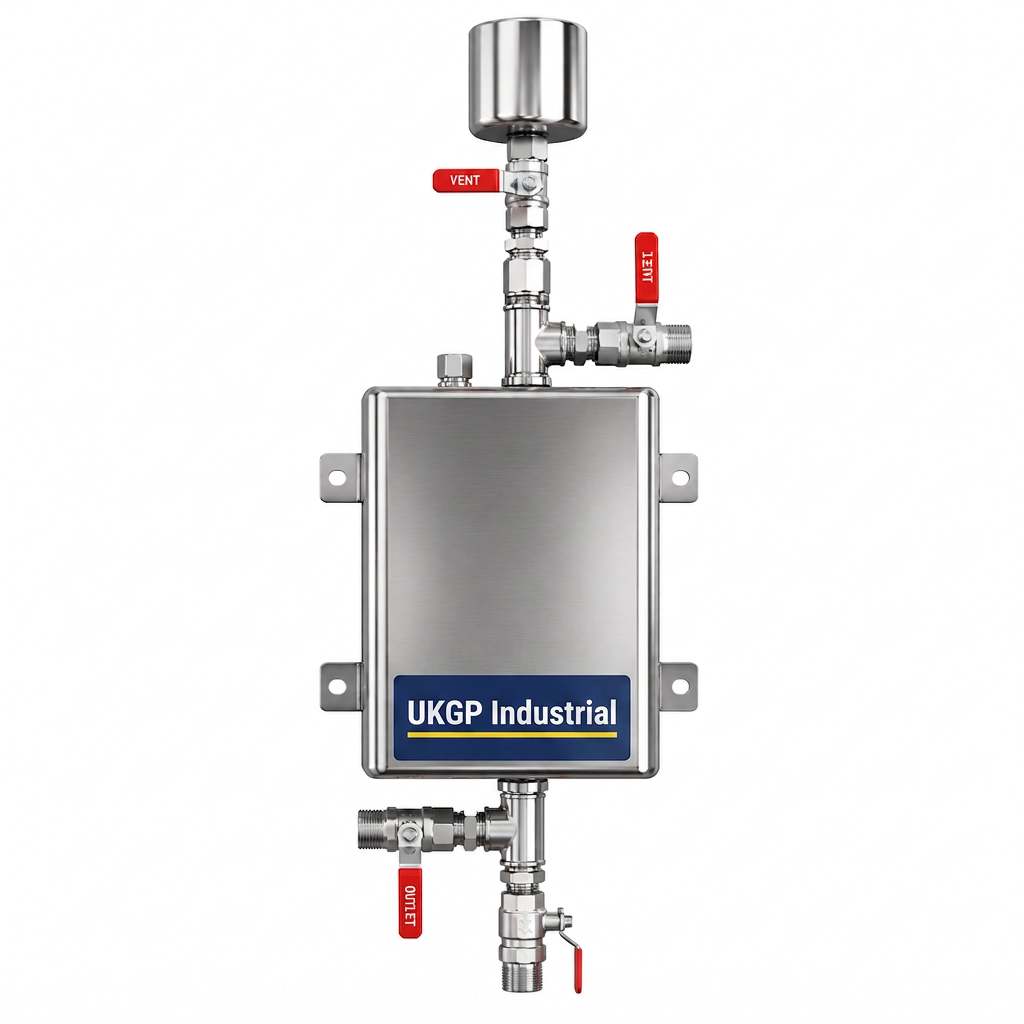
Choosing the right delivery method for these chemicals is equally important. In a professional plant room environment, simply pouring chemicals into a fill point is neither accurate nor safe. This is where the UKGP range of chemical dosing pots becomes an essential plant room component. Available in 5L, 10L, and 25L capacities, these units allow for the safe, bypass-mounted introduction of central heating inhibitor without interrupting the system's operation. By integrating a dedicated dosing station, engineers can ensure that the water chemistry is adjusted precisely as per the manufacturer's recommendations and BS 8552 testing results, keeping the system compliant with BSRIA BG29 pre-commissioning cleaning and BG50 ongoing maintenance guidelines.
- Prevents the formation of magnetite sludge and iron oxide deposits.
- Protects multi-metal systems including steel, copper, and aluminium.
- Reduces the risk of localized boiling and hydrogen gas build-up.
- Maintains heat transfer efficiency and lowers carbon emissions.
BSRIA BG50 and Maintenance Requirements
Compliance with BSRIA BG50 (Water Treatment for Closed Heating and Cooling Systems) is the industry benchmark for commercial building management in the UK. This guidance stresses that the concentration of central heating inhibitor must be monitored regularly, typically through quarterly water analysis. It is a common misconception that once a system is dosed during commissioning, it remains protected indefinitely. In reality, system leaks, makeup water additions, and chemical degradation can dilute the central heating inhibitor to levels that offer no protection at all. If the concentration falls below the manufacturer's minimum threshold, the system may actually experience accelerated 'pitting' corrosion, which is more destructive than general surface rust because it can cause rapid pipework perforation.
For M&E contractors, documenting the dosing process is vital for handover and warranty VALIDATION. Most major UK commercial boiler OEMs require proof of water quality, specifically citing the presence of adequate central heating inhibitor, before they will honour a heat exchanger warranty. If a plant room engineer discovers that the system water is dark or has a high turbidity reading, a chemical clean and re-dosing is usually required. This process must be handled carefully to avoid dislodging large amounts of debris that could clog the fine waterways of modern high-efficiency heat exchangers. Using a UKGP dosing pot enables a controlled injection of both cleaning chemicals and the subsequent restorative doses of inhibitor, ensuring a professional and consistent approach to water treatment.
Regular testing regimes involve measuring the levels of molybdate or specific tracer chemicals found within the central heating inhibitor. Following these tests, procurement leads often need to source additional chemicals and the equipment to deliver them. Our UKGP dosing pots are constructed from heavy-duty carbon steel or stainless steel, featuring high-quality isolation valves and a built-in vent and drain. This robust design is preferred by plant room engineers who require equipment that can withstand the rigours of high-pressure commercial environments. When you specify a UKGP unit, you are investing in a 2-year warranty-backed solution that simplifies the task of maintaining chemical levels, thereby ensuring the long-term health of the entire building's heating circuit.
- Mandatory quarterly water analysis as per BSRIA BG50 guidelines.
- Verification of molybdate levels to confirm inhibitor concentration.
- Requirement for documented dosing logs for boiler warranty protection.
- Controlled chemical introduction to prevent system shock or debris displacement.
Integration with Side Stream Filtration
While a central heating inhibitor is exceptional at preventing the formation of new corrosion, it cannot remove existing debris from an older or poorly maintained circuit. This is why chemical treatment should always be paired with physical filtration. Integrating side stream filtration allows for the continuous removal of suspended solids and magnetite while the system is live. As the central heating inhibitor works to loosen existing scale and prevent new formation, the side stream filter captures these particles, preventing them from settling in low-flow areas or sensitive equipment. This dual-action approach is the gold standard for large-scale commercial installations, particularly in retrofit projects where the existing pipework may already have a legacy of minor corrosion.
When a system is equipped with side stream filtration, the demand for central heating inhibitor may fluctuate slightly after a filter change or a cleaning cycle. It is important to remember that every time a filter is cleaned or a component is replaced, a small amount of treated water is lost. This must be replenished with a proportional amount of central heating inhibitor to maintain the correct concentration. Relying on the automated fill or pressurisation unit alone without manual chemical intervention will lead to dilution. Our dosing pots are perfectly suited for this task, allowing engineers to quickly 'top up' the system after maintenance tasks. The bypass-mounted design means that the chemical is introduced gradually into the main flow, ensuring thorough mixing without causing pressure spikes.
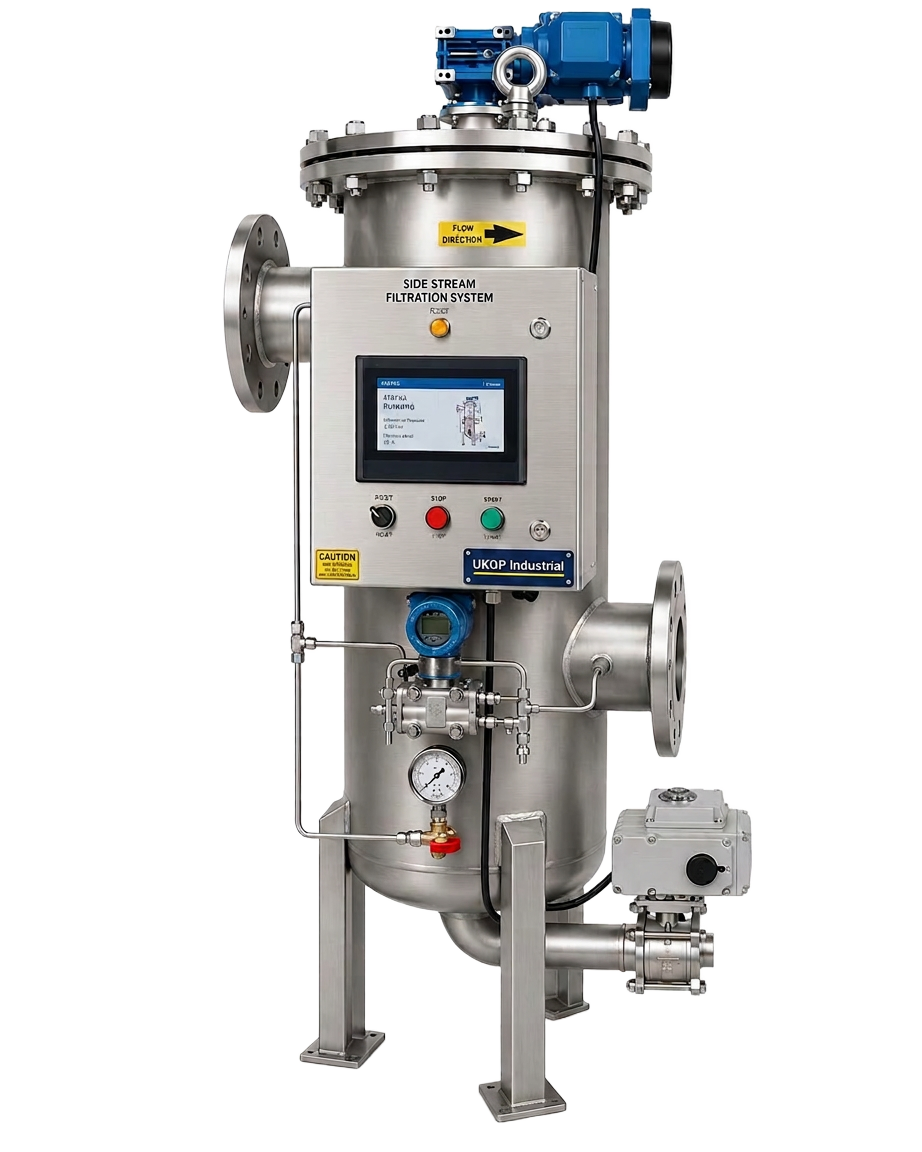
UKGP provides integrated solutions for both chemical dosing and physical separation. By choosing a UKGP side stream filtration skid alongside our dosing pots, building services consultants can specify a complete water quality package. Our filtration units work in tandem with the chemical regime to ensure that the water remains clear and the central heating inhibitor remains effective. This holistic view of water quality is what separates a high-performing plant room from one plagued by constant breakdowns. Investing in high-grade equipment reduces the total cost of ownership over the life of the building by extending the intervals between major system flushes and reducing the need for expensive component replacements.
- Side stream filtration removes debris that chemicals cannot dissolve.
- Inhibitors loosen old scale which is then captured by the magnetic filter.
- Essential for retrofit projects to protect new boilers from old pipework debris.
- Maintaining chemical concentration during filter maintenance is crucial.
Technical Specifications for Dosing Systems
Proper installation of central heating inhibitor equipment is essential for safety and efficiency. In accordance with BS EN 14917 and CIBSE guidelines, chemical dosing points should be easily accessible and properly labeled. A bypass-mounted installation using a 5L, 10L, or 25L dosing pot is the industry-standard method. These units are typically installed between the flow and return headers, utilizing the pressure differential to drive the central heating inhibitor into the system. It is vital that the dosing pot is fitted with isolation valves, a funnel for easy pouring, and a drain valve to allow the unit to be emptied before the next dose. UKGP dosing pots are engineered with these features as standard, ensuring that plant room engineers can perform their duties safely without risking exposure to concentrated chemicals.
Whether you require carbon steel for standard applications or stainless steel for more corrosive environments or glycol-heavy systems, the material choice matters. central heating inhibitor is generally compatible with both, but the physical durability of the vessel ensures it survives decades in a humid plant room environment. The dosing pot should be sized based on the total system volume; larger 25L units are preferred for district heating schemes or large commercial estates to reduce the number of dosing cycles required. At UKGP, we provide the technical support needed to help procurement leads select the right model for their specific project requirements, ensuring that every installation meets the high standards expected by UK building services professionals.
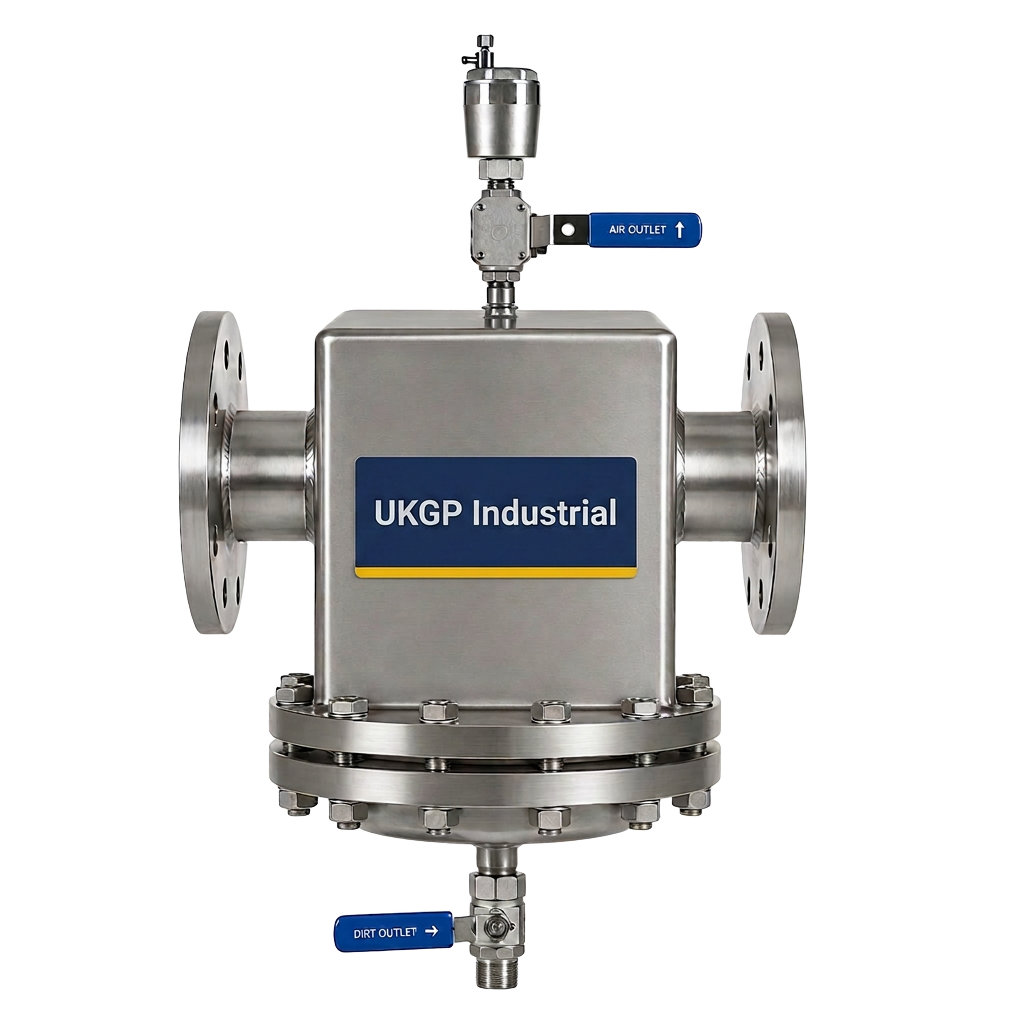
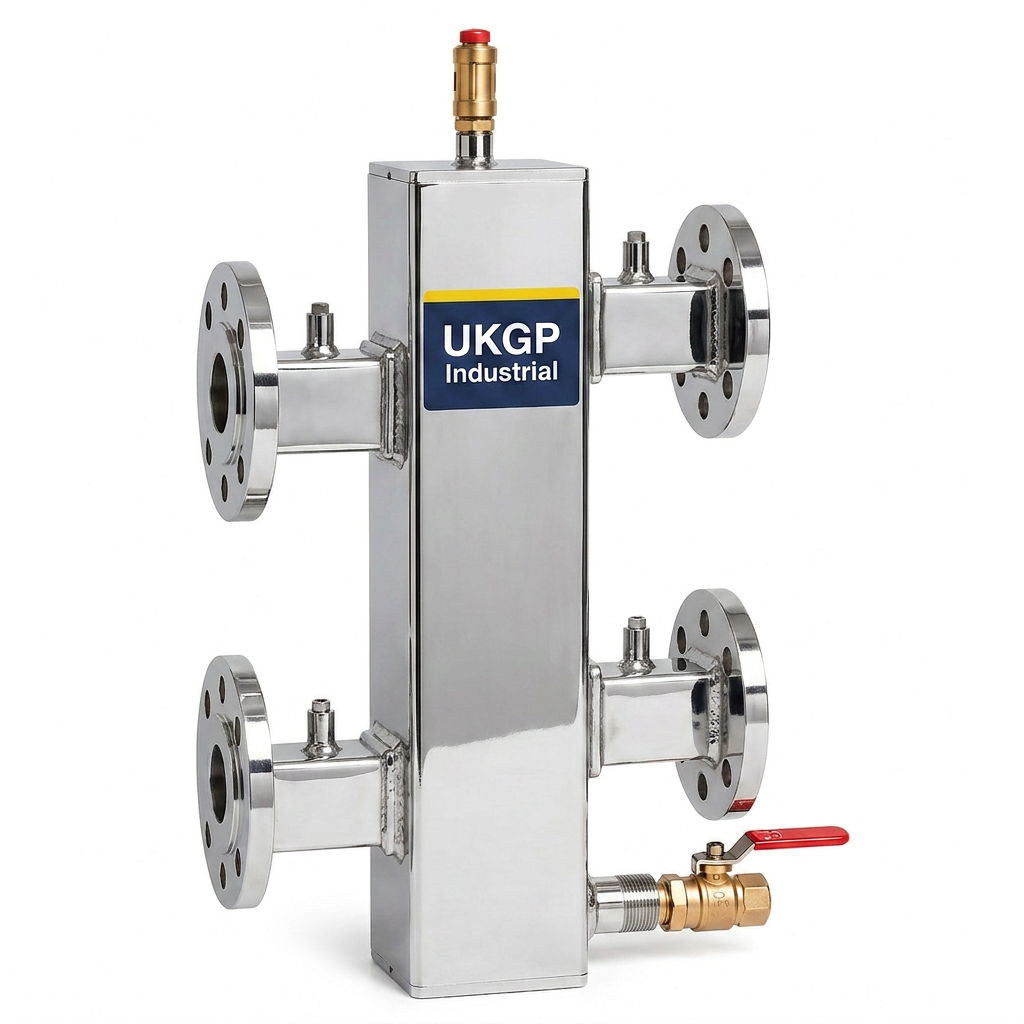
Installation should also consider the inclusion of air and dirt separators to further enhance the environment in which the central heating inhibitor operates. Removing microbubbles and air from the system is paramount, as oxygen is the primary catalyst for the corrosion that the inhibitor is trying to prevent. By reducing the oxygen ingress, the central heating inhibitor lasts longer and works more effectively. UKGP’s range of expansion bellows and separators work in harmony with our dosing solutions to create a stable, protected hydraulic environment. Our 2-year warranty across the dosing pot range provides peace of mind that the hardware is as reliable as the chemicals being introduced into the system.
- Bypass-mounted design for safe chemical introduction during system operation.
- Available in 5L, 10L, and 25L sizes to suit different system volumes.
- Material options in carbon steel or stainless steel for maximum longevity.
- Includes isolation valves, funnels, and vents for ease of use.
Glycol and Inhibitor Compatibility
In many UK commercial heating systems, particularly those with external pipework or heat pumps, the water is mixed with glycol to provide frost protection. It is a common error to assume that glycol provides its own corrosion protection. While some 'pre-inhibited' glycols exist, they still require the addition of a specific central heating inhibitor to deal with the unique challenges of multi-metal HVAC circuits. Furthermore, glycol can degrade over time into organic acids, which actually increases the corrosive potential of the fluid. Therefore, the role of central heating inhibitor becomes even more critical in glycol-based systems to buffer the pH and prevent acidic attack on the system's metal surfaces.
Maintaining the correct balance in a glycol system requires regular monitoring and topping up. When adding glycol, it is often necessary to add a proportional dose of central heating inhibitor to ensure the concentration remains within the required range for BSRIA compliance. UKGP dosing pots are ideally suited for this 'glycol top-up' process. Because our pots are available in stainless steel versions, they offer excellent resistance to various chemical additives, ensuring that the vessel itself does not become a source of contamination. For facility managers, having a 10L or 25L dosing pot on-site means that maintenance teams can respond quickly to a drop in frost protection or inhibitor levels without needing specialized pumping equipment.
When managing these complex fluids, using high-quality sensors can provide real-time data on the health of the system water. While titration kits are used for periodic manual checks of central heating inhibitor levels, pH sensors can provide an early warning of glycol degradation or chemical imbalance. UKGP offers professional-grade pH sensors and transmitters that integrate with building management systems (BMS). This allows for a proactive approach to water treatment, where the need for a new dose of central heating inhibitor is identified by the system itself before corrosion damage occurs. Combining these high-tech sensors with the practical reliability of a UKGP dosing pot creates a world-class water management strategy.
- Glycol requires inhibitors to prevent the formation of corrosive organic acids.
- Stainless steel dosing pots are recommended for aggressive chemical mixtures.
- Dosing pots facilitate easy glycol and inhibitor top-ups to maintain frost protection.
- pH monitoring can signal the need for chemical intervention.
The Long-term Benefits of Proper Dosing
Investing in a high-quality central heating inhibitor and the professional equipment to deliver it yields significant long-term dividends. For the building owner, the most immediate benefit is reduced energy costs. A clean system with no sludge or scale operates at peak thermodynamic efficiency, meaning the boilers burn less gas and the pumps work less hard to move water through the circuit. In the context of the UK’s commitment to Net Zero, the use of central heating inhibitor is one of the simplest and most cost-effective ways to maintain a building's energy performance certificate (EPC) rating over time. It prevents the gradual 'efficiency creep' that plagues neglected HVAC systems.
From a maintenance standpoint, the reduction in call-outs and emergency repairs is substantial. Most failures of heat exchangers, circulator pumps, and control valves can be traced back to poor water quality. By ensuring a consistent level of central heating inhibitor, these components are protected from the abrasive and corrosive effects of magnetite. This results in fewer system drains, less waste water, and a reduced environmental impact. M&E contractors who install UKGP dosing pots provide their clients with a tool that makes this maintenance easy, encouraging better habits and longer asset life. The 2-year warranty on our dosing pots reflects our confidence in their ability to serve as the cornerstone of your maintenance regime.
In conclusion, the administration of central heating inhibitor is a non-negotiable aspect of modern commercial plant room management. Whether you are following BG29 for a new build or BG50 for an existing facility, the quality of both the chemical and the dosing hardware is paramount. UKGP’s range of 5L, 10L, and 25L chemical dosing pots provides a robust, safe, and commercially viable solution for ensuring that your systems remain protected, efficient, and compliant. We invite building services consultants and contractors to contact our Surrey-based team for technical specifications or a competitive quote on our full range of water treatment and HVAC components.
- Significant energy savings by maintaining peak boiler and pump efficiency.
- Extended lifespan of expensive plant room assets like heat exchangers.
- Reduced environmental footprint through fewer chemical flushes and water wastage.
- Enhanced EPC ratings and compliance with UK energy standards.
Frequently asked questions
How much central heating inhibitor do I need for a commercial system?
- Dosing is typically calculated as a percentage of the total system volume (often 1% or 2% depending on the chemical manufacturer). For large systems, it is essential to calculate the total water content, including headers and buffers, then use a 25L UKGP dosing pot to introduce the required volume in stages if necessary.
Can I mix different brands of central heating inhibitor?
- It is generally not recommended to mix different brands of central heating inhibitor as the chemical formulations may clash, potentially leading to precipitation or reduced effectiveness. If switching brands, BSRIA BG50 suggests a full system flush before re-dosing.
How often should I test the inhibitor levels in a plant room?
- For commercial systems under BSRIA BG50 guidelines, water quality and central heating inhibitor levels should be tested at least quarterly. This ensures that any dilution from leaks or makeup water is identified and corrected before corrosion begins.
Why is a dosing pot better than a domestic-style injector?
- In a commercial plant room, the pressures and volumes are far too high for domestic injectors. A UKGP chemical dosing pot is a pressure-vessel-rated unit designed for bypass mounting, allowing for the safe introduction of large volumes of chemicals without depressurising the system.
What material should my dosing pot be made from?
- For standard LTHW (Low Temperature Hot Water) systems, carbon steel dosing pots are the industry standard. However, for systems with high glycol concentrations or where high-purity water is used, a stainless steel UKGP dosing pot offers superior corrosion resistance and longevity.