Understanding the Bss Dosing Pot in Commercial Systems
In the UK commercial building services sector, the bss dosing pot remains a fundamental component for any closed-circuit heating or chilled water system. These robust vessels are designed to facilitate the safe and controlled introduction of chemical inhibitors, glycol, or cleaning agents without the need to shut down the entire system. When procuring a bss dosing pot, engineers must ensure the unit is manufactured to the highest standards, typically featuring a welded carbon steel or stainless steel construction capable of withstanding the high operating pressures of modern plant rooms. Failure to install a high-quality dosing vessel can lead to inefficient chemical distribution and potential system vulnerabilities.
A typical bss dosing pot installation involves a bypass arrangement across the main flow and return pipework. This design uses the differential pressure created by the system pump to drive the chemical charge into the main circuit. For consultants following BSRIA BG29 and BG50 guidelines, the presence of a reliable dosing mechanism is non-negotiable for pre-commission cleaning and ongoing water treatment maintenance. Choosing a unit that mirrors the durability of a bss dosing pot ensures that the system is protected from internal debris and oxidative stress, which are the primary causes of pump failure and heat exchanger fouling in commercial environments.
From a procurement perspective, value is found in the longevity and ease of maintenance of the equipment. A bss dosing pot should ideally be supplied as a complete kit, including all necessary isolation valves, a tundish, and a non-return valve to prevent backflow. It is essential to select a size that matches the total system volume; common sizes such as 5L, 10L, and 25L are industry standards that allow for efficient chemical top-ups. At UKGP Industrial, we provide high-grade alternatives to the bss dosing pot that meet these rigorous specifications, ensuring that site engineers can complete their installations with confidence and commercial peace of mind.
- Essential for glycol and inhibitor introduction
- Compatible with BSRIA BG29/BG50 water treatment regimes
- Reduces risk of oxygen ingress during chemical top-ups
- Supports long-term asset protection for commercial boilers
- Available in carbon steel or 316 stainless steel variants
Technical Specifications and Material Standards
When drafting a specification for a bss dosing pot alternative, professional engineers must focus on pressure ratings and material compatibility. Most commercial systems operate at pressures that require vessels rated at PN10, PN16, or higher. A bss dosing pot designed for these environments must undergo rigorous pressure testing to ensure safety near sensitive plant equipment. Carbon steel is often the standard choice for heating systems, while stainless steel is frequently specified for chilled water circuits or process applications where corrosion resistance is paramount. UKGP Industrial offers both options with a 2-year warranty to guarantee reliable performance in demanding UK plant rooms.
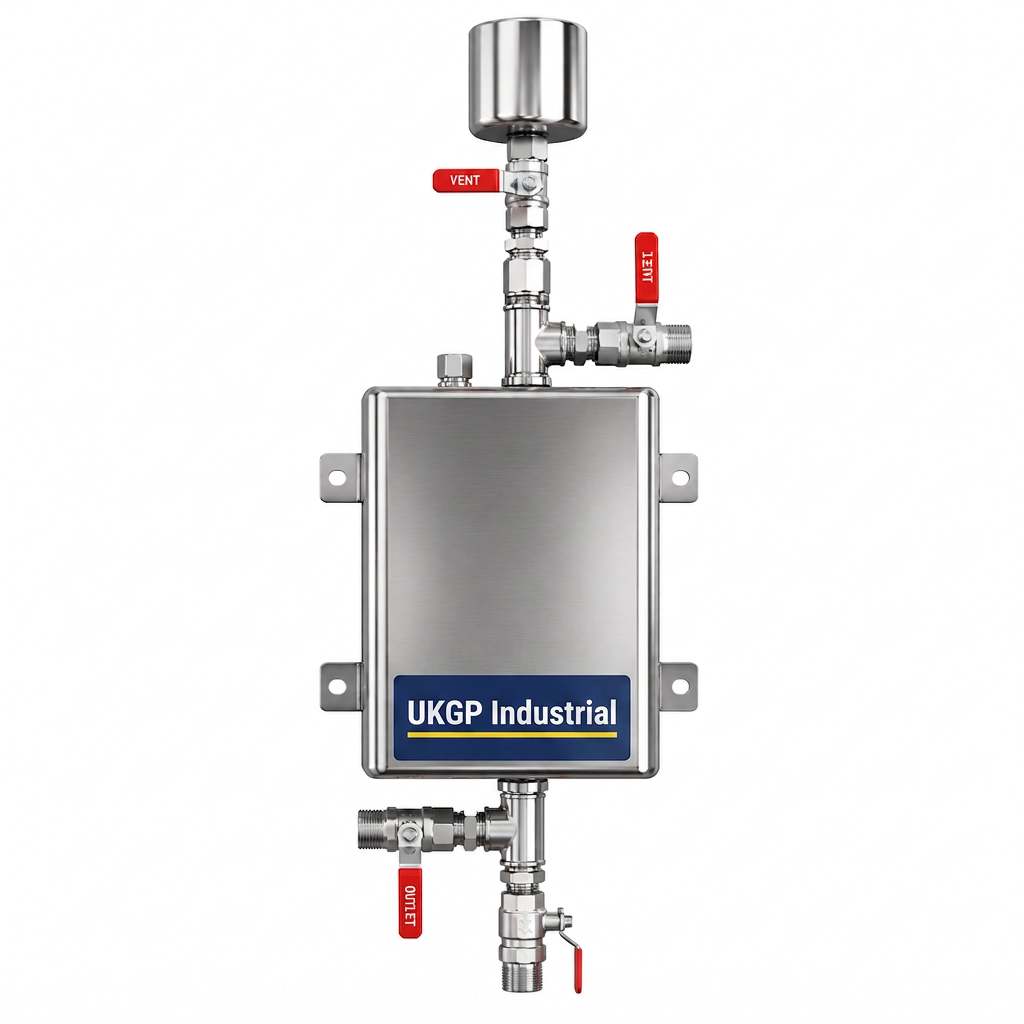
The internal design of the pot is just as important as its outer shell. A high-quality alternative to a bss dosing pot will feature a large fill point with a secure cap and a dedicated drain valve to allow for easy purging of air and debris. This ensures that the chemical concentrated is delivered effectively into the system flow. Furthermore, the inclusion of a stainless steel tundish is a critical detail for many M&E contractors, as it allows for the visual monitoring of the filling process while preventing accidental spillages onto the plant room floor. These features ensure the unit meets the practical needs of site engineers during the commissioning phase.
In addition to the physical vessel, the mounting and orientation of the bss dosing pot play a role in its effectiveness. Most units are designed for floor or wall mounting, depending on the space constraints of the modern, often crowded, utility room. By selecting a UKGP chemical dosing pot, you are ensuring that your project adheres to BS 8552 for sampling and water quality monitoring. Our units are bypass-mounted with integrated isolation valves as standard, making them a direct and high-performance replacement for any specified bss dosing pot on your current equipment schedule or tender document.
- Tested to 1.5 times the working pressure for safety
- Tundish included for clean and efficient filling
- Bypass valves included for seamless system integration
- Various capacities from 3.5L up to 25L for different system sizes
- Finished with heat-resistant paint or polished stainless steel
Installation Best Practices for the Bss Dosing Pot
Proper installation of a bss dosing pot is vital for the safety of the operative and the efficiency of the water treatment process. The pot should always be installed in a bypass arrangement, typically across the flow and return headers of the primary circuit. It is recommended to install the unit near the main circulating pumps where the pressure differential is at its peak. This ensures that when the isolation valves are opened, the system pressure naturally draws the chemicals into the loop. Following this method allows the bss dosing pot to function consistently, preventing 'dead spots' where chemicals might become trapped or fail to circulate properly.
Safety is a primary concern during the installation of any pressure vessel. Installers MUST ensure that the unit is fitted with a vent valve at the highest point to purge air before the chemical charge is released into the system. Failure to do so can introduce oxygen into the closed loop, which directly contradicts the objectives of BS EN 14917 and CIBSE guidelines regarding oxygen-free environments. A bss dosing pot installed by an experienced plant-room engineer will also include a drain valve at the bottom, allowing the technician to empty the vessel safely into the tundish before refilling with the next batch of inhibitor or glycol.
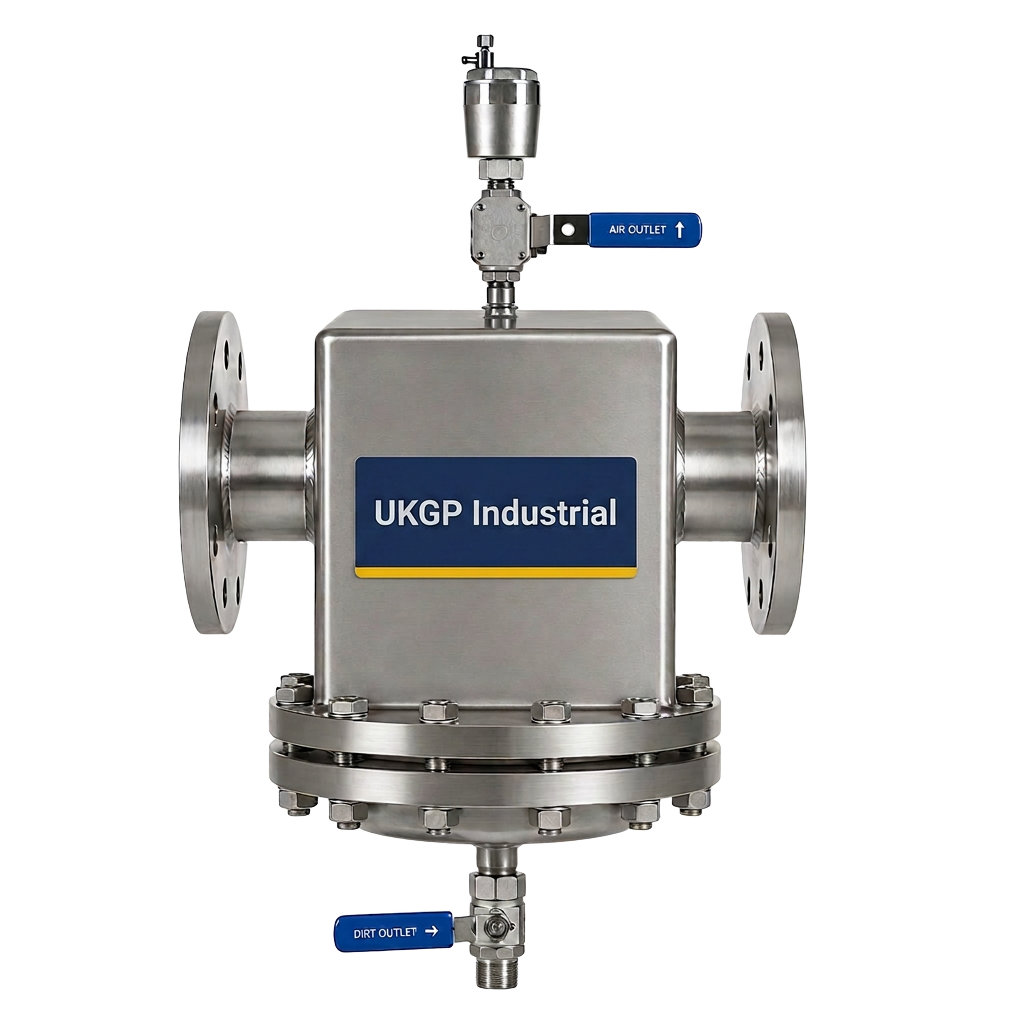
For those seeking a quote for a new build or a boiler room refurbishment, it is wise to consider the integration of the bss dosing pot with other plant components. For instance, pairing the dosing pot with a high-performance air and dirt separator can significantly improve the overall cleanliness of the system. This holistic approach to water quality is favoured by leading commercial boiler manufacturers and facility management firms across the UK. At UKGP Industrial, we can supply the entire suite of plant protection equipment, ensuring that your bss dosing pot works in harmony with your separators and expansion bellows for a truly resilient HVAC solution.
- Always install with a differential pressure bypass
- Purge all air via the vent valve before chemical introduction
- Ensure the tundish is piped to a suitable foul drain
- Verify that all isolation valves are fully operational
- Mounting brackets should be securely fixed to withstand filled weight
Maintaining Water Quality and BSRIA Compliance
Compliance with BSRIA BG50 is the gold standard for facility managers overseeing large-scale commercial heating and cooling installations. A bss dosing pot is the tool that makes this compliance possible by facilitating the regular addition of corrosion inhibitors. Without a reliable way to maintain chemical residuals, system components such as plate heat exchangers can quickly become scaled, leading to a drop in heat transfer efficiency and an increase in energy bills. By using a bss dosing pot for regular dosing, FMs can extend the life of their assets and reduce the frequency of expensive emergency repairs and system flush-outs.
Regular water testing, as outlined in BS 8552, is the only way to know if the chemical levels in your system are sufficient. If tests show a depletion of inhibitors, the bss dosing pot is used to rectify the situation immediately. The ease of use of a UKGP chemical dosing pot—featuring 5L, 10L, or 25L capacities—means that maintenance staff can perform these tasks quickly and safely. This proactive approach prevents the build-up of magnetite, which is the leading cause of valve failure and pump seizure in the UK's commercial building stock. High-quality vessels provide the reliability needed for these frequent interactions over many decades.
In addition to corrosion inhibition, the bss dosing pot is essential for systems requiring glycol for frost protection. In external AHU coils or chilled water loops, maintaining the correct glycol concentration is vital to prevent freezing and subsequent pipe bursts during winter months. A bss dosing pot allows for precise glycol top-ups, ensuring that the system remains operational in all weather conditions. The robust construction of UKGP's units, whether in carbon or stainless steel, ensures that they can handle the various chemical compositions of modern heat transfer fluids without degrading or leaking, supporting the critical infrastructure of any MEP project.
- Facilitates compliance with BSRIA BG50 maintenance regimes
- Prevents magnetite build-up and heat exchanger fouling
- Enables precise glycol concentration management
- Essential for the successful commissioning of new systems
- Supports the 20-year design life of commercial plant equipment
Comparing Carbon Steel and Stainless Steel Dosing Vessels
When selecting an alternative to a bss dosing pot, the material choice is often dictated by the specific fluid in the system and the budget of the project. Carbon steel is the most common choice for standard LTHW (Low Temperature Hot Water) systems. It is cost-effective, robust, and performs perfectly well when the system water is properly treated with inhibitors. However, for more aggressive environments or where a bss dosing pot is used in a process-cooling application, stainless steel is the superior choice. Our stainless steel dosing pots offer enhanced resistance to pitting and are suitable for systems that may experience higher levels of dissolved oxygen or unique chemical additives.
UKGP Industrial understands that procurement leads need to balance initial capital expenditure with long-term maintenance costs. While a stainless steel bss dosing pot may have a higher upfront price, its resistance to internal corrosion can make it the more economical choice over the building's lifecycle, particularly in high-spec commercial developments or healthcare facilities. All our units, regardless of material, feature the same bypass-mounted design with isolation valves, drain & vent, and are sized specifically for closed-system inhibitor and glycol top-up. This ensures that regardless of the material chosen, the functional performance of the dosing pot remains at the highest level.
Another factor to consider is the external environment of the plant room. In damp or coastal locations, the exterior of a carbon steel bss dosing pot may be prone to atmospheric corrosion if not properly coated. Our carbon steel units are finished with a durable protective layer to mitigate this risk, while our stainless steel options provide a natural barrier against the elements. When you contact UKGP for a quote, our technical team can help you decide which material spec is most appropriate for your specific site requirements, ensuring you receive a bss dosing pot that is fit for purpose and built to last the duration of the 2-year warranty and beyond.
- Carbon steel: Ideal for standard LTHW and budget-conscious M&E bids
- Stainless steel: Recommended for CHW and high-corrosion environments
- Both materials offer the same ease of installation and operation
- Fully welded construction to prevent leaks under pressure
- Pressure tested to ensure peace of mind for site engineers
How to Size and Order Your Dosing Pot
Sizing a bss dosing pot correctly is essential to avoid the frustration of multiple dosing cycles. As a general rule of thumb, the pot should be sized to hold at least 1% of the total system volume for a single inhibitor charge, though many engineers prefer a larger 25L unit for significantly large industrial loops to minimize labour time. For smaller commercial buildings or individual plant modules, a 5L or 10L bss dosing pot is usually sufficient to handle the annual maintenance requirements. UKGP Industrial stock all three sizes, ensuring we can meet the rapid delivery demands of UK mechanical contractors who need to hit tight project deadlines.
To place an order or request a technical data sheet for our bss dosing pot alternatives, you can contact our Surrey-based sales team directly. We provide competitive pricing for bulk orders or single-unit replacements, and our expertise ensures that the unit will be fully compatible with your existing pipework and system pressure. Every UKGP dosing pot is supplied as a ready-to-install kit, reducing the time spent on-site by sub-contractors and ensuring that all necessary valves and safety features are present from day one. This streamlined approach to procurement is what makes us a preferred supplier for major UK engineering firms.
Ultimately, whether you are replacing an old unit or specifying a bss dosing pot for a brand-new installation, the quality of the vessel and its accessories will determine the success of your water treatment strategy. By choosing UKGP, you are investing in a product that combines the legacy requirements of the bss dosing pot with modern manufacturing techniques and materials. Our 2-year warranty is a testament to the confidence we have in our products. Reach out to our team today for a quote or to discuss how our dosing pots can be integrated into your next commercial HVAC project alongside our other market-leading plant room solutions.
- 5L, 10L, and 25L capacities available from stock
- Technical support available for sizing and material selection
- Fast UK-wide delivery to keep your project on schedule
- Competitive B2B pricing for contractors and FM companies
- Comprehensive 2-year warranty on all chemical dosing pots
Frequently asked questions
What is the primary function of a bss dosing pot in a heating system?
- A bss dosing pot is used to introduce chemical inhibitors and glycol into closed-loop heating or cooling systems. It allows for the safe addition of chemicals during normal system operation using a bypass arrangement, ensuring water quality remains within BSRIA BG50 guidelines.
What materials are available for a bss dosing pot?
- Commonly, these units are manufactured from carbon steel for LTHW systems or 316 stainless steel for CHW and process water systems to provide better resistance against corrosion. UKGP offers both options in various sizes.
Does a bss dosing pot require regular maintenance?
- While the vessel itself is low maintenance, the valves and seals should be checked annually. It is also critical to ensure the tundish remains clear of debris and that the internal surfaces are not showing signs of excessive wear during chemical dosing cycles.
How do I choose the right size for my commercial installation?
- Sizing is based on the total water volume of the system and the amount of chemical or glycol required. For most UK commercial plant rooms, 5L, 10L, or 25L units are used. A larger pot reduces the number of filling cycles required for large volumes.
Are UKGP dosing pots compliant with BSRIA standards?
- Yes, our dosing pots are designed to facilitate the water treatment procedures outlined in BSRIA BG29 and BG50, ensuring that M&E contractors can meet the required hand-over standards for new and existing buildings.