Calculating the Total Boiler Inhibitor Cost
In the UK commercial sector, calculating the total boiler inhibitor cost requires a comprehensive view of the system's life cycle. While the initial procurement of high-grade corrosion inhibitors may seem like a straightforward line item, the frequency of replenishment and the effectiveness of the delivery method dictate the actual expenditure over time. According to BSRIA BG50, maintaining the correct chemical concentration is vital to prevent metallic corrosion and scale formation, which directly impacts energy efficiency. For building services consultants, the challenge lies in balancing these upfront chemical costs against the potential for catastrophic heat exchanger failure or significant efficiency losses caused by magnetite buildup.
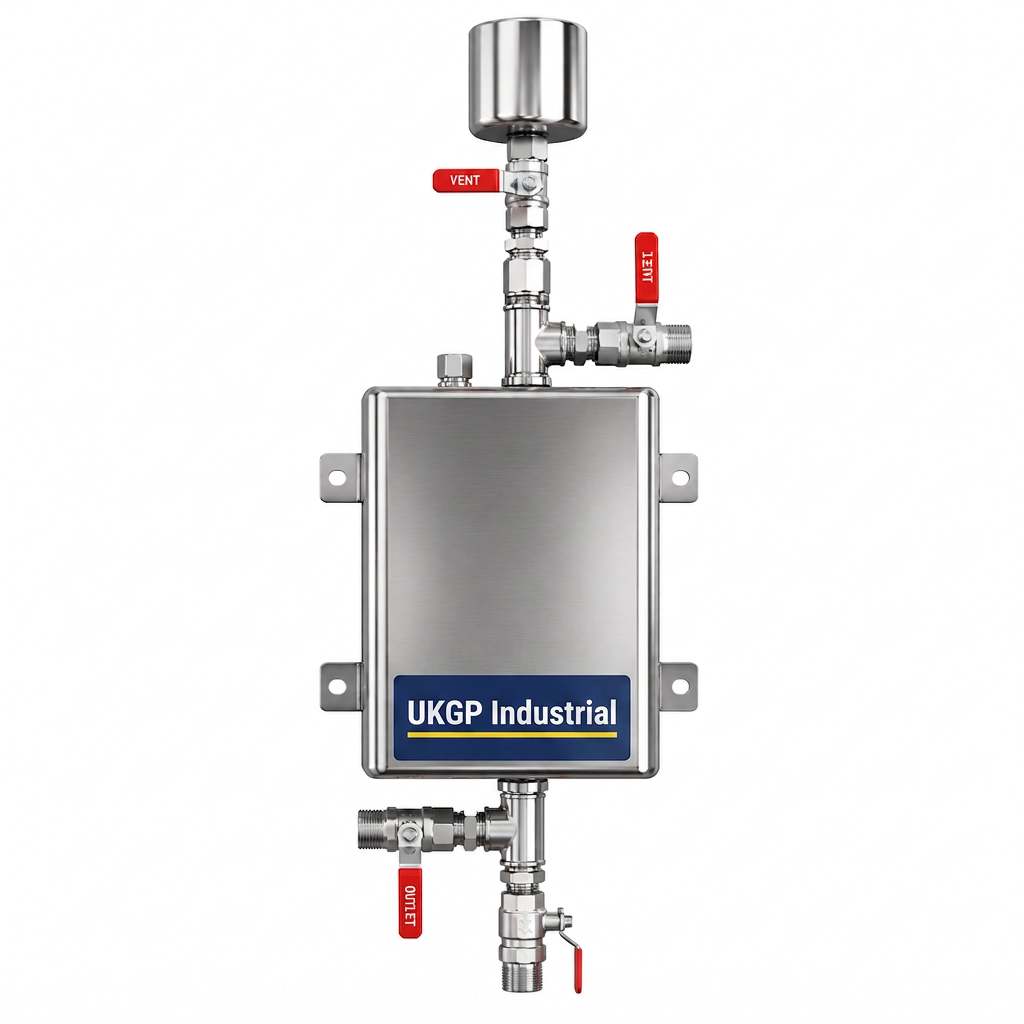
A major factor in long-term boiler inhibitor cost is the method of introduction. Without a dedicated bypass-mounted dosing vessel, maintenance teams often struggle to maintain the required ppm levels, leading to wasteful over-dosing or, worse, under-dosing that leaves the primary circuit vulnerable. When contractors specify high-quality stainless steel or carbon steel vessels, they ensure a leak-free environment that accommodates the necessary volume for glycol top-ups or inhibitor shots. This structured approach to chemical management ensures that every pound spent on chemicals is utilised effectively, preventing the costly degradation of pipework and expensive plate heat exchangers that are sensitive to poor water quality.
Furthermore, labour costs associated with manual dosing can inflate the overall boiler inhibitor cost if the system is not designed for easy access. UKGP provides solutions that simplify this process, featuring integrated isolation valves, drains, and vents to streamline the maintenance routine. By making the dosing process safer and more efficient, M&E contractors can offer their clients a lower total cost of ownership. In the context of large-scale commercial developments or district heating schemes, these marginal gains in maintenance efficiency lead to substantial financial savings and ensure that the system remains compliant with BS 8552 water testing standards throughout its operational lifespan.
- Inclusion of BSRIA-compliant chemical monitoring to verify dosage.
- Evaluation of system volume to determine precise chemical requirements.
- Impact of water hardness on the efficacy and lifespan of inhibitors.
- Role of bypass-mounted vessels in reducing manual labour hours.
BSRIA BG50 and BG29 Compliance Guidelines
Adhering to BSRIA BG29 for pre-commission cleaning and BG50 for ongoing water treatment is non-negotiable for modern UK plant rooms. These standards emphasize that a failure to manage the boiler inhibitor cost effectively can lead to the 'suspended solids' problem, where corrosion products circulate and damage sensitive components. By following a structured water treatment regime, engineers can demonstrate due diligence to insurers and stakeholders. The guidelines explicitly state that chemical levels must be checked at least annually, though more frequent testing is recommended for systems with high water turnover or known integrity issues.
The financial implications of ignoring these guidelines often far outweigh the nominal boiler inhibitor cost. For instance, a system plagued by oxygen ingress and subsequent corrosion will see its heat transfer efficiency plummet, resulting in higher fuel bills and increased carbon emissions. BSRIA-aligned strategies advocate for the use of high-quality chemical dosing pots that allow for precise, controlled introduction of chemicals without introducing excessive fresh, aerated water into the loop. This preservation of the anaerobic environment is critical for the long-term stability of the chemical film that protects carbon steel and copper components within the heating circuit.
Integrating a robust monitoring schedule into the maintenance contract allows FM teams to justify the boiler inhibitor cost as a preventative maintenance expense. This proactive stance is supported by CIBSE, which highlights that water quality is a primary driver of overall system reliability. By using professional-grade dosing pots with a 2-year warranty, such as those supplied by UKGP, contractors can ensure their installations remain compliant with BS EN 12828 for heating system design. Ensuring that the equipment used for dosing is as industrial-grade as the chemicals themselves prevents technical failures that could lead to system downtime or environmental contamination during the dosing procedure.
- Pre-commission cleaning requirements as per BSRIA BG29.
- Ongoing monitoring of pH, conductivity, and inhibitor levels per BG50.
- Documentation of chemical additions for O&M manual compliance.
- Avoiding the risks of over-dilution during system repairs.
The Impact of Air and Dirt on Inhibitor Efficiency
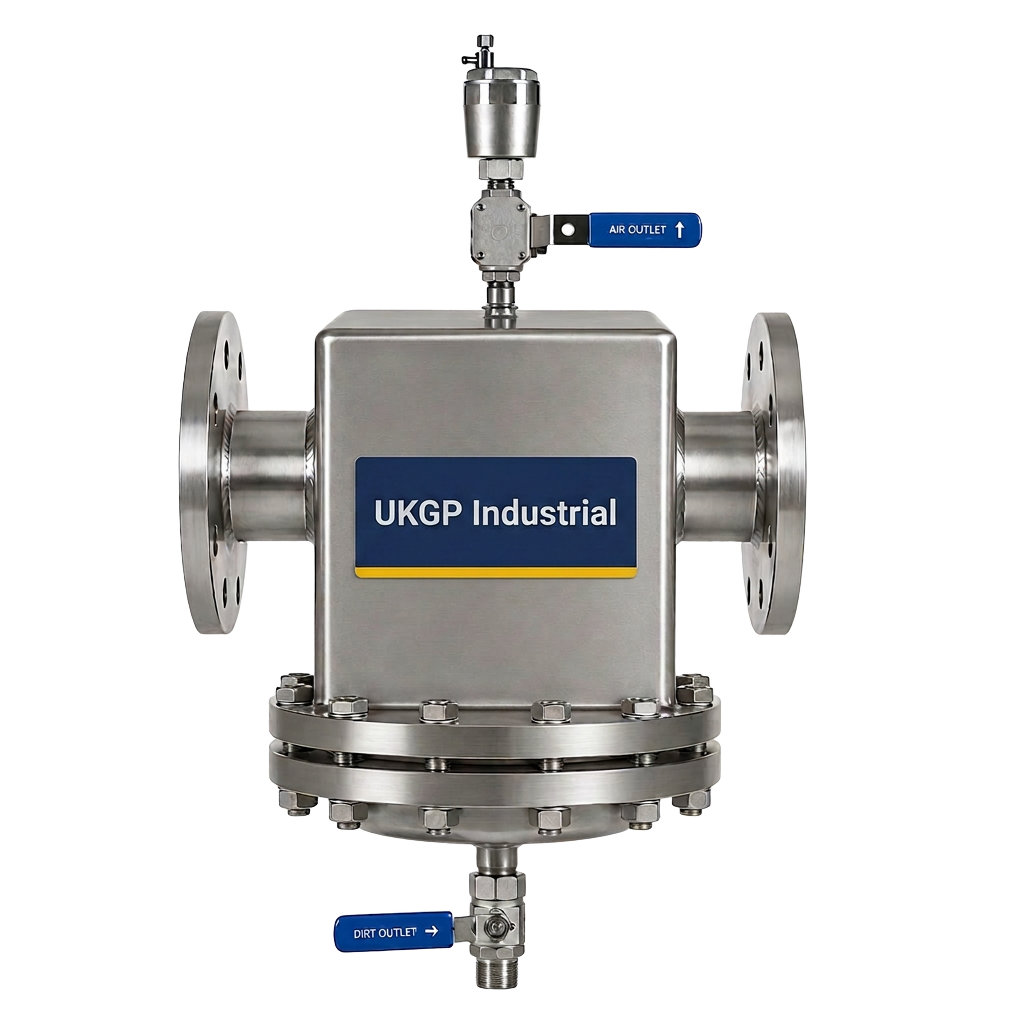
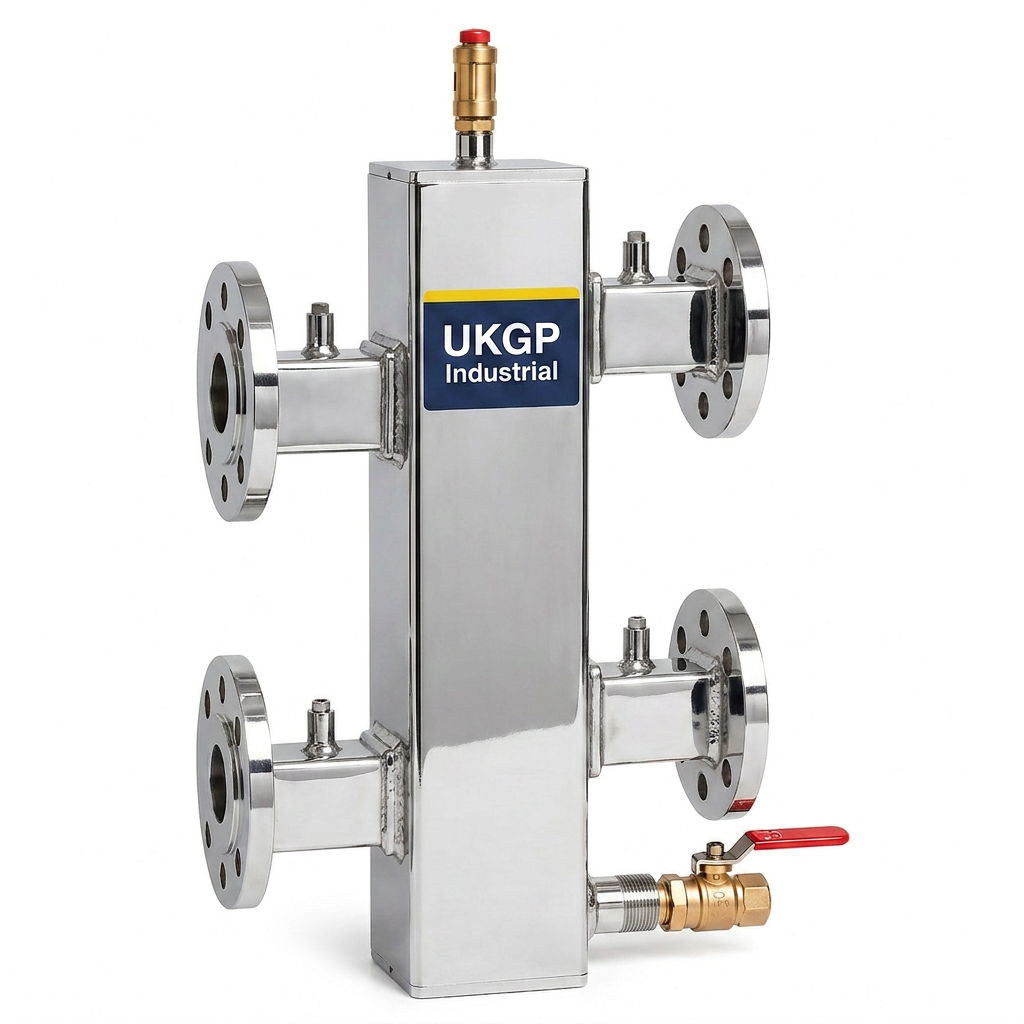
Even the most expensive chemical regime can fail if the system is laden with microbubbles and sludge. High levels of dissolved oxygen can neutralise the protective properties of the chemicals, effectively increasing the boiler inhibitor cost as more frequent replenishment becomes necessary. Air and dirt separators are therefore essential companions to any chemical dosing strategy. By removing entrained air and magnetic particles, these devices ensure that the inhibitor can form a continuous, protective film on all internal surfaces. This synergy between mechanical filtration and chemical protection is the hallmark of a professionally designed commercial heating system.
When magnetite is allowed to settle in low-flow areas of the circuit, it creates an environment ripe for under-deposit corrosion. This localized attack can penetrate pipe walls and heat exchanger plates despite the presence of inhibitors elsewhere in the system. Consequently, the boiler inhibitor cost must be viewed in tandem with the cost of mechanical separation. A system that is 'clean' from a mechanical perspective allows the chemical additives to work at peak efficiency, requiring lower overall dosages to maintain protection. This reduces the burden on procurement leads who are tasked with managing annual chemical budgets for large property portfolios.
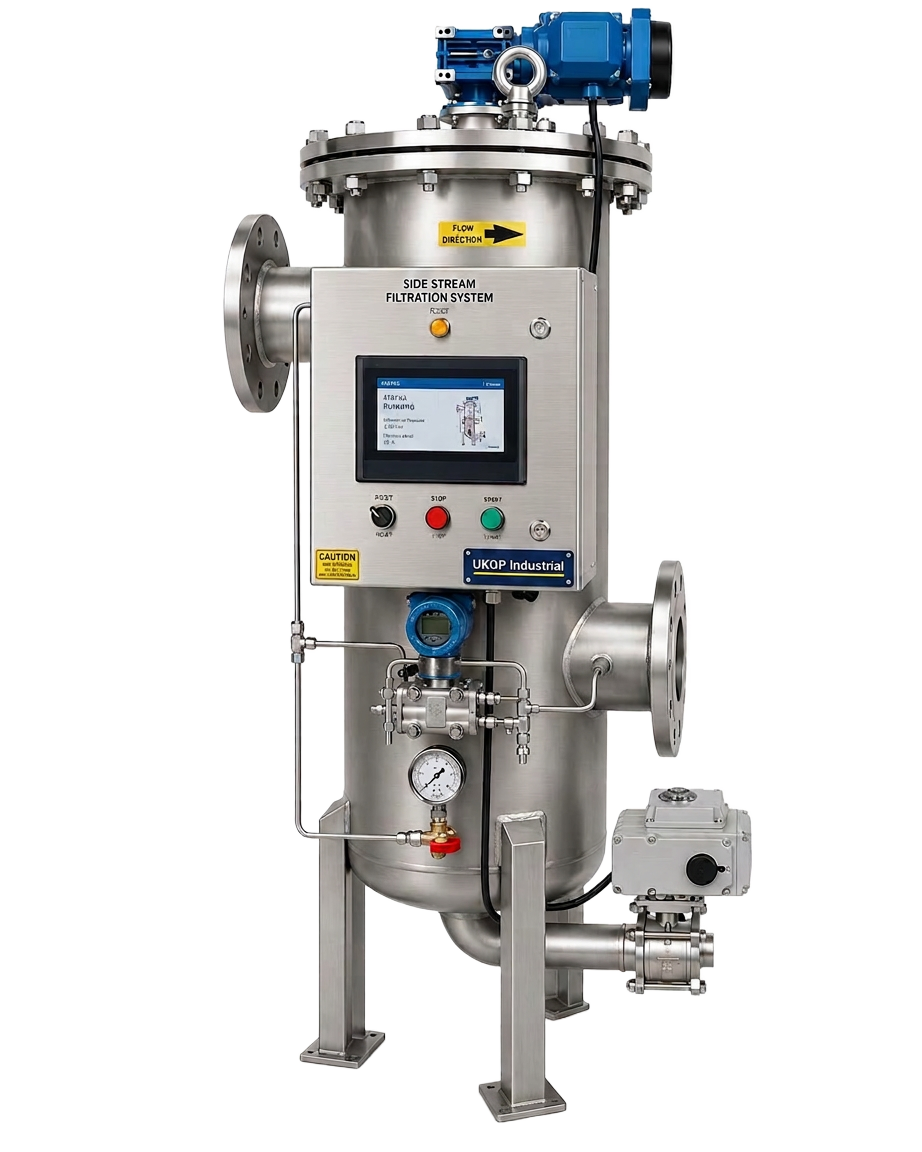
Contractors should also consider the role of side stream filtration in larger commercial circuits. While a dosing pot is perfect for introducing the initial charge and seasonal top-ups, side stream filtration continuously removes the fine debris that chemicals help to loosen. This dual-action approach ensures that the water remains clear and the chemical concentration stays stable. UKGP offers a range of side stream filtration skids and air and dirt separators that complement our dosing pots, providing a total solution for water quality management that protects against the hidden costs of system degradation and emergency repair works.
- Reduction of chemical consumption through better air removal.
- Prevention of under-deposit corrosion in radiators and exchangers.
- Extended life of pump seals and control valves via dirt removal.
- Improved heat transfer rates leading to lower utility expenditure.
Strategic Procurement of Dosing Infrastructure
For procurement leads in the M&E sector, sourcing the right hardware is essential to control the boiler inhibitor cost. Cheap, under-specified dosing pots often lead to leaks at the valves or internal corrosion of the vessel itself, especially if the system contains aggressive additives or high concentrations of glycol. UKGP provides carbon steel and stainless steel dosing pots in 5L, 10L, and 25L capacities, ensuring that there is a correctly sized vessel for every project, from light commercial units to massive industrial plants. Each unit is built to withstand plant room rigours, featuring a 2-year warranty for peace of mind.
The design of the UKGP dosing pot focuses on practical usability for engineers. With bypass mounting and high-quality isolation valves, the risk of chemical spillages is minimised, and the speed of the dosing operation is maximised. This efficiency directly impacts the service portion of the boiler inhibitor cost. When a technician can complete a glycol top-up or inhibitor boost in minutes rather than hours, the labour savings accumulate throughout the year. Furthermore, the inclusion of a clear vent and drain valve ensures that the vessel can be safely emptied and purged, preventing air ingress during the chemical injection process.
When requesting a quote for a UKGP chemical dosing pot, specify whether carbon steel or stainless steel is required based on the system materials and the presence of any aggressive cleaning chemicals used during the BSRIA BG29 phase. Stainless steel options offer superior longevity in high-specification environments where fluid purity is paramount. By choosing a manufacturer that understands the nuances of UK building services, such as UKGP in Surrey, contractors gain access to technical expertise and reliable lead times, ensuring that project deadlines are met without compromising on the quality of the water treatment infrastructure.
- Capacities ranging from 5L to 25L for precise system sizing.
- Material options including carbon steel and premium stainless steel.
- Standard inclusion of isolation, vent, and drain valves.
- Two-year warranty for long-term commercial reliability.
Protecting Assets from Chemical Imbalance
The long-term boiler inhibitor cost is significantly influenced by the precision of chemical delivery. Over-dosing can be as detrimental as under-dosing in certain scenarios, particularly in systems with mixed-metal components where high pH levels might attack aluminium heat exchangers used by some leading commercial boiler OEMs. A well-installed dosing pot allows for the introduction of calculated volumes of inhibitor, ensuring the system chemistry remains within the narrow window recommended by the chemical manufacturer. This precision prevents the waste of expensive fluids and protects the most vulnerable parts of the heating hierarchy, such as the thin-walled plates in a plate heat exchanger.
In systems requiring glycol for frost protection, the boiler inhibitor cost increases due to the higher volume of chemical required. Dosing pots are the industry-standard method for ensuring these glycol levels are topped up regularly without depressurising the entire system. Because glycol can degrade into acidic compounds over time if not properly inhibited, the role of the dosing pot extends to the periodic addition of 'booster' chemicals to restore the pH. This maintenance task is essential for protecting expensive plant equipment from the ravages of organic acid corrosion, which can occur rapidly if the glycol-to-water ratio is allowed to drift significantly.
Ultimately, the goal of any building services engineer is to create a 'set and forget' system that remains stable for years. Achieving this requires a combination of the right chemicals, the right dosing hardware, and consistent monitoring. By integrating UKGP chemical dosing pots into the plant room design, contractors provide the facility manager with the tools needed to manage the boiler inhibitor cost proactively. This investment in quality pays dividends through reduced call-outs, lower component replacement costs, and the assurance that the heating system will continue to provide reliable service to the building's occupants regardless of the external conditions.
- Precise glycol top-ups to maintain frost protection integrity.
- pH stabilisation to protect sensitive heat exchanger alloys.
- Reduced risk of chemical wastage through controlled injection.
- Compatibility with a wide range of UK commercial inhibitors.
Summary of Economic Advantages in Water Treatment
In summary, managing the boiler inhibitor cost is a vital component of modern commercial facility management. By moving away from reactive 'quick fixes' and toward a BSRIA-aligned proactive strategy, M&E contractors can deliver superior value to their clients. The use of high-quality dosing vessels ensures that chemical treatments are administered safely and accurately, preserving the integrity of the system and extending the life of key assets. Whether it is a 5L carbon steel unit for a small office block or a 25L stainless steel vessel for a large industrial site, the choice of dosing equipment is a fundamental driver of long-term operational success.
The financial case for high-quality dosing infrastructure is clear. By reducing the frequency of chemical replenishments and preventing the efficiency losses associated with corrosion and scaling, the initial boiler inhibitor cost is easily recouped through energy savings and reduced maintenance budgets. Furthermore, the 2-year warranty provided with UKGP products offers an additional layer of financial security, ensuring that the dosing hardware itself does not become a recurring expense. This commitment to quality aligns perfectly with the expectations of UK building services consultants and procurement leads who demand reliability and performance from their plant room suppliers.
For those looking to upgrade their current plant room or specify for a new build, reaching out for a quote on UKGP chemical dosing pots is the first step toward better system hygiene. Our Surrey-based team is ready to assist with sizing and material selection to ensure your project meets all relevant British Standards and BSRIA guidelines. By focusing on the total boiler inhibitor cost and the infrastructure that supports it, you are investing in the long-term health of the UK's commercial building stock, ensuring efficient heating and cooling for years to come. Contact us today to discuss your requirements and secure the best protection for your commercial systems.
- Long-term energy savings via maintained heat transfer efficiency.
- Compliance with BS EN 12828 and BSRIA BG50 requirements.
- Minimal downtime through efficient chemical maintenance routines.
- Reliable plant room performance with UK-manufactured hardware.
Frequently asked questions
What factors influence the total boiler inhibitor cost in commercial systems?
- Total cost is influenced by system volume, water turnover rates, the quality of the chemicals used, and the efficiency of the dosing hardware. Using a correctly sized UKGP dosing pot reduces labour hours and prevents chemical wastage, lowering the overall life cycle cost.
How often should I add chemicals using a dosing pot to maintain BSRIA compliance?
- Per BSRIA BG50, water quality should be tested at least annually. If inhibitor levels have dropped below the manufacturer's recommended ppm, the dosing pot should be used immediately to restore the concentration and protect the system from corrosion.
Is a stainless steel dosing pot worth the extra cost over carbon steel?
- Stainless steel is highly recommended for systems with high-pressure requirements, aggressive chemicals, or where superior long-term durability is required. While the initial investment is higher, it can reduce the long-term boiler inhibitor cost by preventing vessel failure and contamination.
Can I use a dosing pot for glycol as well as inhibitors?
- Yes, UKGP dosing pots are ideal for introducing both inhibited glycol for frost protection and chemical inhibitors. Sizing the pot correctly (5L to 25L) ensures you can add the necessary volume of glycol without multiple dosing cycles.
What is the warranty on UKGP chemical dosing pots?
- All UKGP chemical dosing pots come with a 2-year warranty, covering both carbon steel and stainless steel versions, providing assurance for M&E contractors and facilities managers in demanding commercial environments.