Understanding the Bellows Type Expansion Joint
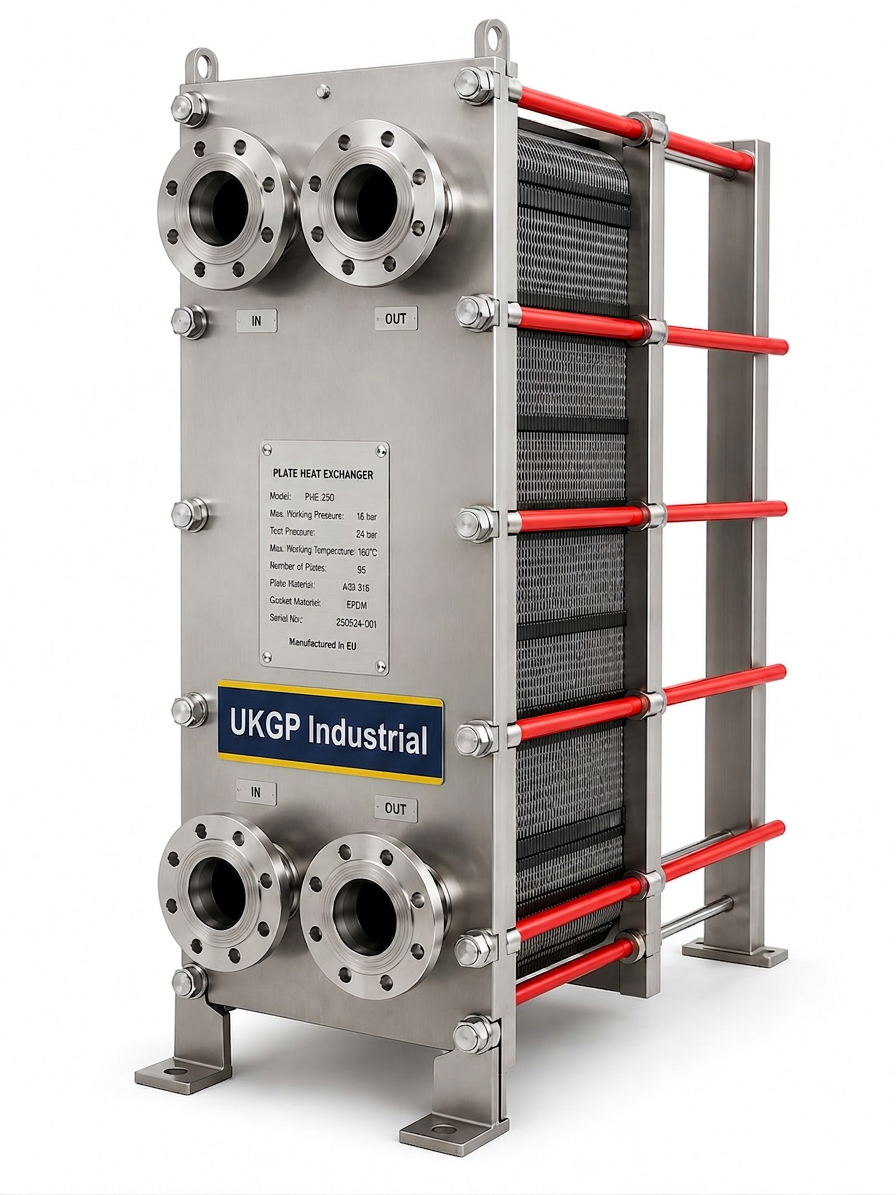
In the sphere of mechanical engineering, pipework systems are constantly subject to thermal fluctuations that induce significant physical changes. When a heating or chilled water system undergoes temperature shifts, the metallic pipework inevitably expands or contracts. A bellows type expansion joint acts as the flexible element designed to withstand these stresses, effectively acting as the safety valve for physical movement. Without the inclusion of a high-quality bellows type expansion joint, the resulting forces exerted on anchors, guides, and connected plant equipment—such as commercial boilers or plate heat exchangers—can lead to cracked flanges or pipe wall thinness. UKGP Industrial provides these components to ensure that Surrey-based and national M&E projects remain compliant with modern safety standards and operational requirements.
The technical complexity of a bellows type expansion joint varies significantly depending on the application environment. These joints are typically engineered from multi-ply stainless steel or reinforced elastomers to provide the necessary flexibility while maintaining the structural integrity required to contain high-pressure fluids. In commercial plant rooms, engineers must account for the total accumulated thermal movement over the longest straight run of pipework to ensure the selected bellows has the capacity to absorb the predicted millimetres of expansion. Failure to correctly calculate this often results in the 'squirm' of the bellows or the buckling of the pipework long before the system reaches its intended design life in accordance with BSRIA BG50.
When specifying these components, it is essential to consider the chemical compatibility of the inner liner and the external environment. A bellows type expansion joint might be exposed to treated water internally and potentially corrosive atmospheric conditions externally. UKGP Industrial offers a comprehensive range of materials including EPDM, NBR, and stainless steel to meet these diverse needs. Consultants must ensure they are requesting a quote for a product that carries a robust warranty and has been pressure tested to meet the rigours of modern UK building services. This meticulous approach to specification protects the procurement lead from future liabilities and ensures the facility management team can operate the system with minimal unplanned downtime or emergency maintenance visits.
- Absorption of axial expansion and contraction caused by thermal cycles
- Reduction of vibration transmission from pumps and heavy plant
- Compensation for minor lateral misalignment in pipework headers
- Protection of sensitive equipment connections like heat exchangers
- Compliance with BS EN 14917 for metallic pressure bellows
Compliance with BSRIA BG29 and BG50 Standards
The installation of a bellows type expansion joint is not merely a mechanical task but a compliance requirement within the UK’s regulatory framework. BSRIA BG29 (Pre-commission cleaning of pipework systems) and BG50 (Water treatment for closed heating and cooling systems) both emphasize the importance of maintaining system integrity. When a bellows type expansion joint is integrated into a system, it must be able to withstand the chemical flushing agents used during the commissioning phase. If the material of the bellows is not compatible with the high-strength cleaning chemicals, the unit may suffer premature degradation. Therefore, choosing a UKGP expansion bellows with EPDM or stainless steel construction ensures the unit survives the rigorous cleaning processes mandated for new commercial builds.
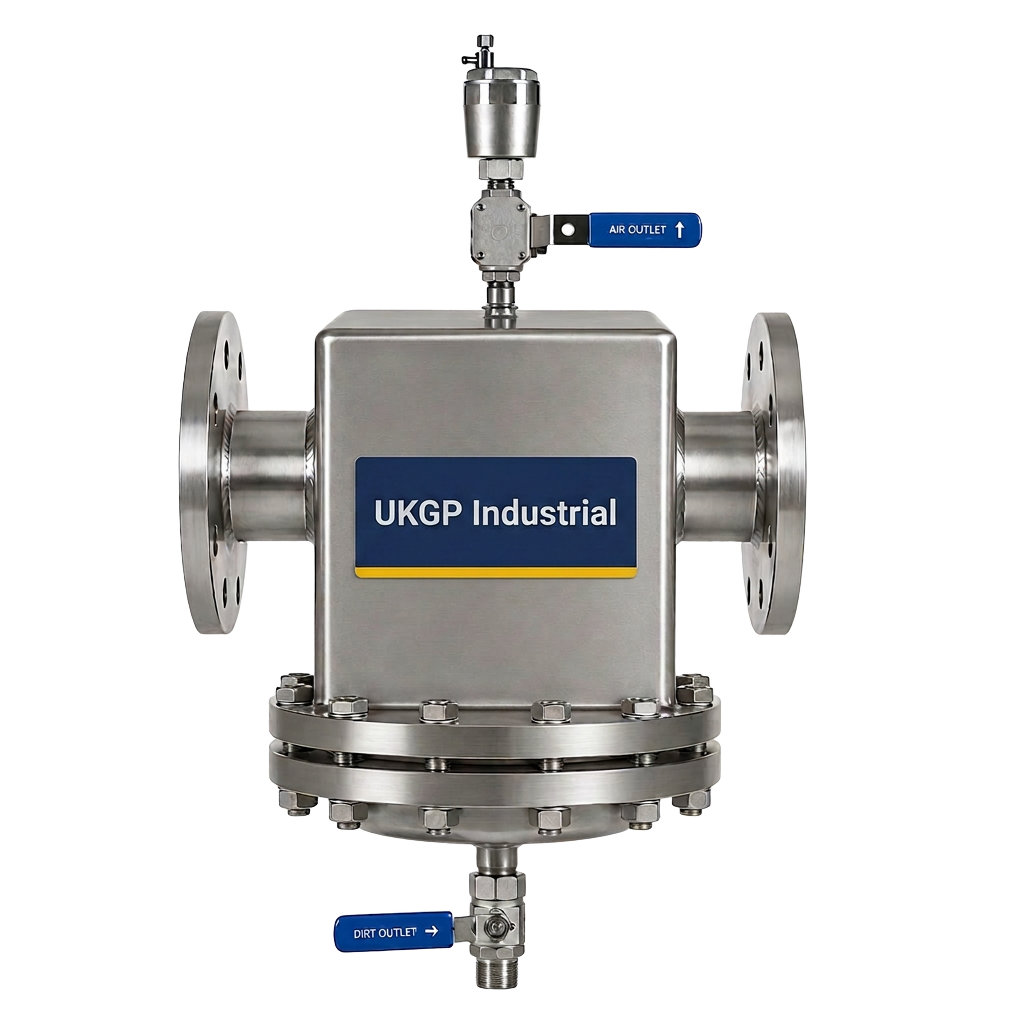
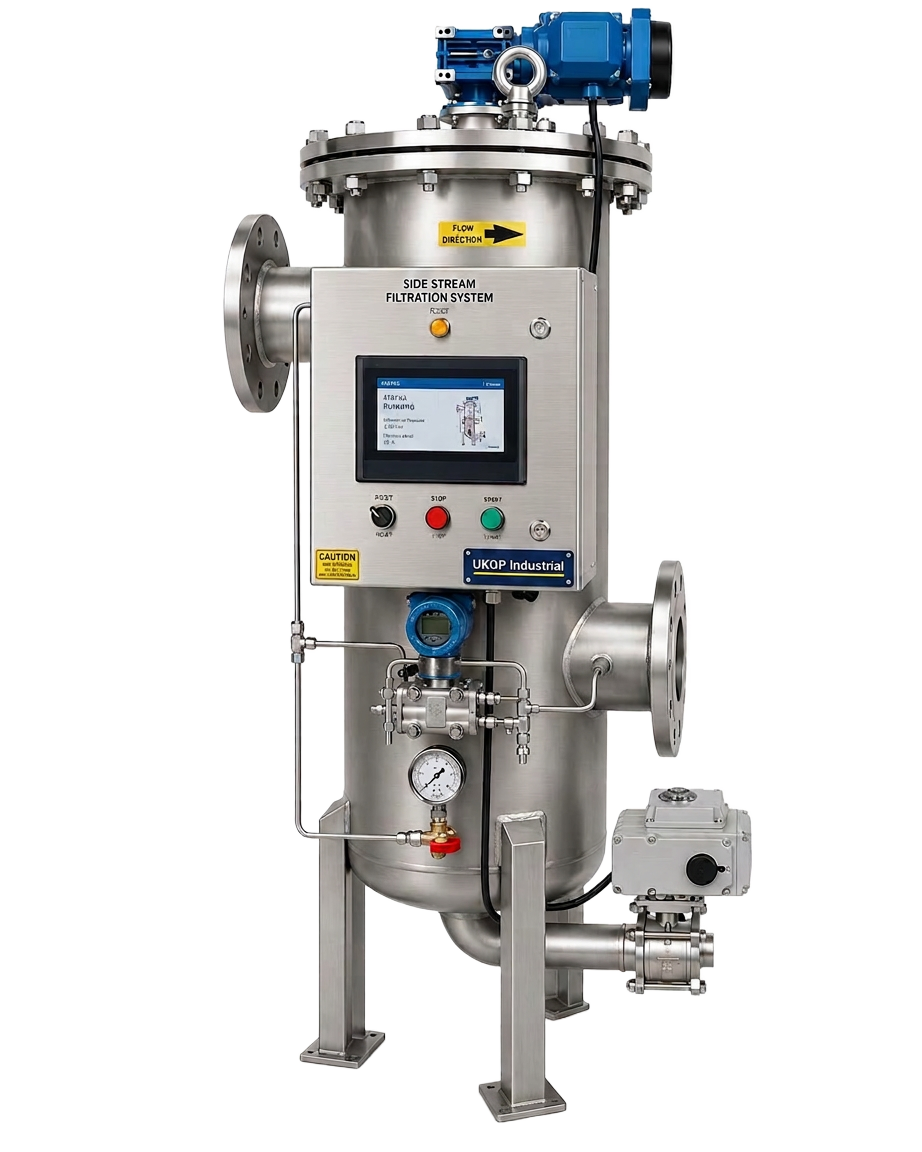
Furthermore, BG50 highlights the ongoing risks of corrosion and scaling in closed-loop systems. Low-quality expansion joints can often become the site of debris accumulation if not designed with a smooth internal bore. This is why many engineers prefer the inclusion of internal sleeves or liners in their bellows type expansion joint specifications, particularly for high-velocity systems. By preventing the catchment of suspended solids, the joint remains flexible and functional for years. UKGP Industrial's expertise in providing side stream filtration and air and dirt separators complements the use of expansion joints by ensuring the water quality remains high, thereby extending the service life of every flexible component within the plant room manifold.
Documentation and traceability are also key pillars of modern British standards. Every bellows type expansion joint supplied should ideally be accompanied by material test certificates and pressure test reports. For M&E contractors, this paperwork is essential for the final O&M manuals provided to the client. Ensuring that the bellows meet BS EN 14917 standards confirms that the design and manufacturing processes are robust enough for commercial applications. Whether you are dealing with a standard DN50 run or a heavy-duty DN600 main, the evidence of quality control provided by UKGP Industrial assists in meeting the high expectations of UK building services consultants and their respective insurance providers.
- Material compatibility with BG29 cleaning chemicals and biocides
- Prevention of internal erosion through optional internal sleeves
- Long-term resistance to oxygen-induced corrosion in closed loops
- Alignment with CIBSE guide requirements for plant-room safety
- Provision of full traceability and certification for O&M manuals
Technical Selection Criteria for M&E Contractors
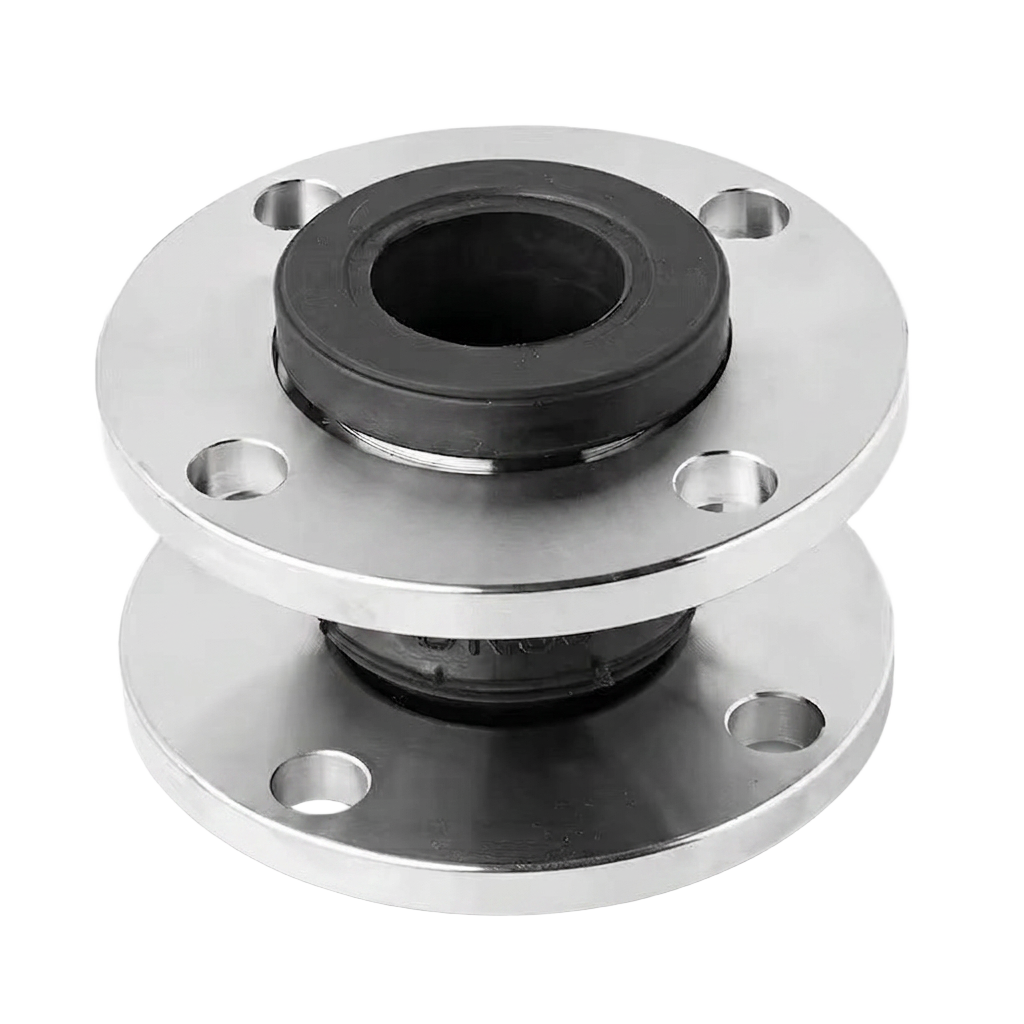
Selecting the right bellows type expansion joint involves more than just matching the diameter of the pipe. M&E contractors must evaluate the maximum working pressure, the operating temperature range, and the total movement requirement. For instance, a system operating at 10 bar with temperature swings from 10°C to 80°C will require a significantly more robust expansion joint than a low-pressure domestic circuit. At UKGP Industrial, we provide expansion bellows in materials ranging from rubber EPDM/NBR to stainless steel and PTFE, covering sizes from DN15 to DN600. Our units come with either flanged or weld-end connections to suit the specific installation preferences of the on-site engineering team, ensuring a secure and leak-free fit every time.
Another vital factor often overlooked is the anchoring and guiding of the pipework surrounding the bellows type expansion joint. A bellows is essentially a flexible pressure vessel; if the pipework is not strictly guided, the internal pressure will attempt to extend the bellows beyond its design limits. Contractors must ensure that the main anchors are capable of withstanding the 'pressure thrust' created by the joint. This is why selecting a partner like UKGP Industrial is beneficial, as we understand the commercial realities of plant-room installation and can provide the technical guidance needed for a secure setup. Our 2-year warranty offers peace of mind that once the joint is installed, it is there to stay without becoming a recurring maintenance headache.
Standardisation across a project can also drive procurement efficiencies. By specifying a bellows type expansion joint from a single reliable source for the entire range of DN15 to DN600 sizes, FMs and procurement leads can streamline their spares inventory and simplify the installation training for their site staff. UKGP's range of rubber and fabric bellows provides versatility for chilled water, LTHW (Low Temperature Hot Water), and even industrial steam applications. When you request a quote for our expansion bellows, you are engaging with a UK-based supplier that prioritises rapid lead times and technical precision, ensuring your project remains on schedule and within the designated budget without sacrificing quality or safety.
- Comprehensive size range from DN15 to DN600 to suit all plant rooms
- Various end-connections including PN16 flanges and weld-ends
- Material options including EPDM, NBR, and high-grade stainless steel
- Two-year warranty for commercial and industrial peace of mind
- Expert technical support for calculating pressure thrust and anchor loads
Installation Best Practices for Longevity
Successful installation of a bellows type expansion joint begins before the torch even touches the pipe. Proper storage on-site is crucial; bellows should be kept in a dry, covered area to prevent UV degradation of rubber or atmospheric corrosion of stainless steel components. During the actual installation phase, it is imperative to check that the gap left in the pipework matches the neutral length of the bellows. Stretching or compressing a bellows type expansion joint to fit into a poorly measured gap consumes its 'movement budget' before the system even begins operation. Leading M&E contractors know that precision at the fit-out stage prevents the premature fatigue of the bellows convolutions through over-extension or excessive compression.
Moreover, protection against weld spatter is a critical safety step when installing weld-end stainless steel joints. A single bead of hot metal landing on the thin convolutions of a bellows can create a stress concentrator that leads to a pinhole leak once the system is pressurised. Best practice involves using a protective heat blanket during welding. For flanged units, ensuring the counter-flanges are parallel is vital; forcing a bellows type expansion joint to bridge a gap with angular misalignment puts unnecessary strain on the flange faces. Following these practical, on-site steps ensures that the installation aligns with the rigorous standards expected by BSRIA and CIBSE, protecting the commercial interests of the contractor and the end-user.
Once the system is live, periodic inspection remains a necessity. Facility Managers should look for signs of 'aging' in rubber joints, such as surface cracking or hardening, and check metallic joints for any signs of distortion. Because a high-quality bellows type expansion joint from UKGP Industrial is designed for 1000s of cycles, regular maintenance is usually minimal, but the initial installation quality determines the ultimate lifespan. Integrating these joints alongside other UKGP solutions, such as low loss headers to manage hydraulic separation, creates a balanced and robust system. If you are currently in the planning phase of a plant-room refurbishment, reaching out to our team for a quote on expansion bellows can ensure you get the right specification for your specific thermal challenges.
- Keep bellows protected from site debris and UV exposure during storage
- Utilise welding blankets to prevent spatter damage on steel convolutions
- Verify all pipe anchors and guides are installed before pressure testing
- Ensure flange bolts are tightened in a cross-pattern to avoid uneven stress
- Perform visual inspections during the first full thermal cycle of the system
The Role of Expansion Bellows in System Balance
In a modern commercial plant room, the bellows type expansion joint works in tandem with other critical components to maintain a steady state. While pumps provide the flow and boilers provide the heat, the bellows manages the physical reality of thermal growth. In large-scale developments, the total expansion of a 50-metre run of steel pipe heating to 80°C can be upwards of 40mm. Without a specifically sized bellows type expansion joint, this movement would exert several tonnes of force against the building structure. By dissipating these forces, the bellows protects not just the pipe, but the integrity of the building itself. This mechanical harmony is essential for passing building inspections and ensuring the facility meets long-term operational sustainability goals.
Furthermore, the use of a bellows type expansion joint often reduces the space required for large expansion loops. In urban developments where plant-room space is at a premium, the ability to use a compact axial bellows instead of meters of extra pipework for a natural loop is a major commercial advantage. UKGP Industrial's range includes fabric expansion joints for ductwork and PTFE-lined bellows for chemically aggressive environments, ensuring that no matter the medium or the space constraints, a solution is available. This versatility allows consultants to design more efficient layouts, reducing the total material cost of the project while enhancing the overall safety and reliability of the mechanical services provided to the client.
Ultimately, the goal of any building services professional is to deliver a system that works reliably without intervention. Incorporating a bellows type expansion joint into the design from the outset is a sign of engineering foresight. When procurement leads choose UKGP, they are selecting a supplier that understands the UK market's specific demands—from compliance with local water regulations to the practicalities of flanged connections used by major UK commercial boiler OEMs. Our expansion bellows are tested to hold up under the most demanding conditions, backed by a 2-year warranty that reflects our confidence in the materials and manufacturing processes employed across our entire product range, from DN15 to DN600.
- Space-saving alternative to traditional pipework expansion loops
- Custom fabric and PTFE options for non-standard or aggressive media
- Reduction of mechanical noise within the building framework
- Durable construction suitable for high-rise and district heating
- Easy integration with standard PN16 and PN25 flanged systems
Procuring the Right Bellows Type Expansion Joint
Procurement leads and M&E contractors face the challenge of sourcing high-spec components while maintaining tight project margins. Choosing a bellows type expansion joint from a UK-based specialist like UKGP Industrial offers the dual benefit of technical expertise and commercial value. Our wide range of EPDM, NBR, and stainless steel expansion bellows ensures that you can find the exact match for your project's thermal and pressure requirements. By providing units from DN15 to DN600, we serve everything from small commercial branch lines to major primary distribution headers. Every joint we supply is built to last, reducing the 'total cost of ownership' for the FM team by preventing premature failures and costly emergency repairs.
When requesting a quote for a bellows type expansion joint, it is helpful to provide the maximum temperature, pressure, and the anticipated movement. This allows our technical team to verify that the specified product—whether it be a flanged rubber joint or a weld-end stainless steel unit—is perfectly fit for purpose. Our commitment to the UK market means we stock the sizes and materials that M&E engineers actually use, enabling faster delivery to site and preventing project delays. With a 2-year warranty on our expansion bellows, we stand by the quality of our engineering, ensuring that your installation meets the high standards required by BSRIA and other industry bodies across the United Kingdom.
In conclusion, the bellows type expansion joint is a fundamental component for any well-designed heating or cooling system. Its role in absorbing thermal movement and preventing mechanical failure cannot be overstated. By partnering with UKGP Industrial, you gain access to a Surrey-based team that understands the nuances of the British M&E sector. From initial specification and compliance with BS EN 14917 to the final supply of high-performance flanged or weld-end bellows, we are here to support your project. Contact us today to discuss your expansion requirements or to receive a quote for our expansion bellows range, and see how our practical, high-quality solutions can enhance your building services installations.
- Assistance with technical sizing and material selection for every order
- Competitive lead times for UK-wide delivery to site or stores
- Broad compatibility with diverse pipe materials and industrial media
- Support for FM teams with clear maintenance and inspection guides
- Proven performance in demanding UK commercial and industrial plant rooms
Frequently asked questions
What is the primary function of a bellows type expansion joint?
- The primary function of a bellows type expansion joint is to safely absorb thermal expansion and contraction in pipework systems caused by temperature changes, thereby preventing stress-related damage to anchors and connected equipment.
Which materials are available for the UKGP bellows type expansion joint?
- UKGP Industrial supplies expansion bellows in a wide range of materials including rubber (EPDM/NBR), stainless steel, PTFE, and high-temperature fabrics to suit different media and environmental conditions.
Are UKGP expansion bellows compliant with British and European standards?
- Yes, our bellows are manufactured to meet relevant standards such as BS EN 14917 for metallic bellows and are designed to integrate seamlessly into systems following BSRIA BG29 and BG50 guidelines.
What sizes and connection types are offered for a bellows type expansion joint?
- We provide bellows in sizes ranging from DN15 to DN600, available with either flanged (PN16/PN25) or weld-end connections to suit standard UK pipework configurations.
Does UKGP provide a warranty for their bellows type expansion joint?
- Yes, all our expansion bellows are backed by a comprehensive 2-year warranty, reflecting our commitment to quality and longevity in commercial HVAC applications.