Understanding the role of axial expansion bellows
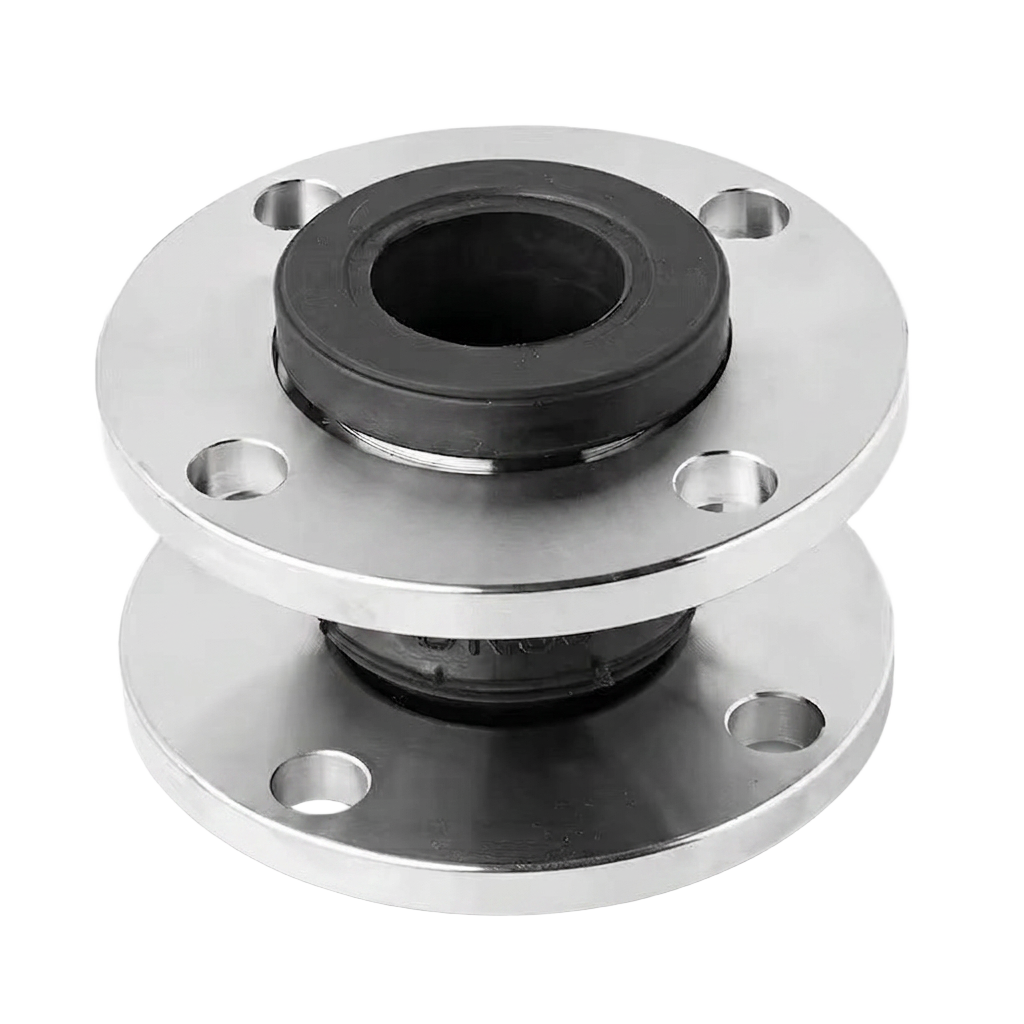
In the field of building services, axial expansion bellows are specifically designed to absorb thermal growth occurring along the straight longitudinal axis of a pipe. When fluid temperatures rise, metallic pipework naturally expands; without a dedicated point of flexibility, this growth exerts immense pressure on fixed anchors, guides, and connected equipment like pumps or chillers. Specifying axial expansion bellows ensures that these thermal stresses are safely managed within the component itself rather than being transferred to the wider building fabric. M&E consultants must calculate the total thermal movement across a straight run to determine if a single axial unit is sufficient or if multiple units are required based on the total pipe length.
Choosing the high-quality axial expansion bellows supplied by UKGP Industrial means opting for components that meet the rigorous demands of modern UK plant rooms. These units are often the first line of defence in high-temperature LTHW or steam applications where linear expansion is predictable but significant. For procurement leads, understanding that axial expansion bellows are designed for straight-line movement only is vital; if lateral or angular movement is present due to pipe design, different bellows types or articulated joints may be necessary. Ensuring your specification accounts for the design temperature and pressure guarantees a longer service life and reduces the frequency of emergency maintenance interventions during the life cycle of the building.
When integrating these components into a BSRIA BG29 or BG50 compliant system, the installation of axial expansion bellows must be paired with robust guiding and anchoring. Without proper alignment, the bellows can squirm or fail under pressure, leading to catastrophic system leaks. At UKGP Industrial, we support engineers in selecting the correct material—be it EPDM for general HVAC or stainless steel for higher temperatures—to match the specific chemical and thermal profile of the system. Our range of axial expansion bellows is engineered to take the strain out of high-pressure environments, providing peace of mind for facility managers and installers who require reliable, long-term performance in demanding commercial environments.
- Absorbs linear thermal movement effectively
- Reduces stress on anchors and guides
- Essential for long straight pipe runs
- Available in high-grade EPDM, NBR, and stainless steel
- Complies with BS EN 14917 manufacturing standards
Thermal movement and CIBSE design standards
The specification of axial expansion bellows is heavily influenced by CIBSE Guide AM14 and Guide B, which provide the framework for managing thermal expansion in building services. Designers must first determine the 'free' expansion of the pipe material, whether it is carbon steel, copper, or stainless steel, using the coefficient of linear expansion. For instance, a 50-metre run of steel pipe heating from 10 to 80 degrees Celsius will expand significantly. By installing axial expansion bellows at calculated intervals, the engineer ensures that this physical growth is constrained within the bellows' convolution movement range. Failing to account for this leads to bowed pipes and compromised joint integrity, which can be disastrous in high-occupancy commercial buildings.
In addition to basic thermal movement, designers must consider the installation temperature compared to the maximum operating temperature. Axial expansion bellows from UKGP Industrial are rated to handle specific ranges of compression and extension, allowing for versatile installation in both variable-air-volume systems and constant flow circuits. When the pipework cools, the bellows must also accommodate the resulting contraction. If the system is not properly balanced or if the axial expansion bellows are underspecified for the range of movement, the internal pressure can lead to fatigue of the convolutions. Procurement teams should work closely with technical suppliers like UKGP to verify that the chosen bellows can handle the specific thermal cycles expected in the building's operational life.
Effective specification also means looking at the environmental conditions surrounding the pipeline. For external pipework or systems exposed to corrosive atmospheres, the material choice for axial expansion bellows is paramount. While EPDM is excellent for standard LTHW and CHW systems, stainless steel 316 or PTFE-lined bellows might be required for more aggressive media or extreme temperatures. By following the guidance in BS 8552 regarding water quality and chemical treatment, and pairing it with correctly specified expansion solutions, engineers can create a resilient infrastructure. UKGP provides a range of DN15 to DN600 solutions tailored for these exact scenarios, ensuring that every project, from a small plant room to a multi-story district heating scheme, is fully protected.
- CIBSE Guide B compliant expansion calculations
- Material compatibility for LTHW and CHW systems
- Temperature range considerations from -10 to +110 degrees
- Pre-stressing options for specific installation scenarios
Mechanical considerations for axial expansion bellows
Beyond the bellows itself, the mechanical success of axial expansion bellows depends on the surrounding support structure. In any BSRIA-compliant design, the placement of the first and second pipe guides is critical. The first guide should typically be located within four pipe diameters of the bellows, with the second within fourteen diameters. This level of precision prevents the pipe from buckling under the compressive force exerted by the internal pressure of the axial expansion bellows. UKGP Industrial offers weld-end and flanged variants, providing contractors with the flexibility to choose the most secure connection method for their specific site conditions, whether it is a new build or a complex retrofit within a Surrey plant room.
Pressure thrust is another critical factor that procurement leads and engineers must discuss. Every time axial expansion bellows are installed without tie rods, the internal pressure of the system creates a force that tries to blow the bellows apart. This force must be countered by heavy-duty main anchors. If the structure of the building cannot support these anchors, then tied bellows or pressure-balanced units must be used instead. When you specify UKGP expansion bellows, you are getting a product designed for robustness, but we always recommend consultating on the calculated thrust loads to ensure the building's structural steel can handle the forces transmitted through the pipe anchors.
The selection of the right bellows also depends on the media being transported. While our EPDM rubber bellows are the industry standard for general-purpose water systems, our PTFE and fabric options cater to specialised industrial processes or applications involving higher chemical concentrations. Our axial expansion bellows are available as DN15 up to DN600, ensuring we have the inventory to support both residential riser projects and massive industrial cooling arrays. With a 2-year warranty on our expansion solutions, UKGP Industrial provides the commercial sector with the security they need when commissioning critical life-safety or HVAC infrastructure.
- Critical first and second guide placement
- Main anchor load calculation support
- Available in DN15 to DN600 sizes
- Choice of flanged or weld-end connections
Integrating bellows with chemical dosing pots
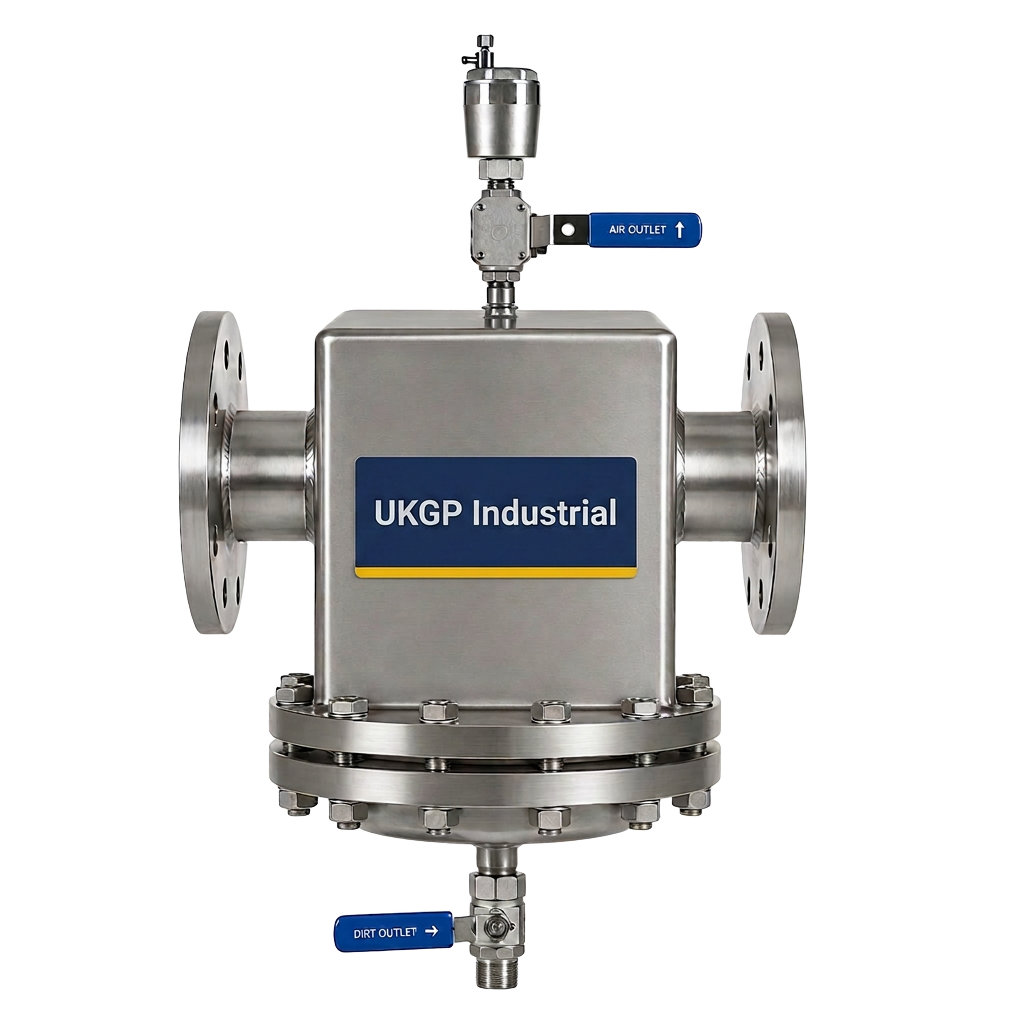
System cleanliness as per BSRIA BG29 is essential for the longevity of all plant room components, including expansion joints. When you specify axial expansion bellows, you must also ensure the system water is correctly treated to prevent corrosion of the stainless steel or rubber convolutions. This is where integrating high-quality chemical dosing pots from UKGP Industrial becomes essential. By providing a controlled way to introduce inhibitors and biocide, you protect the thin-walled convolutions of the axial expansion bellows from pitting or microbiological induced corrosion (MIC). A well-treated system ensures that the flexible elements remain supple and structural for decades rather than failing prematurely due to poor water chemistry.
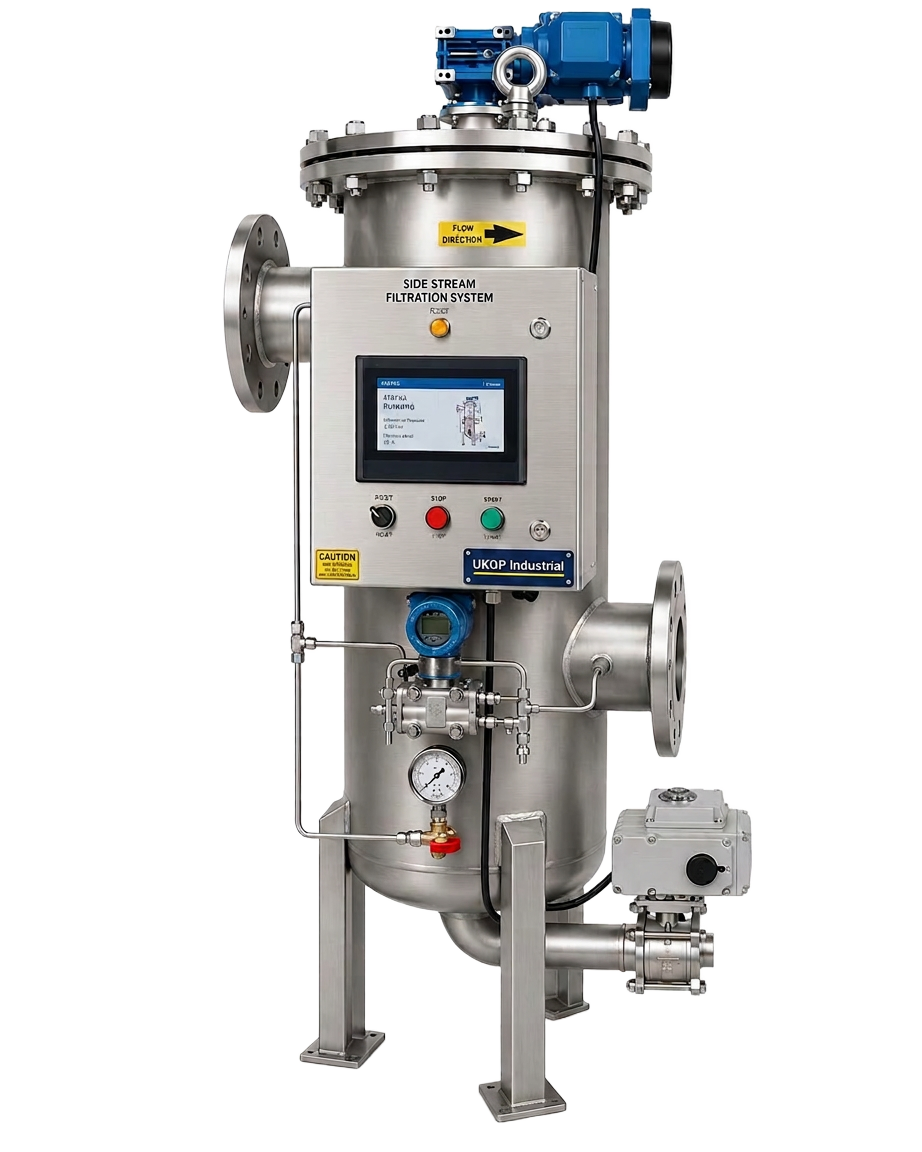
Furthermore, the accumulation of debris can settle in the convolutions of axial expansion bellows, leading to premature wear or restricted movement. Using dosing pots in conjunction with filtration solutions ensures that the internal surfaces of your expansion joints remain free from sludge and scale. For FM teams, maintaining the water quality managed by our dosing pots directly correlates to the lifespan of the bellows. If a bellows fails due to corrosion, it often indicates a wider systemic failure in the water treatment strategy, which can be costly to rectify. By sourcing both your expansion solutions and dosing equipment from UKGP, you guarantee a compatible and high-performing system designed for UK commercial standards.
Correct dosing is not just about protection; it is about system efficiency. When axial expansion bellows are installed in a clean, treated system, the friction losses remain within design parameters and the risk of unexpected downtime is significantly mitigated. We recommend that contractors install dosing pots in accessible locations near the main circulation pumps, which allows for regular maintenance alongside the inspection of expansion joints. UKGP Industrial's rounded approach to plant room components—from expansion management to chemical dosing—provides a cohesive solution for M&E contractors who value reliability and technical excellence in their HVAC projects.
- Protects bellows from internal corrosion
- Facilitates BSRIA BG29 water treatment compliance
- Stainless steel construction for dosing pot durability
- Available for immediate dispatch with bellows
Maintenance and inspection of expansion joints
Ongoing maintenance according to BSRIA BG50 standards involves the regular inspection of all flexible joints. For axial expansion bellows, this means checking for signs of stress, fatigue, or any external damage to the convolutions. In plant rooms where thermal cycling is frequent, such as hospitals or hotels, the bellows undergo significant physical work every day. Building managers should look for any signs of 'squirm'—where the bellows begins to deform laterally under pressure—which usually indicates that the pipe guides have failed or were never properly installed. Regular professional inspections of these axial expansion bellows can prevent a small weep from turning into a major flood that could shut down the building's services.
During a maintenance audit, it is also important to check the integrity of the flanges or weld ends. UKGP's axial expansion bellows are designed for easy visual inspection, with clear markings for flow direction and pressure ratings. If the system has been through a significant temperature excursion beyond design limits, the bellows should be assessed for permanent deformation. Because we offer a 2-year warranty on our bellows, we stand by their durability under normal operating conditions. However, the warranty and the long-term performance are dependent on the system being operated within the parameters specified at the time of procurement, highlighting the need for accurate initial design data.
When it comes to replacement, having a reliable supplier like UKGP Industrial is invaluable. We hold stock of common sizes and configurations, allowing for rapid response when axial expansion bellows need replacing during a planned shutdown or emergency repair. Our technical team can assist in identifying the older units and recommending the modern equivalent to ensure the system returns to full operation with minimal delay. For engineers in the UK, having a Surrey-based partner who understands the local standards and stocking requirements makes the procurement process much smoother. Request a quote today to see how we can assist with your next maintenance cycle or new installation.
- Visual inspection for convolution deformation
- Check for squirm and guide alignment
- Annual audit of flange bolt torque
- 2-year warranty for UKGP bellows products
Environmental and commercial benefits of UKGP bellows
Specifying the correct axial expansion bellows is not just a technical requirement; it is a commercial decision that affects the total cost of ownership of the building services. By preventing leaks and pipe failures, you reduce the risk of property damage and the environmental impact associated with water and energy loss. Axial expansion bellows from UKGP are designed to be low-maintenance and highly efficient, contributing to a more sustainable building infrastructure. Consultants who specify our range are often looking for the balance between competitive pricing and engineering excellence, which we deliver through our stringently tested products, including those made from EPDM, NBR, and various high-grade metals.
The versatility of our range means that regardless of the site—whether it is an industrial warehouse requiring DN600 steel bellows or a residential block needing DN15 rubber units—we have the specific axial expansion bellows to fit the application. Our products are widely used by M&E contractors across the UK because they meet the essential safety and performance criteria required for modern insurance and building regulations. By choosing a UK-based supplier, you also benefit from reduced lead times and a smaller carbon footprint compared to importing similar components from overseas. This logistical advantage is particularly important for projects with tight deadlines where delays can result in heavy financial penalties.
In conclusion, the decision of when to specify axial expansion bellows should be based on a thorough analysis of pipework expansion, system pressure, and the availability of suitable anchoring points. UKGP Industrial is committed to supporting UK building services professionals with the technical data and high-quality hardware needed to modernise our plant rooms. Whether you require rubber, stainless steel, PTFE, or fabric bellows, our team is ready to provide a detailed quote and technical support. Secure your pipeline's future by investing in expansion solutions that are built to last and backed by a comprehensive 2-year warranty. Contact us for your expansion and filtration needs today.
- Reduced carbon footprint with UK supply
- Low-maintenance design for lower OpEx
- Extensive range from rubber to PTFE
- Professional technical support for sizing
Frequently asked questions
What is the maximum pressure for your axial expansion bellows?
- Our axial expansion bellows are typically rated for 16 Bar as standard, but we can provide units for higher pressure applications upon request, depending on the material and size required.
Can axial expansion bellows handle lateral movement?
- Axial expansion bellows are primarily designed for linear (straight-line) movement. If your system has lateral or angular offset, you should specify universal or articulated expansion joints.
Do I need tie rods for axial expansion bellows?
- Standard axial bellows do not use tie rods because they would prevent the very movement the bellows is designed to absorb. Instead, the system must have heavy-duty main anchors to manage pressure thrust.
What materials are available for UKGP bellows?
- We supply bellows in EPDM, NBR, Stainless Steel, PTFE, and high-temperature fabric, covering a range of sizes from DN15 to DN600.
Are your bellows compliant with BSRIA guidelines?
- Yes, our expansion solutions are designed to be integrated into systems following BSRIA BG29 and BG50, ensuring proper movement management and system longevity.