Understanding the Role of the 22mm Expansion Bellows
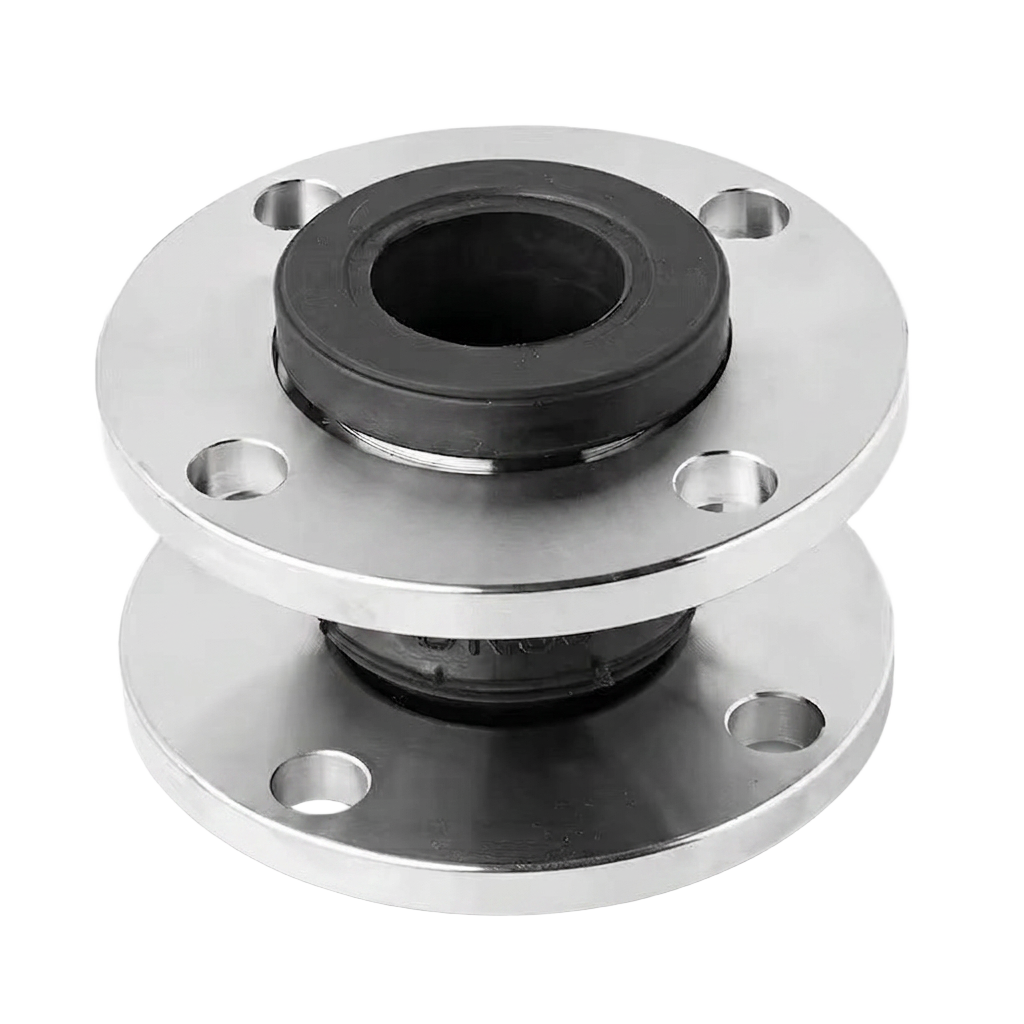
In the context of commercial HVAC and building services, the 22mm expansion bellows is frequently utilized in sub-circuits, fan coil unit (FCU) connections, and domestic hot water service (DHWS) returns. As water temperatures fluctuate during the heating or cooling cycles, copper and stainless steel pipework naturally undergoes thermal expansion and contraction. Without a dedicated 22mm expansion bellows to accommodate this movement, the resulting mechanical stress can lead to joint fatigue, pinhole leaks, or even catastrophic pipe failure. For M&E contractors, selecting a bellows that matches the system pressure and temperature profile is fundamental to the long-term reliability of the installation, especially when working within the constrained footprints of London plant rooms.
Engineering consultants often specify the 22mm expansion bellows because it offers a compact solution for compensation that cannot be achieved through traditional pipe loops or offsets. When space is at a premium, a high-quality stainless steel or EPDM bellows provides the necessary flexibility while maintaining the structural integrity of the line. At UKGP Industrial, our units are designed to meet the rigorous demands of BS EN 14917, ensuring that every component delivered to site has the durability needed for continuous operation. Selecting the right material—be it EPDM for general heating or stainless steel for higher pressures—is the first step in a successful procurement process that prioritizes plant longevity and reduced maintenance overheads.
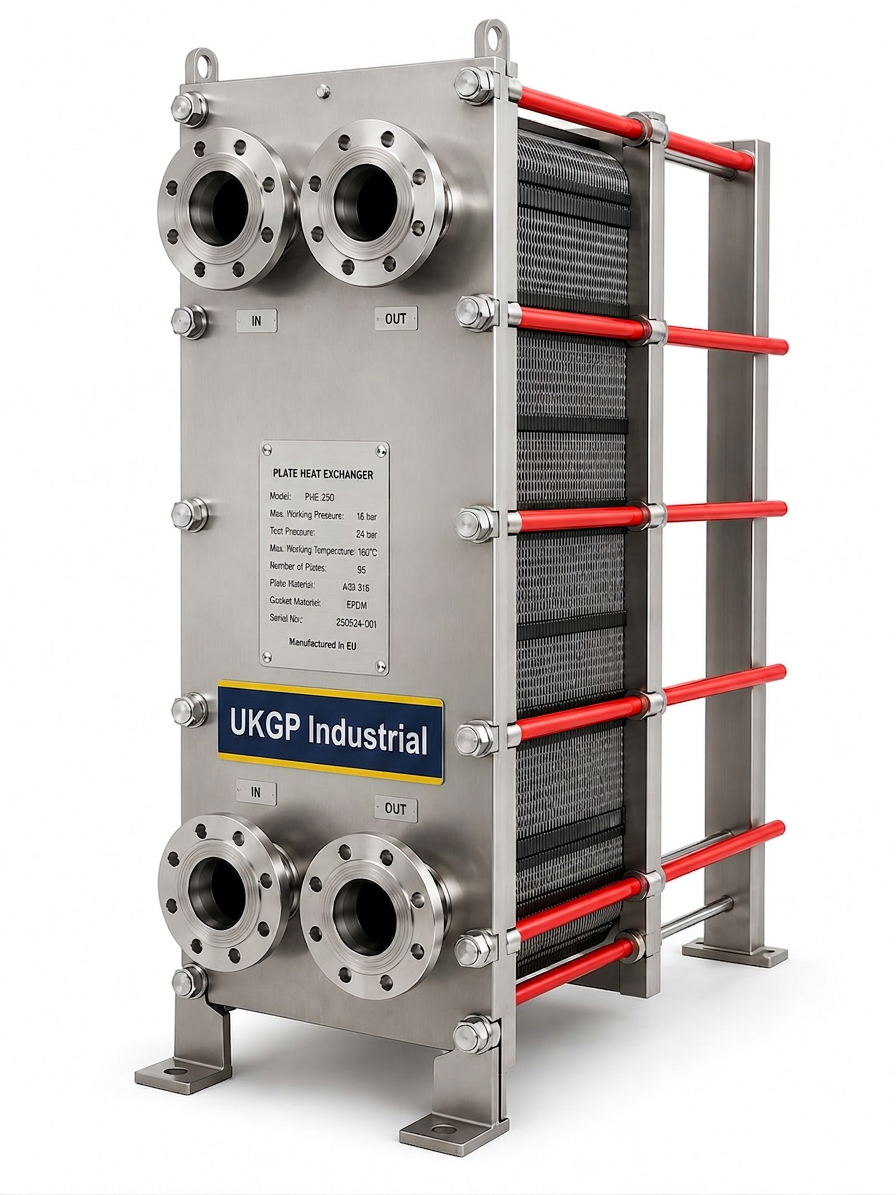
Furthermore, the integration of these bellows is a core requirement for compliance with BSRIA BG29 and BG50 guidelines regarding system cleanliness and mechanical stability. A poorly managed expansion strategy can lead to vibration transmission throughout the building structure, causing unwanted noise and potential damage to sensitive equipment like low loss headers or plate heat exchangers. By installing a 22mm expansion bellows correctly, engineers can effectively decouple the vibration sources from the distribution pipework. This practice not only protects the hardware but also improves the acoustic environment within the building, making it a critical consideration for facility managers overseeing high-rise residential blocks or commercial office spaces where comfort is a primary KPI.
- Axial movement compensation for small-bore pipework
- Vibration isolation for circulator pumps and terminal units
- Reduction of mechanical stress on soldered or press-fit joints
- Compliance with BS EN 14917 standards for expansion joints
Installation Best Practices for 22mm Expansion Bellows
The performance of a 22mm expansion bellows is heavily dependent on correct installation and the strategic placement of anchors and guides. According to CIBSE Guide C, a bellows must be installed between two fixed anchor points that are capable of withstanding the main pressure thrust and the spring rate of the bellows. Failure to provide adequate anchoring will result in the bellows extending beyond its design limits, which inevitably leads to premature failure. Contractors must ensure that the pipework is perfectly aligned; while some bellows can accommodate minor lateral offset, the primary function of an axial 22mm expansion bellows is to handle movement along the longitudinal axis. Misalignment during the initial fit-out is the leading cause of bellows torsion and lateral shear damage.
During the installation of a 22mm expansion bellows, it is essential to consider the cold-draw or pre-setting requirements based on the ambient temperature at the time of install versus the maximum operating temperature. UKGP Industrial provides technical data sheets with every unit to help site engineers calculate the correct gap. If a bellows is installed 'neutral' at 10 degrees Celsius but the system runs at 80 degrees, the bellows may exceed its compression limits. Providing the right guidance via slide guides or spider guides ensures the pipe remains concentric and prevents 'squirming' or buckling under pressure. This attention to detail differentiates a high-spec plant room from one that will suffer frequent leaks and downtime over its lifecycle.
We recommend that all 22mm expansion bellows installations undergo rigorous pressure testing in accordance with BS EN 806 and BSRIA BG29. It is vital that temporary shipping bolts or limit rods are checked and, if instructed, removed or adjusted before the system is pressurized. For contractors managing large-scale refurbishments, UKGP Industrial offers a range of flanged or weld-end options, though for 22mm sizes, a threaded or compression fitting is most common for ease of integration. Our units carry a 2-year warranty, reflecting our confidence in the EPDM, NBR, and stainless steel materials we utilize. Requesting a quote early in the design phase ensures that the specified expansion strategy aligns with the procurement budget without compromising on the technical specifications required for modern UK building services.
- Mandatory use of fixed anchors and alignment guides
- Calculation of cold-draw based on thermal expansion coefficients
- Removal of shipping restraints prior to full system commissioning
- Verification of material compatibility with system additives and inhibitors
Material Selection: EPDM vs Stainless Steel Bellows
Choosing the right material for your 22mm expansion bellows depends entirely on the fluid medium and the operating parameters of the plant room. For standard LTHW (Low Temperature Hot Water) systems, EPDM rubber bellows are the industry standard due to their excellent flexibility and vibration dampening properties. However, in applications involving chilled water or specific chemical treatments, NBR (Nitrile) or even PTFE-lined bellows may be necessary to prevent elastomer degradation. UKGP Industrial stocks a wide variety of materials across the DN15 to DN600 range, ensuring that even for small 22mm connections, you have access to the exact chemical resistance required by your BS 8552 water quality reports.
Stainless steel 22mm expansion bellows are preferred for higher temperature applications or where the system pressure exceeds the limits of rubber elastomers. These metallic bellows are typically manufactured from Grade 316 or 321 stainless steel to provide maximum corrosion resistance and longevity. In high-pressure steam or boosted cold water sets, the metallic variant provides a fail-safe solution that can withstand thermal shocks that might otherwise compromise a rubber membrane. When specifying these for a project, it is crucial to review the pressure/temperature de-rating tables provided by the manufacturer. UKGP Industrial’s technical team is available to assist consultants in selecting the correct grade of steel to ensure compatibility with the system's design life.
The decision between fabric, rubber, and metallic options often comes down to a balance of cost, space, and performance. While a 22mm expansion bellows might seem like a minor component compared to a primary heat exchanger, its failure can shut down an entire zone of a building. This is why we advocate for superior quality materials and robust construction. Our bellows are designed to withstand the cyclic nature of modern modular boiler systems where frequent firing and cooling stages are common. By investing in a high-grade 22mm expansion bellows, you are effectively buying insurance against one of the most common causes of mechanical room failure: thermal fatigue. Contact us today to discuss how our DN15-DN600 range can fit your specific project requirements.
- EPDM for LTHW and standard HVAC applications
- Stainless steel for high-pressure or high-temperature steam
- NBR for oil-contaminated or specific industrial water circuits
- PTFE and fabric options for aggressive chemical or high-flex environments
Maintaining Water Quality and Bellows Integrity
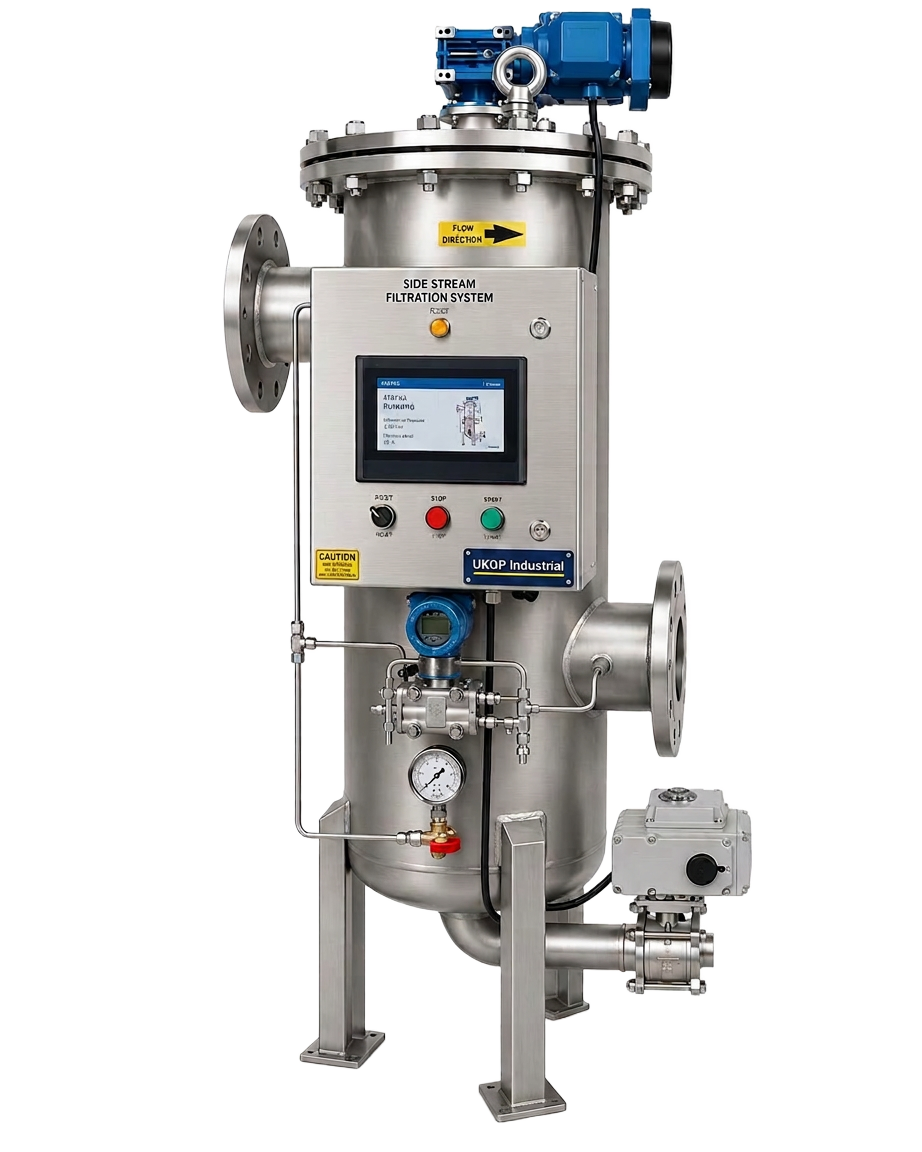
Water quality plays a silent but pivotal role in the lifespan of any 22mm expansion bellows. Poorly treated water can lead to the buildup of magnetite and scale within the convolutions of the bellows. Over time, this debris can harden, effectively 'locking' the bellows and preventing it from compressing. This is why BSRIA BG50 stresses the importance of continuous filtration and chemical dosing. By using a 22mm expansion bellows alongside a high-performance side stream filtration skid, you ensure that the water remains clear of suspended solids that could otherwise abrade the interior or clog the flexible elements. This holistic approach to system health is what defines the expertise of UKGP Industrial.
In systems where pH levels fluctuate, the risk of stress corrosion cracking in stainless steel bellows increases. Regular monitoring via pH sensors and transmitters allows facility managers to adjust chemical dosing pots accurately, maintaining a stable environment for all metallic components. If a 22mm expansion bellows fails prematurely, the root cause is often found to be chemical imbalance rather than mechanical fatigue. By integrating professional-grade sensing and dosing equipment, you protect your expansion joints, valves, and heat exchangers from localized corrosion. We supply the full suite of plant room ancillaries to ensure that your secondary circuits remain in peak condition throughout their operational life.
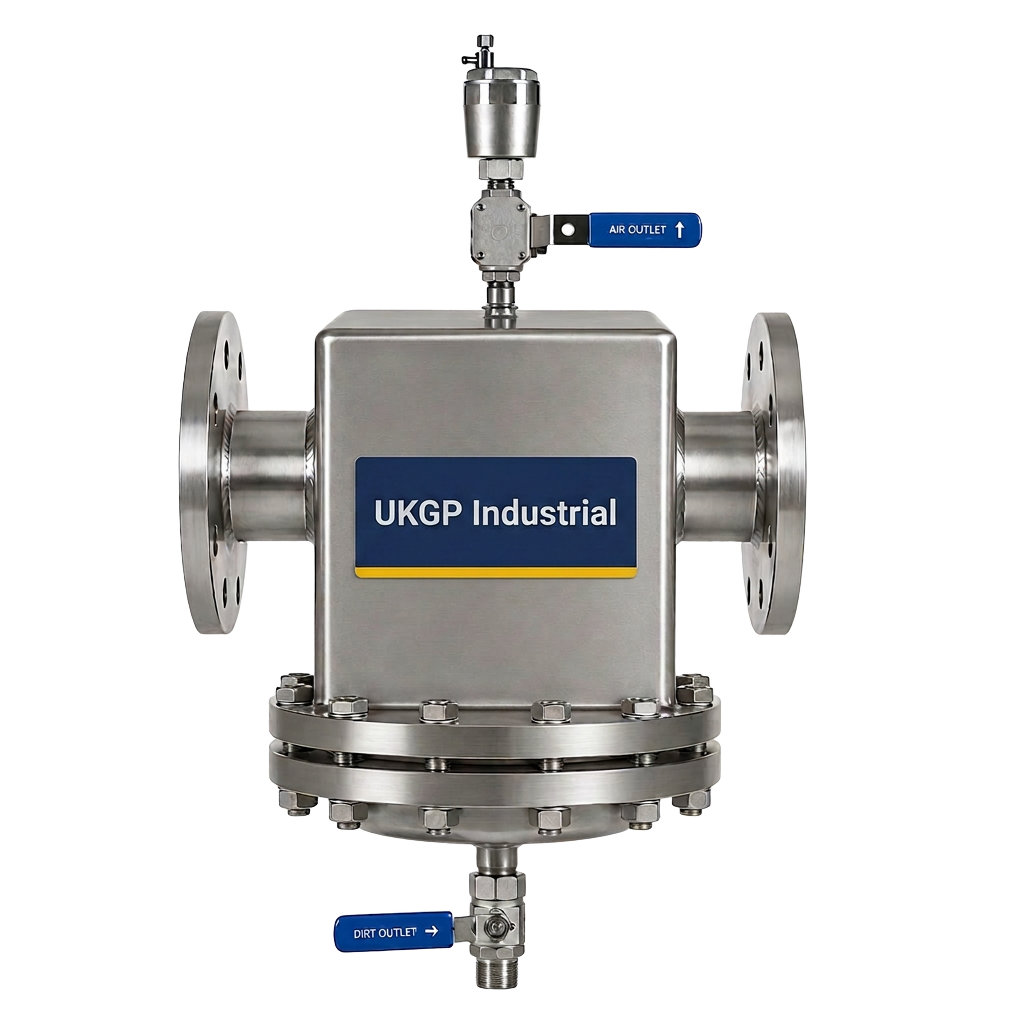
Moreover, the location of the 22mm expansion bellows relative to air and dirt separators is a key design consideration. Placing the bellows in a clean, de-aerated section of the pipework minimizes the risk of air pockets causing cavitation damage to the bellows' internal surfaces. At UKGP Industrial, we view the 22mm expansion bellows as part of a wider ecosystem of plant room health. Whether you are dealing with a small DN15 setup or a massive DN600 main header, our products are engineered to work in harmony. To safeguard your investment, always ensure that your maintenance schedule includes a visual inspection of all bellows for signs of weeping, bulging, or external corrosion, as these are early indicators of systemic issues.
- Integration with side stream filtration to prevent convolution clogging
- Use of pH sensors to mitigate stress corrosion in metallic bellows
- Correct placement relative to air and dirt separators
- Compliance with BSRIA BG50 for closed-loop water treatment
Protecting Low Loss Headers and Heat Exchangers
In many UK plant rooms, the connection between the primary and secondary circuits is managed by a low loss header. These headers are sensitive to the mechanical loads imposed by the expansive forces of the connected pipework. Installing a 22mm expansion bellows on the return lines or smaller secondary branches helps to isolate the low loss header from these stresses. This is particularly important in multi-boiler configurations where the header acts as a hydraulic break; any misalignment caused by thermal expansion can lead to leaks at the header gaskets or flanges. A 22mm expansion bellows provides the necessary 'give' to keep the system hydraulically sound and mechanically stable.
Similarly, plate heat exchangers (PHEs) require protection from the rigid nature of copper or steel piping. The thin plates within a PHE are not designed to take structural loads. By utilizing a 22mm expansion bellows on the secondary side pipework, you ensure that the thermal movement of the building's distribution loops does not translate onto the heat exchanger's nozzles. This is a standard recommendation in CIBSE technical guides to prevent premature gasket failure and internal plate damage. UKGP Industrial is a leading supplier of both PHEs and the expansion solutions required to protect them, offering a one-stop-shop for M&E procurement leads who value technical consistency and high-spec product compatibility.
When planning the layout of a modern plant room, using a 22mm expansion bellows also facilitates easier servicing of larger components. By allowing a small amount of movement, it becomes simpler to disconnect and remove equipment for cleaning or plate replacement without having to dismantle large sections of rigid pipework. Our bellows are available in flanged or weld-end configurations, providing the flexibility required for both new builds and complex retrofits. UKGP Industrial’s commitment to a 2-year warranty across our expansion range means you can specify our 22mm expansion bellows with absolute confidence in their performance and reliability, knowing they are backed by Surrey-based engineering expertise and a thorough understanding of UK building regulations.
- Mechanical isolation of low loss headers from thermal expansion
- Protection of plate heat exchanger gaskets and nozzles
- Enhanced serviceability of plant room equipment
- Available in multiple end-connections: flanged, weld-end, or threaded
Specifications and Compliance for the 22mm Expansion Bellows
Technical compliance is at the heart of our manufacturing process. Every 22mm expansion bellows we supply is designed to meet or exceed the requirements of BS EN 14917, which covers the design, manufacture, and testing of metal bellows expansion joints for pressure applications. For our rubber variants, we adhere to stringent European standards for elastomer quality, ensuring that our EPDM and NBR compounds are resistant to the high temperatures and pressures common in commercial heating circuits. This level of compliance is essential for consultants who must sign off on safety-critical systems in public and private sector projects across the UK. Choosing a non-compliant bellows is a risk that most professional engineers simply cannot afford to take.
The 22mm expansion bellows from UKGP Industrial is rated for a wide range of pressures, with DN15 to DN600 sizes available to cover everything from tertiary loops to main distribution headers. We ensure that our product data is transparent and accessible, providing clear guidance on axial compression, extension, and lateral movement limits. This transparency helps procurement leads compare technical specifications accurately and ensure that the 22mm expansion bellows selected is fit for purpose. Whether it is a stainless steel unit for a steam line or a fabric bellows for a low-pressure duct, our focus remains on providing a commercially viable solution that does not compromise on the engineering standards established by BSRIA and CIBSE.
Finally, the 2-year warranty we offer is a testament to our quality control. We understand that in the B2B sector, trust is built on reliability and technical support. Our Surrey-based team is always on hand to provide expert advice on the correct application of a 22mm expansion bellows, from the initial design phase through to the post-installation commissioning. If you are currently working on a plant room specification or need to replace failing expansion joints in an existing facility, we encourage you to request a quote. Our competitive pricing and rapid lead times make UKGP Industrial the preferred partner for M&E contractors and facility managers who require high-performance expansion solutions that they can rely on for years to come.
- Full compliance with BS EN 14917 for metal bellows
- Size range from DN15 to DN600 for total system coverage
- Strong 2-year warranty on all expansion joint products
- Expert technical support based in Surrey, UK
Frequently asked questions
What is the primary function of a 22mm expansion bellows?
- The primary function is to absorb the thermal expansion and contraction of pipework in heating or cooling systems. By providing a flexible section, the 22mm expansion bellows prevents mechanical stress from damaging joints and rigid components.
Does a 22mm expansion bellows help with pump vibration?
- Yes, rubber variants like EPDM or NBR are particularly effective at isolating high-frequency vibrations from pumps and other rotating equipment, preventing noise and vibration from traveling through the building's pipe network.
How do I choose between stainless steel and EPDM for a 22mm expansion bellows?
- The choice depends on the temperature and pressure. EPDM is ideal for LTHW systems up to a certain temperature, while stainless steel is required for high-pressure or high-temperature applications like steam or primary boiler circuits.
Are these bellows compliant with BSRIA standards?
- Absolutely. Our 22mm expansion bellows are designed to integrate into systems following BSRIA BG29 and BG50 guidelines, ensuring mechanical stability and system longevity in line with UK best practices.
What end-connections are available for the 22mm expansion bellows?
- While DN22 is commonly threaded or compression in small setups, we offer a range of end-connections including flanged and weld-end for our entire expansion joint range, from DN15 up to DN600.