Understanding the side stream vs full flow buying conflict
The fundamental debate in industrial water treatment revolves around how to effectively remove suspended solids and magnetite without compromising hydraulic efficiency. Professional building services consultants often find that the side stream vs full flow buying decision is dictated by the system's baseline sensitivity and the specific requirements of the heat emitters or chillers installed. Full flow systems, which force the entire system volume through a filter, offer immediate clarity but come at the cost of significant pressure drops and increased pumping energy consumption. This inefficiency frequently leads UK facility managers to reassess their filtration priorities in line with net-zero targets and operational cost reductions across their commercial property portfolios.
From a procurement perspective, the choice is not just about the initial hardware cost but the lifecycle value and maintenance burden. Full flow filters require massive housings that can be difficult to accommodate in congested London plant rooms or older basement facilities where space is at a premium. Consequently, the side stream vs full flow buying decision often leans toward side stream technology for large-bore systems where a DN100 full flow housing would be prohibitively expensive and physically unmanageable. By diverting a consistent percentage of the flow—typically 5 to 15 percent—a side stream skid provides equivalent water clarity over time without the hydraulic penalties associated with treating the total circulating volume in a single pass through the filter media.
UKGP Industrial recognizes that every project is unique, yet the engineering consensus increasingly favours the side stream approach for its modularity and ease of integration into existing BMS networks. When you are evaluating the side stream vs full flow buying decision, it is essential to consider the long-term impact on the secondary pumps and the potential for clogging in full flow configurations. A blocked full flow filter can starve a system of heat or cooling, whereas a side stream skid continues to polish the water in parallel, ensuring that thermal comfort is never compromised even during heavy debris loading phases. This resilience is a key driver for M&E contractors who are responsible for commissioning under BSRIA BG29 guidelines.
- Hydraulic efficiency and reduced pump head requirements
- Spatial footprints and ease of installation in compact plant rooms
- Impact on total cost of ownership and 25-year lifecycle analysis
- Risk mitigation against total system blockage and thermal loss
The Technical Advantage of Side Stream Filtration Skids
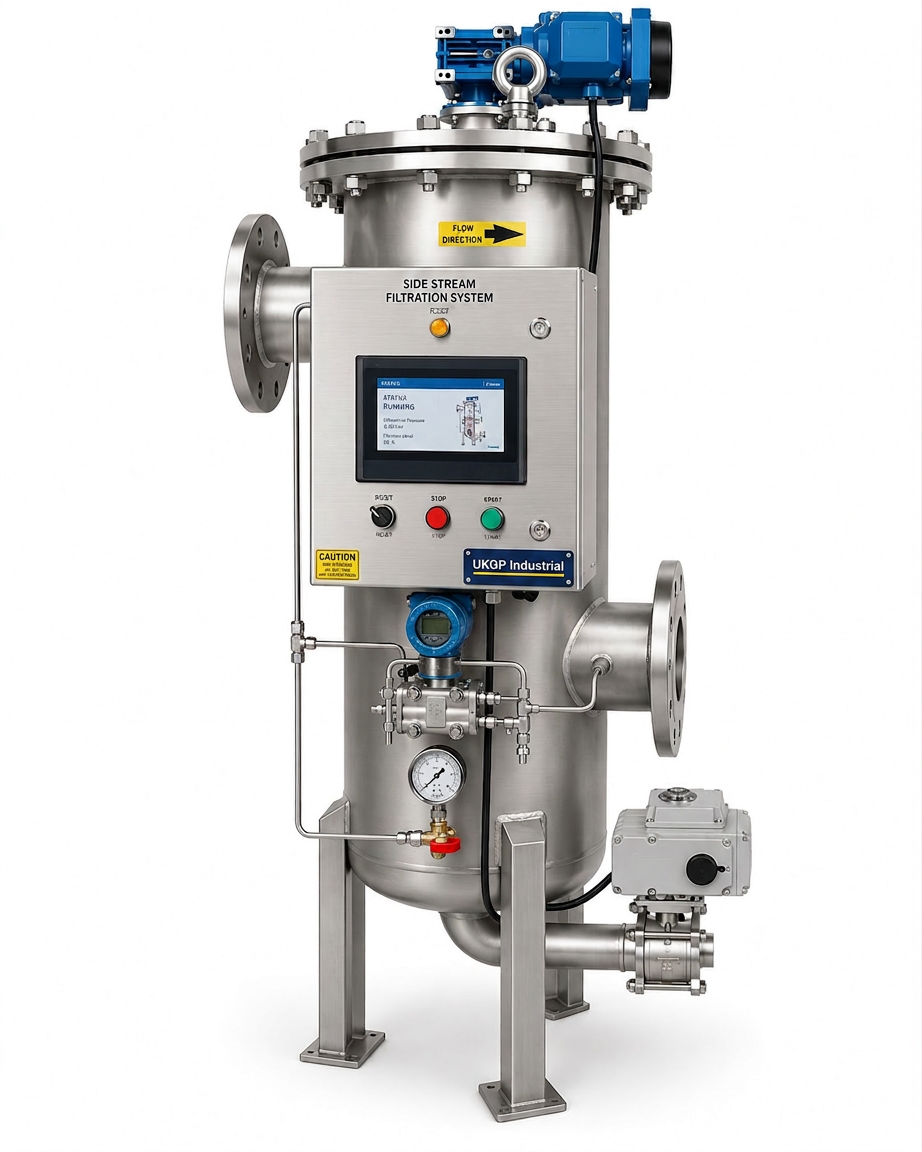
Moving beyond the basic comparison, the technical implementation of side stream filtration offers superior control over suspended solids in accordance with BS 8552 monitoring protocols. A dedicated side stream skid, such as those manufactured by UKGP Industrial, incorporates its own pump and control logic, allowing it to operate regardless of the main system flow rate. This independence is vital for systems with variable speed drives (VSDs) where flow velocity may drop below the threshold required for effective full flow mechanical separation. The side stream vs full flow buying decision hinges on this ability to maintain constant filtration performance during low-load periods, which are common in office buildings and educational facilities throughout the UK.
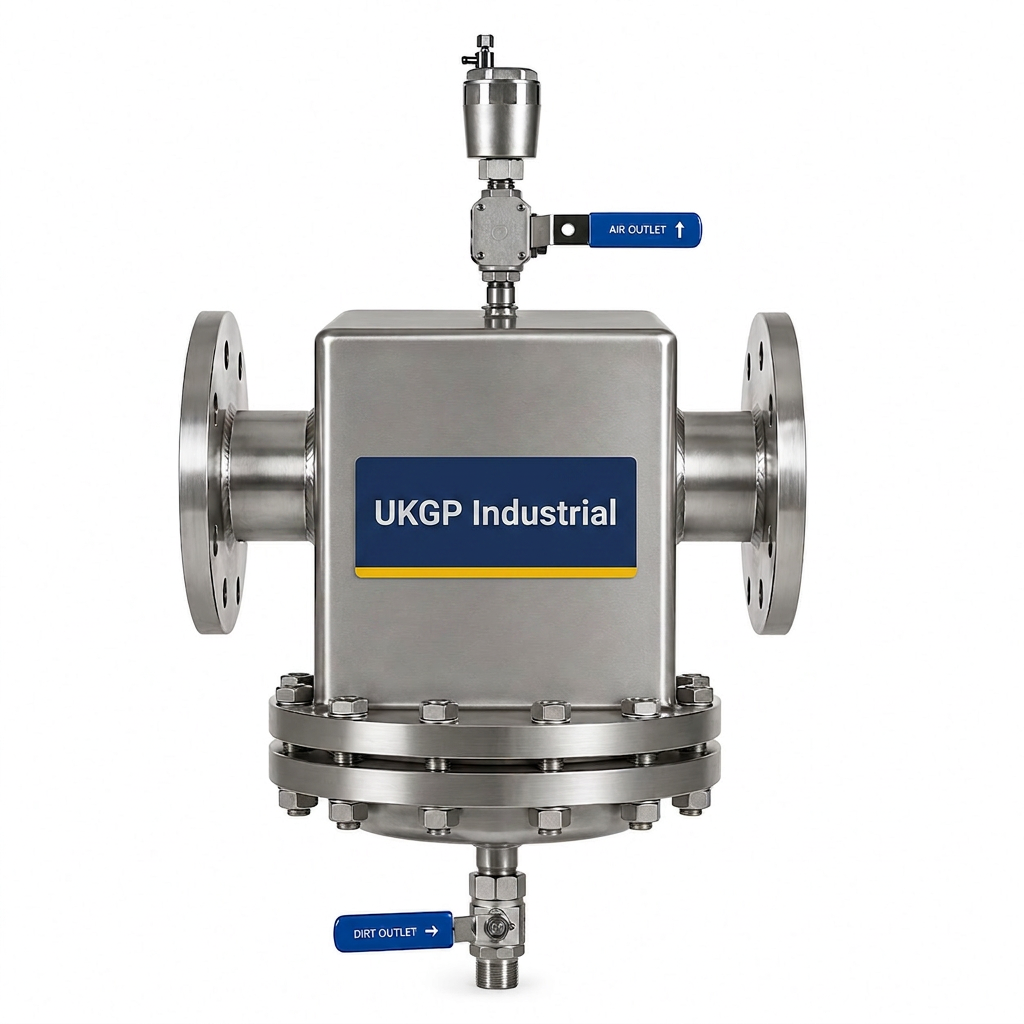
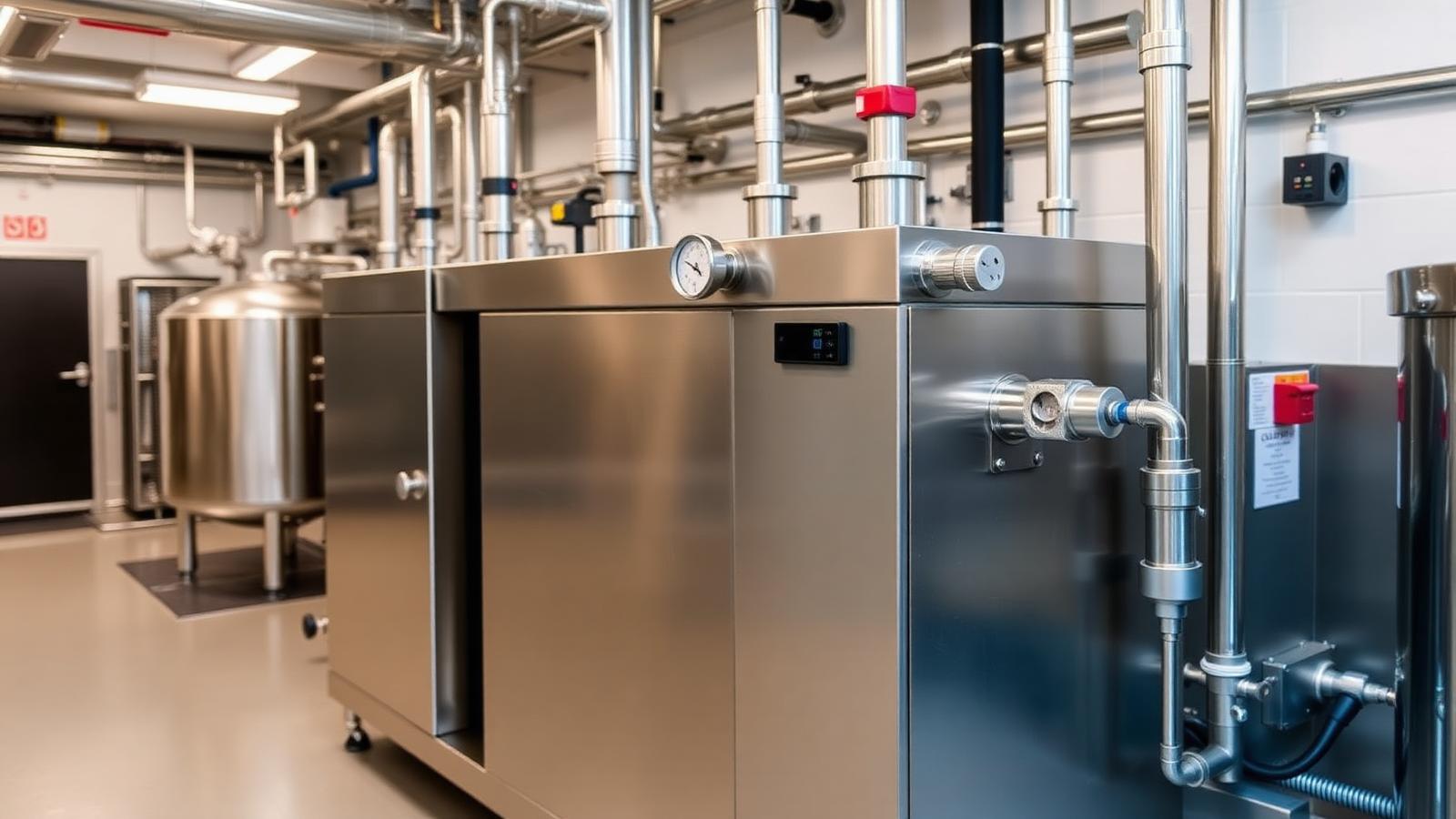
Our UKGP side stream filtration skids are engineered to handle the rigorous demands of modern hydronic circuits, featuring stainless steel construction and high-grade centrifugal separators or bag filters. For those navigating the side stream vs full flow buying decision, it is worth noting that a side stream unit from UKGP starts from £6,800+VAT, providing a cost-effective alternative to oversized full flow strainers. These units are made to order with a 6-8 week lead time and are backed by a comprehensive 2-year warranty, reflecting our confidence in British engineering and component longevity. By selecting a side stream skid, engineers can precisely target particle sizes as low as 5 microns without risking the hydraulic balance of the primary circuit.
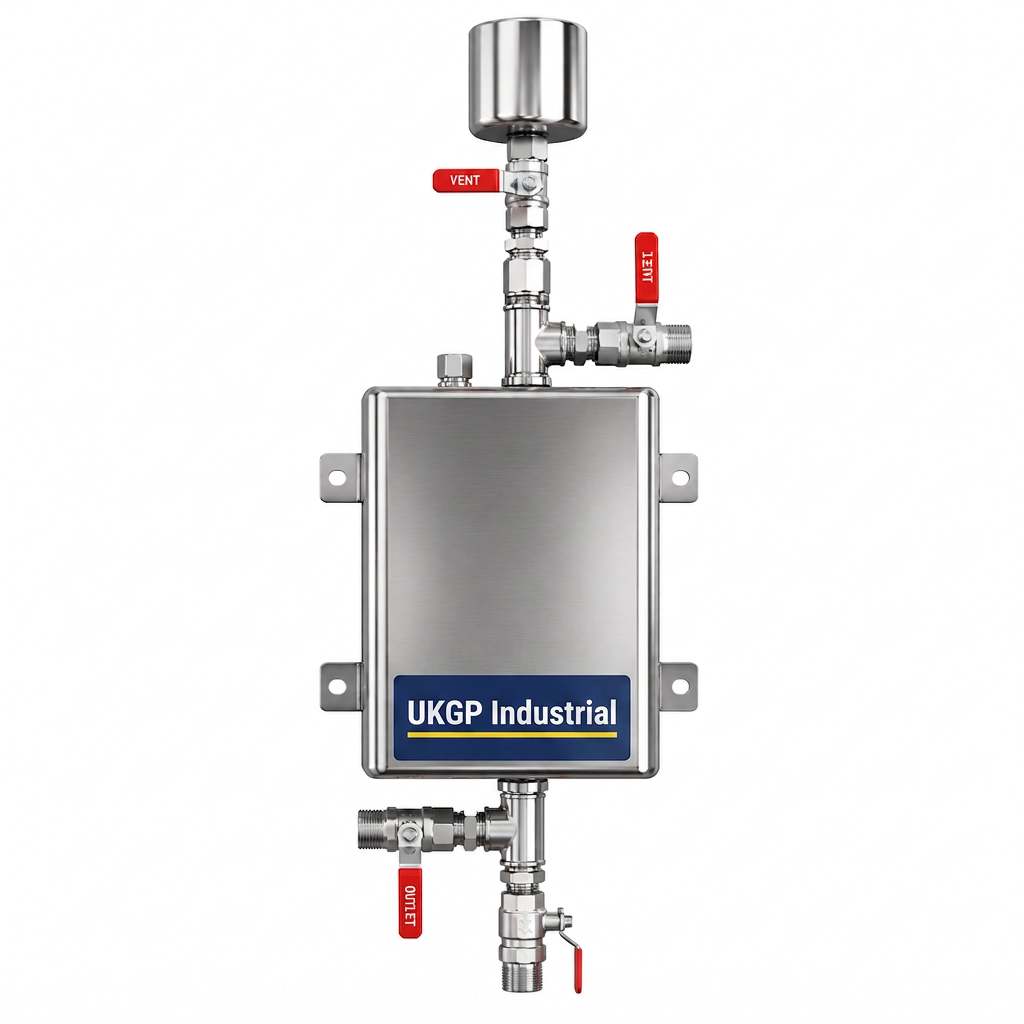
Furthermore, the integration of chemical dosing pots alongside side stream filtration allows for a synergistic approach to water treatment. While the filter removes the physical contaminants, the dosing pot ensures that corrosion inhibitors and biocides are distributed evenly. When professionals weigh the side stream vs full flow buying decision, they must consider how easily each technology integrates with manual or automated dosing regimes. A side stream skid provide a natural location for water sampling and chemical injection, making it the preferred 'hub' for water quality management in complex systems. This ensures compliance with BSRIA BG50 requirements for the ongoing monitoring and maintenance of closed heating and cooling systems.
- Constant filtration rates independent of main system demand
- Targeted removal of magnetite and non-magnetic suspended solids
- Easier integration with chemical dosing and sampling points
- Lower installation costs for large diameter pipework (DN50 to DN100)
Full Flow Challenges: Why Big Isn't Always Better
The primary drawback of full flow filtration lies in its inherent resistance. For a DN150 main, a full flow filter must be sized to handle the maximum peak flow, leading to a massive vessel that creates an permanent pressure drop. This increases the kw/h consumption of the circulation pumps, which directly conflicts with ESOS and SECR reporting requirements for UK enterprises. In the side stream vs full flow buying decision, the 'hidden' energy cost of full flow can often exceed the capital cost of the filter within just three years of operation. Engineers must calculate the pump energy required to overcome the Delta-P of a dirty full flow screen versus the negligible impact of a diverted side stream loop.
Operational downtime is another critical factor. To service a full flow filter, the main flow must either be bypassed—leaving the system unprotected—or the entire system must be shut down, which is rarely an option for data centres, hospitals, or 24/7 manufacturing sites. In contrast, side stream skids can be isolated and serviced while the main plant continues to operate at 100% capacity. This maintenance flexibility often tips the scales during the side stream vs full flow buying decision, as facility managers prioritise uptime and the ability to perform routine filter changes without scheduled outages. The peace of mind offered by a 2-year warranty on UKGP units further strengthens the case for side stream reliability.
Moreover, full flow filters are prone to 'blinding' where a sudden release of system debris can completely block the filter media in a matter of minutes. This often occurs during seasonal start-ups or after mechanical works. In such scenarios, a full flow system acts as a single point of failure. When analyzing the side stream vs full flow buying decision, the safety net provided by a side stream configuration becomes apparent. It provides a gradual, sustainable cleaning process that doesn't risk the immediate shut-off of the building's climate control. UKGP Industrial's bespoke manufacturing ensures that our skids are sized specifically for the system volume, preventing the common mistakes of over-specification associated with off-the-shelf full flow solutions.
- Significant and permanent pressure drop across the main circuit
- High energy costs associated with increased pump head flow
- Risk of total system shutdown during filter maintenance or blockage
- Larger footprint and complex installation in existing plant rooms
BSRIA BG29 and BG50 Compliance in the UK
Adherence to BSRIA guidelines is non-negotiable for modern UK building services. BSRIA BG29 (Pre-commission cleaning of pipework systems) and BG50 (Water treatment for closed heating and cooling systems) both emphasize the importance of suspended solids removal to prevent erosion, corrosion, and the loss of heat transfer efficiency in plate heat exchangers. The side stream vs full flow buying decision is frequently influenced by these standards. While BG29 focuses on the initial clean, BG50 highlights the necessity of continuous water polishing. Side stream filtration is explicitly recognized as an effective method for meeting these water quality parameters, often providing a more consistent result than temporary full flow commissioning filters.
A key benefit of the side stream approach is its ability to be left in situ as a permanent asset for the life of the building. Because it is easier to maintain and doesn't affect system hydraulics, it is more likely to be used correctly by the FM team. In the side stream vs full flow buying decision, the long-term compliance of the building is secured by the side stream skid's automated alerts and easy-to-read gauges. Our units at UKGP Industrial are designed to meet these specific UK regulatory requirements, ensuring that the water quality remains within the limits of BS 8552 throughout the system's operational life. This proactive approach prevents the build-up of sludge that can destroy expensive plant components.
Procurement leads should also consider the commercial implications of non-compliance. Insurance providers and boiler manufacturers often require proof of water quality maintenance to honour warranties. Choosing a side stream filtration unit (available from DN50 to DN100) ensures that the system is protected by a dedicated, observable piece of kit. When making the side stream vs full flow buying decision, the documented performance of a side stream skid provides a better audit trail for CIBSE-aligned maintenance logs compared to passive full flow strainers which are often neglected until they cause a failure. UKGP's 6-8 week lead time allows for seamless integration into construction or refurbishment schedules without delaying the critical commissioning path.
- Alignment with BSRIA BG29 for pre-commissioning cleanliness
- Continuous compliance with BG50 for long-term system health
- Documented water quality for insurance and warranty purposes
- Automated monitoring features to assist FM maintenance logs
Protecting Critical Assets like Plate Heat Exchangers
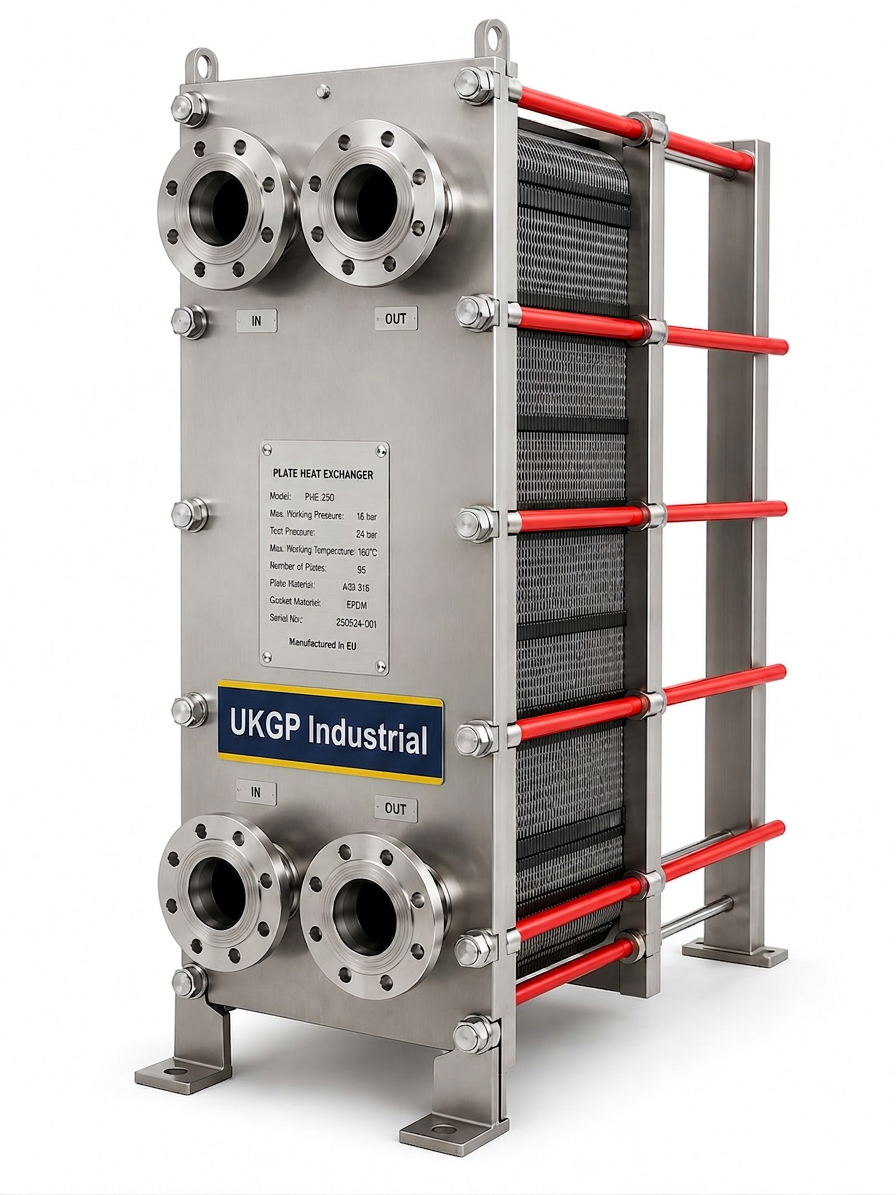
Plate heat exchangers (PHEs) are particularly vulnerable to fouled water due to their narrow channels and large surface areas. If the side stream vs full flow buying decision is made incorrectly, these critical components can quickly become clogged with magnetite, leading to a drastic drop in thermal transfer efficiency. High-quality side stream filtration acts as a guardian for PHEs by ensuring that the circulating fluid is free from the micro-particulates that tend to settle in low-velocity areas within the exchanger. By maintaining water clarity, you extend the interval between expensive PHE strip-downs and gasket replacements, further improving the ROI of your filtration investment.
At UKGP Industrial, we often supply plate heat exchangers alongside our filtration skids, providing a unified solution that guarantees system performance. When you consider the side stream vs full flow buying decision, you must look at the downstream impact on the PHE. A full flow filter might capture the large debris, but it often lacks the fine-particle efficiency of a high-spec side stream bag or cartridge system. By continuously polishing the water to a high standard, side stream filtration preserves the optimized turbulent flow within the PHE, ensuring that your heating or cooling system operates exactly as the designers intended. This is critical for maintaining the tight temperature differentials required in modern low-temperature heating networks.
Specifying a side stream unit alongside a plate heat exchanger also simplifies the modular design of a plant room. Instead of oversized main-line components, engineers can use smaller, more efficient equipment that is easier to replace or upgrade in the future. In the context of the side stream vs full flow buying decision, the synergy between side-stream filtration and PHE longevity is a powerful argument for the side-stream approach. Prices for these professional-grade filtration units start at £6,800+VAT, a small fraction of the cost associated with a major heat exchanger failure and the subsequent system-wide contamination cleanup.
- Prevents magnetite build-up in narrow heat exchanger channels
- Maintains optimal thermal transfer and Delta-T performance
- Reduces frequency of plate heat exchanger cleaning and maintenance
- Protects gaskets and internal components from abrasive particles
Commercial Reality: CAPEX and Lead Times
For procurement managers, the side stream vs full flow buying decision often comes down to budget and project timelines. While full flow filters can sometimes appear cheaper as a standalone component on a bill of materials, their total installation cost—including isolation valves, bypasses, and additional pump power—usually exceeds that of a side stream skid. A UKGP Industrial side stream skid is a self-contained solution, reducing the 'on-site' labour required from M&E contractors. This modularity allows for more accurate project costing and reduces the risk of expensive 'surprises' during the final phases of a plant room fit-out, making it the savvy choice for commercial developments.
Lead times are another critical component of the side stream vs full flow buying decision. With global supply chain fluctuations, waiting 20+ weeks for a large-format full flow housing is a risk many projects cannot afford. UKGP Industrial offers a reliable 6-8 week made-to-order window for our filtration skids. This ensures that filtration is on-site and ready for the commissioning phase, avoiding the common mistake of 'skipping' filtration to meet a deadline—an error that leads to years of water quality issues. Our skids, ranging from DN50 to DN100, are built to the highest UK standards, providing a professional finish that reflects the quality of the building's overall mechanical installation.
In conclusion, when you evaluate the side stream vs full flow buying decision, side stream filtration emerges as the superior choice for most UK commercial applications. It offers the best balance of CAPEX, operational efficiency, and long-term protection for your plant assets. With prices starting from £6,800+VAT and a 2-year warranty included, UKGP Industrial provides the technical expertise and high-quality hardware needed to secure your system's future. Contact our Surrey office today to discuss your specific requirements or to request a quote for a skid that matches your system volume and pipework specifications. We are ready to help you optimize your water quality strategy and ensure total compliance with BSRIA and CIBSE standards.
- Predictable 6-8 week lead times for project-critical milestones
- Self-contained skid design reduces on-site contractor hours
- Comprehensive 2-year warranty for peace of mind and reliability
- Competitive entry pricing at £6,800+VAT for DN50 systems
Frequently asked questions
What is the main difference in the side stream vs full flow buying decision?
- The main difference is hydraulic impact and sizing. Full flow treats 100% of the water but adds significant pressure drop, while side stream treats a percentage (usually 10-15%) continuously without affecting the main pump head, leading to better energy efficiency and easier maintenance.
How does BSRIA BG50 influence the side stream vs full flow buying decision?
- BSRIA BG50 recommends continuous suspended solids removal. Side stream filtration is often preferred under these guidelines because it allows for high-efficiency water 'polishing' without the risk of system-wide blockages or the high energy costs associated with full flow bypasses.
Are side stream filtration skids more expensive than full flow filters?
- While the initial capital for a side stream skid (starting from £6,800+VAT at UKGP) may be higher than a simple strainer, the total installation and operational costs are usually lower. Side stream units require less pump energy and offer easier maintenance without system shutdowns.
What pipe sizes are available for UKGP side stream skids?
- We typically manufacture skids for system connections ranging from DN50 to DN100, though we can accommodate other sizes depending on your specific plant room requirements and flow rates.
Can I use side stream filtration for pre-commission cleaning under BG29?
- Yes, side stream filtration is an excellent way to maintain the cleanliness levels achieved during the BG29 pre-commissioning process, ensuring that the system remains clean through its transition into the operational phase covered by BG50.