Understanding the Side Stream Filtration System Requirement
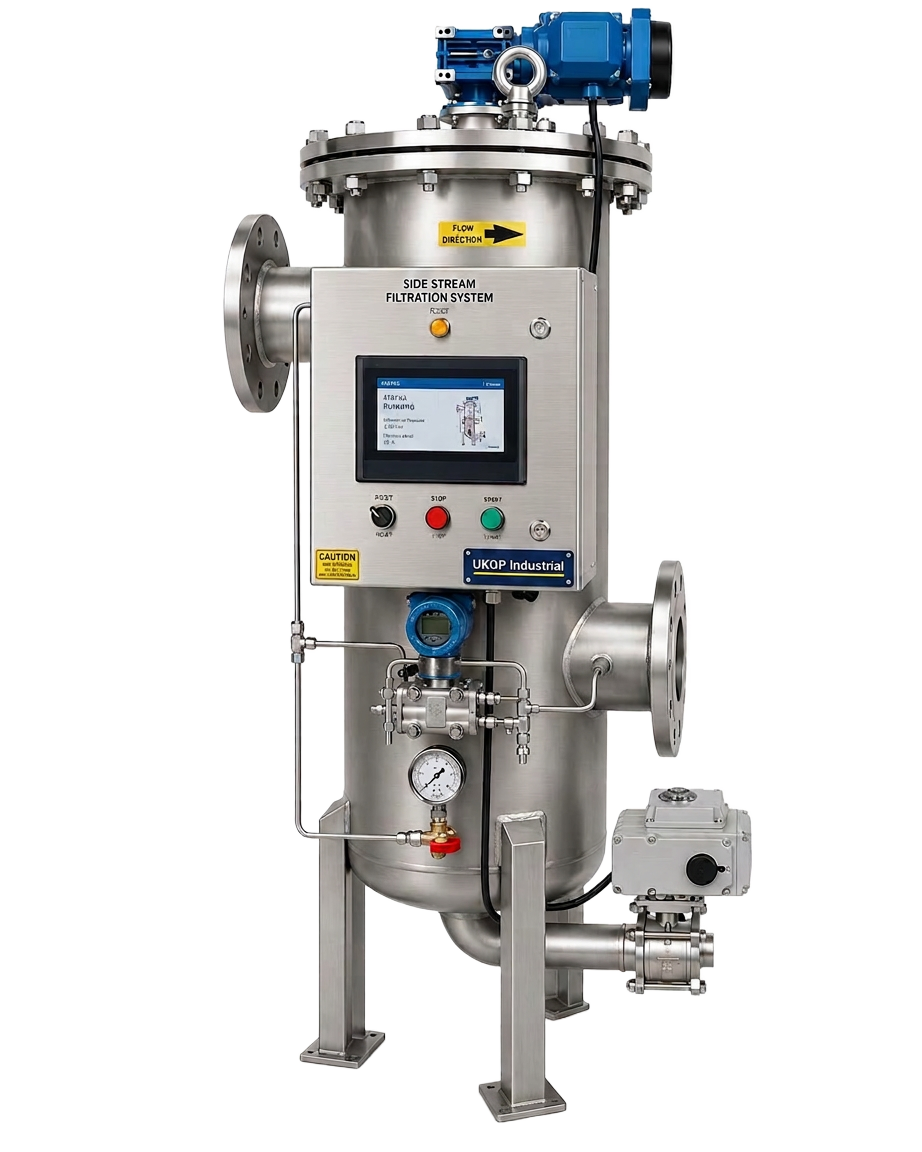
Specifying a side stream filtration system for commercial plant rooms requires a deep understanding of hydraulic dynamics and water chemistry. In the UK, consultants must look beyond simple particulate removal to ensure that the chosen technology aligns with BSRIA BG29 and BG50 guidelines for water quality management. This equipment typically processes between 5% and 15% of the total circulating flow rate, ensuring that the entire system volume is filtered effectively multiple times per day. Without a dedicated side stream filtration system, modern high-efficiency plant components, such as plate heat exchangers with narrow plate gaps, remain highly susceptible to fouling and reduced heat transfer efficiency over time.
From a commercial perspective, providing a clear side stream filtration system specification ensures that contractors provide a solution that meets the life-span expectations of the client. Unlike full-flow filters which can cause significant pressure drops and require massive footprints, a side stream approach allows for finer filtration levels, often down to 10 or 5 microns, without compromising the primary pump head requirements. This is particularly relevant in retrofit scenarios where existing pumps may not have the capacity to overcome the resistance of additional full-flow components. By selecting a UKGP manufactured skid, consultants can specify a proven British-engineered solution designed for the rigours of domestic commercial projects.
The financial implications of these systems are increasingly attractive to facilities managers and building owners. A high-quality side stream filtration system from UKGP typically starts from approximately £6,800 plus VAT for a DN50 unit. Given that these units come with a comprehensive 2-year warranty and are manufactured-to-order in the UK with a 6-8 week lead time, they represent a secure investment for any specification. When consultants include these units in their designs, they are effectively protecting the main boiler or chiller plant from premature failure, which would far exceed the cost of the filtration skid itself in any commercial setting.
- Compliant with BSRIA BG50 requirements for closed-loop water treatment
- Typical filtration rates of 5-15% of total system flow
- Protection for heat exchangers and high-efficiency boilers
- UK-manufactured with 2-year warranty for peace of mind
Compliance with BSRIA BG50 and BG29 Standards
In the UK building services sector, BSRIA BG29 (Pre-commission cleaning of pipework systems) and BG50 (Water treatment for closed heating and cooling systems) are the gold standards for operational excellence. A well-placed side stream filtration system serves as the primary mechanical defence against the buildup of suspended solids and magnetite, which are frequently cited in BG50 as the leading causes of system inefficiency. Consultants must ensure that their specifications mandate the use of filtration that can manage these fine particles effectively. The industry has shifted away from relying solely on chemical inhibitors, moving instead toward a multi-barrier approach where mechanical filtration plays a dominant role.
Furthermore, BS 8552 provides the framework for sampling and monitoring water quality in these systems. For a consultant, specifying a side stream filtration system that includes integrated sampling points and flow monitoring is essential for facilitating easy compliance with these UK standards. The ability to monitor the pressure differential across the filter media allows maintenance teams to act only when necessary, promoting a proactive rather than reactive maintenance culture. This data-driven approach is what separates a modern, high-spec plant room from a legacy installation. It ensures that the water quality remains within the parameters defined at the commissioning stage throughout the building's lifecycle.
When specifying for new builds or large-scale refurbishments, it is important to document the exact filtration requirements in accordance with the system volume and expected debris load. A generic specification often leads to undersized units that cannot keep up with the rate of corrosion or particulate ingress. By opting for a side stream filtration system skid with a flow rate calibrated to the specific project needs, you ensure the system remains compliant with CIBSE CP1 and other heat network codes of practice. UKGP provides technical support to consultants to ensure that the skid selected—whether DN50, DN80, or DN100—is perfectly suited to the hydraulic conditions of the primary circuit.
- Adherence to BSRIA BG29 for pre-commissioning cleanliness
- Support for continuous water quality monitoring under BS 8552
- Reduction in chemical dependency through mechanical particle removal
- Alignment with CIBSE CP1 requirements for heat network longevity
Technical Sizing: DN50 to DN100 Selection
The physical sizing of the side stream filtration system is one of the most critical decisions a consultant will make during the design phase. Standard UKGP units range from DN50 to DN100, covering the vast majority of commercial and industrial heating loads. Choosing the correct pipe size and pump capacity within the skid ensures that the bypass loop does not negatively affect the hydraulic balance of the main circuit. It is common practice to size the filtration loop based on a turnover rate that ensures the total system volume passes through the filter media every 12 to 24 hours, depending on the criticality of the application and the existing water conditions.
A DN50 side stream filtration system is often the starting point for medium-sized office blocks or healthcare facilities. As the system volume increases towards large district heating schemes or high-rise residential developments, moving to a DN80 or DN100 specification becomes necessary to maintain the required turnover. These larger units are made to order with a 6-8 week lead time, allowing for the integration of specific PLC controls or BMS interfaces that the consultant may require. The robust construction of these skids, featuring high-grade stainless steel filter housings and integrated pumps, ensures they can withstand the typical pressures and temperatures found in modern plant rooms.
Beyond just pipe diameter, consultants must consider the filtration media itself. Bag filters versus cartridge filters or sand media all have different maintenance profiles and particle size ratings. For most BSRIA-compliant specifications, a staged approach using progressively finer bags is recommended. This prevents the finest filters from blinding prematurely while ensuring the side stream filtration system achieves the sub-10 micron clarity required for the protection of sensitive components. Providing clear instructions on the expected micron rating within the tender document helps prevent contractors from substituting inferior, coarse-only filtration solutions that do not meet the intended design criteria.
- DN50 to DN100 sizes available for varying system volumes
- 2-year warranty covering all major skid components
- Staged filtration paths for optimal particle capture
- Integrated pump ensures consistent flow regardless of main circuit fluctuations
Integrating with Plate Heat Exchangers and Other Plant
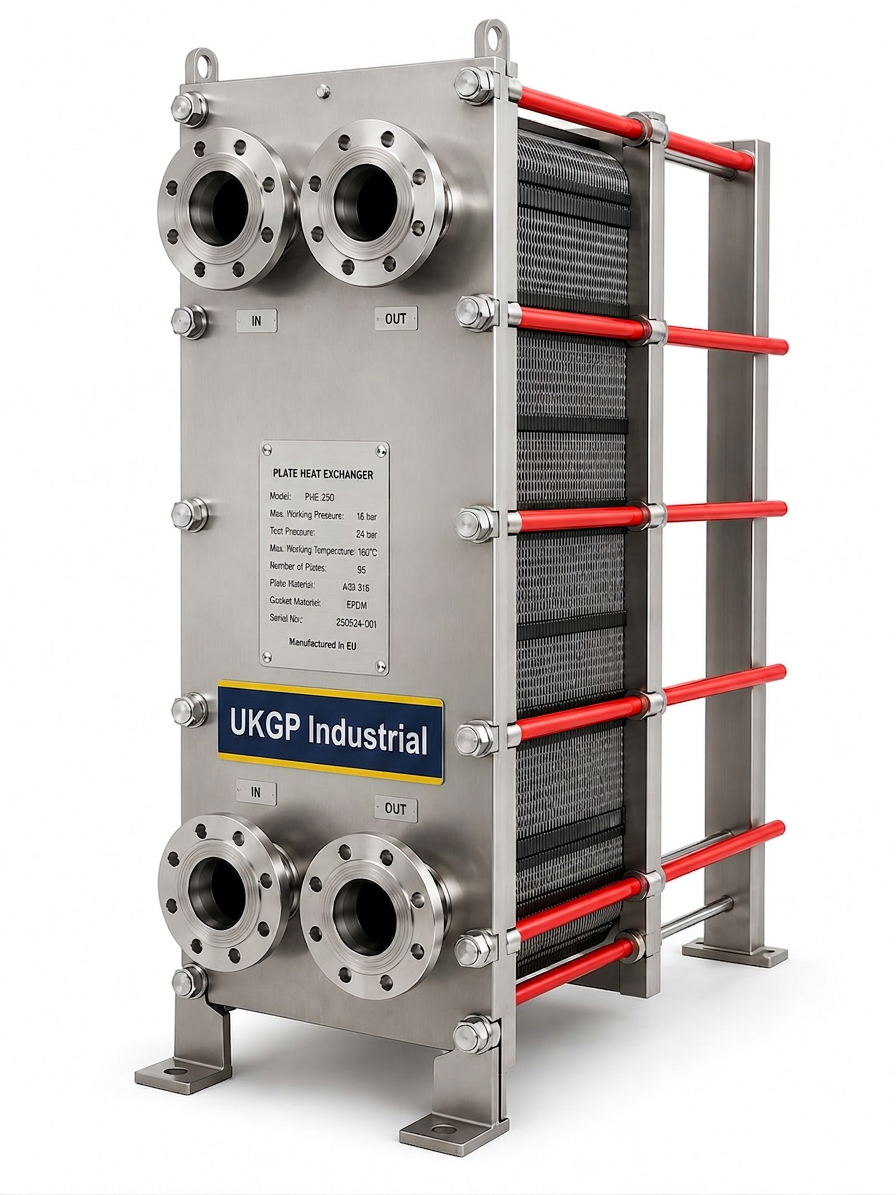
The interaction between a side stream filtration system and a plate heat exchanger is a vital consideration for thermal efficiency. Plate heat exchangers are notoriously sensitive to 'silting up' if suspended solids are allowed to settle in the narrow fluid channels. By specifying a dedicated filtration loop, consultants can significantly extend the intervals between heat exchanger teardowns and chemical cleanings. This not only reduces operational costs for the FM team but also ensures the system maintains its design Delta T, which is essential for the efficient operation of heat pumps and condensing boilers in the UK market.
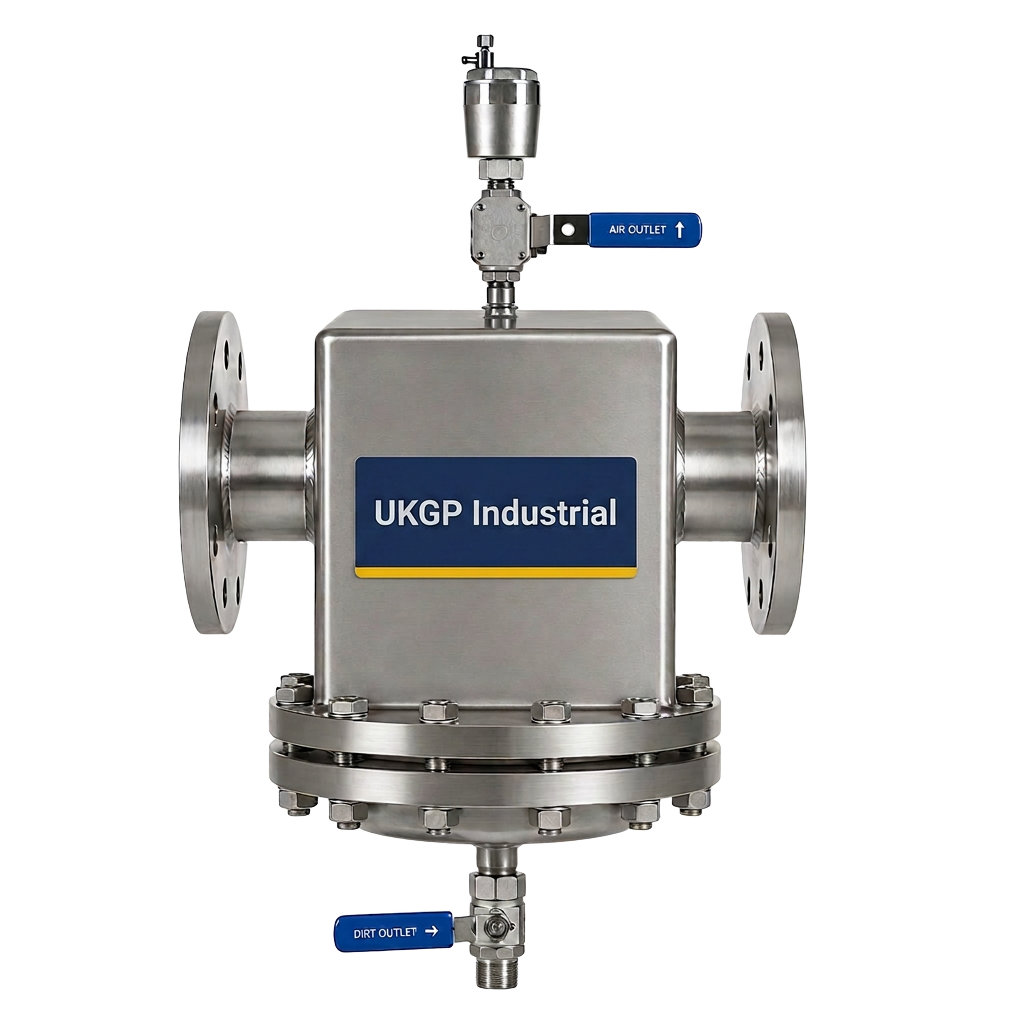
Similarly, the presence of a side stream filtration system works in tandem with air and dirt separators to provide a comprehensive debris management strategy. While an air and dirt separator handles larger particles and micro-bubbles through entrainment and buoyancy, the side stream unit tackles the fine, non-magnetic suspended solids that typically bypass traditional magnetic separators. This dual-pronged architectural approach is becoming the standard for high-value assets where downtime is not an option. Consultants should look for UKGP skids that offer seamless integration, ensuring the plant room footprint is utilised efficiently without creating maintenance bottlenecks or access issues.
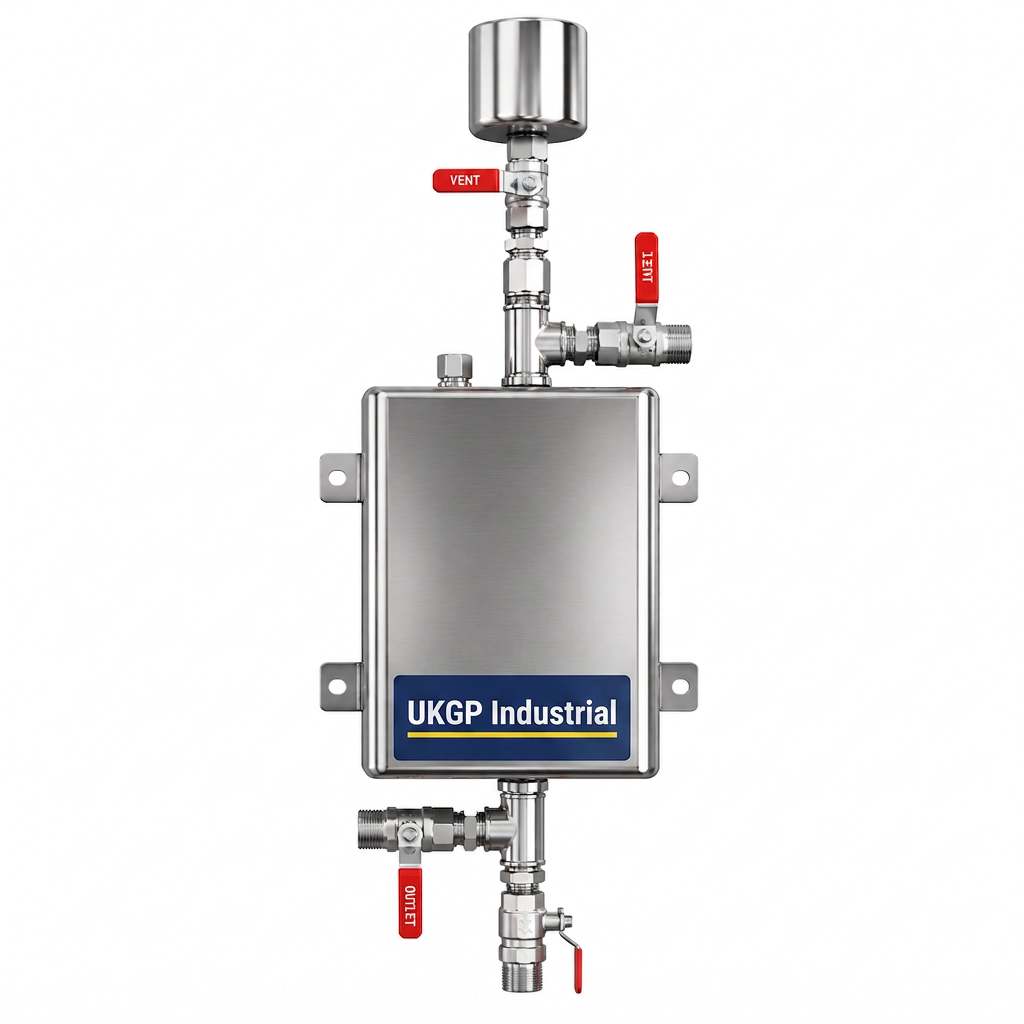
Procurement leads should also be aware that specifying a side stream filtration system alongside UKGP dosing pots and expansion bellows can streamline the supply chain. Since these units are made to order with a consistent lead time of 6-8 weeks, project managers can align the delivery of all water treatment and pressure management components. This synchronised approach reduces the risk of site delays and ensures that all mechanical components are covered by a unified quality standard. When requesting a quote, remember that DN50 units start at £6,800+VAT, providing a clear benchmark for budgetary planning during the initial design stages of the mechanical services contract.
- Reduces fouling and pressure drop in plate heat exchangers
- Complementary to air & dirt separators for total water clarity
- Enables longer service intervals for sensitive boiler heat exchangers
- Helps maintain design Delta T across the primary circuit
Economic Benefits and ROI for Building Owners
While the initial capital expenditure for a side stream filtration system may be a point of discussion for procurement leads, the long-term ROI is undeniable. In a typical UK commercial building, the cost of a catastrophic pump failure or the manual cleaning of a fouled chiller can far exceed the initial £6,800+VAT investment for a DN50 filtration skid. By removing the abrasive particles that wear down pump seals and valves, the filtration system drastically reduces the frequency of emergency repairs and the associated labour costs. For consultants, specifying this equipment is a way to ensure that the system they have designed performs as intended for decades, not just years.
Energy savings also play a major role in the commercial justification for a side stream filtration system. Even a thin layer of magnetite or scale on a heat transfer surface can increase energy consumption by 10% or more. In the context of current UK energy prices, the payback period for a UKGP filtration skid is often less than two years based purely on thermal efficiency gains. Consultants should highlight these operational savings to clients as part of a life-cycle cost analysis. Furthermore, cleaner water translates to less chemical usage over time, as the inhibitors can work more effectively on clean metal surfaces rather than struggling to penetrate layers of sludge.
The UKGP 2-year warranty provides an additional layer of security for the asset owner, ensuring that the components are durable and reliable. Because these units are made to order, they can be customised with various instrumentation options, including digital pressure monitoring that can alert the BMS when a filter change is required. This minimises the man-hours needed for site inspections and ensures that the side stream filtration system is always operating at its peak potential. For any consultant, providing a solution that lowers both carbon footprint and operational expenditure is a key differentiator in a competitive market like Surrey and the wider London area.
- Rapid ROI through significant energy efficiency improvements
- Reduced chemical consumption and lower maintenance labour costs
- Protects expensive assets like pumps, valves, and chillers
- BMS integration options for automated maintenance alerts
Final Specification Checklist for Engineers
When finalizing your side stream filtration system specification, ensure that all hydraulic parameters are clearly defined. This includes the maximum operating pressure, design temperature, and the required micron rating for the initial and long-term operation. It is often beneficial to specify that the skid must be a factory-tested unit, such as those produced by UKGP, to avoid the site-assembly risks associated with loose components. A pre-assembled skid ensures that the pump is correctly matched to the filter housing and that all internal pipework is pressure-tested according to British Standards before it ever arrives at the plant room.
Consultants should also specify the requirement for a 2-year warranty and a clear lead time of 6-8 weeks to ensure the project timeline is respected. By explicitly naming UKGP as a preferred manufacturer, you provide the contractor with a reliable source for units ranging from DN50 to DN100. Be sure to include the requirement for a manual or automatic air vent on the filter housing, along with stainless steel construction if the system is particularly prone to corrosion. This level of detail in the side stream filtration system specification prevents the 'value engineering' of critical components that could lead to poor water quality and system failure in the future.
Finally, always request a detailed quote early in the procurement phase. Knowing that a standard high-quality side stream filtration system starts from £6,800+VAT allows for accurate cost-benefit analysis. Whether for a new school, a data centre, or a commercial office, the inclusion of a dedicated filtration loop is no longer an optional luxury—it is a technical necessity for modern building services compliance. We invite consultants to contact UKGP directly for full technical drawings and Revit families to integrate our British-made filtration skids into their latest BIM projects, ensuring accuracy and performance from day one.
- Specify factory-tested skids to reduce site-commissioning risks
- Ensure the 2-year warranty is included in the tender document
- Check lead times to align with plant room fit-out schedules
- Leverage UK-based technical support for hydraulic calculations
Frequently asked questions
What is the typical lead time for a UKGP side stream filtration system?
- Our side stream filtration system skids are made to order in our Surrey-based facility with a typical lead time of 6 to 8 weeks, depending on the complexity and size (DN50 to DN100) of the unit.
What is the starting price for a side stream filtration system?
- Prices for a UKGP side stream filtration system start at approximately £6,800 plus VAT for a DN50 unit. Larger units and custom specifications for DN80 or DN100 will vary based on requirements.
Does the system come with a warranty?
- Yes, all UKGP manufactured side stream filtration skids come with a comprehensive 2-year warranty, providing consultants and building owners with long-term confidence in the equipment's reliability.
Is the filtration system compliant with BSRIA BG50?
- Absolutely. Our side stream filtration system is designed specifically to help consultants and FM teams meet the stringent water quality guidelines set out in BSRIA BG50 and BG29 for closed-loop systems.
What sizes are available for the filtration skids?
- We offer a range of standard sizes from DN50 to DN100. We can also provide custom solutions for larger industrial applications or bespoke plant room constraints upon request.