Defining the technical concept: what is a side stream filter?
In the context of UK commercial building services, the question of what is a side stream filter relates to a specific method of water treatment designed for closed-loop systems such as LPHW or CHW. Unlike a full-flow filter which would require massive housings and create significant pressure drops by processing 100% of the flow, a side stream unit diversionately treats approximately 5% to 15% of the total circulation. This bypass approach allows for high-velocity filtration through specialised media or magnetic cores while the main system remains operational. By continuously removing the magnetite and debris that inevitably accumulate in carbon steel pipework, these units prevent the sludge buildup that leads to cold spots, valve sticking, and catastrophic pump failures.
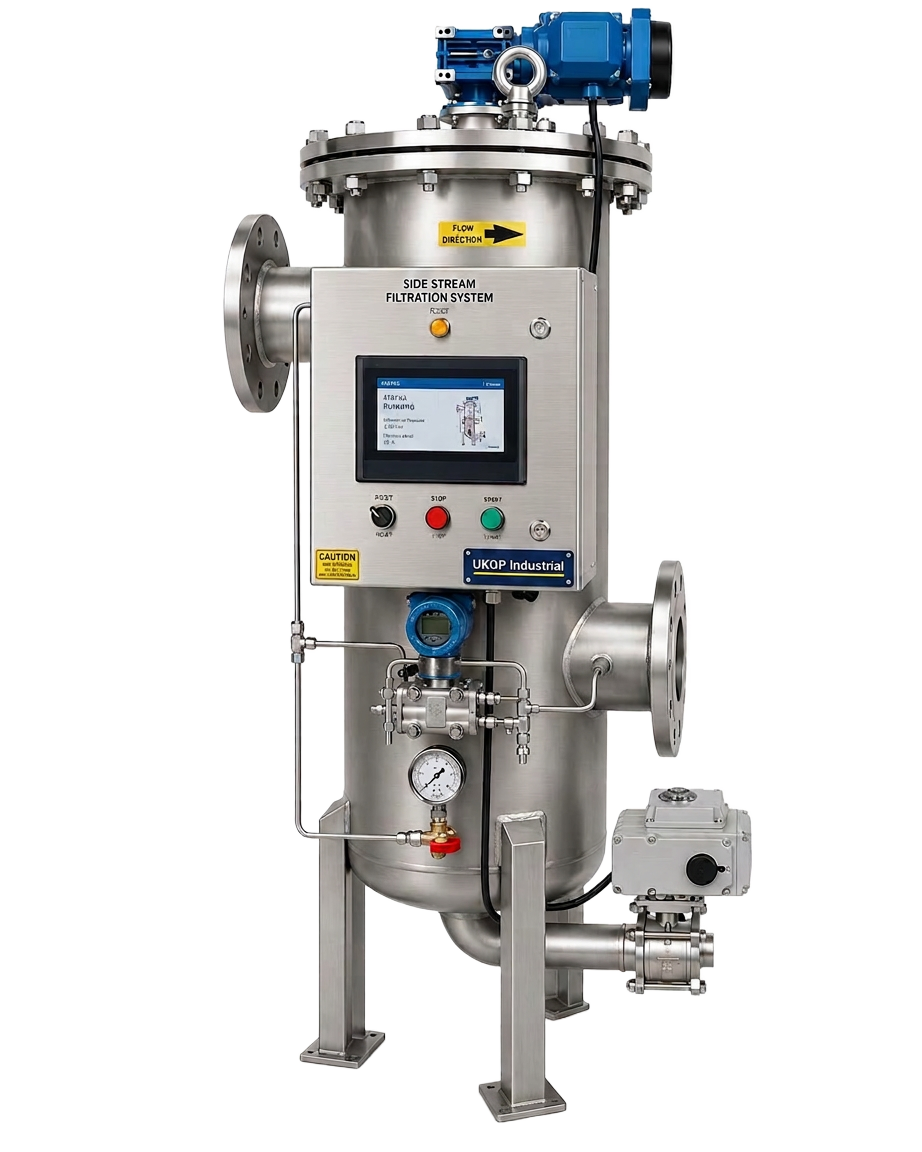
From a practical engineering perspective, understanding what is a side stream filter also means looking at the components involved. A standard UKGP industrial skid typically includes a dedicated pump to maintain the required flow rate through the filter regardless of the main system's variable demand. This is complemented by high-performance filtration media or a stainless steel mesh, often paired with magnetic rods to capture fine iron oxide particles. Because these systems operate on a bypass loop, maintenance can be performed by isolating the skid without ever having to shut down the building's heating or cooling, providing a seamless solution for critical environments like hospitals or data centres where downtime is not an option.
Furthermore, asking what is a side stream filter in a modern UK plant room context requires a look at compliance. BSRIA BG29 and BG50 provide the framework for professional water management, and side stream filtration is now considered the industry standard for maintaining water chemistry. At UKGP, we manufacture units that specifically target the removal of particles down to sub-micron levels. Our skids are made to order in our Surrey facility with a 6-8 week lead time, ensuring they meet the specific pressure and temperature requirements of your project. If you are designing a system from scratch or retrofitting an old plant room, procuring a UKGP skid starting from £6,800+VAT is a strategic investment in asset longevity.
- Continuous removal of suspended solids and magnetite
- Minimal pressure drop across the primary circulation loop
- Ease of maintenance without system-wide shutdowns
- Essential for BSRIA BG50 compliance and warranty protection
The role of BSRIA BG50 in side stream specification
Compliance with BSRIA BG50 is the primary driver for UK engineers when determining what is a side stream filter requirement for their site. The BG50 guide explicitly highlights the risks of suspended solids and iron oxides within closed-loop systems, noting that chemical treatment alone is rarely sufficient to prevent corrosion and deposition. Side stream filtration provides the mechanical intervention necessary to physically extract the debris that chemical inhibitors have loosened or dispersed. Without this mechanical extraction, the loosened material simply settles in low-velocity areas like heat exchangers or terminal units, leading to significant drops in thermal efficiency and increasing the load on circulation pumps.
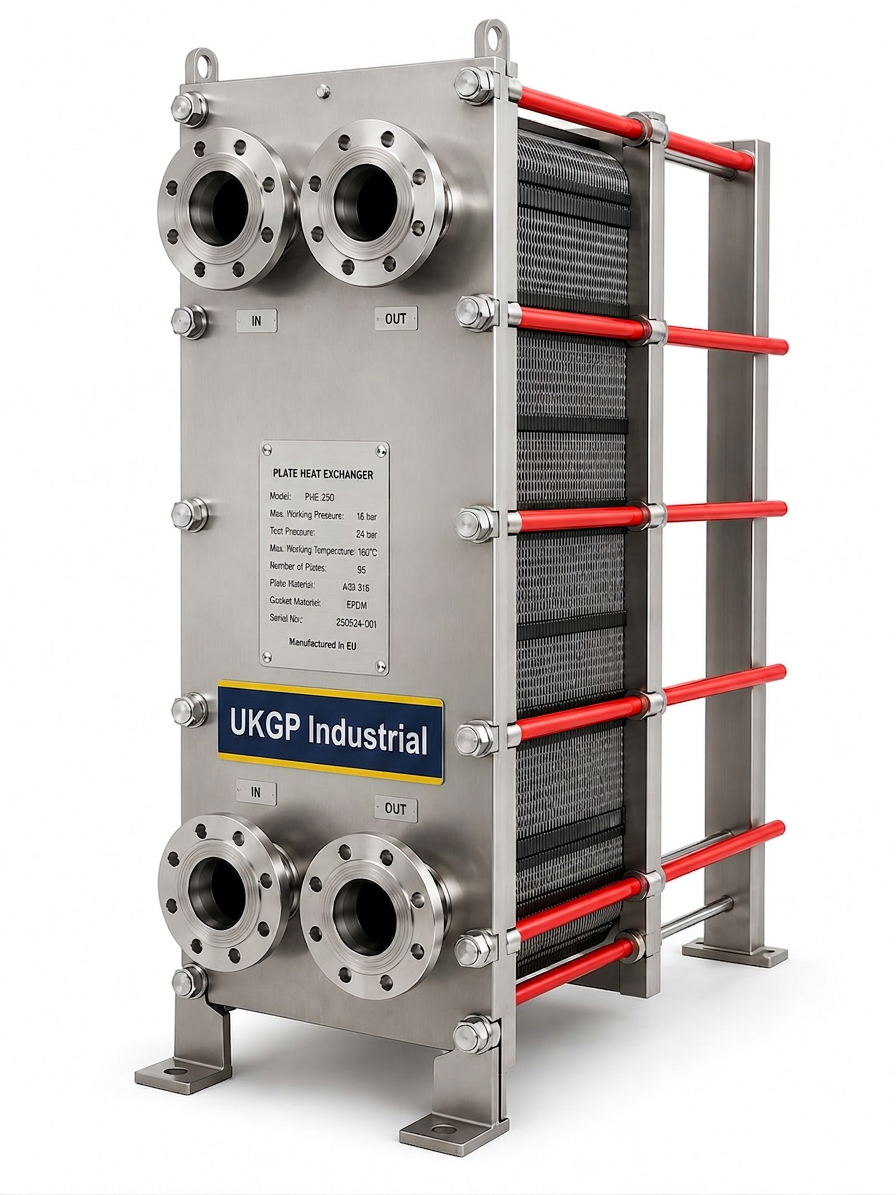
When UKGP consults with M&E contractors, we emphasize that a side stream filter is not a 'set and forget' luxury but a fundamental component of the water quality strategy. By maintaining the suspended solids at a level below 30mg/L as recommended by BSRIA, building owners can significantly reduce their carbon footprint. Cleaner water means higher heat transfer efficiency in plate heat exchangers and less energy wasted by pumps trying to push water through sludge-clogged pipes. Our industrial skids are designed to meet these stringent BSRIA thresholds, providing a robust solution that stands up to the rigours of heavy-duty commercial use across the UK market.
It is also important to consider the cost of non-compliance. Repairing a fouled chiller or replacing a blocked boiler heat exchanger can cost five times as much as the initial installation of a side stream unit. When you invest in a UKGP side stream filtration skid, you are securing a two-year warranty and a product built to UK engineering excellence. Our units range from DN50 to DN100 connections, ensuring we can accommodate everything from small office blocks to large industrial complexes. Choosing the right filtration at the design stage ensures the building remains compliant with BS 8552 monitoring standards and operates at peak performance for years to come.
- Aligns with BSRIA BG50 guidelines for system maintenance
- Enables compliance with BS 8552 water sampling requirements
- Reduces long-term energy consumption by improving heat transfer
- Protects expensive plant room assets from premature failure
Technical components and skid configuration
A deeper dive into what is a side stream filter reveals the complexity of the skid's internal configuration. A high-quality UKGP unit is much more than just a canister; it is a fully integrated assembly including an centrifugal pump, a control panel with pressure differential monitoring, and isolation valves. The pump is particularly vital because it ensures the filter receives a constant flow even when the main system flow varies due to inverter-driven primary pumps. This constant flow is necessary for the filtration media to work effectively, capturing the microscopic debris that larger strainers miss. Our units are typically made to order, allowing us to tailor the pump head and flow rates to your specific system volume.
Material choice is another critical factor in the side stream filter's efficacy. UKGP uses high-grade carbon or stainless steel for the filter housings to ensure durability and resistance to the high pressures found in multi-storey commercial buildings. The internal elements often feature a combination of deep-bed filtration or high-flow bags capable of capturing particles down to 5 microns or less. By incorporating a magnetic insert, the unit also tackles magnetite, the black sludge commonly found in old UK heating systems. This dual-action approach ensures that both metallic and non-metallic contaminants are removed, providing the cleanest possible water for your sensitive HVAC assets.
Installation of these skids is simplified by their compact, skid-mounted design. At UKGP, we understand that plant room space is often at a premium in London and Surrey developments. Therefore, our DN50 to DN100 skids are designed with a minimal footprint while maintaining accessibility for filter bag changes or media washing. Prices for these professional-grade units start from £6,800+VAT, reflecting their robust construction and industrial-grade components. With a 6-8 week lead time, project managers should plan for procurement early in the mechanical package to ensure the system is protected from the moment of initial commission and flush.
- Integrated pump for constant flow regardless of system demand
- Pressure differential gauges to indicate when cleaning is required
- Magnetic inserts to target fine magnetite and iron oxide particles
- Compact footprint designed for space-constrained UK plant rooms
Synergy with chemical dosing and air separation
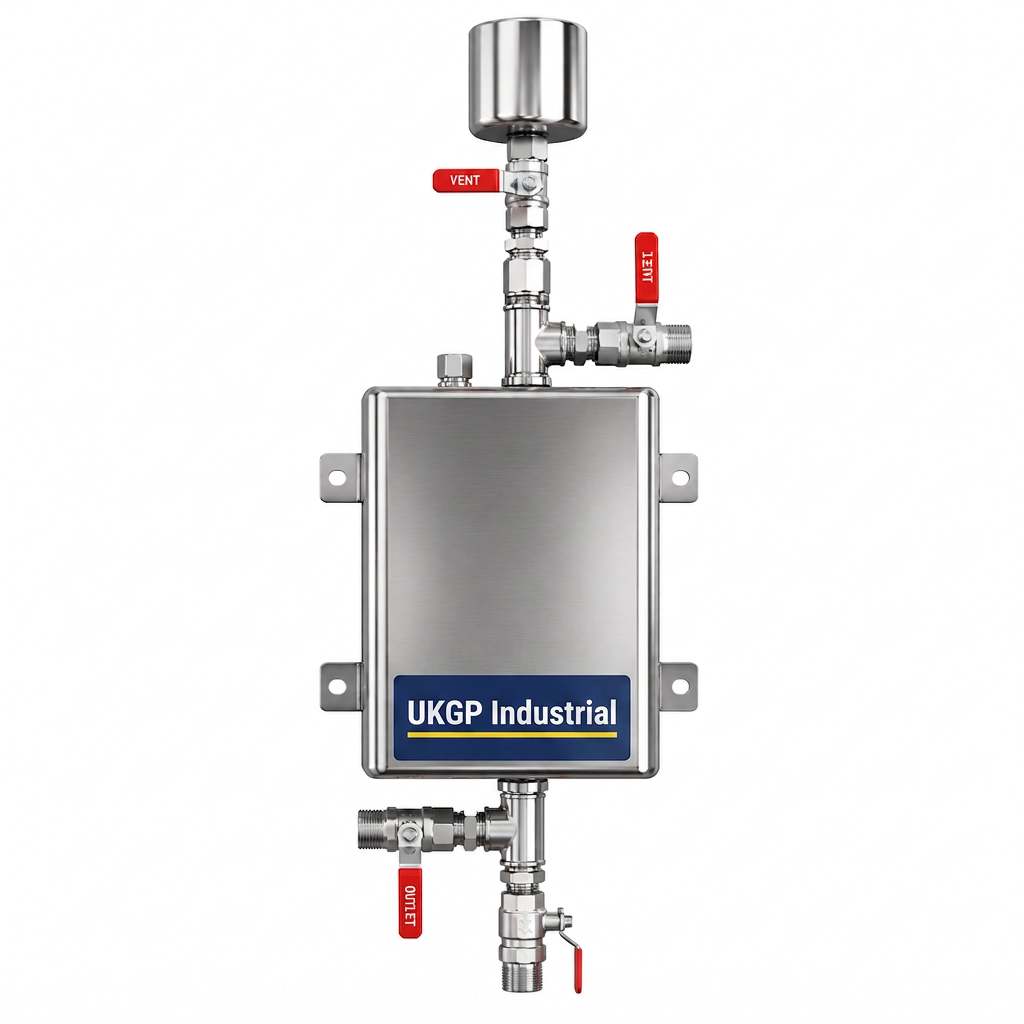
To truly answer what is a side stream filter in the broader sense of water management, one must look at how it interacts with other plant room equipment. Filtration is one pillar of a triad that includes chemical dosing and air/dirt separation. While the side stream filter removes the solid debris, chemical dosing pots are used to introduce inhibitors that prevent corrosion from occurring in the first place. Without a side stream filter, these chemicals can sometimes loosen old scale and rust, which then circulates and causes damage. By using both, the filter captures what the chemicals dislodge, creating a synergistic effect that results in ultra-clean water and optimal thermal performance.
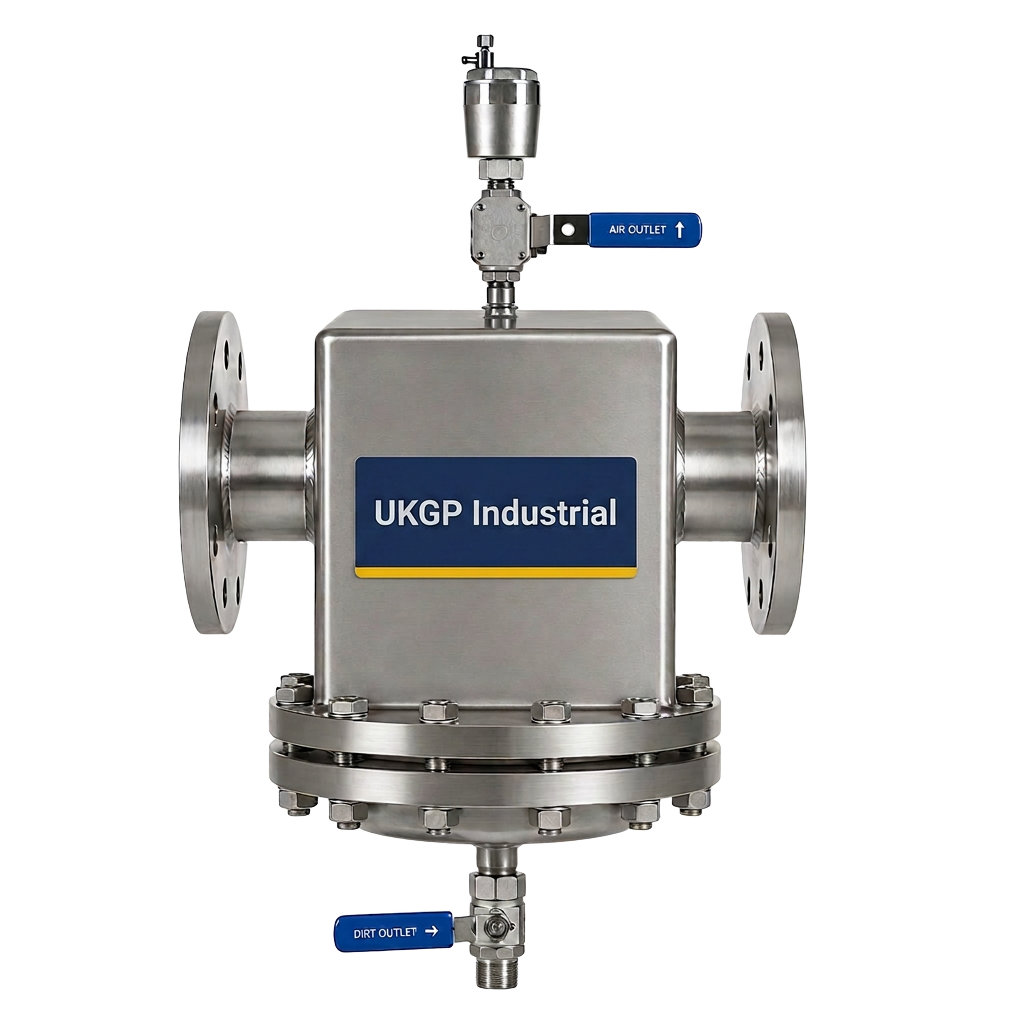
Similarly, air and dirt separators play a supporting role. While an air and dirt separator is excellent at removing micro-bubbles and larger debris at the point of highest temperature in the system, it doesn't provide the fine, deep-bed filtration that a dedicated side stream unit offers. Combining these technologies ensures that both gas and solids are managed. UKGP provides a full range of these components, allowing contractors to source their entire water quality package from a single Surrey manufacturer. This ensures compatibility between the DN50-DN100 side stream skids and the corresponding dosing pots or separators, streamlining the procurement process and ensuring a cohesive system design.
When procuring these items, the commercial reality of project timelines is always a factor. Our side stream filtration skids are priced from £6,800+VAT, providing a mid-market solution that outperforms basic sediment filters but remains more cost-effective than complex reverse osmosis systems. With a two-year warranty and UK-based technical support, we help consultants specify products that satisfy both the technical demands of CIBSE guidelines and the budget constraints of the modern FM provider. Requesting a quote for a combined package of a side stream unit and chemical dosing pot is often the most efficient way to ensure complete system protection and BSRIA compliance.
- Works in tandem with chemical dosing pots to maintain inhibitors
- Complements air and dirt separators for total system cleaning
- Reduces the frequency of expensive chemical 'flush and refills'
- Provides a secondary line of defence against pump seal erosion
Calculating the ROI of side stream filtration
For procurement leads, the question is often not just what is a side stream filter, but what is its return on investment? The financial justification is found in three areas: energy savings, reduced maintenance, and asset life extension. A system with high levels of suspended solids requires more pump energy to maintain flow and more fuel to achieve the required heat transfer through fouled exchanger plates. By removing these solids, the side stream filter can improve overall system efficiency by as much as 10-15%. Over the life of a large commercial chiller or boiler plant, these energy savings alone can pay for the initial £6,800+VAT investment within the first few years of operation.
Maintenance costs are also drastically reduced. Manual cleaning of blocked heat exchangers or the replacement of worn pump seals is a labour-intensive and expensive process. A side stream filter captures the abrasive particles that cause this wear before they can do damage. This means fewer emergency call-outs and a more predictable maintenance schedule for facilities managers. Furthermore, insurance companies and original equipment manufacturers (OEMs) are increasingly requiring evidence of a robust water treatment strategy, including side stream filtration, to uphold warranties on multi-million pound plant assets, making the filtration skid an essential insurance policy for the building's infrastructure.
Finally, there is the benefit of system longevity. A well-maintained closed-loop system can serve a building for 25 years or more, whereas a poorly managed system may require a full pipework replacement in under a decade. By investing in a UK-made UKGP filtration skid with its 2-year warranty and heavy-duty construction, you are ensuring the heart of the building stays healthy. Our made-to-order units are specifically designed for the UK climate and commercial standards, providing peace of mind for engineers who need reliable, high-performance equipment. With lead times of 6-8 weeks, now is the time to integrate these units into your upcoming refurbishment or new-build project schedules.
- Significant energy savings through improved heat transfer efficiency
- Reduces the frequency and cost of pump and valve repairs
- Protects OEM warranties on boilers, chillers, and exchangers
- Extends the total operational lifespan of the HVAC system pipework
Procurement and lead times for UKGP skids
When you have determined what is a side stream filter requirement for your project, the next step is procurement. At UKGP Industrial, we pride ourselves on being a domestic manufacturer based in Surrey, which allows us to offer more reliable lead times than many imported brands. Our standard side stream filtration skids typically have a 6-8 week lead time from the point of order. This time is used to manufacture the skid to your exact specification, whether you require DN50, DN80, or DN100 connections. Each unit undergoes rigorous pressure testing and quality control to ensure it meets our high standards and is ready for immediate site integration upon delivery.
We understand that commercial projects are often budget-sensitive. Our units start from £6,800+VAT, making them a competitive choice for high-specification industrial grade equipment. This price point includes the integrated pump, filter vessel, and control suite, providing a 'plug and play' solution for the mechanical contractor. By buying directly from a UK manufacturer, you also benefit from direct access to technical support and spare parts. Whether you need replacement filter bags or advice on flow rates, our Surrey-based team is available to assist, ensuring your water quality remains within the limits defined by BSRIA BG50 and CIBSE guidelines throughout the building's lifecycle.
In conclusion, a side stream filter is an indispensable asset for modern UK plant rooms. It bridges the gap between chemical treatment and mechanical system health, providing a continuous cleaning action that full-flow filters cannot match. By choosing a UKGP side stream filtration skid, you are opting for a product backed by a 2-year warranty, designed specifically for the rigorous demands of the UK commercial market. Contact our technical sales team today to request a data sheet or a formal quotation, and ensure your next project benefits from the very best in water filtration technology and engineering excellence.
- Made to order in Surrey with a standard 6-8 week lead time
- Available in various sizes including DN50 to DN100 connections
- Comprehensive 2-year warranty on all industrial filtration skids
- Priced competitively from £6,800+VAT for industrial-grade specifications
Frequently asked questions
What is a side stream filter and how does it differ from a strainer?
- A side stream filter is a bypass system that continuously treats a percentage of system water to remove fine suspended solids (magnetite) down to 5 microns or less. A standard strainer only captures large debris and cannot maintain the water clarity required by BSRIA BG50.
What is the typical lead time for a UKGP side stream skid?
- Our side stream filtration skids are made to order in our Surrey facility. The typical lead time is 6-8 weeks, ensuring each unit is tested and built to the specific pressure and size requirements (DN50-DN100) of your plant room.
Can a side stream filter help with BSRIA BG50 compliance?
- Yes, BSRIA BG50 highlights the need for mechanical filtration to manage suspended solids in closed-loop systems. A side stream filter is the industry-standard method for achieving the water quality levels mandated in these guidelines.
How much does a commercial side stream filtration unit cost?
- UKGP side stream skids for commercial and industrial applications start from £6,800+VAT. The final price depends on the connection size (e.g., DN50 to DN100) and the specific pump or media requirements of the project.
What maintenance does a side stream filter require?
- Maintenance usually involves replacing filter bags or cleaning the internal media and magnetic rods when the pressure differential gauges indicate a blockage. Because it is a side-stream unit, this can be done without shutting down the main HVAC system.