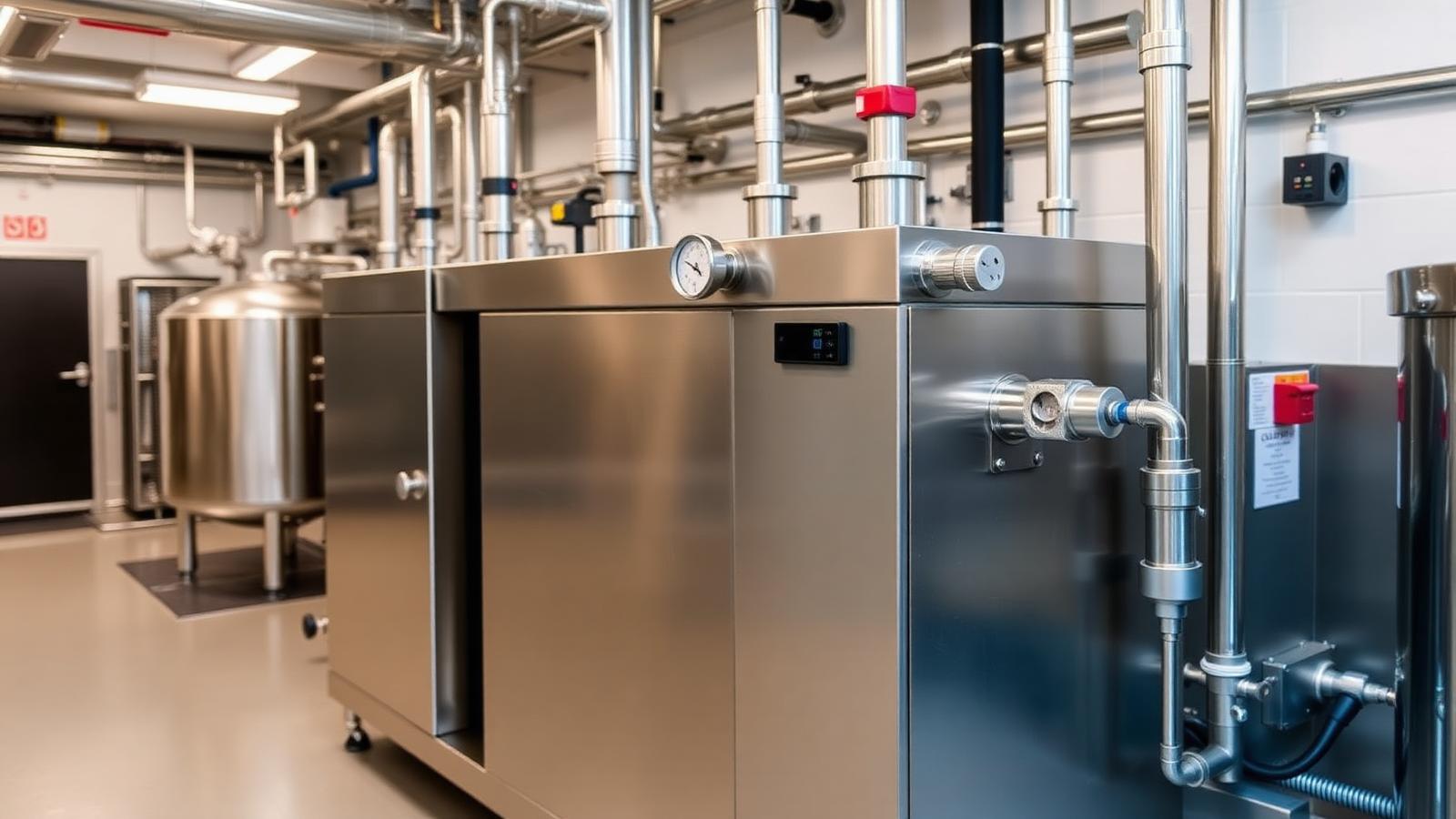
Understanding the Fundamentals of Side Stream Filtration ROI
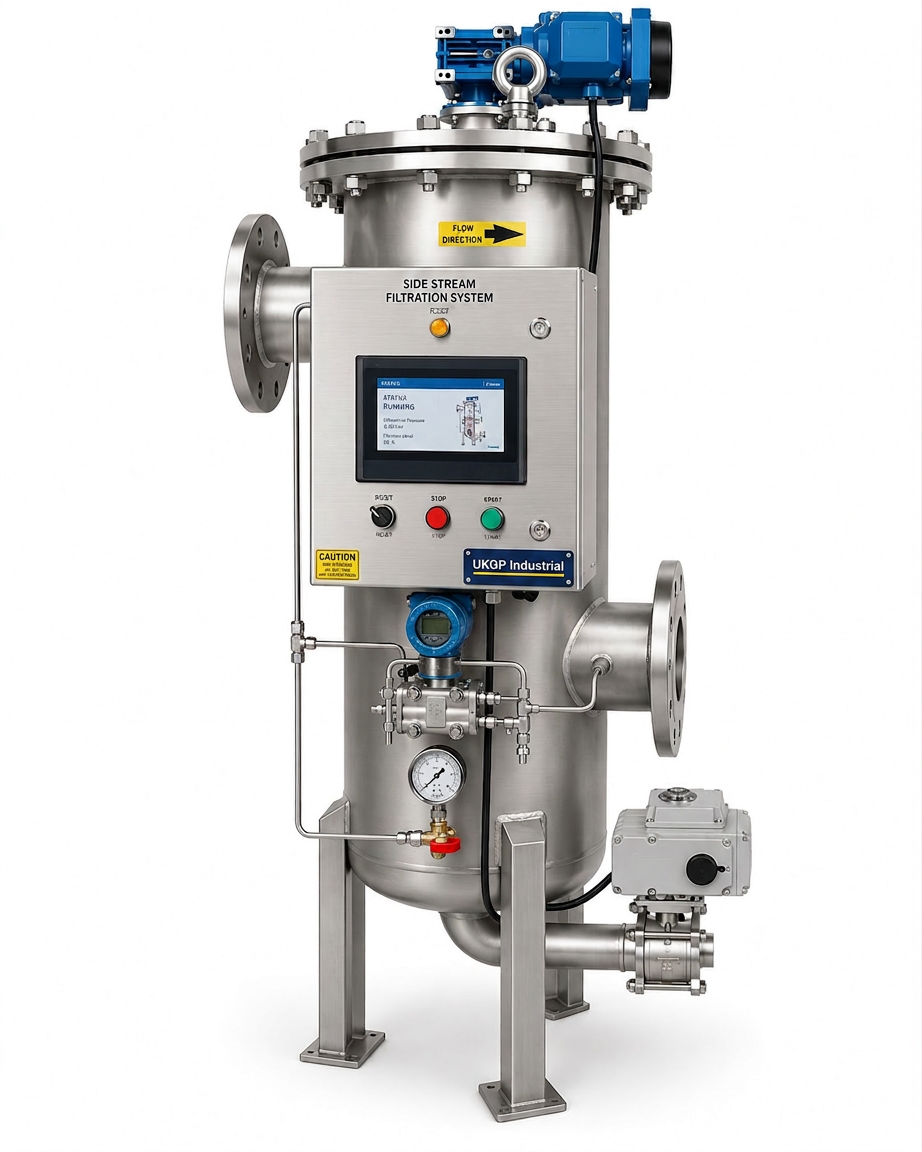
The financial logic behind side stream filtration ROI rests on the mitigation of system degradation caused by suspended solids and magnetite. In a typical UK commercial HVAC environment, the accumulation of iron oxides increases pump head requirements and reduces the efficacy of heat transfer surfaces. By continuously diverting and cleaning approximately 5% to 15% of the total system flow, UKGP side stream filtration units ensure that water quality remains within the parameters defined by BSRIA BG29 and BG50. This proactive approach prevents the gradual 'efficiency creep' where systems consume more power over time just to maintain setpoint temperatures, effectively protecting the capital value of the plant.
When calculating the initial payback period, facility managers must look beyond the purchase price of the equipment and consider the total cost of ownership. A UKGP side stream filtration skid, typically priced from £6,800+VAT, represents a modest capital outlay compared to the cost of replacing a fouled plate heat exchanger or a seized variable speed pump. The ROI is accelerated by the reduction in reactive maintenance call-outs, which often carry high hourly rates and emergency procurement surcharges. By maintaining low turbidity levels, the system avoids the abrasive wear on mechanical seals and valves that leads to premature leaks and the subsequent need for expensive system top-ups and re-dosing of inhibitors.
Energy savings form a significant pillar of the ROI model, especially given current UK utility price volatility. Even a 1mm layer of magnetite on a heat exchanger surface can reduce thermal efficiency by up to 10%, forcing boilers or chillers to work harder and run longer cycles. For a large-scale commercial office or hospital, these marginal losses aggregate into thousands of pounds in wasted energy every year. Implementing side stream filtration ensures that the heat transfer interface remains clean, allowing the plant to operate at its peak design COP. This direct link between water purity and gas or electricity consumption makes side stream filtration one of the most effective energy-conservation measures in the modern plant room.
- Reduction in annual energy consumption by 5-12% through improved heat transfer.
- Extension of primary plant lifecycle, including boilers and chillers.
- Compliance with BS 8552 and BSRIA BG50 industry standards.
- Lowered carbon footprint in line with corporate ESG targets.
Maintenance Cost Mitigation and BSRIA BG50 Compliance
A primary driver for side stream filtration ROI is the shift from reactive to planned maintenance strategies. Without effective filtration, suspended solids settle in low-velocity areas, creating hotspots for under-deposit corrosion. This phenomenon is particularly damaging in older systems where existing pipework may already be compromised. By removing these particles down to sub-micron levels, UKGP skids prevent the sludge build-up that necessitates costly power flushing or manual cleaning of terminal units. When consultants specify our units for DN50 to DN100 pipework, they are essentially buying insurance against the high-frequency maintenance cycles that plague poorly treated commercial circuits.
Compliance with BSRIA BG50 is not merely a box-ticking exercise; it is a financial strategy designed to prevent the catastrophic failure of closed-loop systems. The cost of a full system flush and re-fill for a multi-storey development can exceed £20,000, factoring in water, chemicals, labour, and waste disposal. By maintaining water quality consistently, the intervals between major interventions are significantly extended. This avoids the disruption of plant downtime, which in commercial tenancies or healthcare settings, carries immense indirect costs and potential breach-of-service penalties. The UKGP 2-year warranty provides further peace of mind, ensuring that the initial investment is protected against manufacturing defects and performance issues.
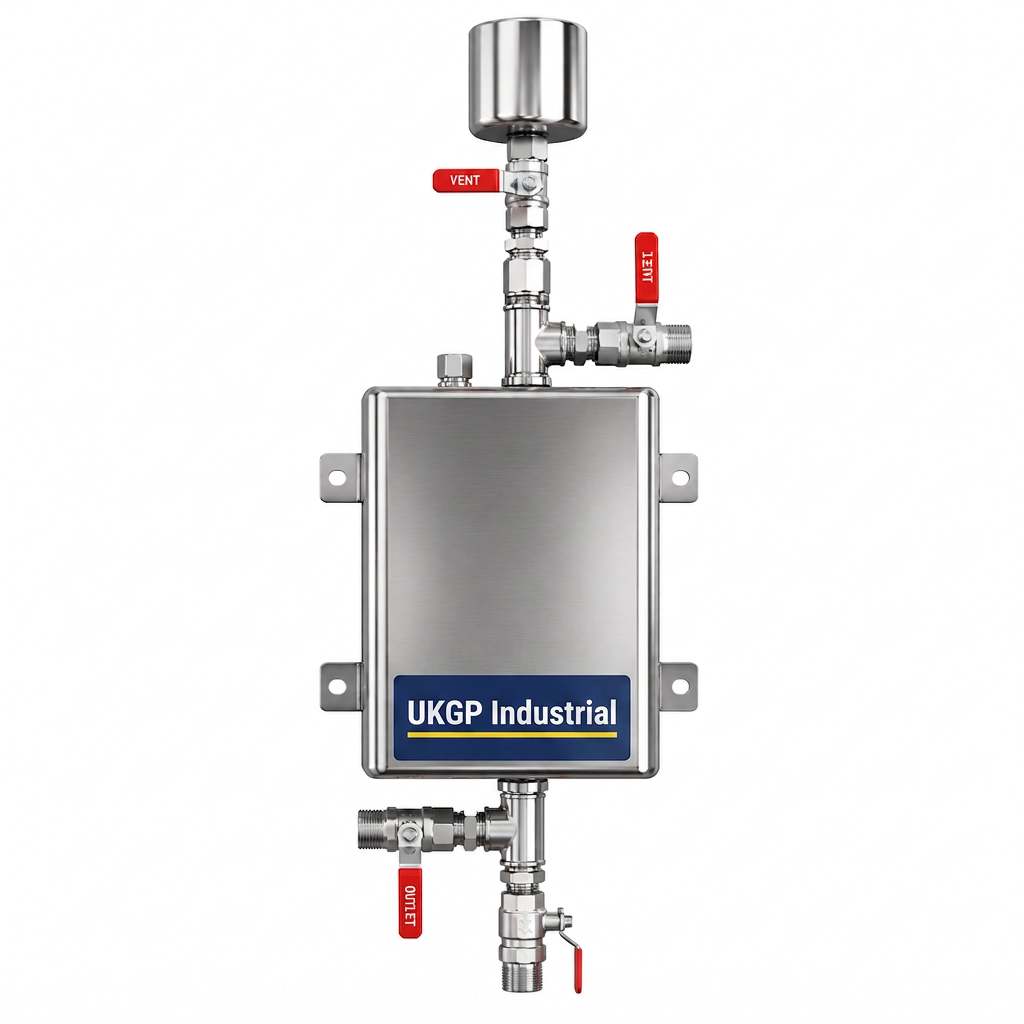
Chemical dosing is another area where significant savings are realised. In a contaminated system, chemical inhibitors are often 'consumed' as they react with suspended solids and corrosion products rather than protecting the metal surfaces. Clean water requires less chemical top-up to maintain the correct concentration levels. When used alongside a UKGP chemical dosing pot, a side stream filter ensures that the added protection is actually reaching the pipework walls rather than being absorbed by sludge. This synergy further improves the side stream filtration ROI by reducing the annual spend on expensive biocides and corrosion inhibitors, often saving hundreds of pounds per annum on chemical procurement alone.
- Avoidance of costly full-system water changes and re-fills.
- Reduced consumption of chemical inhibitors and biocides.
- Lower probability of circulating debris damaging pump impellers and seals.
- Predictable maintenance scheduling based on pressure drop indicators.
Protecting Critical Assets: Heat Exchangers and Pumps
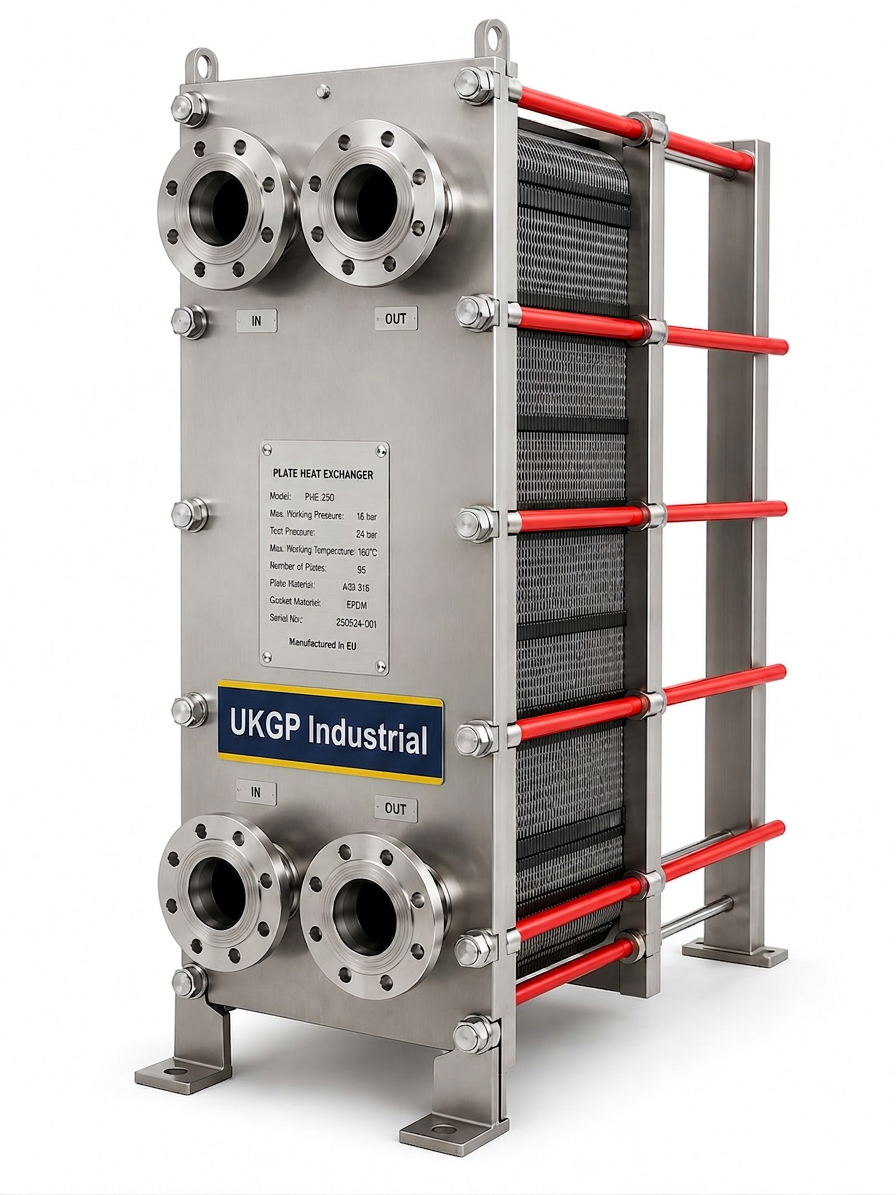
In many UK plant rooms, the plate heat exchanger (PHE) is the heart of the system, responsible for transferring energy between the primary and secondary circuits. These units are highly sensitive to particulate matter, which can easily lodge in the narrow plate channels. Once a PHE becomes fouled, the resulting pressure drop increases the load on circulating pumps, while the reduced heat transfer forces the primary heat source to operate at higher temperatures. By installing a side stream filtration system, you protect these critical assets from becoming debris traps. This protection ensures that the heat exchanger continues to meet its design duty throughout its entire service life, avoiding the need for expensive descaling or plate replacement.
The relationship between water quality and pump longevity is equally critical when discussing side stream filtration ROI. Modern high-efficiency pumps with permanent magnet motors are particularly susceptible to magnetite, which can be drawn into the motor housing and cause catastrophic failure. Replacing a large commercial pump can cost several thousand pounds plus the associated labour. A UKGP side stream filter, made to order with a 6-8 week lead time, provides a robust barrier that captures metallic and non-metallic particles before they can enter sensitive components. This preventative measure is vastly more cost-effective than the 'run-to-fail' approach typical of older maintenance regimes.
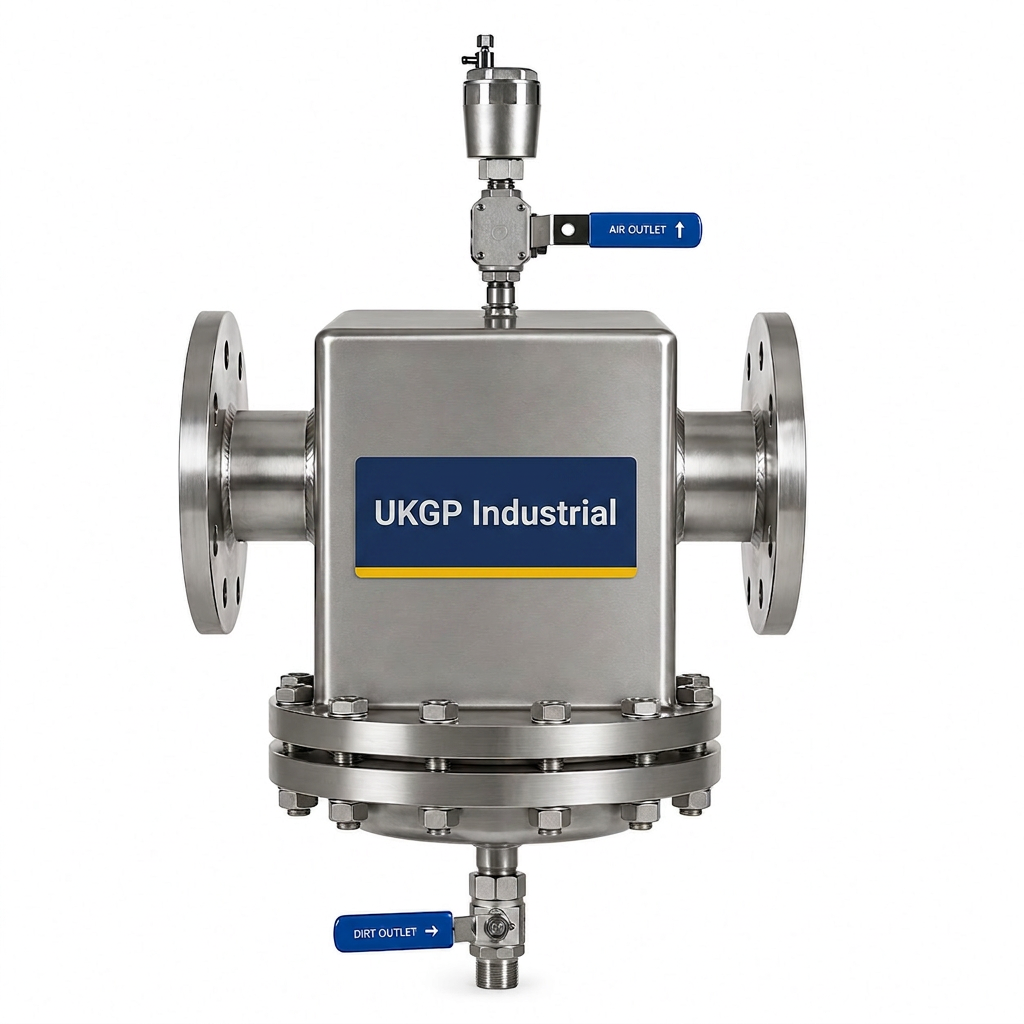
Furthermore, the use of air and dirt separators in conjunction with side stream filtration creates an environment where corrosion is almost entirely halted. By removing both the suspended solids and the micro-bubbles that drive oxidative corrosion, the entire infrastructure is stabilised. For contractors and procurement leads, specifying a complete UKGP package means providing a reliable, long-term solution that lowers the total cost of ownership for the end-user. The return on investment becomes clear when comparing the minimal operational costs of the filter with the high capital costs of replacing primary plant components that have failed prematurely due to avoidable water quality issues.
- Maintain design efficiency of plate heat exchangers (PHEs).
- Protect permanent magnet motors in high-efficiency pumps.
- Reduce noise and vibration caused by air and debris in the circuit.
- Improve temperature control and response times at terminal units.
The Impact of Filtration on System De-aeration and Corrosion
Aerated water is one of the most destructive forces in a commercial heating system, leading to rapid oxygen-based corrosion and the formation of magnetite. While side stream filtration is excellent at removing the results of corrosion, the ROI is further enhanced when it works in tandem with proper de-aeration. When oxygen is present, it facilitates the breakdown of steel pipework into fine particles that eventually clog valves and heat exchangers. By removing these particles, the side stream filter prevents them from acting as a catalyst for further corrosion. This holistic approach to water treatment ensures that the system stays clean and the metal surfaces remain passivated.
Many UK buildings suffer from poor water quality because original commissioning was not performed to BSRIA BG29 standards, or because the system has been opened up for remedial works. In these scenarios, the ROI for side stream filtration is nearly instantaneous, as the unit begins to clear years of accumulated debris. For a plant room engineer, the visual evidence of a darkening filter bag or a high-pressure drop across the vessel is a clear indicator of the work being done. This visual confirmation of dirt removal provides tangible evidence of the value being added to the system, justifying the initial investment to stakeholders and financial directors who may be removed from the day-to-day operations.
Consider the cost of labour in the UK: every hour an engineer spends bleeding radiators or unblocking control valves is an hour that could be spent on more productive tasks. A side stream filter automates the removal of the very debris that causes these nuisance call-outs. By freeing up the facilities management team to focus on high-priority improvements rather than basic fire-fighting, the operational ROI is significantly boosted. For systems ranging from DN50 to DN100, a UKGP skid offers a professional, industrial-grade solution that replaces the mismatched and often undersized filtration components found in many legacy commercial buildings.
- Prevents the 'sludge cycle' of corrosion and particulate formation.
- Automates the dirt removal process to save on FM labour hours.
- Provides a clear audit trail of water quality management for insurers.
- Mitigates the risk of oxygen ingress causing localised pitting corrosion.
Analysing the Financial Breakdown: Side Stream Filtration ROI
To perform a rigorous financial analysis, we must compare the 'with' and 'without' scenarios over a five-to-ten-year horizon. Without side stream filtration, the system likely experiences a 2-3% annual decline in efficiency, alongside a higher frequency of component failure. A UKGP DN50 side stream filtration unit, starting from £6,800+VAT, may pay for itself in under 24 months solely through energy savings in a medium-sized office block. When you factor in the extended life of the boilers and the reduction in chemical costs, the payback period can often be shorter. This makes side stream filtration one of the most compelling ROI-driven upgrades available for M&E contractors looking to add value to their clients.
The 'made to order' nature of UKGP products means that every skid is built to the specific requirements of the project. While the 6-8 week lead time requires some forward planning, the result is a unit that integrates perfectly with existing plant room footprints. This reduces installation time and associated site costs, which are often overlooked when calculating ROI. A plug-and-play skid including the pump, controller, and vessel ensures that commissioning is straightforward and adheres to the original design intent. For procurement leads, this reduces the risk of project overruns and professional indemnity claims related to system underperformance.
Finally, the 2-year warranty offered by UKGP serves as a benchmark for quality and reliability. In the UK B2B sector, where trust is paramount, having a local Surrey-based manufacturer provides an additional layer of security. If technical support or spares are required, they are readily available. This local support network reduces the downtime risks associated with cheap, imported components that lack proper documentation or UK-based support. Investing in a high-quality UKGP unit ensures that the side stream filtration ROI is not undermined by poor build quality or the inability to source replacement filter bags in a timely manner.
- Payback periods often under 2 years in high-usage commercial settings.
- Made-to-order units ensure minimal site modification and lower labour costs.
- 2-year warranty protects the investment and ensures long-term performance.
- Surrey-based support simplifies technical queries and spare parts supply.
Implementation Strategy for Maximum Payback
To maximise side stream filtration ROI, it is essential to install the unit in the optimal position within the plant room. Typically, this is across the main flow and return headers where it can capture debris before it enters the primary heat source. Monitoring pressure drops and maintaining a regular skip-testing regime for water chemistry ensures that the filter is operating at peak efficiency. It is also vital to train staff on how to change bags correctly and interpret the gauges. A filter that is allowed to bypass due to clogging is a wasted investment; a well-managed filtration strategy, however, is a cornerstone of any high-performing building services department.
M&E contractors should present side stream filtration as a lifecycle cost-saving measure during the tender stage or during plant room refurbishments. By highlighting the ROI, contractors can differentiate themselves from competitors who may only be looking at the lowest initial install cost. Providing the client with a UKGP quote for a tailored skid (DN50 to DN100) demonstrates a commitment to quality and BSRIA compliance. This professional approach often leads to longer-term maintenance contracts and a stronger reputation for delivering systems that actually work reliably over their intended lifespan without constant remedial intervention.
In conclusion, the business case for side stream filtration is undeniable for any UK commercial facility concerned with energy efficiency and asset protection. From the initial investment starting at £6,800+VAT to the long-term savings in gas, electricity, and maintenance labour, the ROI is robust and quantifiable. By choosing a UKGP manufactured solution, you are investing in British engineering excellence that meets the specific demands of our industry standards. Contact our technical team today to discuss your project requirements and receive a quote for a bespoke filtration skid designed to deliver maximum payback for your facility.
- Strategy: Install across headers for maximum particulate capture.
- Training: Ensure FM teams understand bag change intervals and gauge reading.
- Reporting: Use water analysis to prove the ongoing benefit to stakeholders.
- Selection: Choose the correct DN size for the system flow rate for optimal bypass.
Frequently asked questions
What is the typical payback period for a side stream filtration system?
- For most UK commercial systems, the side stream filtration ROI is achieved within 18 to 24 months. This is calculated based on a 5-10% energy saving, reduced chemical dosing, and the avoidance of at least one major component repair or system flush.
How does BSRIA BG50 influence the ROI calculation?
- BSRIA BG50 provides the framework for water quality. Following these guidelines via side stream filtration ensures you maintain manufacturer warranties on boilers and pumps. Failing to comply can lead to rejected insurance claims and the full cost of equipment replacement falling on the building owner.
Can a side stream filter be retrofitted to an existing plant room?
- Yes, UKGP skids are made to order and can be designed to fit into existing footprints. Retrofitting is often where the highest ROI is found, as the filter immediately begins to remove years of accumulated magnetite and scale that is currently hindering system efficiency.
What are the ongoing costs of a UKGP side stream filtration unit?
- Ongoing costs are minimal, consisting primarily of the electricity to run the small integral pump and the cost of replacement filter bags. Compared to the thousands saved in energy and emergency repairs, the operational expenditure is negligible.
How do I choose between a DN50 and DN100 unit?
- The size depends on your total system volume and flow rate. UKGP side stream filtration units are designed to treat approximately 5-15% of the total flow. Our technical team can assist you in selecting the correct size to ensure you achieve the best possible ROI for your specific system dimensions.