Core Principles of Side Stream Filtration for Heating System
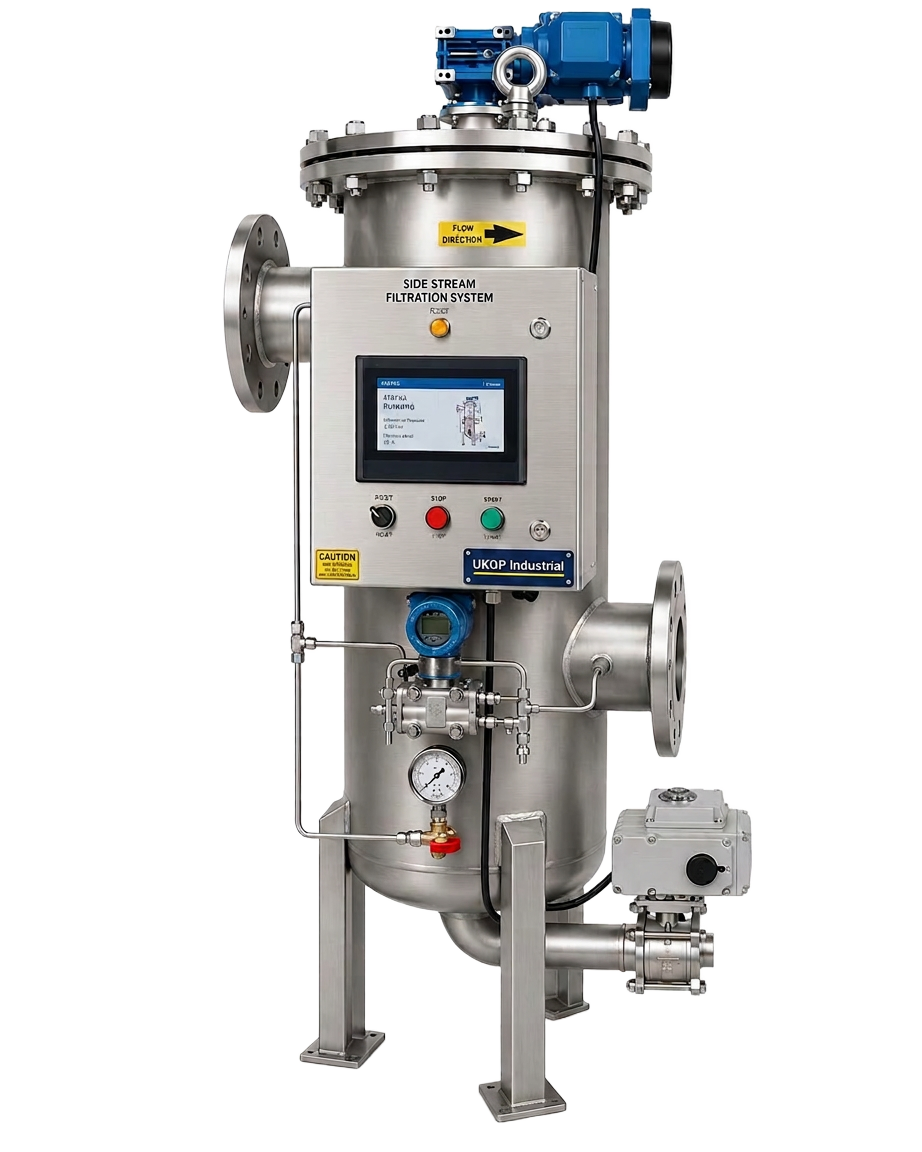
The fundamental logic behind side stream filtration for heating system design is the continuous removal of suspended solids without necessitating a full-flow filtration system that would increase pump head and capital expenditure. In a typical UK commercial plant room, the filtration unit is installed on a bypass loop, diverting approximately 5% to 15% of the total circulating volume through a high-efficiency media or bag filter. This approach ensures that the primary heat transfer loop remains unobstructed, while the water quality is incrementally improved over time. For consultants, specifying the correct side stream filtration for heating system ensures that expensive components like plate heat exchangers and high-efficiency boilers are protected from the abrasive effects of magnetite and debris that inevitably accumulate in aged or even newly commissioned systems.
When designing these systems, volume turnover is the primary metric for success. High-quality UKGP skids are engineered to handle the thermal and hydraulic stresses present in large-scale district heating or multi-boiler commercial setups. By adhering to BSRIA BG50 standards, engineers can substantiate their design choices, ensuring that the water chemistry remains stable and the physical debris load is kept below critical levels. Failure to integrate a side stream filtration for heating system often leads to increased maintenance frequencies, localized corrosion, and a significant drop in heat transfer efficiency, which ultimately impacts the building's overall energy performance certificates and operational costs. Our units provide the necessary peace of mind for facility managers who require reliable, long-term HVAC performance.
From a procurement perspective, UKGP offers side stream filtration skids from £6,800+VAT, typically made to order with a lead time of 6 to 8 weeks. These units are built to withstand the rigours of industrial environments, featuring robust DN50 to DN100 connections. Every unit comes with a 2-year warranty, reflecting our confidence in the craftsmanship and engineering integrity of our Surrey-manufactured equipment. By selecting a purpose-built skid over site-fabricated components, contractors can save substantial time on installation and commissioning, while ensuring that the system meets all current regulatory and technical requirements. This proactive approach to water quality management is no longer optional in modern high-performance building services; it is a fundamental design requirement for longevity.
- Continuous 5-15% bypass flow rate to manage suspended solids
- Reduction in system pump head compared to full-flow filtration
- Protection of sensitive heat transfer surfaces and control valves
- Compliance with BSRIA BG29 and BG50 maintenance frameworks
Sizing and Flow Rate Calculations
Calculating the correct flow rate for your side stream filtration for heating system is the most critical step in the design phase. A common industry rule of thumb is to size the bypass for roughly 10% of the total system flow, which allows for a complete system volume turnover every 12 to 24 hours. However, for systems with high debris loads or aged pipework, a higher turnover rate may be required initially to clean the secondary circuit. Designers must balance the filtration efficiency against the pressure drop introduced by the bypass loop. Standard UKGP skids are designed with high-capacity filter housings that minimize pressure loss, ensuring that the main system pumps do not need to be significantly oversized to accommodate the filtration process.
The selection between DN50 and DN100 connections usually depends on the total system volume and the desired velocity within the bypass line. At UKGP, we provide technical data sheets that help M&E contractors select the correct skid size to match their specific kilowatts and total fluid volume. It is worth noting that under-sizing the side stream filtration for heating system will result in inadequate sediment removal, while over-sizing can lead to unnecessary energy consumption and equipment costs. Using BS 8552 as a reference point for water sampling, engineers can monitor the efficacy of the chosen skid and adjust maintenance cycles accordingly. Our bespoke manufacturing process allows for custom tweaks to the standard skid design to meet specific plant room footprints and hydraulic requirements.
Integration into the Building Management System (BMS) is another vital consideration. A properly designed side stream filtration for heating system should include pressure differential sensors that alert the FM team when a filter change-over is required. This preventative maintenance feature, standard on many UKGP models, ensures that the system never runs at reduced efficiency due to a clogged filter. In the current UK economic climate, where energy prices remain volatile, maintaining a clean system is one of the most cost-effective ways to reduce carbon emissions and operational overheads. Request a quote today to see how our engineered solutions from £6,800+VAT can fit into your next high-efficiency heating project with a standard 8-week delivery timeline.
- Aim for a total volume turnover every 12-24 hours
- Match skid connection size (DN50-DN100) to hydraulic requirements
- Include pressure differential monitoring for BMS integration
- Account for thermal expansion and pressure fluctuations in the bypass
The Role of Magnetic Separation and Media Choice
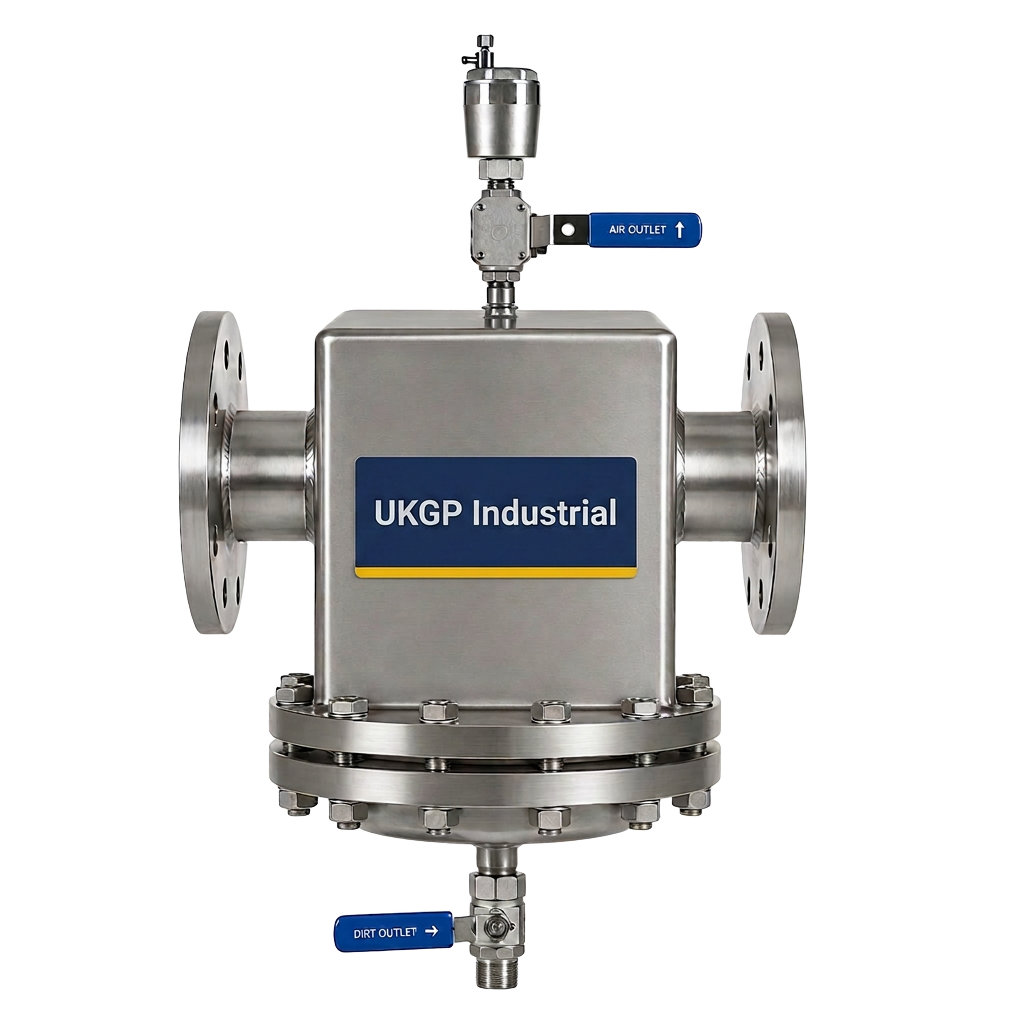
Modern side stream filtration for heating system units often combine physical barrier filtration with powerful magnetic separation. Since magnetite is the primary cause of pump failure and heat exchanger fouling in UK heating circuits, incorporating high-intensity neodymium magnets within the skid is essential. These magnets capture fine metallic particles that might otherwise pass through a standard 50-micron filter bag. By combining these technologies, the side stream filtration for heating system provides a multi-stage cleaning process that addresses both organic sludge and metallic debris. This is particularly important for projects involving the retrofit of modern boilers into existing old-pipework systems where iron oxide levels can be exceptionally high.
Choosing the right filter media is equally important for long-term reliability. While coarse filters are useful during the initial flushing stage (BSRIA BG29), transitioning to finer media during the operational phase ensures the highest water quality. UKGP skids allow for easy swapping of filter elements, providing flexibility for maintenance contractors. We recommend that FM teams keep a stock of various micron-rated bags to deal with fluctuating water conditions. Ensuring the side stream filtration for heating system is equipped with the correct media prevents the 'polishing' phase of commissioning from being neglected, which is often when the most damage occurs to new heating assets. Our 2-year warranty covers the structural components of these skids, ensuring they remain the workhorse of your plant room for years.
Maintenance access is a design rule that is frequently overlooked by junior engineers. A side stream filtration for heating system should be positioned in the plant room with enough clearance for a technician to safely open the vessel and replace the filter media without disrupting other equipment. UKGP skids are designed with a compact footprint, making them ideal for cramped London plant rooms, yet they do not compromise on serviceability. Each unit features isolation valves and drain points to facilitate a clean and rapid filter change. When you specify a UKGP unit, you are not just buying hardware; you are investing in a service-friendly design that has been refined through years of feedback from UK-based site engineers and contractors.
- Utilise high-intensity magnetic inserts for magnetite removal
- Select filter media based on system age and current water quality
- Ensure adequate clearance for safe and rapid filter replacement
- Incorporate manual or automatic air vents within the skid design
Integrating Chemical Dosing and Water Treatment
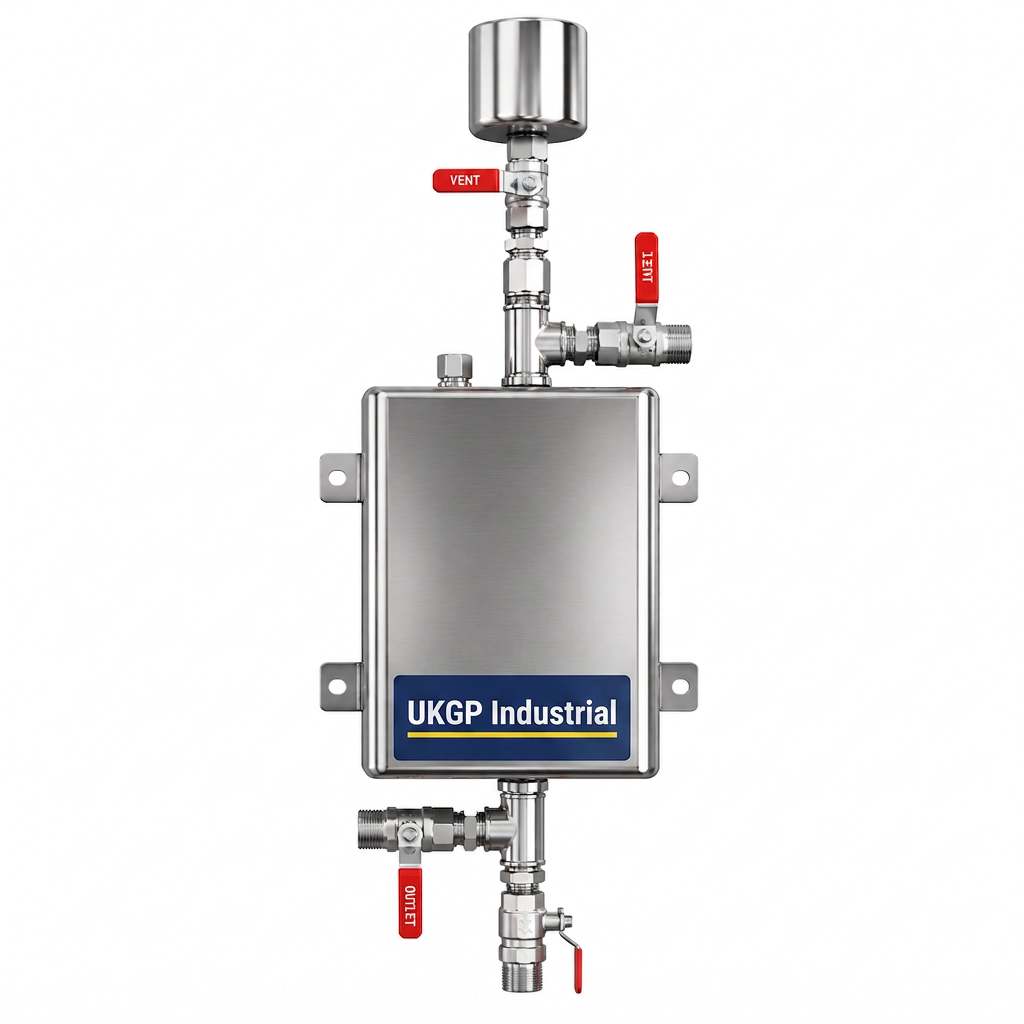
For a truly comprehensive water quality strategy, the side stream filtration for heating system must work in tandem with chemical treatment. While the filtration unit removes physical contaminants, chemical inhibitors prevent the underlying corrosion that creates the debris in the first place. Many engineers choose to install a dosing pot alongside their filtration skid to facilitate the easy introduction of these chemicals. UKGP offers a range of high-quality dosing pots that complement our filtration systems, providing a one-stop-shop for plant room water treatment. This integrated approach ensures that the system is not only clean but also chemically stable, adhering to the strict requirements of BSRIA BG50 and BS 8552.
When designing the chemical interface, it is critical to ensure that the filtration process does not inadvertently remove the chemical inhibitors. High-quality side stream filtration for heating system skids use an inert media that does not react with standard UK-approved inhibitors like molybdenum or silicate-based products. Furthermore, by cleaning the water through the filtration skid, the chemicals can work more effectively as they are not being 'consumed' by reacting with a high volume of suspended solids. This synergy leads to lower chemical consumption over the system's life, resulting in significant cost savings for the building owner. Our technical team can advise on the best pairing of filtration and dosing equipment for your specific project scale.
Proper commissioning is the final piece of the puzzle. Once the side stream filtration for heating system is installed, it must be commissioned in line with the manufacturer’s instructions and project specifications. This involves verifying flow rates through the bypass and ensuring that the magnetic inserts are correctly seated. At UKGP, we provide comprehensive O&M manuals with every skid, making the commissioning process straightforward for site engineers. With units priced from £6,800+VAT and a reliable 6-8 week lead time, we help contractors hit their deadlines while maintaining the high standards of water quality demanded by modern HVAC specifications and insurance requirements.
- Coordinate filtration with chemical inhibitor dosing cycles
- Use inert filter media to prevent chemical depletion
- Establish a regular water sampling regime via BS 8552
- Ensure the skid is correctly commissioned with documented flow rates
Protecting Critical Assets: Heat Exchangers and Pumps
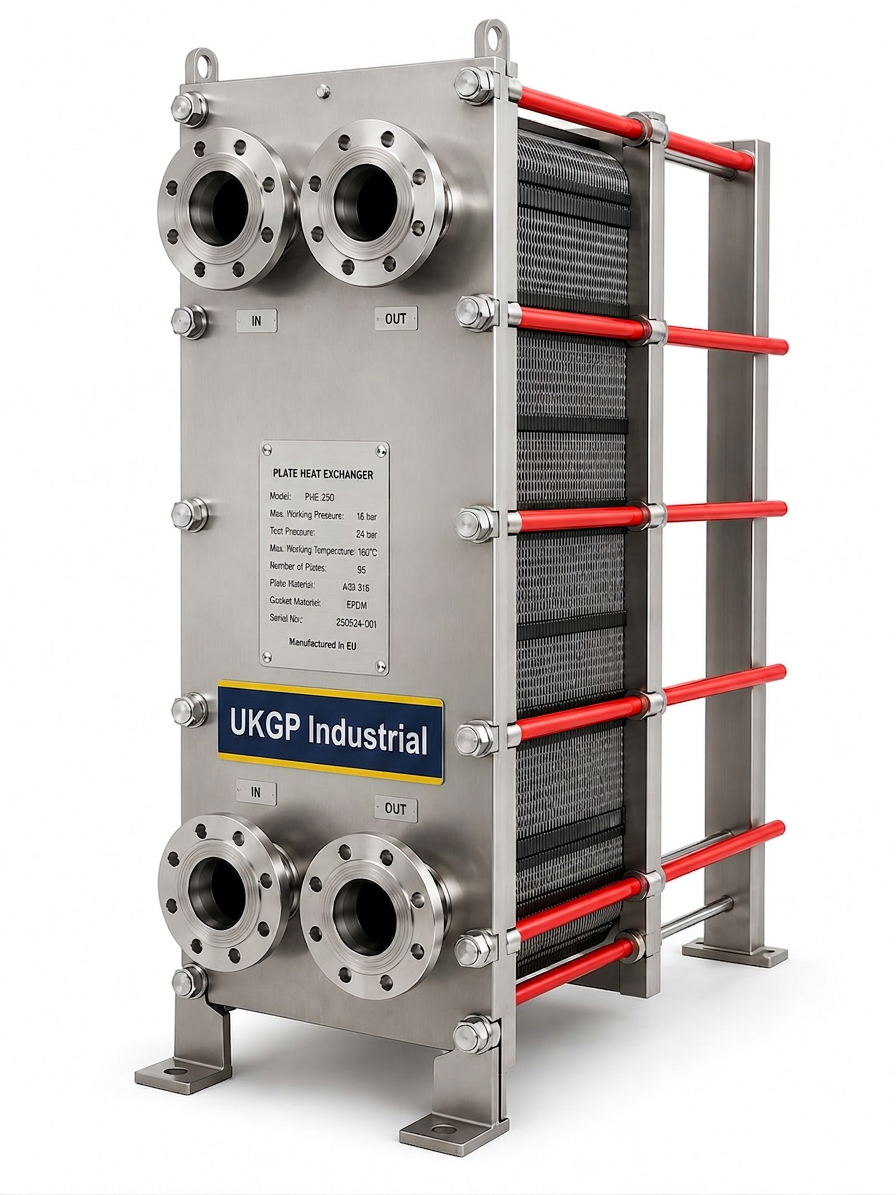
One of the primary commercial drivers for installing a side stream filtration for heating system is the protection of expensive downstream components. Plate heat exchangers (PHEs), in particular, are susceptible to fouling due to their narrow plate gaps and high turbulence. Even a small amount of debris can significantly reduce the heat transfer coefficient, leading to higher boiler return temperatures and reduced condensing efficiency. By installing a UKGP filtration skid, you ensure that the water entering the PHE is clear of large particulates. This proactive protection extends the life of the plates and reduces the frequency of acid cleaning or mechanical strip-downs, which are both costly and disruptive to building occupants.
Circulating pumps also benefit immensely from a properly designed side stream filtration for heating system. Modern ECM (Electronically Commutated Motor) pumps use permanent magnet rotors that naturally attract magnetite. Without effective filtration, this magnetite builds up inside the pump housing, leading to overheating, bearing wear, and eventual motor failure. The cost of replacing a large commercial pump far exceeds the investment in a side stream filtration for heating system. Our skids, available in DN50 TO DN100 configurations, act as a sacrificial barrier, ensuring that the 'expensive' iron is caught in the filter rather than the pump or the heat exchanger's delicate internal passages.
Ultimately, the goal of any building services design is to create a resilient system that operates at peak efficiency for its intended lifespan. Incorporating a side stream filtration for heating system is a proven method to achieve this. With our Surrey-based manufacturing, UKGP provides a level of quality and support that imported alternatives cannot match. Our 2-year warranty and commitment to ISO standards ensure that every skid leaving our facility is fit for purpose. Whether it is a new build or a refurbishment, investing in high-quality filtration from £6,800+VAT is a commercially sound decision that pays for itself through reduced emergency call-outs and lower replacement part costs over the first five years of operation.
- Prevent PHE fouling and maintain boiler condensing efficiency
- Shield ECM pump rotors from magnetic debris accumulation
- Lower the long-term Total Cost of Ownership (TCO) for plant rooms
- Reduce the risk of localized pipework corrosion and 'cold spots'
Commercial Context and Procurement for UK Projects
In the UK market, procurement leads and M&E contractors must weigh up lead times and manufacturing quality when selecting a side stream filtration for heating system. UKGP Industrial bridges the gap between mass-produced low-quality imports and overly expensive custom engineering. Our made-to-order skids provide the specific features required for British plant rooms, such as standard DN sizes and robust 2-bolt flange connections where necessary. With a typical turnaround of 6 to 8 weeks, we align with most construction schedules, ensuring that the water treatment plant is ready for the critical pre-commissioning cleaning phase. This timeline allows for proper project planning without the risk of long-term delays associated with overseas shipping.
Pricing transparency is a core value at UKGP. Our side stream filtration for heating system solutions start from £6,800+VAT, which represents excellent value for a fully assembled, pressure-tested, and warranty-backed skid. This transparent pricing allows estimators to accurately cost projects during the tender stage, reducing the risk of 'price creep' later in the job. Furthermore, the inclusion of a 2-year warranty provides a significant advantage over competitors who offer only the statutory 12 months. This extended cover is a testament to our use of high-grade materials and skilled British welding, ensuring that the unit can handle the 24/7 demands of a commercial district heating or secondary circuit.
To conclude, the design rules for side stream filtration for heating system focus on hydraulic balance, turnover rate, and multi-stage contaminant removal. By adhering to BSRIA guidelines and choosing a UKGP skid, you are ensuring the highest standards of system hygiene. We invite consultants and contractors to contact our Surrey office for detailed specifications and CAD blocks to assist with their plant room layouts. Whether you require a DN50 unit for a local school or a DN100 skid for a large residential development, UKGP has the technical expertise and manufacturing capacity to deliver. Request your formal quote today and secure your project's performance with an engineered filtration solution designed for the future.
- Units manufactured to order in Surrey, UK
- Reliable 6-8 week lead times for project consistency
- Transparent pricing from £6,800+VAT for industrial-grade skids
- Dedicated technical support for consultants and M&E engineers
Frequently asked questions
What is the recommended flow rate for a side stream filtration for heating system?
- General guidance from BSRIA BG50 suggests that the side stream loop should handle approximately 5% to 15% of the total system volume. For most UK commercial systems, a design aiming for a 10% bypass flow rate is optimal for effective debris removal without affecting system balance.
How does side stream filtration for heating system compare to a full-flow filter?
- Full-flow filters must be sized for the maximum system flow, resulting in larger, more expensive equipment and significant pressure drops. A side stream filtration for heating system is more cost-effective (starting from £6,800+VAT), easier to maintain, and can be serviced without shutting down the entire heating circuit.
Which BSRIA standards apply to side stream filtration?
- BSRIA BG29 (Pre-commission Cleaning of Pipework Systems) and BG50 (Water Treatment for Closed Heating and Cooling Systems) are the primary references. They highlight the importance of side stream filtration for maintaining water quality and protecting modern HVAC assets.
What connection sizes are available for UKGP filtration skids?
- Our standard range covers DN50 through to DN100 connections. These sizes are designed to accommodate the flow requirements of most medium-to-large scale commercial and industrial heating systems in the UK.
What is the typical lead time for a UK-made filtration skid?
- At UKGP, our side stream filtration for heating system skids are made to order with a lead time of 6 to 8 weeks. This ensures every unit is manufactured to our high internal standards and is ready for immediate site integration.