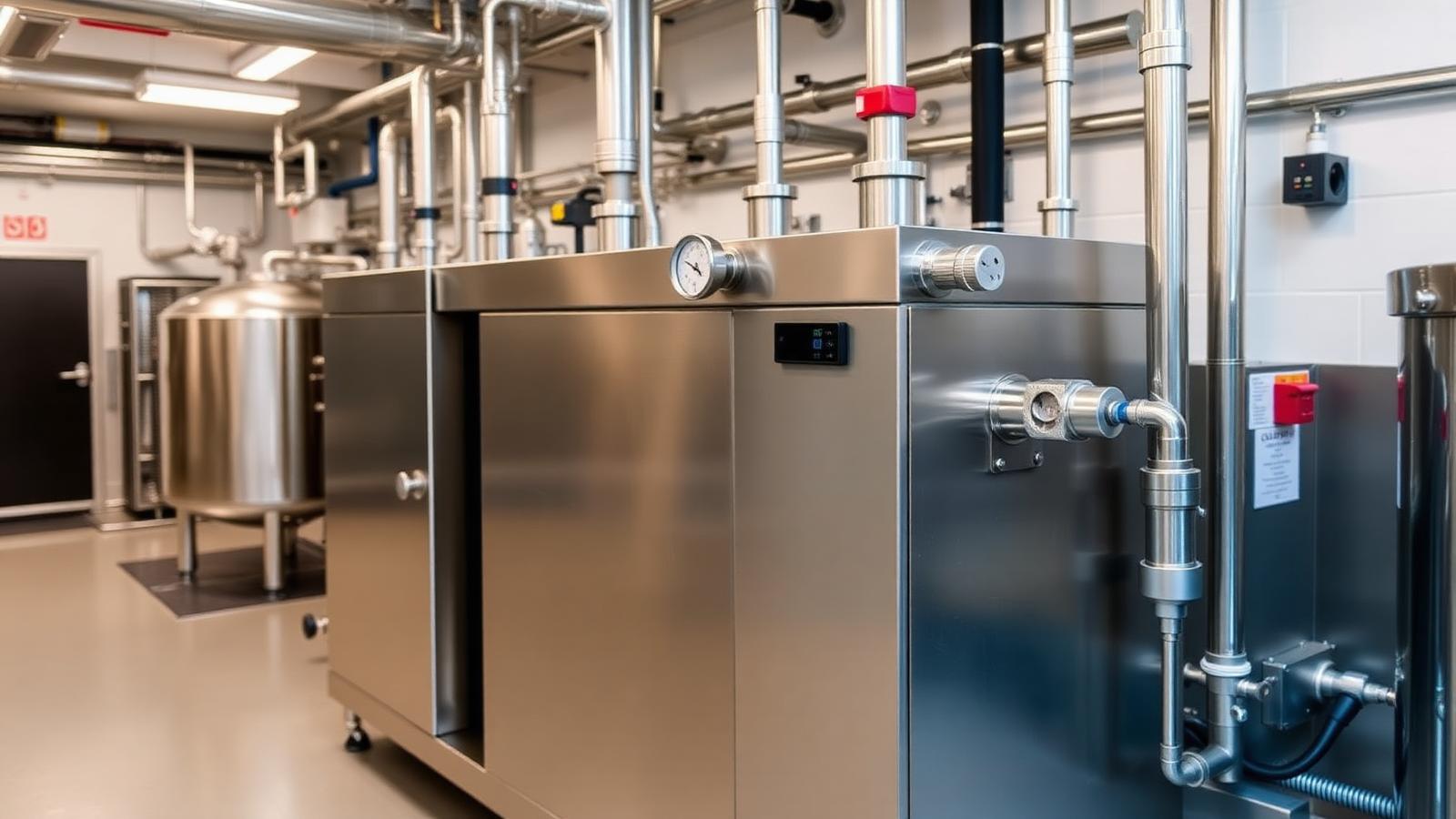
The Importance of Side Stream Filtration Commissioning
In the UK building services sector, the transition from construction to occupancy is a high-risk period for HVAC infrastructure. Proper side stream filtration commissioning ensures that the initial surge of debris commonly found in new installations—such as flux residues, metal shavings, and mill scale—is effectively captured before it can settle in low-flow areas or damage delicate components like plate heat exchangers. By strictly adhering to CIBSE and BSRIA standards during the startup phase, Facility Managers and M&E contractors can mitigate the risk of premature system degradation. A failure to correctly commission these units often leads to immediate fouling, which significantly reduces the thermal efficiency of the entire circuit from day one.
When managing large-scale closed loops, the role of the side stream unit is to provide consistent water quality by processing a percentage of the total flow, typically 5% to 15% per hour. During commissioning, it is vital to verify that the flow rates through the skid align with the design specifications to achieve the necessary turnover rate. UKGP Industrial specializes in providing engineered solutions for these scenarios, manufacturing bespoke skids that facilitate precise control during this delicate phase. Without a methodical approach to the commissioning sequence, your water treatment regime may fail to reach the chemical equilibrium required by BS 8552, leading to expensive remedial flushing and potential litigation regarding system performance guarantees.
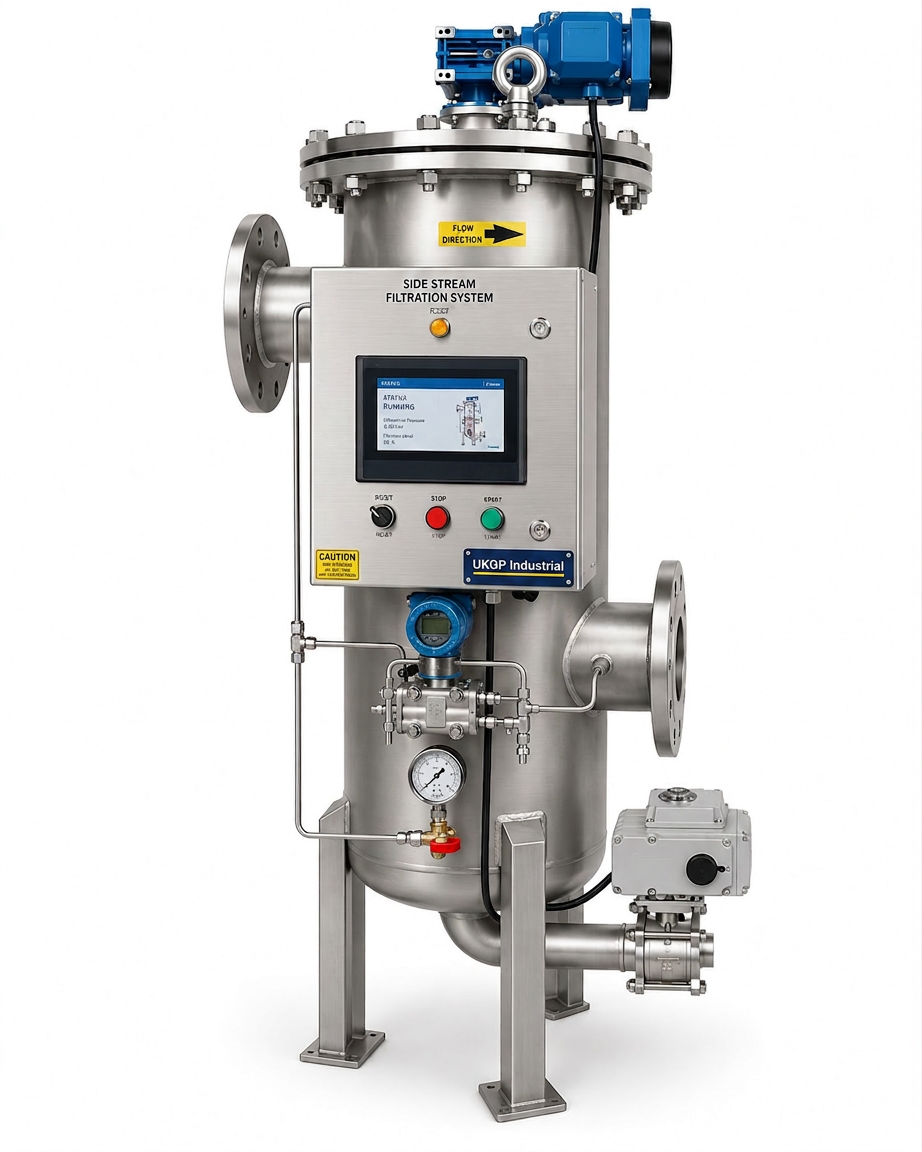
From a commercial perspective, the investment in a robust commissioning process protects the capital expenditure of the main plant. UKGP provides side stream filtration skids starting from £6,800+VAT, which are made to order with a 6-8 week lead time. These units, available in sizes from DN50 to DN100, are supplied with a 2-year warranty, giving engineers peace of mind that the hardware is built to withstand the rigours of industrial commissioning. Ensuring the skid is correctly integrated into the building management system (BMS) during the initial walkthrough allows for proactive monitoring of pressure differentials, which serves as the primary indicator for filter bag or cartridge replacement during the first few months of high-load debris removal.
- Adherence to BSRIA BG29/2021 pre-commissioning cleaning standards.
- Mitigation of bacterial growth and bio-corrosion through early filtration.
- Protection of high-efficiency boiler heat exchangers and cooling coils.
- Verification of specified turnover rates (5-15% of system volume per hour).
Pre-Start Mechanical Verification Steps
Before the side stream filtration commissioning process begins, a thorough mechanical inspection is required to ensure the skid is installed in the optimal location. Typically, this should be on the return line of the primary loop where pressure is sufficient to drive flow but before the water returns to the heat source. Contractors must verify that all isolation valves are correctly oriented and that the bypass line is fully functional. This allows the system to remain operational should the filtration skid require maintenance or if the filter media becomes blinded during the initial heavy-loading phase. Ensuring that the unit is level and securely bolted to the plant room floor prevents vibration issues that could compromise the integrity of the pipework connections over time.
The electrical integration is equally critical during the pre-start phase. Commissioning engineers must check that the control panel is receiving the correct voltage and that any automated valves or sensors are calibrated. If the skid includes a booster pump, the rotation must be checked to avoid dry-running or cavitation, which can cause immediate damage to the mechanical seals. It is also the ideal time to ensure that drain-off points are accessible and piped to a suitable foul drain in accordance with local water authority regulations. These preparatory steps reduce the likelihood of site delays and ensure that once the system is live, the focus remains entirely on water quality and particulate removal rather than fixing basic installation errors.
For projects requiring tailored solutions, UKGP offers made-to-order skids that can be customized to fit specific plant room footprints, which is often a challenge in UK refurbishments. Our DN50 to DN100 skids are designed for ease of access, ensuring that the commissioning technician can perform all necessary checks without requiring specialist tools or excessive downtime. By choosing a UK-manufactured unit with a 2-year warranty, you are securing a product that has been pressure tested and pre-wired to simplify the site commissioning workflow. Always consult the manufacturer's O&M manual to verify that the specified pipe diameters for the inlet and outlet match the skid connections to prevent unwanted pressure drops across the filtration circuit.
- Validate correct positioning on the low-pressure side of the circuit.
- Confirm bypass valve functionality for uninterrupted system operation.
- Inspect all electrical junctions and sensor calibrations for BMS synergy.
- Verify that drain-down facilities are compliant with environmental waste regulations.
Optimising Flow Rates and Pressure Differentials
The core of side stream filtration commissioning lies in the accurate setting of flow rates. Utilizing a commissioning set or flow measurement device, the engineer must balance the skid to ensure it draws the designed volume without stripping the main pump's head pressure. According to BSRIA BG50, maintaining the correct velocity through the filtration media is essential; if the velocity is too high, particulates may be forced through the media, whereas too low a velocity will result in inefficient debris capture. During the first 24 to 48 hours of operation, the pressure differential across the filter should be monitored closely, as the 'new build' debris will quickly load the media, necessitating the first filter changeout much sooner than the standard maintenance interval.
UKGP skids often include high-visibility pressure gauges that allow for instant monitoring of the delta-P. During commissioning, the 'clean' pressure drop should be recorded as a baseline. As the system circulates, the engineer should log the time it takes for the pressure to reach the manufacturer's recommended change-out threshold. This data is invaluable for the Facility Manager, as it helps establish a realistic maintenance schedule for the first year of operation. If the pressure rises too rapidly, it may indicate a higher level of systemic contamination than initially suspected, perhaps requiring a review of the chemical dosing strategy or an additional flush of the secondary branches to bring the water quality within BS 8552 parameters.
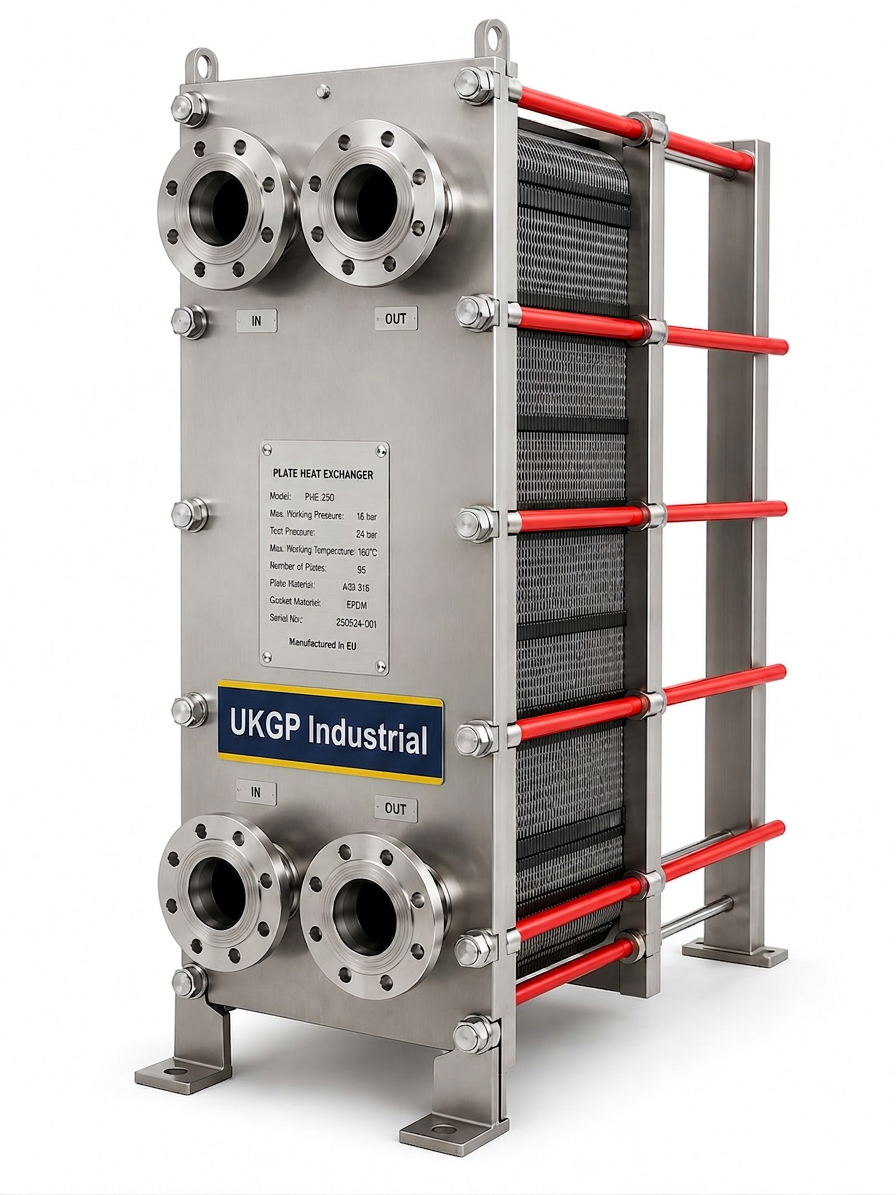
Integrating the side stream unit with other plant room components is also essential. For instance, if the system utilizes plate heat exchangers for hydraulic separation, the side stream filter must be operational before these exchangers are brought online. Plate heat exchangers are notoriously sensitive to suspended solids, which can clog the narrow plate channels and lead to significant performance drops. By ensuring the side stream filtration commissioning is completed successfully, you protect these expensive assets from fouling. Our team at UKGP can provide technical advice on how to sequence this startup to maximize the lifecycle of your entire HVAC suite, from dosing pots to expansion bellows, ensuring all components work in harmony.
- Establish baseline 'clean' pressure drop for future maintenance reference.
- Balance flow rates to achieve 5-15% system volume turnover per hour.
- Monitor delta-P hourly during the initial 48-hour run-in period.
- Cross-reference flow data with CIBSE commissioning codes for accuracy.
Chemical Dosing and Water Quality Verification
Commissioning is not purely a mechanical exercise; it is also a chemical one. Once the side stream filtration skid is operational, the water chemistry must be analyzed to ensure that inhibitors and biocides are evenly distributed throughout the loop. The filtration process aids in this distribution by creating turbulence and ensuring that the water is constantly being moved through a high-point of contact. During this stage, it is common to use sampling points on the filtration skid to take water samples for laboratory analysis. The goal is to verify that the suspended solids (TSS) levels are dropping in accordance with the project’s water treatment plan, typically targeting levels below 30mg/L for closed heating and cooling systems.
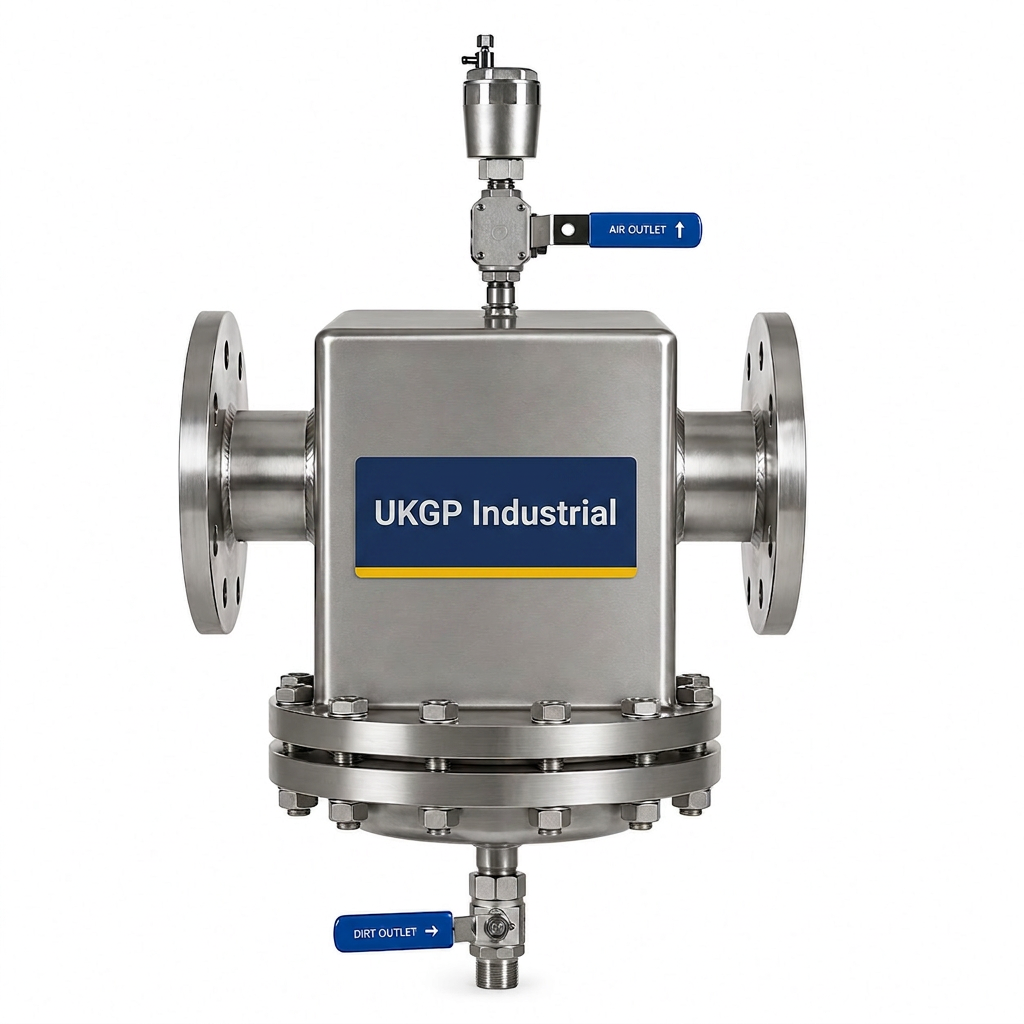
If the initial samples show high levels of iron or copper, the commissioning engineer may decide to use a finer micron rating for the filter bags temporarily. UKGP skids are versatile, allowing for a range of filter media to be deployed depending on the specific needs of the commissioning phase. It is important to remember that while the side stream filter removes physical particles, it does not replace the need for a correct chemical balance. Instead, it works synergistically with chemicals; by removing the solids that bacteria cling to, the biocide becomes more effective, and the inhibitor can form a more consistent protective layer on the internal pipe surfaces, preventing the localized corrosion that often leads to pinhole leaks.
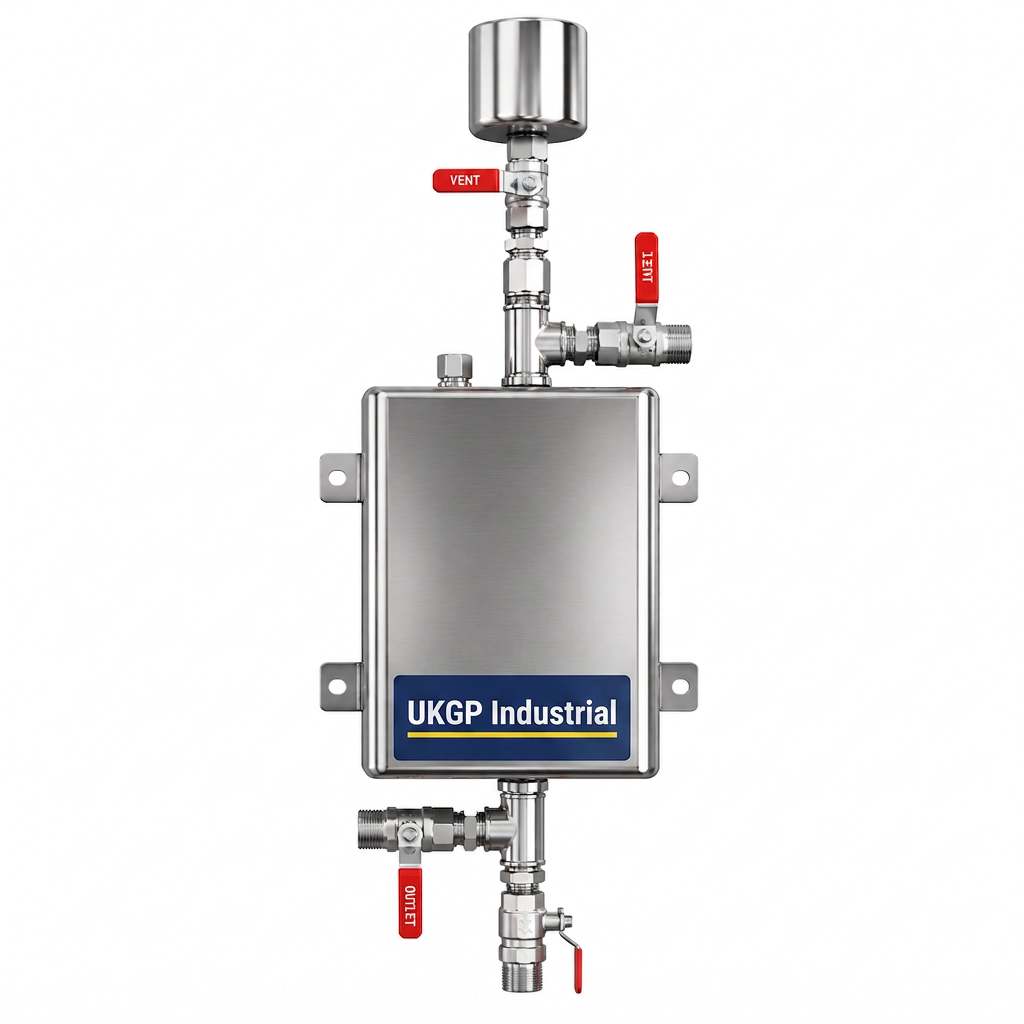
Furthermore, the use of a dosing pot in conjunction with the filtration skid is a standard requirement for UK plant rooms. During commissioning, the engineer should verify that chemical additions are made via the dosing pot and that the side stream unit is effectively moving these chemicals through the system. If the system water remains turbid after several days of operation, it may indicate that the side stream flow rate is insufficient or that there is a dead leg in the system preventing proper circulation. Addressing these issues during the commissioning phase is significantly cheaper than dealing with a scaled or corroded system six months down the line. UKGP offers a range of chemical dosing pots to complement our filtration systems, ensuring a complete water quality solution.
- Sample water at the skid to verify Total Suspended Solids (TSS) reduction.
- Ensure uniform distribution of corrosion inhibitors and biocides.
- Adjust filter micron ratings based on real-time laboratory sample results.
- Confirm synergy between physical filtration and chemical dosing regimes.
BMS Integration and Final Handover
The final stage of side stream filtration commissioning involves the integration of the unit's telemetry with the building management system. Modern UK plant rooms rely on remote monitoring to maintain operational efficiency without the need for constant physical inspections. The commissioning engineer must verify that the high-pressure alarm on the filter skid correctly triggers a notification on the BMS head-end. This alert informs the onsite team that the filter media requires replacement. Without this integration, the filter could remain in a bypassed or blocked state for weeks, leaving the system vulnerable to the very debris the unit was installed to remove, ultimately leading to higher energy bills and potential component failure.
Handover documentation is the cornerstone of a successful commissioning project. This should include the commissioned flow rates, the initial pressure readings, a record of the filter media used, and a clear maintenance schedule. Providing the Facility Management team with a set of 'as-commissioned' data allows them to track the performance of the system over time. At UKGP, we provide comprehensive O&M manuals with every filtration skid, which are essential for this handover process. Our units, made to order and delivered within 6-8 weeks, are designed to be user-friendly, ensuring that the transition from the commissioning team to the permanent maintenance staff is as seamless as possible.
Client training is the final, often overlooked, part of commissioning. The engineer should demonstrate how to safely isolate the skid, bleed the pressure, and replace the filter bags. Highlighting the safety features of UKGP skids, such as the 2-year warranty and robust DN50-DN100 construction, builds confidence in the end-user. By demonstrating that the unit is easy to maintain, you increase the likelihood that the maintenance schedule will be followed, ensuring the long-term health of the building's HVAC assets. A well-commissioned side stream filter is a 'fit and forget' solution only if the operators understand how to handle the routine consumables that keep the system running cleanly.
- Test BMS alarm functionality for high pressure and pump failure.
- Assemble comprehensive O&M manuals with commissioning data logs.
- Conduct onsite training for FM staff on filter media replacement.
- Confirm warranty registration and supply a 12-month consumable kit.
Technical Specifications and Procurement
Selecting the right equipment is the foundation of effective commissioning. UKGP Industrial manufactures side stream filtration skids that are specifically designed for the UK market's rigorous standards. Our units are available in sizes ranging from DN50 to DN100, ensuring they can handle the flow requirements of everything from medium-sized commercial buildings to large industrial complexes. With pricing starting at £6,800+VAT, these skids offer a cost-effective way to comply with BSRIA guidelines while protecting significant investments in plant room technology. Each unit is made to order in the UK, typically with a 6-8 week lead time, allowing for project-specific customization such as pump upgrades or bespoke control logic.
Our commitment to quality is backed by a 2-year warranty on all industrial filtration skids. This provides contractors and consultants with the assurance that the equipment will perform reliably throughout the critical first years of a building's life. When specifying a unit, engineers must consider not only the peak flow but also the ease of maintenance and the availability of replacement parts. UKGP maintains a stock of standard consumables, ensuring that once your system is commissioned, you are never left waiting for parts. The robust construction of our skids ensures they can withstand the high-flow flushing and chemical cleaning processes often required during the pre-commissioning phase of major mechanical projects.
If you are currently in the design or procurement phase of an M&E project, our technical team is available to assist with sizing and specification. Whether you need a standard DN50 unit for a localized loop or a high-capacity DN100 skid for a primary energy centre, UKGP provides the expertise needed to ensure your side stream filtration commissioning is a success. Contact us for a detailed quote or to discuss your specific project requirements. Investing in high-quality UK manufacturing ensures that your building’s water systems remain efficient, reliable, and compliant with all relevant industry standards, reducing the total cost of ownership over the facility's lifespan.
- Units available from DN50 to DN100 to suit any system volume.
- UK-made to order with a standard 6-8 week lead time.
- Competitive pricing starting from £6,800+VAT with 2-year warranty.
- Direct access to UK-based technical support and bespoke engineering.
Frequently asked questions
What is the recommended flow rate for side stream filtration commissioning?
- Per BSRIA BG50 guidelines, side stream filtration should typically process between 5% and 15% of the total system volume every hour. During commissioning, this flow rate must be verified using a flow meter or balanced via a commissioning set to ensure the turnover is sufficient to maintain water clarity.
How often should filters be changed during the commissioning phase?
- During the initial commissioning and startup of a new system, filters may need to be changed as often as every few hours or days due to the high volume of construction debris. Once the system stabilizes, this interval usually extends to every 3-6 months, depending on the water quality results.
Does a side stream filter remove the need for chemical flushing?
- No, it complements the process. BSRIA BG29 requires a thorough pre-commissioning clean and flush. The side stream filter is then commissioned to maintain that level of cleanliness and remove any remaining particulates or fine magnetite that flushing might have missed or that develops over time.
Can UKGP provide bespoke skids for tight plant room spaces?
- Yes, our side stream filtration skids are made to order in the UK. We can customize the layout and dimensions for sizes DN50 to DN100 to suit specific site constraints, typically within a 6-8 week lead time, ensuring they fit perfectly into your commissioning schedule.
What is the standard warranty on UKGP filtration skids?
- We provide a 2-year warranty on our industrial side stream filtration skids. This covers the integrity of the vessel, the frame, and the integrated control components, providing reliability for both the installer during commissioning and the end-user during operation.