Understanding the side stream filter piping diagram basics
A well-engineered side stream filter piping diagram serves as the technical blueprint for integrating secondary filtration into an existing or new-build HVAC circuit. Unlike full-flow filtration, which can be prohibitively expensive and physically massive for multi-megawatt systems, the side stream approach focuses on processing between 5% and 15% of the total system flow. The diagram must clearly illustrate the takeoff and return points, typically positioned across the main circulating pumps to utilise the differential pressure, or via a dedicated booster pump for consistent flow. In the UK, following BSRIA BG29 and BG50 guidelines is mandatory for ensuring that water quality remains within specific particulate limits, preventing the build-up of magnetite and non-ferrous debris that plagues modern high-efficiency boilers.
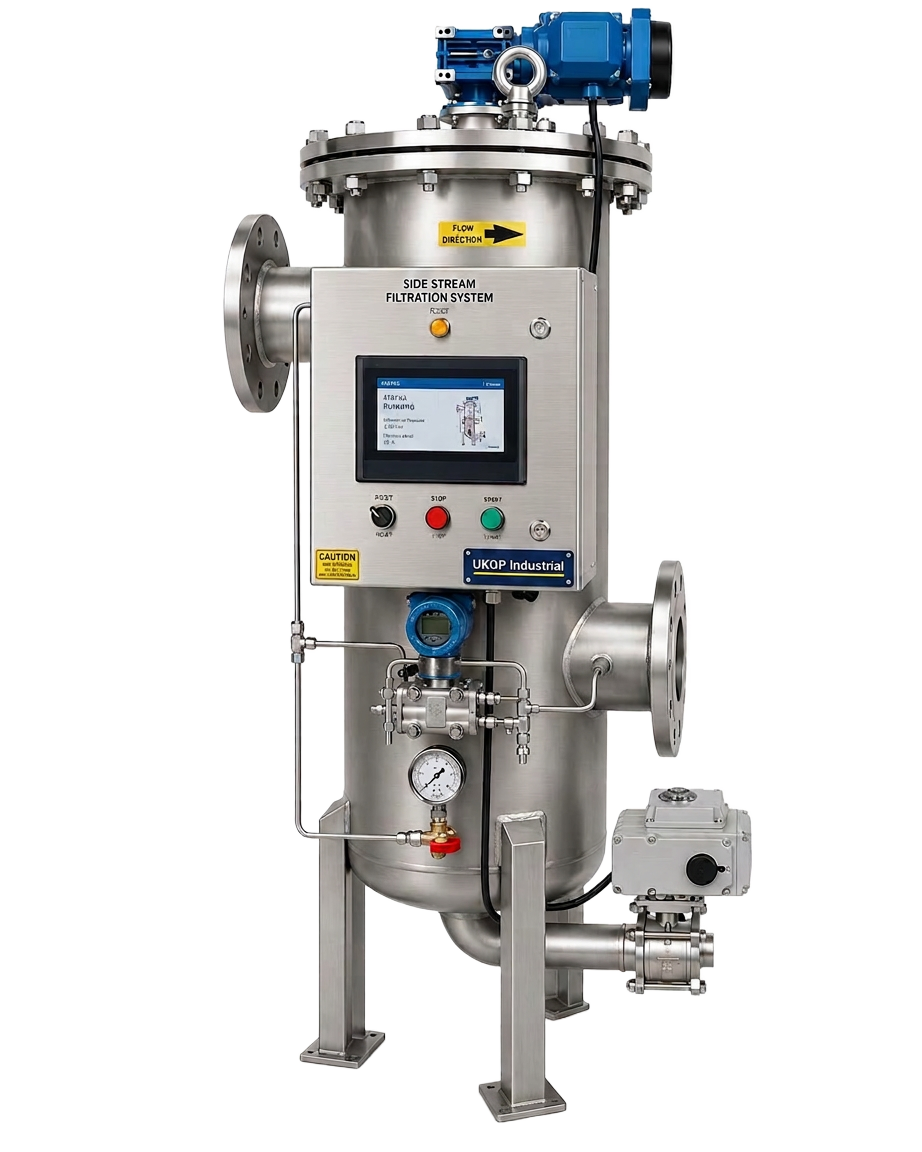
From a procurement and design perspective, the side stream filter piping diagram must account for the specific footprint of the plant room. UKGP Industrial specializes in manufacturing these skids to order, ensuring that the physical unit aligns perfectly with your site-specific CAD drawings. Our side stream filtration skids are available from £6,800+VAT, typically featuring DN50 to DN100 connections to suit various commercial capacities. When consultants specify these units, they often look for clear documentation that matches the schematics provided by the lead designer. Accurate labeling of valves, gauges, and sample points within the diagram avoids costly remedial work during the commissioning phase and ensures that the final installation mirrors the intent of the original mechanical specification.
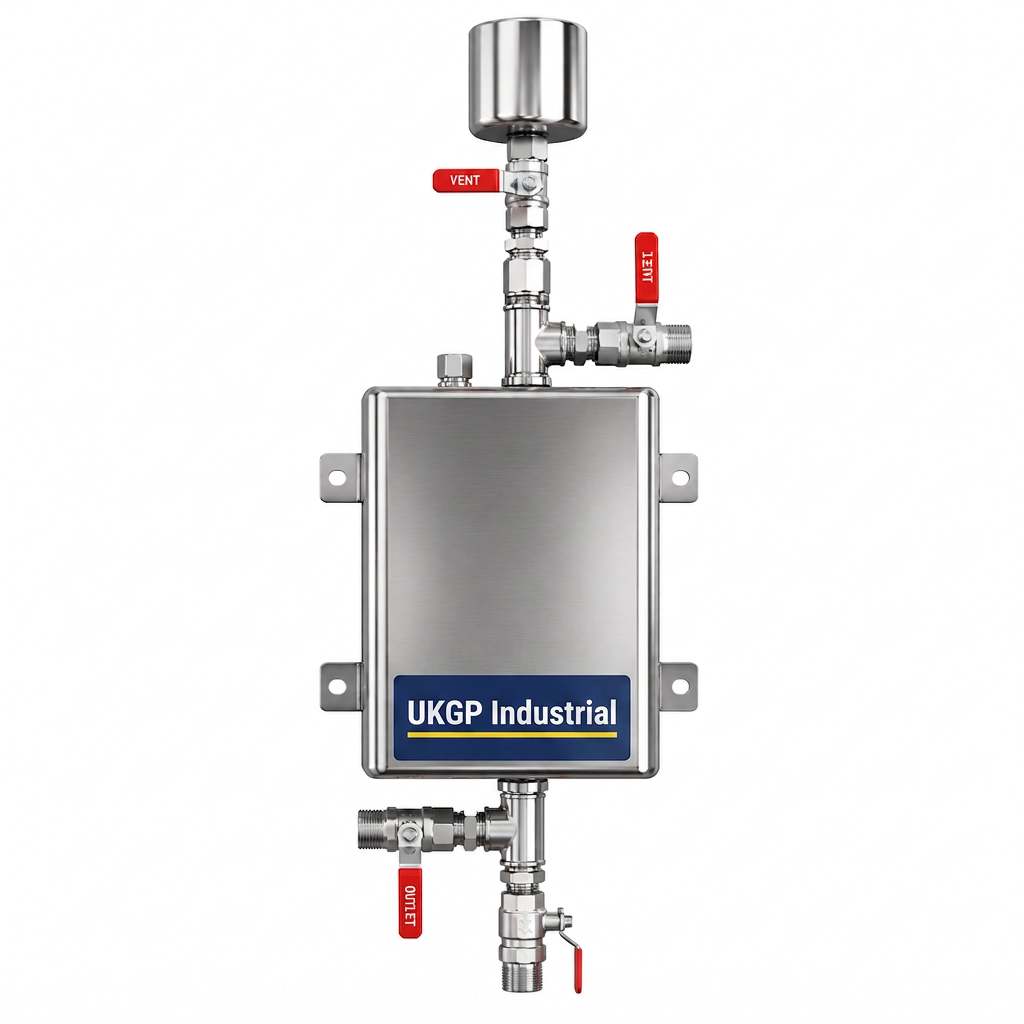
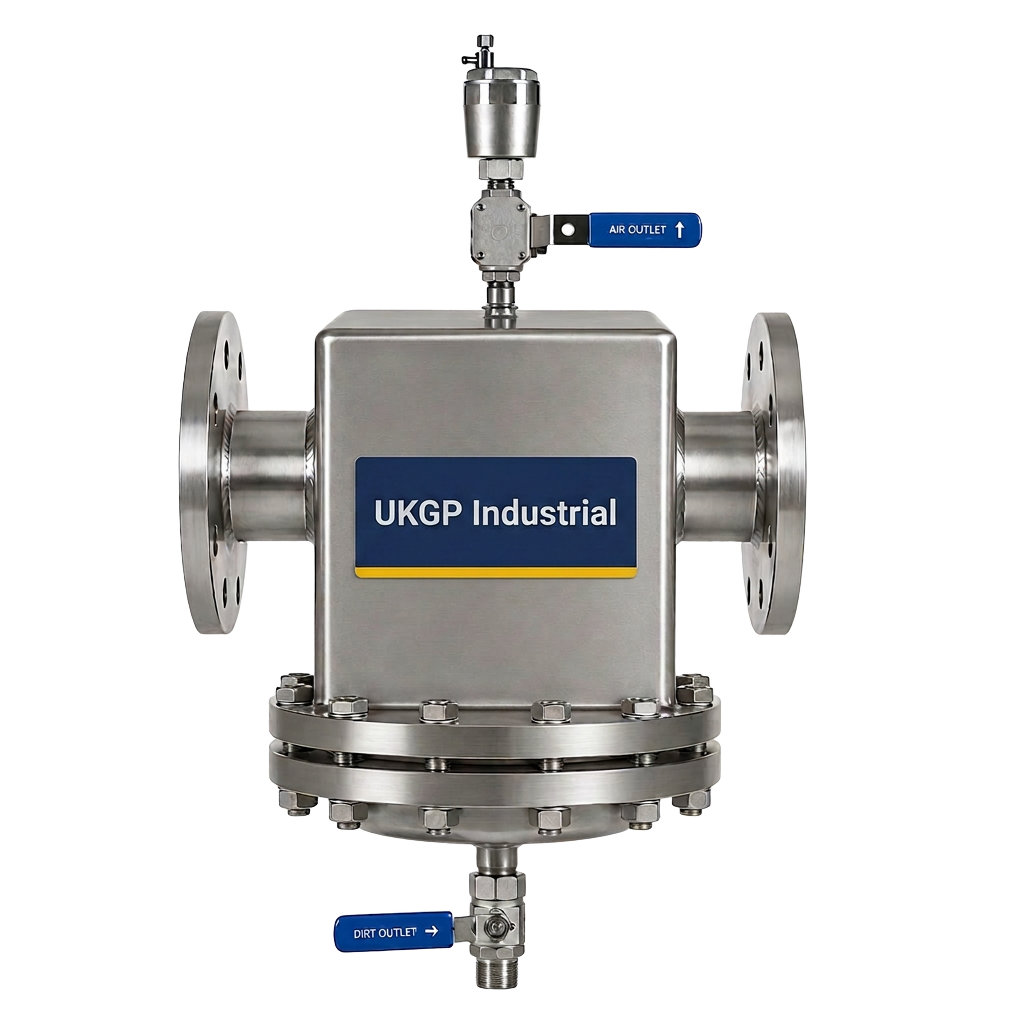
Precision in the initial layout phase cannot be overstated, particularly when dealing with tight plant room constraints common in London and other major UK cities. The piping diagram acts as the primary communication tool between the design consultant and the site-based M&E contractor. It defines where the chemical dosing pot is located in relation to the filter and how the air and dirt separators interact with the secondary loop. By providing a clear side stream filter piping diagram, we help facilitate a smoother approval process, allowing projects to proceed with confidence. With a standard 6-8 week lead time, having an approved diagram early is vital for synchronising equipment delivery with the wider construction or refurbishment schedule.
- Integration of DN50 to DN100 connection sizes
- Alignment with BSRIA BG50 water quality standards
- Clear identification of inlet and outlet isolation valves
- Provisions for differential pressure monitoring
The Importance of the Bypass Arrangement
A critical feature of any professional side stream filter piping diagram is the inclusion of a comprehensive bypass arrangement. This setup allows the filtration unit to be isolated for maintenance, such as bag changes or media backwashing, without necessitating a total system shutdown. Within the context of a UK commercial building, downtime is often not an option for FM teams. The bypass ensures that water continues to circulate through the main header while the filter vessel is depressurised. This is particularly relevant when treating systems that have high levels of suspended solids during the early stages of a BG29 pre-commission cleaning process. The bypass must be designed with high-quality isolation valves to prevent weeping or pressure loss when the filter is offline.
Designers must ensure the bypass is not a 'dead leg' that could harbour bacteria or stagnant water. The side stream filter piping diagram should demonstrate how the bypass remains flushed or is easily isolatable when not in use. For UKGP Industrial units, we include a 2-year warranty as standard, reflecting the durability of our valve selections. When contractors install a skid based on our recommended piping layout, they ensure that the system remains CIBSE compliant. Providing a clear path for the water through the bypass also allows for easy recalibration of flow meters or sensors without impacting the primary heating or cooling circuit's performance. This level of granular control is what separates high-specification industrial installations from basic residential setups.
Navigating the complexities of bypass hydraulics requires an understanding of the pressure drops involved. An incorrectly positioned valve in the bypass can lead to hydraulic imbalances or insufficient flow through the filter media once the bypass is closed. Our technical team works closely with engineers to ensure the side stream filter piping diagram reflects the real-world resistance of the pump and the filter vessel. If you are currently specifying a system for a mid-to-large scale commercial project, requesting a quote for a bespoke UKGP skid ensures you receive a unit designed specifically for these bypass requirements. Our skids are made to order in the UK, providing a level of quality and support that imported alternatives struggle to match, especially regarding long-term spare parts availability.
- Ensures 24/7 system uptime during filter maintenance
- Prevents the creation of stagnant dead legs in the circuit
- Simplifies the bag or media replacement process
- Protects the system from bypass-induced hydraulic imbalances
Technical Specifications and Connection Sizes
When translating a side stream filter piping diagram into a physical installation, the connection sizes are a primary concern. Most UK commercial systems require DN50, DN65, DN80, or DN100 flange connections to handle the necessary flow rates without excessive velocity noise or erosion. The piping diagram should specify the flange rating, typically PN16 for most standard UK plant rooms, and the material of construction, such as carbon steel or stainless steel. UKGP Industrial skids are designed to be 'plug and play,' meaning they arrive on site with all internal pipework completed, pressure tested, and ready for connection to your flow and return headers. This significantly reduces the site labour required, which is a major cost factor for M&E contractors today.
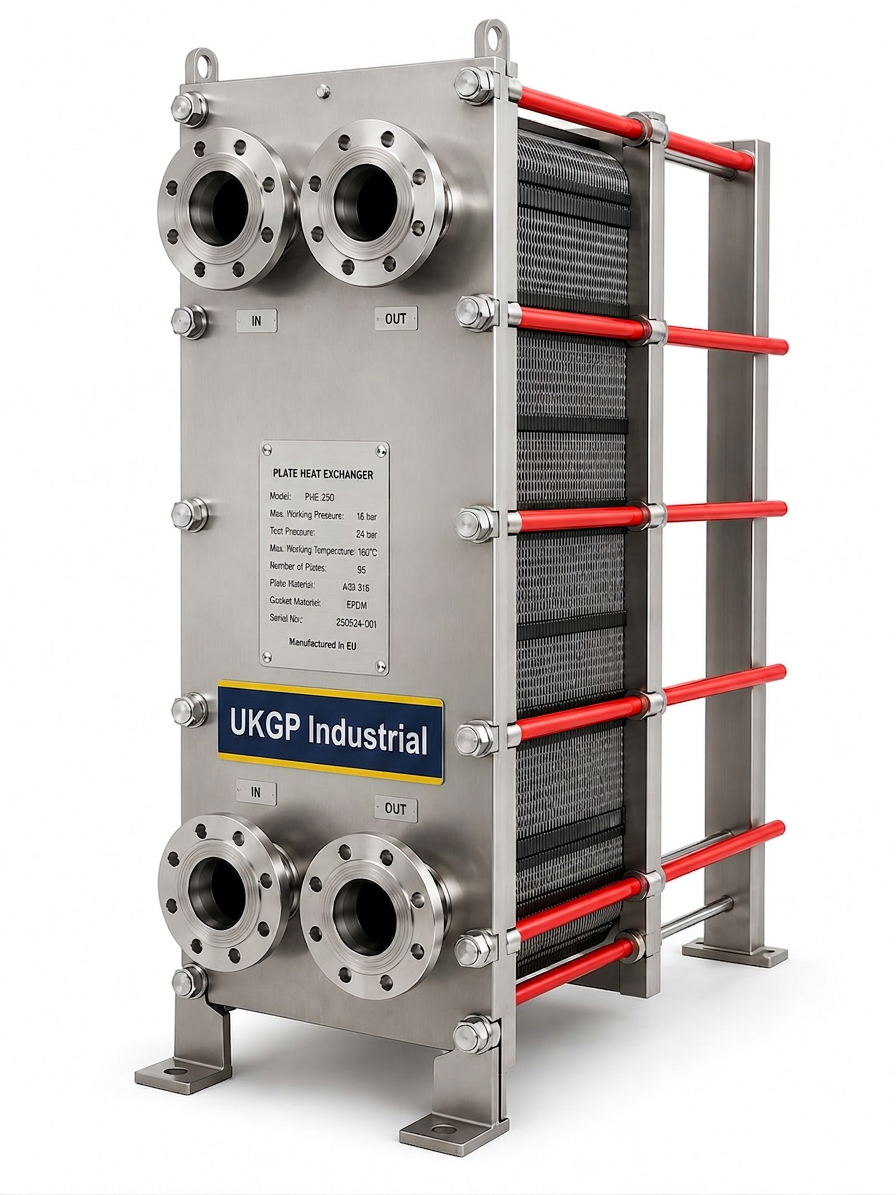
Thermal efficiency is another factor that interacts with the filter placement. If a system includes a plate heat exchanger, the side stream filter piping diagram must show the filter positioned to protect the narrow channels of the exchanger from clogging. Debris such as scale or weld slag can quickly reduce the heat transfer coefficient, leading to increased energy costs and potential equipment failure. By placing the filtration takeoff before the heat exchanger within the schematic, you build in a layer of mechanical protection that extends the life of the entire plant. At UKGP, we see the filtration skid as the 'kidneys' of the building, constantly cleaning the circulating water to ensure all other components, including those heat exchangers, operate at peak design efficiency.
The commercial reality of modern construction involves balancing lead times and budget. With side stream filtration skids starting at £6,800+VAT, they represent a high-value investment in building longevity. The side stream filter piping diagram is the document that justifies this investment to the end client or procurement lead. It shows a commitment to Best Practice as outlined in BS 8552 and BSRIA standards. Because our units are made to order with a 6-8 week lead time, it is vital that the piping diagrams are finalised early in the project lifecycle. This allows for accurate site preparation, ensuring that when the skid arrives, it fits perfectly into the allocated space with minimal adjustment to existing pipework, thereby keeping project timelines on track.
- Standard flange sizes from DN50 up to DN100 available
- PN16 pressure rating suitable for most UK commercial apps
- Compatible with stainless steel or carbon steel plant rooms
- Integrated support for protecting plate heat exchangers
Flow Control and Monitoring in the Piping Layout
A sophisticated side stream filter piping diagram does more than just show pipes; it details the control logic and monitoring points necessary for efficient operation. This includes differential pressure switches that can trigger an alarm when the filter bag is blinded, or flow metres that confirm the side stream flow is within the design parameters. In any UK commercial HVAC system, the goal is to achieve constant water quality improvement without wasting energy. If the flow rate depicted in the piping diagram is too high, it might cause turbulence; if too low, the filtration becomes ineffective at removing finer particles. Our skids are engineered to strike this balance perfectly, providing the data points needed for BMS integration.
Consider the inclusion of sample valves within your side stream filter piping diagram. These allow water treatment specialists to take consistent samples before and after the filter, proving the efficacy of the unit. This data is essential for compliance with BG50, which mandates regular water testing and log-keeping for closed-loop systems. By providing dedicated sampling points on the skid, UKGP Industrial makes it easier for FM teams to stay compliant. When you request a quote for our filtration systems, we can discuss the integration of these features directly into your custom build, ensuring that your specific site requirements for data and monitoring are met from day one.
Finally, the piping diagram should indicate the location of air vents and drain valves. Air within a side stream loop can lead to pump cavitation or air-locking within the filter vessel, reducing its capacity. Manual or automatic air vents at the highest point of the skid pipework are standard requirements. Similarly, a dedicated drain point allows the vessel to be emptied quickly for maintenance without spilling water across the plant room floor. These practical design choices, when clearly marked on the side stream filter piping diagram, demonstrate a professional approach to mechanical design that UK consultants and plant-room engineers expect. Our 2-year warranty backstops these quality components, giving you peace of mind that the system will perform consistently.
- BMS integration via differential pressure switches
- Dedicated sampling points for BG50 water testing
- Strategic placement of air vents to prevent air-locks
- Practical drain points for mess-free maintenance
Cost and Lead Time Considerations for UK Projects
Budgeting for commercial HVAC projects requires transparency and reliability from suppliers. In the UK market, a high-quality side stream filtration system is a significant line item. At UKGP Industrial, our pricing starts from £6,800+VAT for standard units, though bespoke configurations tailored to specific side stream filter piping diagram requirements may vary. We pride ourselves on providing realistic lead times, typically 6-8 weeks from the moment the order is confirmed and the design is signed off. This allows mechanical contractors to schedule their labour effectively, knowing that the equipment will arrive as specified and on time to meet the project's 'water-on' milestones.
Investing in a made-to-order UK product also eliminates many of the risks associated with global supply chain volatility. Because we manufacture specifically for the UK market, our units conform to all relevant British Standards and use components that are familiar to UK-based maintenance engineers. When a side stream filter piping diagram is submitted for approval, having a UK-based manufacturer to answer technical queries can be the difference between a swift approval and a protracted back-and-forth. Our proximity also means that if site conditions change, we can often adapt our designs more quickly than an overseas competitor, providing a level of agility that is highly valued in the fast-paced construction sector.
Ultimately, the cost of the hardware is secondary to the cost of system failure. A poorly filtered system can lead to heat exchanger failure, pump seal damage, and blocked control valves, potentially costing tens of thousands of pounds in repairs and lost productivity. By following a robust side stream filter piping diagram and installing a UKGP skid, you are providing a cost-effective insurance policy for the building’s infrastructure. We invite all building services consultants and contractors to contact us for a detailed quote. Our team will review your requirements and provide a solution that matches your piping diagram exactly, backed by our 2-year warranty and expert technical support.
- Pricing starting from £6,800+VAT for UK-made skids
- Reliable 6-8 week lead times for project planning
- 2-year warranty provided on all bespoke filtration units
- Reduced long-term maintenance costs through better water quality
Finalising the side stream filter piping diagram for Site
Before the first pipe is cut, the final side stream filter piping diagram must be reviewed against the as-built conditions of the plant room. Often, minor adjustments are needed to accommodate structural beams or existing services. It is during this final stage that the value of a detailed CAD drawing provided by the manufacturer becomes apparent. At UKGP Industrial, we ensure that our submittal drawings align with your overall piping schematic, making the physical installation move as smoothly as possible. This collaborative approach ensures that the bypass arrangement is accessible for the Facilities Management team and that all gauges are visible for routine inspections.
Consider also the placement of chemical dosing pots in relation to the filter. While the side stream filter piping diagram focuses on removing solids, the dosing pot is necessary for adding inhibitors and biocides. These two components work in tandem: the filter cleans the water, and the chemicals prevent further corrosion or biological growth. Ideally, the dosing pot is located where it can benefit from the same differential pressure as the filter, but it must be clearly delineated on the schematic to avoid confusion during the pipe-fitting stage. Our team can provide guidance on the optimal positioning of all these ancillary components within your system layout.
In conclusion, a precise side stream filter piping diagram is the foundation of a successful water treatment strategy. It ensures compliance with BSRIA BG29 and BG50, protects expensive plant assets like boilers and chillers, and facilitates easier maintenance through a well-designed bypass. Whether you are working on a new DN100 header or a smaller DN50 retrofit, UKGP Industrial has the expertise and the hardware to bring your diagram to life. Our UK-made skids, competitive pricing starting at £6,800+VAT, and 2-year warranty make us the preferred partner for leading M&E contractors and consultants across the UK. Contact us today to discuss your next project and receive a technical quote.
- Verify CAD drawings against actual plant room space
- Coordination between filtration and chemical dosing points
- Ensure easy access for future FM maintenance teams
- Confirm all PN16/DN ratings match the site header
Frequently asked questions
What is the standard lead time for a UKGP side stream filter skid?
- Our units are typically made to order with a lead time of 6-8 weeks, ensuring they meet the specific requirements of your side stream filter piping diagram.
Do the skids include a bypass arrangement as standard?
- Yes, we highly recommend a bypass for maintenance. While the piping diagram defines the layout, our skids are designed to be easily integrated into a bypass loop with DN50 to DN100 connections.
Are UKGP products compliant with BSRIA BG50?
- Absolutely. Our side stream filtration systems are designed specifically to help building managers meet the water quality targets set out in BSRIA BG50 and BG29.
What is the starting price for a side stream filtration unit?
- Prices for our UK-manufactured side stream filtration skids start from £6,800+VAT, depending on flow rates and connection sizes.
What warranty is provided on your industrial units?
- We provide a comprehensive 2-year warranty on our side stream filtration skids, providing long-term peace of mind for UK M&E contractors and consultants.