Understanding the Side Stream Filter Micron Rating Chart
In the UK building services sector, specifying a side stream filtration system requires a nuanced understanding of particle size distribution within closed-loop heating and chilled water systems. A side stream filter micron rating chart acts as a technical baseline for engineers to compare different media types against the specific fouling risks of a facility. Most suspended solids in aged UK heating systems consist of magnetite, hematite, and biological debris, typically ranging from sub-micron levels up to 100 microns or more. For plant room engineers, the challenge lies in choosing a rating that captures the majority of destructive particles without causing premature blinding of the filter media or excessive pump energy consumption.
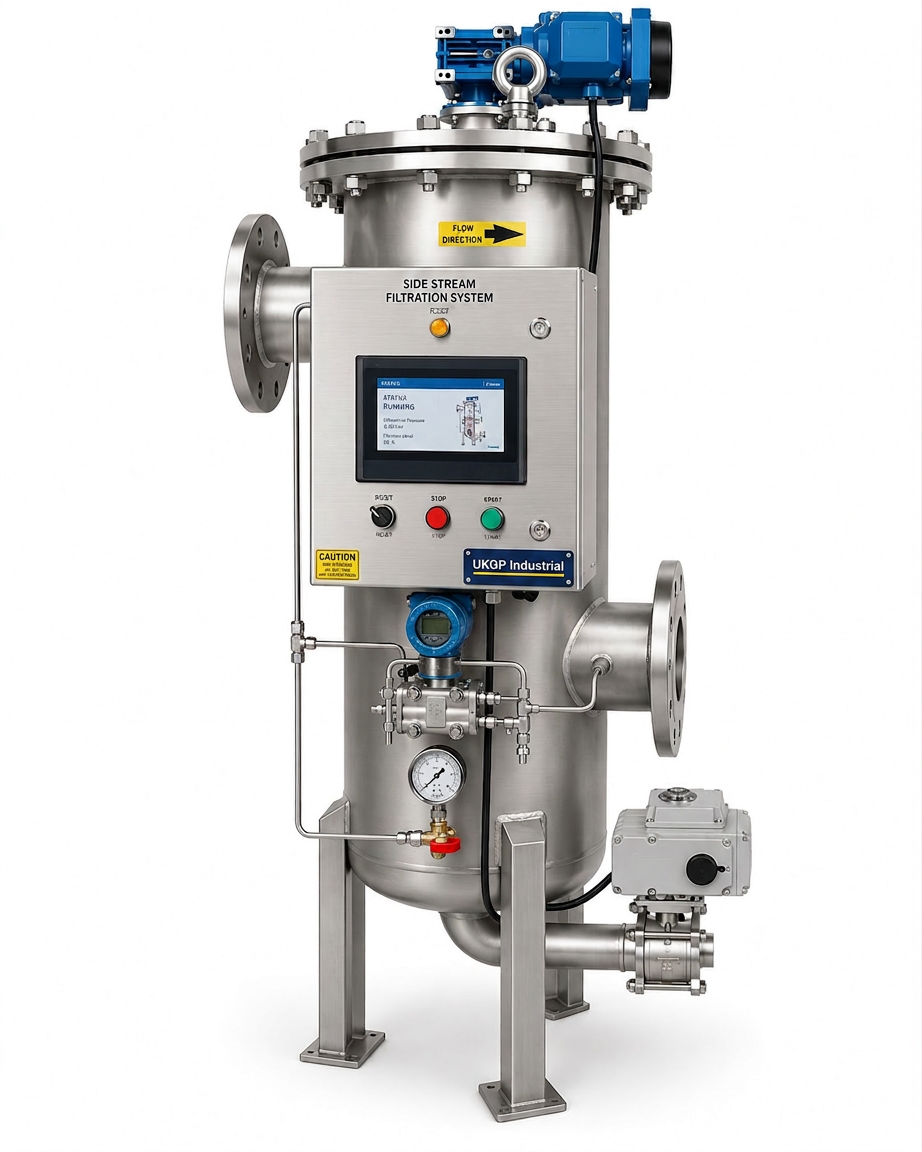
When consulting a side stream filter micron rating chart, one must distinguish between nominal and absolute ratings. Nominal ratings indicate the ability of the filter to capture a specific percentage of particles at a given size, whereas absolute ratings provide a near-certainty of capture for all particles above that threshold. Within the context of BSRIA BG50 'Water Treatment for Closed Heating and Cooling Systems', the objective is to keep total suspended solids (TSS) below 30mg/L. To achieve this in a commercial environment, UKGP side stream filtration skids are engineered to handle various grades of filtration, ensuring that even fine silit and magnetite are removed effectively to prevent the erosion of control valves and the fouling of delicate plate heat exchanger surfaces.
Choosing the wrong rating can lead to systemic failures. A micron rating that is too coarse will allow fine abrasive grit to circulate, leading to 'sandblasting' of pump seals and valve seats. Conversely, an overly restrictive rating—while theoretically cleaner—will lead to frequent maintenance call-outs and high consumable costs as bags or cartridges clog every few days. This is why UKGP Industrial provides bespoke advice for UK contractors, ensuring our made-to-order skids, starting from £6,800+VAT, are fitted with the appropriate media for the specific system volume and current water quality status as determined by professional laboratory analysis of the circulating fluid.
- 1 to 5 Microns: Ideal for removing fine silt and bacteria-sized debris in high-performance chilled water circuits.
- 10 to 25 Microns: The 'Sweet Spot' for most commercial LTHW systems to capture magnetite without excessive maintenance.
- 50+ Microns: Generally used for coarse pre-filtration or systems with heavy industrial debris following a flush.
- Absolute vs Nominal: Always verify which standard the chart uses to avoid misleading performance expectations.
- Material Compatibility: Ensure filter bags are rated for the operating temperatures of your LTHW or steam-condensate system.
BSRIA BG29 and BG50 Compliance for UK Plant Rooms
Adherence to BSRIA BG29 (Pre-commission cleaning) and BG50 (Maintenance of water quality) is non-negotiable for modern UK facility management. These standards emphasize that water quality management is a continuous process rather than a one-off event during commissioning. A side stream filter micron rating chart provides the visual hierarchy needed to align your hardware choice with these regulatory expectations. For example, during the initial clean up of an old system, a multi-stage approach is often recommended, starting with a 50-micron bag to catch construction debris and scaling down to a 5-micron or 1-micron polish once the bulk of the larger particles have been evacuated from the loop.
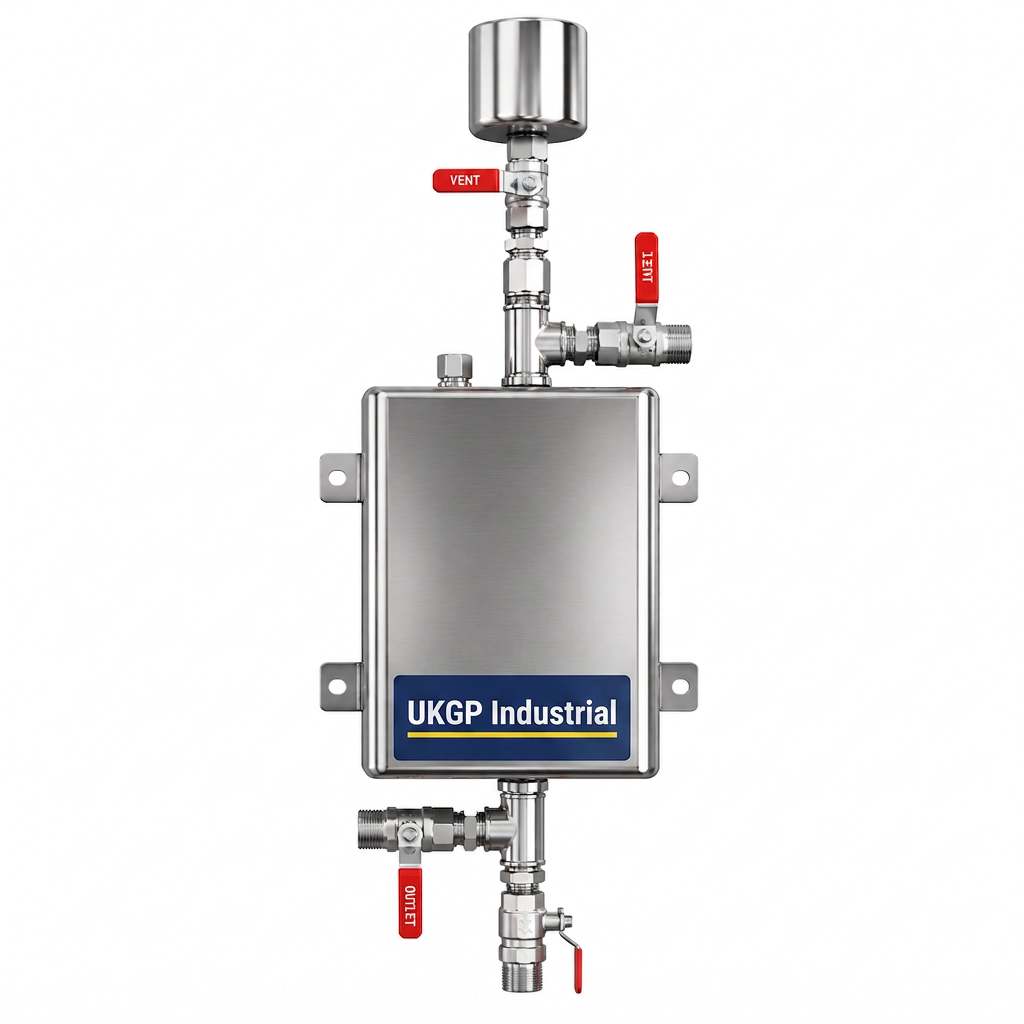
BSRIA BG50 specifically highlights the importance of side stream filtration in reducing the risk of microbiologically influenced corrosion (MIC). By removing the physical debris that serves as a reservoir for bacteria, such as Pseudomonas or sulphate-reducing bacteria (SRB), the filtration process enhances the efficacy of chemical biocides introduced via dosing pots. This synergy between physical filtration and chemical treatment is the cornerstone of UKGP Industrial's approach to plant room longevity. Our skids are designed with standard DN50 to DN100 connections, making them easy to integrate during life-cycle replacement projects where system protection is the primary driver for procurement teams and M&E contractors.
For consultants designing new schemes, the specification should clearly state the target micron rating required for the project's life-cycle. Utilizing a side stream filter micron rating chart helps in justifying the ROI of a high-quality UKGP skid. By maintaining water clarity, the heat transfer efficiency of the system is preserved, directly impacting energy bills and carbon footprints. Our units come with a 2-year warranty and a standard 6-8 week lead time, ensuring that your project stays on track with the UK's most reliable filtration technology, manufactured right here in Surrey to meet the highest engineering standards required for prestigious commercial developments.
- Verification: Use BS 8552 sampling methods to verify if your current micron rating is achieving the desired TSS targets.
- Sustainability: Cleaner water leads to lower pump head requirements and reduced thermophysical resistance in heat exchangers.
- Liability: Following BSRIA guidelines protects consultants from professional indemnity claims related to system corrosion.
- Documentation: Keeping a log of filter bag changes and micron sizes used is a key requirement for BG50 logbook compliance.
Optimising Plate Heat Exchanger Protection
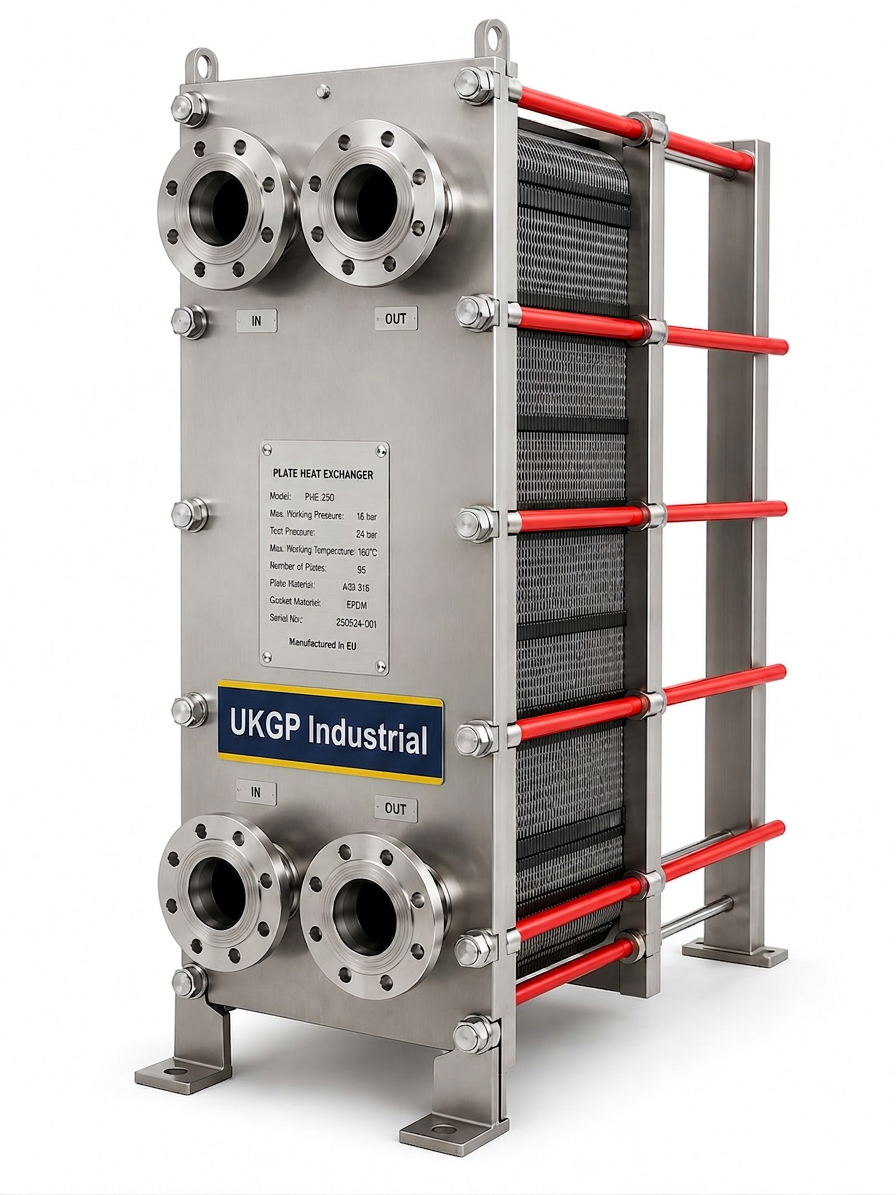
Plate heat exchangers (PHEs) are particularly vulnerable to particulate fouling due to the narrow gaps between the thermal plates. If the water quality is not managed according to a side stream filter micron rating chart, these gaps can quickly become bridged by debris, leading to a significant drop in thermal performance and increased pressure differentials. In many UK district heating or commercial plant rooms, the PHE is a critical single point of failure. Protecting this asset requires a filtration strategy that targets particles smaller than the plate gap, which is often as tight as 2mm to 3mm, but the fine scaling can be much smaller, requiring 10-25 micron intervention.
When integrating a UKGP side stream filtration skid, engineers must consider the flow rate through the filter relative to the total system volume. The industry standard is to turn over the system volume every 24 hours through the filter. By using the correct micron rating from our selection chart, you ensure that the secondary side of your PHE remains free from the 'sludge' that often plagues older UK buildings. This proactive maintenance approach is significantly more cost-effective than the alternative: chemically cleaning a fouled PHE, which involves system downtime, hazardous chemical disposal, and the potential for gasket damage during the strip-down process.
Our skids, which start from £6,800+VAT, are often specified alongside UKGP plate heat exchangers to provide a complete thermal transfer and protection package. By selecting a 5-micron filter for your system, you can virtually eliminate the risk of plate fouling from suspended solids. This level of protection is an investment in the building's infrastructure, ensuring that the HVAC system operates at its design delta-T. With a 6-8 week lead time, these units can be custom-built to include differential pressure monitoring, which alerts facility managers exactly when the filter media has reached its capacity, taking the guesswork out of plant room maintenance.
- Biofilm Mitigation: Removing fine particles prevents the 'anchoring' points required for biofilm growth on heat transfer surfaces.
- Delta-T Preservation: High-quality filtration ensures the system maintains its cooling or heating capacity over decades.
- Gasket Longevity: Reducing abrasive particles extends the life of internal PHE gaskets by preventing mechanical erosion.
- Emergency Bypass: All UKGP skids include bypass valves to allow for filter changes without interrupting the main system flow.
Technical Specs: DN50 to DN100 Filtration Skids
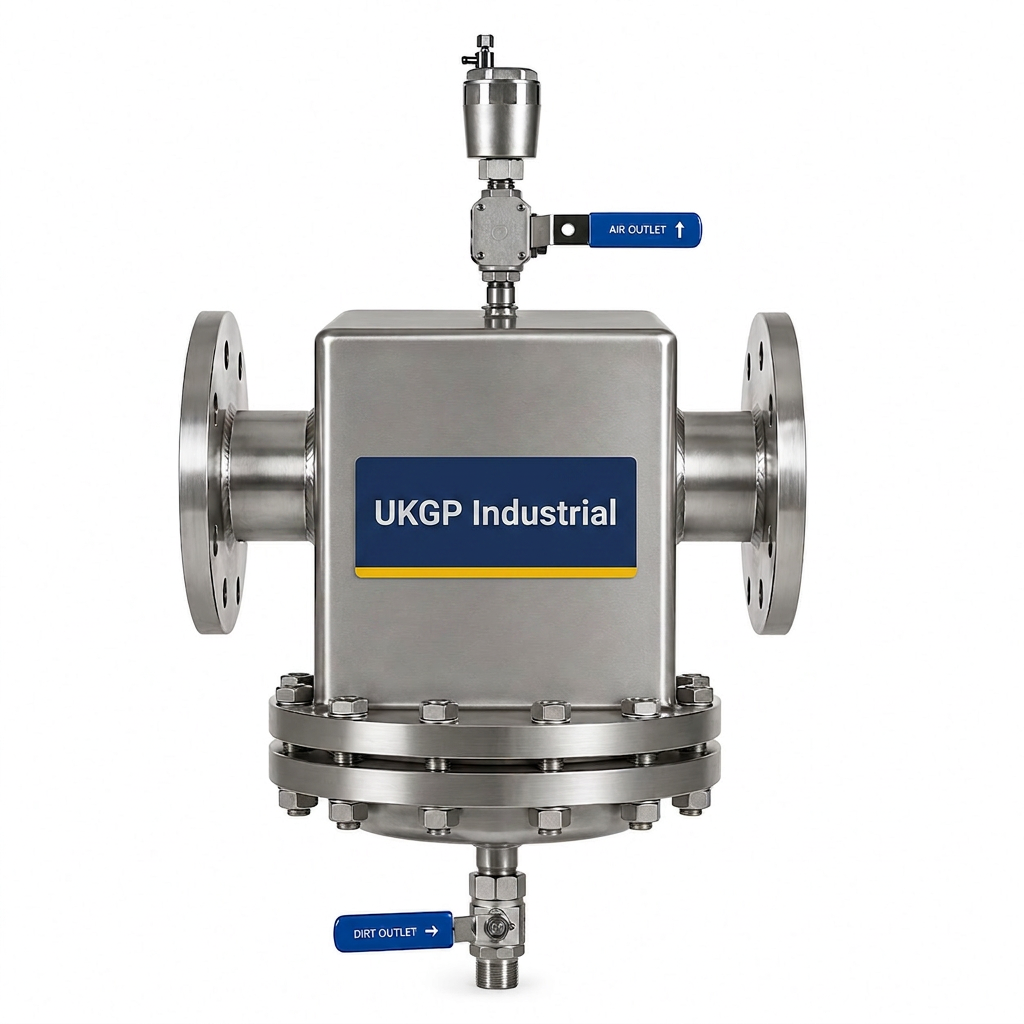
The physical architecture of a side stream filtration unit is as important as the media it contains. UKGP Industrial manufactures skids ranging from DN50 up to DN100 as standard, catering to a wide array of UK commercial system sizes. Each skid is designed to house high-capacity filter bags or cartridges that align with the side stream filter micron rating chart. The robust construction ensures that the units can withstand the hydraulic shocks and temperature fluctuations common in large-scale LTHW networks. Furthermore, the inclusion of high-strength magnetic rods within the filter housing is essential for capturing the sub-micron magnetite particles that a standard fabric filter might miss.
Standardisation is key for UK contractors. By ordering a made-to-order UKGP skid, you receive a pre-assembled, pressure-tested unit ready for site installation. This reduces on-site labor costs and minimizes the risk of installation errors. Whether your project requires a 1-micron absolute polish or a 25-micron general purpose cleanup, our units are versatile enough to accommodate different media types. The lead time of 6-8 weeks is industry-competitive, allowing procurement leads to schedule the installation during planned summer shutdowns or as part of a phased refurbishment of the plant room, backed by a comprehensive 2-year warranty for peace of mind.
Cost-benefit analysis for side stream filtration often reveals that the initial investment (starting at £6,800+VAT) is recouped within the first two years through reduced chemical usage and lower energy bills. When a system is clean, the circulation pumps do not have to work as hard to overcome the resistance of sludge-filled pipes. Using the side stream filter micron rating chart to fine-tune your filtration level ensures that you are not over-filtering—which wastes energy—or under-filtering—which leads to equipment damage. It is about technical precision and commercial pragmatism, the two pillars of UKGP Industrial's service to the UK HVAC market.
- Magnetic Separation: Integrated rare-earth magnets attract fine black iron oxide (magnetite) for total system protection.
- Pressure Monitoring: Differential gauges provide clear visual indicators for media replacement timings.
- Durable Finishes: Powder-coated or stainless steel options available for harsh plant room environments in the UK.
- Modular Design: Skids can be expanded if system volume increases during building extensions.
How to Use the Micron Rating Chart in Practice
Practical application of the side stream filter micron rating chart involves more than just picking a number. Engineers must assess the current 'health' of the system water. If a system is being remediated following a period of neglect, the initial filter choice should be sacrificial—designed to be changed frequently while removing the bulk of the debris. As the water clarity improves, as measured by turbidity tests or NTU readings, the micron rating can be tightened. This 'staged' filtration approach is the most efficient way to bring a system into compliance with BSRIA BG50 standards without overwhelming the maintenance staff with constant bag changes.
For FMs (Facility Managers), the data from the side stream filter micron rating chart should be integrated into the planned preventative maintenance (PPM) schedule. By understanding the typical particle capture of a 10-micron bag versus a 25-micron bag, budget holders can more accurately predict consumable costs for the year. UKGP Industrial supports this by offering a consistent supply of high-quality replacement media for our DN50 to DN100 skids. Our Surrey-based technical team is also available to help interpret water sample results and recommend the specific micron rating that will yield the best results for your specific plant room configuration.
In the UK, the variety of building types—from historical Victorian refurbishments to modern glass-fronted offices—means there is no 'one size fits all' answer. However, generally speaking, an LTHW circuit in a standard office block should aim for 10-20 microns, while a chilled water circuit serving its mission-critical data centre might require 1-5 microns for absolute reliability. Consulting the side stream filter micron rating chart during the design phase ensures that the specified filtration skid has the hydraulic capacity and housing size to handle the required media, ensuring the finished project meets the CIBSE guidelines for sustainable building operation.
- Turbidity Correlation: Use the chart to target specific NTU (Nephelometric Turbidity Units) goals for the system.
- Consumable Planning: Budget for at least 4-6 bag changes in the first month following a major system intervention.
- Training: Ensure plant room staff understand how to interpret pressure gauges and the importance of micron ratings.
- Asset Tracking: Tag every filtration unit with its required micron rating to prevent errors during maintenance cycles.
The Commercial Value of High-Quality Filtration
For procurement leads and M&E contractors, the commercial argument for high-grade filtration is compelling. A system filled with debris is a system prone to emergency call-outs, component failures, and dissatisfied tenants. By referencing the side stream filter micron rating chart during the tender stage, you can ensure that the filtration equipment provided is fit for purpose. A UKGP Industrial side stream filtration skid is not just a line item; it is an insurance policy for the entire HVAC network. With pricing from £6,800+VAT, it represents a fraction of the cost of a major boiler or chiller replacement, which can easily exceed six figures if water quality is ignored.
Furthermore, the environmental impact of efficient filtration cannot be ignored. The UK's drive toward Net Zero requires every aspect of a building to operate at peak efficiency. Particulate-laden water is less efficient at carrying heat, meaning boilers run longer and chillers work harder to achieve the same internal conditions. By using our side stream filter micron rating chart to select a high-performance 5 or 10-micron filter, you are directly contributing to the building's EPC rating and reducing operational carbon. This is increasingly important for UK commercial landlords who must meet tighter MEES (Minimum Energy Efficiency Standards) in the coming years.
In summary, the side stream filter micron rating chart is a foundational tool for anyone involved in UK building services. It bridges the gap between theoretical water chemistry and practical plant room engineering. At UKGP Industrial, we are committed to providing the hardware and the expertise to make these selections simple and effective. Our Surrey-based manufacturing facility is ready to produce your DN50 to DN100 skids, with a focus on quality, reliability, and technical compliance with BSRIA and CIBSE standards. Contact our team today for a quote and lead-time confirmation for your next project.
- Quick ROI: Payback on a UKGP skid is often achieved via reduced energy and chemical costs within 24 months.
- Enhanced Reputation: Contractors who deliver clean, stable systems see fewer snags and better client retention.
- Technical Support: Access expert advice on micron selection specifically tailored to the UK's unique water conditions.
- Future Proofing: Ensure your plant room is ready for the transition to low-temperature heating like heat pumps.
Frequently asked questions
What is the best micron rating for an older UK heating system?
- For older systems with significant magnetite deposits, we recommend starting with a 50-micron bag to remove bulk debris, then moving to a 25 or 10-micron filter to maintain clarity in line with BSRIA BG50.
How often should I change the filter in my side stream skid?
- Filter change frequency depends on the system's cleanliness. You should change the filter bag when the differential pressure across the unit reaches 0.8 to 1.0 bar, or as specified by the UKGP maintenance manual.
Are UKGP side stream filters compatible with chemical dosing?
- Yes, our skids are designed to work alongside chemical dosing pots. Removing physical debris through the correct micron rating actually makes the chemical inhibitors more effective.
What size connections are available for UKGP filtration skids?
- We manufacture skids with standard UK flange or thread sizes from DN50 up to DN100, suitable for various flow rates and system volumes.
Does a lower micron rating always mean better performance?
- Not necessarily. A 1-micron filter provides cleaner water but will clog much faster in a dirty system. The goal is to use the side stream filter micron rating chart to find the most efficient balance for your specific application.