The Fundamentals of Side Stream Filter Design
In modern commercial plant rooms, side stream filter design focuses on capturing debris and contaminants without disrupting the primary flow of the HVAC system. Unlike full-flow filtration, which can be prohibitively expensive and logistically difficult to maintain in large-diameter pipework, a side stream approach typically treats 5% to 15% of the total system volume per hour. This method ensures that the entire water volume is circulated through the filter medium multiple times a day, effectively polishing the water to meet BS 8552 standards. For UKGP Industrial customers, we focus on designs that incorporate high-performance magnetic separation alongside traditional mesh or bag filtration to tackle both non-ferrous debris and invasive black iron oxide.
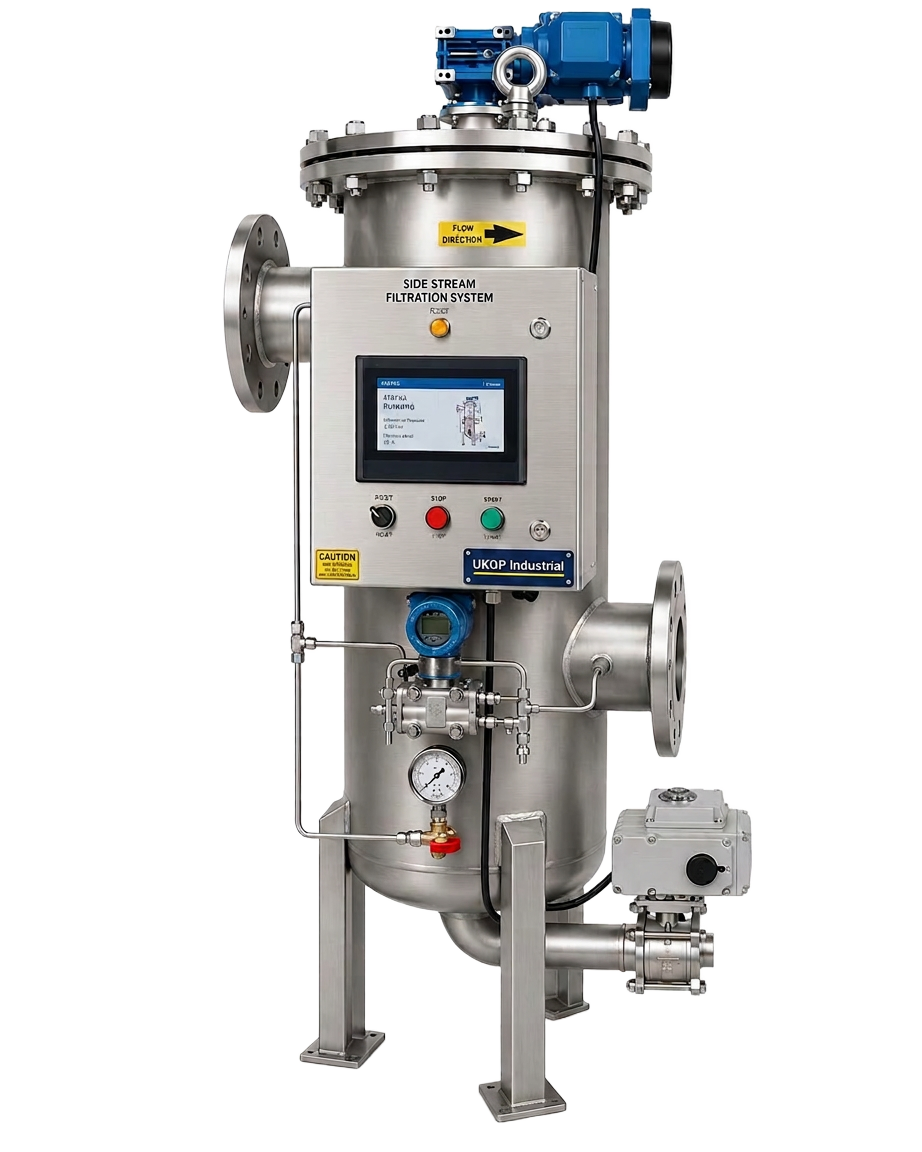
When specifying the system, engineers must consider the pressure drop across the skid as a priority. A well-executed side stream filter design will include a dedicated pump to maintain a constant flow rate through the filter even as the main system pumps modulate based on building demand. This independence is vital; if the filter relies solely on the differential pressure of the main circuit, filtration efficiency can drop significantly during low-load periods. At UKGP Industrial, our bespoke skids are engineered to provide consistent performance regardless of external system flux, ensuring that your closed-loop network remains clean and your heat exchangers stay protected from fouling and thermal inefficiency.
Furthermore, commercial consultants must evaluate the physical footprint required within the plant room. A standard UKGP side stream filtration skid, ranging from DN50 to DN100, is designed for compact integration. These units are made to order with a typical lead time of 6 to 8 weeks, providing a professional-grade solution for both new builds and complex retrofits. By selecting a skid that incorporates integrated isolation valves and sampling points, facilities managers can perform routine maintenance without any system downtime. This level of foresight in the initial planning stages prevents the high costs associated with chemical flushing and emergency repairs later in the building’s operational lifecycle.
- Consistent treatment of 5-15% of total system volume per hour.
- Integration of magnetic separation for magnetite capture.
- Independent pumping to ensure filtration performance during low-load periods.
- Compact skid footprints ranging from DN50 to DN100 sizing.
Compliance with BSRIA BG29 and BG50 Standards
Adhering to industry standards is the cornerstone of any professional side stream filter design. BSRIA BG29 (Pre-commission Cleaning of Pipework Systems) and BG50 (Water Treatment for Closed Heating and Cooling Systems) provide the framework for maintaining water quality in the UK. These guidelines emphasize that mechanical filtration is not a one-time event but a continuous requirement for the life of the system. By installing a UKGP filtration skid, you are implementing a long-term strategy designed to keep total suspended solids (TSS) at levels below those that cause erosive wear or blockage in control valves and sensitive plate heat exchangers within the network.
Effective water treatment starts with clear design parameters that account for the specific metallurgy of the system. For instance, systems containing significant quantities of steel pipework are more prone to magnetite formation, which requires a side stream filter design with high-strength magnetic rods. Our skids are often priced from £6,800+VAT, representing a cost-effective investment when compared to the price of replacing a major plant component or the energy costs associated with a fouled boiler. With a 2-year warranty as standard, UKGP units provide the peace of mind that consultants require when specifying equipment for high-value commercial property developments across Surrey and the wider UK.
Regular monitoring, as suggested by BS 8552, should be facilitated by the presence of dedicated sampling points on the filtration skid. This allows site engineers to take water samples before and after the filter to verify that the equipment is performing as intended. If the side stream filter design does not include these points, it becomes difficult to justify the ROI of the filtration strategy to building owners. UKGP skids are built with this transparency in mind, allowing for easy visual inspection of the filter bags and quick removal of captured magnetite, thereby supporting a proactive maintenance culture rather than a reactive repair cycle.
- Ensures long-term compliance with BSRIA BG29 and BG50.
- Mitigates the risk of erosive wear in control valves.
- Supports regular water quality testing via integrated sampling ports.
- Reduces the frequency of expensive chemical cleaning cycles.
Selecting the Right Skid for Your System Volume
Sizing is the most common area where side stream filter design can fail if not calculated accurately. Under-sizing the filter leads to inadequate turnover, while over-sizing can lead to unnecessary energy consumption and capital expenditure. The design must account for the total system volume, including all terminal units and buffer tanks. For most commercial applications, a DN50 to DN100 skid coverage is sufficient to handle the demands of mid-to-large scale offices and residential blocks. UKGP Industrial provides technical support to help contractors determine the optimal flow rate for their specific plant room layout, ensuring the equipment is neither underwhelmed nor wasteful.
The lead time for these made-to-order units is typically 6 to 8 weeks, allowing for precision manufacturing that matches the exact requirements of the project. When engineers integrate a UKGP side stream filtration skid into their project, they benefit from a robust 2-year warranty, reflecting our confidence in the high-grade materials used in construction. Starting at £6,800+VAT, these units offer an industrial-grade alternative to cheaper, less durable domestic filters that often fail in the demanding environment of a commercial plant room. A dedicated skid ensures that the filter medium is always accessible for cleaning, which is essential for maintaining hydraulic balance.
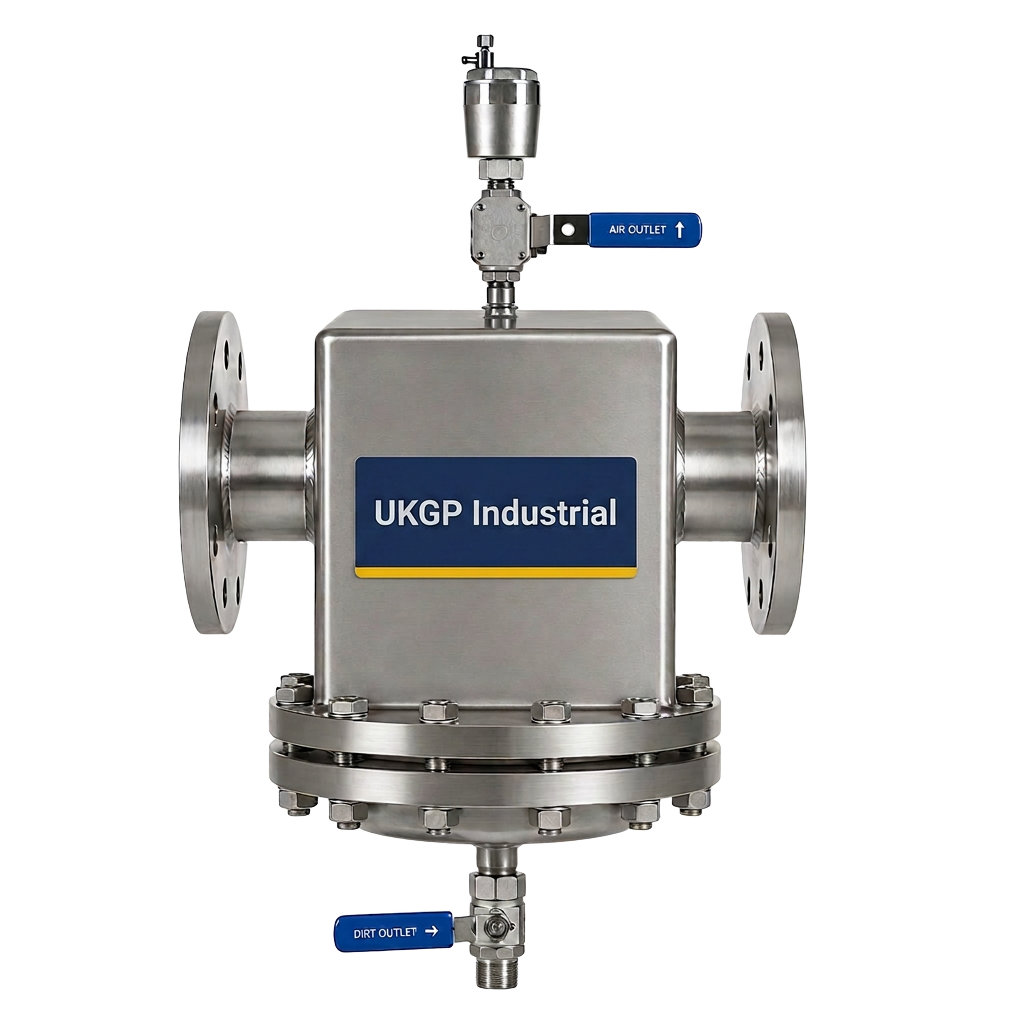
In addition to the primary filtration unit, many engineers choose to integrate a secondary layer of protection using high-quality air and dirt separators. While the side stream filter handles the bulk of suspended solids, the separator works on the main flow to remove micro-bubbles and smaller particulates. This multi-stage approach to side stream filter design is arguably the most effective way to eliminate air-related corrosion and the resulting sludge that plagues many UK commercial systems. By combining these technologies, you create a resilient plant room environment that requires less intervention and delivers higher thermal efficiency for the end-user.
- Accurate sizing based on total system volume to ensure turnover.
- DN50 to DN100 options compatible with most commercial pipework.
- Industrial-grade construction designed for longevity in harsh environments.
- Complements other plant components like air and dirt separators.
Critical Components in Side Stream Filter Design
A successful side stream filter design is more than just a filter housing; it is a system of integrated components working in harmony. The inclusion of a high-efficiency pump is non-negotiable for systems where main system pressure fluctuates. This pump ensures that the water is pushed through the filter media at a velocity that maximizes particulate capture. Furthermore, the use of stainless steel filter housings provides the durability needed to withstand high temperatures and pressures common in commercial LTHW and chilled water circuits. UKGP focuses on these high-specification materials to ensure that every skid delivered meets the rigorous demands of the UK building services sector.
A magnetic insert is another essential element for modern side stream filter design. Magnetite, a byproduct of corrosion, is often too fine to be caught by standard 50-micron filter bags. By placing a high-intensity neodymium magnet within the flow path, these sub-micron particles are drawn out of the water, preventing them from settling in low-flow areas of the system like underfloor heating manifolds or radiator headers. Our skids are designed to make the cleaning of these magnets a simple task for FM teams, requiring no special tools and minimal downtime. This simplicity ensures that maintenance actually happens, rather than being deferred because the equipment is too difficult to service.
Finally, the inclusion of pressure differential gauges (DP gauges) is a hallmark of intelligent side stream filter design. These gauges provide a clear visual indicator of when the filter media is blinded and needs replacement. Instead of relying on a calendar-based maintenance schedule, which can be wasteful or insufficient, site teams can replace bags based on real-time performance data. This data-driven approach saves money on consumables and ensures the system is always operating at peak filtration efficiency. When you request a quote for a UKGP skid, these features are part of a package designed for professional installers who value performance over the lowest possible purchase price.
- Integrated high-efficiency pumps for constant filtration rates.
- Neodymium magnetic inserts for sub-micron magnetite capture.
- Clear DP gauges for status-based filter maintenance.
- Stainless steel construction for maximum service life.
Commercial Benefits of Professional Filtration
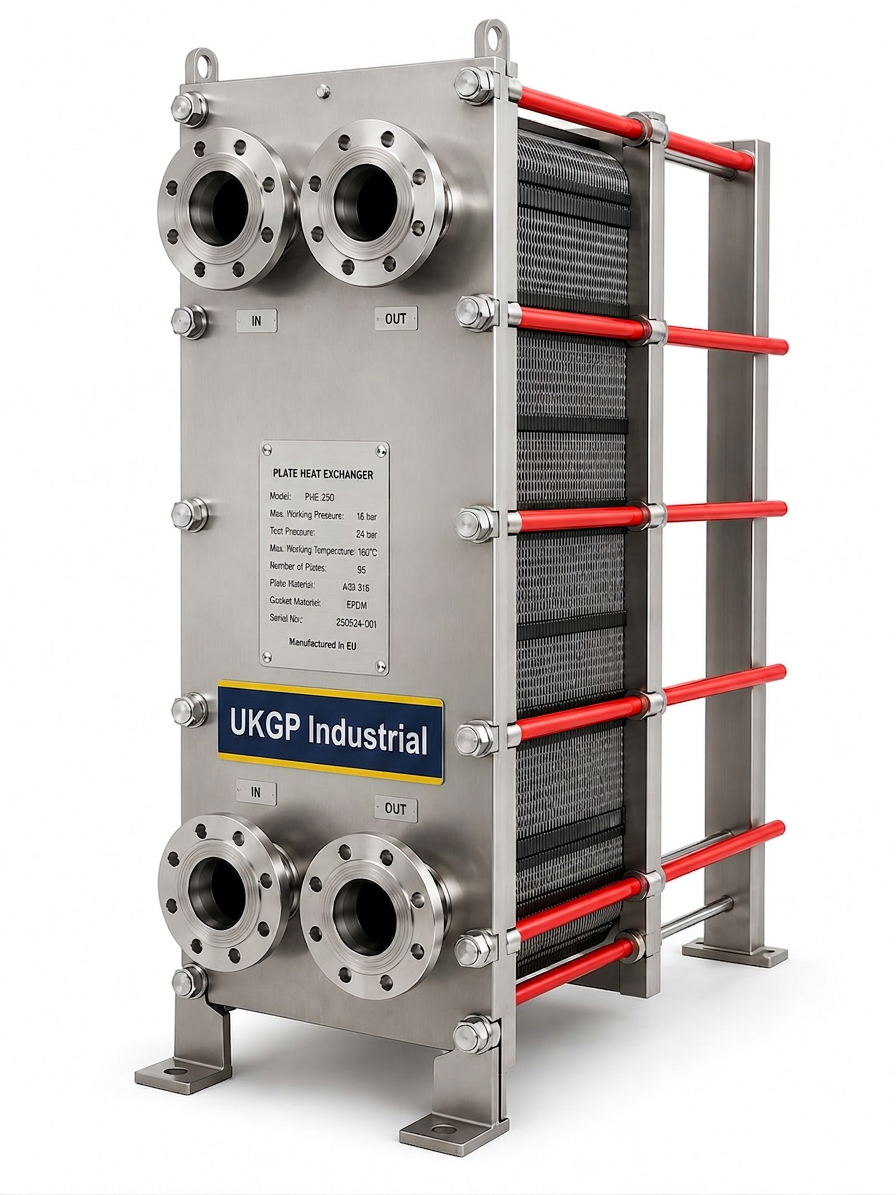
Implementing an expert side stream filter design offers significant commercial advantages that extend beyond mere technical compliance. For FM providers, the reduction in call-outs for blocked valves and failed sensors translates directly into improved profit margins on fixed-price maintenance contracts. For building owners, the increase in heat transfer efficiency within plate heat exchangers leads to lower energy bills and a reduced carbon footprint. Since a fouled system can lose up to 10% of its efficiency, the return on investment for a £6,800+VAT UKGP skid can often be realized within the first few years of operation through energy savings alone.
Corrosion management is another area where a superior side stream filter design pays dividends. By removing the abrasive particles that cause mechanical seal failure in pumps, the life expectancy of the entire pump set is extended. This reduces the need for expensive capital expenditure on replacement pumps. UKGP skids, with their 2-year warranty and made-to-order British engineering, provide a solid foundation for any commercial asset management plan. When specified during the design phase, these units ensure that the commission is successful and that the building reaches its target operational performance without the delays caused by poor water quality.
Ultimately, the goal of side stream filter design is to provide a 'fit and forget' solution that works quietly in the background to protect millions of pounds worth of plant equipment. In the competitive UK property market, buildings with reliable HVAC systems command higher rents and experience lower vacancy rates. Providing a clean, well-filtered water system is a fundamental part of delivering a high-quality internal environment. Whether you are an M&E contractor looking for a reliable partner or a consultant drafting a specification, UKGP Industrial is here to provide the technical expertise and high-quality hardware required to achieve these commercial outcomes.
- Significant reduction in reactive maintenance call-outs.
- Improved heat transfer efficiency in primary plant equipment.
- Extended life expectancy for system pumps and control valves.
- Positive impact on building energy ratings and carbon goals.
Integrating Chemical Dosing and Filtration
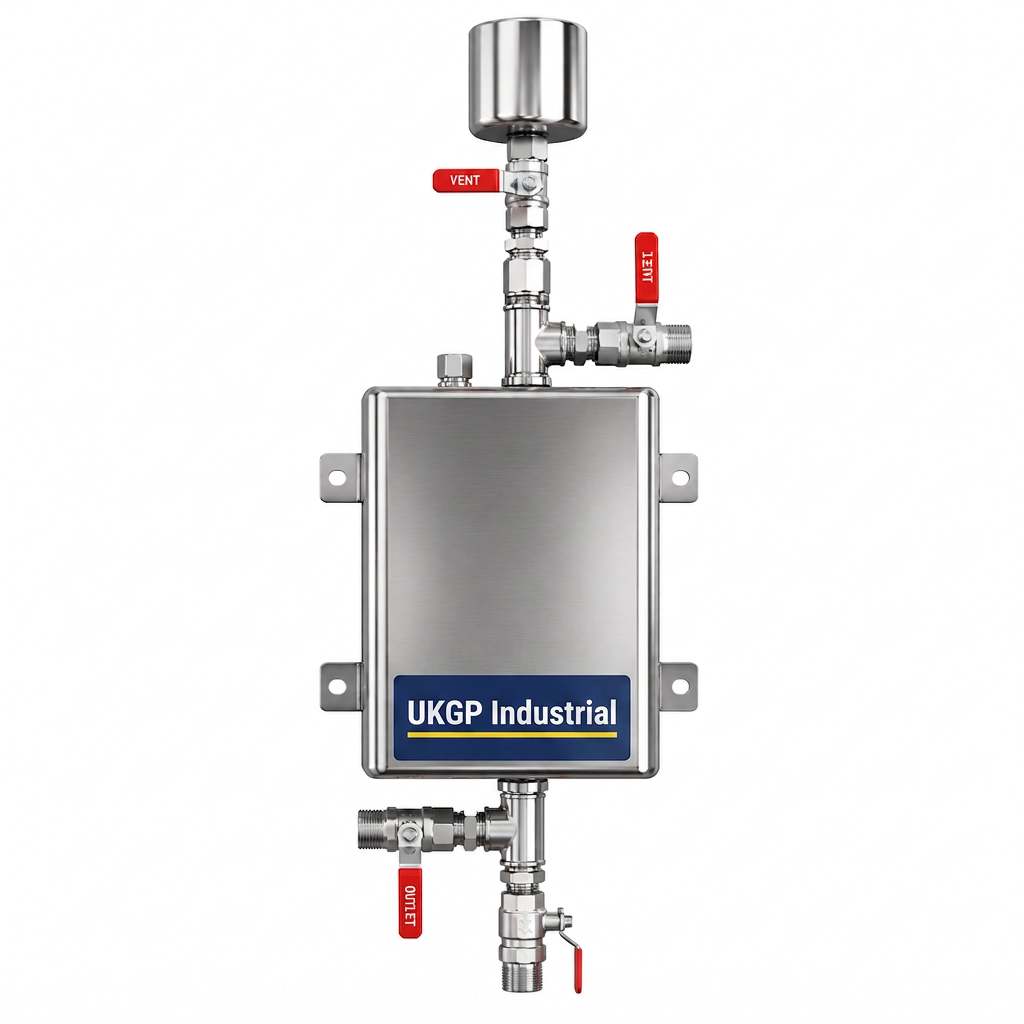
For a holistic approach to water treatment, side stream filter design should always be considered alongside chemical dosing strategies. While the filter removes physical debris, chemical inhibitors prevent the underlying corrosion that creates that debris. Many of our clients in London and Surrey choose to install a UKGP chemical dosing pot alongside their filtration skid to ensure that the initial dosing and subsequent top-ups are handled safely and efficiently. This two-pronged approach—mechanical removal via side stream filtration and chemical inhibition via a dosing pot—is the best way to satisfy the most stringent requirements of BS 8552 and BSRIA BG50.
When planning the layout, the side stream filter design should ideally place the filtration skid in a primary bypass loop. This ensures that the cleanest possible water is returned to the system. If the plant room serves multiple buildings or zones, it may be necessary to install multiple smaller units or one large DN100 skid to ensure adequate coverage. UKGP Industrial is well-versed in these complex configurations and can provide the necessary CAD drawings and technical data sheets to help justify the side stream filter design to the wider project team. Our 6 to 8-week production cycle ensures that even on fast-track projects, high-quality filtration is never an afterthought.
In conclusion, investing in a professional side stream filter design is a non-negotiable requirement for modern, high-performance commercial plant rooms. By choosing a UKGP Industrial skid, you are opting for a product that is designed for the UK market, meets all relevant BSRIA guidelines, and is backed by a 2-year warranty for total peace of mind. To secure your system's future and prevent the costly consequences of poor water quality, contact our Surrey-based technical team today for a bespoke quote tailored to your specific plant room requirements. Our experts are ready to assist with sizing, specification, and technical support to ensure your project is a success.
- Complementary use of chemical dosing pots for full protection.
- Strategic placement in bypass loops for maximum water polishing.
- Access to British engineering expertise and CAD support.
- Fast-track production options for time-sensitive UK projects.
Frequently asked questions
Why is side stream filter design important for BSRIA compliance?
- BSRIA BG29 and BG50 specify strict water quality standards for both the commissioning and operational phases of HVAC systems. A dedicated side stream filter design ensures that suspended solids and magnetite are removed continuously, maintaining water clarity and preventing the fouling of heat exchangers and valves, which is essential for meeting these industry-standard benchmarks.
What is the typical lead time for a UKGP filtration skid?
- Our side stream filtration skids are primarily made to order to ensure they meet the specific requirements of your plant room. The typical lead time is 6 to 8 weeks from order to delivery. This allows us to maintain high manufacturing standards and provide our standard 2-year warranty on all DN50 to DN100 units.
Do I need a separate pump for my side stream filter?
- Yes, best practice in side stream filter design includes an integrated, dedicated pump. This ensures a constant flow through the filter media regardless of the main system's variable speed pumps, which may modulate flow based on demand. Without a dedicated pump, the filtration rate can become insufficient during low-load periods.
How much does a commercial side stream filtration skid cost?
- Prices for a professional UKGP Industrial side stream filtration skid typically start from £6,800+VAT. The final cost depends on the sizing (ranging from DN50 to DN100) and any additional features required, such as advanced magnetic separators or specific control interfaces.
Can side stream filters remove magnetite?
- Yes, provided the side stream filter design includes high-intensity magnetic separation. Standard bag filters are excellent for organic debris and scale, but magnetite particles are often sub-micron and require powerful magnets to be pulled out of the water stream. All UKGP skids can be specified with these features.