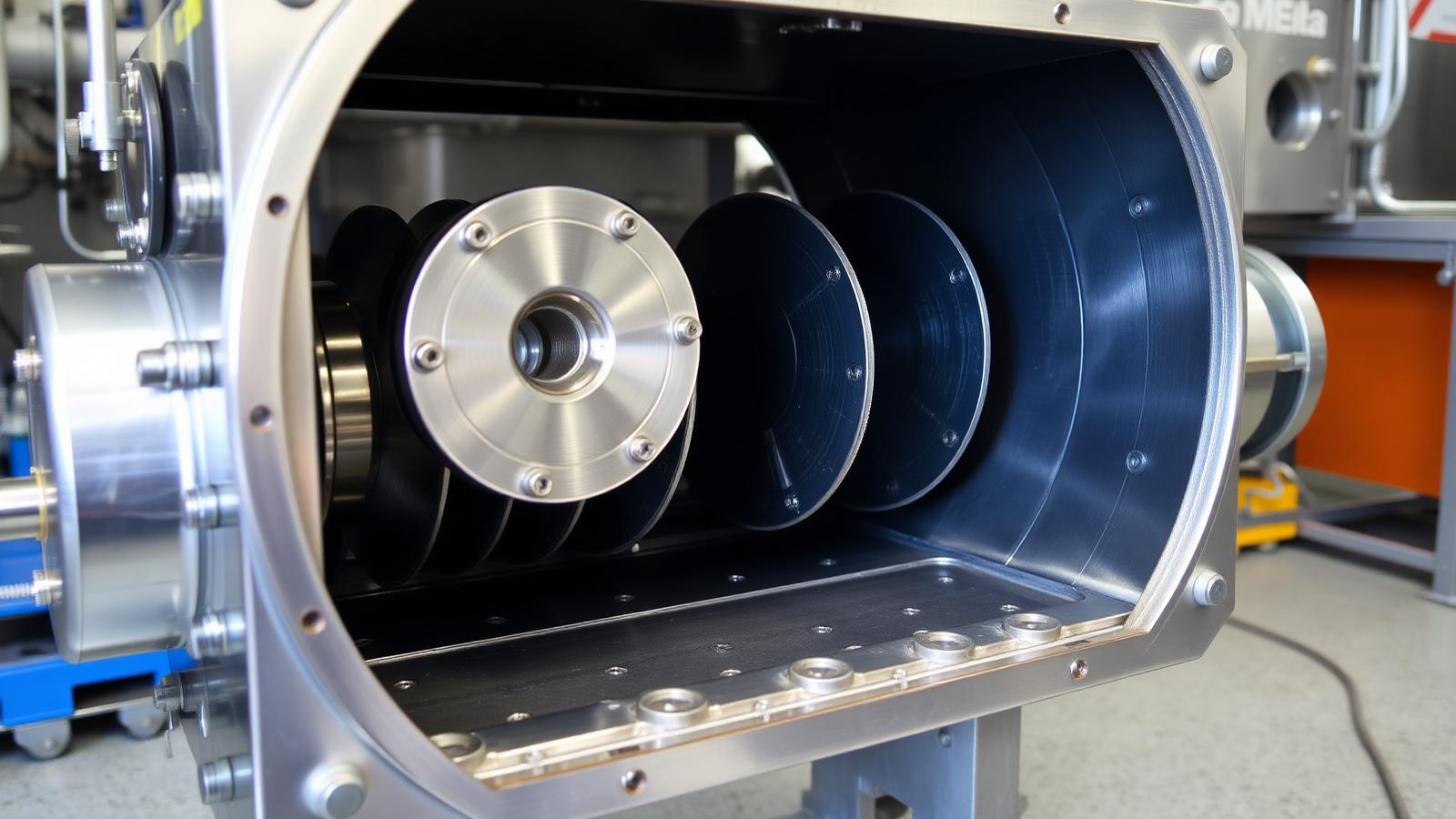
The Importance of Shell and Tube Heat Exchanger Cleaning
Regular shell and tube heat exchanger cleaning is vital for maintaining the operational integrity of central plant boilers and chillers across the UK. Fouling, which includes the accumulation of limescale, corrosion products, and biological growth, acts as an unwanted thermal insulator on the tube surfaces. This resistance significantly reduces the heat transfer coefficient, forcing circulating pumps to work harder and increasing primary fuel consumption. For facility managers, ignoring the thermal degradation of these units results in higher carbon emissions and escalated operational costs that can often be avoided with a proactive maintenance schedule aligned with BSRIA BG50 standards for water quality management.
In addition to energy efficiency, mechanical integrity depends on the removal of debris. When particulate matter settles in the lower sections of the shell or within the tubes, it can facilitate under-deposit corrosion. This localised electrochemical reaction can lead to premature tube failure, causing cross-contamination between the primary and secondary circuits. Such failures often occur at the most inconvenient times, such as peak winter heating loads, leading to expensive emergency repairs and building downtime. By implementing a systematic cleaning regime, UK building services engineers can extend the lifecycle of their heat transfer assets and ensure that the system remains resilient against the harsh effects of system sludge.
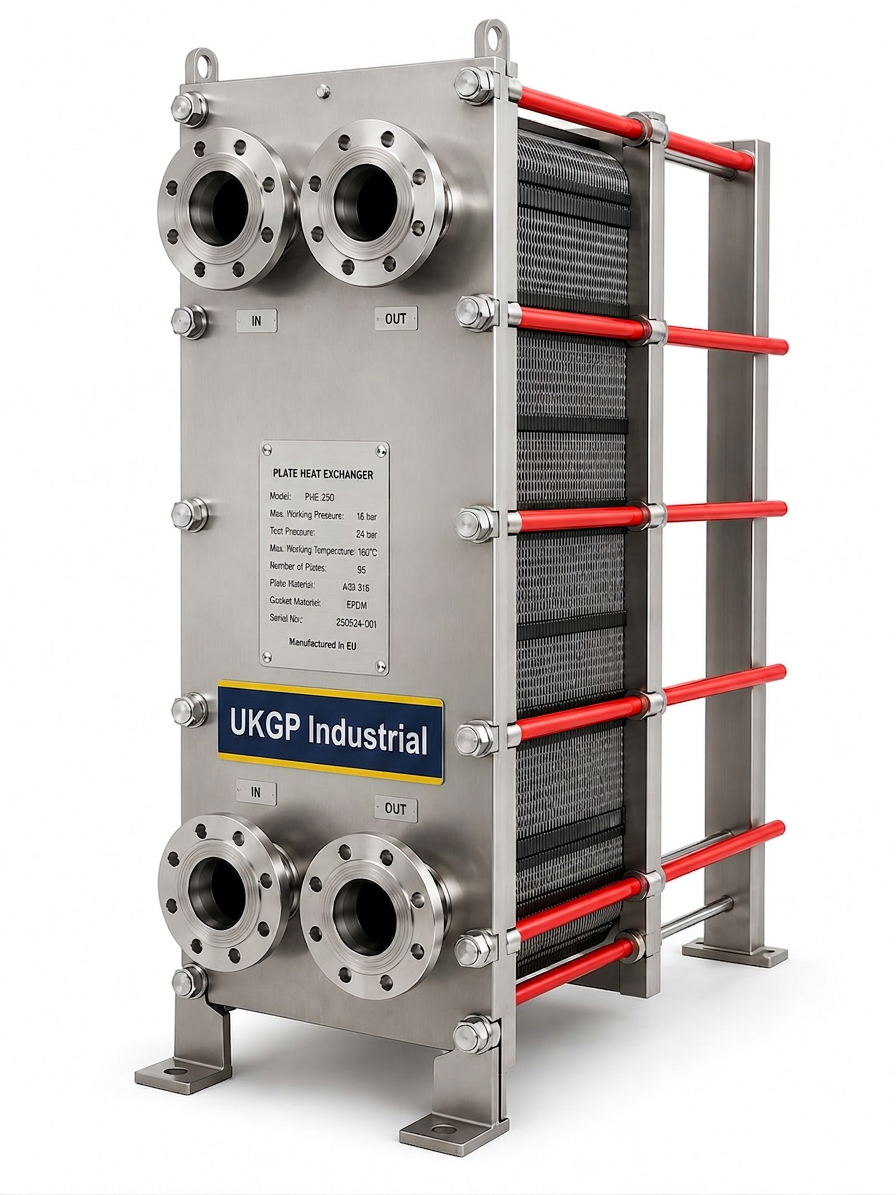
Commercially, the cost of neglect far outweighs the investment in professional cleaning services. While a complete unit replacement for a large-scale shell and tube exchanger can run into tens of thousands of pounds with long lead times, a scheduled chemical flush or mechanical scrub is a fraction of that expenditure. It is also important to consider the impact on upstream components; a fouled heat exchanger creates backpressure that can strain plate heat exchangers or expansion bellows elsewhere in the system. Our team notes that maintaining clean internals is the first line of defence in protecting the wider hydronic infrastructure from unnecessary mechanical stress.
- Reduces energy consumption by restoring thermal conductivity
- Prevents under-deposit corrosion and premature tube pitting
- Ensures compliance with BSRIA BG50 water quality guidelines
- Lowers the risk of cross-contamination between fluid circuits
Mechanical Methods for Heat Exchanger Maintenance
Mechanical shell and tube heat exchanger cleaning remains a staple for removing hard, calcified deposits that chemical flushes might struggle to penetrate. This process typically involves isolating the unit, removing the end headers, and deploying specialised brushes or scrapers through each individual tube. For UK M&E contractors, the choice between manual brushing and high-pressure water jetting often depends on the severity of the fouling and the tube material. High-pressure jetting is particularly effective for large-bore tubes but requires skilled operators to avoid damage to the tube sheets or internal linings, ensuring that structural integrity is maintained throughout the procedure.
Another common mechanical approach is the use of 'pigging', where projectiles are shot through the tubes using compressed air or water. This method is highly efficient for long runs or units with high tube counts, as it provides a consistent scouring action across the entire surface area. However, it is essential to verify the debris type before selection; softer biological films may simply be smeared by a pig, whereas hard scale requires a more abrasive mechanical edge. Engineers must also inspect the tube ends for signs of erosion or thinning after mechanical cleaning to ensure that the process hasn't compromised the wall thickness required for safe pressure operation.
Rodding out tubes is perhaps the most labour-intensive mechanical method but allows for a tactile assessment of the blockage. This is often necessary when secondary side water has been poorly treated, leading to a build-up of heavy magnetite or silt. Mechanical cleaning should always be followed by a comprehensive borescope inspection to verify that the internal surfaces are free of obstructions. By documenting the volume and type of debris removed, FM teams can better understand the effectiveness of their current filtration strategy and determine if additional measures, such as side stream filtration, are required to mitigate future build-up.
- High-pressure water jetting for stubborn mineral scale
- Tube pigging for rapid cleaning of high-volume units
- Manual brushing and rodding for targeted debris removal
- Post-cleaning borescope inspections for quality assurance
Chemical Cleaning and Passivation Techniques
Chemical cleaning is often the preferred method for complex shell and tube heat exchanger cleaning when mechanical access is restricted or when the fouling is primarily composed of thin-film scale or organic matter. This involves circulating a specific blend of inhibited acids or alkaline cleaners through the unit in a closed loop. The selection of the chemical agent is critical; for example, stainless steel tubes require different inhibitors compared to copper-nickel or carbon steel to prevent stress corrosion cracking. Engineers must carefully monitor the pH levels and iron concentrations during the circulation process to ensure that only the scale is being dissolved, not the base metal.
Once the cleaning phase is complete, the surfaces must undergo a passivation process. This step involves the application of a chemical treatment that encourages the formation of a protective oxide layer on the metal surface. Without proper passivation, the freshly cleaned metal is highly susceptible to flash rusting or rapid oxygen corrosion when the system is reintroduced to service. In the UK, professional water treatment specialists typically oversee this process, ensuring that the waste chemicals are disposed of in accordance with local environmental regulations and that the system water chemistry is balanced according to BS 8552 standards for sampling and analysis.
The primary advantage of chemical cleaning is its ability to reach the 'shell side' of the exchanger, which is notoriously difficult to clean mechanically. By circulating chemicals through the shell, engineers can remove sludge and biofilm that accumulate around the baffles and tube supports. This holistic approach ensures that the entire heat transfer surface is restored, not just the tube internals. For systems prone to recurring fouling, UKGP recommends integrating high-quality dosing equipment to maintain the correct inhibitor levels year-round, preventing the need for frequent, aggressive acid cleans that can eventually thin the metal components.
- Inhibited acid cleaning for mineral scale dissolution
- Alkaline flushes for the removal of oils and biofilms
- Compulsory passivation to prevent post-clean flash corrosion
- Environmental compliance with UK chemical disposal regulations
Maintaining Efficiency with Side Stream Filtration
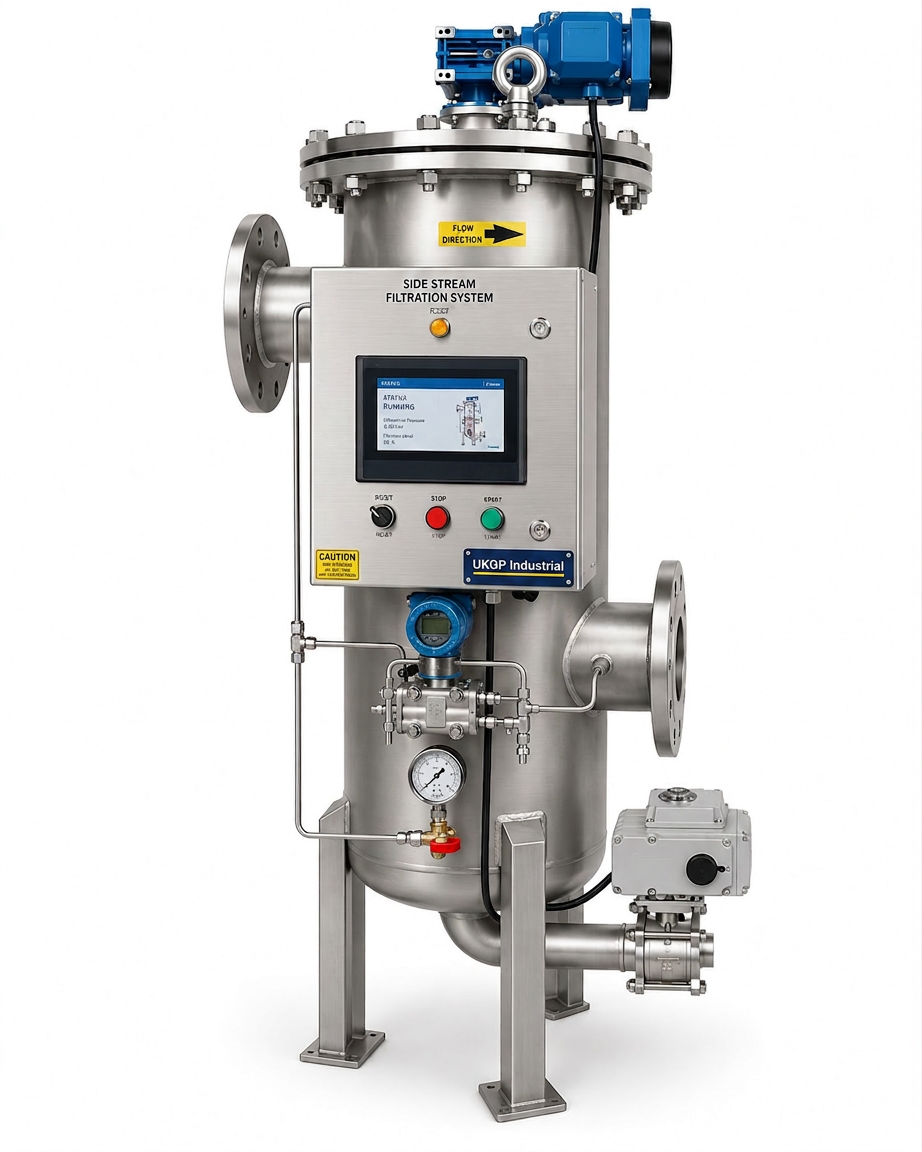
While periodic shell and tube heat exchanger cleaning is necessary, the most cost-effective long-term strategy is to prevent debris from entering the unit in the first place. Side stream filtration is the industry-standard solution for continuously removing suspended solids, magnetite, and pipe scale from closed-loop systems. By diverting approximately 5% to 15% of the total system flow through a high-efficiency filter, you can maintain the water clarity required to meet BSRIA BG29 and BG50 standards. This significantly reduces the frequency of manual heat exchanger interventions, saving the facility thousands of pounds in maintenance costs and significantly lowering the risk of unplanned system downtime.
UKGP offers robust side stream filtration skids specifically designed for the UK's demanding industrial and commercial sectors. Our units are made to order with a typical lead time of 6 to 8 weeks and come with a comprehensive 2-year warranty for peace of mind. Available in sizes ranging from DN50 up to DN100, these skids are engineered to handle the high-pressure environments of modern plant rooms. Starting from approximately £6,800 + VAT, a UKGP side stream filtration skid is a strategic investment that protects your shell and tube exchangers from the silent efficiency killer that is suspended particulate matter.
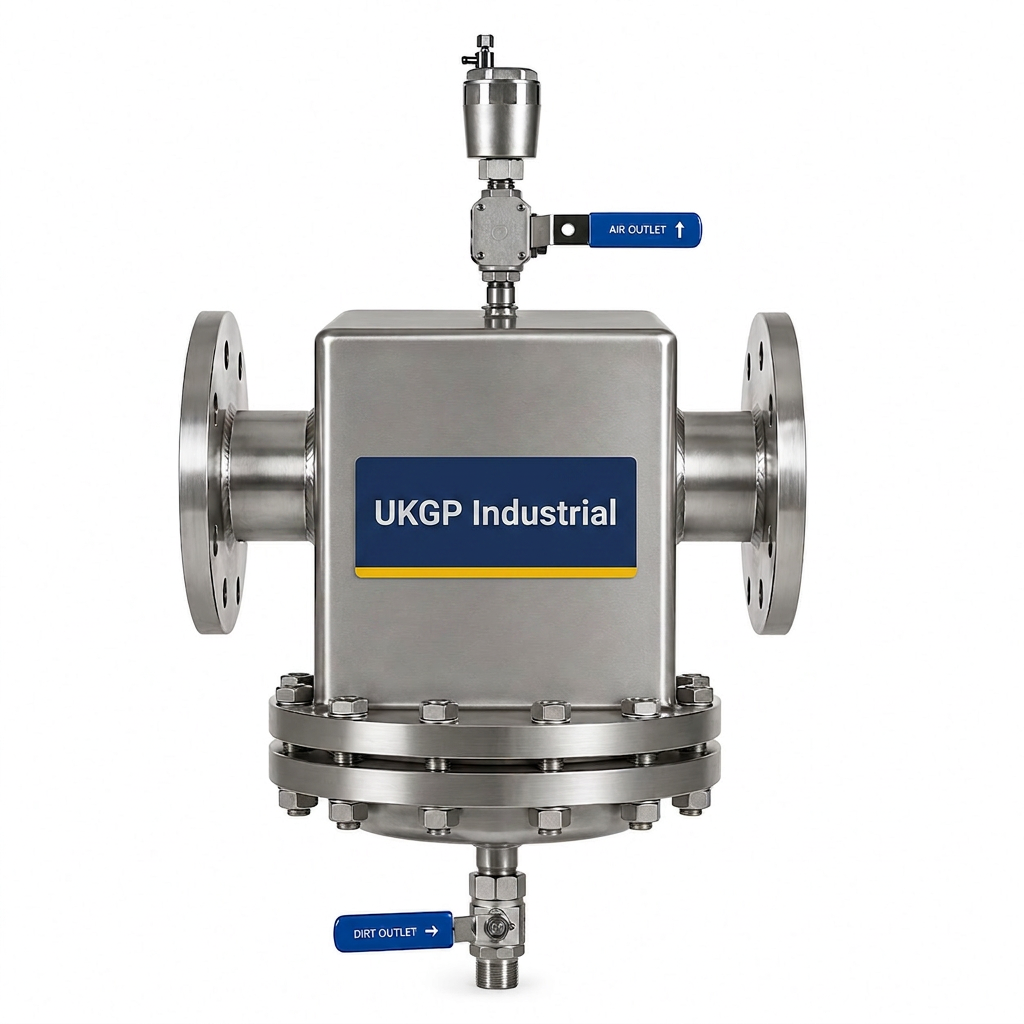
Integrating a filtration skid not only protects the heat exchanger but also enhances the lifespan of other plant room components like air and dirt separators and expansion bellows. By removing the abrasive particles that cause seal wear in pumps and valves, you ensure a more reliable system overall. Our skids are often specified by UK building services consultants who recognise the necessity of proactive debris management in large-scale hydronic circuits. We invite you to contact the UKGP technical team today to request a quote or discuss the technical specifications required for your specific site application, ensuring your plant room operates at peak performance.
- Removes suspended solids to prevent heat exchanger fouling
- UKGP skids range from DN50 to DN100 sizes
- Priced from £6,800 + VAT with 6-8 week lead times
- Includes a 2-year warranty for long-term reliability
BSRIA Standards and Water Quality Monitoring
Adhering to BSRIA BG50 'Water Treatment for Closed Heating and Cooling Systems' is essential for any professional undertaking shell and tube heat exchanger cleaning. This guidance highlights the relationship between water chemistry and the physical condition of heat transfer surfaces. Regular sampling and analysis, as prescribed by BS 8552, allows engineers to detect early warning signs of corrosion or microbiological activity before they manifest as a significant blockage. A clean heat exchanger is only as good as the water flowing through it, and maintaining the correct chemical balance is a continuous requirement for system longevity in the UK commercial sector.
The impact of poor water quality is often most visible within the narrow passages of heat transfer equipment. When shell and tube units show signs of reduced performance, it is frequently a symptom of a much larger systemic problem, such as oxygen ingress or an exhausted inhibitor supply. By following the BSRIA framework, FM teams can transition from reactive 'firefighting' to a predictive maintenance model. This involves documenting cleaning intervals, recording the mass of solids captured by side stream filters, and adjusting water treatment regimes based on laboratory results. Such a disciplined approach ensures that heat exchangers remain compliant with insurance requirements and manufacturer warranties.
Furthermore, BSRIA BG29 provides the blueprint for pre-commission cleaning, which is the most critical cleaning phase in a building's life. Ensuring that a new shell and tube heat exchanger is properly flushed and passivated before it ever sees a full thermal load is vital for preventing the initial formation of scale. For existing systems, these standards provide the benchmarks for what constitutes 'clean' water. Whether you are dealing with a medium-temperature hot water (MTHW) system or a chilled water circuit, staying within these parameters is the only way to guarantee that your mechanical cleaning efforts have a lasting impact.
- Alignment with BSRIA BG50 for long-term system health
- Regular BS 8552 water sampling to detect corrosion trends
- Pre-commission cleaning protocols as per BSRIA BG29
- Detailed record-keeping for insurance and warranty compliance
Strategic Procurement of Heat Transfer Ancillaries
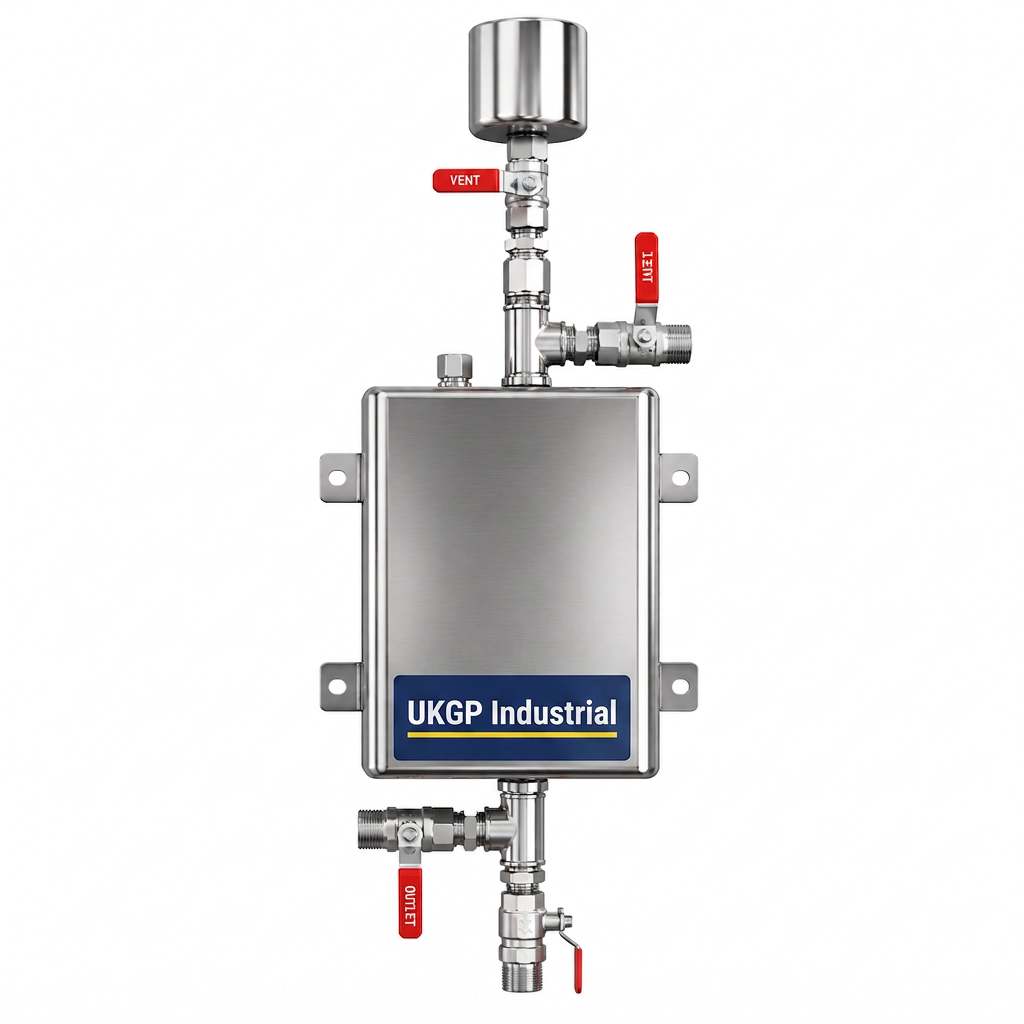
Effective shell and tube heat exchanger cleaning is one part of a wider plant room strategy. Procurement leads should look at the holistic system design, ensuring that air and dirt separators are correctly positioned to catch macro-debris before it reaches sensitive exchanger bundles. At UKGP, we manufacture a full suite of ancillary products in Surrey, specifically designed to support the UK's M&E industry. From dosing pots that allow for safe chemical introduction to expansion bellows that accommodate thermal stress, every component plays a role in reducing the fouling rate of your primary heat transfer equipment.
When planning a maintenance shutdown or a system upgrade, the lead times and quality of components are paramount. UKGP’s made-to-order approach ensures that you receive equipment tailored to your specific flow rates and pressure requirements. For instance, our side stream filtration skids can be customized to include specific pump configurations or control interfaces, ensuring seamless integration into your Building Management System (BMS). By sourcing your filtration and dosing equipment from a UK-based manufacturer, you benefit from local technical support and a transparent supply chain, which is increasingly important for large-scale commercial projects.
In conclusion, maintaining a shell and tube heat exchanger requires a balance of mechanical cleaning, chemical treatment, and high-quality filtration. By investing in the right equipment and following industry best practices, you can ensure that your HVAC system operates efficiently for decades. We encourage engineers and procurement leads to reach out for technical consultations. Whether you require a quote for a DN80 side stream filtration skid or advice on the best dosing pot for your circuit, UKGP is here to provide the expertise and hardware needed to keep your plant room running at its optimum capacity.
- UK-manufactured dosing pots and air/dirt separators
- Customisable filtration skids for BMS integration
- Local Surrey-based technical support and manufacturing
- Proactive equipment sourcing to reduce maintenance cycles
Frequently asked questions
How often should shell and tube heat exchanger cleaning be performed?
- The frequency depends on water quality and system load, but typically an annual inspection is recommended in line with BSRIA BG50. If thermal performance drops by 10% or pressure drop across the unit increases significantly, cleaning should be expedited.
What is the typical lead time for a UKGP side stream filtration skid?
- Our side stream filtration skids are made to order in our Surrey facility with a standard lead time of 6 to 8 weeks. This ensures each unit is built to the specific requirements of your plant room.
Can chemical cleaning damage the heat exchanger tubes?
- If performed incorrectly or with the wrong concentration of acid, chemicals can cause corrosion. It is essential to use inhibited chemicals and follow up with a passivation phase to protect the metal surfaces.
Why is side stream filtration better than periodic manual cleaning?
- Side stream filtration is a preventative measure that removes debris continuously, whereas manual cleaning is a reactive measure. Continuous filtration maintains higher average efficiency and prevents the build-up that leads to emergency shutdowns.
What size of filtration skid do I need for my shell and tube system?
- UKGP provides skids from DN50 to DN100. The size is determined by the total system volume and the required turnover rate. Our technical team can help you specify the correct unit based on your system parameters.