The Engineering Case for Power Flushing Radiators
In commercial environments, the accumulation of black iron oxide, or magnetite, serves as a primary driver of system inefficiency and component failure. When localized flow velocities drop in terminal units, these particles settle, leading to cold spots and reduced thermal output. Implementing a strategy for power flushing radiators is not merely a reactive maintenance task but a critical intervention to restore the hydronic balance of the building. By utilizing high-velocity, low-pressure pumping stations, engineers can dislodge stubborn particulate matter that stagnant water treatment chemicals alone cannot reach. This process is essential for maintaining the heat transfer coefficients required by modern condensing boiler plants and heat pump arrays.
From a BSRIA BG50 perspective, the cleanliness of the circulating fluid is directly proportional to the longevity of the installation. If the secondary circuit is neglected, the debris can migrate back to the primary plant room, fouling plate heat exchangers and causing premature pump seal wear. Power flushing radiators helps mitigate these risks by physically extracting the sludge from the system before it can be transported to more sensitive components. This proactive approach is particularly vital when integrating new high-efficiency boilers into older existing pipework, where the legacy of corrosion can quickly compromise the new investment and void manufacturers' warranties on heat exchangers.
The technical execution of power flushing radiators requires a meticulous understanding of the system's layout to ensure no section is bypassed. Isolation of various zones and the systematic flushing of individual rads or sub-circuits ensure that the cleaning velocity is maintained at the necessary 1.5 metres per second. This velocity is critical for the suspension of solids, allowing them to be carried to the discharge point effectively. Without this targeted approach, debris often simply relocates to another part of the system, leading to recurring flow issues and continued customer complaints regarding inconsistent heating performance across different floors of the facility.
- Restoration of design-specified thermal output across all radiators.
- Significant reduction in system fuel consumption and carbon footprint.
- Prevention of localized under-deposit corrosion within terminal units.
- Compliance with BSRIA water quality standards for closed-loop systems.
Integrating Side Stream Filtration with Power Flushing
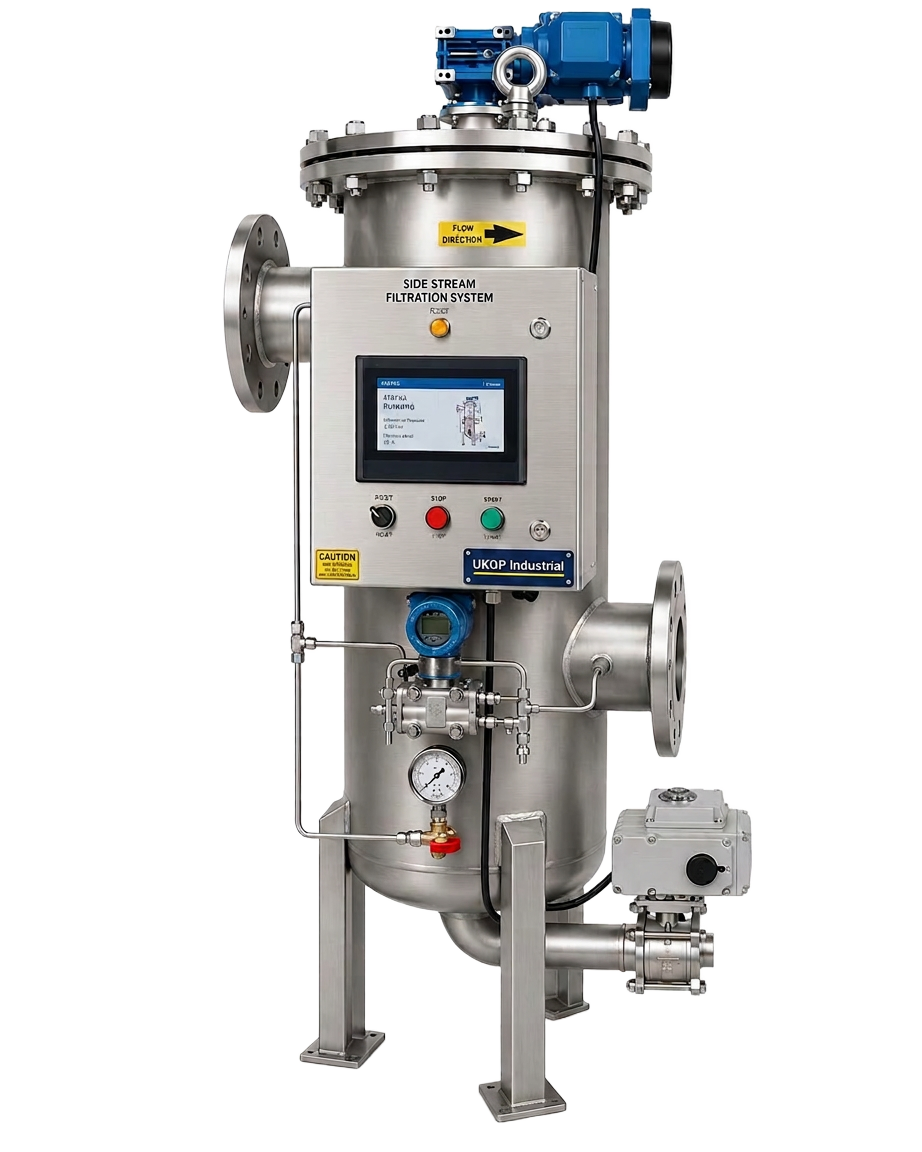
While power flushing radiators provides a necessary deep-clean of the system, it is often a one-time event that requires a long-term strategy to maintain the achieved water quality. This is where the integration of side stream filtration becomes indispensable for commercial HVAC systems. A high-quality filtration skid acts as a continuous cleaning mechanism, capturing any residual magnetite that may have been loosened but not fully removed during the initial flush. For systems between 5-50 m³/h, a skid-mounted solution utilizing high-strength magnetic rods and 25 µm bag or cartridge filters provides the ultimate secondary line of defence against particulate buildup.
The UKGP side stream filtration skid is specifically engineered to meet BSRIA BG29 and BG50 requirements, ensuring that the water quality remains within the specified limits for conductivity, pH, and suspended solids. By installing a unit that features isolation valves and a robust 2-year warranty, facility managers can significantly extend the interval between intrusive maintenance cycles. These skids are designed for ease of use, allowing engineers to replace filter media without shutting down the entire system, thereby maintaining operational continuity in sensitive environments like hospitals or data centres. This continuous filtration effectively 'polishes' the water, preventing the re-settlement of debris in radiators.
Consultants specifying these systems should look for skids that combine magnetic separation with fine particulate filtration to capture both metallic and non-metallic debris. After the initial process of power flushing radiators, the side stream unit ensures that the system does not revert to a fouled state. This is especially important in systems with variable flow rates where low-load conditions can encourage the settlement of particles. A well-placed filtration skid provides a measurable return on investment through reduced chemical usage and lower maintenance costs, making it a staple of modern plant-room design that aligns with CIBSE best practice guidelines.
- Continuous capture of debris down to 25 micron particles.
- Magnetic separation for effective removal of black magnetite sludge.
- Robust skid-mounted design for simplified mechanical installation.
- Isolation valves included for maintenance without system downtime.
Compliance with BSRIA BG29 and BG50 Standards
In the UK, the benchmarks for water quality in closed-loop systems are defined by BSRIA BG29 (pre-commission cleaning) and BG50 (water treatment for closed heating and cooling systems). Any project involving power flushing radiators must adhere to these guidelines to ensure that the chemical cleaning and physical flushing processes do not inadvertently damage the system. BS 8552 provides the framework for sampling and monitoring these systems, highlighting the need for consistent water chemistry after a flush has been completed. Failure to follow these standards can lead to accelerated corrosion rates, particularly in systems using mixed metals like aluminium and copper.
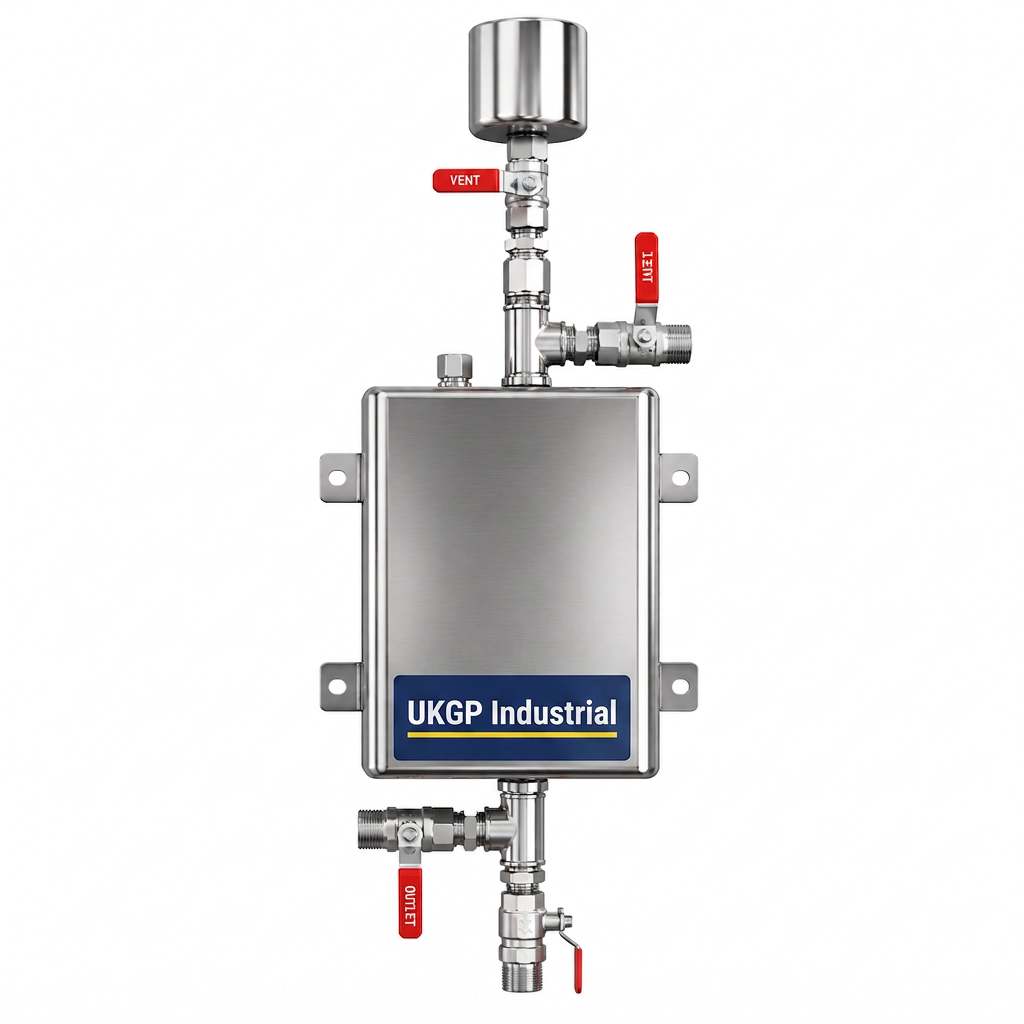
BSRIA BG50 emphasizes that physical cleaning, including power flushing, should be supplemented by a robust chemical regime. Once the radiators are flushed, the system must be dosed with high-quality inhibitors to prevent the oxidative processes that create magnetite. Using dedicated dosing pots ensures that chemicals are introduced safely and in the correct concentrations. Understanding the relationship between flushing and chemical stabilization is key for FM leads. A cleaned system that is left untreated will quickly re-oxidize, rendering the effort spent flushing the radiators moot within a few months of operation. This synergy between physical and chemical treatment is the cornerstone of HVAC asset management.
Professional M&E contractors should document the entire process of power flushing radiators, including initial and final turbidity readings and flow rates. This documentation provides a 'birth certificate' for the system's renewed status, satisfying the requirements of building insurance and landlord-tenant agreements. By maintaining a clear audit trail that refers back to BSRIA standards, service providers can demonstrate their technical competence and commitment to long-term system health. Such transparency is vital when managing large estates where heating system reliability directly impacts occupant comfort and operational productivity, ensuring the plant room remains a high-performing asset for years to come.
- Validation of water quality via BS 8552 sampling protocols.
- Alignment with BSRIA BG29 for new build or refurbishment projects.
- Implementation of BG50 maintenance regimes for legacy systems.
- Prevention of microbial growth and chemical fouling in closed loops.
Operational Challenges When Power Flushing Radiators
Power flushing radiators in a multi-storey commercial building presents unique challenges compared to domestic applications. High static pressures and the volume of water involved require industrial-grade pumps and specialized debris management systems. One common issue is the risk of leaks from old radiator valves and air vents that may have been sealed by rust; once the rust is removed during the flush, these components can fail. Therefore, a thorough pre-flush survey is essential to identify fragile pipework or aging components that might need replacement prior to the procedure. This risk assessment is a practical necessity for any plant-room engineer or site supervisor.
Another specific concern is the disposal of the waste flush water, which can contain high levels of heavy metals and chemicals. Environmental regulations require that this water be treated or disposed of correctly, rather than simply being tipped down a standard drain. Many contractors utilize neutralize tanks or filter the effluent before discharge to meet local water authority requirements. When power flushing radiators, the sheer scale of the waste can be significant, so planning the logistics of water supply and drainage is just as important as the flushing itself. Effective project management ensures that the site remains clean and compliant with environmental health and safety laws.
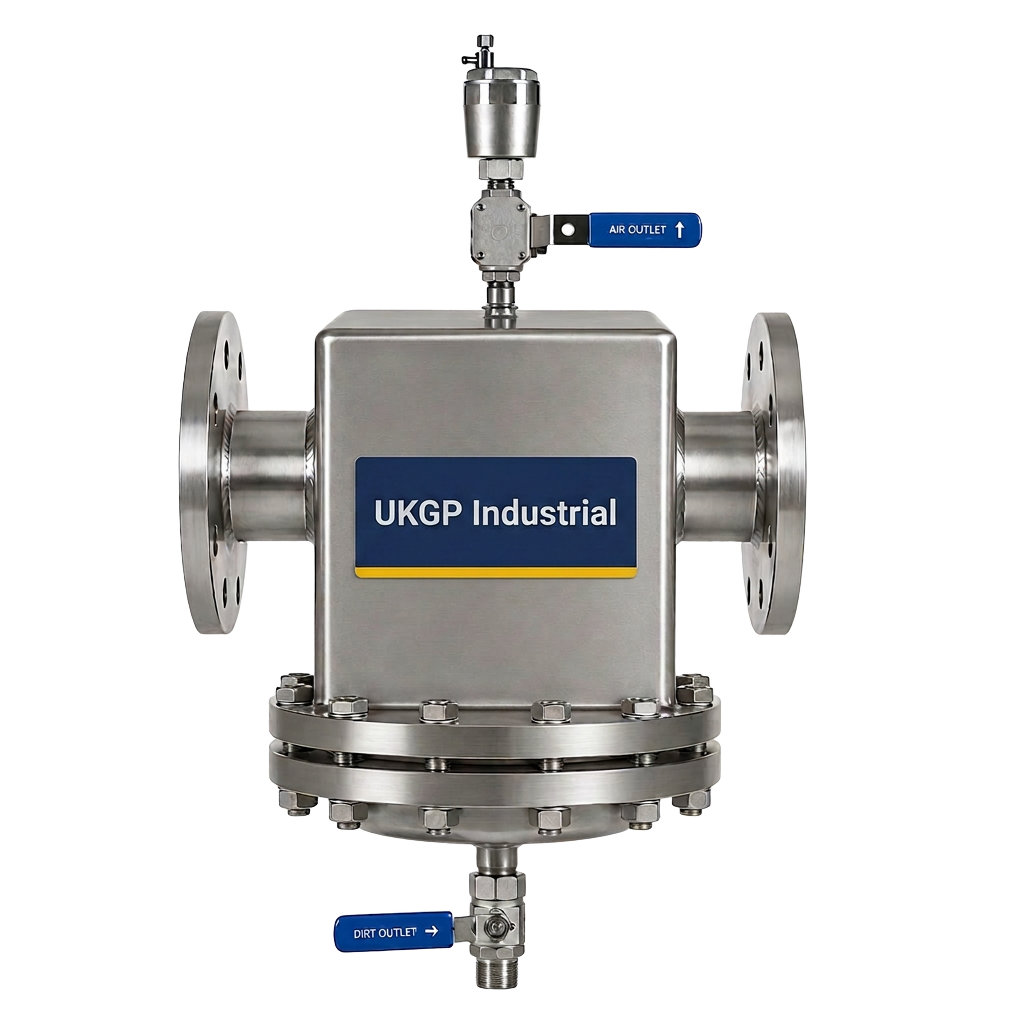
Finally, air entrainment during the flushing process can lead to air locks that prevent proper heat distribution once the system is back in service. This is particularly troublesome in systems with complex pipework and high-level emitters. Utilizing high-efficiency air and dirt separators post-flush is highly recommended to purge the system of micro-bubbles and fine particulate matter. This ensures that when the project of power flushing radiators is complete, the system can be commission correctly and balanced according to CIBSE Commissioning Code W. Dealing with these operational hurdles professionally is what distinguishes expert HVAC contractors from generalists.
Protecting the Heat Source Post-Flush
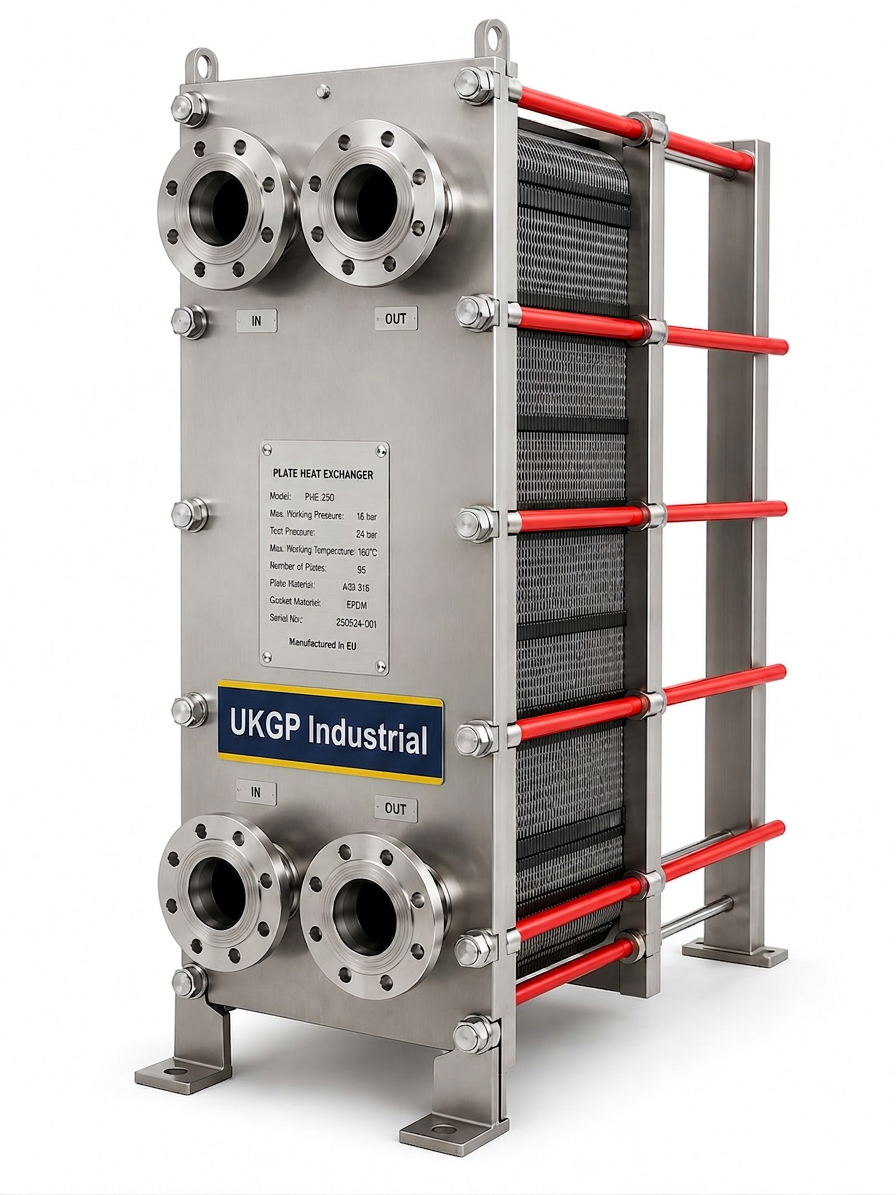
After successfully power flushing radiators, the focus must shift to protecting the central heat source, whether it is a series of commercial boilers or a heat exchanger interface. In modern district heating schemes, the separation of the primary and secondary circuits is vital. Using a plate heat exchanger to isolate the radiator circuit allows for different water chemistry and pressure regimes on either side, which can prevent contaminants from reaching the high-value primary plant. This hydraulic separation is a recommended strategy in BSRIA BG50 to ensure that the 'clean' side of the system is never compromised by the 'dirty' side, even if maintenance on the radiators is delayed.
Furthermore, the use of a low loss header can help manage the differential flow rates between the radiator circuits and the boiler loop, ensuring that the primary pumps operate within their designed efficiency window. When we talk about power flushing radiators, we are often addressing the symptoms of poor system design as much as poor maintenance. By incorporating components that manage flow and separate dirt, we create a resilient system that is less prone to the buildup of the very debris that makes power flushing necessary. It is a holistic approach to mechanical engineering that values long-term stability over quick fixes.
To ensure the system remains protected, it is advisable to install a side stream filtration unit permanently. UKGP provides skids with 5-50 m³/h capacity that are BSRIA aligned and feature magnetic separation plus 25 µm bag/cartridge filters. These units, backed by a 2-year warranty and including isolation valves, offer the most robust protection for modern commercial boilers and heat exchangers. Requesting a quote for such a skid after power flushing radiators is a sound commercial decision that protects the mechanical contractor's reputation and the client's investment. It ensures the system stays as clean as the day it was flushed, maintaining peak efficiency.
- Hydraulic isolation via high-efficiency plate heat exchangers.
- Flow management using correctly sized low loss headers.
- Permanent protection with side stream filtration skids.
- Enhanced sensor monitoring using pH and conductivity transmitters.
Technical Best Practices for Power Flushing Radiators
The technical success of power flushing radiators relies on the 'dynamic flush' method, where each radiator is isolated and flushed individually. This focuses the full pump pressure and flow onto a single heat emitter, ensuring maximum turbulence to lift settled sludge. Contractors should use a flow-reversal device to agitate the debris from both directions, which is particularly effective for large commercial rads with multiple columns or fins. Monitoring the discharge water with a TDS (Total Dissolved Solids) meter allows the engineer to objectively verify when a radiator is clean, providing data-driven evidence of the project's success rather than relying on visual inspection alone.
During the process, it is often beneficial to use a thermal imaging camera to identify stubborn cold spots that may require localized vibration or additional chemical treatment. If specific radiators continue to show poor heat distribution after power flushing radiators, it may indicate a bypass within the radiator itself or a complete blockage that requires the unit to be removed and manually cleaned. This attention to detail ensures that the building's occupants enjoy consistent comfort levels and that the facility manager isn't plagued by ongoing heating complaints. A professional approach involves solving the root cause of the flow restriction, not just moving it along.
Once the flush is complete and the system is replenished with clean water and inhibitors, a final set of water samples should be sent to a UKAS-accredited laboratory for analysis. This confirms that the water quality meets the standards set out in BS 8552 and provided by BSRIA guidelines. It also establishes a baseline for future testing. For procurement leads, ensuring that their contractors follow this rigorous process when power flushing radiators is the best way to guarantee a return on the maintenance budget. Investing in a permanent UKGP side stream filtration skid at this stage is the final step in a total water quality management strategy.
- Use of flow-reversal techniques to maximize debris extraction.
- Thermal imaging to verify the removal of all cold spots.
- Final water analysis at UKAS-accredited laboratories.
- Implementation of a 2-year maintenance and monitoring schedule.
Frequently asked questions
How often should you perform power flushing radiators in a commercial building?
- The frequency depends on the system's condition and water quality monitoring results. Following BSRIA BG50, if regular sampling per BS 8552 shows increasing levels of iron or suspended solids despite chemical treatment, power flushing radiators may be required every 5-7 years. However, with a UKGP side stream filtration skid installed, the need for intensive power flushing can be significantly reduced or even eliminated.
Is power flushing radiators enough to meet BSRIA BG29 standards?
- BSRIA BG29 specifically covers pre-commission cleaning for new systems. While power flushing radiators is a key component of the physical cleaning stage, BG29 also requires dynamic flushing, chemical cleaning, and biocide treatment to ensure the system is free of grease, flux, and microbiological contaminants before hand-over. A side stream filtration skid is highly recommended to maintain these standards post-commissioning.
Can power flushing radiators cause leaks in older heating systems?
- There is a risk that removing deep-seated corrosion or 'sludge' can reveal existing pinhole leaks or cause aging valves to weep. A professional M&E contractor will always perform a pre-flush inspection and pressure test. To minimize risks, it is often safer to combine a gentle chemical clean with the permanent installation of a UKGP 5-50 m³/h side stream filtration skid to gradually clean the system without the high-pressure peaks of a manual flush.
What is the difference between side stream filtration and power flushing radiators?
- Power flushing radiators is an intensive, manual, one-time cleaning event designed to remove heavy debris quickly. Side stream filtration is a permanent, automated solution that continuously removes 25 µm particles and magnetite from the system water during normal operation. For the best HVAC health, engineers should use power flushing to restore the system and side stream filtration to keep it that way.
Does power flushing radiators increase energy efficiency?
- Yes, significantly. Removing magnetite sludge restores the heat transfer efficiency of the radiators and improves the overall hydronic balance of the circuit. This allows central plant, such as high-efficiency condensing boilers, to operate at lower return temperatures, maximizing their efficiency and reducing gas or electricity consumption across the facility.