Breaking Down Commercial Power Flushing Prices
When assessing power flushing prices for commercial plant rooms, engineers must distinguish between domestic-scale services and industrial hydraulic cleansing. For a small plant room with two or three modular boilers, prices often start at four figures, excluding the cost of chemicals and disposal. The complexity arises from the total system volume; a large-scale district heating network or an expansive office block requires higher flow rates and specialized pumping equipment to achieve the turbulent flow necessary to shift magnetite. Consequently, as the number of circuits and the volume of the header increase, the quoted power flushing prices escalate to account for the additional man-hours and high-strength inhibited acid cleaners required to meet the cleanliness standards set by BSRIA BG29.
Labour remains the primary driver of high power flushing prices in the UK market. A thorough flush requires systematic isolation of every circuit, a process that can take multiple days for complex commercial infrastructures. Mechanical contractors often charge a premium for out-of-hours work to avoid building disruption, further inflating the cost. Furthermore, there is the hidden cost of system downtime. If the plant room cannot be isolated effectively, the building loses heat or cooling during the process, leading to potential operational losses. This is why many procurement leads are now moving away from reactive one-off cleaning events in favour of permanent, bypass-based filtration solutions that maintain water quality without the need for periodic, expensive mechanical intervention.
Equipment hire and chemical disposal also contribute heavily to the final invoice. Under UK environmental regulations, the discharge of heavily contaminated system water and aggressive cleaning chemicals requires careful management and sometimes specific permits. These logistical hurdles are factored into the power flushing prices provided by reputable M&E contractors. When these overheads are combined with the inherent risks of high-pressure flushing—such as potentially exposing existing leaks in aged expansion bellows or thin-walled radiators—the financial argument for a one-off flush becomes less compelling. Instead, a proactive approach involving continuous debris removal can often provide a more stable and predictable maintenance budget while safeguarding the integrity of sensitive plant room components like plate heat exchangers and high-efficiency boilers.
- System volume and total number of radiators or fan coil units.
- Chemical costs for magnetite mobilization and subsequent passivation.
- Environmental compliance and hazardous waste disposal fees.
- Labour costs for multi-day, site-wide circuit isolation.
Why Side Stream Filtration Beats Power Flushing Prices
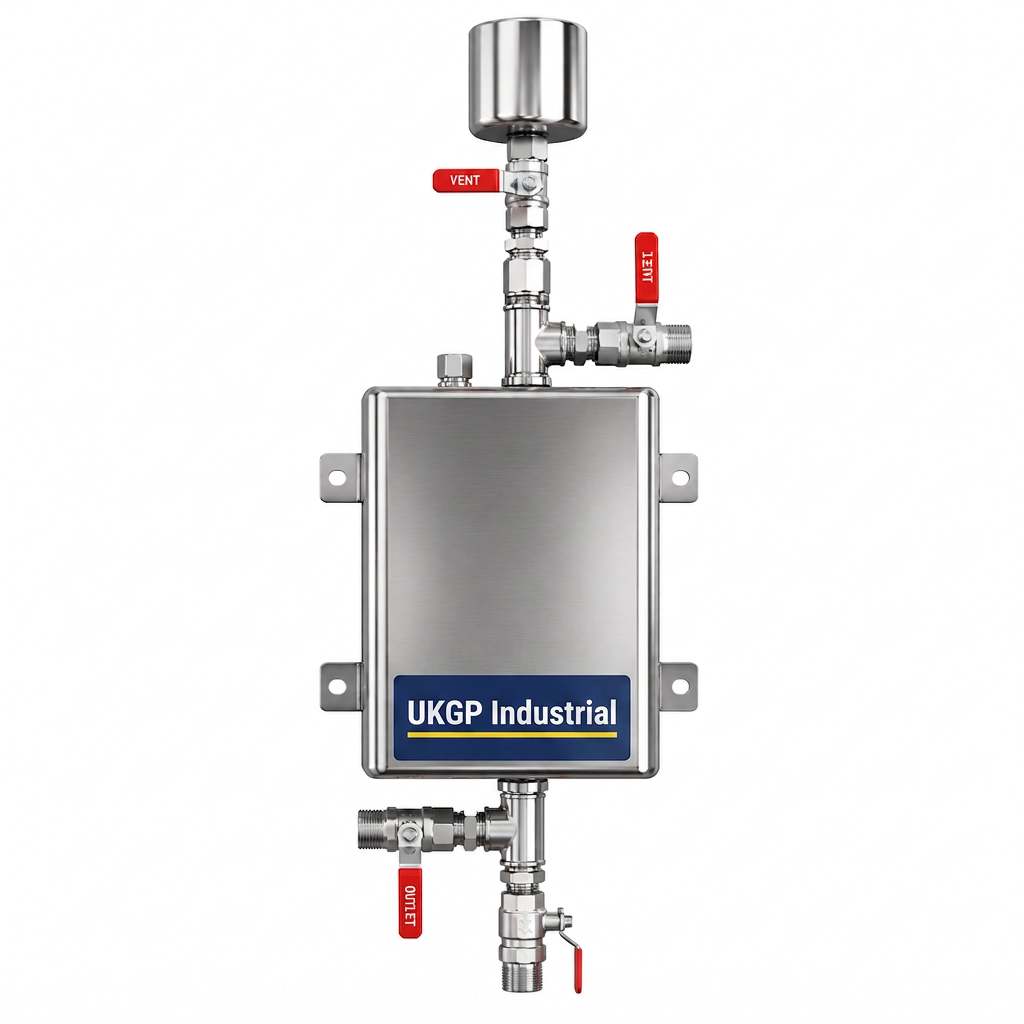
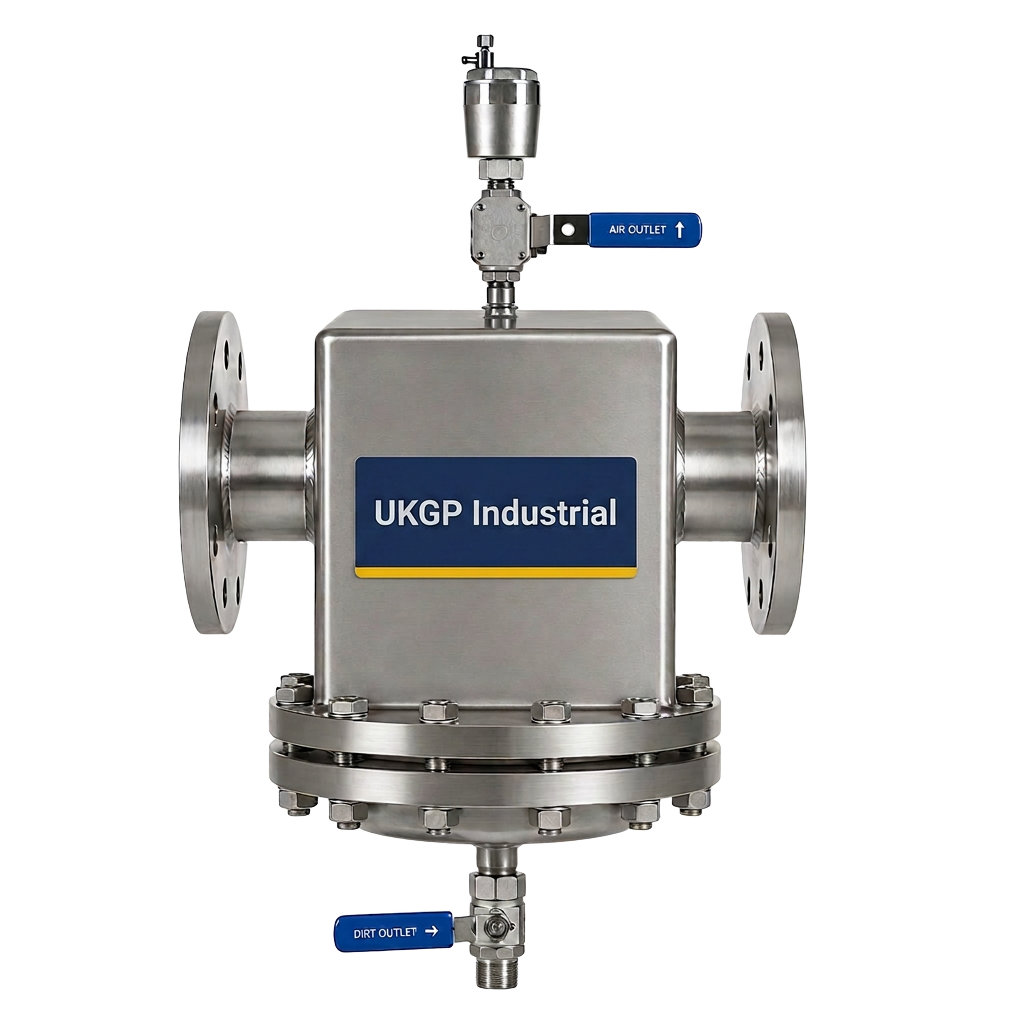
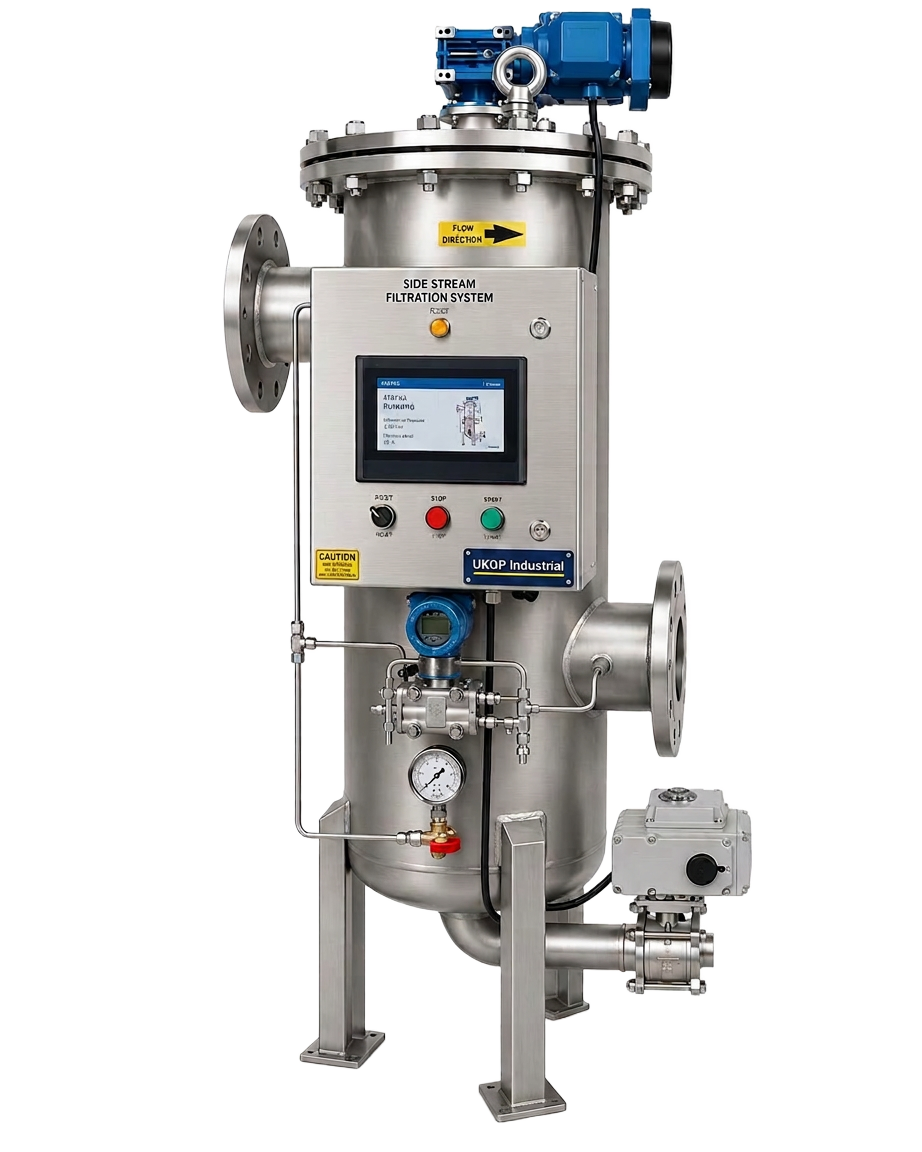
While one-off power flushing prices might seem like a necessary evil, installing a UKGP side stream filtration skid offers a much higher return on investment. Rather than paying for a high-intensity cleaning event every few years, a side stream skid provides continuous 24/7 protection. Our units, ranging from 5 to 50 cubic metres per hour, utilize a combination of powerful magnetic separation and 25-micrometre bag or cartridge filters. This setup ensures that magnetite and non-ferrous debris are captured as they circulate, precisely aligning with BSRIA BG50 guidelines for water quality management in closed-loop systems. By maintaining low turbidity through constant bypass treatment, the system prevents the build-up that would otherwise necessitate an expensive mechanical flush.
The cost-benefit analysis favors side stream filtration because it eliminates the 'see-saw' effect of water quality. Typically, after a system is flushed, debris begins to accumulate immediately. This leads to a gradual decline in heat transfer efficiency within plate heat exchangers and increased wear on pump seals. Eventually, performance drops so low that the FM is forced to pay for another round of commercial power flushing prices. By contrast, a skid-mounted UKGP unit, protected by a 2-year warranty and featuring isolation valves for easy maintenance, keeps the system in a 'steady state' of cleanliness. This not only avoids future flushing costs but also significantly reduces the energy consumption of the building by ensuring boilers and heat exchangers operate at peak design efficiency.
Furthermore, our side stream filtration skids are designed for rapid deployment and simple integration. Each skid is a complete solution, allowing M&E contractors to install the unit into a bypass loop with minimal disruption. Because the filtration happens on a bypass, there is no risk of restricting main flow or causing pressure drops that could trigger BMS alarms. When compared to the disruptive nature of a full system drain-down required by high power flushing prices, the operational advantages are clear. Facilities managers gain peace of mind knowing that their critical assets are protected from the abrasive effects of suspended solids, all while staying compliant with BS 8552 monitoring standards.
- Continuous 25-micrometre filtration versus intermittent mechanical flushing.
- Alignment with BSRIA BG29 and BG50 for long-term system health.
- Significant reduction in long-term plant room operational expenditure.
- Skid-mounted design with 5-50 m³/h capacity for flexible installation.
Protecting Assets from Plate Heat Exchanger Fouling
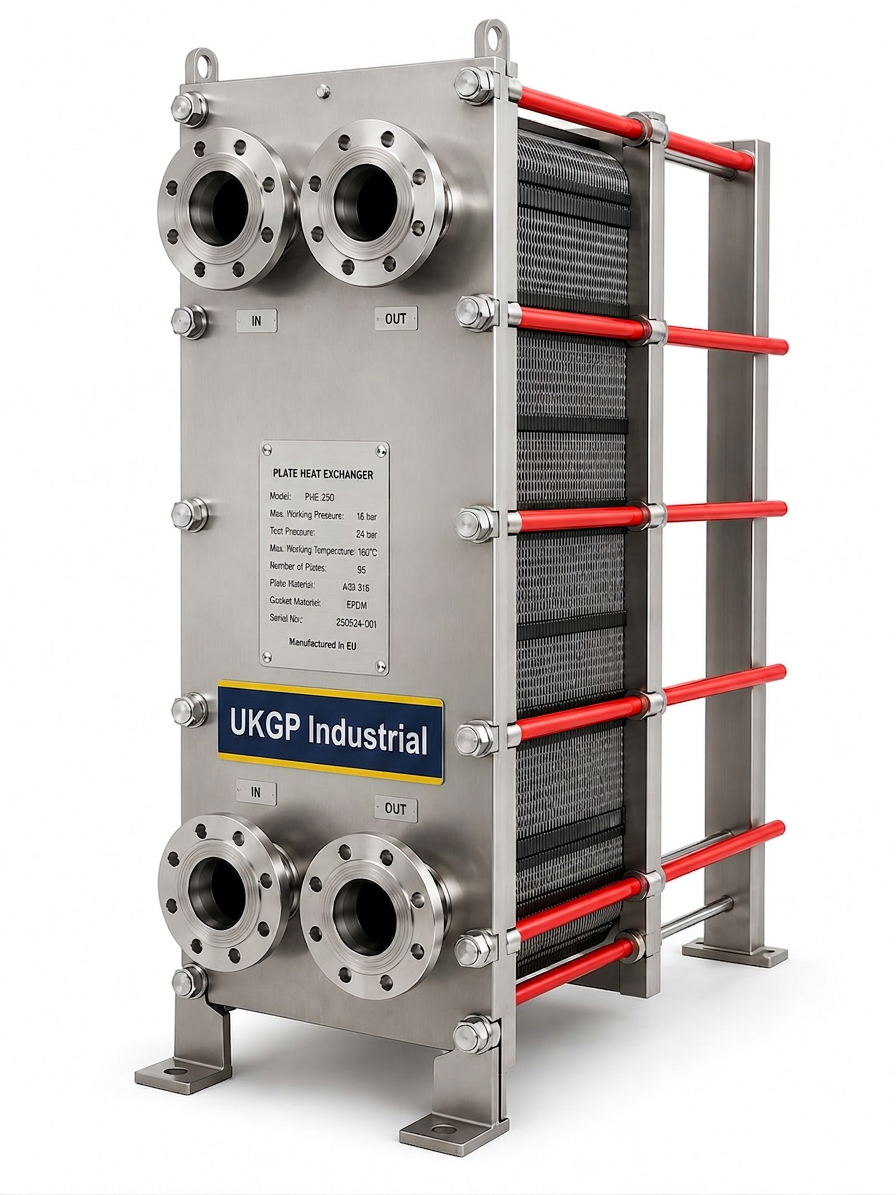
Standard power flushing prices often fail to account for the intricate nature of modern plant room components. A primary example is the plate heat exchanger, where narrow channels are highly susceptible to fouling by fine sludge. Even a professional flush can sometimes push debris deeper into the plate stack if not performed with surgical precision. This fouling increases the approach temperature and forces the primary heat source to work harder, wasting fuel. By integrating our high-quality plate heat exchangers with a dedicated filtration strategy, engineers can ensure that the heat transfer surfaces remain pristine, maintaining the intended BTU output and preventing the thermal stresses that lead to premature plate failure or gasket leaks.
The risk of fouling is particularly high in refurbished systems where new, high-efficiency boilers are coupled with older distribution pipework. In these scenarios, the internal diameter of the new heat exchangers is often much smaller than the original plant. Without permanent filtration, the magnetite released from old steel pipes will migrate directly to the new heat exchanger. Relying solely on a one-off flush at the commissioning stage is a high-risk strategy. The ongoing cost of reduced efficiency can quickly exceed the initial power flushing prices that were paid to clean the system. A dual strategy of high-performance heat exchange and continuous side stream cleaning is the only way to guarantee the longevity of the installation.
We recommend that consultants specify heat exchangers alongside robust filtration to meet the stringent requirements of BS EN 12828. This holistic view of the plant room ensures that the thermal efficiency and hydraulic balance are maintained throughout the lifecycle of the building. Investing in a UKGP side stream filtration skid (5-50 m³/h, magnetic + 25 µm bag/cartridge, BSRIA BG29/BG50 aligned) provides the necessary barrier to protect these sensitive components. This proactive measures ensures that the high investment made in efficiency-driven hardware like heat exchangers and sensors is not undermined by poor water quality and the inevitable build-up of damaging iron oxide and other suspended solids.
- High-efficiency heat transfer requires debris-free system water.
- Reduced thermal stress and gasket wear through better water quality.
- Avoidance of costly manual plate cleaning and descaling procedures.
- Enhanced compatibility with modern, small-bore commercial boiler designs.
The Role of pH Monitoring in Reducing Maintenance Costs
Monitoring is the third pillar of water quality management that helps avoid inflated power flushing prices. Even with physical filtration, chemical imbalances can lead to accelerated corrosion. If the system's pH levels drift out of the recommended range (typically 8.2 to 9.5 for steel/copper systems), the rate of magnetite formation increases exponentially. This puts an unnecessary load on filters and eventually leads to the sludge problems that drive up power flushing prices. Deploying accurate sensors and transmitters allows FM teams to track these metrics in real-time, providing an early warning system before a full-scale mechanical cleaning becomes necessary.
A robust maintenance regime should combine side stream filtration with regular chemical analysis as per BS 8552. When a UKGP side stream filtration skid is in place, the captured debris in the 25 µm bag or cartridge acts as a physical record of system health. If the rate of capture increases suddenly, it is a clear indicator of a change in system chemistry or a fresh ingress of oxygen. Addressing these issues through targeted chemical dosing is far cheaper than paying the full commercial power flushing prices associated with a neglected system. This data-driven approach allows for precise intervention, ensuring that corrosion inhibitors are maintained at the correct concentrations to protect every radiator and pipe.
In conclusion, managing a plant room's budget requires a shift from reactive to proactive maintenance. While it may be tempting to just look at one-off power flushing prices when a problem arises, the smart money is on permanent filtration and monitoring. Our skid-mounted solutions, backed by a 2-year warranty and designed to meet the highest UK industry standards, offer a sustainable alternative to the cycle of fouling and flushing. Contact our Surrey-based technical team today to request a quote for a filtration skid tailored to your system volume, and move away from the unpredictability of mechanical flushing forever. Our engineers are ready to assist with sizing and specification for any commercial HVAC application.
- Real-time pH and conductivity monitoring to prevent corrosion.
- Early detection of oxygen ingress through increased filter loading.
- Cost-effective chemical dosing based on accurate sensor data.
- Support for BSRIA BG50 ongoing water quality management protocols.
Compliance with BSRIA BG29 and BG50 Standards
Industry standards like BSRIA BG29 (Pre-commission Cleaning of Pipework Systems) and BG50 (Water Treatment for Closed Heating and Cooling Systems) are the benchmarks for professional plant room management. Following these guidelines is not just about compliance; it is about risk mitigation. A system that does not meet these standards often suffers from localized boiling, erratic control valve behaviour, and pump failure. When contractors quote power flushing prices, their methodology should strictly adhere to these documents to ensure the work is effective. However, BG50 specifically emphasizes the importance of ongoing water treatment and filtration to maintain the thin protective magnetite film that inhibits further corrosion.
Relying solely on mechanical flushing is often a sign of a failing water treatment strategy. If a facility frequently requires quotes for power flushing prices, it indicates that the underlying cause of the corrosion is not being addressed. A UKGP side stream filtration skid is specifically engineered to align with these BSRIA standards. By providing a continuous bypass flow of up to 50 m³/h, the unit removes the mobile solids that BG29 seeks to eliminate during commissioning, but it does so throughout the life of the system. This consistent application of best practice significantly lowers the total cost of ownership for any commercial heating or cooling installation.
For M&E contractors, recommending a permanent skid-mounted filter is a mark of professional integrity. It shows the client that you are concerned with the long-term viability of the plant, not just a quick fix. Because our units come with isolation valves and high-capacity magnetic separators, they are easy to service and highly effective at capturing the microscopic particles that standard Y-strainers miss. By integrating our technology, you help your clients avoid the high power flushing prices that plague neglected systems, while ensuring the plant room remains a model of efficiency and standard-compliant engineering. This proactive stance is highly valued by building owners and procurement leads across the UK.
- Full alignment with BSRIA BG29 pre-commissioning cleaning.
- Adherence to BSRIA BG50 for life-term water quality maintenance.
- Proven reduction in suspended solids and iron oxide levels.
- Standardized approach for consultants and specifying engineers.
Calculating the Total Value of Your Maintenance Investment
When comparing UKGP side stream filtration against typical power flushing prices, one must consider the operational lifespan. A mechanical flush is a transient event; its benefits begin to decay the moment the contractor leaves the site. Conversely, an investment in a side stream skid—with its magnetic core and 25 µm filtration—provides value every hour the pumps are running. For a medium-sized commercial plant room, the cost of a high-end filtration skid is often comparable to just two or three rounds of professional flushing. Given that our units come with a 2-year warranty, the payback period is exceptionally short when factoring in energy savings and reduced component failure.
Modern boilers and pumps are highly sensitive to the microscopic magnetite particles that a standard flush might leave behind. These particles are abrasive and can degrade pump impellers and seals rapidly. The cost of replacing a large commercial pump can be higher than the power flushing prices themselves. By providing a 25 µm barrier, our filtration skids ensure that these particulates never reach the most expensive parts of your HVAC system. This 'insurance policy' is what makes the skid-mounted solution a favorite for facilities managers at university campuses, hospitals, and high-end commercial offices where uptime is the critical metric.
Ultimately, the goal of any plant room engineer is to achieve a stable, low-maintenance system. High power flushing prices are a symptom of instability. By choosing a UKGP side stream filtration skid (5-50 m³/h capacity, complete with isolation valves and BSRIA alignment), you are choosing a engineered solution over a repeating problem. We invite you to speak with our technical sales team for a bespoke quotation. We can provide detailed specifications and drawings to help you integrate our filtration technology into your next project or refurbishment, ensuring you maintain the highest standards of water quality without the recurring expense of mechanical flushing.
- Rapid ROI through lower energy bills and fewer repairs.
- Protection for expensive high-efficiency boiler internal components.
- Reduced downtime compared to invasive mechanical cleaning.
- Long-term peace of mind with a 2-year manufacturer warranty.
Frequently asked questions
Why are commercial power flushing prices so much higher than domestic ones?
- Commercial power flushing prices reflect the increased complexity, system volume, and administrative requirements of large-scale plant rooms. Large systems require industrial-grade pumps, significant chemical volumes, and multiple days of labour to isolate and clean individual circuits systematically, alongside strict environmental compliance for waste disposal.
Can side stream filtration replace the need for power flushing?
- Yes, if installed early or as part of a refurbishment, a UKGP side stream filtration skid can maintain water quality to BSRIA BG50 standards, effectively removing the need for future mechanical flushes. It captures debris continuously, preventing the build-up that leads to the high power flushing prices seen in neglected systems.
What is the typical flow rate for a UKGP side stream filtration skid?
- Our skids are available with flow rates ranging from 5 to 50 m³/h. They are designed for bypass installation, allowing them to treat a portion of the system water continuously without affecting the main hydraulic circuit's pressure or flow characteristics.
Is side stream filtration compliant with BSRIA guidelines?
- Absolutely. Our filtration solutions are specifically engineered to help facilities managers and contractors comply with BSRIA BG29 and BG50, providing the necessary mechanical separation of magnetic and non-magnetic solids to maintain optimal system health.
What maintenance do the filtration skids require?
- Maintenance is simple and cost-effective. The magnetic rod should be cleaned and the 25 µm bag or cartridge filter replaced periodically based on the pressure differential. Because our skids include isolation valves, this can be done quickly without shutting down the entire heating or cooling system.