Estimating the Power Flushing Price for Commercial Systems
Determining a commercial power flushing price differs significantly from domestic estimates due to the sheer volume of water, complexity of the piping network, and the sensitivity of industrial plant-room equipment. For UK building services consultants, the price isn't just a labour and chemical figure; it must account for the disposal of contaminated effluent under environmental regulations and the potential downtime of critical heating or cooling circuits. A comprehensive quote should reflect the scale of the system, typically measured by the total heat load or the number of terminal units. When procurement leads evaluate the power flushing price, they must consider that a low-cost, superficial flush often fails to remove deeply entrenched magnetite and biofilm, which inevitably leads to premature component failure and increased energy consumption in the following heating season.
In the UK market, the power flushing price for a medium-sized office block or light industrial facility can fluctuate based on the ease of access to the system and the current state of corrosion. Contractors must use high-flow, high-pressure pumps that can overcome the friction losses inherent in extensive commercial pipework. If the system is heavily fouled, the power flushing price may increase as secondary chemical treatments or extended circulation times are required to achieve the water quality parameters mandated by BSRIA BG29 for new builds or BS 8552 for ongoing monitoring. It is essential to ensure that the quote includes a full post-flush report, demonstrating that total suspended solids (TSS) and iron levels have been brought within acceptable limits.
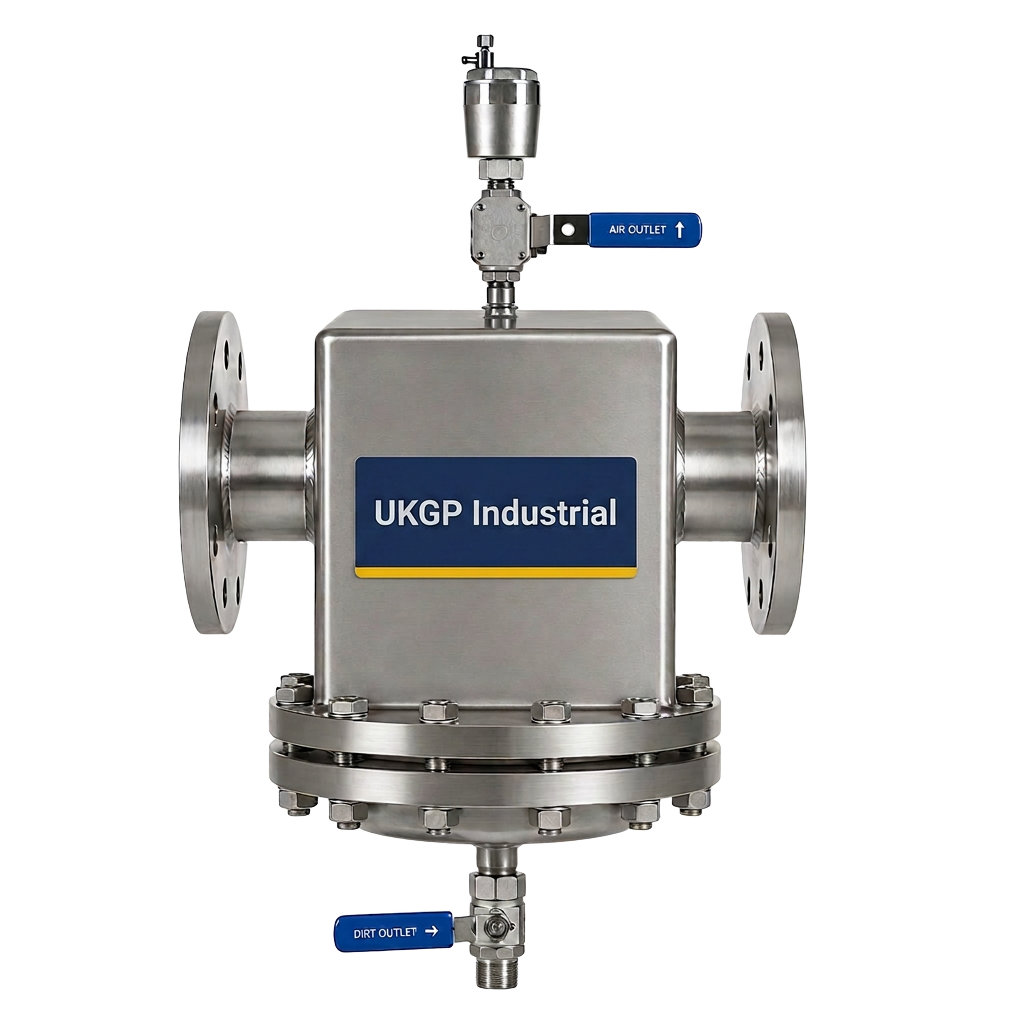
To mitigate a high recurring power flushing price, proactive engineers are increasingly integrating permanent solutions for continuous system cleaning. Relying solely on periodic flushing is a reactive approach that allows sludge to build up between service intervals. By installing high-grade assets like air and dirt separators alongside premium filtration skids, you can significantly extend the period between major remedial flushes. UKGP provides a range of air and dirt separators designed to catch micro-bubbles and fine grit before they settle in low-flow areas of the circuit. This preventive measure reduces the load during a manual flush and ensures that the initial power flushing price remains a one-off capital expenditure rather than a recurring operational burden.
- Labour costs for multi-stage chemical circulation and flushing
- Cost of high-strength, non-acidic BSRIA-compliant chemicals
- Disposal fees for chemical waste in accordance with local UK water authority bylaws
- Pressure testing and reporting to verify system integrity post-treatment
- Hydraulic balancing adjustments required after removing internal obstructions
BSRIA BG29 and BG50: The Regulatory Impact on Costs
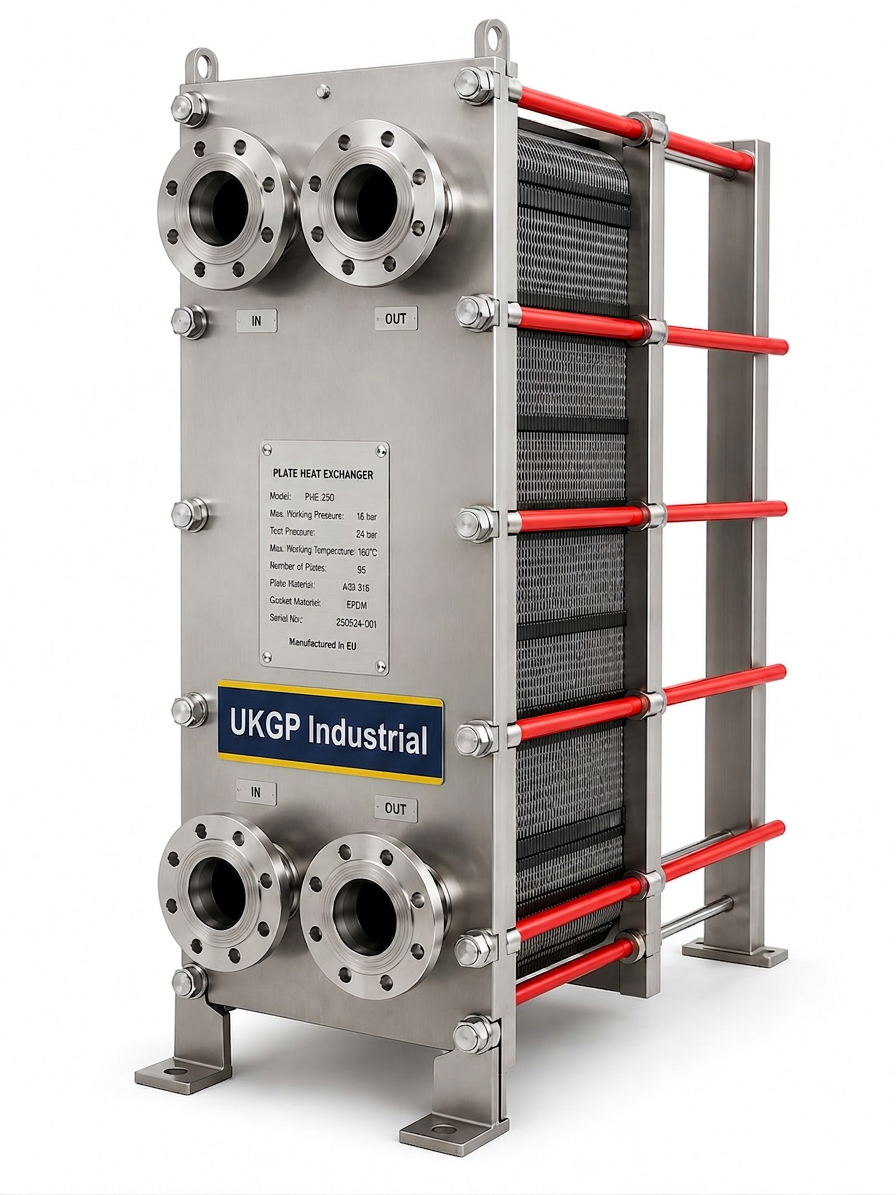
Adherence to BSRIA BG29 (Pre-commission cleaning) and BSRIA BG50 (Water treatment for closed heating and cooling systems) is the standard by which a professional power flushing price is measured in the UK. These documents provide the framework for ensuring that closed-loop systems are free from the debris that causes galvanic corrosion and microbial growth. When a contractor provides a power flushing price, they are pricing for a process that involves system analysis, heavy-duty cleaning, and eventual passivating of the metal surfaces. Skipping these steps to save on the upfront price leads to 'sludge-prone' systems where the efficiency of heat transfer surfaces, such as those in massive plate heat exchangers, is drastically reduced by insulating layers of magnetite.
The power flushing price is influenced by the need for meticulous sampling and laboratory analysis. Under BG50 guidelines, it is not enough to simply clear the water; the chemistry must be balanced to prevent future aerobic or anaerobic microbial activity. This level of technical oversight is why commercial rates are higher than residential ones. A building manager must realize that a BSRIA-aligned power flushing price covers the expertise required to manage total dissolved solids and ensure that the pH levels remain within the narrow window required to protect aluminium and steel components. Without this, the system remains at risk of pinhole leaks and circulation failures that far exceed the cost of the initial cleaning project.
Ultimately, the goal of paying a fair power flushing price is to protect the capital investment in the plant room. For instance, high-efficiency boilers and chillers are extremely sensitive to debris. If a system is not flushed correctly to BSRIA standards, the internal waterways can become blocked within months. This is particularly relevant for systems incorporating large-scale plate heat exchangers where the narrow plate gaps act as a filter for any circulating debris. Ensuring the system is clean from day one—and maintained through effective side stream filtration—is the most commercially aware strategy for any UK facility manager looking to maximize the return on investment for their mechanical assets.
- Validation through independent laboratory water analysis (BS 8552)
- Compliance with BSRIA BG29 for all new-build system handovers
- Alignment with BG50 for life-cycle management of existing closed loops
- Prevention of microbiologically influenced corrosion (MIC) through professional dosing
- Documentation required for manufacturer warranty validation on major plant items
Reducing Future Outlay with Side Stream Filtration
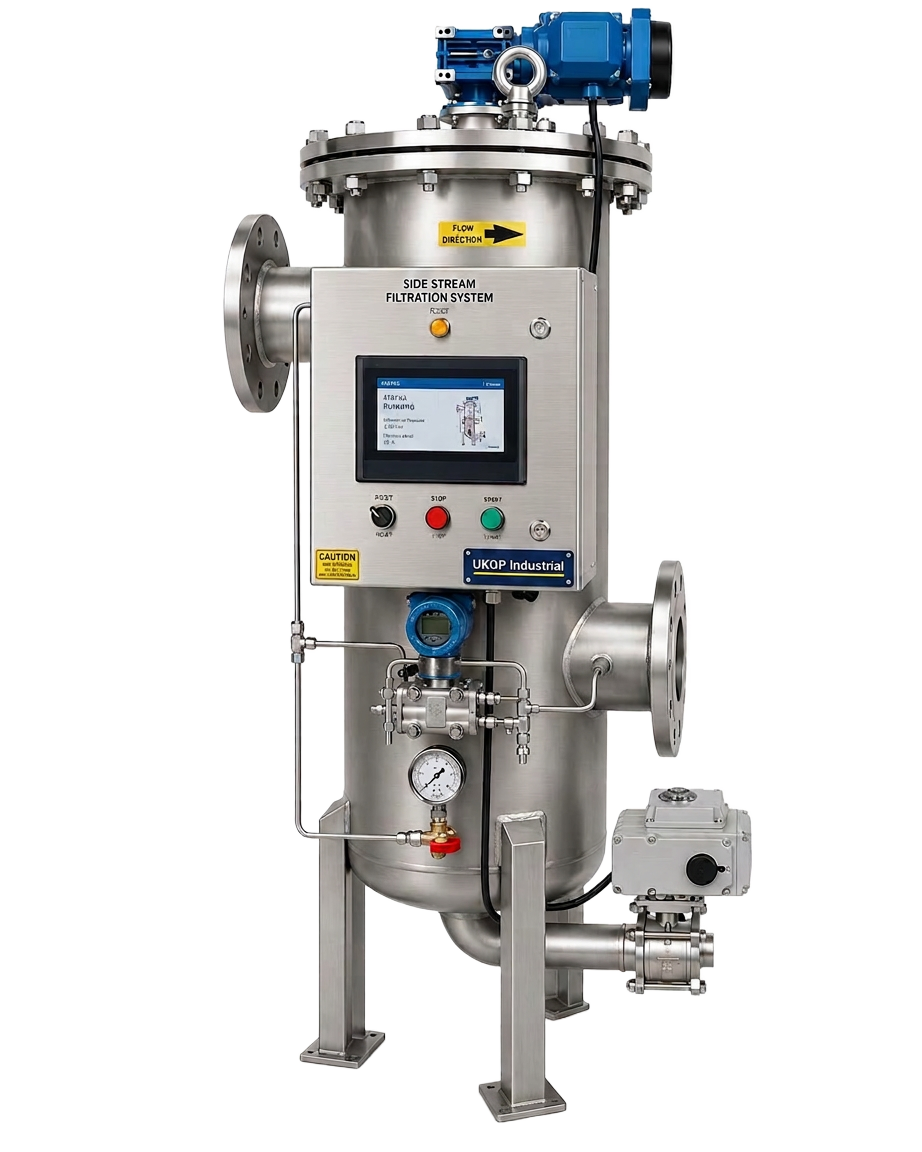
While the immediate power flushing price is a necessary expense for fouled systems, the installation of a UKGP side stream filtration skid is the most effective way to prevent the need for frequent repeat flushing. Our skids, capable of handling 5-50 m³/h, utilize a combination of powerful magnetic separation and 25 µm bag or cartridge filters. This setup is perfectly aligned with BSRIA BG29/BG50 recommendations for continuous water quality maintenance. By diverting a portion of the flow through this high-efficiency skid, you ensure that even the finest suspended solids are removed before they can settle into the sludge that necessitates an expensive power flush. This proactive approach significantly lowers the long-term operational power flushing price for the building owner.
Investing in a UKGP side stream filtration skid provides more than just clean water; it offers peace of mind through a robust, skid-mounted design equipped with isolation valves for easy maintenance. Because our units are built to industrial specifications and come with a 2-year warranty, they represent a durable solution for any plant room. Instead of worrying about the rising power flushing price every few years, engineers can rely on a system that constantly 'polishes' the loop. This is especially critical in modern systems with low-temperature heating and high-efficiency circulators, where even small amounts of magnetite can cause significant damage to permanent magnet pumps and electronic sensors.
For those managing large commercial estates, the inclusion of a filtration skid in the specification is a marker of technical competence. It demonstrates an understanding that water quality is a dynamic factor that requires constant management rather than periodic intervention. Requesting a quote for a UKGP side stream filtration skid allows you to compare the capital cost against the recurring power flushing price and the energy savings associated with clean heat transfer surfaces. With flow rates up to 50 m³/h, our units cater to everything from small commercial units to vast district heating networks, ensuring that every UK building manager has access to BSRIA-aligned water treatment technology.
- High-capacity magnetic separation to capture 100% of metallic debris
- 25-micron filtration for the removal of non-magnetic particulates and silt
- Rugged skid-mounted construction for easy plant-room integration
- Included isolation valves and 2-year warranty for long-term security
- Full alignment with BSRIA BG29 and BG50 best practices
Technical Factors That Inflate the Power Flushing Price
Several technical variables can cause a sharp increase in the power flushing price. In older UK buildings, the presence of galvanized pipework alongside copper and steel can lead to complex chemical requirements to avoid damaging sensitive metals. Furthermore, if the system has been neglected for over a decade, the accumulation of compressed magnetite may be so severe that standard pumps cannot circulate the cleaning agent. In these cases, the power flushing price must include the cost of external temporary pumps or even the physical replacement of the most congested sections of the manifold. This is where site surveys become invaluable to ensure that the initial quote remains accurate and transparent.
Another factor is the total system volume. Large commercial buildings may contain tens of thousands of litres of water, requiring significant quantities of inhibitor and biocide to meet the concentrations specified in British Standards. The power flushing price will naturally scale with the volume of chemicals required. Additionally, the labor involved in 'venting' and 'proving' flow to every individual fan coil unit or radiator in a high-rise building is substantial. M&E contractors must account for the manpower needed to walk the floors and ensure that the flushing process is effective at every extremity of the circuit, not just the main headers.
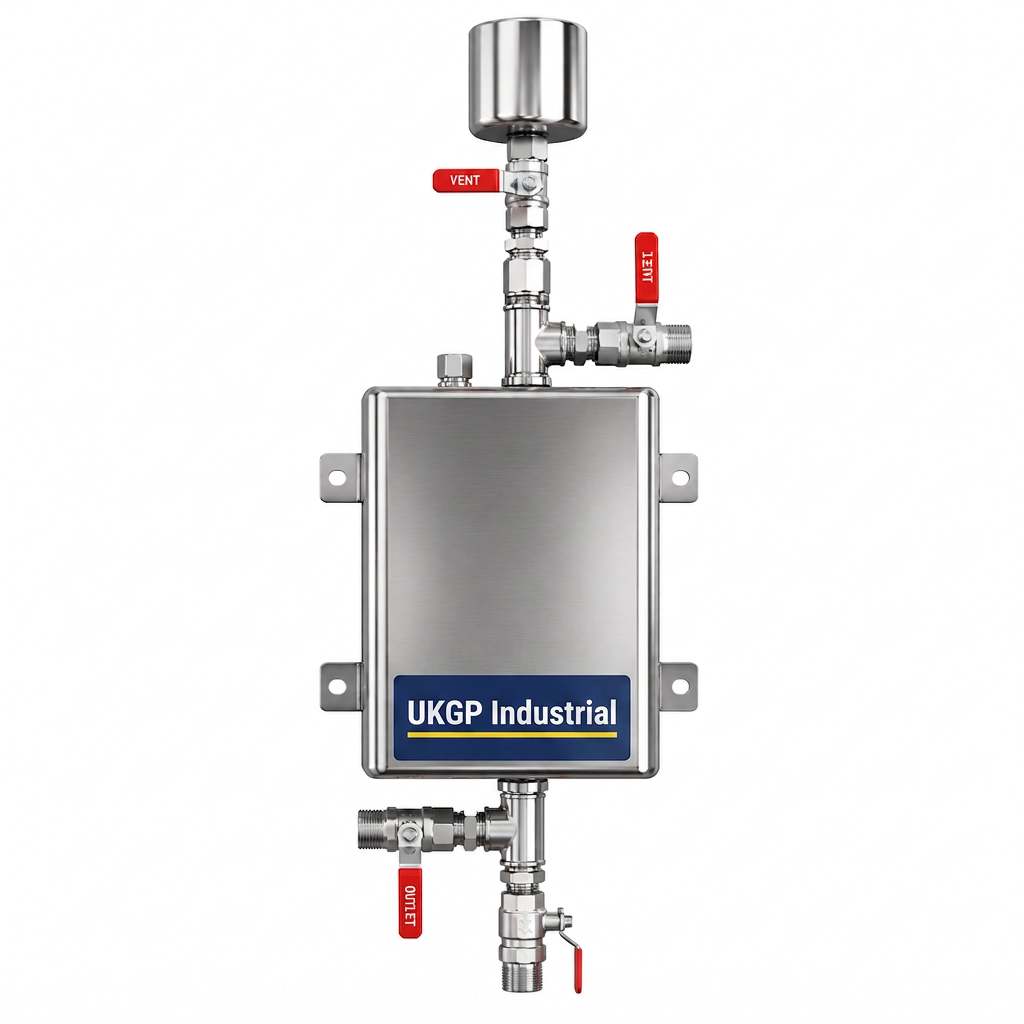
Lastly, the ease of chemical dosing and monitoring impacts the overall project cost. Systems that lack dedicated chemical dosing pots or pH sensors require more manual labor and temporary plumbing, which adds to the power flushing price. By installing a UKGP chemical dosing pot during the remedial works, future chemical additions become a simple, safe task for the on-site team. Similarly, permanent pH sensors and transmitters allow for real-time monitoring of system health, alerting the maintenance team to acid or alkaline shifts before they lead to corrosion, thereby protecting the investment made during the power flush.
- Volume of water and required chemical concentrations
- Number of terminal units and complexity of the pipework layout
- Inclusion of specialist magnetic filtration tools during the process
- Access constraints and the need for out-of-hours working in occupied buildings
- Environmental compliance for the safe discharge of industrial waste
Calculating the ROI of a High Power Flushing Price
While procurement teams often search for the lowest power flushing price, the return on investment (ROI) is found in the subsequent energy savings and reduced repair bills. A system choked with sludge can consume up to 15-20% more fuel to achieve the same thermal output because the sludge acts as an insulator on internal pipe surfaces and heat exchanger coils. By paying a professional power flushing price that ensures a thorough clean, the building as a whole becomes more efficient, often paying back the cost of the flush through reduced utility bills within two years. This is a crucial commercial argument for facility managers when proposing water treatment budgets to stakeholders.
Furthermore, the reduction in mechanical failure rates is a key part of the value proposition. Sludge is the primary cause of pump seal failures, control valve sticking, and internal boiler leaks. A low power flushing price that doesn't actually remove the debris will not prevent these failures. In contrast, a BSRIA-compliant flush, supported by the installation of a side stream filtration skid, effectively resets the system's clock. This long-term view of the power flushing price shifts the perception of the service from a 'grudge purchase' to a strategic asset protection measure that sustains the operational continuity of the building.
To maximize this ROI, we recommend that all major heating and cooling loops are fitted with premium components that facilitate easy maintenance. From expansion bellows that accommodate thermal movement without stressing the joints to low loss headers that ensure hydraulic separation and air/dirt removal, each component plays a role in system longevity. When you request a quote for a UKGP side stream filtration skid, you are opting for a technical standard that minimizes the need for future remedial work. Our 5-50 m³/h units are built to withstand the rigours of commercial plant rooms, ensuring that once you have paid the power flushing price, your system remains in peak condition for the long term.
- Significant reduction in annual energy consumption for HVAC plant
- Extended lifespan of circulator pumps and control valves
- Lower frequency of emergency call-outs for blocked heat exchangers
- Improved thermal comfort for building occupants due to balanced heat distribution
- Enhanced asset value through certified maintenance records and BSRIA compliance
Final Considerations for Procurement and Engineering Leads
Selecting a partner for water treatment requires balancing the power flushing price against the technical requirements of the site. It is vital to ask potential contractors for a written methodology that references BSRIA BG29 and BG50. This ensures that they aren't just 'circulating water' but are performing a systematic cleaning process that involves dynamic flushing and chemical passivation. Any commercial quote for a power flushing price should also outline the magnetic filtration equipment they intend to use, as magnetic capture is the only effective way to remove sub-micron magnetite in a reasonable timeframe.
For those managing multi-site portfolios, standardizing on a high level of water treatment is a move toward operational excellence. By integrating UKGP side stream filtration skids across your assets, you create a baseline of water quality that makes your annual maintenance much more predictable. These skids are designed to be user-friendly, allowing on-site FMs to clear the 25 µm filters and magnetic cores during routine checks, which prevents the build-up of the very contaminants that drive the power flushing price up. This is the difference between reactive firefighting and proactive engineering management in the UK building services sector.
In conclusion, don't let a low power flushing price tempt you into a suboptimal cleaning regime. The cost of a failed system—in terms of both repair and reputation—is far higher than the cost of doing it right the first time. Align your building with BSRIA standards and protect your HVAC circuit with a UKGP side stream filtration skid (5-50 m³/h, magnetic + 25 µm bag/cartridge). Our experts are ready to assist you with technical specifications and quotations to ensure your plant room operates at its highest potential. Contact us today to discuss your project requirements and receive a quote for the filtration technology that keeps your system clean for its entire lifecycle.
- Verify contractor credentials and knowledge of BS 8552 monitoring protocols
- Ensure all cleaning chemicals are compatible with the specific metallurgy of the system
- Request detailed post-work certification to satisfy insurance and warranty needs
- Implement a permanent side stream filtration strategy to lower ongoing costs
- Standardise on high-quality plant-room components for better hydraulic control
Frequently asked questions
How much does a commercial power flushing price typically start at?
- Commercial power flushing prices vary wildly depending on system volume and debris levels, but they typically start from £1,500 for small commercial units and can exceed £10,000 for large-scale district heating or high-rise office systems due to the complexity and volume of chemicals required.
Does a power flushing price include the cost of a filtration skid?
- Normally, a power flushing price is a one-off remedial service cost. However, many contractors recommend installing a UKGP side stream filtration skid as a separate capital item during the work to ensure the system remains clean and to prevent the need for further expensive flushes.
Why is BSRIA BG29 compliance important for the price I pay?
- BG29 compliance ensures that the cleaning process is thorough enough to meet industry standards. While it may result in a higher initial power flushing price, it guarantees that all debris and microbial risks are mitigated, protecting your boiler and pump warranties.
How long does a commercial power flush take?
- A professional commercial power flush can take anywhere from 2 days to over a week, depending on the system size. The power flushing price reflects the labor required to circulate chemicals and flush individual zones until samples meet the BS 8552 requirements.
Can side stream filtration reduce the frequency of power flushing?
- Yes, installing a UKGP side stream filtration skid (5-50 m³/h) continuously removes magnetite and grit down to 25 microns. This massively reduces the rate of sludge accumulation, significantly extending the time between manual flushes and saving money on the long-term power flushing price.